Jaw Tension Relief for Stressed Professionals: Effective Techniques
Discover stress-relief techniques for jaw tension in professionals. Evidence-based tips for jaw pain.

You have a big presentation tomorrow, an inbox that won't quit, and a jaw that feels like it moonlights as a nutcracker. You're not alone. Up to 30 percent of adults grind or clench during the workday, and the numbers spike when deadlines loom. A 2022 systematic review found that chronic jaw muscle pain rewires how you process sensation, making the whole area extra jumpy (Cayrol et al., 2022). In plain terms, stress hits your jaw first and asks questions later.
This article breaks down the science behind jaw tension and gives you tools you can start using before your next Zoom call. Expect evidence, not fluff, delivered in plain language with a touch of good-natured humor.
Understanding Jaw Tension and Its Causes
The Link Between Stress and Jaw Pain
Your jaw is a hinge that never clocks out. When you're stressed, the body activates its fight-or-flight response. Heart rate climbs, breathing gets shallow, and facial muscles brace for impact. A study mapping injuries in combat athletes showed that repeated clenching and impact overload the temporomandibular joint (TMJ), setting the stage for pain even in non-fighters facing desk combat (Bursztyn et al., 2026). The same review reported micro-traumas from constant tension that echo what white-collar workers experience after hours of keyboard pounding. To understand more about how stress makes bruxism worse, you can read about the connection between stress and bruxism here.
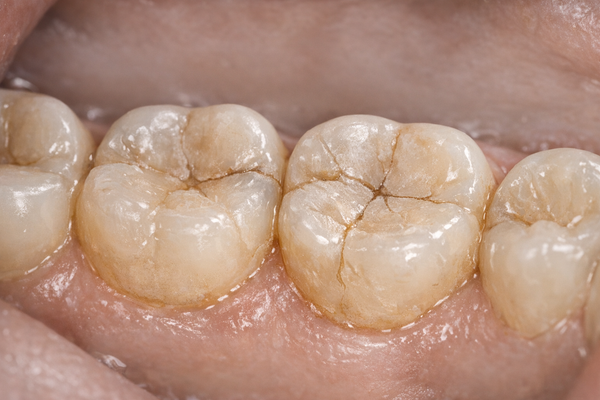
Meet Sara, a 34-year-old marketing manager working fully remote since 2020. During a launch week, Sara caught herself holding her breath while answering emails, shoulders crawling toward her ears, jaw clamped tight. By Thursday, she had an ice-pick headache behind her eye and assumed it was screen fatigue. Her dentist later pointed out freshly chipped enamel—classic stress clenching. Sara’s story is typical of "silent bruxism," the kind that only shows up once the damage is obvious. The moral: if you wait for screaming pain, you're already late to the party.
Stress chemistry explains the rest. Cortisol and adrenaline tighten muscles so you can either run or throw a punch. Unfortunately, that chemical squeeze doesn't fade when the stressor lives in your inbox. Over time, tight muscles tug on the delicate TMJ disk. Sensory nerves fire off danger signals, and the brain begins to interpret harmless jaw movement as painful. The 2022 meta-analysis mentioned earlier confirms that chronic tension changes pain thresholds (Cayrol et al., 2022).
Symptoms of Jaw Tension
- Morning headaches or temple pain that fades after coffee
- Popping or clicking when you open wide for a yawn
- Ear fullness or ringing not linked to an ear infection
- Sore teeth despite no obvious dental issues
- Limited mouth opening, especially after a tough workday
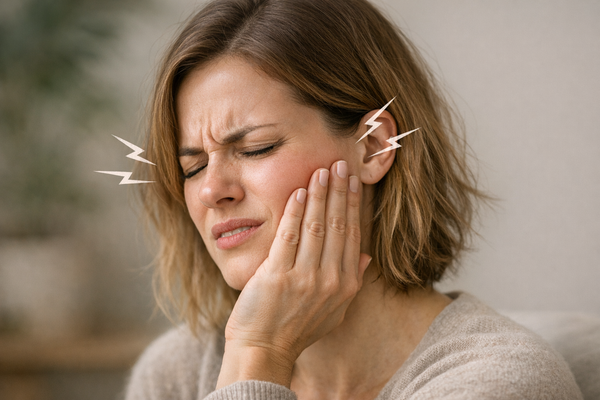
- A feeling of facial “fatigue,” as if you just chewed a jumbo bag of gummy bears
Do any of these sound familiar? You could be dealing with more than simple stress, but tension is often the first domino to fall. Knowing the signs helps you intercept the problem early. If you're unsure whether your jaw pain is due to bruxism, learn about key indicators.
Research-Backed Techniques for Jaw Tension Relief
Relaxation Techniques
Relaxation sounds like a spa weekend, but physiology says otherwise. A systematic review on cardiovascular patients showed that breathing drills, progressive muscle relaxation, and guided imagery cut cortisol and lowered perceived stress by up to 40 percent (Calderone et al., 2025). Your heart isn't the only beneficiary. Less cortisol equals looser jaw muscles.
Here are some techniques you can adapt right at your desk:
- Box breathing – Inhale for four counts, hold for four, exhale for four, hold for four. Repeat for one minute.
- Progressive jaw release – Gently clench for two seconds, then let go. Feel the contrast. Do five rounds.
- Guided imagery – Picture your lower jaw as a hammock. Each exhale lets it sag a little more.
For tech support, apps such as Breathwrk, Oak, or even the Apple Watch “Breathe” prompt can nudge you every hour. Pair the buzz with a jaw check—let the tongue rest behind the teeth, lips closed, teeth apart. That “teeth apart” cue is the gold standard preached by orofacial pain clinics.
These drills help your nervous system switch from high alert to rest-and-digest. Consistency beats intensity. Two minutes, three times a day, delivers measurable results within two weeks according to the systematic review above. If you're interested in exploring more relaxation techniques, you can discover effective jaw relaxation techniques.
Manual Therapy
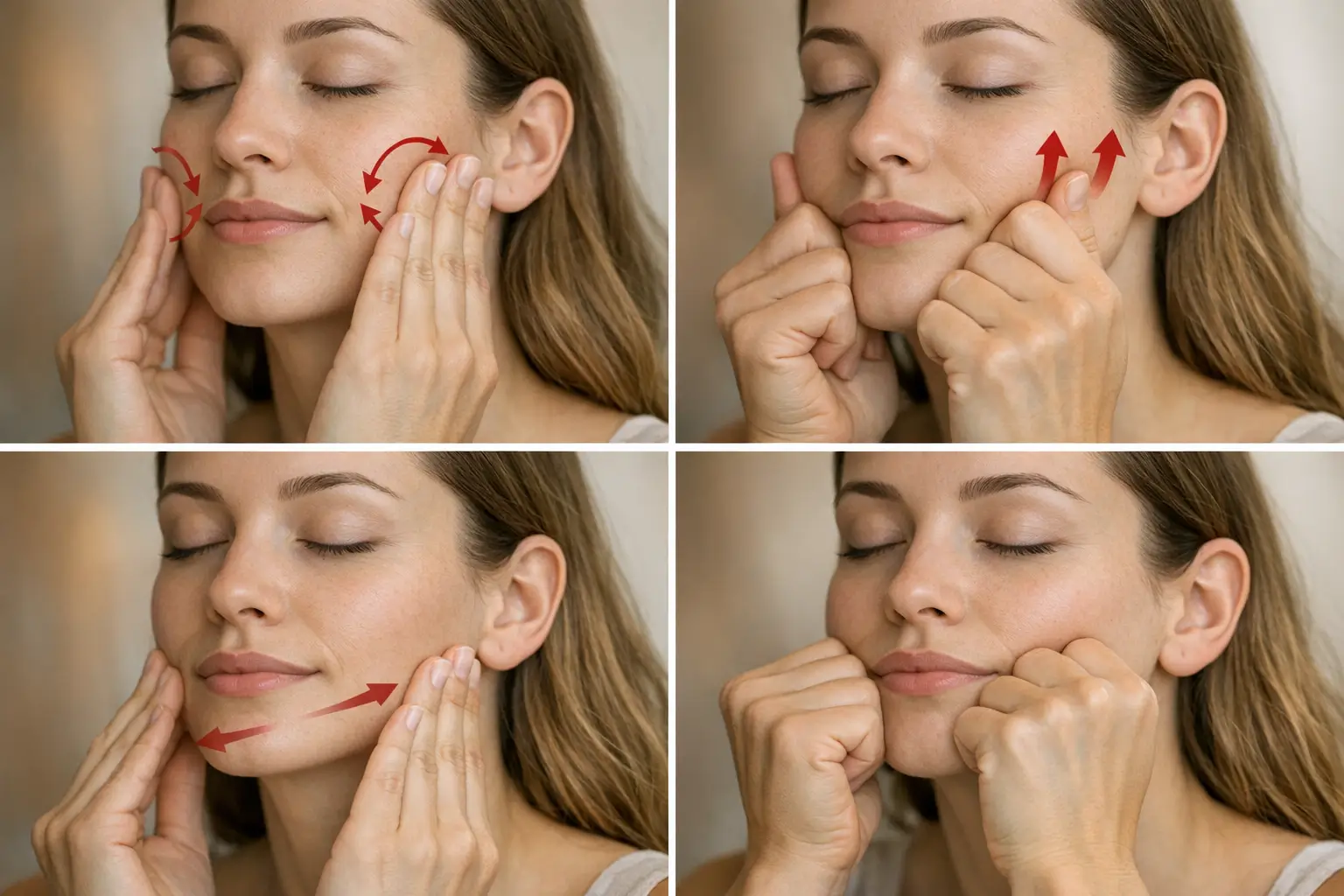
Hands-on techniques deserve their own spotlight. A case series on massage therapy that targeted jaw-related muscles cut chronic tension-type headaches in half after three weekly sessions (Shields et al., 2020). While the study focused on headaches, the same muscles anchor the jaw, so benefits overlap.
Here's how manual therapy helps:
- Increased blood flow – Massage brings oxygen, which flushes metabolic waste that makes muscles cranky.
- Neurological reset – Light pressure on trigger points sends signals up the spinal cord that dampen pain perception.
- Fascial glide – Gentle stretching reduces the stickiness between layers of connective tissue.
If a therapist isn't in your budget, self-massage can bridge the gap. Use your index and middle fingers to press into the masseter (the beefy muscle just in front of your ear) in slow circles for 60 seconds per side. Follow with a gentle stretch: open your mouth until mild tension and hold for five seconds, repeat three times. For more on how self-massage can ease bruxism symptoms, read about its benefits here.
If you like tools, a clean lacrosse ball against the wall can reach the temporalis muscle on the side of your head. Roll slowly until you hit a tender spot, breathe, and hold for 20 seconds. Caution: stay off the jawbone itself and keep pressure moderate—this is a release, not a self-inflicted concussion.
Daily Practices to Alleviate Jaw Pain
Mindfulness and Breathing Exercises
Mindfulness is not a mystical ritual. Think of it as attention strength training. A review on jaw myalgia showed that patients who practiced mindful breathing scored lower on pain sensitivity tests (Cayrol et al., 2022). Here are two quick drills:
- Sticky note reminder – Place a note that reads “Jaw?” on your laptop bezel. Each time you see it, scan for clenching and release.
- 5-4-3-2-1 scan – Identify five things you see, four you hear, three you feel, two you smell, one you taste. In 60 seconds, you pull attention away from stress triggers and jaw tension eases.
Add the “drop test” once an hour: let your lower jaw hang freely for three slow breaths. Gravity stretches tight chewing muscles, and you look contemplative on camera—not weird, promise.
Ergonomic Adjustments
Your workstation can sabotage even the best breathing routine. A 2015 case series on muscle tension disorders found that combining exercise with posture tweaks improved vocal muscle pain, a close cousin to jaw tension (Tomlinson and Archer, 2015). Apply these principles to your desk:
- Monitor height – Top third of the screen at eye level prevents chin jutting, which strains jaw muscles.
- Chair support – Lumbar support keeps your spine neutral, reducing forward head posture that locks the jaw.
- Keyboard distance – Elbows at 90 degrees so shoulders stay relaxed and jaw muscles don't brace.
- Hourly microbreaks – Stand up, roll shoulders, wiggle jaw side to side ten times.
Laptop user without an external monitor? Prop the machine on a stack of books and plug in a separate keyboard. Your neck—and subsequently your jaw—will thank you. Also, ditch the cradled-phone-between-ear-and-shoulder move. Use earbuds; asymmetric neck strain is a jaw tension accelerator. To learn more about the link between posture and jaw pain, explore how poor posture worsens jaw pain.

The Role of Professional Treatment for Severe Cases
When to Seek Help
Self-care has limits. Persistent pain, locking, or a sudden change in bite calls for professional evaluation. Combat-sport research highlights that untreated TMJ injuries can lead to joint degeneration and chronic disability (Bursztyn et al., 2026).
Red flags include:
- Mouth opening under 30 millimeters (roughly two finger widths)
- Jaw deviates to one side when opening
- Sharp pain that wakes you at night
- Numbness or tingling in the face
Treatment Options
Once you cross into professional territory, here's what you can expect:
- Physical therapy – Therapists use targeted stretches, joint mobilizations, and graded exercises backed by the same sensory research we discussed earlier (Cayrol et al., 2022).
- Dental splints – Custom night guards offload pressure when you clench in your sleep. The Mayo Clinic notes that hard acrylic models last longer and keep teeth in better alignment compared to over-the-counter versions. For more on choosing the right night guard, learn about selecting the best mouth guard for bruxism.
- Trigger point injections – In severe muscle spasm, small doses of anesthetic or botulinum toxin can reset overactive fibers. Discuss risks with a specialist.
- Cognitive behavioral therapy (CBT) – Stress is still the puppet master. CBT teaches coping strategies that lower muscle tension indirectly. The American Psychological Association lists jaw pain as a common target for CBT-based stress reduction.
Telehealth bonus: many orofacial pain clinics now offer video evaluations. A therapist can watch you open, close, and chew on camera, then email exercises and splint referrals—perfect for anyone remote or travel-bound. If you're considering whether CBT or mindfulness techniques might help, compare CBT and mindfulness for bruxism relief.
One compelling case study tracked a patient with severe TMJ degeneration who improved range of motion from 22 to 45 millimeters after a 12-week program combining splint therapy, manual stretching, and CBT (Bursztyn et al., 2026). The takeaway: multimodal care trumps any single intervention.
Lifestyle Changes for Long-Term Relief
Diet and Nutrition
Your jaw is a muscle. Feed it like one. The relaxation review we cited earlier reported better outcomes when participants paired stress techniques with a Mediterranean-style diet rich in omega-3s (Calderone et al., 2025). Healthy fats dampen inflammation, letting overworked jaw tissues repair.
Try these jaw-friendly swaps:
- Trade chewy bagels for soft whole-grain toast to cut clenching triggers.
- Add fatty fish like salmon twice a week for natural anti-inflammatory omega-3s.
- Swap soda for green tea; catechins fight inflammation and stress chemistry.
- Chew sugar-free gum only 5 minutes at a time. Long sessions act like weightlifting for your jaw.
- Stay hydrated—dehydrated muscles spasm more easily. A reusable bottle at your desk doubles as a clench-breaking reminder because you can't drink and grind simultaneously.
- Magnesium-rich foods (pumpkin seeds, dark chocolate, spinach) help muscle relaxation at a cellular level.
Sleep Improvements
Nighttime bruxism is the sleeper cell of jaw tension. Poor sleep quality amplifies cortisol and muscle activity. The massage case series noted that patients who fixed sleep hygiene retained headache gains longer (Shields et al., 2020).
Sleep hygiene checklist:
- Set a wind-down alarm – One hour before bed to cue screens off.
- Keep room cool – 18-20 °C is jaw-friendly. Heat makes muscles restless.
- No caffeine after 2 p.m. – It lingers and spikes clenching. If you're curious about the effects of caffeine on bruxism, explore how caffeine impacts teeth grinding.
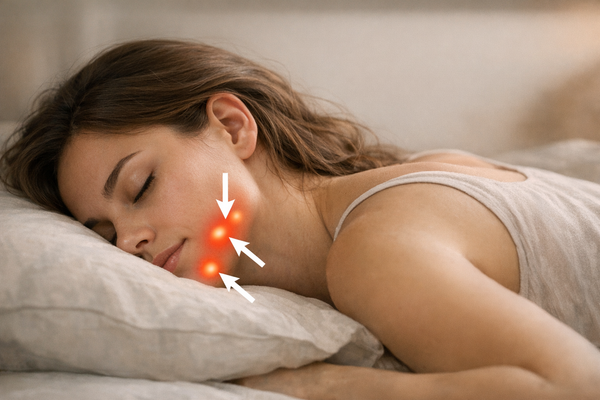
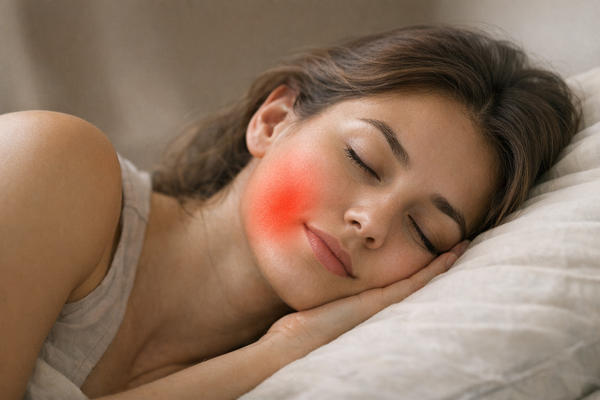
- Side sleeping – Back sleepers often drop the jaw open, stressing ligaments. A small side pillow supports alignment.
You may have seen social media buzz about “mouth taping” to promote nasal breathing. While nasal airflow is great for relaxation, taping can backfire if you have allergies or undiagnosed sleep apnea. Talk to a sleep specialist before going full DIY.
If you still wake with sore jaw muscles, talk to a dentist about a sleep study. Obstructive sleep apnea and bruxism often co-exist, and treating one can calm the other according to the National Institute of Dental and Craniofacial Research. To understand more about how sleep positions impact bruxism, read about how sleep positions affect jaw pain.
Conclusion: Taking Control of Your Jaw Health
Jaw tension isn't a life sentence. You have science-backed tools: mindful breathing, ergonomic tweaks, manual release, nutritious food, and solid sleep. Use them daily and track how your jaw feels over time. If pain escalates, bring in the pros early. Integrating these techniques into your routine lets you focus on crushing goals instead of cracking molars.