Is One-Sided Jaw Pain a Sign of Bruxism or Something Else?
Explore causes of one-sided jaw pain and how to differentiate them from bruxism.
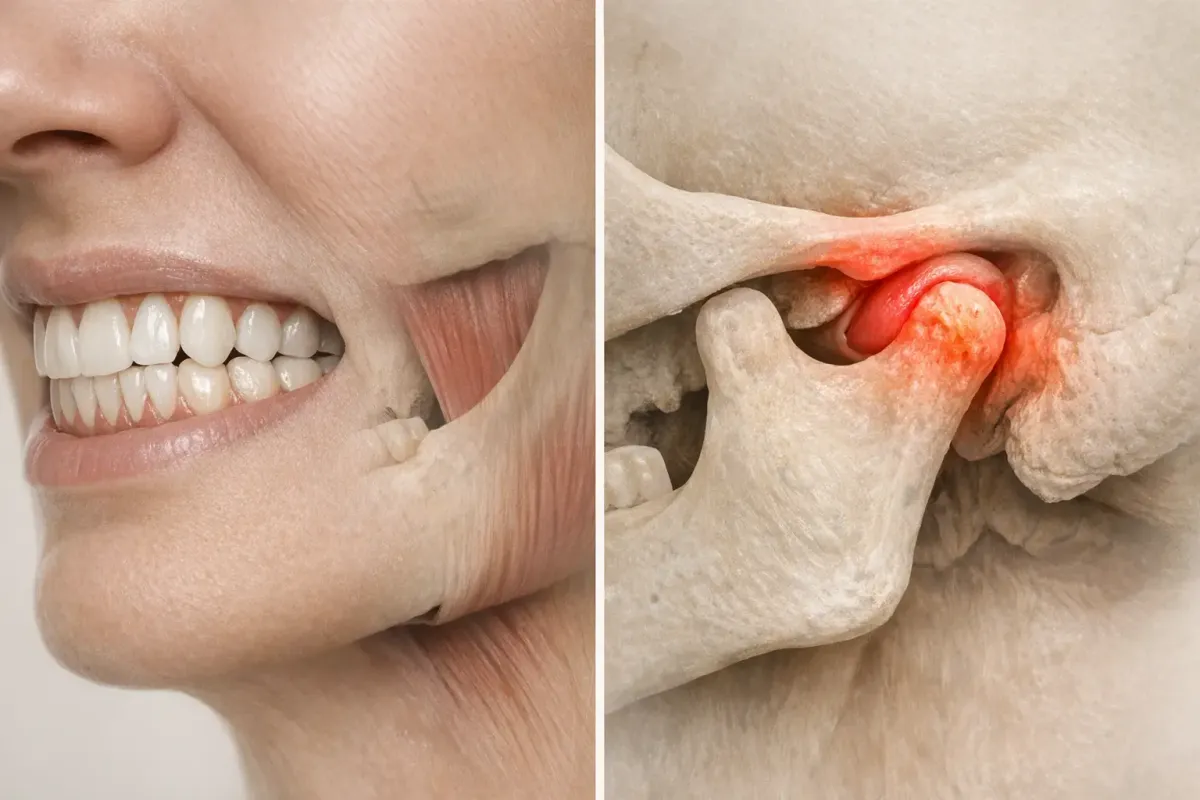
If you woke up today with a dull, nagging throb on just one side of your jaw, your first thought might be, “Did I grind my teeth all night?” That's a good hunch, but it's far from the only explanation. Research shows that one-sided jaw pain can stem from muscles, the jaw joint, teeth, nerves, or even your sinuses. The puzzle gets trickier when pain sticks to one side. Understanding the potential causes can help you determine whether bruxism, temporomandibular disorders (TMD), or something else is to blame.
This article breaks down the science behind one-sided jaw pain, helping you identify the root cause and explore treatment options. Information is drawn from recent peer-reviewed studies and trusted medical organizations, cutting through internet noise to deliver reliable insights.
Understanding One-Sided Jaw Pain
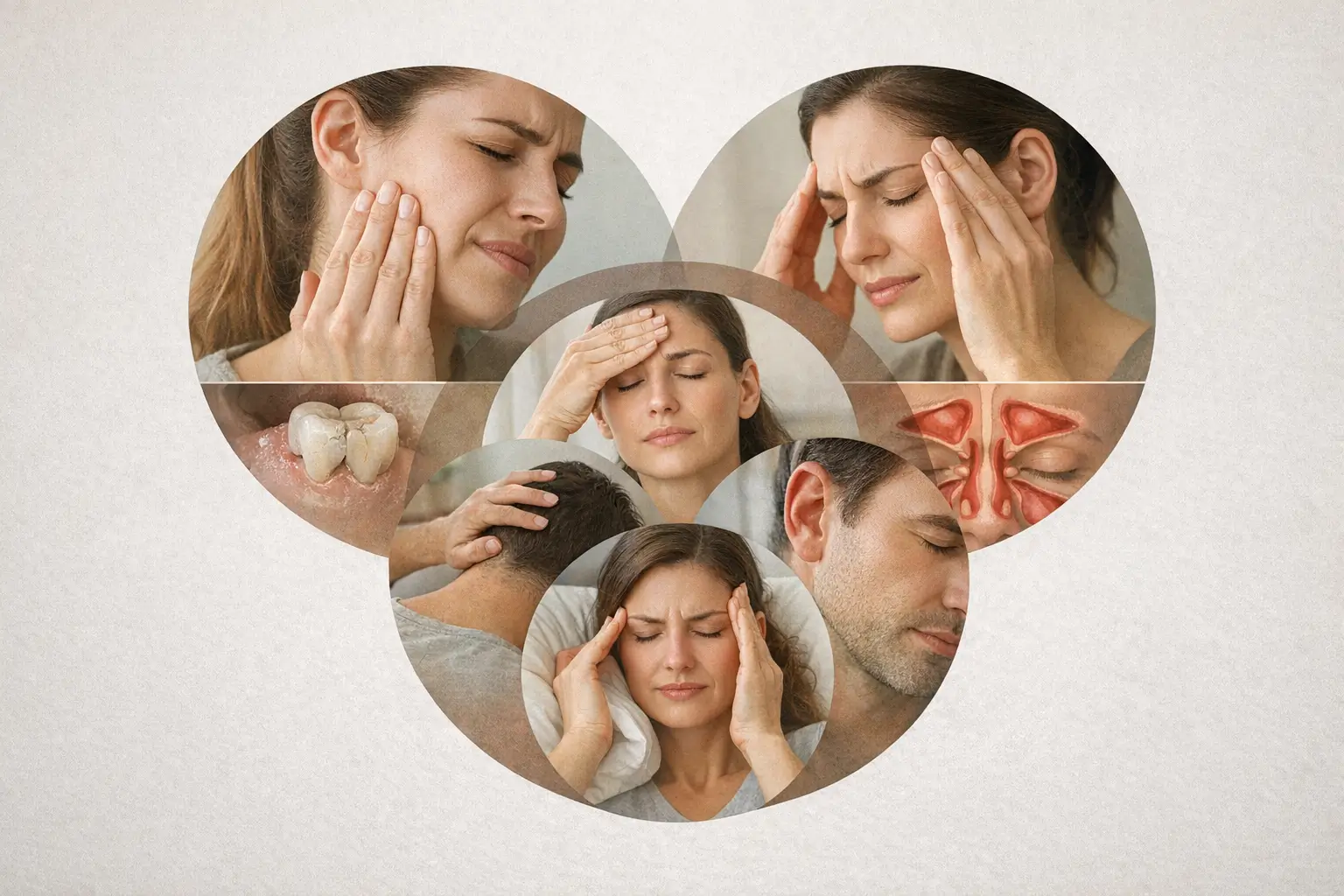
A sore jaw is common, affecting roughly 10 to 15 percent of adults at some point, according to Goodfred et al. 2025. Pain that sticks to the left or right side only can narrow the list of suspects, yet it remains extensive. Teeth grinding (bruxism), joint problems (TMD), dental decay, sinus infections, and even muscle injuries can all manifest as unilateral discomfort. Understanding each cause can guide you in deciding whether to try home care, call your dentist, or book a medical appointment.
Common Causes
- Bruxism: Repetitive clenching or grinding stresses jaw muscles, especially the masseter. If your bite is slightly off, one side may overwork and hurt more. Learn more about the sudden onset of bruxism symptoms.
- Temporomandibular disorders (TMD): Dysfunction in the temporomandibular joint (TMJ) can be mechanical (a disc slipping) or muscular. It often begins on one side before spreading.
- Dental problems: An abscessed tooth, cracked filling, or new crown that's too high can radiate pain along the jawline.
- Sinus infections: Maxillary sinuses sit close to upper molar roots. When clogged, they can refer pain that feels like tooth or jaw trouble on a single side.
- Trauma or strain: A sports hit, whiplash, or even habitually chewing gum on the same side can inflame local muscles.
Symptoms to Watch For
The following guide isn't medical gospel, but it gives you a quick cheat sheet:
- Pain that worsens on waking and eases midday points to night grinding. Explore why morning jaw pain and headaches may indicate nighttime teeth grinding.
- A popping or clicking sound, especially with opening, leans toward TMD.
- Sharp, shooting pain triggered by a specific tooth hints at dental decay.
- Pressure under cheekbones that worsens when bending forward is classic for sinus congestion.
- Swelling or bruising after a recent knock likely indicates an injury.
Because symptoms overlap, clinicians use a mix of physical exams and imaging. Surface electromyography (sEMG) and nerve conduction tests, as reviewed in Raciti et al. 2025, can further distinguish between muscle and joint origins.
Bruxism and Its Symptoms
Bruxism is the term for grinding or clenching teeth when you shouldn't. The Cleveland Clinic describes two types: sleep bruxism and awake bruxism. Both involve repetitive jaw muscle activity, yet they differ in triggers, awareness, and discovery by a dentist or sleep partner.
A 2025 systematic review by Belenda González et al. found a strong link between bruxism and psychological factors like stress, anxiety, and depression. This link may explain why grinding sometimes flares on only one side; people clench harder on their dominant chewing side during tense moments.
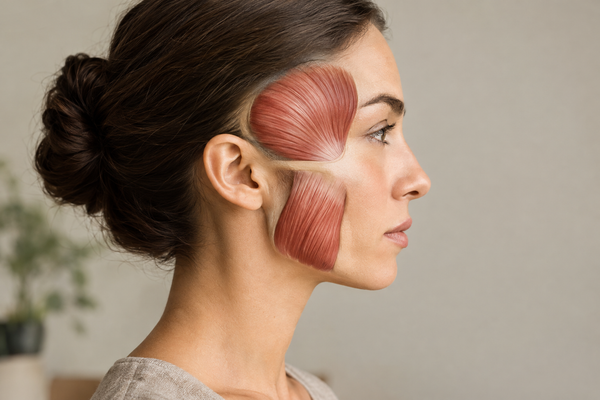
- Muscle soreness: The masseter and temporalis muscles fatigue after a night workout they never signed up for.
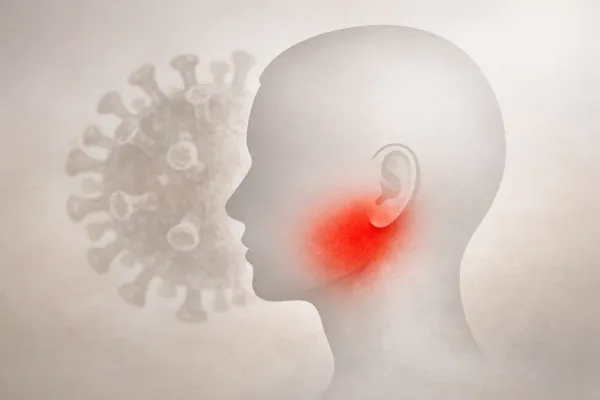
- Ear or temple ache: Overused jaw muscles can radiate pain upward or toward the ear canal, fooling you into suspecting an ear infection. Explore how ear pain may be linked to TMJ and bruxism.
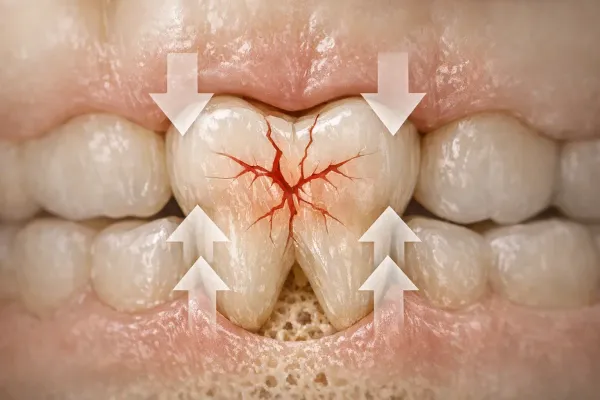
- Tooth wear: Flat edges or small chips often show more on the grinding side.
- Headaches: A meta-regression by Zieliński et al. 2025 notes that people with both bruxism and TMD report migraines 1.5 times more often than the general population.
Daytime vs. Nighttime Bruxism
Daytime bruxism is semi-voluntary. You may catch yourself clenching during emails, steering through traffic, or working out. Because you're upright, gravity helps keep the jaw relaxed, so muscle fatigue piles up slower and pain often localizes to one hotspot. Consider exploring effective solutions for daytime clenching.
Nighttime bruxism is different. During REM sleep, bite force can spike to 250 pounds per square inch, far more than any steak really needs. That load can compress the TMJ and surrounding tissues, making unilateral morning jaw pain a common complaint. Polysomnography, the gold standard sleep study, confirms the diagnosis by measuring rhythmic masticatory muscle activity.
Temporomandibular Disorders Explained
Your temporomandibular joint is a sliding hinge connecting your jawbone to your skull. When that hinge goes rogue, you enter the world of temporomandibular disorders. The umbrella term includes joint degeneration, disc displacement, and muscle-based issues like myofascial pain.
According to Goodfred et al. 2025, TMD affects around 5 to 12 percent of adults, peaking among women of childbearing age. Because each TMJ is roughly the size of your thumbnail and works independently, dysfunction commonly starts on one side.
Symptoms of TMD
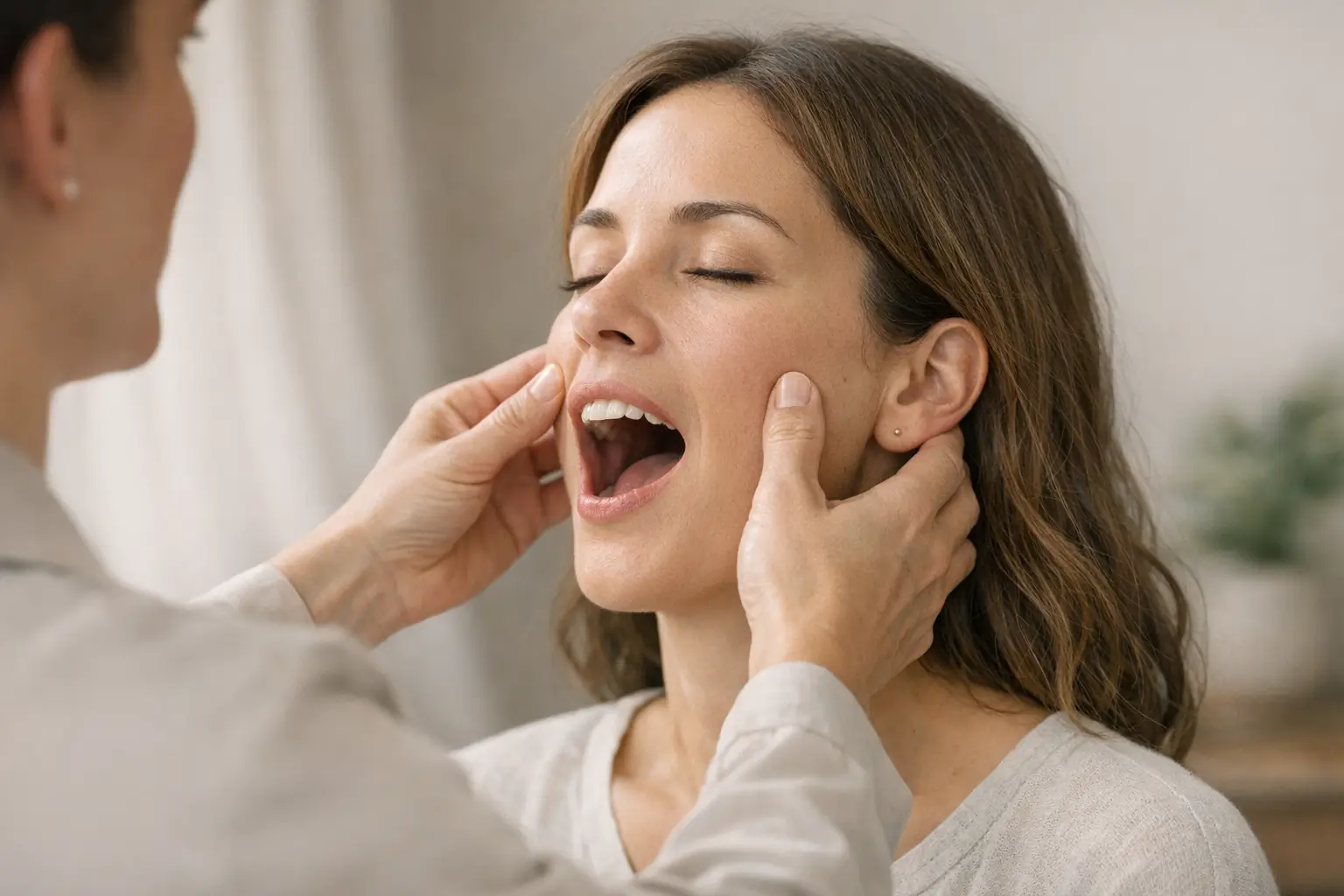
- Pain or tenderness: Concentrated just in front of one ear, especially when chewing or yawning.
- Joint sounds: Clicking, popping, or grinding during jaw movement. Sounds without pain are common and may not need treatment, but sound plus pain is a red flag.
- Limited range of motion: The jaw may lock temporarily or deviate to the affected side when opening.
- Ear symptoms: Ringing (tinnitus) or a “stuffed” feeling thanks to shared nerve supply.
- Headaches and neck pain: A 2025 Mendelian randomization study by Du et al. suggests a bidirectional relationship—TMD can trigger head and neck pain and vice versa.
TMD vs. Bruxism
Bruxism is a behavior; TMD is a disorder. They overlap but are not interchangeable. Think of bruxism as a factor that can wear down the TMJ over time, much like typing can strain your wrists. Yet TMD can also develop without any grinding, for instance after direct trauma or arthritis.
[1] If imaging shows a displaced disc but the patient doesn't grind, that's TMD without bruxism. [2] If EMG confirms heavy nocturnal grinding with normal joint anatomy, that's bruxism without TMD. [3] If both grinding and joint clicks exist, you have a mixed picture that often calls for a team approach—dentist, physical therapist, and sometimes a psychologist. Consider exploring the role of physical therapy in TMJ and bruxism relief.
Pain pattern is another clue. Bruxism-driven pain feels muscular, sore like you chewed gum for hours. TMD pain is sharper around the joint capsule and may worsen with wide opening rather than clenching. Still, only a professional exam can draw a reliable boundary.
Other Conditions Causing One-Sided Jaw Pain
Before you blame bruxism or TMD, check whether a different condition is hijacking your jaw. Brain circuits governing facial pain are complex, as outlined in Nagamine 2025. Signals can cross-talk, so the source and the felt location don't always match.
Sinus Infections
The maxillary sinus sits just above the roots of your upper molars. When infection or allergy blocks drainage, pressure builds and can mimic dental or jaw pain on the involved side. Indicators include:
- Nasal congestion and post-nasal drip
- Pain that worsens when bending forward or lying down
- Tenderness when pressing on the cheekbones
- Thick yellow or green mucus
Unlike bruxism, sinus pain isn't linked to jaw movement. Decongestants, steam inhalation, or antibiotics (if bacterial) typically resolve the discomfort.
Dental Issues
A cavity, cracked tooth, or failing root canal can shoot pain along the jaw line. The American Dental Association notes that dental pain intensifies with cold, heat, or sweets and can wake you at night. A simple bite test—gently closing on a cotton roll—may spotlight an offending tooth. Dental x-rays confirm the verdict.
Injuries
Trauma need not be dramatic. Even chronic gum chewing on your favorite side counts as micro-trauma. Whiplash, boxing, or dental extractions can strain the pterygoid and masseter muscles. Local inflammation sets in, and pain may linger for weeks. A cross-sectional survey of dentists by Vikashini et al. 2025 found that many practitioners underrate soft-tissue injuries when diagnosing orofacial pain, so be sure to report any recent knocks or habits.
Diagnosis and Treatment Options
If jaw pain sticks around for more than a few days, self-diagnosis turns into educated guessing. Professional assessment matters because treatments diverge: a custom night guard won't fix a sinus infection, and antibiotics won't help a clicking joint.
When to See a Doctor
- Pain lasting more than one week or worsening despite OTC pain relievers
- Difficulty opening the mouth wider than two fingers
- Swelling, fever, or foul taste indicating possible infection
- Numbness or tingling along the jaw or lips
- History of trauma accompanied by bite changes
First stop is usually your dentist or primary care provider. You may then be referred to an orofacial pain specialist, ENT, or physical therapist. Diagnostic tools include:
- Dental x-ray or cone-beam CT: Rules out fractures and hidden decay
- MRI: Best for viewing TMJ discs and surrounding soft tissue
- Polysomnography: Confirms sleep bruxism by tracking jaw muscle bursts
- Ultrasound or sEMG: Measures muscle thickness and activity
as outlined by Macedo de Sousa et al. 2025
Therapies and Treatments
The right plan depends on the root cause:
- Bruxism: Custom night guards, stress reduction, cognitive behavioral therapy, and in some cases low-dose muscle relaxants. Consider exploring the use of muscle relaxants for bruxism.
- TMD: Physical therapy, jaw exercises, short-term NSAIDs, occlusal splints, and minimally invasive procedures like arthrocentesis. A review by Bielawska & Więckiewicz 2025 discusses botulinum toxin as an emerging option for muscle-dominant cases.
- Dental issues: Fillings, crowns, root canals, or extractions as needed.
- Sinus infections: Decongestants, saline irrigation, and antibiotics if bacterial.
- Injuries: Rest, ice, soft diet, and gentle stretching. Severe cases may need trigger-point injections or dry needling backed by evidence.
Preventive Measures for Jaw Pain
While you can't bubble-wrap your jaw, small habits can dial down risk. Prevention is cheaper than crowns and less hassle than physio appointments.
Lifestyle Changes
- Mind your posture: Slouching pushes the head forward and strains jaw muscles. Explore the link between posture and jaw pain.
- Chew evenly: Alternate sides when eating to distribute load.
- Limit gum and tough foods: Give your jaw a break.
- Stay hydrated: Muscle fatigue worsens with dehydration.
- Wear a mouthguard for sports: A single elbow to the face can trigger years of TMJ drama.
Stress Management
Stress hormones tighten muscles by design. A review in Belenda González et al. 2025 confirms anxiety as a major predictor of bruxism intensity. Techniques that work include:
- Mindfulness or guided meditation apps
- Progressive muscle relaxation before bed
- Regular aerobic exercise
- Biofeedback devices that buzz when you clench
- Good sleep hygiene—cool, dark rooms, and a consistent bedtime
Novel approaches like an ADAM17-targeted analgesic hydrogel are being studied, but they remain lab-bench solutions for now.
Conclusion
One-sided jaw pain is your body’s Morse code, not a diagnosis in itself. Bruxism, TMD, dental decay, sinus infections, and injuries all tap out similar patterns. The trick is matching the code to the culprit. Research such as Goodfred et al. 2025 and Belenda González et al. 2025 shows that overlapping conditions are common, so prepare for more than one answer at your appointment.
If morning soreness eases with a warm compress, bruxism may top the list. If clicking and limited opening rule your day, suspect TMD. Sharp, throbbing pain tied to a single tooth spells dental trouble, while pressure under the cheeks hints at sinus congestion. Regardless, lingering discomfort deserves a professional look. Early intervention is the shortest route back to yawning, chewing, and laughing without that nagging twinge.
Your jaw puts in thousands of reps daily. Give it the same respect you give your back or knees: listen to pain signals, seek expert input, and keep stress in check. A little preventive care now beats a crown or jaw therapy program later.