Why Bruxism Symptoms Appear Overnight: Understanding the Sudden Onset
Learn why bruxism symptoms can appear suddenly and what to watch for.
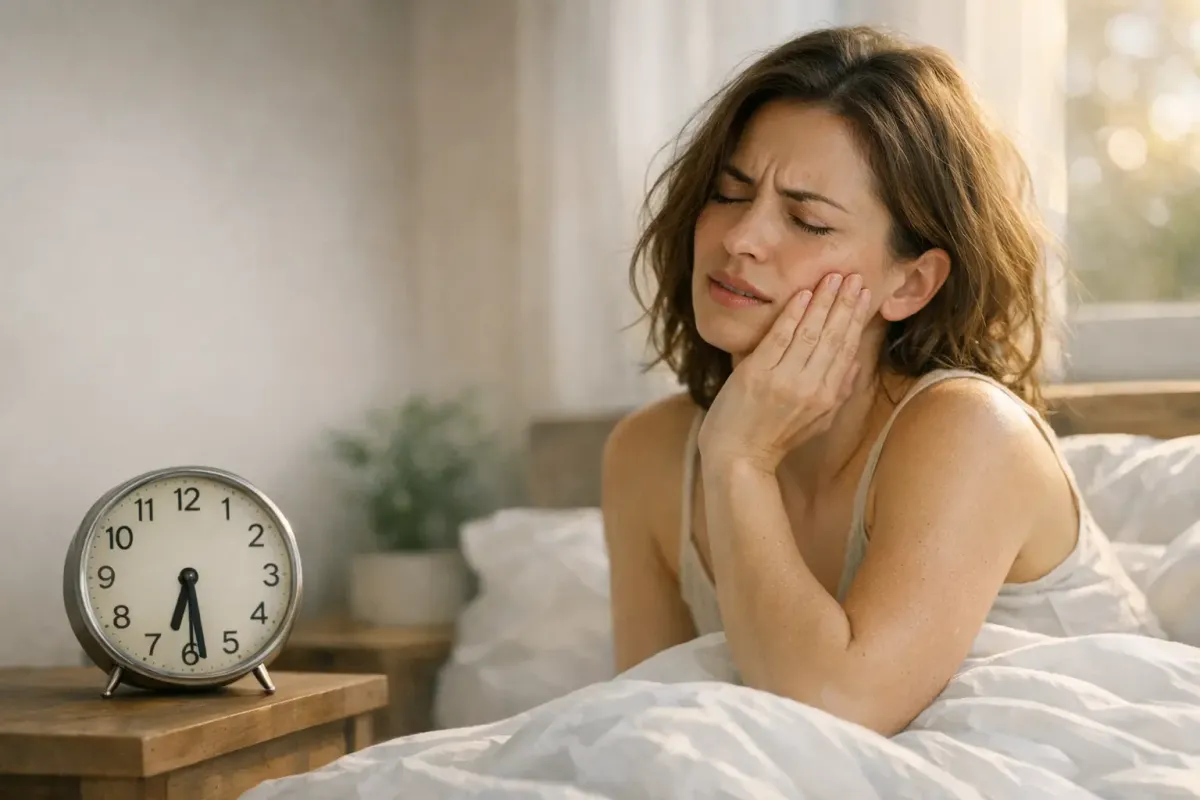
You went to bed feeling fine, but woke up with a jaw that feels like it bench-pressed a brick. Overnight, you picked up a sore jaw, a throbbing temple, and maybe a partner complaining about grinding noises. Sudden-onset bruxism can feel mysterious, but it rarely comes out of nowhere. Research over the past decade has pieced together how stress spikes, sleep disruptions, and hidden jaw disorders can trigger bruxism symptoms suddenly. This article breaks down what scientists know, what dentists look for, and what you can do tonight to prevent tomorrow’s jaw ache.
Below is a plain-language tour of the evidence, designed to keep things lively. Every claim links back to peer-reviewed studies or reputable health institutions so you can dig deeper if you are that kind of reader.
The Sudden Onset of Bruxism: Why Did I Wake Up with a Sore Jaw?
If you woke up wondering, "I was totally fine yesterday. Why does my jaw hate me today?" you're not alone. Abrupt bruxism flare-ups are common. Science points to a short list of usual suspects: stress surges, new medications, alcohol or caffeine binges, and abrupt changes in sleep architecture that can trigger bruxism.
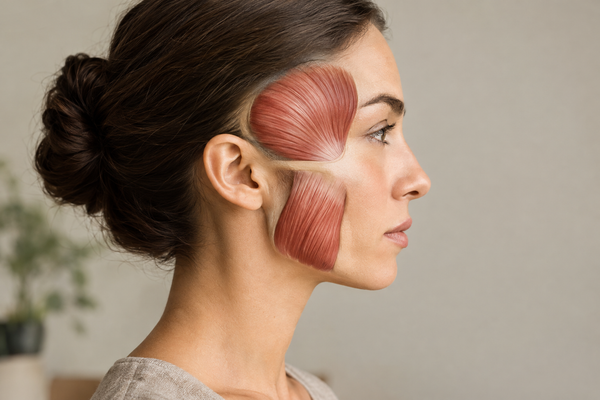
A recent 2024 narrative review by Voß, Basedau, and Svensson pulled data from over 60 studies, concluding that stress hormones can alter the brainstem's regulation of jaw-closing muscles. Essentially, a rough work week can prime your masseter muscle for an all-night workout. Add a late-night espresso, and you have the perfect storm.
Sleep quality acts as the amplifier. A 2023 rapid evidence review by Matheson and colleagues found that REM sleep fragmentation—often triggered by binge-watching until 2 a.m. or late-night scrolling—heightens rhythmic masticatory muscle activity. When this activity crosses a threshold, teeth grinding and jaw clenching qualify as sleep bruxism, as seen in people with sleep disorders.
Bruxism often needs a tipping point. You might have low-level nighttime grinding for months without symptoms. Then one overtime deadline or red-eye flight knocks your sleep cycle off balance. Muscles clamp harder, teeth slide more, and you wake up with that tell-tale sore jaw. One case report involving a 32-year-old software engineer showed a jump from 12 to 42 clench events per hour on the night a product launch went live—a pattern his sleep tracker captured in real time.
Other triggers include:
- New antidepressant or ADHD medication that tweaks dopamine levels
- Alcohol, which shortens REM periods
- Untreated acid reflux stirring you awake
- Shift-work sleep disorder
The bottom line: overnight bruxism is usually the visible tip of a stress-sleep iceberg. Track what changed in the 48 hours before the pain showed up, and you will likely spot the culprit.
Recognizing Bruxism Symptoms: More Than Just a Sore Jaw
Waking up with a sore jaw grabs your attention, but bruxism rarely travels alone. Recognizing the full symptom lineup helps you decide whether self-care is enough or it is time for professional help.
Common Symptoms
- Morning headaches wrapping around the temples or behind the eyes
- Earache or a sense of “fullness” in the ear without infection
- Jaw clicking, popping, or limited opening range
- Tooth sensitivity or small chips along the biting edges
- Sore neck or shoulder muscles after sleep
- Partner reports of grinding or crunching sounds
The Matheson rapid review noted that up to 70 percent of people who grind at night also report tension-type headaches on waking. Meanwhile, the Voß 2024 review linked repetitive clenching with micro-traumas in the temporalis muscle, contributing to those headaches.
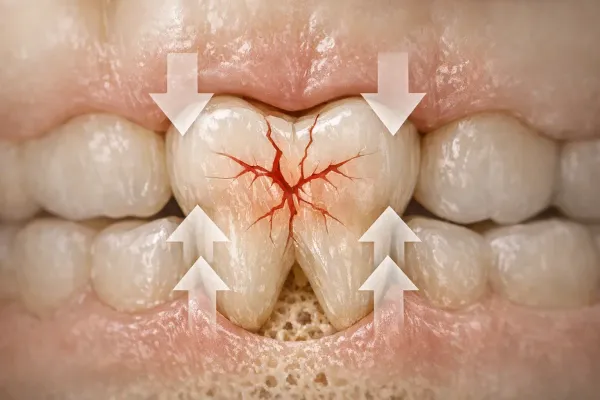
Dentists sometimes spot the clues first. Flattened canines, shiny enamel facets, or a network of micro-cracks along the front teeth often scream, “This jaw parties too hard at night.” If your hygienist points these out, consider it an early-warning sign.
When to Seek Help
Don't wait for cracked molars to act. Call a dentist or orofacial pain specialist if you notice any of the following:
- Pain severe enough to wake you at night
- Jaw locks open or closed
- Frequent tooth fractures or looseness
- Numbness or tingling in the chin or lips
- Headaches that medication barely touches
Early evaluation can save enamel, calm muscles, and stop small joint problems from becoming major temporomandibular disorders.
The Connection Between Bruxism and Temporomandibular Disorders
Understanding TMD
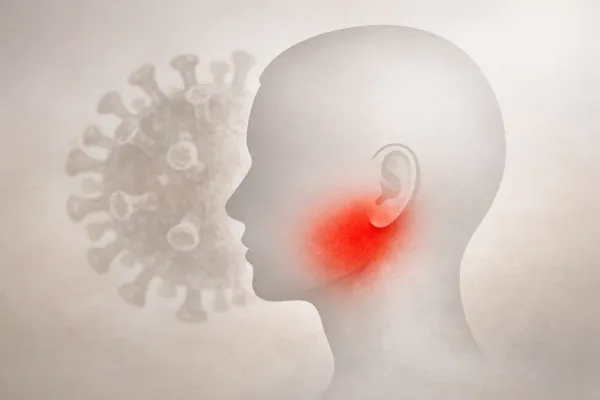
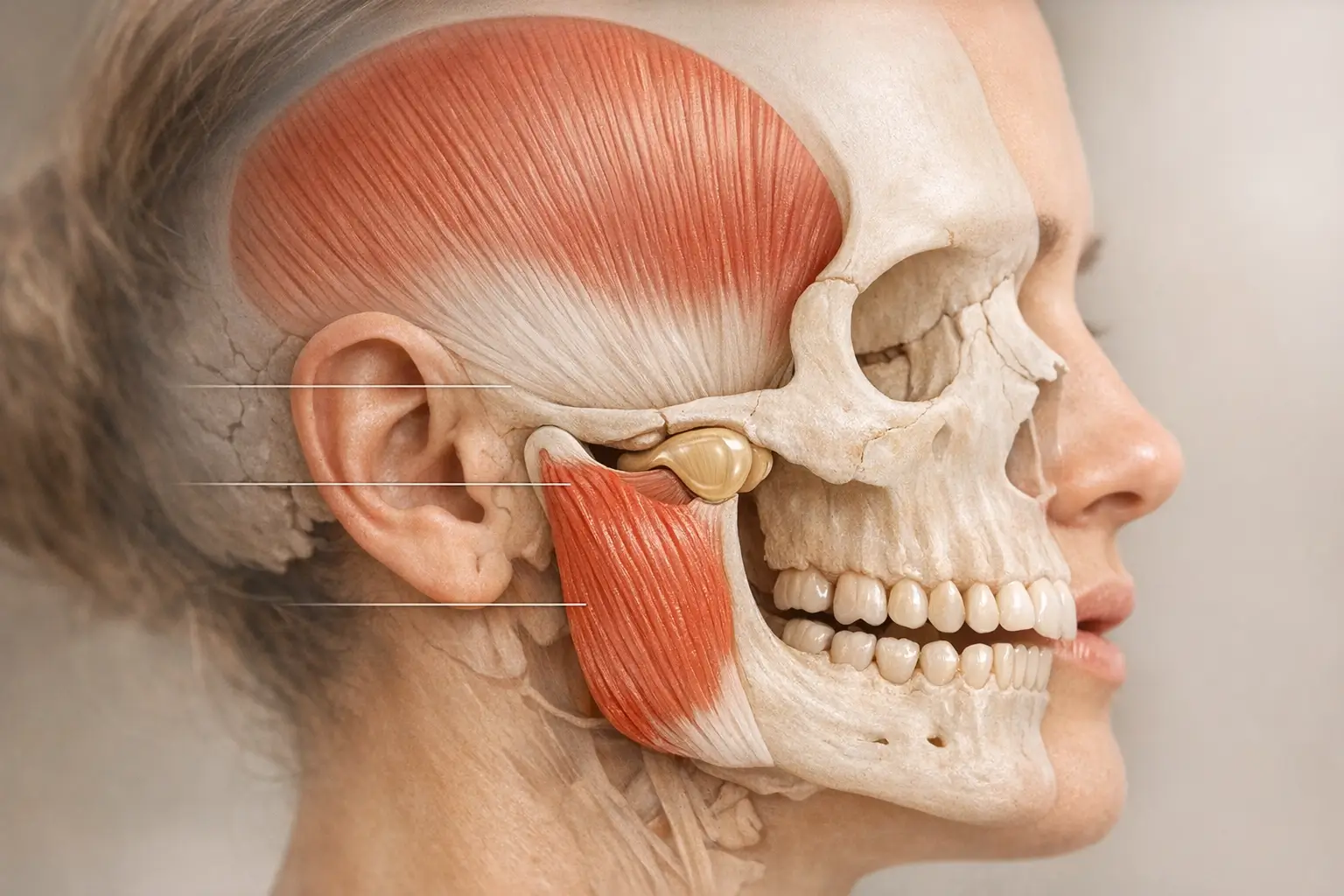
Temporomandibular disorders (TMD) are a group of conditions causing pain and dysfunction in the jaw joint and surrounding muscles. Think of the temporomandibular joint (TMJ) as a sliding hinge connecting your jawbone to your skull. When that hinge goes rogue, you get clicking, limited range, and sometimes nerve pain running up toward the ear.
A comprehensive overview in Temporomandibular Junction Disorders by Goodfred et al., 2025 explains that TMD affects roughly 10 percent of adults, peaking in people aged 20–40. Risk factors include jaw trauma, arthritis, and—chronic bruxism.
How Bruxism Contributes to TMD
Every clench or grind applies shear force to the disc inside the TMJ. Over months, this can thin the disc or push it out of place. The Voß et al. narrative review calls bruxism a “mechanical stress amplifier” for existing TMJ inflammation. Goodfred’s overview lists nighttime grinding as a primary aggravator accelerating joint degeneration.
If your sudden sore jaw also clicks, pops, or deviates when opening, you may have crossed from simple bruxism into the TMD zone. Getting ahead with splints, physical therapy, or behavioral changes can prevent the disorder from becoming chronic. Controlling TMD pain often reduces nighttime grinding—creating a cycle clinicians address from both directions.
Clinical Insights: Why Bruxism Can Develop Overnight
Stress and Bruxism
Anxiety and bruxism are old roommates. Cortisol spikes rev up the autonomic nervous system, making muscles more reactive. A 2024 review by Voß et al. cites functional MRI data showing hyperactivity in the limbic system of stress-induced grinders. This hyperactivity spreads to the brainstem region controlling jaw closure, increasing masseter firing during sleep.
The 2025 machine-learning study by Lee, Jeon, and Kim used MRI scans to separate acute from chronic TMD patients. They found that acute cases, often triggered by sudden stress, showed intensified edema in the lateral pterygoid muscle within just 72 hours of symptom onset. In simple terms, a stressful week can literally swell the muscles that yank your jaw sideways.
Sleep Disorders Impact
Sleep bruxism is officially classified as a sleep-related movement disorder. Anything disrupting normal sleep cycles can trigger grinding. Obstructive sleep apnea (OSA) is a major factor. Micro-arousals caused by airway collapse jolt the central nervous system, and the jaw may snap shut as part of a reflex to open the airway.
Data from the 2023 rapid evidence review by Matheson et al. indicate that people with untreated OSA are almost three times more likely to develop sleep bruxism. Add conditions like restless legs syndrome or circadian rhythm disorder, and your odds climb higher.
Medication matters too. Selective serotonin reuptake inhibitors (SSRIs) and amphetamine-like stimulants can heighten jaw muscle activity. If your bruxism started right after a dose change, discuss it with your prescribing doctor. An adjusted schedule or different drug class may reduce clenching.
The bottom line: overnight bruxism often manifests as a brain struggling to manage stress and unstable sleep patterns. Address the upstream problem, and the downstream grinding often calms down.
Managing Sudden-Onset Bruxism: Effective Strategies
You've caught bruxism red-handed. Now what? Management strategies fall into two categories: lifestyle changes and medical interventions. Pairing both usually brings the quickest relief.
Lifestyle Changes
- Sleep hygiene boot camp. Go to bed and wake up at the same time daily, even on weekends. The Sleep Foundation notes that consistent sleep schedules reduce micro-arousals triggering bruxism.
- Pre-bed decompression rituals. Ten minutes of diaphragmatic breathing or progressive muscle relaxation signals your limbic system to power down. Free guided sessions are available on reputable sites like the Mayo Clinic.
- Caffeine curfew. Cut off coffee and energy drinks after 2 p.m. to avoid REM suppression.
- Limit alcohol. Alcohol fragments sleep cycles and boosts clenching intensity, according to the Cleveland Clinic.
- Daytime jaw checks. Rest your tongue against the roof of the mouth with lips closed and teeth apart. This “lips together, teeth apart” mantra helps relax your masseters.
- Warm compress & gentle stretching. Five minutes with a microwavable heat pack at the jaw angle followed by slow side-to-side movements can release lactic acid and reset muscle length.
- Avoid gum. Chronic gum or ice chewing keeps jaw muscles semi-contracted; swap it for sugar-free mints when cravings hit.
Medical Interventions
When self-help isn't enough, professionals can offer additional tools:
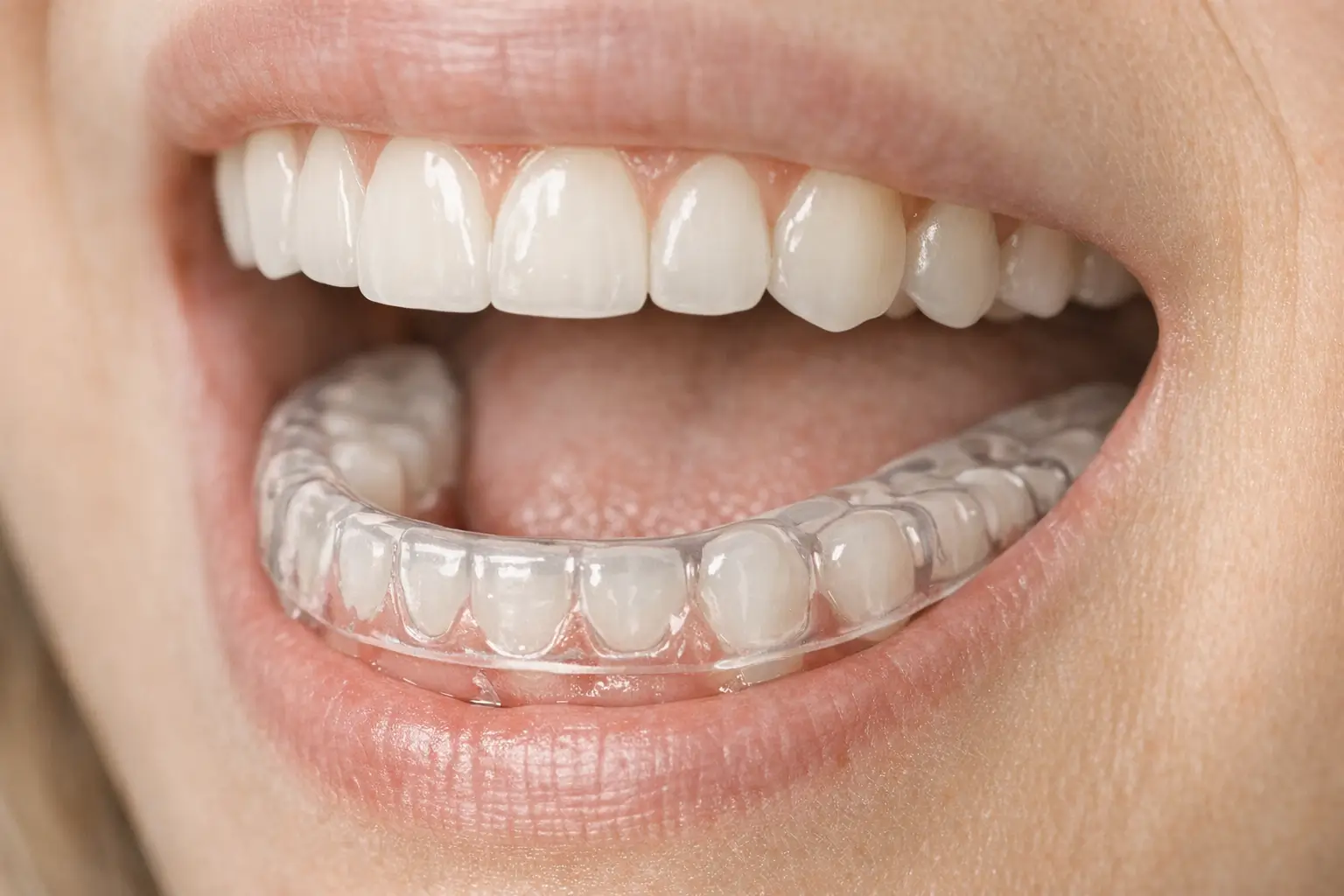
- Occlusal splints. A 2025 clinical trial by Taşdemir, Doğan, and Gülşen found that custom night guards reduced masseter muscle thickness by an average of 1.8 mm in eight weeks. Thinner muscle equals less clenching force when comparing to over-the-counter options.
- Botulinum toxin A injections. The same trial compared splints with botulinum shots and reported a 45 percent pain reduction in the injection group. A separate 2025 cohort study by Henien et al. supported those numbers, noting mild and temporary side effects.
- Physical therapy. Targeted stretches and trigger-point massage can loosen stiff jaw and neck muscles. Look for therapists certified in orofacial pain.
- Medication review. If a new drug aligns with your symptom timeline, your doctor might adjust the dose or switch classes.
- Sleep apnea assessment. If you snore heavily or wake gasping, request a sleep study. Treating OSA with a CPAP or oral appliance often reduces grinding.
- Short-term NSAIDs. Over-the-counter ibuprofen or naproxen can reduce acute muscle inflammation, providing relief while longer-term fixes take effect.
Preventing Bruxism: Tips for a Healthier Sleep
Creating a Sleep-Conducive Environment
Your bedroom should cue your brain for calm. Keep the temperature around 65°F, use blackout curtains to block stray light, and employ white-noise machines to mask traffic sounds. A tidy room free of glowing gadgets signals your nervous system it's time to power down. Replacing doom-scrolling with a low-wattage amber reading lamp can reduce late-night cortisol by up to 30 percent, according to small lab studies at the University of Colorado Boulder.
Stress Management
Daily stress relief beats occasional marathon sessions. Try ten-minute walks, journaling, or quick body scans during work breaks. A 2024 review by Leung, Wong, and Lam found that regular mindfulness programs reduced grinding episodes in kids by 40 percent. Adults benefit too.
Consider apps from reputable sources like the U.S. Department of Veterans Affairs Whole Health program, which offers free guided meditations. The key is consistency. If you can achieve 60 total minutes of intentional relaxation per week—just nine minutes a day—studies show measurable drops in salivary cortisol and overnight jaw-muscle activity.
Conclusion
Sudden-onset bruxism feels dramatic, but it usually traces back to fixable triggers: stress spikes, poor sleep hygiene, medication changes, or an emerging temporomandibular disorder. By recognizing early symptoms—like a sore jaw, morning headache, or tell-tale click—you can act before teeth and joints pay a higher price.
Start with lifestyle tweaks: tighten your sleep schedule, cut late-day caffeine, and practice jaw-relaxing exercises. If pain or damage is already present, professional tools such as occlusal splints, botulinum toxin A, or physical therapy can curb the grinding quickly. Monitor your jaw, log any flare-up patterns, and seek dental or medical assistance when DIY tactics stall. Your future self will thank you when mornings greet you with a relaxed face instead of a clenched-up grimace.