Jaw Exercises for Bruxism: Preventing Teeth Grinding with Targeted Techniques
Discover jaw exercises that help prevent bruxism and teeth grinding effectively.
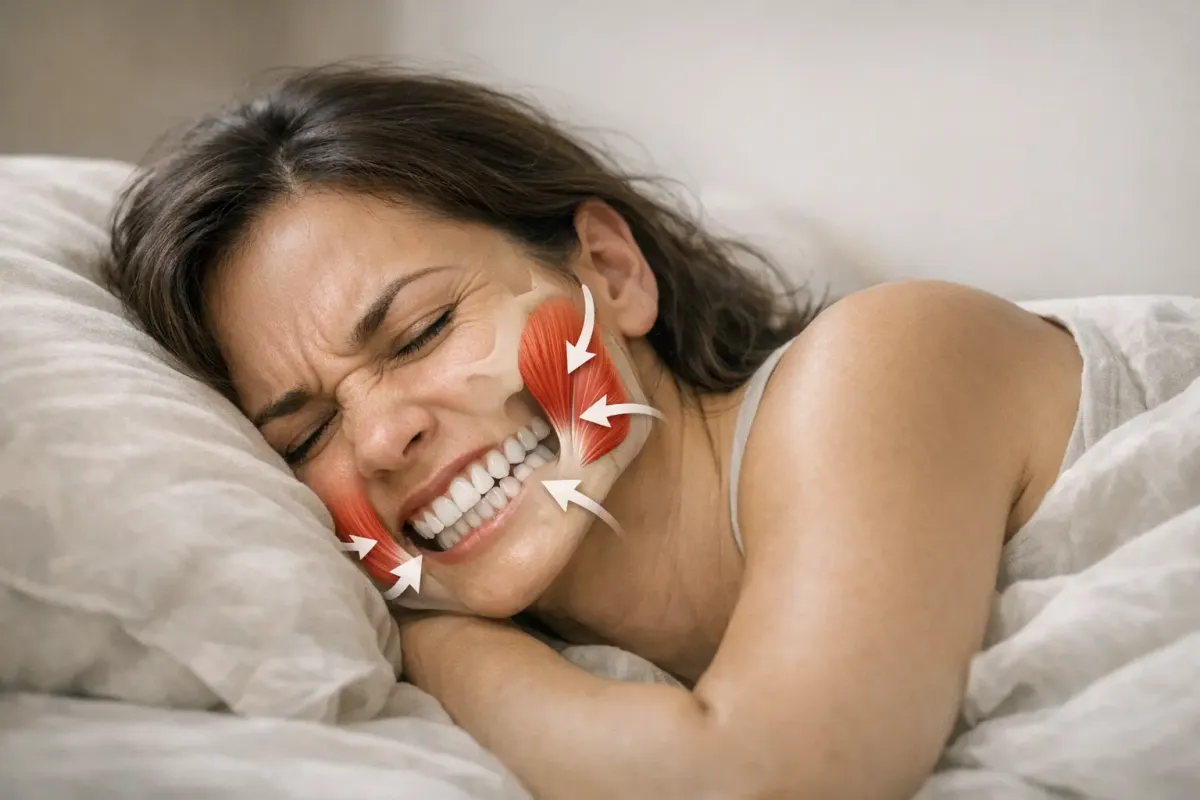
Night after night, you wake up with sore jaw muscles and the nagging suspicion that your teeth are taking a beating while you sleep. That persistent clench-and-grind routine, known as bruxism, can chip enamel, trigger headaches, and make your dentist frown. The good news: targeted jaw exercises can help calm the muscles that do the damage. Below, you will find the research, routines, and practical tips you need to loosen up that bite and protect your smile.
The information ahead leans on peer-reviewed trials and guidance from trusted organizations such as the Mayo Clinic, so you get science, not speculation. Ready to give your masseters a workout that actually makes them chill out? Let’s dig in.
Understanding Bruxism and Its Impact
Bruxism refers to repetitive clenching or grinding of the teeth. It comes in two main types: awake bruxism and sleep bruxism. While daytime grinding often links to stress or concentration habits, sleep bruxism shows up during light stages of sleep and is classified as a sleep-related movement disorder. The Japan Environment and Children’s Study, a large epidemiologic project, found a strong association between short sleep duration and bruxism in children with autism spectrum disorder Tsuchiya et al., 2024. The takeaway: sleep quality matters just as much as stress levels.
Why should you care? Chronic grinding can:
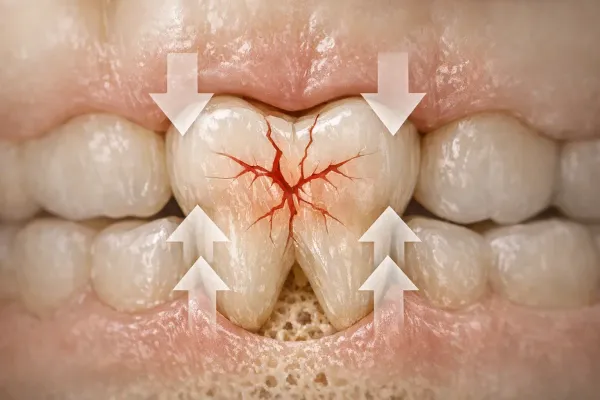
- Wear down enamel, leading to sensitivity and cavities
- Cause fractures or cracks in teeth
- Inflame periodontal tissues, accelerating gum recession
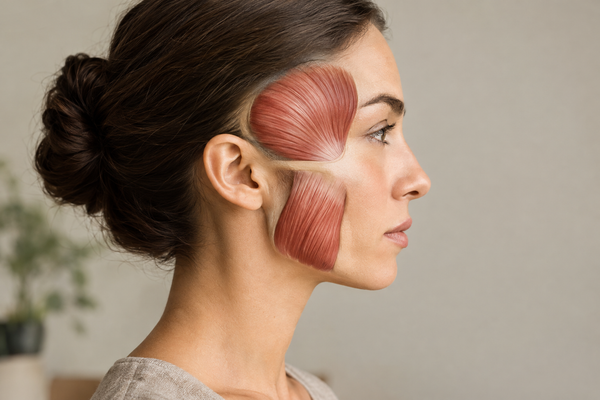
- Overwork the temporomandibular joint (TMJ) and surrounding muscles, paving the way for temporomandibular disorders (TMD)
- Trigger headaches, ear pain, and sleep disturbances for both you and any bed partner
The TMJ is a busy hinge surrounded by muscles that chew, talk, and yawn. Overloading it can spark TMD, which often overlaps with bruxism. A Cochrane review of occlusal interventions for TMD Singh et al., 2024 highlighted that many patients show both conditions at once, suggesting grinding may be both a cause and consequence of joint dysfunction.
Mood and muscle tension round out the picture. A 2017 narrative review explored whether muscle-stretching exercises have a role in bruxism management and concluded that they likely reduce masticatory muscle tone and associated pain Gouw et al., 2017. It set the stage for the exercise-based treatments you will meet later in this article.
The Science Behind Jaw Exercises for Bruxism
So why would moving the jaw on purpose stop you from moving it unconsciously at night? The short answer is neuromuscular re-education. When you perform slow, controlled exercises, you:
- Lengthen tight muscles, lowering resting tension
- Strengthen underused muscles so effort spreads evenly across the bite
- Retrain proprioceptors (position sensors) in the TMJ, boosting jaw stability
- Promote blood flow, washing away the metabolic waste that can trigger pain
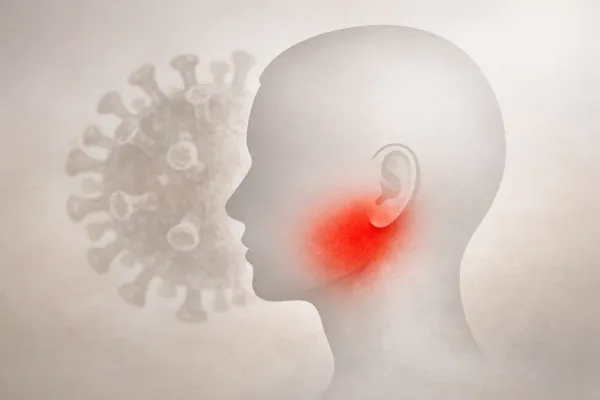
A randomized controlled trial during the COVID-19 pandemic looked at patients with TMD and probable sleep bruxism who completed a six-week telerehabilitation program of jaw exercises Abaci et al., 2026. Participants reported significant drops in morning jaw soreness and showed improved mouth-opening range compared with a control group that received only education. Importantly, the gains held at the three-month follow-up, suggesting that targeted movement can create lasting change.
The 2017 review by Gouw and colleagues also cited electromyographic studies where stretching reduced baseline activity in the masseter and temporalis muscles. Less baseline activity equals less nighttime overdrive. The researchers proposed that regular stretching might down-tune reflex circuits responsible for rhythmic grinding bursts.
Put simply, exercises act like physical meditation for your jaw. They teach muscles to rest instead of staying primed for a fight-or-flight bite. Over time, that calmer default spills over into sleep.
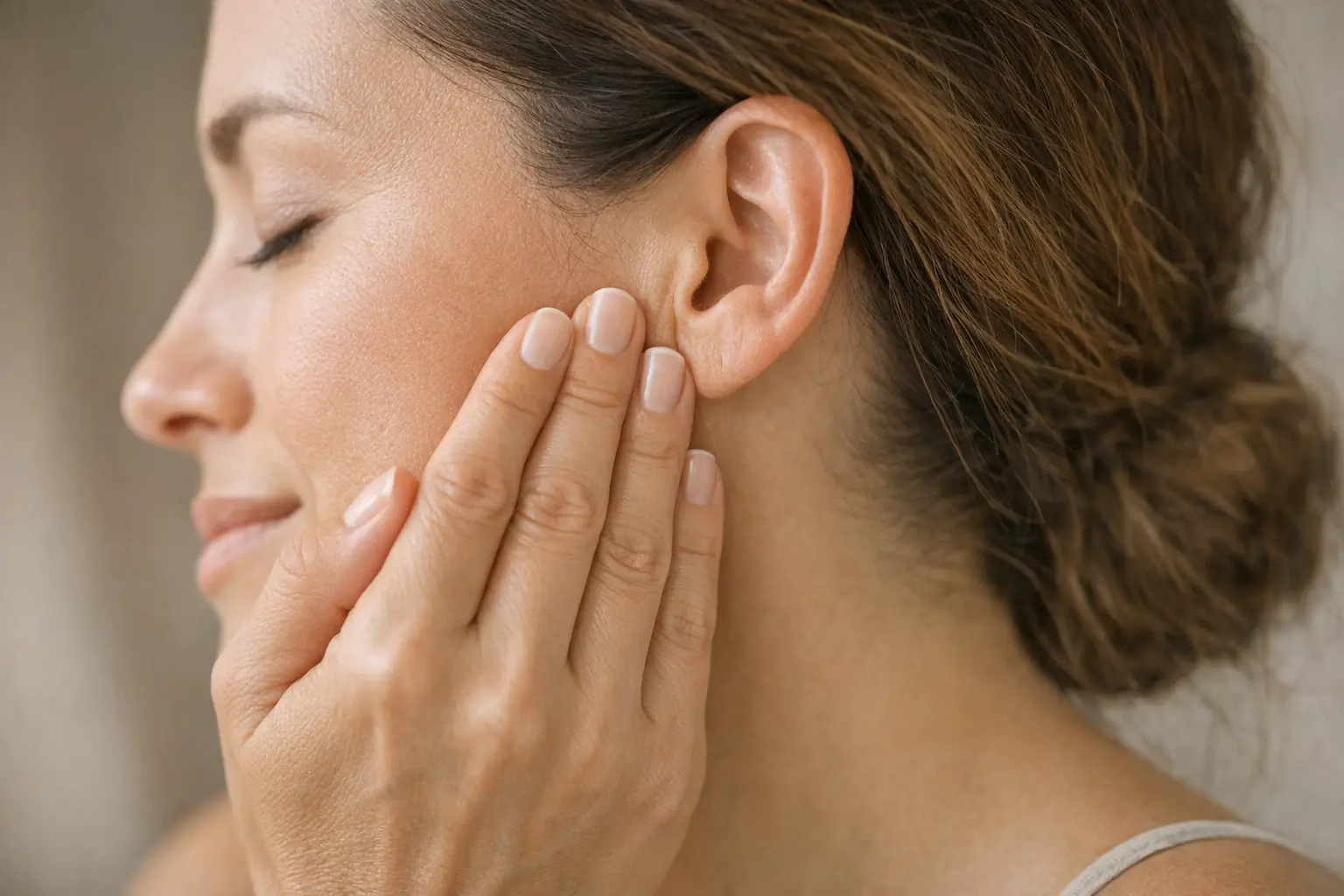
Top Jaw Exercises to Prevent Teeth Grinding
Below is a curated routine based on protocols from a randomized study comparing jaw exercises with occlusal splints Karabicak et al., 2025 and the muscle-stretching concepts reviewed by Gouw et al. Perform these moves twice per day—morning and evening—or as directed by a dental professional. Consistency beats intensity; you should feel mild stretch or fatigue but never pain.
Exercise 1: Stretching Techniques
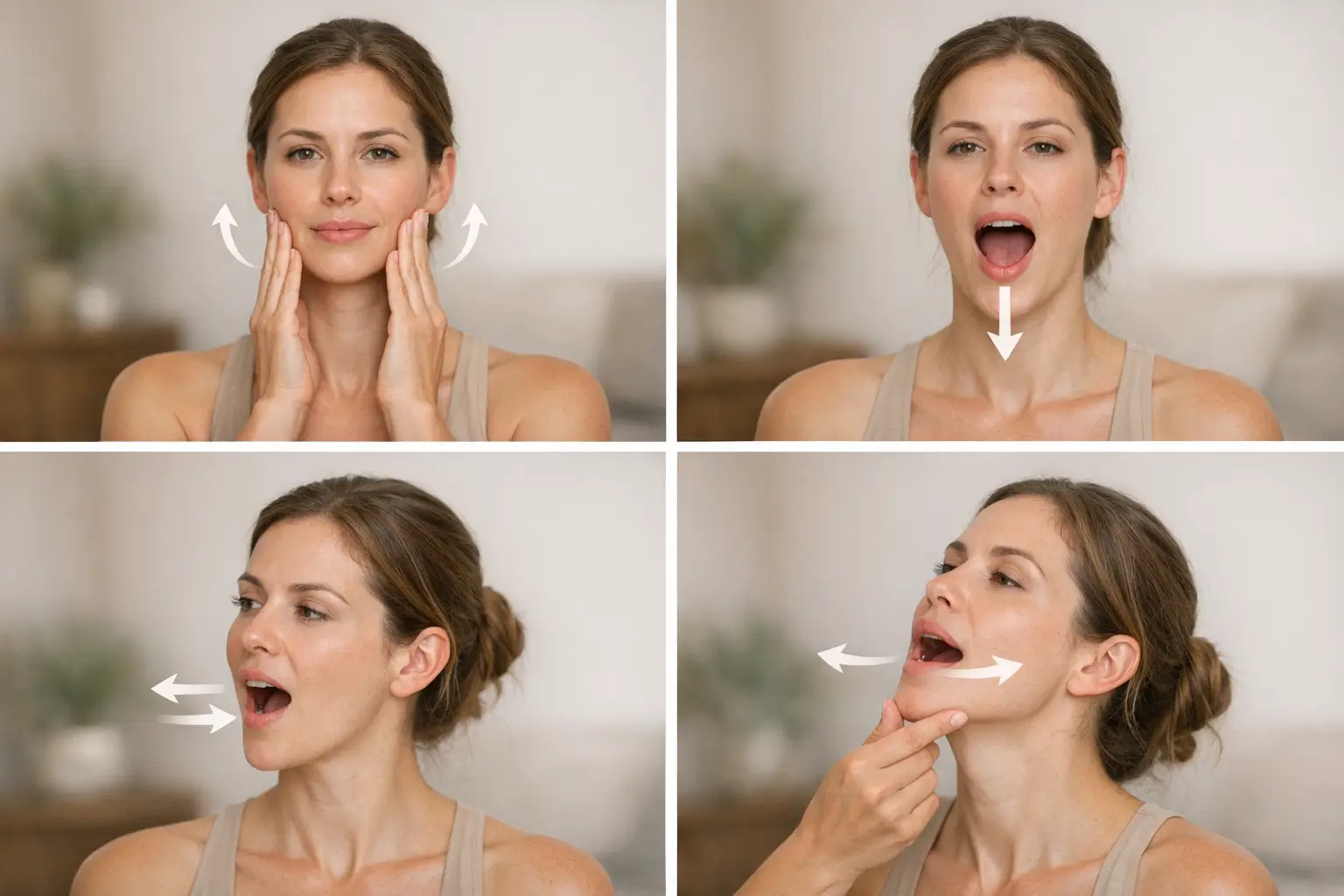
- Passive Mouth-Opening Stretch
• Sit upright, relax shoulders.
• Place the tip of your tongue on the roof of your mouth behind your front teeth.
• Slowly open your jaw as wide as comfortable while keeping the tongue in place.
• Hold for 5 seconds, then close gently.
• Repeat 10 times. - Finger-Assisted Stretch
• With clean hands, place two index fingers between the upper and lower front teeth.
• Gently apply downward pressure to create a mild stretch.
• Hold 10 seconds, release slowly.
• Repeat 5 times. - Lateral Glide Stretch
• Move your lower jaw to the right as far as comfortable, using the right hand to give light pressure on the chin.
• Hold 5 seconds, return to center, then glide left.
• Perform 5 cycles each side.
Exercise 2: Strengthening Moves
- Isometric Jaw Closing
• Place the fist under your chin.
• Attempt to close your mouth while resisting gently with the fist.
• Hold 5 seconds, relax 5 seconds.
• Repeat 10 times. - Isometric Jaw Opening
• Put the thumb under your chin and index finger on top of the chin.
• Open the mouth slowly against light resistance for 5 seconds.
• Release and rest 5 seconds.
• Repeat 10 times. - Protrusion Control
• Place two fingers on the front of the chin.
• Push the lower jaw forward against resistance for 5 seconds, then relax.
• Do 8 repetitions.
Exercise 3: Relaxation Practices
- Progressive Muscle Relaxation for the Face
• Close your eyes and inhale through the nose.
• Tense the jaw muscles gently for 3 seconds, then exhale and let them flop loose.
• Work down from temples to jawline to lips.
• Repeat over 2 minutes. - Deep Diaphragmatic Breathing
• Place a hand on your abdomen.
• Inhale for a count of 4, letting the belly expand.
• Exhale for 6, feeling tension drain from the jaw.
• Continue for 2–3 minutes. - Tongue-Up Resting Posture
• Press the tongue lightly to the palate, keep lips sealed and teeth apart.
• Hold this “N” position whenever you remember during the day.
• It trains a neutral bite and prevents subconscious clenching.
Karabicak’s 2025 trial prescribed a similar mix and found that participants experienced a 38 percent reduction in self-reported grinding frequency after eight weeks, rivaling the benefit seen with occlusal splints. Pair the routine with lifestyle tweaks—limiting caffeine late in the day, managing stress, and checking workplace posture—to amplify results. For more how-to videos, the American Dental Association’s Bruxism page offers clinician-approved demos.
Comparing Exercise Therapy and Occlusal Splints
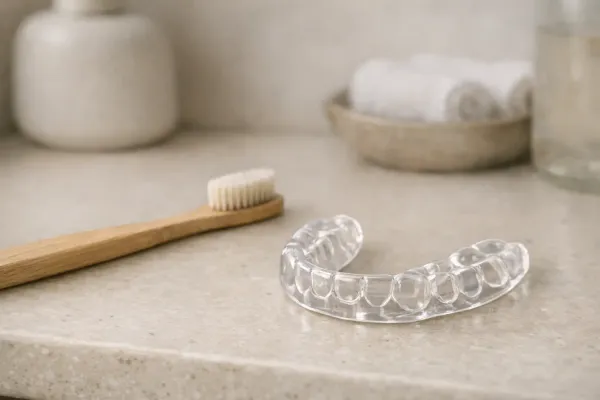
Occlusal splints, often called night guards, are acrylic appliances you wear over the teeth to create a physical barrier. They redistribute biting forces and can reduce wear, but they do not address the muscle hyperactivity driving the grind. A systematic review and economic evaluation found that splints provide short-term symptom relief yet come with costs, adjustment periods, and possible changes in bite if worn long term Riley et al., 2020.
The 2025 randomized study comparing jaw exercise therapy to occlusal splints reported that both groups improved on pain and grinding indices, but the exercise cohort scored higher on jaw function and patient satisfaction metrics at three months Karabicak et al., 2025. Here is how the options stack up:
- Effectiveness
• Splints: Good for preventing tooth damage, moderate for pain
• Exercises: Good for pain and function, moderate for tooth protection (requires adherence) - Cost
• Splints: Higher upfront fee for custom device
• Exercises: Low cost or free, especially when delivered remotely - Side Effects
• Splints: Potential gagging, excess salivation, or bite changes
• Exercises: Muscle soreness early on, resolves with adaptation - Long-Term Compliance
• Splints: Variable, some users quit due to discomfort
• Exercises: Depends on habit formation, but can be integrated into daily routines
The smartest strategy may combine both: use a night guard to safeguard enamel while you train muscles to behave better through exercises. Ask your dentist which blend suits your bite, budget, and schedule.
The Role of Telerehabilitation in Bruxism Prevention
Not keen on driving across town for every check-in? Telerehabilitation brings the clinic to your couch. In the 2026 randomized trial mentioned earlier, patients met virtually with a physiotherapist who guided them through exercises, used video demonstrations, and provided weekly progress feedback Abaci et al., 2026. Outcomes matched or even outperformed traditional in-person sessions.
Why telerehab works:
- Accessibility — no commute, making adherence easier for people with mobility issues or tight schedules
- Real-time feedback — therapists spot faulty movement patterns through video and correct them on the spot
- Data tracking — apps can log exercise frequency, pain scores, and even EMG data from wearable jaw sensors
- Psychological support — reminder texts and virtual group sessions create accountability and community
If you travel often or live in an area short on orofacial pain specialists, ask whether your provider offers telehealth options. Many insurance plans began covering telerehab during the pandemic and have kept the benefit.
Personalized Approaches: Custom-Made Solutions
Out-of-the-box night guards can feel like wearing a hockey puck between your molars. Custom devices fabricated from dental impressions provide a snugger fit and longer life span. A 2025 paper on personalized mouthguards for athletes underscored that custom fabrication not only improves comfort but also lowers injury risk in individuals who grind under physical strain Fiamengui et al., 2025.
Personalization extends beyond hardware:
- Digital Bite Analysis — 3-D scanning can pinpoint high-pressure spots so the appliance can be fine-tuned
- Material Choice — softer inner layers and rigid outer shells balance comfort with durability
- Combo Therapies — some labs embed biofeedback sensors that buzz when you clench too hard, nudging you to release
Custom solutions also include individualized exercise prescriptions. Your dentist or physical therapist can run jaw strength tests and tailor reps, hold times, and progressions to your specific deficits. That precision boosts adherence because you feel the plan was built for you, not ripped from a generic handout.
Don’t overlook lifestyle personalization. For example, if grinding spikes after late-night video-game marathons, a screen-time curfew might do more for your jaw than any splint. Track triggers in a journal or a habit-tracking app to identify patterns.
Conclusion: Integrating Jaw Exercises into Your Routine
Bruxism is more than an annoying nighttime tic; it is a full-body story involving sleep quality, muscle tension, and sometimes emotional stress. Evidence shows that jaw exercises can lower muscle overactivity, improve joint function, and rival traditional splints for symptom control. Telerehabilitation makes sticking to a program easier, while custom appliances protect teeth and personalize care.
Here is your action plan:
- Add the stretching, strengthening, and relaxation exercises to your morning and bedtime routines.
- If you need hardware, discuss a custom night guard with your dentist.
- Consider a telehealth consultation for guided exercise progression.
- Track sleep, caffeine, and stress levels to spot flare-up triggers.
Commit to four to six weeks of steady practice and monitor changes in jaw comfort and grinding frequency. If symptoms persist or worsen, consult a dental or medical professional for further evaluation. The sooner you start moving that jaw with intention, the sooner it will learn to rest when it is supposed to—especially once the lights go out.