Evaluating the Efficacy of Acupuncture for Bruxism Relief
Explore research on acupuncture as an alternative treatment for bruxism.
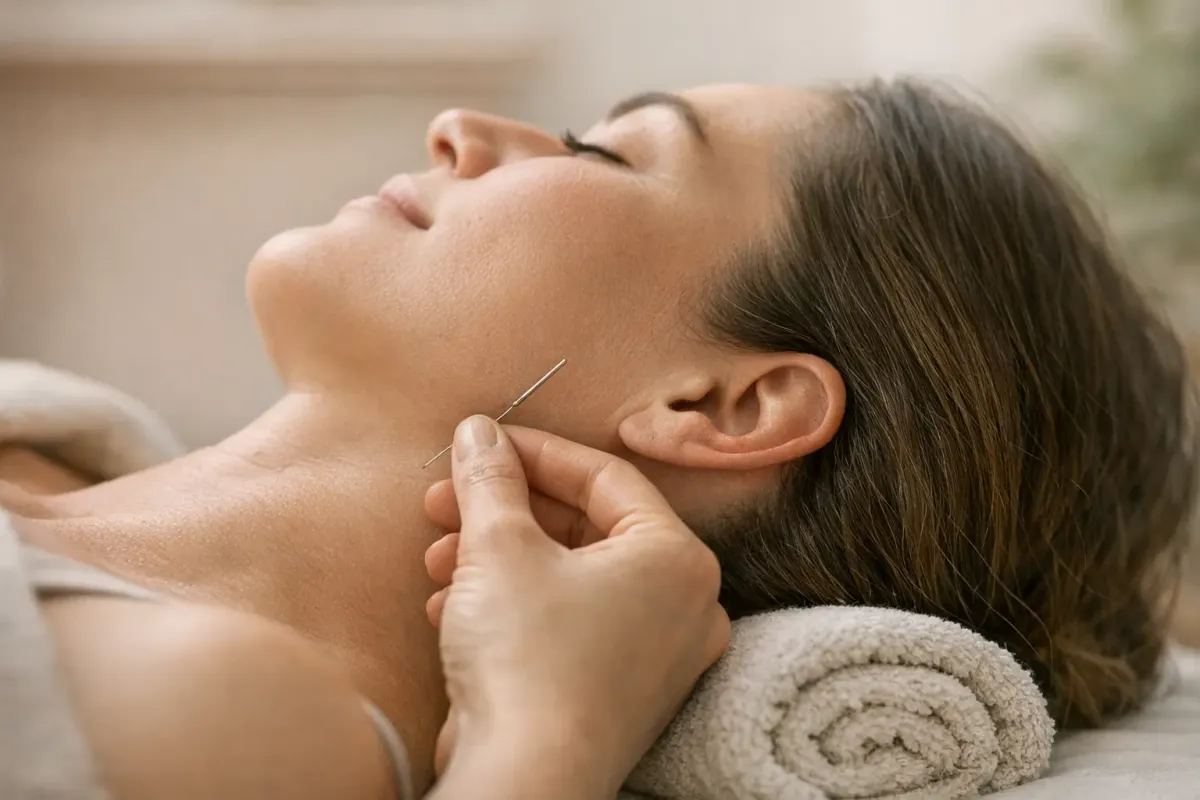
If you grind or clench your teeth so hard that your partner can hear it, you're not alone. Dentists call this habit “bruxism.” It can turn a peaceful night’s sleep into a jaw-aching workout. Standard fixes like mouthguards work for many, but they can feel like chewing on a hockey puck. This is why researchers keep looking for alternatives. Acupuncture, the practice of inserting thin needles into specific body points, is one option that keeps coming up. You might wonder if it's science, smoke, or something in between. Let’s explore the research.
Understanding Bruxism and Its Impact
Bruxism involves repetitive jaw-muscle activity, such as clenching or grinding teeth. There are two main types. Sleep bruxism occurs during sleep, often with other sleep disorders like apnea. Awake bruxism happens during the day, usually under stress or deep concentration. Both types can lead to headaches, worn enamel, neck pain, and sometimes a cranky partner who didn't sign up for your midnight jawercise.
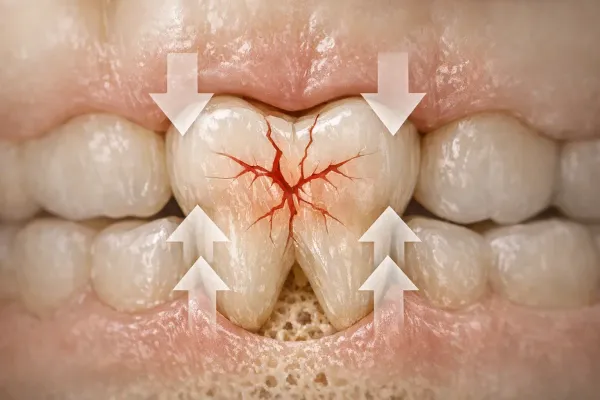
Recent estimates suggest up to 31 percent of adults experience sleep bruxism at some point, and about 8 percent deal with it chronically. The numbers increase in groups like those with anxiety disorders or children with developmental conditions. If left unchecked, bruxism can shorten the life of dental work, crack natural teeth, and inflame the temporomandibular joint (TMJ). Quality of life declines when chewing hurts and mornings start with facial pain.
Traditional Chinese Medicine suggests that internal energy flows, or “qi,” may play a role. Modern biomedicine focuses on genetics, sleep architecture, stress hormones, and medications like SSRIs. A 2025 systematic review by Pereira identified neurochemical imbalances and cortical arousals during sleep as key causes. No one-size treatment exists due to varied causes, leading to curiosity about alternatives like acupuncture.
If grinding has turned your molars into plateaus or your mornings into misery, you might be ready to look beyond the nightguard. Let’s see what the usual playbook offers and why it sometimes falls short.
Conventional Treatments for Bruxism: Limitations and Challenges
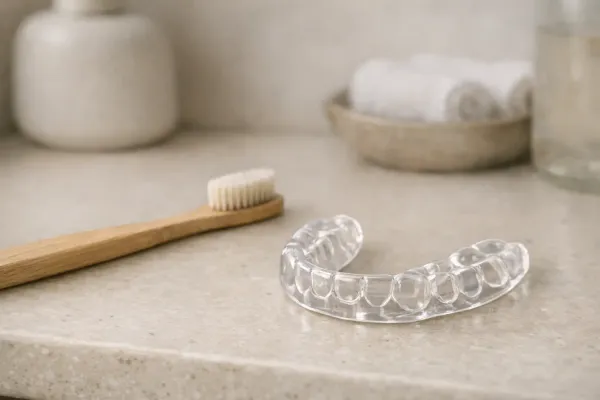
Your dentist’s first defense is often a custom mouthguard, or occlusal splint. It sits between the teeth, absorbing grinding forces to protect enamel. Mouthguards save teeth but don't address muscle activity. Many users complain about drooling, dry mouth, or forgetting to use it. Compliance is the Achilles’ heel here.
Behavioral strategies are the second line. Dentists teach you to rest your tongue on the palate, lips together, teeth apart. Mindfulness or cognitive behavioral therapy can reduce daytime clenching. However, data on long-term success are thin, and changing muscle memory is hard.
Pharmacological options include muscle relaxants, botulinum toxin injections, and low-dose antidepressants. But drugs have side effects like dry mouth, blurred vision, or more bruxism with certain antidepressants. Insurance coverage can be spotty, and repeated injections cost real money.
With these gaps, many patients search online for gentler or more holistic routes. Acupuncture, laser therapy, and photobiomodulation appear on forums and social media. Before jumping to the next trend, it helps to know what acupuncture is and whether science supports it.
Acupuncture as an Alternative Treatment for Bruxism
How Acupuncture Works
Acupuncture involves inserting thin, sterile needles into specific body points called acupoints. Traditional theory suggests needles reroute the flow of qi, balancing Yin and Yang. Modern research shows that needling can influence brain regions related to pain and emotion. A 2024 EEG study found that acupuncture shifted brain activity, suggesting effects on the central nervous system. Needles also trigger local biochemical changes: ATP release, endorphin surges, and altered inflammatory markers. For muscle disorders, needling near trigger points can reset fibers and improve blood flow, potentially calming an overactive jaw.
Historical Context
The roots of acupuncture stretch back over 2,000 years in China, but dental applications are newer. In the 1970s, European dentists began trying acupuncture for TMJ pain. Since then, the World Health Organization has listed dental pain and facial spasms among conditions that may benefit from needling. Western clinics now use protocols like “Stomach 6” and “Large Intestine 4” for jaw tension, often alongside standard dental care. The National Center for Complementary and Integrative Health notes that Americans make millions of acupuncture visits yearly, mainly for pain relief. Bruxism, involving muscular pain, stress, and sleep disturbance, is an intuitive target for this technique.
So far, so good in theory. But does easing muscle tension with needles reduce grinding episodes? Time to examine the data.
Evaluating the Efficacy of Acupuncture for Bruxism
Key Studies and Findings
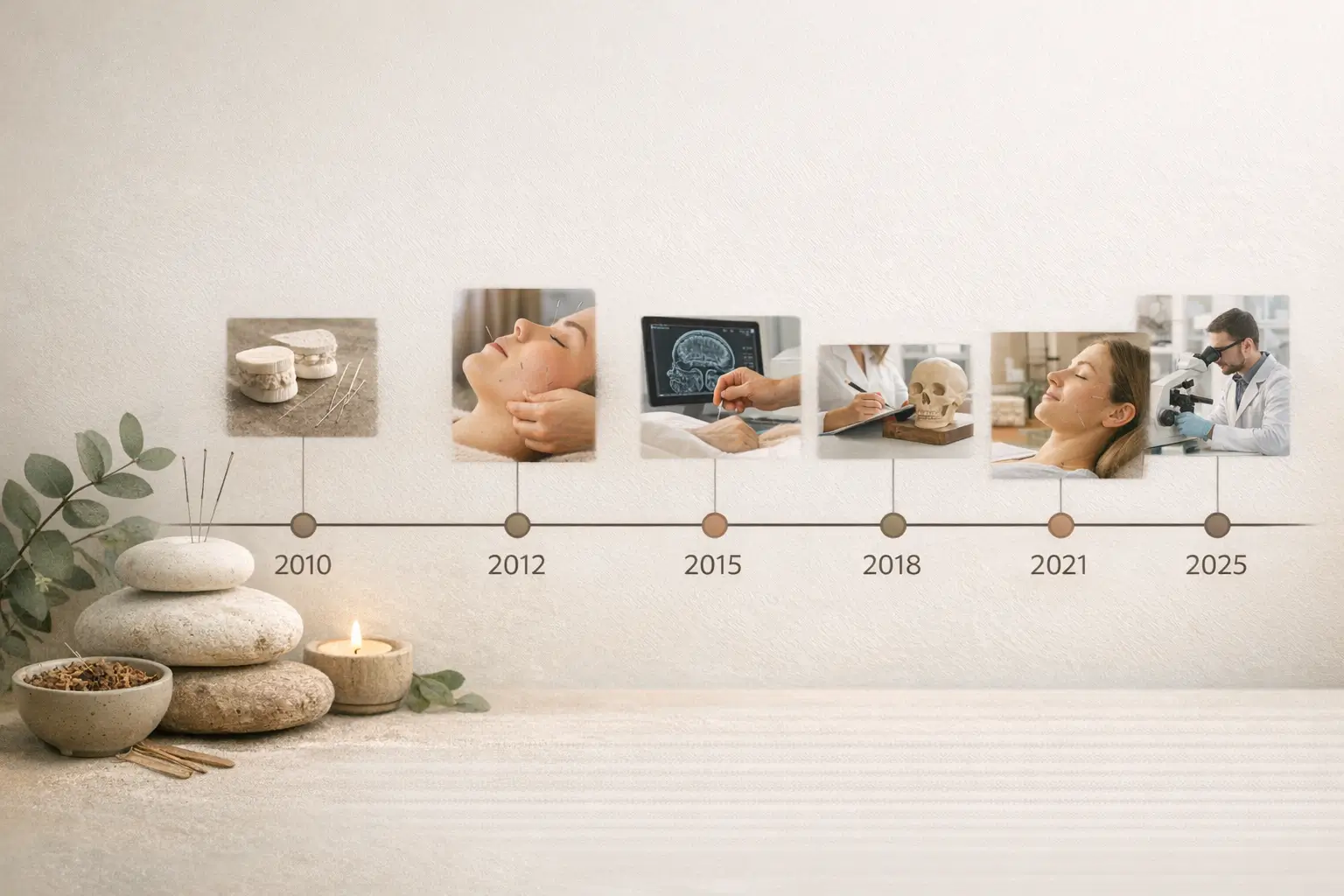
The most comprehensive analysis comes from Pereira’s 2025 systematic review. The team screened over 1,200 abstracts, including 11 clinical trials with 512 participants. Endpoints varied—surface electromyography for muscle activity, pain scales, and sleep polysomnography. Despite differences, six trials reported significant reductions in muscle activity after five to eight acupuncture sessions compared to sham needling or no treatment. Pain scores dropped by up to 41 percent on the Visual Analog Scale. However, sample sizes were small, and two trials showed no difference, so the review described the evidence as “promising but low certainty.”
A standout trial in the review was a pediatric study comparing laser acupuncture to physical therapy. Forty children aged 7 to 12 received either laser stimulation at acupoints or jaw-muscle physical therapy twice a week for six weeks. EMG readings dropped 35 percent in the laser acupuncture group versus 17 percent in the control. Parents also reported fewer grinding sounds. The authors concluded that laser acupuncture may offer a kid-friendly option.
Another trial looked at manual acupuncture in adults with chronic sleep bruxism. Needles were inserted at masseter and temporalis trigger points plus distal points like Hegu (LI-4). After eight sessions, sEMG amplitude at night fell by 29 percent compared to 5 percent in the sham group. Participants reported less morning jaw stiffness. Unfortunately, this study had only 24 subjects and lacked long-term follow-up.
Methodological quality varies. Some trials used validated sham procedures where retractable needles don't penetrate the skin, reducing placebo effects. Others compared real acupuncture to “usual care,” which can inflate effects since any therapy looks good next to doing nothing. Blinding is tricky—patients feel the needle and may guess their group. Even so, the pattern of benefit is noticeable, especially for muscle activity outcomes.
One study measured salivary cortisol, finding lower stress hormone levels after acupuncture sessions in bruxism patients. This hints at a calming effect, aligning with the idea that bruxism acts as a stress valve during sleep. If acupuncture reduces cortisol, the jaw may have less reason to clench.
Yet, unanswered questions remain. What is the optimal “dose,” meaning the number of sessions and needle retention time? Does needling need to be weekly, biweekly, or can people transition to maintenance therapy? Studies also differ on whether local points near the jaw are more effective than distal points on the hands or legs. Future research needs standardized protocols for better comparisons.
Comparing Acupuncture to Other Alternative Treatments
Laser Acupuncture
Laser acupuncture replaces needles with low-level light, usually between 600 and 905 nm wavelengths. The beam targets the same acupoints but is painless and kid-approved. In pediatric dentistry, a systematic review showed that laser stimulation at ST-6 and LI-4 reduced bruxism episodes and improved bite force symmetry. Benefits include no needle phobia and reduced infection risk. Drawbacks include pricey equipment and inconsistent dosage.
Photobiomodulation
Photobiomodulation (PBM) uses lasers or LEDs but focuses on cellular energy rather than acupoints. A 2021 trial in children with sleep bruxism applied red light to the masseter muscles. Salivary cortisol dropped, and bite force improved. Muscle tenderness scores also decreased, sometimes matching or outperforming orthodontic splints. PBM targets local tissues rather than meridians, sidestepping debates about qi. Still, long-term safety data in kids are limited, and equipment costs are high.
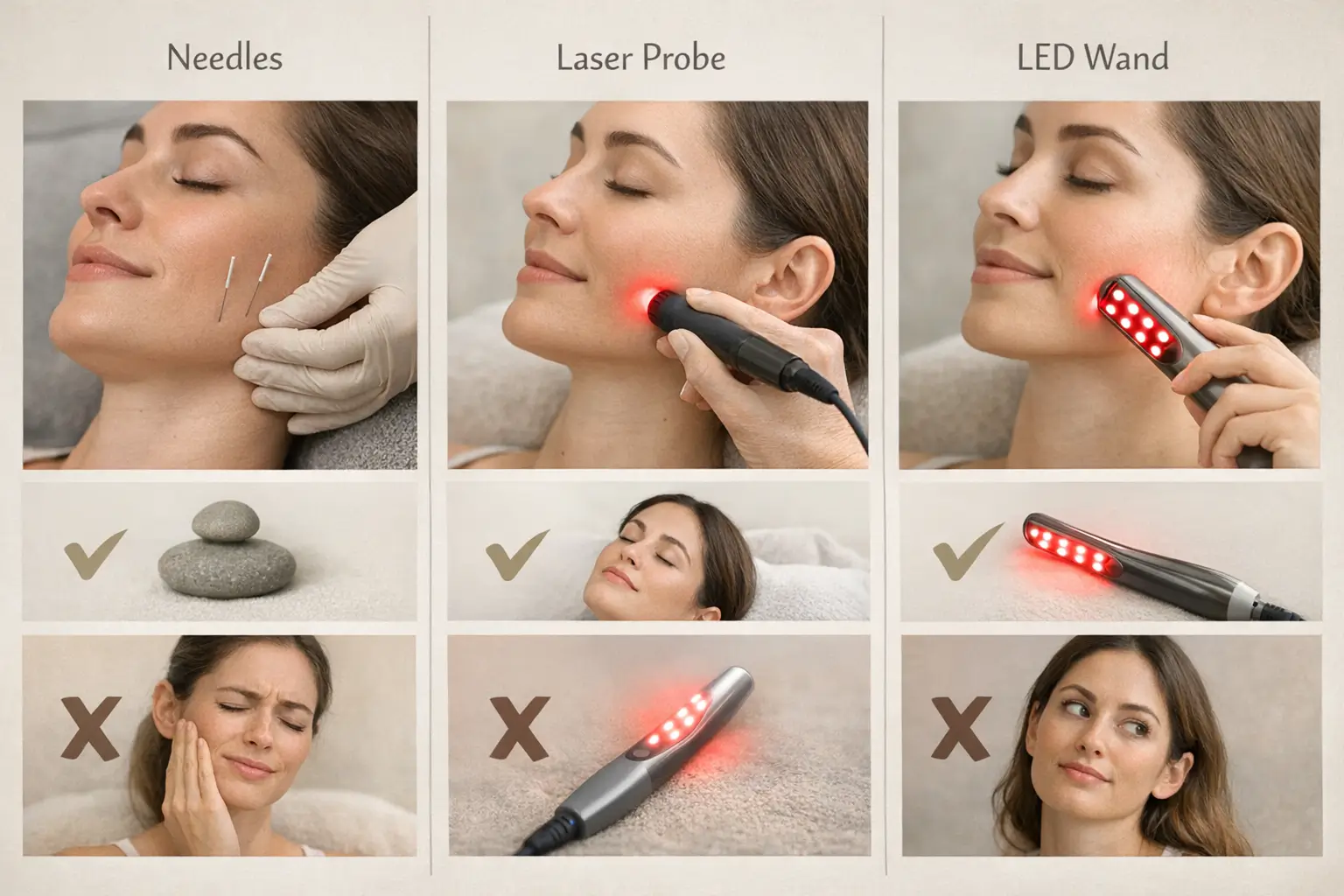
Compared to these tech-heavy options, traditional needle acupuncture is more cost-effective and accessible. A pack of needles is cheaper than a diode laser console. However, PBM may appeal to needle-averse patients. Current evidence suggests all three methods (needles, laser acupuncture, PBM) are better than doing nothing, but direct comparisons are rare. For now, choosing among them may depend on cost, comfort, and availability.
Safety and Considerations for Acupuncture in Bruxism Treatment
Acupuncture is generally safe when performed by licensed professionals following clean-needle techniques. Serious adverse events like organ puncture are exceedingly rare, about 0.01 percent, according to NCCIH data. The most common side effects are minor bruising, slight bleeding, or temporary dizziness. A 2024 meta-analysis on pregnancy back pain found no significant increase in adverse events compared to controls, highlighting the safety profile.
For bruxism, specific considerations include:
- Jaw-line acupoints are near facial nerves. Improper depth can irritate nerves, though this is rare.
- Patients on anticoagulants have a higher bruising risk. Inform your acupuncturist if you take warfarin or high-dose fish oil.
- Infection risk is low when single-use needles and alcohol swabs are used.
- People with severe needle phobia might find treatment stressful, negating relaxation benefits. Laser acupuncture could be an alternative.
Contraindications are few but real. Avoid needling over infected skin or open wounds. Pregnant patients should avoid certain abdominal points. Dental patients with pacemakers can receive acupuncture, but electro-acupuncture should be cleared with their cardiologist.
Always verify credentials. Look for an acupuncturist certified by the National Certification Commission for Acupuncture and Oriental Medicine in the US or the British Acupuncture Council in the UK. Dentists with extra training sometimes offer intraoral needling, targeting the pterygoid muscles avoided in regular facial sessions.
Conclusion: Is Acupuncture a Viable Option for Bruxism Relief?
Takeaway time. Standard treatments like mouthguards work, but they don't fix muscle hyperactivity or the stress fueling it. Emerging research, including a 2025 review by Pereira and a pediatric laser trial by Farouk, suggests acupuncture—needle or laser—can reduce jaw activity and ease pain. Evidence quality ranges from fair to low, mostly due to small samples and differing protocols, but the trend is positive.
If you dislike mouthguards, want to complement them, or prefer a non-drug option, acupuncture is worth considering. Discuss with your dentist and a credentialed acupuncturist to plan a course of action. Future research with larger, multi-center trials will clarify optimal dosing and long-term benefits. Until then, acupuncture offers a low-risk, potentially high-reward path to address the nightly grind.