How to Prevent Teeth Clenching at Night: Effective Behavioral Strategies
Learn behavioral strategies to prevent nighttime teeth clenching and relieve associated pain.
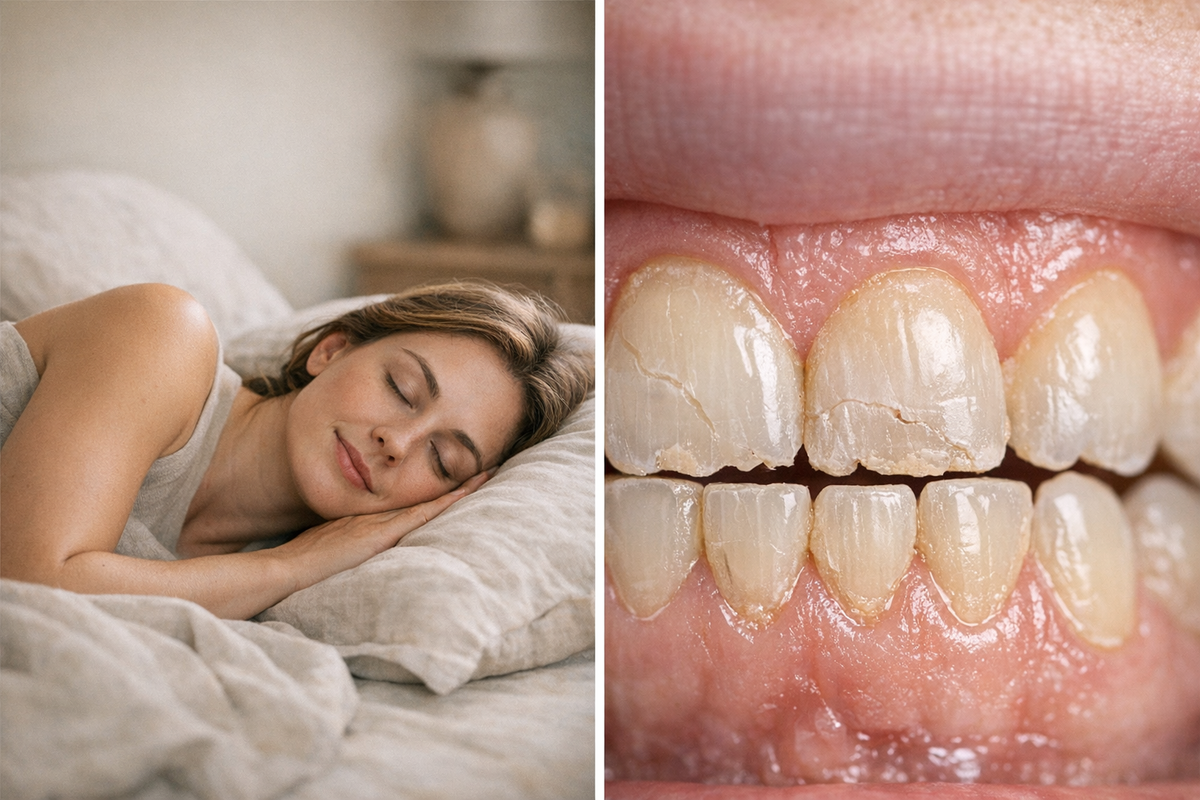
You probably don’t think about your jaw while you sleep, yet it might be moonlighting as a stress ball. Nighttime teeth clenching, technically called sleep bruxism, affects roughly 8–15 percent of adults, and most people have no clue until their dentist spots the damage or their partner hears the nocturnal “crunch.” The good news is you can retrain your jaw. Behavioral science and a dash of common sense offer practical strategies to stop the grind.
Below you’ll find an evidence-based playbook for loosening that overnight death grip. We’ll unpack what sleep bruxism is, why it hurts more than just your enamel, and which habits actually make a difference. Grab a mouthguard of curiosity and dig in.
Understanding Nighttime Teeth Clenching
Sleep bruxism is defined as repetitive jaw-muscle activity that manifests through involuntary clenching or grinding during sleep. The American Academy of Sleep Medicine classifies it as a “sleep-related movement disorder,” though newer research sees it as an interplay between sleep arousals, autonomic nervous system spikes, and psychosocial stressors. Recent studies point out that sleep bruxism episodes often follow micro-arousals—brief awakenings lasting only seconds—suggesting the behavior is more reflexive than conscious.
Those micro-arousals appear most often in stage N2 and REM sleep, precisely when muscle tone naturally dips. A sudden jolt of sympathetic nervous activity acts like your body’s internal pager, kicking the jaw muscles online. The reflex keeps the airway open but has a side effect of damaging enamel. Polysomnography studies show that a single night can contain 60–90 bursts, each lasting two to ten seconds, even in people who consider themselves “deep sleepers.”
Daytime jaw clenching, known as awake bruxism, is a separate issue. Awake bruxism is usually tied to focused tasks or anxiety, whereas sleep bruxism occurs without awareness and is influenced by sleep architecture. Research further distinguishes the two by electromyographic patterns: awake bruxism shows sustained muscle tension, while sleep bruxism features intermittent bursts aligned with micro-arousals.
Why does this matter to you? Because prevention hinges on knowing when and why you clench. If your jaw goes rigid while texting an annoying coworker, you need daytime strategies. If the clenching happens in REM, nighttime interventions are key. Lumping them together leads to ineffective treatments and lingering pain.
Clinicians now view sleep bruxism as a behavior influenced by multiple triggers rather than a standalone movement disorder. Central nervous system factors, such as dopaminergic activity and sleep fragmentation, mix with external drivers like caffeine, alcohol, and stress. Your mission: shrink those triggers and rewire the reflex. For the data-curious, home electromyography patches can log jaw bursts overnight, giving you a baseline before and after lifestyle tweaks—essentially a Fitbit for your face.
The Impact of Nighttime Teeth Clenching on Health
Effects on Oral Health
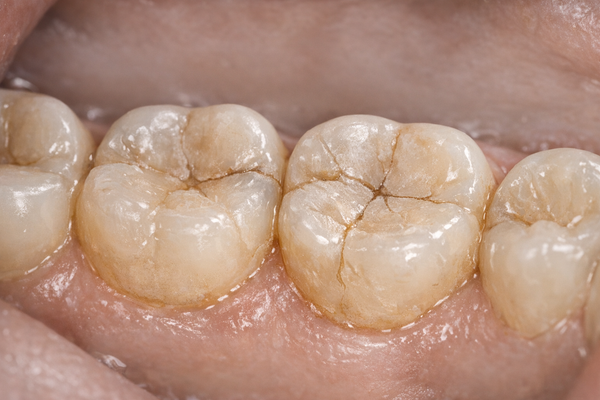
Your enamel is tough, yet it never signed up to be a bench press. Repeated clenching exerts forces up to 250 psi, enough to fracture fillings, crack crowns, and flatten cusps. Comprehensive reviews link sleep bruxism to higher rates of tooth wear, chipped restorations, and periodontal trauma. Over time, the damage can demand root canals or even tooth extraction.
Dental implants are not safe either. The titanium may survive, but surrounding bone can resorb under excessive load. The American Dental Association notes that unmanaged bruxism is a leading cause of implant failure. So if you’ve invested in pricey dental work, guarding against nighttime pressure is essential. For exploring ways to protect your dental work, learn about using a mouth guard for teeth clenching at night.
Associated Pain and Discomfort
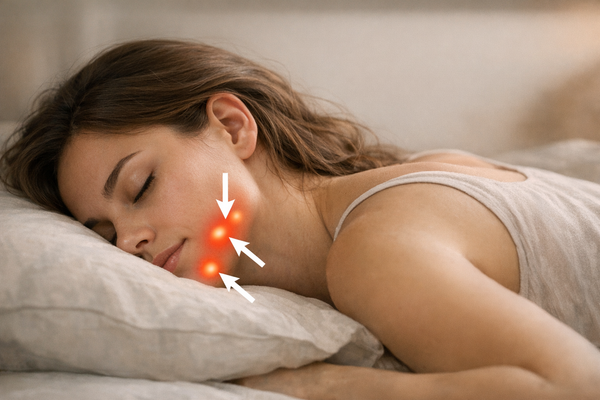
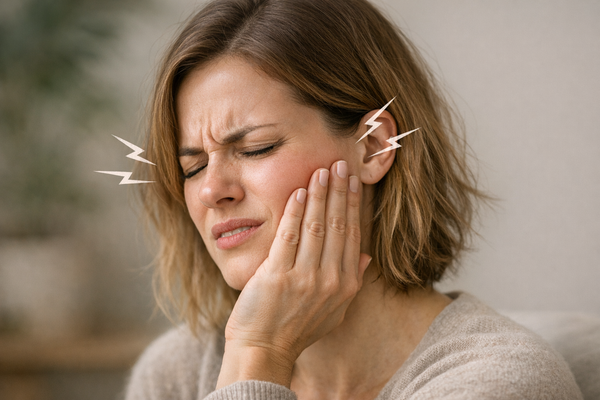
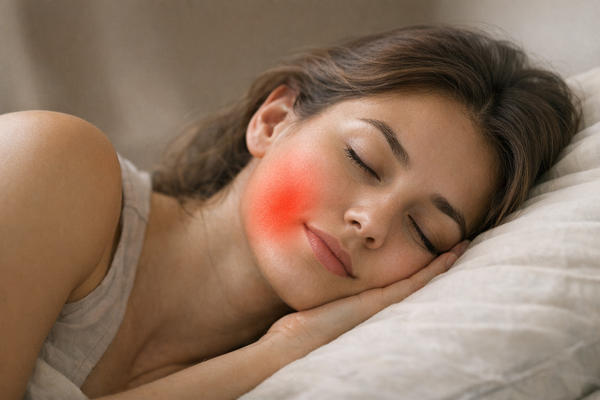
The jaw joint—formally the temporomandibular joint (TMJ)—doesn’t appreciate being snap-closed all night. Persistent clenching inflames joint capsules and neighboring muscles, leading to headaches, ear fullness, and facial pain. Studies comparing muscle tenderness scores in clenchers versus non-clenchers found a twofold jump in pain thresholds among the bruxism group.
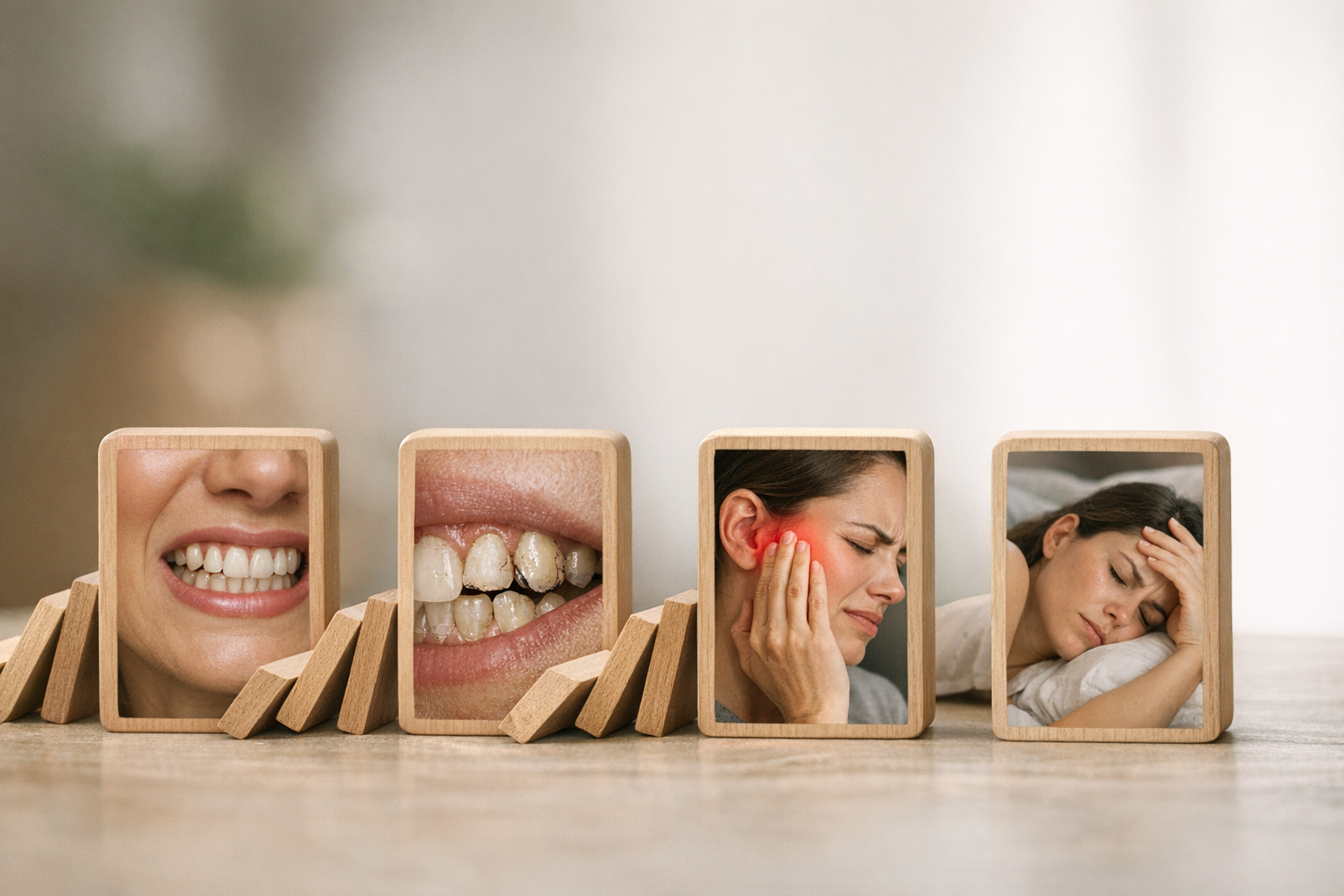
Because the jaw muscles share trigeminal nerve pathways with the temples, bruxism-related pain often presents as morning migraines. Tired cervical muscles add neck stiffness, creating a domino of discomfort. While a custom night guard cushions teeth, it doesn’t stop muscle activation. That’s where behavioral tactics come in.
Untreated sleep bruxism can also fragment sleep quality. Frequent micro-arousals sabotage deep restorative stages, leaving you foggy and irritable. The Mayo Clinic warns that poor sleep intensifies stress hormones, which in turn feed the bruxism loop. Translation: you clench more, sleep less, and feel worse—until you break the cycle. For insights into the role of sleep hygiene, check out how sleep hygiene can improve quality of life.
Beyond the Mouth: Systemic Ripple Effects
Chronic clenching doesn’t stop at cracked molars. Elevated jaw tension can radiate through the cervical spine, altering posture and contributing to “tech neck.” Research from the University of São Paulo documented higher incidences of shoulder myalgia in habitual bruxers, theorizing that persistent trigeminal activation recruits surrounding muscle groups to stabilize the head. Add cortisol-driven blood-pressure spikes, and bruxism becomes a whole-body tax. Soothing the jaw muscles can ease your neck knots and even lower daytime blood pressure. Discover effective techniques for jaw tension relief from stress.
Behavioral Strategies to Prevent Teeth Clenching
Before reaching for fancy splints or botulinum toxin, science suggests starting with your headspace and habits. Behavioral strategies address the root drivers—stress, tension, and conditioning—rather than simply shielding enamel.
Habit Reversal Techniques
Habit reversal therapy (HRT) treats bruxism like any other repetitive behavior. The approach has three pillars:
- Awareness training – Noticing when and where the jaw tenses.
- Competing response – Replacing clenching with a neutral behavior.
- Social support – Enlisting reminders from partners or apps.
Systematic reviews on awake bruxism have found that HRT reduced daytime muscle activity by up to 75 percent in eight weeks. While these studies focused on awake episodes, the same principles set the stage for nighttime success. By retraining daytime jaw posture, you lower overall muscle tonicity, which translates to fewer nocturnal bursts.
Competing responses at night are trickier—you’re asleep, after all. Still, pre-sleep rituals matter. Place the tip of your tongue on your palate, let the jaw hang slightly, and breathe through the nose. This “lips together, teeth apart” mantra resets muscle memory before you drift off.
Need a menu of daytime competing responses? Try these mini-interventions, each under 30 seconds:
- Yawning stretch: Open wide, inhale through the nose, then exhale while letting the mandible drop—instantly disrupts tension loops.
- Pencil roll: Gently roll a pen between the back molars without biting down, cueing proprioception that teeth should not touch.
- Masseter massage: Two knuckles press in small circles just in front of the ears; count to ten, release. Repeat hourly during desk work. Discover more on how self-massage can relieve bruxism symptoms.
Stress Management Techniques
Stress is the gasoline on the bruxism bonfire. Research emphasizes that stress-related cortisol spikes correlate with bruxism frequency. Cutting stress isn’t just feel-good advice—it’s data-backed prevention.
- Progressive muscle relaxation: Tense and release muscle groups from toes upward. Studies cited by the Cleveland Clinic showed fewer bruxism episodes after two weeks of nightly PMR.
- Mindful breathing: Inhale four seconds, pause two, exhale six. Slowing exhalation activates the parasympathetic system, dialing down jaw reflexes.
- Biofeedback wearables: Vibrating wristbands or smartphone apps buzz when surface electromyography senses jaw tension. Early data from the ADA indicate significant symptom decline. Learn more about biofeedback therapy for bruxism treatment.
Combine stress tools with habit reversal, and you attack bruxism from both cortical and muscular angles. The goal isn’t zen perfection—just enough calm so your masseters stop auditioning for a bodybuilding contest.

Role of Cognitive Behavioral Therapy (CBT)
Cognitive Behavioral Therapy reframes how you think about stressors, which then reshapes physiological reactions like jaw clenching. While CBT is more famous for anxiety and insomnia, it doubles as a bruxism intervention.
Studies investigated CBT for sleep disorders among high-stress professionals. Participants not only slept better but also reported a 40 percent drop in self-reported bruxism after eight sessions. The mechanism: CBT reduces hyperarousal and teaches adaptive coping, both essential for calming jaw muscles. To explore more about CBT and mindfulness techniques for bruxism, read on.
What to expect in CBT for bruxism:
- Thought tracking – Identifying worry patterns that spike before bed.
- Cognitive restructuring – Challenging catastrophic thoughts (“If I don’t finish this project, I’ll get fired”).
- Stimulus control – Limiting bed activities to sleep and intimacy, not doom-scrolling work emails.
- Sleep scheduling – Setting consistent wake times to stabilize circadian rhythms, which lowers arousals linked to clenching.
Can’t access a therapist right now? Self-guided CBT workbooks use similar principles. Pair them with digital CBT-I platforms to create a DIY program until professional help becomes available.
CBT isn’t an overnight fix. It takes four to ten weekly sessions, homework included. Yet its durability outranks quick-hit gadgets. Once you learn to intercept stress spirals, your jaw enjoys long-term relief.
Lifestyle Modifications for Bruxism
You can’t out-meditate a quadruple espresso. Lifestyle choices either fan or smother the bruxism flame. A multiprong approach—diet tweaks plus sleep hygiene—creates a friendlier landscape for your jaw.
Dietary Changes
Caffeine is a known bruxism trigger due to its stimulant effect on the central nervous system. Studies list caffeine reduction as a first-line recommendation. Aim to cut intake after 2 p.m. and cap daily consumption at 200 mg (about two regular coffees). For more on why avoiding caffeine late at night helps with bruxism, learn more here.
Alcohol deserves an honorable mention. While that nightcap feels relaxing, it fragments REM sleep and intensifies micro-arousals, setting up for clenching. The National Institutes of Health notes that alcohol within three hours of bedtime raises bruxism episodes significantly. Discover more about the effects of alcohol on teeth grinding.
Finally, watch for hidden stimulants—energy drinks, chocolate, some pain relievers. Swap them for magnesium-rich foods (pumpkin seeds, leafy greens) which play a role in muscle relaxation.
Improving Sleep Hygiene
Sleep hygiene is a term for respecting your circadian biology. Key moves:
- Consistent schedule: Go to bed and wake up within a 30-minute window daily. Stability lowers nocturnal arousals that trigger clenching.
- Screen curfew: Blue light delays melatonin. Cut screens an hour before bed or use amber filters. Improved sleep latency observed with reduced evening light exposure.
- Cool, dark cave: Keep bedroom temperature around 65 °F (18 °C) and black-out curtains drawn. Lower core temperature helps muscle relaxation.
- Exercise smart: Regular aerobic exercise lowers stress and improves deep sleep, but wrap intense workouts at least two hours before bedtime.
- Mouthguard as adjunct: A custom occlusal splint from your dentist can shield teeth while you tackle behavior. It’s like a seatbelt for your enamel. Explore how to choose the right bruxism mouth guard.
Need a blueprint? Here’s a 24-hour anti-bruxism itinerary:
7 a.m. – Wake, hydrate, sunlight exposure.
12 p.m. – Last caffeinated beverage.
5 p.m. – Moderate jog, followed by jaw stretches.
8 p.m. – Light dinner, magnesium-rich veggies.
9 p.m. – Screen curfew starts; perform progressive muscle relaxation.
10 p.m. – Mouthguard in, “teeth apart” posture, lights out.
Research underscores that lifestyle changes, when combined with behavioral therapy, cut bruxism severity scores by half in three months compared with guard-only users. In other words, the guard saves teeth; habits save everything else.
Conclusion: Taking Control of Your Nighttime Teeth Clenching
Nighttime teeth clenching isn’t a life sentence. By understanding the triggers—stress, stimulants, erratic sleep—you can target the problem at its source. Habit reversal trains your jaw to relax, stress management soothes the nervous system, CBT reprograms thought loops, and lifestyle tweaks create a clench-free environment.
Start small: ditch late-day caffeine, practice “teeth apart” posture before bed, and test a five-minute breathing drill. Layer in CBT if stress feels glued to your molars. And yes, wear that custom guard while you transition. Over weeks, micro-arousals fade, muscles loosen, and mornings stop feeling like you chewed through concrete.
Your teeth, jaw, and sleep will thank you—quietly, of course.