Understanding Jaw Tension from Stress: Causes and Relief Strategies
Explore jaw tension causes, stress links, and pain relief methods.
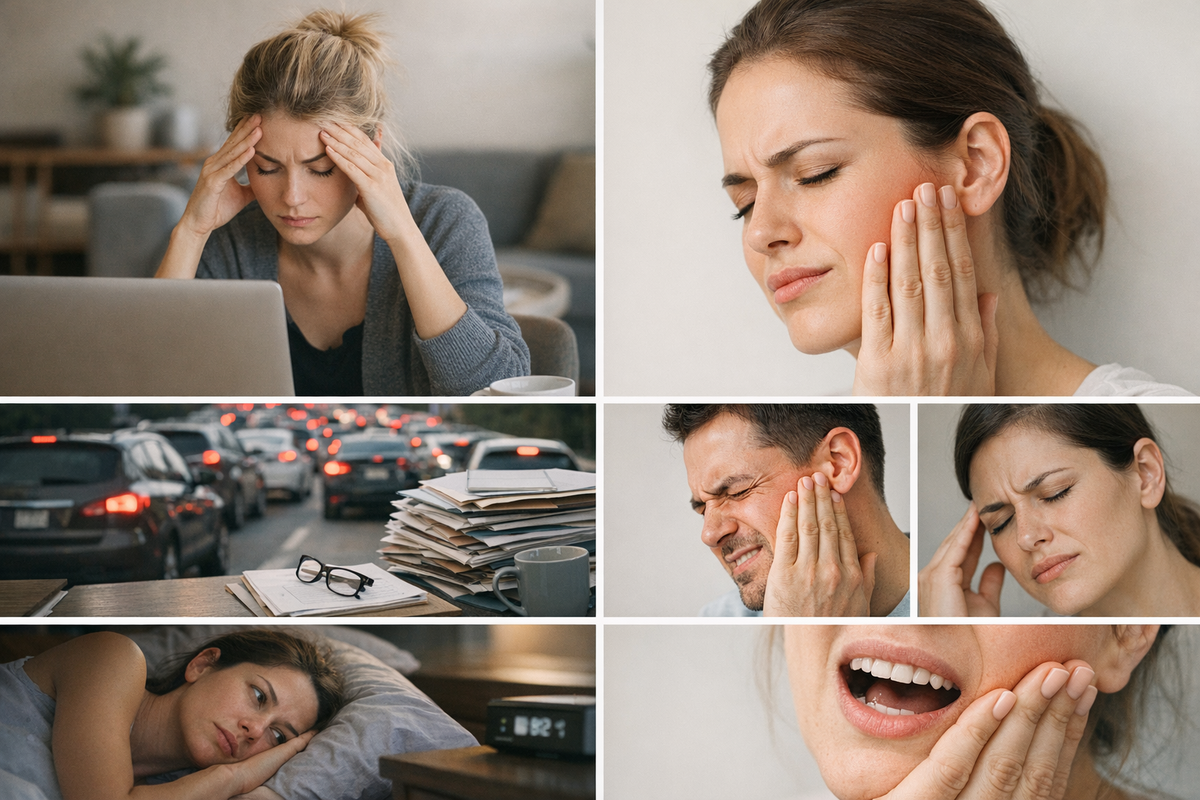
Clenching your jaw after a hectic day? You're not alone. Studies have long linked modern stress levels to sore facial muscles, and the evidence keeps growing. Jaw tension is more than just an annoying ache. It can disrupt sleep, chip teeth, and trigger headaches that feel like a marching band is behind your eyes.
This article explores what science says about jaw tension, the role stress plays, and which relief methods actually work. Consider it the no-nonsense guide your masseter muscles have been begging for.
The Connection Between Stress and Jaw Tension
Understanding Stress-Induced Jaw Tension
Stress is an evolutionary tool that raises heart rate, breathing, and muscle readiness for survival. Unfortunately, daily worries about bills or deadlines cause the same response. The jaw, particularly the masseter and temporalis muscles, often tenses up first. In studies on rodents, chronic stress led to hyperactivity in the masseter muscle through a brain pathway called the CeA-Vme projection (Zhao et al. 2024). This shows that psychological stress can literally change how strongly your jaw muscles contract.
The same "fight-or-flight" circuitry appears in office life. Functional MRI scans of accountants during tax season revealed heightened activity in brain regions that increase muscle tone, including the jaw. Essentially, your brain can't tell the difference between a late-night audit notification and a charging grizzly.
Human studies support this connection. A 2024 review by Da-Cas et al. tracked over 19,000 adults, showing that perceived stress doubled the risk of temporomandibular disorders (TMD). Stress hormones like cortisol and adrenaline increase muscle tone and lower pain thresholds, making normal bite force feel like a throbbing ache.
Stress often disrupts sleep. When you finally drift off, your brain may channel leftover tension into nocturnal jaw clenching, known as sleep bruxism. This means the damage continues even after lights out.
Signs and Symptoms
You can usually spot stress-related jaw tension by its calling cards:
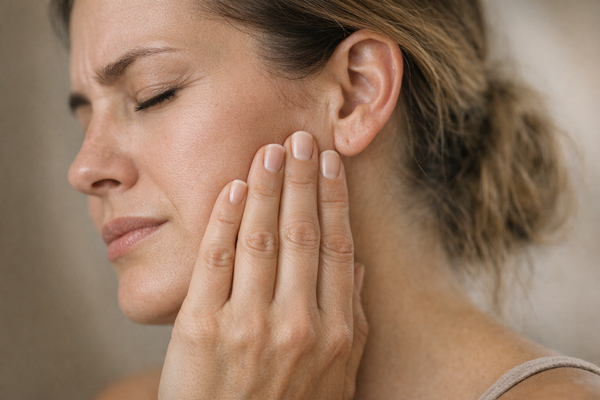
- Dull or sharp pain around the jaw joint, ears, or temples
- Stiffness when opening the mouth, especially in the morning
- Popping or clicking noises while chewing
- Frequent tension-type headaches or facial fatigue
- Sensitive teeth or gum soreness from night-time grinding
- Neck and shoulder tightness linked to jaw movement
- Sudden cravings to chew gum or ice, a subconscious attempt to "work out" tense muscles
If several of these symptoms hit after a rough day—or worsen during exam week or tax season—stress is likely a major factor. But it’s rarely the only contributor.
Jaw Tension Causes: Beyond Stress
Other Contributing Factors
Stress is a major player, but it doesn’t act alone. Jaw tension can involve habits, anatomy, and medical conditions.
1. Bruxism
Bruxism is the technical term for grinding or clenching. While stress can trigger it, misaligned bites and stimulants like caffeine also play roles. The American Dental Association notes that up to 15% of adults grind their teeth, wearing down enamel and inflaming jaw joints. Habitual gum chewing and nail-biting are similar micro-movements that keep the TMJ active all day.
2. Temporomandibular Disorders (TMD)
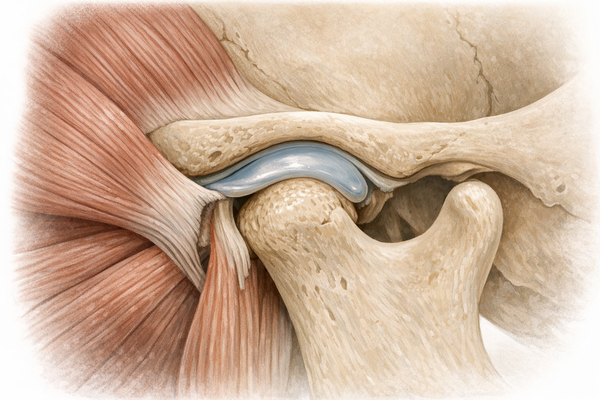
TMD is a broad term for conditions that affect the temporomandibular joint (TMJ). The above-mentioned review by Da-Cas et al. lists risk factors like trauma, arthritis, estrogen fluctuations, and yes—stress. Another review highlights structural damage and inflammation at the joint surface (Weng 2025).
3. Posture and Ergonomics
Hours hunched over a laptop push the head forward, forcing jaw muscles to stabilize the skull. Over time, this compensation leads to chronic tightness. Poor posture can exacerbate jaw pain and cause additional discomfort.
4. Medications and Stimulants
Certain antidepressants raise serotonin, which may trigger bruxism as a side effect. Caffeine and nicotine increase nervous system activity, boosting muscle tone day and night.
5. Airway Issues
Nasal congestion or sleep apnea can lead to straining the jaw for better airflow, stressing the TMJ. The Cleveland Clinic notes that untreated apnea often coexists with tooth grinding, amplifying damage.
Think of jaw tension as a multifactor puzzle: stress is a big piece, but lifestyle, anatomy, and health issues fill in the gaps.
How to Relieve Jaw Pain from Stress
At-home Techniques
Your first line of defense doesn’t have to cost anything.
1. Awareness Training
Set phone reminders labeled "relax jaw." Each ping cues you to drop your shoulders, let your tongue touch the roof of your mouth, and keep teeth slightly apart. Over time, this rewires default muscle tone. Some people place a bright sticker on their laptop as a constant visual nudge.
2. Heat and Cold
A warm compress for 15 minutes boosts blood flow and softens stiff muscles. If swelling appears, alternate with a cold pack wrapped in cloth for 10 minutes.
3. Self-Massage
Use two fingers to trace small circles along the masseter (the thick muscle below your cheekbone) and temporalis (at the temples). Applying light pressure for three sets of 30 seconds can significantly reduce pain, according to anecdotal reports by physical therapists. Learn more about self-massage techniques for bruxism relief.
4. Stretching
Open your mouth as wide as comfortable, hold for five seconds, then move the jaw side to side. Repeat ten times. This dynamic stretch keeps the joint lubricated. Pair the stretch with slow nasal breathing for added relaxation.
5. Relaxation Exercises
A 2025 review by Calderone et al. found that guided breathing and progressive muscle relaxation reduced both stress and blood pressure in heart patients. The same calming effect eases facial muscle tension. Consider exploring yoga and meditation for jaw tension relief.
6. Mandibular Rest Position
Practice keeping lips closed, teeth apart, and tongue lightly against the upper palate. Dentists call this the golden resting posture.
7. Sleep Hygiene
Limit blue light at night, cut caffeine after lunch, and keep your bedroom cool and dark. Good sleep lowers cortisol, reducing night-time clenching. A silk eye mask or blackout curtains can be more effective than most supplements.
8. Nutrition Tweaks
Magnesium-rich foods like almonds, pumpkin seeds, and leafy greens support muscle relaxation. Dehydration can spike muscle cramps, so aim to drink at least half your body weight (in pounds) in ounces of water daily.
Professional Treatments
When home care isn't enough, clinical options can help.
1. Dental Splints
Custom night guards from your dentist separate the arches and cushion force. They don’t stop clenching but protect surfaces while you address root causes. Many dental insurance plans cover a portion of the cost; check for pre-authorization to avoid surprises. If you're considering this option, learn more about choosing the right bruxism mouth guard.
2. Physical Therapy
Targeted jaw mobilization and posture retraining improve range of motion and reduce pain. The Mayo Clinic lists PT as a first-line therapy for mild to moderate TMD. Discover how physical therapy aids TMJ pain and bruxism relief.
3. Acupuncture
A 2024 review by Condor et al. analyzed 14 trials with 877 participants, reporting significant drops in pain intensity and mouth-opening restriction after acupuncture for TMD.
4. Botox
Low-dose botulinum toxin injected into the masseter temporarily relaxes overactive fibers. The review by Weng 2025 found a 70% pain reduction lasting three to six months, with minimal side effects. Botox isn't a cure-all, but it provides relief while you work on behavior change.
5. Stem Cell Therapy
For advanced joint degeneration, researchers are exploring stem cell injections to regenerate cartilage. Weng’s paper notes early trials showing improved joint space and pain relief at six months, though the therapy remains experimental and costly.
6. Cognitive Behavioral Therapy (CBT)
CBT teaches coping skills and reframing techniques to reduce stress. The National Institute of Dental and Craniofacial Research highlights CBT as helpful in reducing anxiety and bruxism episodes. Compare CBT with mindfulness techniques for bruxism management.
7. Medications
Non-steroidal anti-inflammatories (NSAIDs) ease acute flares. Muscle relaxants taken before bed can reduce nocturnal clenching. Always consult your provider first.
Incorporating Relaxation Techniques
Effective Methods
You might roll your eyes at mindfulness apps, but research shows they work. Calderone’s 2025 review found that even ten minutes of guided breathing lowered cortisol in a matter of weeks. Less cortisol means less jaw clenching. Here are effective methods:
- Box Breathing: Inhale for four counts, hold for four, exhale for four, hold for four.
- Body Scan Meditations: Mentally sweep from toes to scalp, releasing any tight spots.
- Yoga: Poses like Child’s Pose and Cat-Cow relieve the upper back and neck, indirectly reducing jaw load.
- Guided Imagery: Imagine a calm beach; visualization can lower muscle electrical activity.
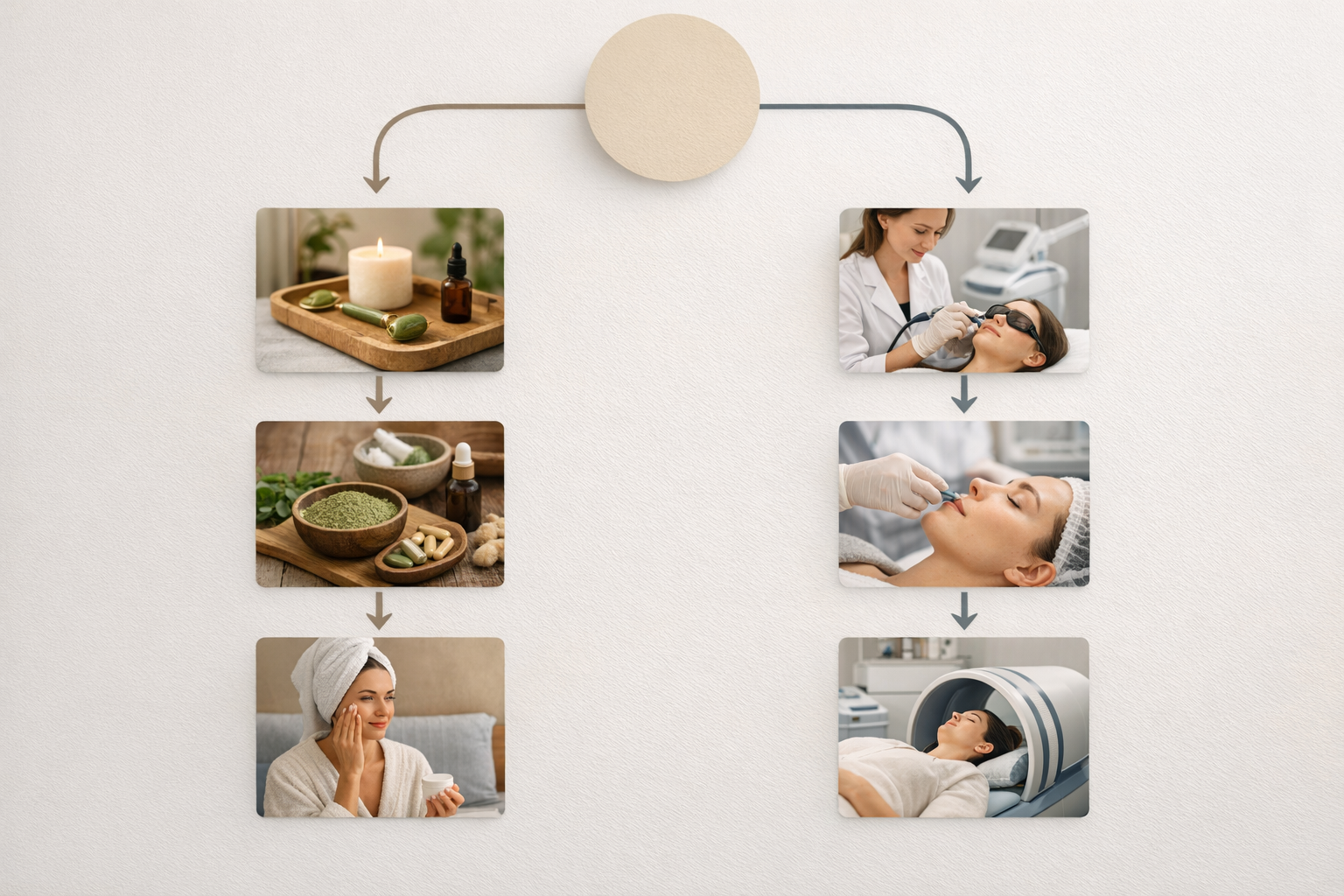
- Ayurvedic Head Massage: A case report on tension-type headaches described symptom resolution after combining herbal oil massage with breathing exercises (Bishnoi et al. 2025).
- Mindfulness Apps: Programs like Calm or Headspace offer short audio sessions that fit into breaks, making consistency easier than a weekend retreat.
Impact on Quality of Life
Why bother with these techniques? Because pain and poor sleep steal time and joy. Calderone’s meta-analysis found that relaxation programs boosted quality-of-life scores by up to 30%. Participants reported better mood, more energy, and fewer days lost to pain.
A calmer nervous system improves digestion, immunity, and focus as well. This ripple effect means jaw relief is just the start. You might meet deadlines faster or feel more patient in traffic because chronic tension is no longer draining your energy.
Designing Your Environment for Stress Relief
Creating a Stress-free Space
Your surroundings can influence stress levels before you realize it. A 2025 design paper on psychological relief rooms highlighted tweaks like color, lighting, and layout that promote calm (Tregubova 2025). You don’t need a feng shui certificate. Start small:
- Lighting: Use warm LED bulbs under 3000 K. Harsh blue light triggers alertness.
- Declutter Zones: Even a messy nightstand can boost cortisol. Pick one area to clear daily.
- Nature Elements: Add a low-maintenance plant or nature photo. Green hues reduce muscle tension quickly.
- Soundscapes: White noise machines or soft instrumental playlists mask city sounds, reducing jaw clenching frequency.
- Scent: Lavender or chamomile essential oil diffused for 20 minutes can lower heart rate. Keep fragrances subtle to avoid headaches.
- Ergonomics: Position screens at eye level and use a chair that supports the lower back. Better posture means your jaw isn’t stuck stabilizing your skull.
- Micro-Break Rituals: Every hour, stand up, roll your shoulders, and look out a window for 30 seconds. Small resets prevent tension from snowballing.
If a total room makeover feels overwhelming, tackle the most used spot—your desk or bedside table. The psychological payoff can be significant for minimal effort.
Conclusion
Jaw tension is complex, but stress often pulls the strings. By understanding how hormones and habits tighten facial muscles, you can target the root instead of just symptoms. Start with simple wins—breathing exercises, self-massage, magnesium-rich snacks, and better sleep hygiene. If pain persists, professional treatments like night guards, acupuncture, or Botox can help while you rewire stress responses.
Remember, relief rarely comes from one solution alone. Combine relaxation techniques, environmental adjustments, and medical insights to build a comprehensive defense. Your jaw, your teeth, and your sanity will all appreciate it.