Natural TMJ Pain Relief: What Works and What Doesn't
Discover effective natural remedies for TMJ pain and what research says about their efficacy.
Jaw pain that strikes during meals is a universal issue. Known as temporomandibular joint disorder, or TMJ, it has been around since our ancestors started chewing tough roots. The upside: more studies are exploring natural ways to ease that pesky joint pain. The downside: not all remedies are backed by science.
This article sifts through the clutter. You will learn what recent research indicates works, what remains uncertain, and how to select an approach that aligns with your lifestyle. Let’s dive into the world of jaw science.
Understanding TMJ Pain: Causes and Symptoms
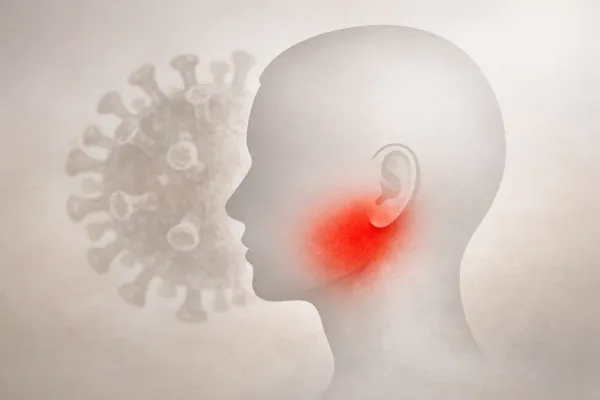
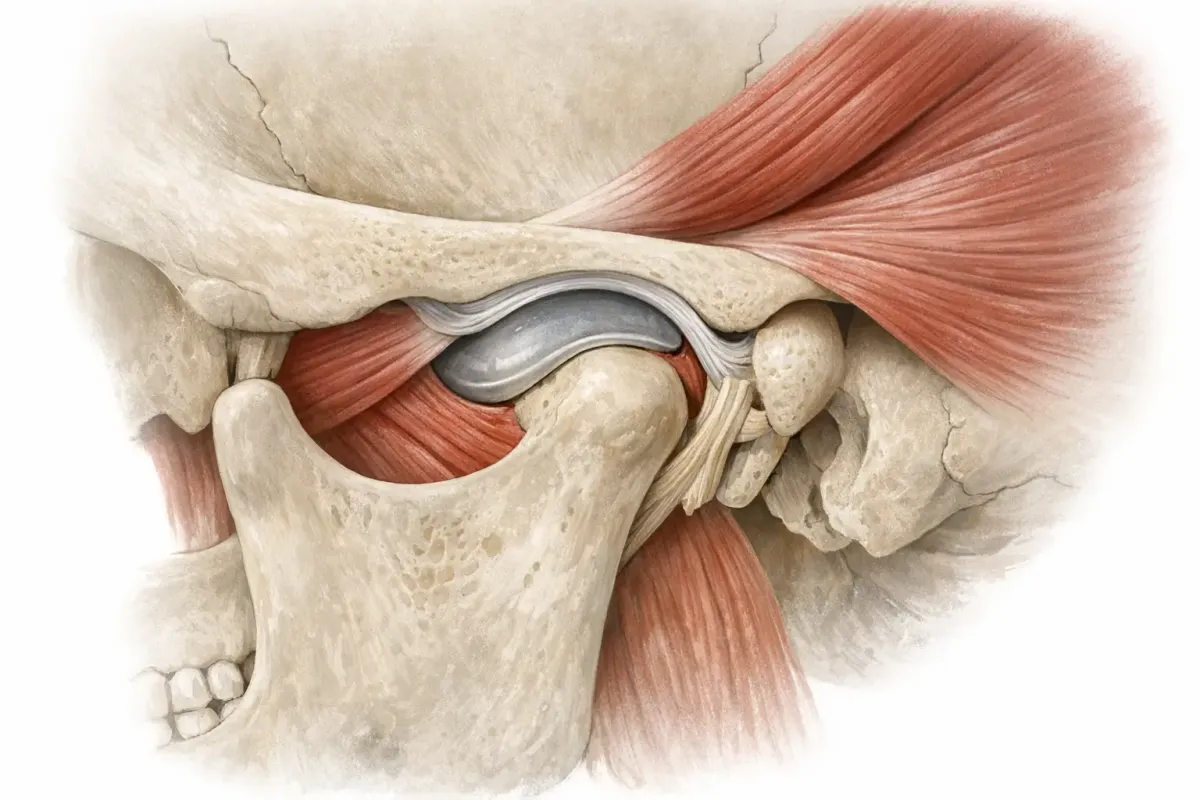
Your temporomandibular joint acts as the hinge for jaw movement. Its sliding nature means that shifts in muscle tension or disc alignment can disrupt the whole system. TMJ pain often starts near the ear and can extend to the neck, shoulders, and head.
Common triggers include:
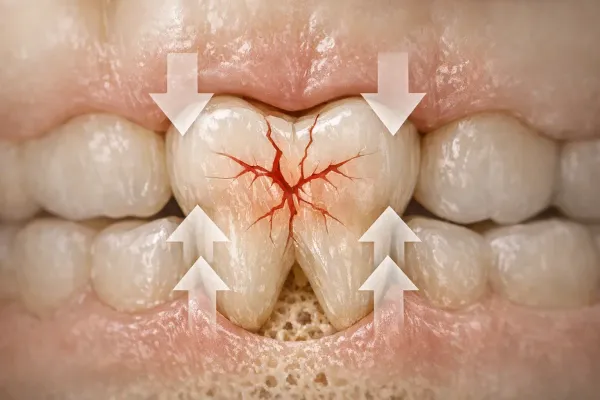
- Teeth grinding or clenching (bruxism), often during sleep
- Jaw injuries from sports or accidents
- Arthritis eroding cartilage within the joint
- Poor posture straining neck and facial muscles
- Stress, which tightens jaw muscles subconsciously
Symptoms can range from mild discomfort to severe pain. You might experience popping or clicking sounds, limited mouth opening, headaches, or earaches. The National Institute of Dental and Craniofacial Research reports that about 11-12% of adults experience TMJ pain, with women more commonly affected.
Ignoring TMJ can lead to chronic pain, eating difficulties, and sleep issues. Early treatment, even basic self-care, can prevent worsening. If jaw pain persists over a week, makes eating hard, or disrupts sleep, seek a dentist or orofacial pain specialist. They may use X-rays or an MRI to rule out disc issues, but many cases are diagnosed with an exam and history.
Case in point: Emily, a 34-year-old graphic designer, noticed a clicking sound when yawning. She ignored it until meals became painful. Her dentist identified wear on her molars from grinding and recommended jaw stretches, a soft diet, and a night guard. Early intervention saved her from prolonged discomfort.
The Promise of Natural TMJ Remedies
Pain can make you reach for quick solutions like painkillers. However, long-term medication use can cause side effects, including stomach issues and dependency. Natural remedies aim to minimize side effects while addressing causes like inflammation, muscle tightness, or stress.
Popular natural remedies include:
- Herbal anti-inflammatories such as turmeric and ginger
- Diet changes to reduce inflammation (omega-3s, less refined carbs)
- Supplements like magnesium for muscle relaxation
- Topical essential oils (peppermint, lavender) applied along the jawline
- Mind-body practices like yoga, meditation, and biofeedback to lower stress
While these sound promising, effectiveness needs more than anecdotal evidence. The key is finding controlled trials with clear outcomes and follow-up. In the next sections, we will explore research with these criteria.
Quick tip: Small daily habits can amplify results. Try swapping gum for xylitol mints, take standing breaks to fix posture, or choose softer foods (like scrambled eggs over granola) for a week to rest sore tissues.

Effectiveness of Hyaluronic Acid for TMJ Pain Relief
Hyaluronic acid (HA) is more than a skincare ingredient; it is a natural lubricant in joints. HA injections for TMJ aim to cushion the joint, reduce friction, and calm inflammation.
A comprehensive review—Flores-Fraile Javier et al. 2025—analyzed trials comparing HA injections with placebo, corticosteroids, and arthrocentesis alone. Across 14 trials with over 700 participants, HA reduced pain by 2.1 points on a 10-point scale at 3 months. Participants also saw a 5-millimeter increase in mouth opening, enough to bite a thicker sandwich comfortably.
Key takeaways:
- HA was as effective as corticosteroids for short-term pain relief with fewer side effects.
- The benefit lasted longer than placebo, with some studies showing relief up to 6 months.
- Multiple injections (two to four, spaced a week apart) yielded better results than one.
If you try this, expect a 20-minute procedure in a dental or oral surgery office. A small needle is inserted into the joint space after local anesthesia. Mild soreness may occur for 24 hours; icing and ibuprofen usually help. Costs in the U.S. range from $350 to $750 per injection, though some plans may cover it after other measures fail. Always check coverage first.
For those averse to needles, topical HA gels are available but lack solid research. Be skeptical of online claims and check ingredient lists carefully.
TMJ Exercises for Pain Relief: What Science Says
Proper joint movement can retrain muscles, improve disc positioning, and increase mouth opening. Two notable studies have examined exercise therapy.
Hamstring Stretching, Ultrasound, and Masseter Pain
Irusappan Srikanth et al. 2025 conducted a trial with 45 patients divided into three groups: hamstring stretching, ultrasound therapy to the masseter, and a control group doing conventional jaw exercises. Interestingly, hamstring stretching alone reduced masseter pain by 25% after 4 weeks. The theory is that tight posterior muscles affect jaw posture. Ultrasound was also effective but similar in results and more costly.
Neck Manipulation and Therapeutic Exercise
A systematic review by Qu Jianing et al. 2025 pooled data from 13 studies on cervical spine manipulation and jaw exercises. They found moderate pain reduction and functional improvement compared to exercises alone. Adding neck care seemed to release hidden tension contributing to jaw pain.
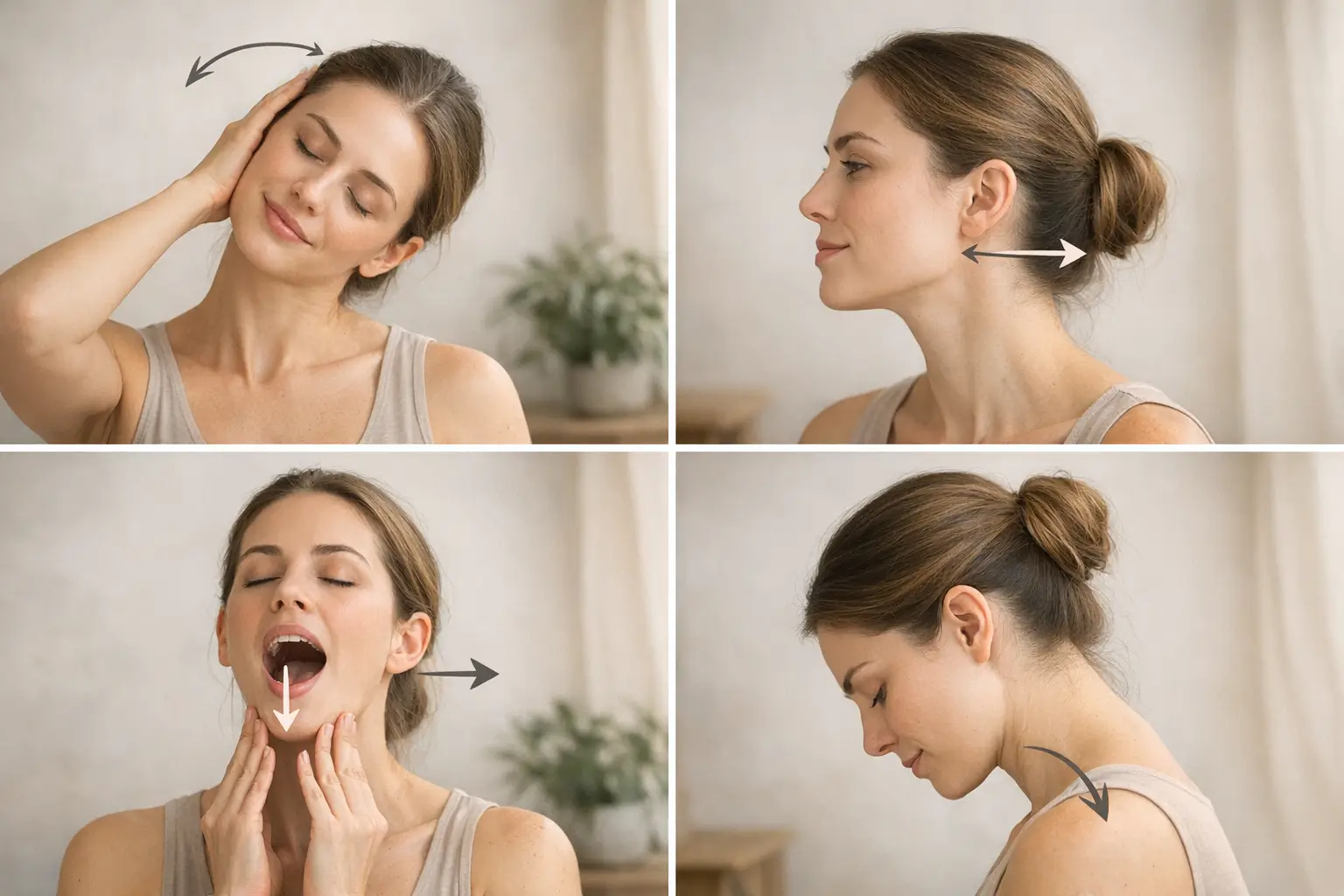
A practical home program might include:
- Controlled opening: Place your tongue on the roof of your mouth. Open and close slowly 10 times.
- Lateral slides: With mouth slightly open, slide jaw left, then right, holding for 5 seconds. Repeat 5 times per side.
- Chin tucks: Pull chin back to stretch the neck. Hold for 5 seconds, repeat 10 times.
- Hamstring stretch: Sit with one leg extended, hinge forward until you feel tension, hold for 30 seconds. Alternate legs for 3 rounds.
Do the routine twice daily—once in the morning and again in the afternoon. Improvement usually appears in 2-4 weeks. If pain worsens, consult a physical therapist or dentist trained in TMJ rehab.
Real-life success: Carlos, a 42-year-old barista, had jaw pain at a constant 7/10. After adding daily chin tucks and hamstring stretches during breaks, his pain reduced to 3/10 in a month, allowing him to call out customer names pain-free.
Traditional East Asian Medicine and TMJ Disorders
Acupuncture, moxibustion, and herbal formulas have long histories but are only recently studied with modern methods. Ha Seojung et al. 2025 conducted a meta-analysis of 24 East Asian interventions, including electro-acupuncture and cupping.
Notable findings:
- Electro-acupuncture provided significant immediate pain relief, reducing scores by 3.4 points on a 10-point scale.
- Traditional acupuncture ranked second with fewer reports of soreness.
- Herbal decoctions, like Jiawei Xiaoyao, helped with TMJ-related anxiety but were less effective for pain relief.
Mechanisms are debated. Some suggest acupuncture increases local blood flow and endorphin release. Critics cite small sample sizes and varied protocols. Still, acupuncture may be a useful addition, particularly for muscle-dominant TMJ, if administered by a qualified practitioner.
Typical courses are 6-8 sessions over three weeks, with many experiencing maximum relief after the third session. Combining acupuncture with Western treatments, like injections or exercises, is common and generally safe—just inform all providers to avoid overlapping treatments.
When considering herbal teas, remember that quality control is crucial. The U.S. FDA does not regulate herbal products as strictly as drugs. Opt for products verified by independent labs or prescribed by licensed herbalists.
Digital Therapeutics: A New Frontier for TMJ Pain
Your phone can be more than a distraction. Digital therapeutics offer behavioral therapy, guided exercises, and biofeedback through apps. A trial by Park Sang-Yoon et al. 2025 tested an app with exercise videos, symptom logging, and mindfulness modules over eight weeks.
Results:
- Pain intensity decreased by 30% in the app group compared to 12% in the control group.
- Users improved mouth opening by 4 millimeters, unlike the control group.
- Sleep quality also improved, likely due to reduced nighttime clenching.
The app sent reminders when it detected clenching through a phone's gyroscope in a headband. This tech may be promising, though long-term data is pending. Digital coaching can bridge clinic visits and maintain accountability.
If a clinical-grade app seems too much, start simple. Set hourly alerts to relax your jaw, or record a voice memo as a cue. Most medical apps encrypt data, but always review privacy terms before granting access.
Conclusion: Choosing the Right Remedy for You
TMJ varies widely. For some, it's an inflammatory joint issue; for others, it's muscle-related. No single natural remedy fits all, but here's a quick guide based on the evidence covered:
- If pain worsens with movement and you hear clicks, discuss hyaluronic acid injections with your dentist. They offer sustained relief with minimal side effects.
- If your jaw feels tight and your neck is stiff, begin a targeted exercise plan, incorporating hamstring stretches and posture drills.
- If stress leads to nighttime grinding, try mindfulness apps or digital therapeutics to break the cycle.
- Consider acupuncture for muscle tension or anxiety-related pain. Choose a licensed practitioner familiar with TMJ.
- Herbal supplements and anti-inflammatory diets offer growing support. Use them as part of a comprehensive plan rather than a standalone solution.
Your jaw should help you savor life's simple joys—like enjoying tacos or singing in the car. Combine evidence with personal comfort and expert advice to move toward pain-free living. When uncertain, build a team: dentist, physical therapist, and possibly an acupuncturist or nutritionist. The TMJ puzzle is solvable, and now you have more pieces to work with.