Understanding the Emotional Impact of Bruxism: How Teeth Grinding Affects Mental Health
Explore how bruxism impacts mental health and emotional well-being, backed by research.
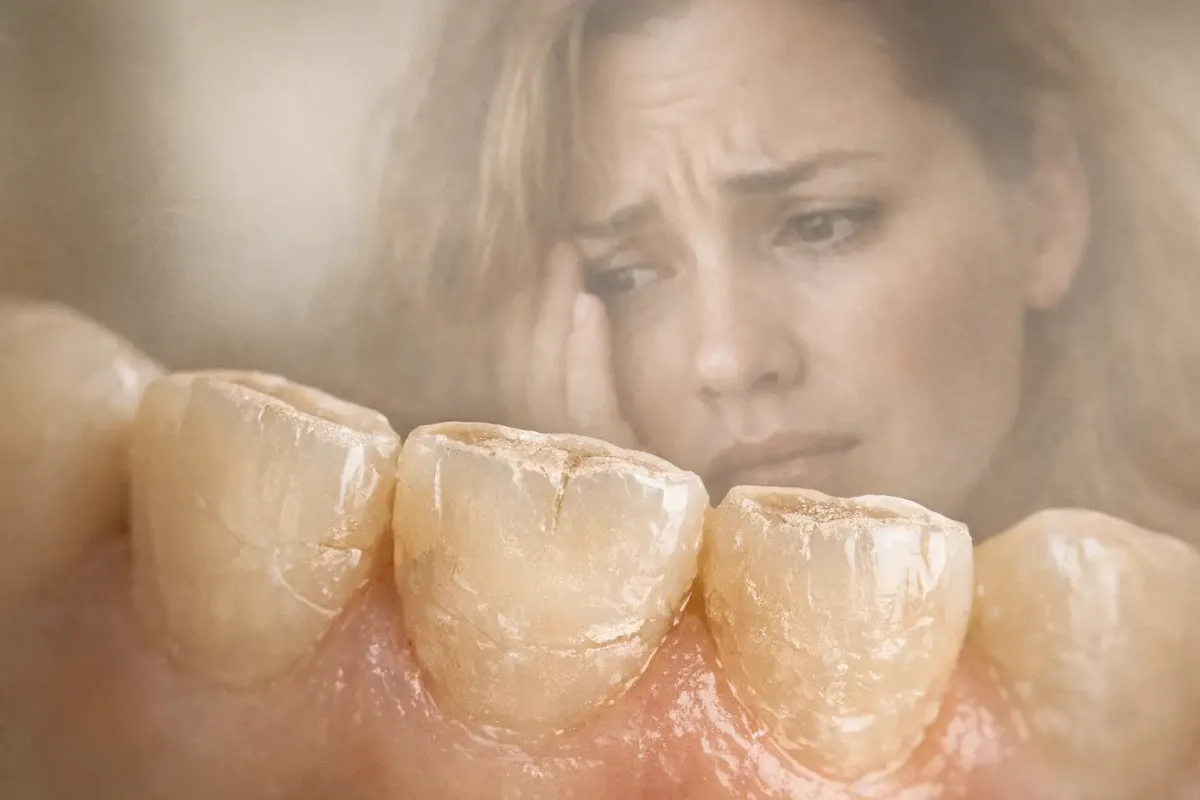
You probably know that clenching or grinding your teeth is tough on enamel. What's less obvious is how that midnight jaw workout can mess with your mood. Scientists have spent the last decade studying the connection between bruxism and your emotional state. The conclusion is clear: your mind and your molars are communicating all night long. In this article, you'll find a research-based overview, free from jargon and filled with tips you can use.
All findings are backed by peer-reviewed studies or major medical organizations. Whenever possible, you'll find links to the original papers. Ready to explore the evidence? Let's get started.
What is Bruxism and Its Emotional Impact?
Bruxism is the clinical term for grinding, clenching, or gnashing your teeth when you’re not eating. It comes in two main forms: sleep bruxism, which happens while you sleep, and awake bruxism, which occurs during the day. According to a 2025 systematic review by Dupare et al., around 8–31 percent of adults grind their teeth at night. This number is even higher among athletes, a topic we'll revisit later.
Why is night grinding a concern? Bruxism is more than a dental issue. Researchers have linked it to anxiety, depression, irritability, and poor sleep. A 2024 review by Voß et al. notes that chronic grinders report more morning tension headaches and daytime fatigue, both of which can worsen mood and productivity. In short, how you clench at night can affect how you feel the next day.
Stress isn't the only trigger, but it's a major one. Elevated cortisol levels in stressed individuals can increase jaw muscle activity, making bruxism both a symptom and a cause of psychological distress. In a survey of dental patients, nearly half of those who reported grinding also screened positive for generalized anxiety disorder. To explore further, check out how anxiety influences teeth grinding.
The condition also affects elite athletes, musicians, and people in high-pressure jobs, suggesting that performance anxiety plays a role. Bruxism acts like a stress barometer: the more tense you feel, the louder your molars protest. For athletes, jaw health can be impacted by training stress.
How Anxiety and Stress Influence Bruxism
Think of anxiety and bruxism as dance partners, each affecting the other. When stress hormones rise, your nervous system goes into high alert, and your jaw muscles prepare for action. This hyper-vigilance makes clenching more likely. At the same time, the pain from grinding increases anxiety. It's a vicious cycle.
Solid evidence comes from a 2025 study by Michelotti et al., which followed patients with temporomandibular disorders (TMD). The study found that jaw-related behaviors like clenching acted as a bridge between anxiety levels and TMD pain. Anxious thoughts increased oral behaviors, worsening facial pain—a loop that persists in daylight. For ways to recognize and relieve TMJ pain caused by stress, see TMJ pain from work-related stress.
Sleep adds another layer. Cortisol usually drops at night to allow repair. In stressed people, this drop is reduced, keeping jaw muscles tense. A systematic review by Dupare et al. shows that poor sleep quality, anxiety disorders, and bruxism often coexist. Those who rate their sleep as fair or poor report grinding up to twice as often as good sleepers, perpetuating the cycle of anxiety. To learn more about the connection between sleep and bruxism, explore how sleep positions impact bruxism.
Consider the example of a project manager working long hours before a product launch. High caffeine and cortisol levels keep his jaw tense, leading to nighttime grinding. He wakes up tired, reaches for more coffee, and the cycle continues. Without a break, like a 10-minute breathing session before bed, he stays in fight-or-flight mode. This pattern over weeks can lead to dental wear and increasing irritability.
The Cycle of Anxiety and Teeth Grinding
- You feel stressed or anxious during the day.
- Jaw muscles tense as part of the fight-or-flight response.
- Clenching continues into the night, disrupting restorative sleep.
- Poor sleep leaves you irritable and more anxious the next day.
- Heightened anxiety restarts the pattern.
Breaking any link in this chain can slow the cycle. Options include stress management, jaw physiotherapy, or targeted injections. The key takeaway: anxiety fuels bruxism, and untreated bruxism feeds anxiety. A dual-track strategy is needed to address both. Discover effective techniques for stress management to help alleviate this cycle.
Mental Health Consequences of Bruxism
Chronic teeth grinding isn't just a dental issue. It affects sleep, thinking, and interactions with others. Frequent grinding can cause micro-arousals—tiny awakenings that you don't remember. According to a 2024 review by Voß et al., those with active bruxism record up to 20 micro-arousals per hour on sleep studies. That's like being poked awake every three minutes.
These interruptions reduce the restorative stage of sleep known as slow-wave sleep. You wake feeling unrefreshed, mentally foggy, and emotionally vulnerable. The same review notes higher rates of mood disorders, like mild depression and generalized anxiety, among poor sleepers who grind. While grinding may not cause depression, the overlap is significant.
Daytime function also suffers. Headaches, jaw stiffness, and ear pain can affect work and relationships. Couples often describe a "domino argument" effect: one partner wakes up moody from jaw pain, the other feels snapped at, and tension builds. Left unchecked, bruxism can silently disrupt communication and intimacy. To understand how bruxism might lead to headaches, see the teeth grinding headache connection.
Impact on Sleep and Daily Life
Sleep researchers at the Sleep Foundation outline several consequences you might recognize:
- Fragmented sleep. More awakenings lower sleep efficiency, affecting memory and emotional regulation.
- Mood volatility. Pain and fatigue shorten your emotional fuse, making frustration and sadness harder to manage.
- Cognitive drag. Studies show that those with jaw pain score lower on attention tasks compared to pain-free peers.
These issues rarely stand alone. A 2025 review by Dupare et al. links bruxism to tension-type headaches and migraines, both of which harm quality of life. Sustained jaw muscle contractions may transfer tension to cranial muscles, triggering head pain.
Mental health is affected too. Chronic pain and insomnia are risk factors for mood disorders. Add the social stress of damaged teeth—cracks, flattening, or chips—and self-esteem can drop. Some avoid photos or prefer dim lighting to hide worn teeth. This emotional impact isn't vanity; it shows that bruxism affects more than enamel.
Bruxism in Athletes: A Special Case
If you're in sports, you've seen the clenched-jaw focus before a critical play. That tension can affect the jaw even off the field. A 2025 meta-analysis by Okshah et al. surveyed over 1,200 athletes from various sports. About 50 percent showed signs of sleep bruxism, compared to 20 percent in non-athletes.
Why the difference? Researchers point to three main stressors:
- Performance anxiety. Pre-game nerves release adrenaline that can increase jaw muscle activity.
- Physical strain. Intense workouts tighten fascia and muscles connecting the neck, shoulder, and jaw.
- Equipment fit. Poorly fitted mouthguards or helmets can misalign the jaw, making clenching easier.
The same meta-analysis found that untreated bruxism correlated with slower reaction times and reduced force in leg presses. Jaw pain may sap mental focus, affecting fine motor tasks. Sleep debt may also impair muscle recovery, reducing performance during competition.
Stress and Performance Pressure
You don't have to be a pro to feel the pressure. Weekend athletes also report increased grinding during competitions or intense training. Mindfulness exercises, planned rest days, and properly fitted mouthguards can ease the load on your temporomandibular joint (TMJ). Coaches might consider screening for bruxism during preseason dental checks to prevent problems like cracked molars or migraines. For more on managing jaw clenching in athletes, see effective strategies for athletes.
Treatment Options and Their Emotional Benefits
Good news: you don't have to live with damaged enamel and stressed nerves. Modern bruxism treatments target both the physical and emotional aspects. Let's examine the evidence.
Botulinum Toxin and Other Interventions
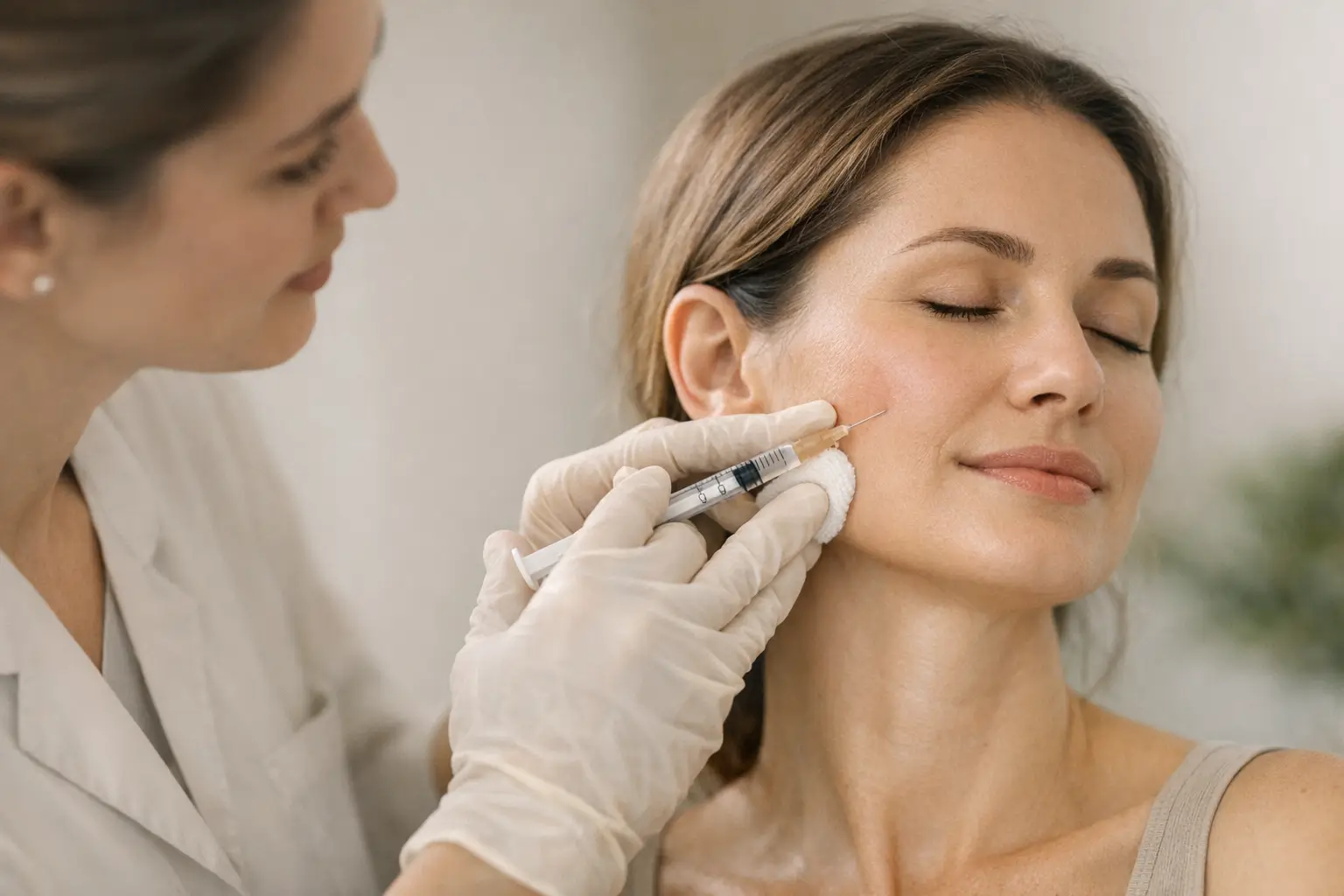
If bite guards feel uncomfortable, consider medical therapies. Botulinum toxin type A (BoNT-A) injections weaken overactive jaw muscles, reducing bite force without limiting your smile. A 2025 overview by Coelho et al. suggests that BoNT-A can reduce clenching episodes by up to 60 percent within four weeks.
The mental benefits are significant too. In a systematic review by Yacoub et al., patients reported lower anxiety scores and better sleep quality after receiving BoNT-A. Researchers suggest that pain relief and improved sleep break the stress-grind cycle. Another study found that BoNT-A provided faster pain relief and better quality of life compared to other treatments.
Other options include:
- Custom night guards. These appliances cushion biting surfaces and redistribute force. They don’t stop muscle activity but protect enamel and can reduce morning headaches. Check guidelines from the American Dental Association. Learn more about custom vs. OTC night guards.
- Cognitive-behavioral therapy (CBT). Designed for stress management and anxiety reduction, CBT teaches coping strategies that can lower nocturnal muscle tension.
- Biofeedback devices. Wearables measure muscle activity and gently alert you when clenching starts, training you to relax your jaw. Evidence is growing but still early.
- Physical therapy. Targeted stretches and trigger-point massage ease neck and shoulder tension that feeds into the jaw. Explore physical therapy for TMJ pain management.
- Diet and supplements. Adequate magnesium supports muscle relaxation, while limiting late-day caffeine reduces nervous-system overdrive that fuels nighttime clenching. To see how diet can affect bruxism, see how diet influences bruxism.
Combining treatments often provides the best results. For instance, pairing BoNT-A with CBT addresses both the physical and mental aspects. Always consult a dentist or physician familiar with TMJ physiology and mental health before starting any plan.
Conclusion: Managing Bruxism for Better Mental Health
Your jaw isn't an isolated tool—it's connected to your brain, stress hormones, and sleep cycles. Ignoring bruxism risks more than chipped enamel. It can harm your sleep, mood, and focus. Fortunately, science offers targeted solutions, from mouthguards to BoNT-A injections, to help you regain restful nights and calmer days.
If you find yourself clenching at red lights or waking with a sore jaw, treat these moments as early warnings. Consult a dental professional who can evaluate your bite, screen for anxiety, and develop a dual approach addressing both mind and molars. Reducing grinding doesn't just preserve teeth—it frees mental space for what truly matters.