How to Stop Teeth Clenching: Effective Techniques for Stress Management
Discover practical strategies to manage stress-induced teeth clenching effectively.
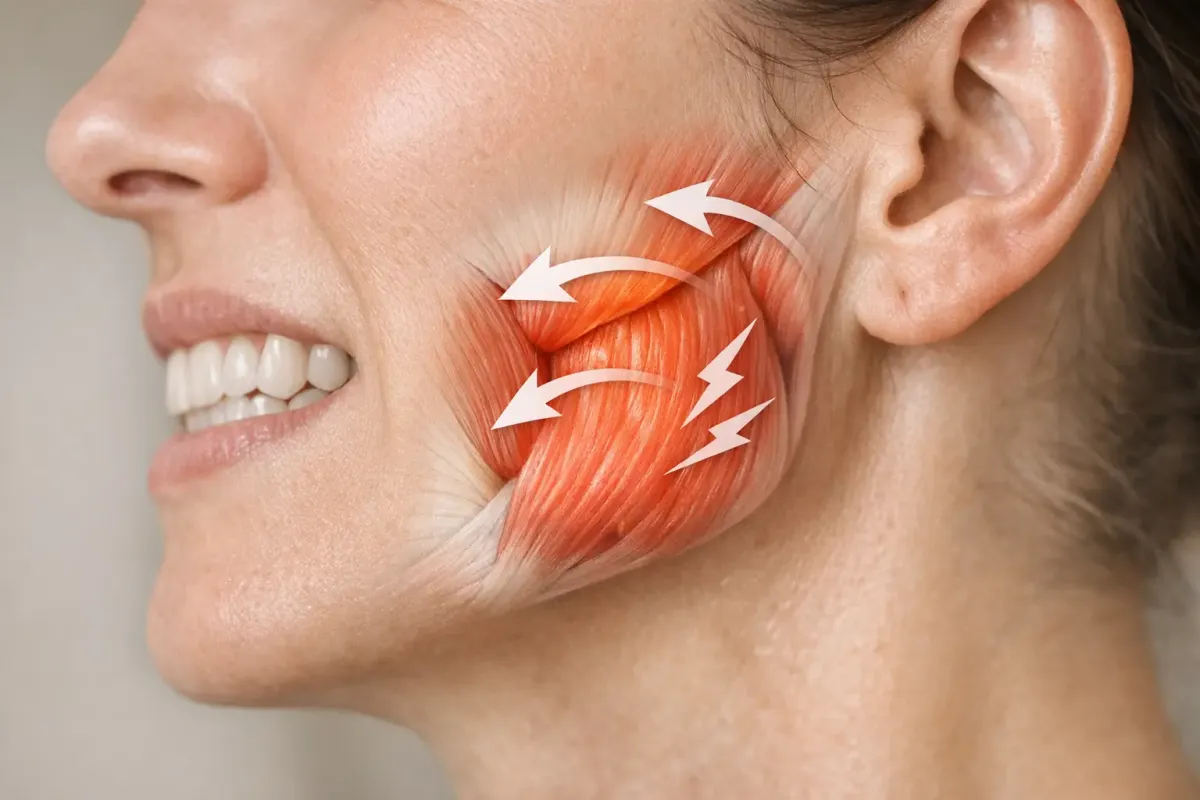
If your jaw feels like it has been doing push-ups all night, you are not alone. Teeth clenching, also called bruxism, affects up to one in three adults, and stress is the usual suspect. The good news is that research-backed tools exist to help you stop the nightly grind and give your jaw some much-needed rest. For an in-depth understanding of why you might be clenching your teeth at night, explore unexpected causes of nighttime teeth clenching.
This guide compiles recent studies, practical exercises, and a touch of irreverence to show you how to stop teeth clenching, manage stress, and protect your smile. Grab a cup of something relaxing and dig in.
Understanding Teeth Clenching and Its Causes
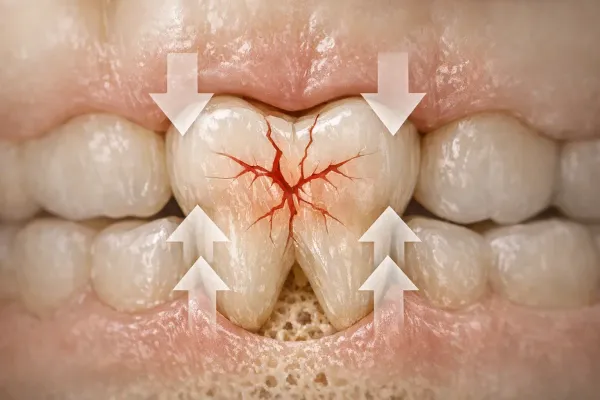
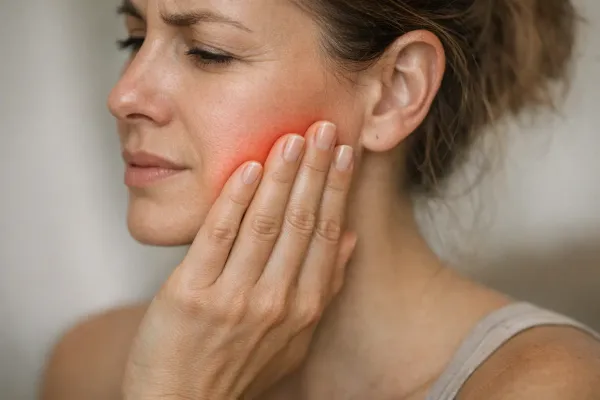
Teeth clenching, or bruxism, involves grinding or clamping the upper and lower teeth. This can happen during the day (awake bruxism) or at night (sleep bruxism). In both cases, the jaw muscles work overtime, leading to sore cheeks, cracked enamel, and morning headaches. To better understand the signs and symptoms, learn how to recognize bruxism symptoms before they worsen.
A systematic review on awake bruxism by Graham et al. estimated that 22–31 percent of adults clench their teeth when stressed or focused. Sleep studies suggest that nighttime bruxism affects roughly 13 percent of people. So if you are reading this with your molars mashed together, take heart—you are not alone.
Stress and anxiety are major contributors to bruxism. When the body activates its fight-or-flight response, jaw muscles tense along with the shoulders and neck. Over time, this tension can become a habit. Graham et al. found a strong link between high perceived stress scores and increased jaw-muscle activity. For more information on how stress influences bruxism, unravel the connection between stress and bruxism.
Hormones also play a role. Cortisol, the “stress hormone,” rises during mental strain and is associated with bruxism episodes. Lifestyle factors like caffeine, alcohol, nicotine, and certain medications can further increase jaw muscle activity. If you're concerned about the impact of caffeine, explore how caffeine affects bruxism.
Genetics and bite alignment may also contribute, but stress is usually the main factor. A clinical study on masseter muscle function by Matusz et al. found that patients with chronic stress showed stronger muscle contractions than those without. The takeaway: to stop teeth clenching, you must tackle stress directly while giving your jaw some TLC.
Relaxation Techniques for Jaw Tension Relief
Relaxation isn't just for spas. It has real effects on muscle tone, blood pressure, and stress hormones. A systematic review by Calderone et al. showed that simple relaxation practices lowered heart rate and cortisol levels, proving their effectiveness. Calming your body can directly reduce clenching episodes. Discover additional jaw tension relief techniques from stress for more comprehensive strategies.
Progressive Muscle Relaxation
Progressive Muscle Relaxation (PMR) is an easy way to relieve jaw tension. Here is a streamlined version you can do at your desk:
- Close your eyes and breathe normally.
- Start with your feet. Squeeze the muscles for five seconds, then release for ten.
- Work up the body: calves, thighs, glutes, belly, chest, arms, and finally the face.
- When you reach the jaw, bite gently, hold for five, then let it hang loose. Feel the contrast.
- Finish with a slow neck roll.
Do this twice a day or whenever your jaw starts to feel tense. The goal is to teach your brain what “relaxed” feels like so it can interrupt clenching.
Deep Breathing Exercises
Breathing controls your nervous system. Slow, diaphragmatic breaths shift the body from “fight-or-flight” to “rest-and-digest.” Try this two-minute routine:
- Sit upright. Place one hand on your belly, the other on your chest.
- Inhale through the nose for a count of four, feeling the belly expand more than the chest.
- Pause for one count.
- Exhale through the mouth for a count of six, letting the jaw slacken and the shoulders drop.
- Repeat for ten breaths.
Pairing deep breathing with PMR enhances the benefits. According to the Calderone review, combined relaxation methods produced larger drops in stress markers than any single technique. Your jaw muscles are waiting for that signal to relax.
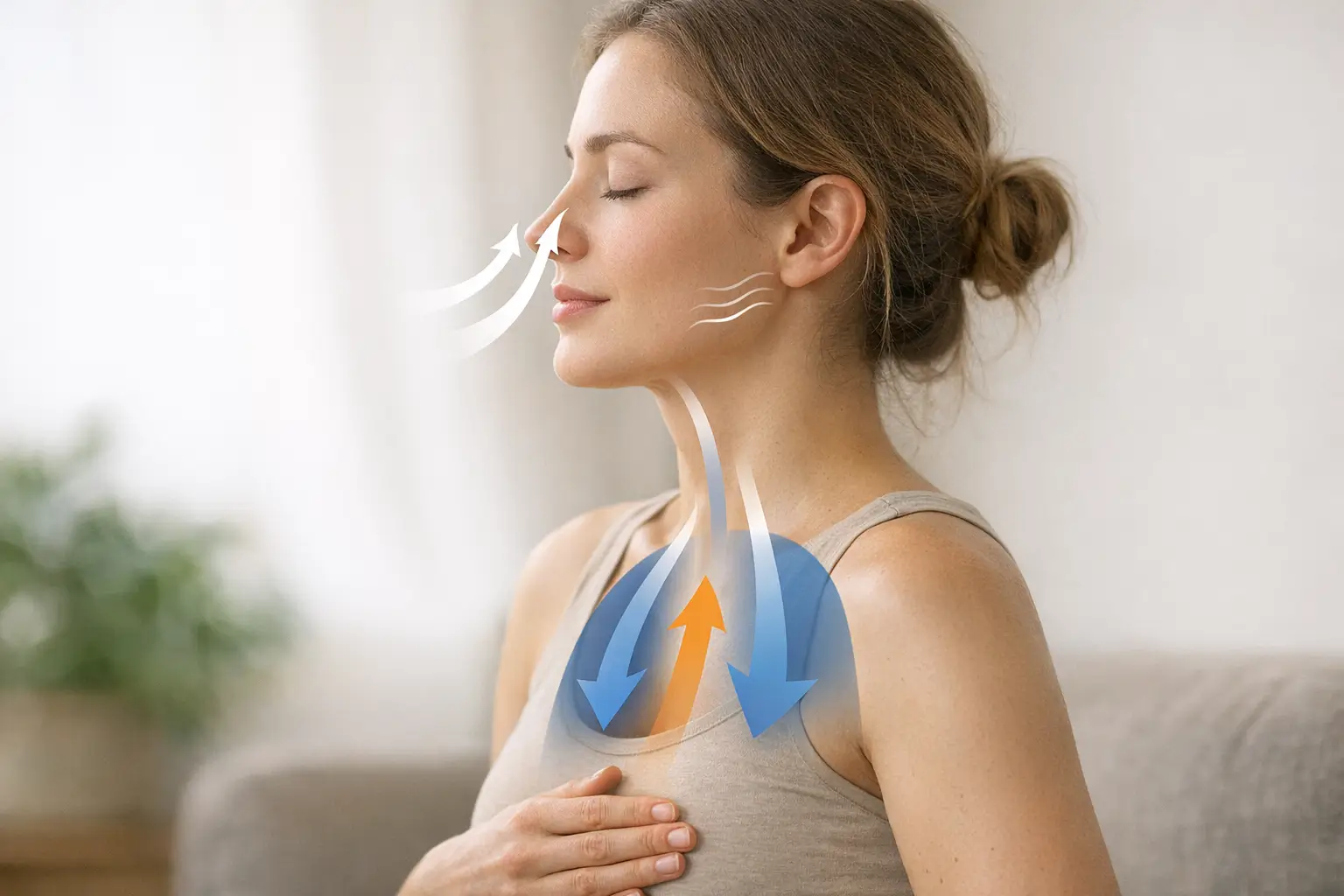
For added effect, place the tip of your tongue against the roof of your mouth just behind the front teeth during exhale. This posture helps keep the lower jaw from rising into a clenched position.
Short on time? Smartphone apps like Insight Timer, Calm, or YouTube clips labeled “five-minute PMR” can guide you. Consistency is key. Think of each session as a micro-workout for your parasympathetic nervous system.
The Role of Cannabidiol in Managing Jaw Tension
Cannabidiol (CBD) has become a serious research topic. A review by Walczyńska-Dragon et al. examined CBD’s effect on temporomandibular disorders (TMDs) and found promising results for pain relief and muscle relaxation. To learn more about natural TMJ pain relief methods, explore what works and what doesn't.
How might CBD help you stop teeth clenching?
- Anti-Inflammatory Action: CBD interacts with endocannabinoid receptors that regulate inflammation. Less inflammation in the TMJ can mean reduced soreness and lower muscle guarding.
- Anxiolytic Properties: The compound influences serotonin receptors, producing a calming effect that may blunt the stress cycle triggering clenching.
- Muscle Relaxation: Preliminary studies show CBD can decrease myofascial hyperactivity. Human trials reported reduced nighttime EMG readings.
Consider sublingual oils, capsules, or topical balms applied in front of the ear where the masseter lies. Start low (5–10 mg) and track your response. Always check local regulations and consult a healthcare professional before use, especially if you take medications that interact with liver enzymes.
CBD is not a cure-all, but when paired with relaxation and lifestyle changes, it can be helpful for chronic grinders who haven't found relief with splints alone.
Innovative Therapies for Bruxism Management
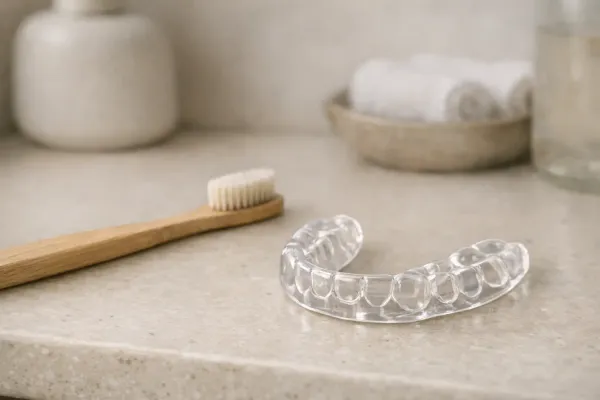
Occlusal guards are the standard defense, yet technology is offering new options. Two popular ones are Botulinum Toxin injections and biofeedback devices.
Botulinum Toxin Treatment
This is the same Botox used for cosmetic purposes, but here the goal is to relax overworked jaw muscles. Botulinum Toxin Type A blocks acetylcholine release at the neuromuscular junction, leading to partial muscle paralysis. An overview of reviews by Coelho et al. reported reduced pain scores and grinding episodes for three to six months post-injection. For more on advanced TMJ treatments, explore Botox and other options for effective pain relief.
What does the procedure involve?
- A dentist or facial pain specialist finds trigger points in the masseter and temporalis.
- Small doses are injected with a fine needle.
- Results show up within a week, peak at one month, and taper after about four months.
The study by Matusz et al. found improved bite force balance and fewer morning headaches in participants treated with Botulinum Toxin compared to mouthguard-only controls.
Side effects are usually mild—temporary chewing weakness or slight asymmetry—but seek an experienced injector to minimize risks. Insurance coverage varies, so a pre-authorization letter outlining the functional need can help.
Biofeedback Devices
If you prefer gadgets, biofeedback may suit you. This therapy teaches your brain to stop clenching by detecting jaw muscle activity and triggering a gentle alert. To further understand the role of biofeedback in managing bruxism, explore how biofeedback therapy can help.
A case series by Pfeiffer et al. showed a 70 percent reduction in nighttime grinding episodes after using an in-ear biofeedback device. While the sample was small, the findings align with user testimonials, suggesting the tech can train muscles to relax during sleep.
Practical tips for biofeedback success:
- Start during daytime naps or TV time to get used to the alert.
- Pair alerts with deep breathing or PMR to reinforce a calm response.
- Clean the device daily to avoid irritation.
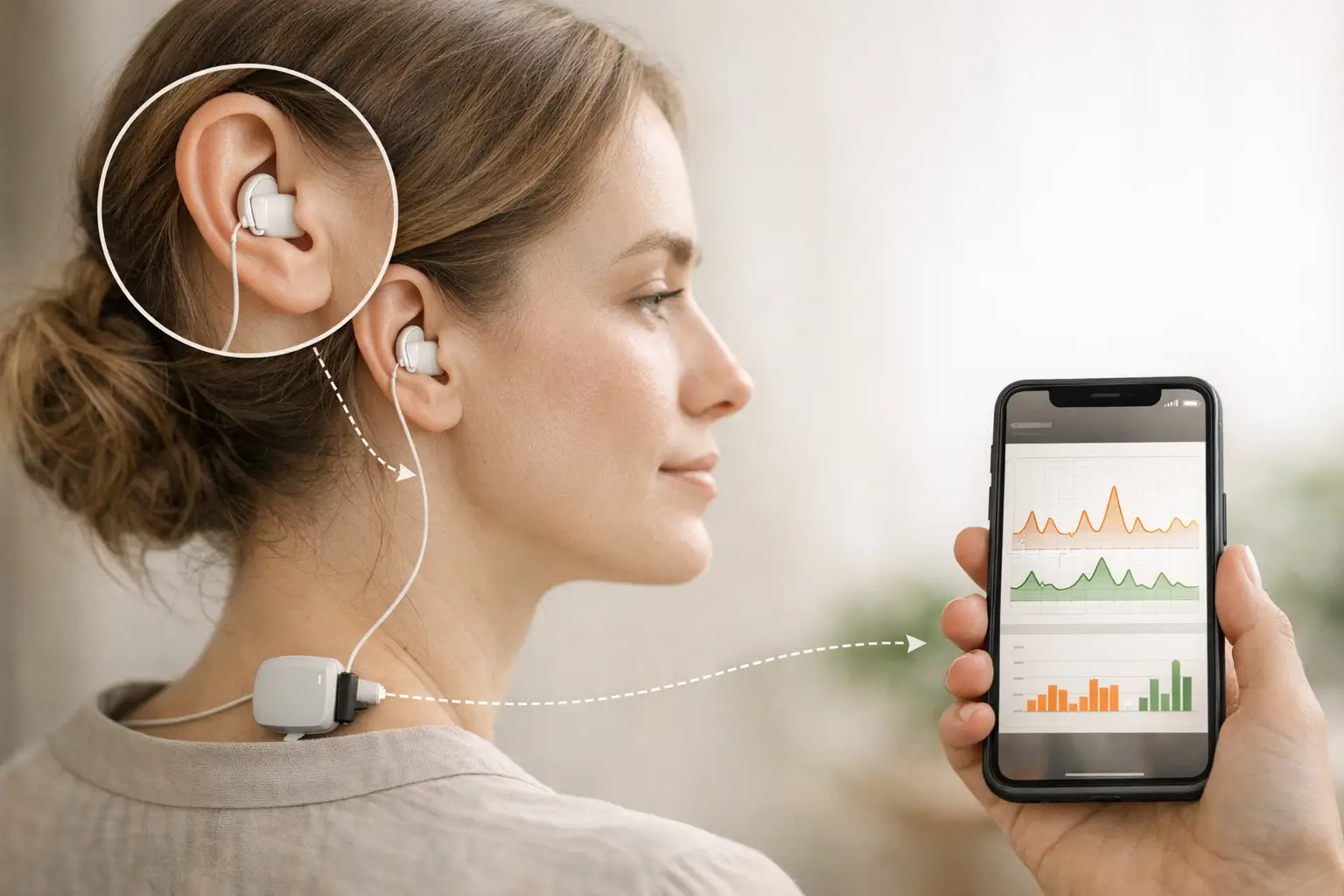
Expect a learning curve. The goal is not to buzz you awake all night but to rewire your muscle memory so alerts fade as habits change. Combine biofeedback with a custom mouthguard for double coverage if you grind hard.
Manual and Soft Tissue Therapies
Hands-on techniques can loosen tight fascia and improve joint mobility. A trial by Gębska et al. looked at manual soft-tissue therapy plus jaw exercises and found significant drops in pain and gains in mouth-opening range after four weeks. To explore effective jaw relaxation techniques for bruxism, discover the best jaw relaxation techniques for nighttime clenchers.
Key manual methods include:
- Myofascial Release: A therapist applies gentle pressure along the masseter, temporalis, and pterygoid muscles.
- Trigger Point Massage: Sustained pressure on knot-like spots sends a “reset” signal to hyperactive fibers.
- Joint Mobilization: Small oscillations at the TMJ improve synovial fluid circulation and reduce stiffness.
At-home self-massage
- Wash hands and apply a pea-sized dab of lotion to cheeks.
- Place your index fingers on the masseter and make slow circles downward for 60 seconds.
- Slide fingertips to the temple and repeat on the temporalis.
- Press gently under the jawline where the digastric attaches, then let go.
Jaw-stretch exercise
- Place the tip of the tongue on the roof of the mouth.
- Open the mouth slowly until you feel a mild stretch in the back molars.
- Hold for five seconds, close, and repeat five times.
Consistency is your friend. Daily five-minute sessions can train the jaw to adopt a neutral “lips together, teeth apart” posture that wards off clenching.
Lifestyle Modifications for Stress Management
You can massage, breathe, and inject all you like, but if daily habits keep your nervous system revved, the jaw will keep fighting. Address these lifestyle pillars:
Diet Tweaks
- Cut Caffeine After 2 p.m.: Stimulants raise cortisol and delay sleep stages where muscle repair happens. To better understand how diet affects bruxism, explore the role of diet in managing bruxism.
- Limit Alcohol Before Bed: Nightcaps fragment sleep architecture and can spike sleep bruxism.
- Stay Hydrated: Dehydration cramps muscles, including the ones that move your jaw.
Sleep Hygiene
- Stick to a Consistent Bedtime: Regular circadian cues drop evening cortisol.
- Keep the Room Cool (60–67 °F): Lower temperatures support deeper stages of sleep where bruxism is less likely.
- Try a Thin Pillow or Side Sleeping: Aligned neck posture reduces jaw tension. To learn more about how sleep positions affect bruxism, explore their impact on jaw pain.
Daily Stress Outlets
- Exercise: Thirty minutes of moderate cardio lowers anxiety and promotes endorphins that relax muscles.
- Digital Boundaries: Screen breaks, especially from doom-scrolling, help spare the jaw.
- Mindfulness Minutes: Even five minutes of guided meditation can reset your stress baseline for the day.
For more detailed lifestyle guidance, consult resources from organizations like the American Dental Association and the National Institute of Dental and Craniofacial Research. These sites break down TMJ-friendly diets, proper posture, and sleep tips.
Conclusion
Your jaw is tough, but it is not built for a 24-hour workout. Stress increases muscle tone and keeps the masseters active when they should be resting. Evidence suggests you can stop teeth clenching by combining relaxation practices, targeted therapies, manual work, and smart lifestyle tweaks. Use this toolbox, track what works for you, and involve a dental or medical professional for personalized guidance. Your future self—and your molars—will thank you.