Understanding the Role of SSRIs in Bruxism and Jaw Clenching
Explore how SSRIs may cause bruxism and jaw clenching, backed by current research.
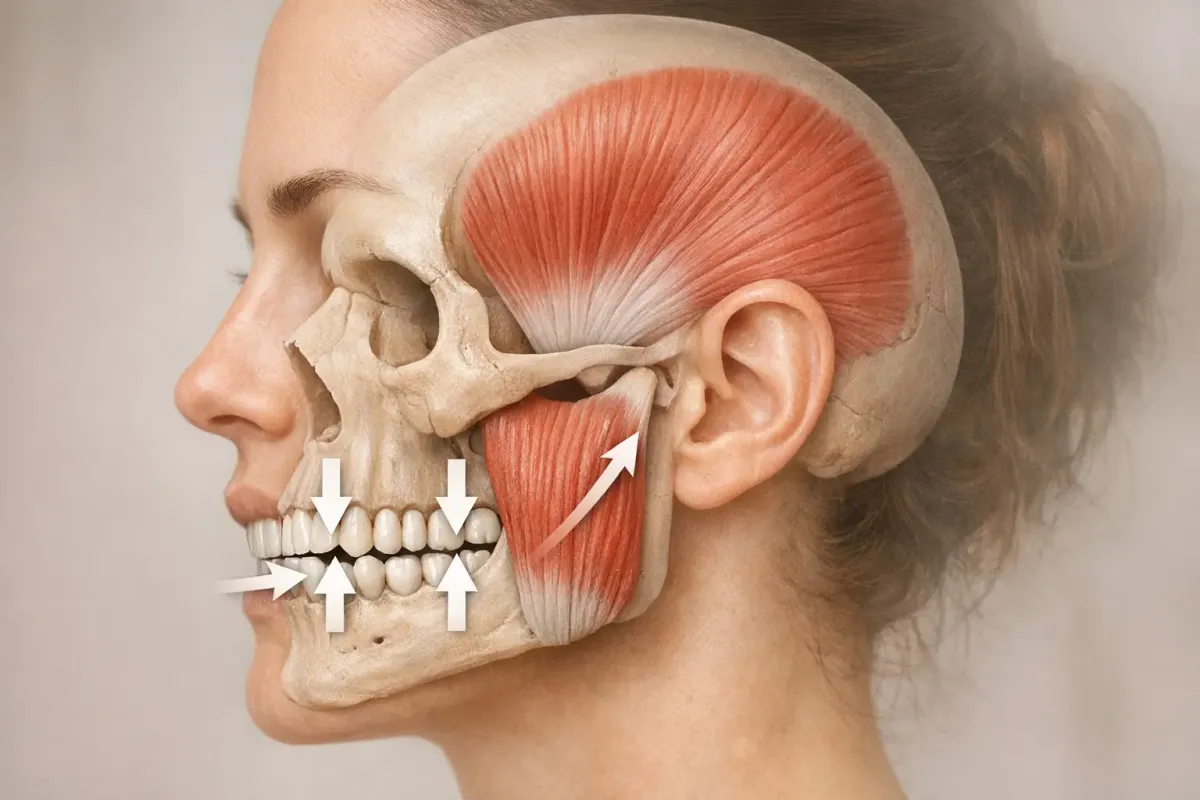
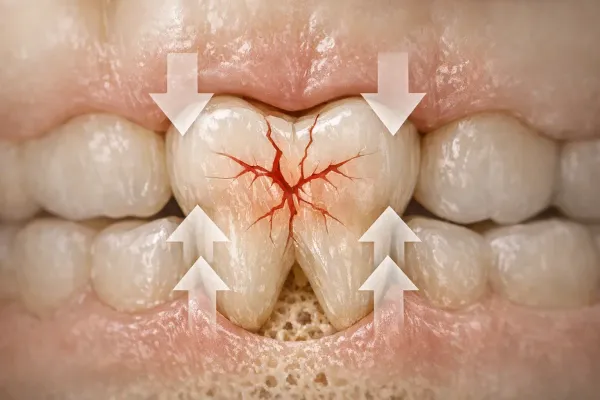
If you wake up with a sore jaw or your partner complains about your nighttime tooth grinding, selective serotonin reuptake inhibitors (SSRIs) might be to blame. A growing body of research points to a surprising side effect of these antidepressants: bruxism, the medical term for teeth grinding or clenching. This article explores how SSRIs affect your jaw, what scientists know, and what you can do about it. Your jaw health may depend on it.
This article relies on peer-reviewed literature, including the 2026 case report by Kohat and Chenchula, as well as consumer-friendly resources such as the Mayo Clinic overview of bruxism. Everything is explained in plain language, so you don’t need a pharmacology degree to follow along.
Understanding SSRIs and Their Effects
SSRIs are a class of antidepressant medication that includes familiar names like sertraline (Zoloft), fluoxetine (Prozac), and paroxetine (Paxil). They treat major depressive disorder, anxiety disorders, obsessive-compulsive disorder, and some chronic pain syndromes.
Picture your brain cells communicating across gaps called synapses. Neurons release neurotransmitters, like serotonin, into the synapse, where other neurons pick them up. Normally, serotonin is reabsorbed into the first cell through a “reuptake pump.” SSRIs block this pump, allowing more serotonin to remain in the synapse.
This increase in serotonin often improves mood, reduces intrusive thoughts, and makes the world seem less bleak. As a result, SSRIs are often the first treatment choice for depression, as reviewed in a 2025 paper by Thase.
However, altering serotonin levels can have unexpected effects. Serotonin receptors are found not only in emotion centers but also in areas controlling muscle tone and movement. Changes in serotonin can lead to odd muscle activities, including jaw clenching. In plain English, the chemical boost that lifts your mood might also tell your muscles to treat your teeth like stress balls.
While weight gain and sexual dysfunction are common concerns, bruxism can be equally disruptive. Reports of SSRI-induced grinding have been appearing in literature for over two decades. A 2026 narrative review by Valério summarizes these findings, suggesting that bruxism is often underrecognized because it occurs during sleep. This aligns with findings on how sleep disorders may trigger teeth grinding.
SSRIs, Bruxism, and Jaw Clenching
Exploring the Mechanism
How do SSRIs cause jaw clenching? Researchers propose several explanations:
- Serotonergic imbalance in movement circuits. The brain’s basal ganglia coordinate muscle activity. When serotonin levels change abruptly, these circuits can misfire, leading to involuntary movements. This mechanism is also explored in how anxiety leads to teeth grinding.
- Dopamine-serotonin interaction. Dopamine usually regulates muscle tone. Increasing serotonin might suppress dopamine activity, removing the brake on motor output. A 2026 critique by Leonan-Silva and colleagues examines this model, although case studies still point to dopamine shortage as a key factor.
- Disruption of sleep architecture. SSRIs can fragment REM sleep, a stage when many people grind their teeth. Sleep fragmentation itself is a known risk factor for bruxism, according to the American Academy of Oral Medicine. This is also discussed in the impact of sleep positions on bruxism.
Prevalence and Awareness
A 2026 study by Santos et al. examined dental records of over 2,000 adults on antidepressants. They found that 18 percent of SSRI users showed clinical signs of bruxism, compared to 10 percent of the general population [study link]. This nearly doubles the likelihood of bruxism. Most patients were unaware of the condition until a dentist identified it.
Surveys in Leonan-Silva et al.'s appraisal revealed that up to one in four SSRI users noticed daytime jaw tension or nighttime grinding episodes [study link]. Yet, bruxism often goes unnoticed in routine psychiatric follow-ups. Valério's review calls this “the silent scream of SSRI therapy,” emphasizing the need for better screening.
Case Studies and Findings
Case reports offer deeper insights. One notable example is a 32-year-old teacher who developed severe nocturnal bruxism within two weeks of starting sertraline. Her jaw pain was so severe she avoided speaking during lunch breaks. The case, documented by Kohat and Chenchula [2026], resolved after switching to bupropion, which acts on dopamine instead of serotonin. This is similar to the use of muscle relaxants for bruxism relief.
Pharmacovigilance databases provide another perspective. Shu and colleagues analyzed the FDA Adverse Event Reporting System (FAERS) for sertraline events from 2010 to 2024. Bruxism appeared in 1.3 percent of the 45,000 reports reviewed [study link]. Adjusting for underreporting, authors estimated that about 1 in 20 sertraline users may experience severe jaw clenching.
This pattern extends across different SSRIs. Kohat’s review found cases for fluoxetine, paroxetine, citalopram, and escitalopram. Onset ranged from a few days to six months, but resolution often followed dose reduction, a drug switch, or adding a dopamine-boosting medication.
- Onset window: 3 days to 6 months after starting or increasing dose.
- Peak intensity: First month is the danger zone.
- Resolution: Typically within 2 weeks of dose change.
Comparing SSRIs and SNRIs

SSRIs primarily target serotonin, while serotonin-norepinephrine reuptake inhibitors (SNRIs) like venlafaxine and duloxetine affect both serotonin and norepinephrine. One might expect more side effects, but the data are inconclusive.
Leonan-Silva’s 2026 appraisal compared bruxism in 15 SSRI studies and 10 SNRI studies:
- SSRIs: 16 to 24 percent incidence, averaging 19 percent.
- SNRIs: 12 to 20 percent incidence, averaging 16 percent.
Although not statistically significant, this suggests SNRIs might be slightly kinder to your jaw. Thase’s 2025 review [paper link] notes individual drug variations. Venlafaxine may cause higher blood pressure, while duloxetine often leads to nausea. Bruxism may fit in there, but head-to-head trials are needed.
Managing SSRI-Induced Bruxism
Lifestyle Adjustments
While you can’t escape all side effects, you can improve your odds. The Cleveland Clinic suggests these habits:
- Cut the caffeine. Coffee and energy drinks increase muscle activity. Less stimulation means less grinding. This aligns with reports on why avoiding caffeine can reduce teeth grinding.
- Avoid chewy snacks. Gum and candy keep jaw muscles active. Give them a break.
- Take relaxation breaks. Muscle relaxation or jaw stretches can reset clenched muscles. Learn more about effective jaw relaxation techniques.
- Improve sleep hygiene. A dark, cool room and a consistent bedtime reduce grinding triggers.
Dental Interventions
If lifestyle changes aren’t enough, dentists have options:
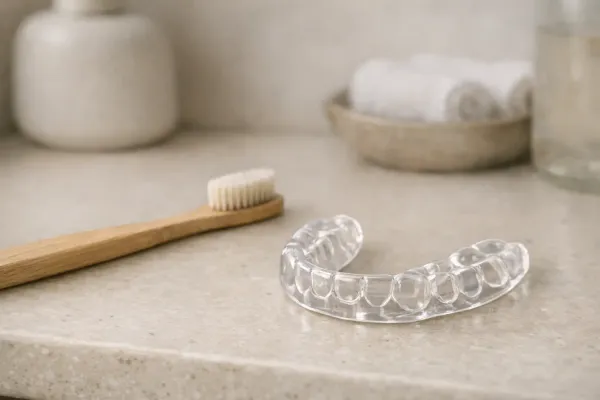
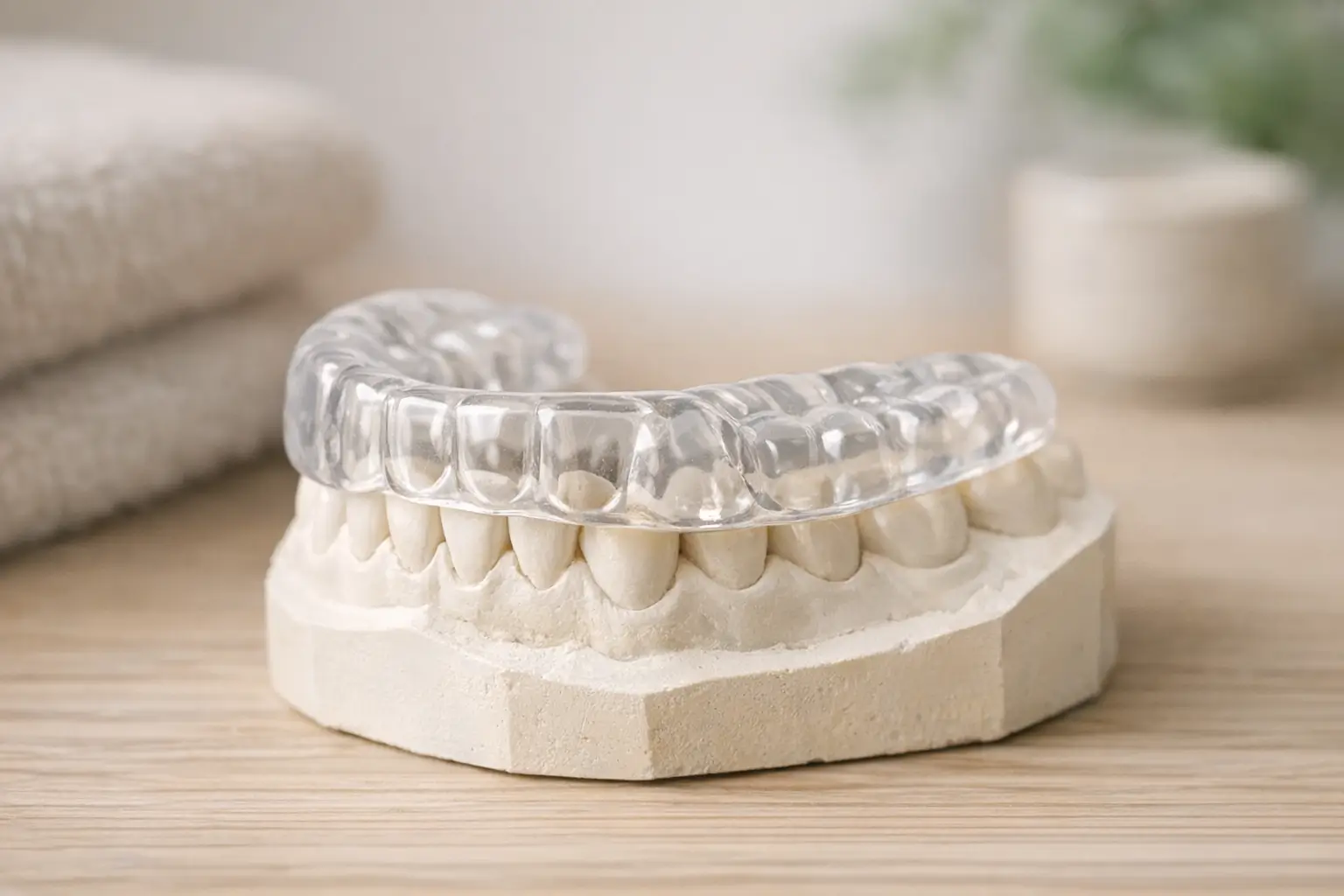
- Occlusal splints (night guards). These trays protect your teeth by absorbing grinding forces. Custom-fitted guards are more effective than over-the-counter models. For guidance, see how to choose the right bruxism mouth guard.
- Biofeedback devices. Some mouthpieces detect clenching and release vibrations to relax your jaw [WebMD description]. They’re emerging but promising.
- Botox injections. Small doses into the masseter muscles reduce bite force. This is a last resort and requires repetition every 3 to 4 months. Learn more about Botox for bruxism.
Medication Alternatives
Sometimes adjusting your medication is necessary. Valério’s review outlines strategies [study link]:
- Lowering the SSRI dose. A 25 percent reduction can reduce bruxism while preserving mood benefits.
- Switching to another SSRI. Different SSRIs have different effects. If sertraline causes grinding, escitalopram might not.
- Trying an SNRI or bupropion. These may have a lower bruxism risk.
- Adding buspirone. This anxiolytic acts on serotonin receptors and can calm jaw activity. Consider muscle relaxants as an alternative.
Always discuss medication changes with your prescriber and involve your dentist. Coordinated care ensures your mental health remains stable while protecting your teeth. A 2025 review on oral health in antidepressant users [Yamada et al.] emphasizes this team-based approach.
Future Research Directions
Despite our knowledge, many questions remain. Few randomized controlled trials measure bruxism as a primary endpoint in antidepressant studies. Observational reports are common, but they can’t prove causation. Grzegorz Zieliński’s 2025 meta-regression on bruxism and temporomandibular disorders calls for standardized metrics and better drug exposure tracking [study link]. The role of sleep disorders in TMJ and bruxism could be an avenue for future research.
Genetics is another frontier. Why does one person experience severe bruxism while another does not? Polymorphisms in serotonin receptors or drug-metabolizing enzymes might provide answers. Advanced sleep-lab studies using electromyography alongside drug blood levels would also help clarify timelines.
Finally, wearable tech like smart bite guards could collect real-time data, turning bedrooms into mini research labs. As Valério notes, such gadgets could “close the loop” between nightly jaw activity and daytime medication logs [study link]. This aligns with the growing interest in wearable tech for bruxism management.
Conclusion
SSRIs have revolutionized mental health care, but they come with risks. By increasing serotonin in synapses, these drugs can inadvertently cause jaw muscles to tighten, leading to bruxism and clenching. Studies from case reports to large database analyses confirm this link, though the exact biology is still being understood.
The good news is you have options. From lifestyle changes and custom night guards to strategic medication adjustments, bruxism can usually be managed without losing the antidepressant benefits. If you suspect your SSRI is affecting your jaw, consult your healthcare team. Early recognition protects both your teeth and your mental well-being.