Do Night Guards Release Microplastics? Understanding Dental Guard Safety
Explore if night guards release microplastics and their safety implications. Evidence-based insights for bruxism and sleep disorder researchers.
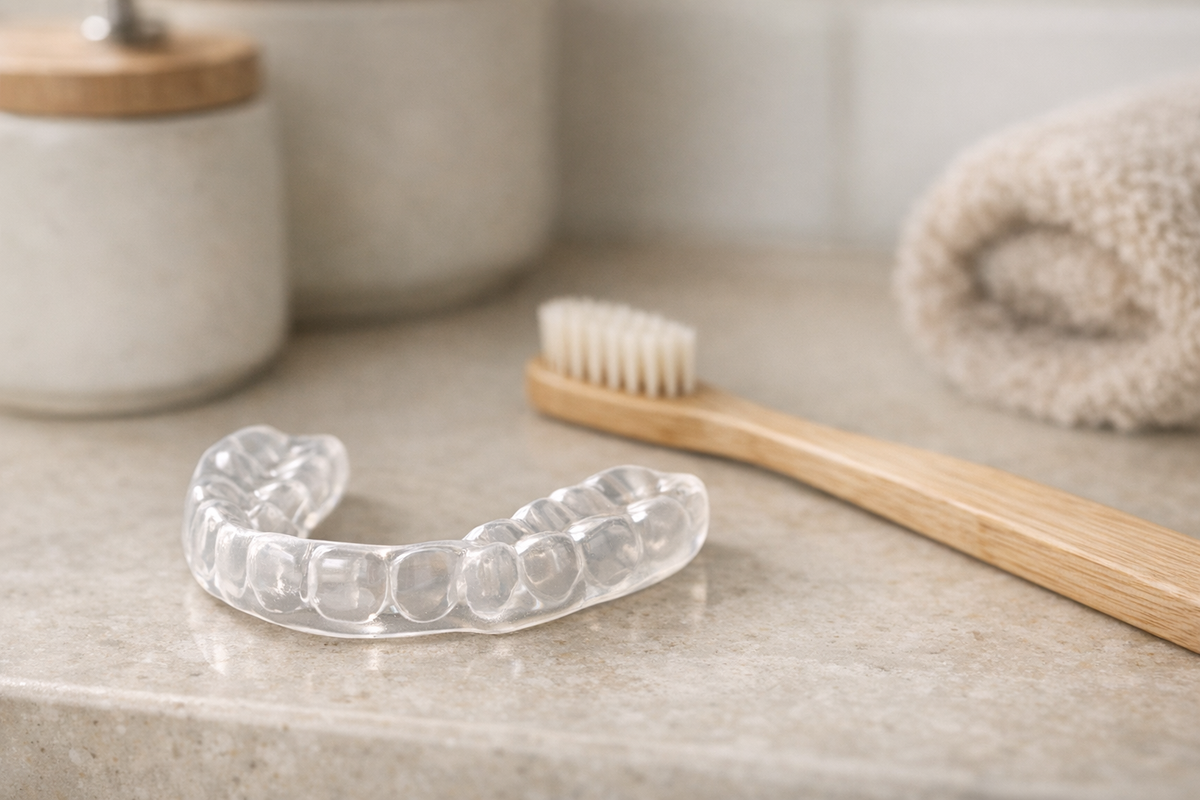
You slip in your night guard, set your alarm, and drift off to stop the midnight tooth-grinding marathon. It feels like a simple fix, but lately, you may have seen headlines about microplastics in everything from bottled water to sea salt. So, does your humble mouth guard shed tiny plastic bits while you sleep? If you're concerned about the materials in your dental appliances, you might want to explore the pros and cons of different night guard materials.
This article digs into the science so you don't have to doom-scroll dental forums. We'll explore the materials that make up a night guard, define what counts as a microplastic, and unpack recent lab findings. By the end, you'll know how big the risk is, what to watch for, and smarter ways to protect your teeth, such as using a mouth guard for clenching teeth at night to improve sleep.
Understanding Night Guards and Their Materials
Common Materials Used in Night Guards
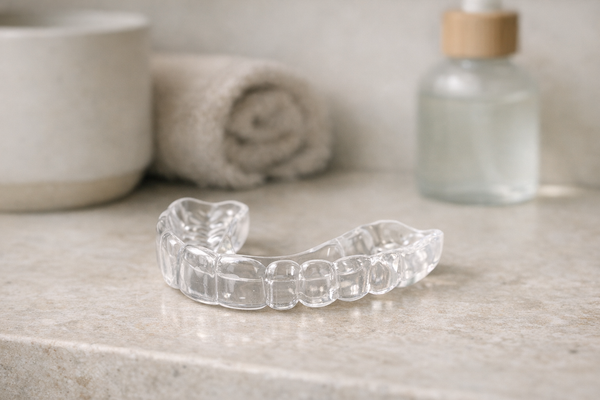
Dental night guards, also called occlusal splints or bite guards, are typically molded from thermoplastic polymers that soften with heat and harden when cooled. Most over-the-counter guards rely on ethylene-vinyl acetate (EVA), a flexible plastic that dentists like because it adapts to tooth contours and stays comfortable. Custom guards from the dental office may layer multiple plastics: a soft EVA inner layer cushioned by a harder polycarbonate or polyethylene terephthalate glycol (PETG) outer shell for durability.
Manufacturers prefer plastic because it checks three big boxes: moldability, strength, and affordability. A dentist can heat, vacuum-form, or 3-D print a guard in minutes, and the resulting device survives nightly bite forces that can top 250 pounds per square inch. Regulatory bodies such as the U.S. Food and Drug Administration list many of these plastics on their inventory of approved dental materials, deeming them “biocompatible” under normal mouth conditions.
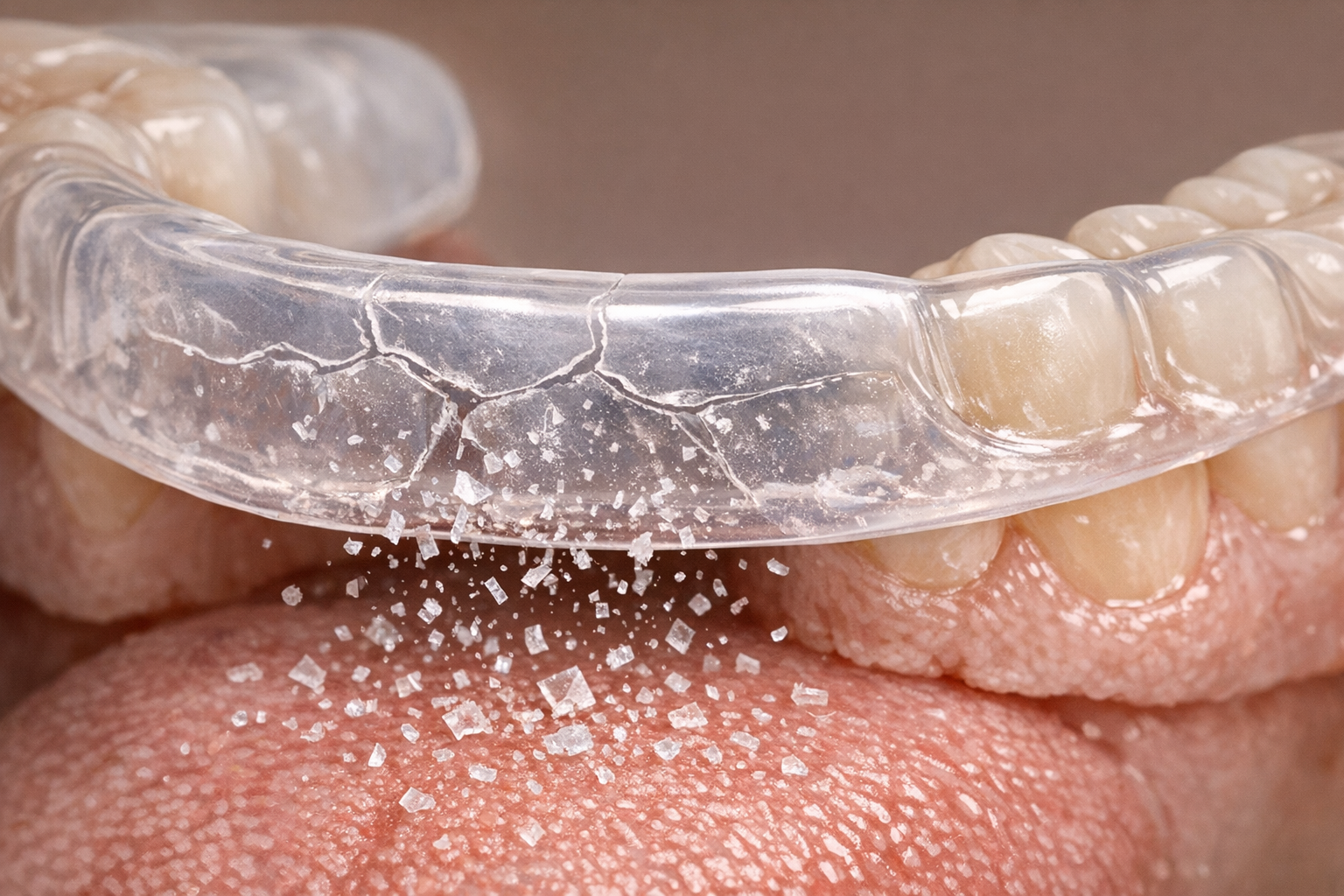
But biocompatible does not mean indestructible. Plastics age, absorb saliva, and pick up toothpaste abrasives. In a lab assessment of orthodontic plastics, a study observed surface micro-cracks after simulated chewing cycles. Those cracks are the starting line for microplastic shavings, which could be similar to the findings in studies about microplastics from night guards.
How Night Guards Work
The guard’s primary mission is simple: act as a buffer so you grind on plastic instead of enamel. People with bruxism, which is unconscious clenching and grinding, often fracture fillings, wake with jaw pain, or trigger headaches. By placing a guard between the chewing surfaces, you distribute forces and give muscles a mechanical “off switch.” Some designs, such as mandibular advancement devices for sleep apnea, also reposition the lower jaw forward to keep airways open.
A review by Türp, Sonesson, and Erbaşar noted that splints reduce self-reported grinding sounds in bedroom partners and lower wear facets on molars. So the device helps, but the million-dollar question is whether it trades one harm (tooth wear) for another (plastic exposure). Time to zoom into the microplastics picture and consider other bruxism treatments beyond night guards.
What Are Microplastics and Why Do They Matter?
Definition and Sources of Microplastics
Microplastics are plastic particles smaller than five millimeters, roughly the size of a pencil eraser down to the width of a human hair. A subset, nanoplastics, measure under 0.1 micrometers and can slip into cells. The U.S. Environmental Protection Agency groups microplastics into two categories:
- Primary microplastics: tiny beads manufactured for cosmetics, air-blasting media, or 3-D printing resins.
- Secondary microplastics: fragments that break off larger items such as water bottles, synthetic clothes, or dental gear.
Both types travel through water, soil, air, and food chains. Studies have found them in table salt, beer, and even human placentas. In the oral cavity, chewing itself is a mechanical stressor. Combine that with temperature swings from hot coffee or ice water and you have a recipe for plastic erosion, similar to how sleep positions can influence nighttime teeth grinding.
Health Concerns
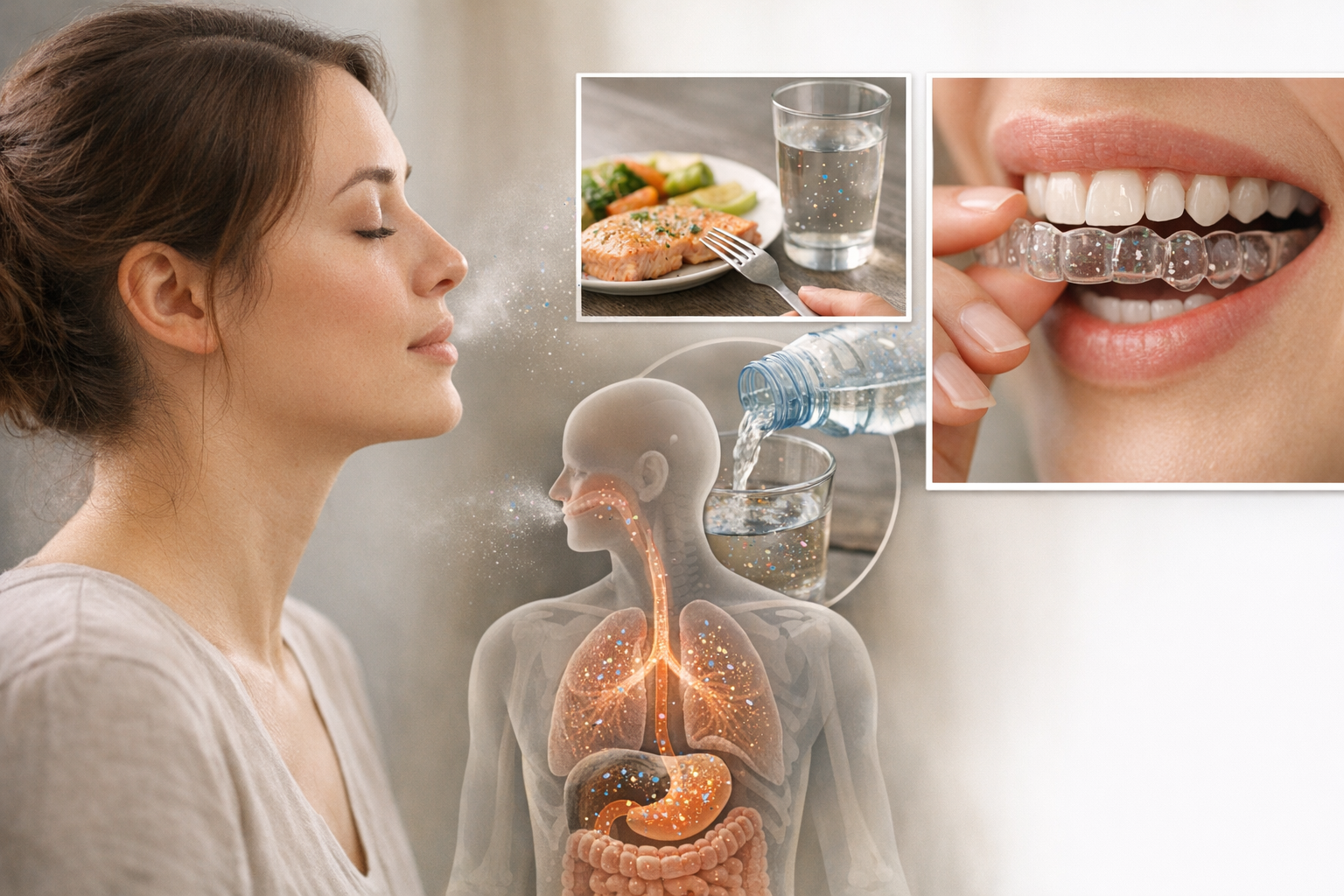
Why do these tiny particles deserve attention? Their small size packs a double punch. Microplastics come with additives, plasticizers, and stabilizers that can leach as the polymer decays. Additionally, the high surface area attracts metals and environmental pollutants. According to the National Institute of Environmental Health Sciences, swallowed microplastics may pass through most digestive tracts, but the tiniest fragments can cross cell membranes and spark oxidative stress.
A survey conducted in China measured microplastic levels during daily oral care routines, including brushing and flossing. Participants ingested an estimated 1,000 to 3,000 particles per week from oral care alone. While the direct clinical harm remains under debate, animal models link chronic exposure to inflammation and metabolic disruption.
None of this proves your night guard is a health hazard, but the data justify a closer look at dental plastics as a potential contributor, akin to understanding the connection between teeth grinding and other body pain.
Investigating Microplastics in Dental Appliances
Evidence of Microplastic Release from Dental Appliances
Dental research has recently joined the microplastics conversation. A review scanned multiple studies and flagged splints, aligners, and sleep apnea devices as hidden sources of plastic particles. Lab experiments placed guards in artificial saliva, applied chewing forces, and counted particles shed into the fluid. Release rates ranged from 50 to 400 microplastic particles per device per week, depending on plastic type and surface polish.
Meanwhile, another study collected rinsing water from patients who wore acrylic dentures for eight hours. They reported microplastic concentrations of 6,800 particles per liter, confirming that live mouths generate debris.
Though dentures differ from night guards, both rely on thermoplastics and encounter the same saliva chemistry. Translating denture data to guards suggests a non-zero particle release each night, similar to concerns raised in studies on dental night guard side effects.
Mechanisms of Microplastic Release
How does a smooth mouth guard turn into fine confetti?
- Mechanical wear: Bruxers grind side-to-side, slicing the guard’s surface. This friction abrades the polymer and flakes off shavings. High-resolution microscopy showed pits and jagged ridges after only 30,000 chewing cycles, about three weeks of nightly use.
- Thermal cycling: Guards experience temperature swings between body temperature and room temp when you rinse them. Each cycle expands and contracts the polymer, forming micro-cracks that later slough off.
- Chemical erosion: Saliva has enzymes, while certain mouthwashes pack alcohol or peroxide. These agents can soften polymer chains, especially in EVA, making it easier for chunks to dislodge.
- Ultrasonic cleaning: If you use an ultrasonic bath, the cavitation bubbles create shock waves that knock loose any weakened surface fragments.
Combine all four, and a guard can produce a slow but steady snow globe of microscopic plastic. This is why it's crucial to properly clean your night guard to minimize risks.
Health Implications of Microplastics from Night Guards
Potential Impact on Oral Health
First stop: your mouth. Microplastics may irritate soft tissues or influence the oral microbiome. In an in-vitro model, macrophages exposed to orthodontic-derived particles shifted toward a pro-inflammatory state, releasing more cytokines such as TNF-alpha and IL-6. Chronic low-grade inflammation in gums can raise the odds of periodontal disease.
Particles also provide surface real estate for bacteria. Imagine a microplastic shaving acting like a temporary home for Streptococcus mutans. Biofilm colonization could raise cavity risk or complicate conditions like gingivitis. Clinical data are early, but the American Dental Association advises replacing guards that develop rough areas to avoid plaque build-up.
Broader Health Concerns
Swallowed particles travel down the esophagus. Most will likely exit the other end, yet the tiniest fragments can cross intestinal barriers. A study identified nanoplastic uptake in mouse gut tissue, setting off oxidative stress markers. They also observed altered lipid metabolism and mild liver inflammation after chronic exposure.
For humans, epidemiological data lag behind, but occupational exposure hints at possible outcomes. Dental technicians who polish acrylic appliances inhale plastic dust daily. They report higher rates of respiratory irritation and, in some cases, sensitization to monomers. While your nightly dose is smaller, the principle of cumulative exposure applies, especially if you also consume bottled water, eat seafood, and breathe air filled with tire-wear particles.
The World Health Organization states that current data do not prove definitive harm in humans but labels microplastics a growing public health concern that warrants mitigation whenever feasible.
Safe Usage and Alternative Materials for Night Guards
Recommendations for Safe Night Guard Use
If tossing your guard in the trash feels premature, consider a few moves to cut particle shedding:
- Inspect monthly. Hold the guard under bright light. If you see chalky spots, gouges, or clouding, it may be time for a replacement.
- Gentle cleaning only. Skip harsh whitening pastes or alcohol-heavy mouthwashes that soften plastic. Use a mild, non-abrasive soap and a soft brush.
- Air-dry upright. Storing in a wet case fosters bacterial colonies that can speed polymer breakdown. Ventilation slows that process.
- Limit scalding temperatures. Do not wash with boiling water or leave the guard on a hot dashboard. Heat accelerates micro-crack formation.
- Follow wear-time guidance. Some bruxers only grind during certain sleep stages. If your dentist confirms part-time use is enough, fewer hours in mouth equals fewer wear cycles.
The FDA recommends replacing over-the-counter guards every six months and dentist-fabricated ones every one to two years, depending on wear. Heed that advice. Prolonged use beyond design life ranks as the biggest driver of particle release.
Exploring Alternative Materials
Some labs are experimenting with thermoplastic polyurethane (TPU) blends that claim enhanced abrasion resistance. Others test silicone-based guards, the same rubbery material in baby pacifiers. Silicone tends to tear rather than flake, reducing micro-particle formation. However, it can feel bulkier and may lack the rigidity needed to reposition jaws for sleep apnea therapy.
Bamboo fiber composites and bio-resins also appear in patents, yet none have cleared regulatory hurdles. For now, the most realistic alternative is a dual-laminate guard with a hard acrylic exterior and a soft inner liner. Acrylic shreds less under grinding, and the liner cushions teeth. Avoiding recycled feedstock in dental plastics may further reduce microplastic yield.
Ask your dentist what material they use and whether a dual-laminate or silicone-hybrid option suits your bite pattern. Custom guards cost more upfront but outlast boil-and-bite versions, potentially emitting fewer particles over time. If you're looking for guidance on choosing the right guard, you might find this comprehensive guide on choosing the right bruxism mouth guard helpful.
Conclusion: Weighing the Risks and Benefits
Your night guard is not sprinkling plastic into your body every evening, but science shows it does shed measurable micro-particles. Lab studies find release numbers in the hundreds per week, far below the thousands you encounter from drinking water or eating seafood, yet not negligible. The health impacts remain under investigation; early cellular work hints at inflammation, while human data are sparse.
Bruxism, on the other hand, has proven downsides: cracked teeth, jaw pain, costly crowns. For most adults, the benefit of cushioning enamel outweighs the theoretical microplastic risk, especially if you stick to best practices: replace on schedule, clean gently, avoid heat, and consider harder or silicone-based alternatives when you next order a guard.
Think of it like sunscreen. You reapply despite trace chemical absorption because sunburn definitely harms. Use your guard wisely, stay informed as research evolves, and keep those pearly whites safe, minus the anxiety. If you're curious about the potential impact of other habits, such as caffeine consumption, on bruxism, consider exploring why you should avoid caffeine late at night.