Best Over-the-Counter Mouth Guards for Daytime Teeth Clenching
Explore top OTC solutions for daytime teeth clenching. Discover bruxism guards & practical tips.
You bite down on a pen during budget meetings, and your jaw feels tight after your afternoon coffee. These habits might be more than quirky ticks, they could be signs of daytime bruxism. Fortunately, you don't have to wait for a dental appointment to start protecting your teeth. Over-the-counter (OTC) mouth guards offer a quick, budget-friendly first step for managing teeth clenching.
This article breaks down the current evidence on daytime teeth clenching, explains how OTC guards work, and helps you decide when it's time to seek professional help. We'll keep it science-based and straightforward, with a touch of attitude to keep you engaged.
Understanding Daytime Teeth Clenching and Bruxism
What is Bruxism?
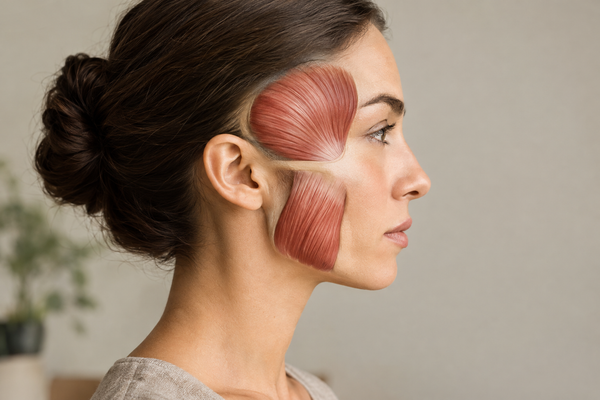
Bruxism refers to clenching or grinding your teeth when you shouldn't be. While many people associate it with nighttime, daytime bruxism is common too. A cross-sectional survey of Gulf War veterans linked higher stress scores with increased self-reported daytime clenching (Carter and McKenzie 2021). During the day, you might feel your jaw tighten, yet it can still be an unconscious reflex.
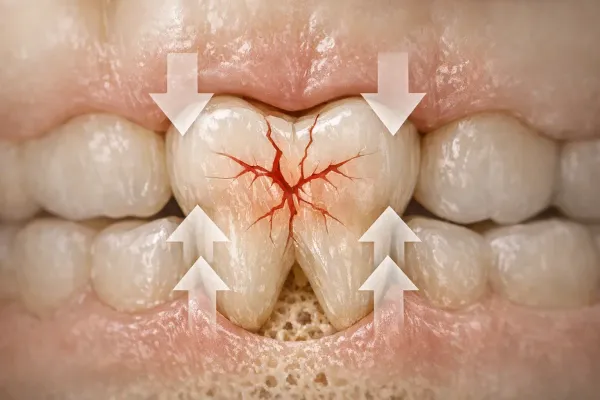
Clinically, dentists notice signs like flattened tooth surfaces, micro-cracks in enamel, and tender jaw muscles. Chronic clenching may also cause headaches and neck pain, a relationship discussed in occlusal therapy literature (Bush 1984).
How common is this issue? Community surveys estimate that between 22% and 30% of adults experience awake bruxism, so about one in four coworkers might be silently clenching. Pediatric dentists report even higher rates in teenagers cramming for exams, highlighting the stress-jaw tension connection.
Causes and Symptoms
Why do you clench your teeth? Stress is a major factor. The "fight-or-flight" response can activate jaw muscles without you realizing it. Workload, screen fatigue, or even an intense playlist can increase tension. Lifestyle factors like caffeine, nicotine, or certain medications may also boost muscle activity.
- Jaw soreness or stiffness after long meetings
- Clicking or popping sounds near the ear
- Tooth sensitivity when drinking something cold
- Indentations along the sides of your tongue
Imagine a coder racing to meet a deadline: shoulders tense, eyes squint, and the jaw locks as concentration deepens. Hours later, the release comes with an ache along the temples. Recognizing these early warning signs can save you from future dental bills.
Over-the-Counter Mouth Guards: Your First Line of Defense
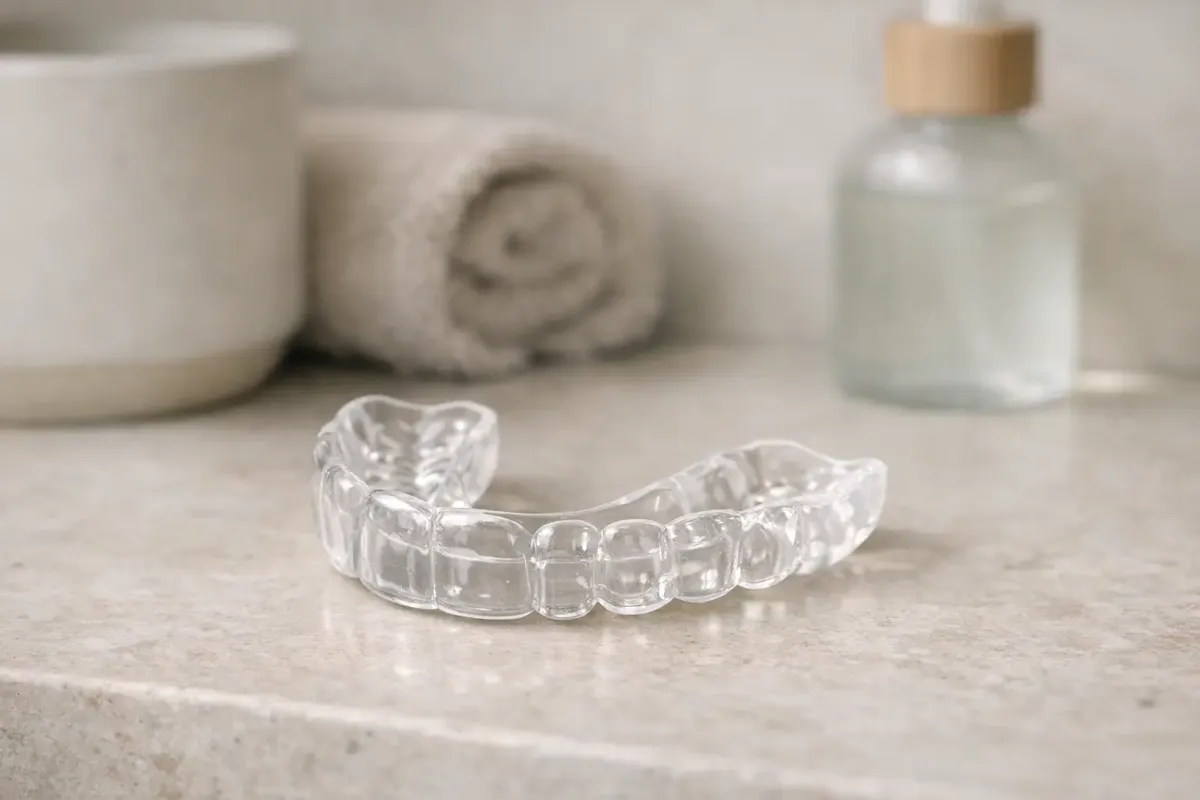
OTC mouth guards are ready-made or moldable plastic trays that act as bumpers between your upper and lower teeth. Instead of grinding tooth enamel against tooth enamel, you compress a softer, replaceable material.
Advantages of OTC Mouth Guards
Why start with OTC instead of a custom device? Three solid reasons:
- Cost-effectiveness. A boil-and-bite guard usually costs under $30, whereas a dentist-made acrylic splint can exceed $500.
- Accessibility. You can buy one at a pharmacy today, or order online and have it delivered by the weekend.
- Evidence-backed compliance. A randomized controlled trial found that users wearing OTC bite splints reported acceptable comfort and continued using them for at least a month, enough time to develop a protective habit (Gerstner et al. 2020).
For many, an OTC guard serves as a stopgap. It protects against immediate damage and provides data: if you chew through the plastic in six weeks, your dentist can gauge your bite force's severity without fancy tools.
How They Work
The guard creates a separation of 2 to 3 millimeters between your upper and lower arches. This gap redistributes biting forces and signals jaw muscles to relax. A 2014 review showed that even simple thermoplastic guards reduced bite force peaks during clenching (Wassell et al. 2014). Less force means less micro-trauma to teeth and temporomandibular joints (TMJ).
Think of a guard like a crash pad for rock climbers: the fall (clench) still happens, but the landing is cushioned, lowering the chance of chips and cracks. Over time, the guard can also enhance awareness; you feel it touching your cheeks and remember to unclench.
Choosing the Right Mouth Guard for You
Types of OTC Mouth Guards
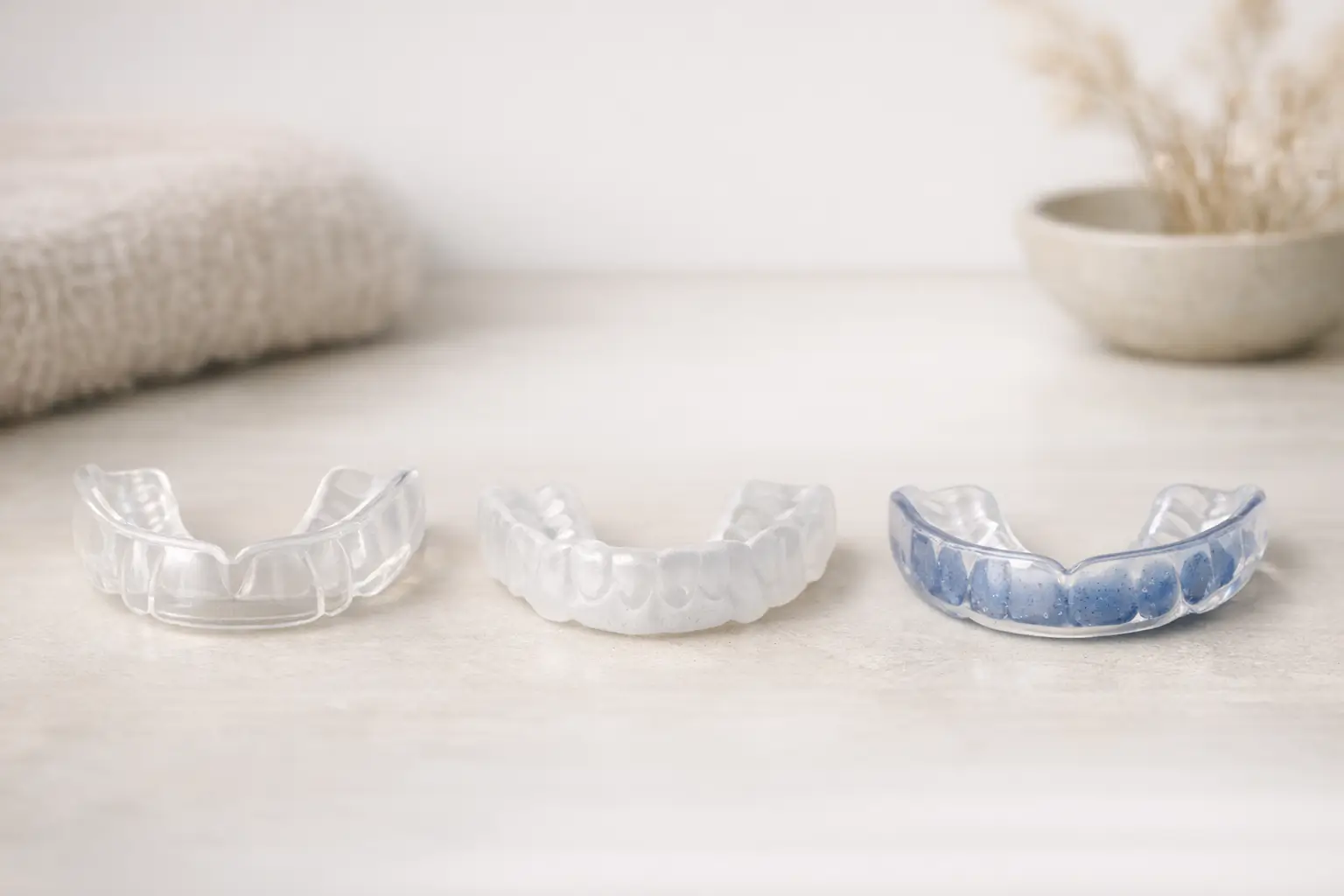
In the pharmacy aisle, you'll find a variety of guards. Here's a quick guide:
- Boil-and-Bite. Made from a thermoplastic that softens in hot water, then molds to your bite. Offers the best fit-price balance.
- Ready-to-Wear (Stock). Pre-formed trays. You use them straight from the package. Fit is loose, which may hinder speech but they’re ready to use.
- Microwave-molded Guards. Similar to boil-and-bite, but heated in a microwave pouch. Decide if it's a gimmick or convenient.
- Multi-layer "Hybrid" Guards. A rigid inner layer for shape retention and a soft outer layer for cushioning. Slightly pricier, often marketed as "athletic plus bruxism" combos.
The quality of information on product pages varies. A 2024 analysis of YouTube videos on night guards found that many gloss over fit instructions or material safety (Haliloğlu et al. 2024). Stick to reputable brands and always read the instructions before using them.
Factors to Consider
Before you make a purchase, consider these factors:
- Fit and Retention. A guard that slips is ineffective. Look for models with at least 2 mm of sidewall height to secure your teeth.
- Material Thickness. Thicker guards provide more cushioning but may feel bulky. For daytime use, 1.5 to 2 mm thickness balances discreetness with protection.
- Speech Interference. You need to talk comfortably. Low-profile models let you speak without sounding muffled.
- Durability. Cheaper EVA plastics may tear after a month of heavy use. Laminate or dual-polymer models last longer, reducing replacement hassle.
- FDA Registration. In the US, mouth guards are class II medical devices. An FDA-listed model indicates baseline safety compliance.
A summary review on splints sold online noted that many budget guards skip durability testing, so you might need to try a few before finding the right one (Chate 2014). Consider buying two different styles initially; most pharmacies have generous return policies, and side-by-side trials will help you find your comfort zone.
How to Use and Maintain Your Mouth Guard
Proper Usage Tips
Even the best guard is useless if it's unused. Here's a simple guide:
- Read the directions first. Not all plastics handle boiling water the same way.
- Mold during a calm moment. Rushing leads to poor impressions. Use a mirror for alignment.
- Test for comfort. Bite gently. If it rocks or pinches, remold or trim high spots with scissors.
- Schedule wear times. Target trigger periods, like long meetings or desk work. Consistency trains muscles to expect separation.
- Check for damage weekly. Look for thin spots or tears. Replace at the first sign of wear.
If you travel frequently, keep a spare guard in your laptop bag. Altitude changes in airplanes won't harm thermoplastic, but hotel sinks can be treacherous for small dental devices. A backup can save you from a late-night pharmacy hunt.
Cleaning and Storage
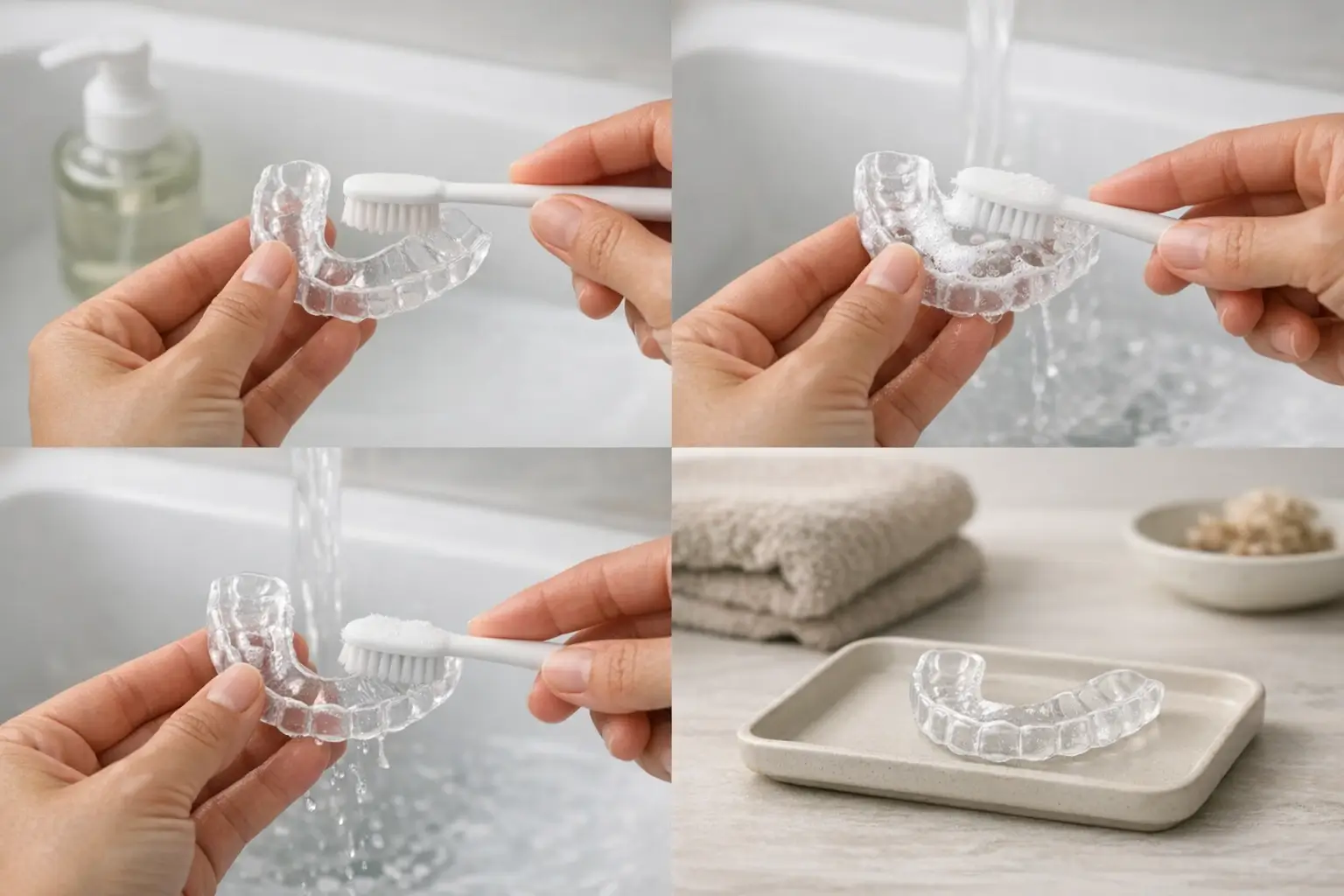
Your guard resides in a warm, moist environment, ideal for bacterial growth. Keep it clean with these tips:
- Rinse under lukewarm water immediately after each use.
- Brush lightly with a soft toothbrush and fragrance-free soap. Avoid toothpaste, which can scratch plastic.
- Soak the guard in a denture-cleaning tablet solution weekly for 10 minutes. Studies confirm no material breakdown from weekly peroxide-based cleaners (Gerstner et al. 2020).
- Air-dry completely before storing in a vented case.
- Keep the case away from direct sunlight or car dashboards to prevent warping.
If your pet sees the guard as a chew toy (dogs love the human scent), store the case on a high shelf. Replacing a guard after a pet "redesign" is rarely covered by warranty.
Complementary Solutions for Managing Daytime Bruxism
Stress Management
Remember the study on veterans? It highlighted the link between stress and bruxism (Carter and McKenzie 2021). Lower stress can lead to less clenching. Here are some practical strategies:
- Mindful breathing. Box breathing (inhale 4, hold 4, exhale 4, hold 4) can calm your nervous system in minutes.
- Biofeedback apps. Wearables that alert you to jaw muscle activity are emerging, building on earlier research into clench-monitoring devices (clench-monitoring devices).
- Short movement breaks. Every 60 minutes, rotate your head and massage your jaw muscles. Micro-stretching reduces muscle tension.
- Caffeine audit. Consider replacing your afternoon coffee with herbal tea. Caffeine can keep muscles tense according to Mayo Clinic guidelines (Mayo Clinic Bruxism Overview).
Lifestyle Changes
Small habit changes can add up over time:
- Exercise regularly. Aerobic workouts release endorphins that reduce stress, indirectly decreasing clenching.
- Hydrate. Mild dehydration can make jaw movement feel sticky, leading to clenching.
- Balanced diet. Foods rich in magnesium, like spinach and almonds, support muscle relaxation.
- Chew wisely. Avoid excessive gum chewing, which conditions your jaw to stay tense.
- Posture check. Forward head posture increases jaw muscle activity. Sit tall, keep your screen at eye level, and feet flat on the floor.
Physical therapists suggest isometric jaw exercises: press your tongue to your palate, open your mouth halfway, and hold for five seconds. Repeat ten times twice daily. These drills can lower muscle activity readings by up to 20% after four weeks, complementing guard use.
Consistency is key. You don't need a lengthy yoga retreat; just five minutes of daily diaphragmatic breathing can make a difference.
When to Seek Professional Help
Signs You Need a Dentist
While OTC guards are helpful, they're not a cure-all. Contact your dentist if you notice:
- Persistent jaw pain or popping despite regular guard use
- Cracks or fractures in teeth
- Guard wear-through in less than four weeks
- Headaches that worsen over time
A panoramic X-ray or a 3-D cone beam scan can reveal bone changes in the TMJ that an OTC guard can't fix alone. Early imaging can detect issues before they become irreversible.
Professional Treatments
A dentist can create a custom acrylic splint that fits snugly and lasts longer. They may also adjust your bite or prescribe muscle relaxants for short-term relief (Bush 1984). In cases of significant enamel loss, restorations like onlays or crowns may be necessary. Survey data from the National Dental Practice-Based Research Network show that most practitioners combine splints with desensitizing treatments when hypersensitivity occurs (Kopycka-Kedzierawski et al. 2017).
For complex cases, referral to a multidisciplinary pain clinic may involve physical therapists and psychologists. Cognitive-behavioral therapy (CBT) targeting stress perception has shown reductions in clench episodes, highlighting that the solution often involves both mind and mouth.
Conclusion
Daytime bruxism might start as a silent clench, but it doesn't have to end in cracked molars. OTC mouth guards offer an affordable, evidence-backed buffer while you address root causes like stress and posture. Choose a well-fitting guard, maintain it properly, and incorporate smart lifestyle changes. If pain or damage persists, a dental professional has additional tools to help. Your jaw works hard, give it the support it needs.