Impact of Long-Term Bruxism on Dental Health: A Dentist’s Perspective
Explore a dentist's view on long-term bruxism effects on dental health, including tooth wear and implant issues.
You wake up, your jaw a bit sore, and your partner complaining about the late-night grinding sounds from your side of the bed. Sound familiar? That unconscious teeth grinding and clenching, known as bruxism, is more than an annoying habit. Over time, it can lead to tooth wear, damage crowns, and even cause dental implants to fail. In this exploration, you'll learn about the effects of bruxism on dental health and ways to protect your smile.
The insights and data here are drawn from peer-reviewed studies and respected dental institutions. We've trimmed the jargon and added a touch of attitude. So, grab your coffee and let's dive in.
Understanding Bruxism: Definitions and Prevalence
Types of Bruxism
Bruxism occurs in two main forms: sleep bruxism and awake bruxism. Sleep bruxism happens while you sleep, often during brief arousal episodes. Awake bruxism occurs during the day and is usually related to stress or habit. While both involve clenching or grinding, they are driven by different brain circuits. You might experience one, the other, or both. Learn more about the connection between sleep disorders and teeth grinding.
Sleep bruxism affects about 13 percent of adults, decreasing with age. Awake bruxism is more common, affecting around 22 percent, as noted in an international meta-analysis by Stanisic and colleagues. Rates are higher in individuals with anxiety disorders, sleep apnea, and high caffeine intake. Children may also grind their teeth, but many outgrow it.
Current Definitions
Bruxism is defined as “a masticatory muscle activity during sleep or wakefulness characterized by clenching, grinding, or bracing of the mandible,” according to an international consensus meeting led by Verhoeff et al.. It becomes clinically significant when it leads to tooth wear, pain, or prosthetic failure. This definition helps shift the focus to individualized risk management.
Bruxism severity is categorized into three levels: possible (self-report), probable (self-report and clinical signs), and definite (confirmed by electromyography or polysomnography). This approach aligns with how dentists determine treatment needs: not everyone who clenches requires intervention.
If you occasionally clench your teeth while concentrating, you're in the majority. However, if it damages your enamel or cracks a crown, it's a concern.
Long-Term Effects of Bruxism on Dental Health
Tooth Wear and Damage
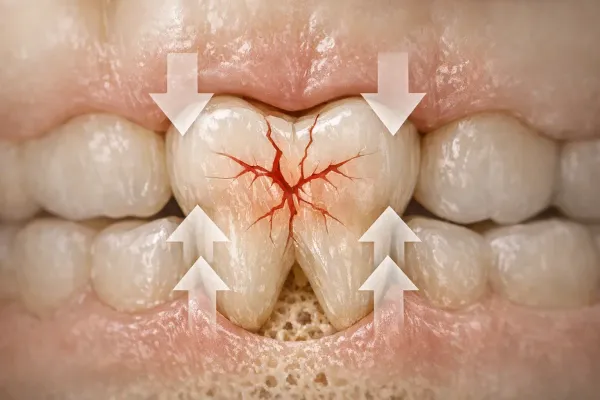
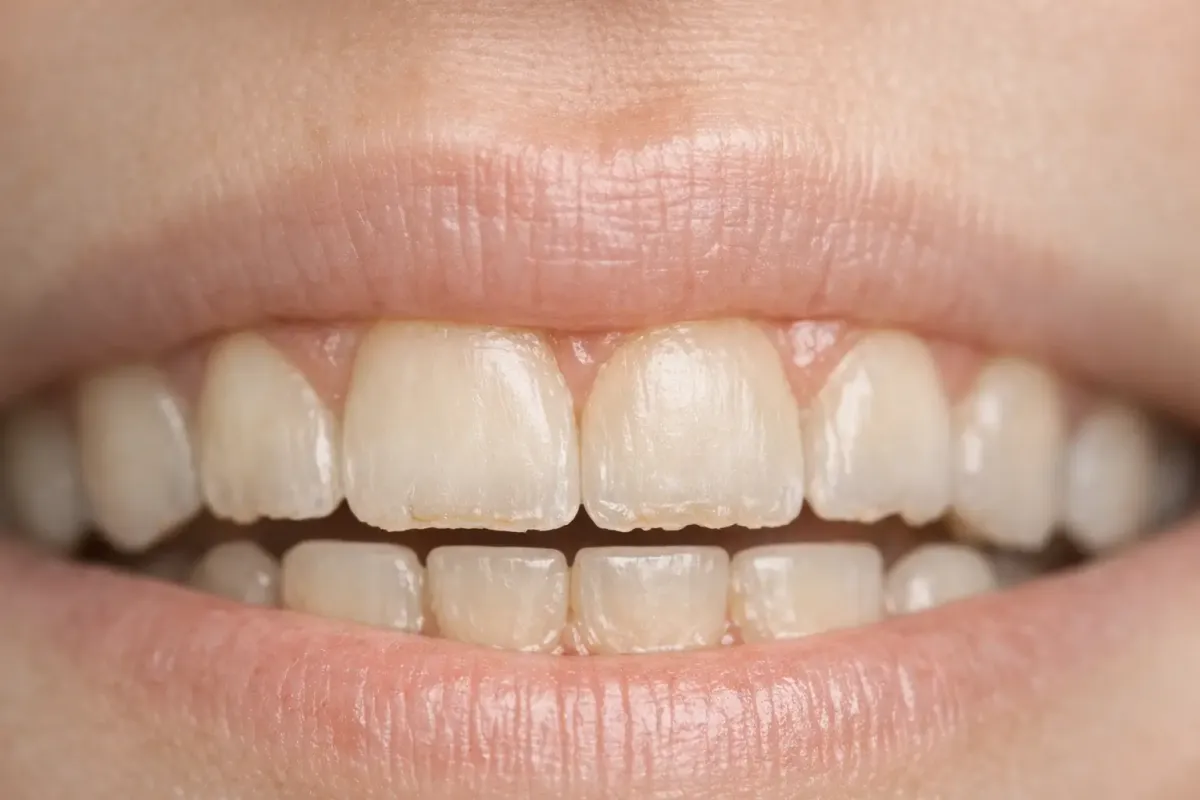
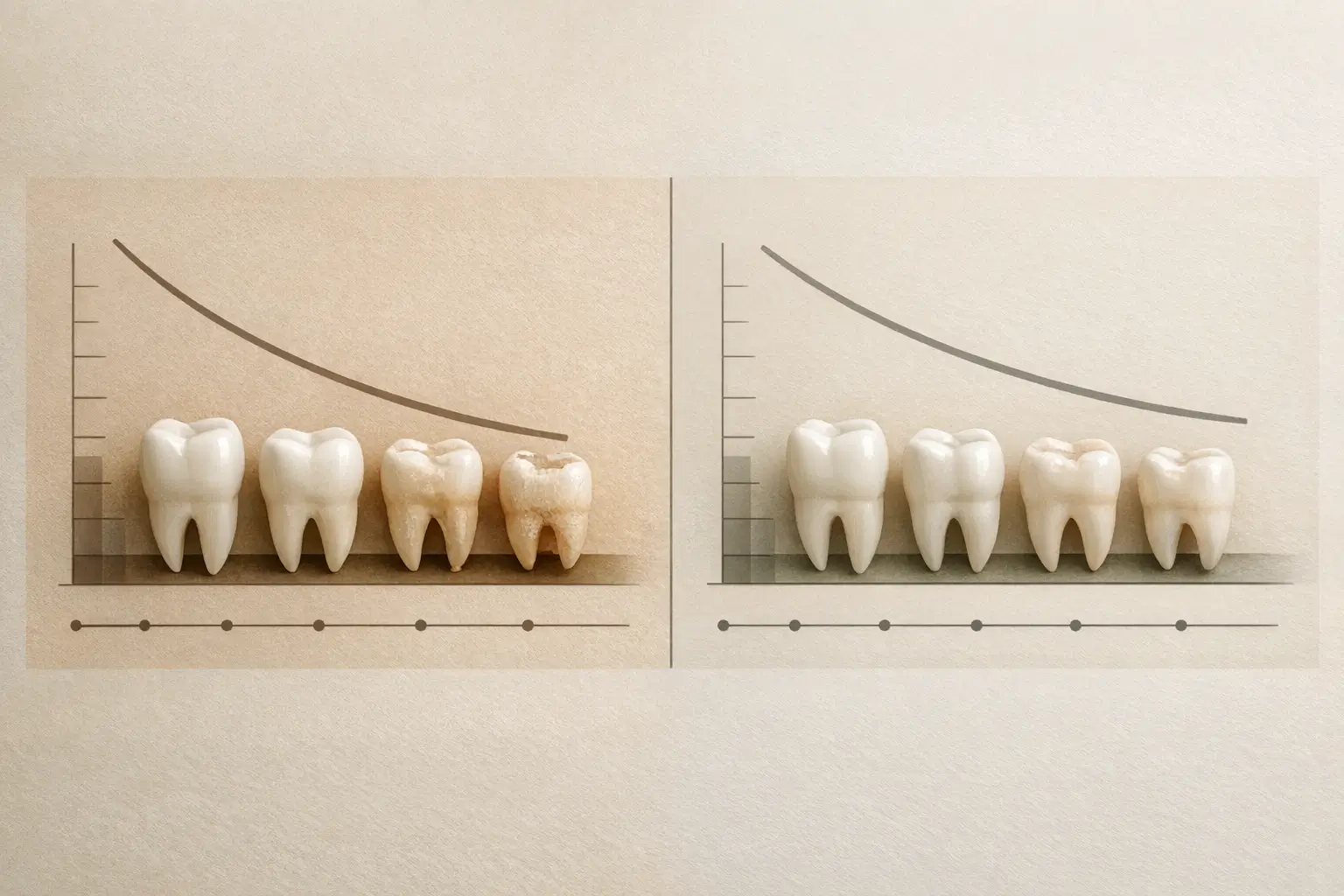
Teeth are made for chewing, not grinding. Over time, bruxism can flatten cusps, thin enamel, and expose dentin. A scoping review by Bronkhorst et al. confirmed a link between bruxism frequency and increased tooth wear. Heavy grinders experience up to twice the vertical loss compared to non-bruxers.
Enamel erosion leads to sensitivity and decay. Cracks in dentin can cause fractures, eventually requiring root canal therapy. Anterior teeth are affected first, often showing flattened edges. Molars develop shiny wear facets that match like puzzle pieces. These marks are considered bruxism fingerprints by dentists. For those exploring natural methods, natural remedies for bruxism might be of interest.
The periodontal ligament is another victim. Repeated overload can widen the ligament space, causing teeth to feel loose. Grinding also increases stress around the cervical region, leading to wedge-shaped lesions called abfractions, similar to tiny potholes at the gumline.
Impact on Restorations
Bruxism tests the durability of crowns, bridges, veneers, and fillings. Porcelain chips, resin composites wear, and zirconia crowns can de-cement under persistent force. A digital wear study by Laksamikeeratikul et al. showed patients with sleep bruxism lost material from occlusal splints within six months. If a protective splint wears that quickly, imagine the impact on a porcelain veneer.
Large fillings can crack under compressive load, leading to leakage and decay. Endodontically treated teeth are especially fragile without a live pulp. Grinding on them is like driving without shock absorbers. Consider exploring advanced bruxism treatments for more resilient solutions.
Remember: the longer you grind, the more you pay at the dentist. Prevention is more affordable than replacing a crown every few years.
Bruxism and Dental Implants: A Risky Relationship
Implant Failure Risks
Dental implants have high survival rates, but bruxism can increase the risk of failure. Implants lack the cushioning periodontal ligament, leading to a stiffer system that transfers load to bone and screws.
A systematic review by Häggman-Henrikson et al. found that bruxism doubles the risk of mechanical complications, such as screw loosening and ceramic chipping. One study reported an odds ratio of 2.6 for early implant failure with bruxism.
Micro-motion at the bone-implant interface can disrupt osseointegration, similar to trying to set concrete while someone wiggles the rebar. Early failure often presents as pain or mobility.
Bone Loss Concerns
Overload can cause marginal bone loss around implants. This is known as overload peri-implantitis, a mechanically driven inflammation. A systematic review by Mojaver et al. linked unprotected occlusal overload to increased bone resorption.
Radiographs may show a saucer-shaped gap, and probing often reveals deeper pockets. If left unchecked, bone loss can expose threads and doom the implant. Repair options include occlusal adjustment, splint therapy, or grafting, which are costly.
If you plan to invest in implants, controlling bruxism is essential. Your dentist may recommend a night guard designed for implants. Ignoring this advice invites a mechanical struggle that your jaw will eventually win.
Clinical Management of Bruxism
Use of Occlusal Splints
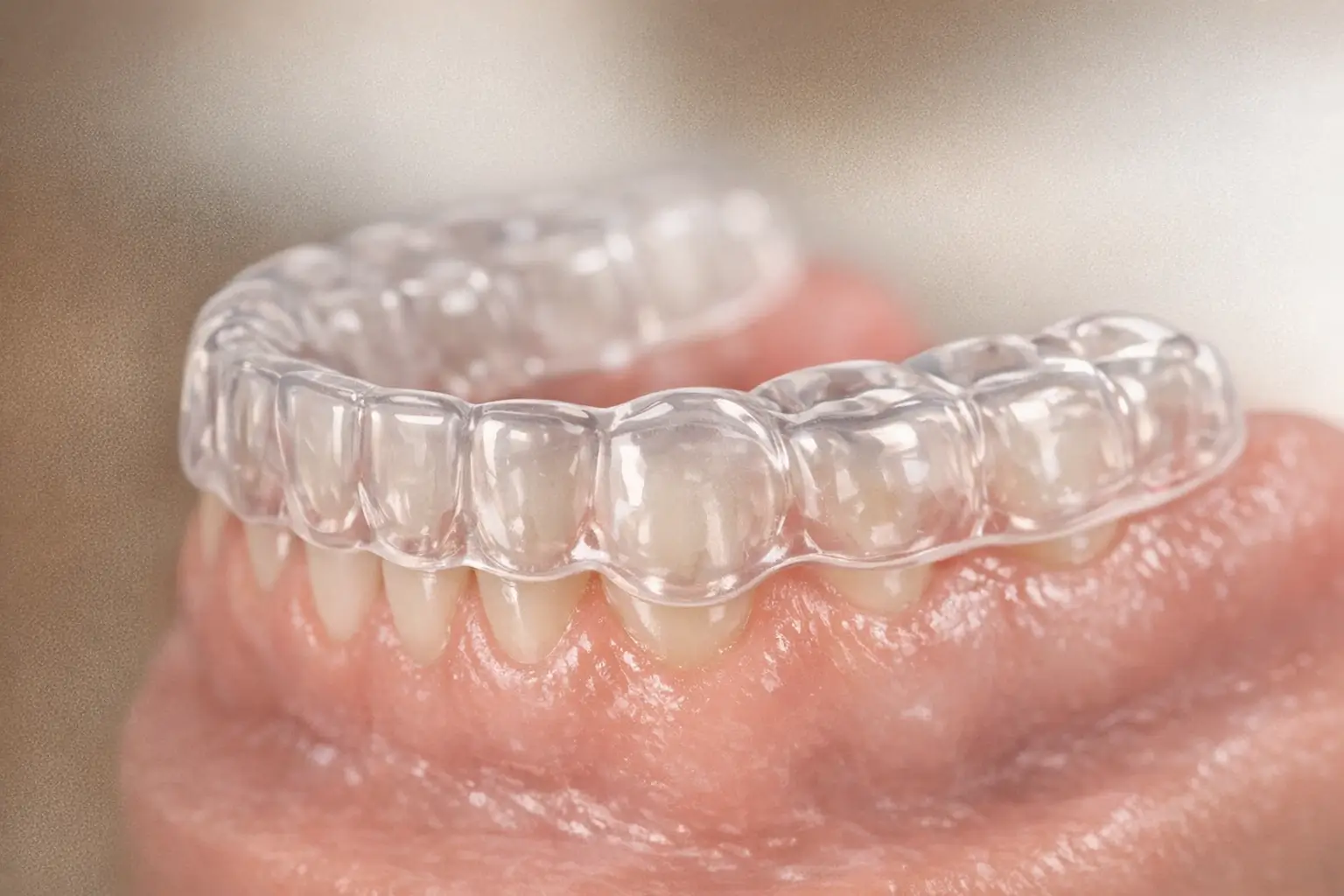
The first line of defense is a custom occlusal splint, or night guard, which distributes pressure and reduces grinding. Hard acrylic guards last longer but may feel bulky. Dual-laminate designs offer comfort with a rigid exterior and cushioning interior.
Proper fit is crucial. A poorly adapted guard can trigger muscle hyperactivity. Dentists use articulating paper to ensure even contact and adjust until the guard feels unobtrusive. Clean it with mild soap, avoiding hot water that warps the plastic. If you're concerned about safety, explore whether night guards release microplastics.
Regular follow-up is important. The study by Laksamikeeratikul et al. found acrylic loss after six months, indicating the need for annual evaluation or replacement. Treat your splint like car tires: safe until worn out.
Emerging Treatments
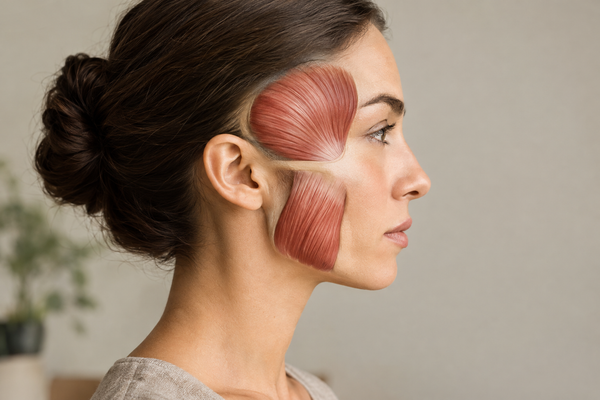
If splints are insufficient, other options are available. Botulinum toxin type A can be injected into the masseter and temporalis muscles to reduce force. A systematic review by Yacoub et al. reported significant reductions in muscle activity and jaw pain for up to six months post-treatment.
Drawbacks include cost and the need for repeat injections. It's not a cure but a tool to reduce force. Your dentist may recommend combining it with stress management, physiotherapy, or cognitive behavioral therapy for sleep bruxism.
Medications like muscle relaxants or anxiolytics can help short-term but have long-term side effects. Behavioral approaches teach you to identify clenching triggers and replace them with relaxing cues.
- Lip awareness: rest your tongue on the palate and keep lips lightly closed.
- Post-it notes on screens reminding “teeth apart”.
- Phone buzzers set every hour as a relax-jaw check-in.
Mouth exercises, warm compresses, and magnesium supplements have mixed evidence. If they help, great, but don't skip proven strategies. For more on holistic methods, consider holistic bruxism solutions.
Assessing Bruxism: Tools and Techniques
Standardized Assessment Tools
The Standardised Tool for the Assessment of Bruxism (STAB) developed by Manfredini and colleagues offers a checklist combining self-report, clinical signs, and instrumental data. Dentists use these scores to classify cases, improving consistency and treatment tracking.
Instrumental confirmation often uses polysomnography with electromyography. Portable devices or bite-strip recorders provide overnight muscle activity snapshots. They attach to the masseter and sync to a smartphone app. While not as comprehensive as a sleep lab, they're affordable and patient-friendly.
Digital Measurement
Digital dentistry is changing tooth wear assessment. Intraoral scanners create 3D models of your arches. Follow-up scans overlay the original to calculate volumetric loss, as done in the study by Laksamikeeratikul et al.. This tracks enamel erosion with objective data.
Software outputs color maps: green areas untouched, red zones heavily worn. Seeing these red flags on molars motivates patients more than a lecture.
Digital bite force sensors record peak pressure during clench tests. Combined with electromyography, they provide a biomechanical profile. Dentists can then tailor treatments based on data, not guesses.
Conclusion: Protecting Your Dental Health
Bruxism may start as an unconscious quirk but can lead to significant dental issues. Research shows links between bruxism and tooth wear, cracked crowns, and implant complications. The good news: early detection, splint use, and treatments like botulinum toxin can reduce damage.
Your action plan:
- Get evaluated using standardized tools like STAB.
- Wear a well-fitted night guard and replace it when worn.
- Address stress and daytime clenching with habit reversal cues.
- Consider advanced options like botulinum toxin if needed.
- Schedule regular check-ups for monitoring enamel and prosthetics with digital scans.
Grinding is common, but tooth loss is optional. Address the habit early to maintain a strong bite, stable implants, and lower dental costs.