Comparing Natural Remedies for Bruxism: What Works?
Explore effective natural bruxism solutions based on research.

If your jaw hurts in the morning, your dentist keeps spotting flattened enamel, or your partner complains about nocturnal grinding noises, you may be dealing with bruxism. Before you start doom-scrolling every forum on the internet, it helps to know what the science actually says about natural bruxism remedies. Below you’ll find a research-first comparison of the most talked-about solutions, written in plain language and free of magical thinking.
Each section references peer-reviewed studies alongside reputable medical websites so you can see where the evidence is solid, where it is wobbly, and where the jury is still out. Grab your nightguard or your favorite herbal tea and read on to find out what really works.
Understanding Bruxism: Causes and Effects
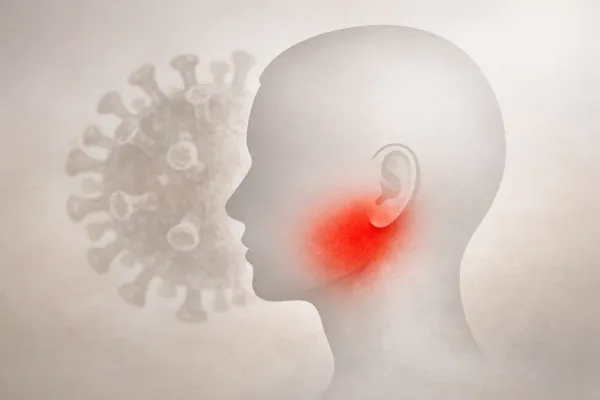
Bruxism is the clinical term for teeth grinding or clenching. It shows up in two forms: sleep bruxism, which occurs while you’re off in dreamland, and awake bruxism, which can sneak in during stressful conference calls or even while binge-watching TV. The condition sits at the crossroads of dentistry, neurology, and sleep medicine, so its causes are rarely one-size-fits-all. Researchers point to a mix of factors: airway obstruction, misaligned bites, certain medications, anxiety, and lifestyle habits such as heavy caffeine or alcohol use.
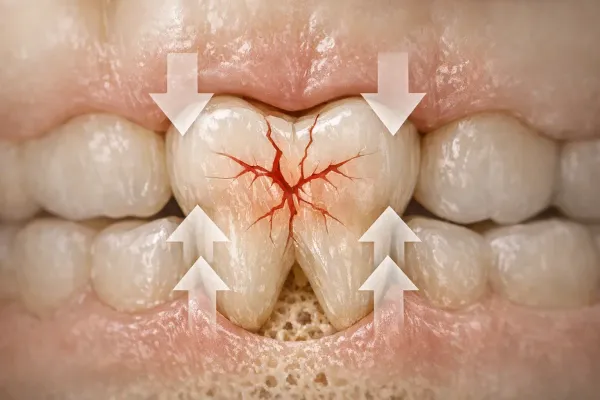
Why does it matter? Chronic grinding can wear down enamel, crack crowns, loosen implants, and trigger jaw pain. It can even cause headaches and neck tension. In a broad review of dental specialties, Thomas Davis and colleagues underscored that ignoring bruxism can compromise almost every corner of oral care. This ranges from prosthodontics to periodontics. The stakes rise further for people with dental implants. A narrative review focusing on implant-supported restorations highlighted higher rates of screw loosening and porcelain fractures among grinders compared with non-grinders.
If you need one more reason to pay attention, a recent meta-analysis connected bruxism with increased odds of implant failure. This emphasizes that early diagnosis and targeted intervention can save time, money, and enamel. The bottom line: treating bruxism is not just about silencing the nighttime noise. It’s about protecting the long-term health of your teeth, jaw, and even investment in dental work.
While dentists often spot bruxism first, management can involve multiple disciplines. Think neurologists, physiotherapists, and even psychologists. That diversity of approaches explains why “natural” fixes run the gamut from mouthguards and physical therapy to botanical tinctures. The rest of this article unpacks the leading options and the science behind them.
Occlusal Splints: A Common Approach
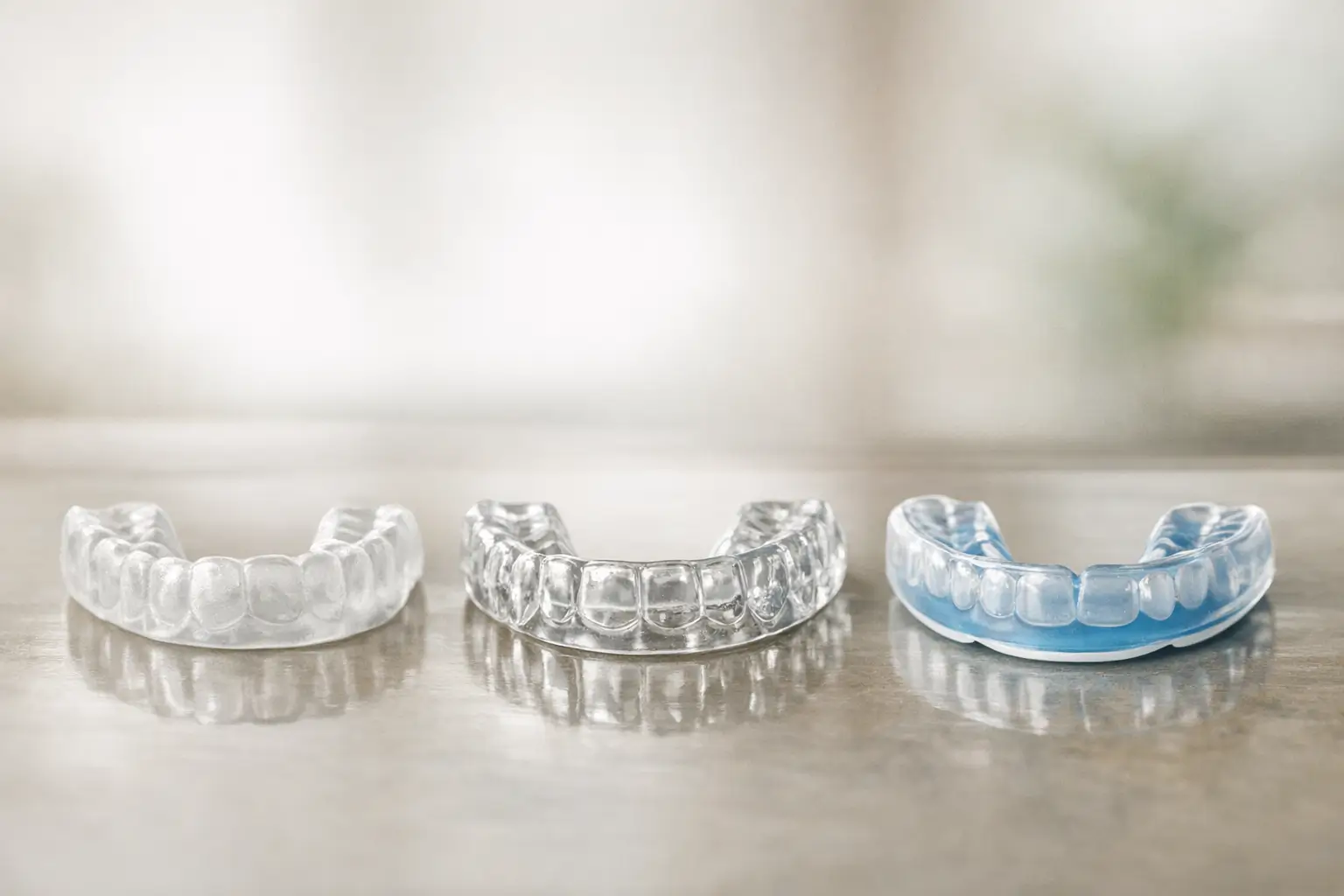
Ask any dentist for the first-line tool against sleep bruxism and you’ll probably hear “occlusal splint.” These custom or semi-custom mouthguards act like bumpers, cushioning teeth so they slide instead of grind. But not all splints are created equal, and the research community has been busy comparing designs, materials, and wear schedules. For a deeper dive into types of mouthguards, you might find our comprehensive guide on choosing the right bruxism mouth guard helpful.
Types of Splints
- Full-coverage hard acrylic splints – The classic nightguard made from rigid plastic. It usually covers either the upper or lower arch and is fabricated in a lab.
- Soft vacuum-formed splints – Made from a pliable thermoplastic material. They’re comfortable but can wear out faster.
- Anterior midpoint stop devices – Small guards that cover just the front teeth, limiting how tightly the back teeth can clench.
- Dual-laminate or hybrid splints – Hard on the outside, soft on the inside, aimed at blending durability with comfort.
- Over-the-counter boil-and-bite guards – Cheap and quick but rarely as precise in fit or thickness regulation as custom versions.
Effectiveness and Research Insights
A systematic review compared various splint designs across dozens of clinical trials. Hard acrylic splints led the pack for reducing muscular activity recorded by electromyography (EMG). Soft guards scored points for comfort but showed higher wear-through rates and sometimes even increased chewing muscle activation after a few months.
The same review found that anterior midpoint stop devices can cut nighttime clenching episodes quickly—often within a week. However, some dentists worry about long-term bite changes if worn all night for months. The evidence suggests they may be best used as short-term training wheels rather than permanent fixtures.
What about cost and upkeep? Custom hard splints can last several years if you avoid chewing ice or letting the dog find them. In contrast, soft OTC guards might need replacing every few months, making them less wallet-friendly over time. The American Dental Association confirms that professional fitting reduces the risk of triggering unwanted tooth movement or gum irritation.
To sum up, occlusal splints remain the workhorse of bruxism management. They don’t cure the habit, but they shield your enamel and may retrain your jaw muscles through biomechanical feedback. If you want the most bang for your buck, a hard, full-coverage, custom-fabricated splint still carries the strongest data behind it. For more details on mouthguards, check out our comparison of mouth guards and muscle relaxants.
Botulinum Toxin for Bruxism: A Closer Look
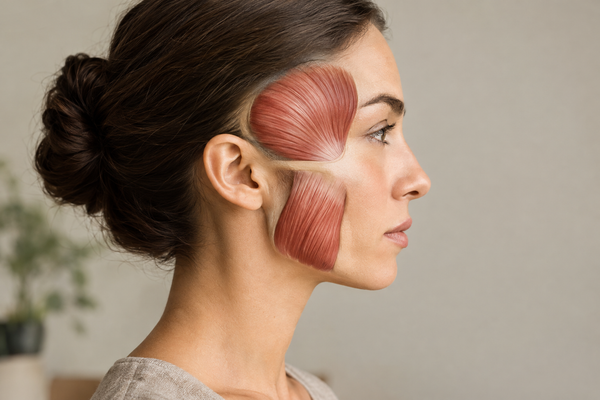
Botulinum toxin (BoNT) is famous for smoothing wrinkles, but its muscle-relaxing powers are also harnessed for conditions like migraines and spasticity. In bruxism care, tiny doses get injected into the masseter and sometimes temporalis muscles, dialing down their contraction strength. Let’s look at how it works and whether the needle is worth the squeeze.
How It Works
BoNT blocks the release of acetylcholine at the neuromuscular junction, which temporarily weakens the targeted muscle. Applied to the masseter, this reduces biting force, thereby lowering grinding intensity. The effect kicks in within days, peaks at around four weeks, and wears off in three to six months. Because it doesn’t involve wearing any device, BoNT attracts people who can’t tolerate splints or have severe masseter hypertrophy.
Research Findings
An overview of randomized controlled trials confirmed significant reductions in EMG activity and self-reported pain after BoNT injections compared with placebo or no treatment. A second meta-analysis focusing on temporomandibular disorders—often comorbid with bruxism—echoed these results, noting improved jaw opening range and fewer pain episodes.
Still, no treatment is free of trade-offs. A separate meta-analysis pegged BoNT’s average duration of benefit at about 12 to 16 weeks, after which reinjection is typically required. Some participants reported mild chewing fatigue, changes in smile dynamics, or transient asymmetry. Less common issues include bruising at the injection site and temporary speech changes if dosing drifts into nearby muscles.
Cost is another factor. BoNT use in dentistry may not be covered by insurance, and prices vary wildly by region and injector expertise. The Cleveland Clinic estimates a per-session range between $300 and $700, with repeat sessions two to four times per year.
So who stands to gain the most? People with severe masseter hypertrophy or those who break multiple splints in a year often find BoNT helpful. For mild grinders, the invasive nature and recurring cost might outweigh the benefit. The consensus from the literature is clear: BoNT should be administered by clinicians trained in orofacial anatomy—usually oral and maxillofacial surgeons or specialized dentists—to minimize complications.
Homeopathic Treatments: An Alternative View
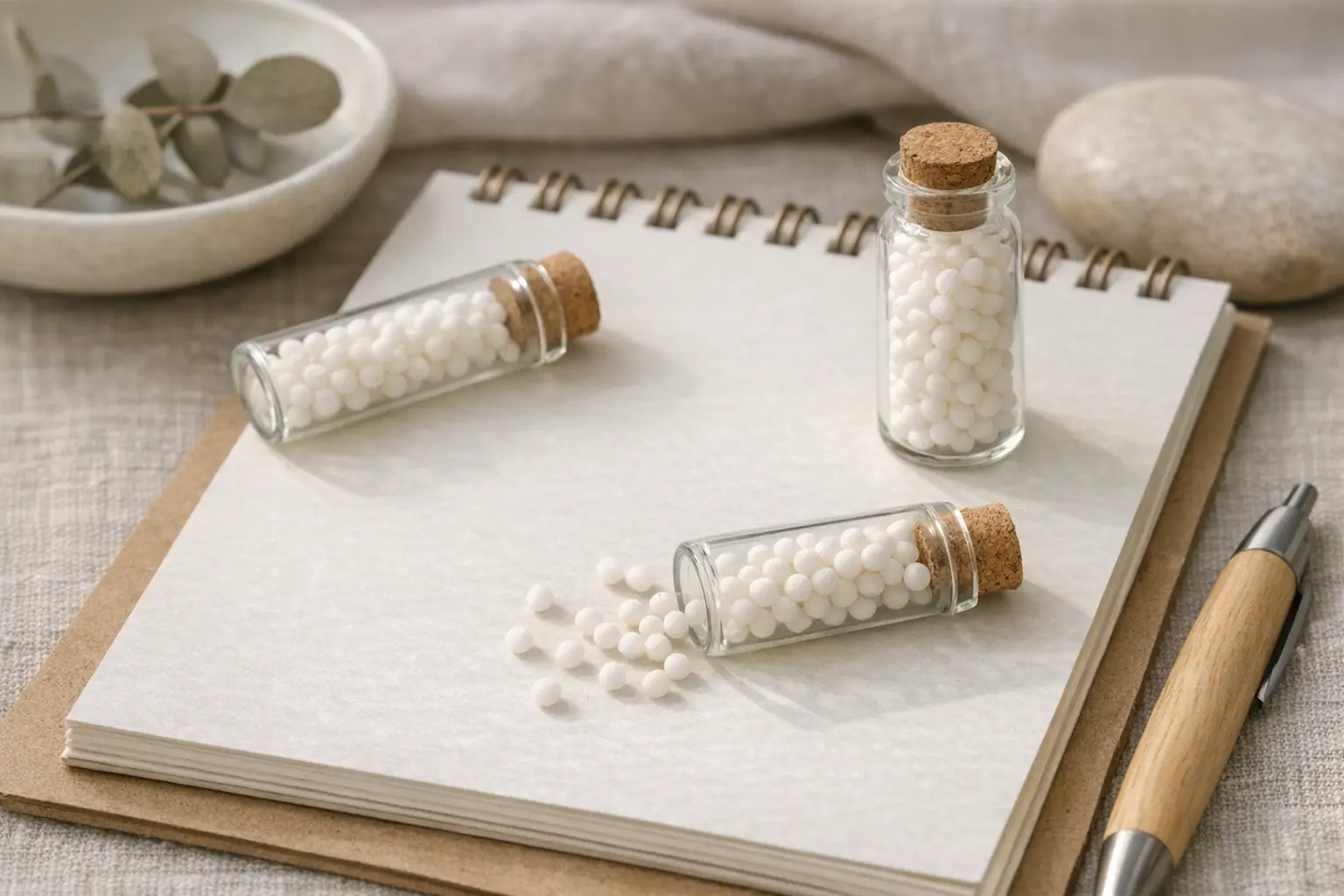
Search “natural cures for bruxism” and homeopathy will pop up sooner or later. Remedies like Chamomilla, Belladonna, or Coffea cruda are claimed to calm the nervous system and, by extension, relax the jaw. The question is whether those sugar pellets do anything beyond placebo.
Popularity and Perception
Homeopathy remains popular in parts of Europe, India, and South America, often marketed as a gentle option for children and sensitive adults. Many people gravitate toward it because it appears low risk and requires no dental hardware. The National Center for Complementary and Integrative Health notes that roughly 5 million American adults used homeopathic products in the last survey year.
Evaluating Effectiveness
The evidence, however, is sparse. A systematic review on homeopathic treatments for sleep disorders in children and adolescents found “no convincing proof of effectiveness” in improving sleep parameters. While the review didn’t target bruxism specifically, sleep quality is tightly linked to grinding severity, so the findings raise doubts about broad claims.
Clinical trials directly assessing bruxism are virtually nonexistent or suffer from small sample sizes, lack of blinding, and heterogeneous outcome measures. Reputable dental organizations like the American Sleep Association state that there is insufficient high-quality evidence to recommend homeopathic remedies for bruxism.
Side effects are rare due to the ultra-high dilution of homeopathic preparations, but the main risk lies in delaying proven treatments. In other words, time spent hoping a sugar pill will stop grinding could mean months of ongoing enamel damage.
If you’re curious about homeopathy, have an open conversation with your dentist or physician. Just recognize that, for now, the scientific backing sits somewhere between thin and nonexistent.
Manual Therapy and Dry Needling: Physical Approaches
Your jaw is a complex hinge supported by a network of muscles stretching from your temples to your neck. It makes sense that hands-on techniques could relieve bruxism-related tension. Two physical options often discussed are manual therapy (think massage, stretching, joint mobilization) and dry needling (inserting thin needles into trigger points without injecting medication). Learn more about how TMJ massage therapy can be an effective part of this approach.
Methods and Techniques
- Manual therapy – Therapists use myofascial release, trigger point pressure, and guided stretches targeting the masseter, temporalis, and pterygoid muscles. Sessions last 30-60 minutes and may be weekly at first.
- Dry needling – Similar to acupuncture but focused on musculoskeletal trigger points. Needles are inserted for a few minutes to provoke a local twitch response, which is believed to relax taut muscle bands.
- Self-care adjuncts – Patients often receive home exercises like jaw opening stretches or use of a warm compress before bedtime to extend benefits between sessions.
Research-Based Insights
A prospective randomized study compared four groups—BoNT, dry needling, pharmacological therapy, and manual therapy—on bruxism-induced muscle pain. Over a 12-week follow-up, BoNT produced the largest drop in pain scores, but manual therapy and dry needling weren’t far behind. They showed significant relief and improved mouth opening without the pharmacologic side effects.
Notably, the manual therapy group recorded fewer adverse events (mostly transient soreness) than both BoNT and medication groups. Dry needling logged a handful of minor bruising incidents but no serious complications. The authors concluded that for mild to moderate bruxism-related myalgia, physical approaches could be an effective first step or adjunct to other interventions.
However, limitations persist. Manual therapy outcomes are highly operator-dependent, and studies often struggle with small sample sizes and lack of blinded assessors. The Mayo Clinic acknowledges that while massage can ease jaw tension, it rarely eliminates the grinding habit entirely.
If you explore these options, look for practitioners with specialized training in orofacial pain. Physiotherapists or chiropractors may carry certifications in temporomandibular joint therapy, while many acupuncturists also perform dry needling under local regulations. Always verify credentials and understand that results can vary based on the skill and consistency of both therapist and patient.
Comparing Effectiveness: What Works Best?
After wading through custom plastic, neurotoxins, sugar pills, and skilled fingers, you may wonder which option pulls ahead. Compiling the research gives a pragmatic hierarchy:
- Occlusal splints – Strong evidence for enamel protection and reduction of muscle activity, with low risk and moderate cost. They don’t treat root causes but work reliably as physical barriers.
- Botulinum toxin – Robust data for pain relief and bite force reduction. Its invasiveness and recurring cost place it as second-line or for severe cases.
- Manual therapy and dry needling – Growing evidence for symptom relief without pharmacologic downsides. Results depend on clinician skill and patient adherence.
- Homeopathic treatments – Little to no high-quality support for efficacy. May offer placebo comfort but risks delaying proven care.
Importantly, more than one approach can be combined. Many patients wear a splint at night, get occasional physical therapy, and reserve BoNT for flare-ups. Tailoring therapy to your grind severity, budget, and tolerance for medical procedures is key.
Conclusion
Bruxism may be common, but its impact on dental hardware, jaw comfort, and quality of life is anything but minor. Splints deliver dependable insulation for your teeth, botulinum toxin offers a potent muscle reset for tougher cases, and physical therapy provides a drug-free route to pain relief. Homeopathy, while appealing to some, lacks solid evidence and should be approached with caution.
Your best move is to talk with a dentist or sleep specialist who can evaluate your specific triggers, bite alignment, and symptom severity. With the right combination of evidence-based tools, you can quiet the nightly grind and wake up with happier jaws—and happier bed partners.