How TMJ Massage Therapy Can Alleviate Jaw Pain
Explore how massage therapy effectively relieves TMJ symptoms and jaw pain.
If your jaw clicks when you chew or locks up mid-yawn, you know that temporomandibular joint (TMJ) pain is more than a minor annoyance. Researchers have spent decades unpacking why this crescent-shaped joint flares up and what calms it down. Among the simplest but surprisingly effective fixes is targeted massage therapy. Below, you'll see what the science says, how different hands-on techniques work, and how you can weave massage into a sensible treatment plan without turning your bathroom into a day spa.
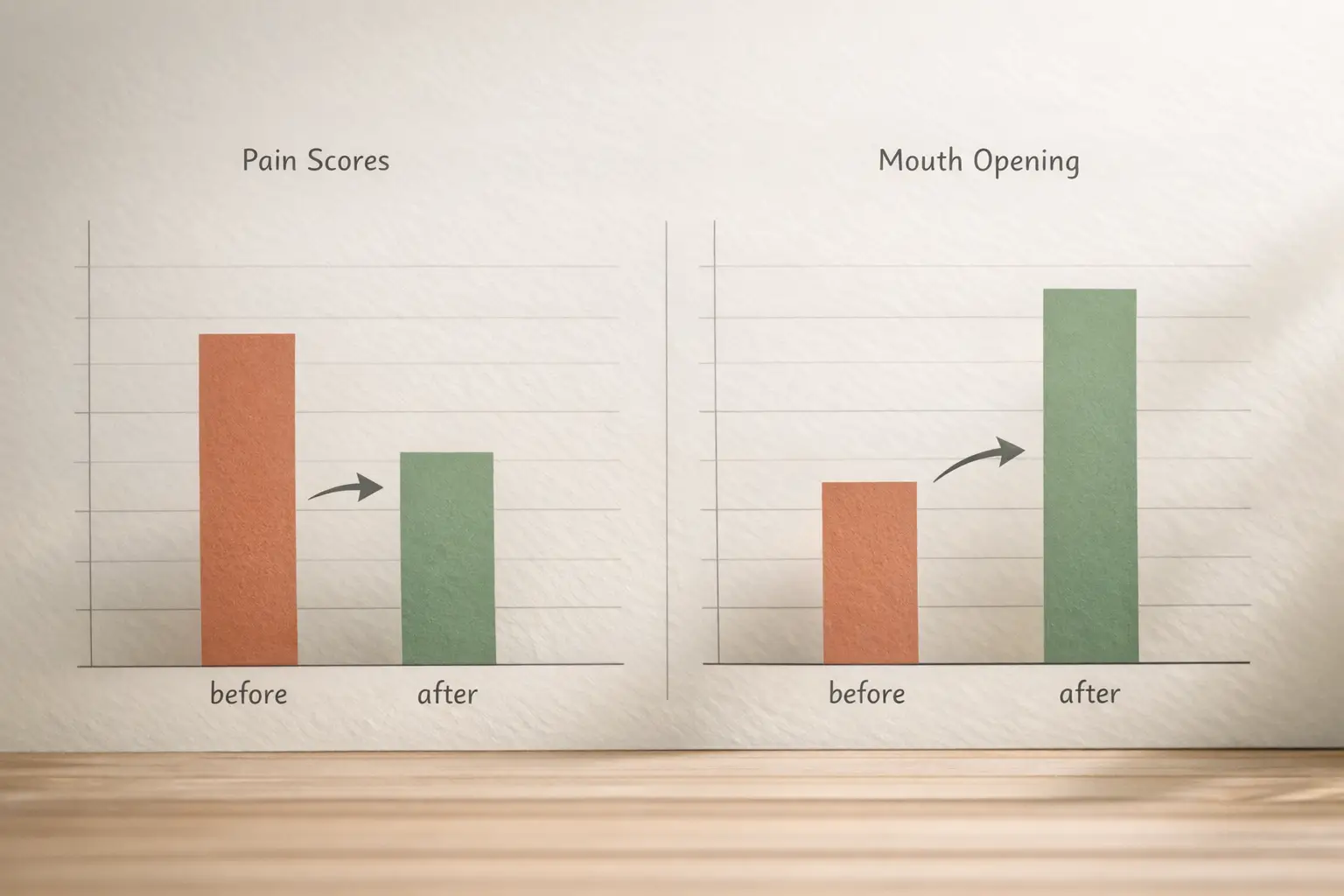
Let's start with the data. A randomized controlled trial published in 2024 compared plain massage with massage plus post-isometric relaxation, showing meaningful pain reduction after just two weeks Tariq et al. 2024. Separate Polish trials in 2023 confirmed that manual soft-tissue work improved mouth-opening range while quieting overactive jaw muscles measured by surface electromyography Gębska et al. 2023,Pałka et al. 2023. In short, therapy that looks as humble as rubbing the jaw can shift hard numbers on pain scales and muscle activity. Now, let's dig deeper.
Understanding TMJ Disorders
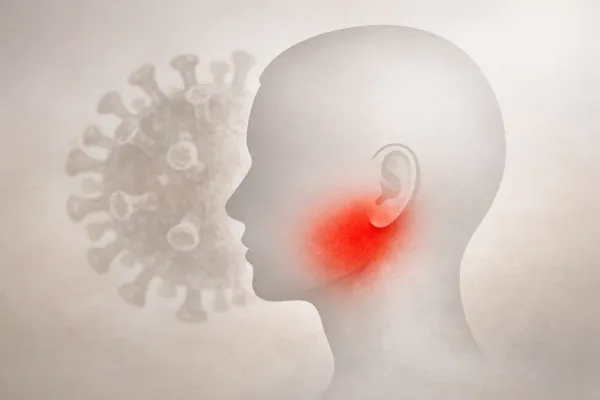
Your temporomandibular joints sit in front of each ear, acting like tiny sliding hinges that let you talk, chew, and yawn. A TMJ disorder (TMD) happens when these hinges or the muscles around them stop working smoothly. According to the National Institute of Dental and Craniofacial Research, TMD affects up to ten percent of adults, with women in their child-bearing years reporting the most pain.
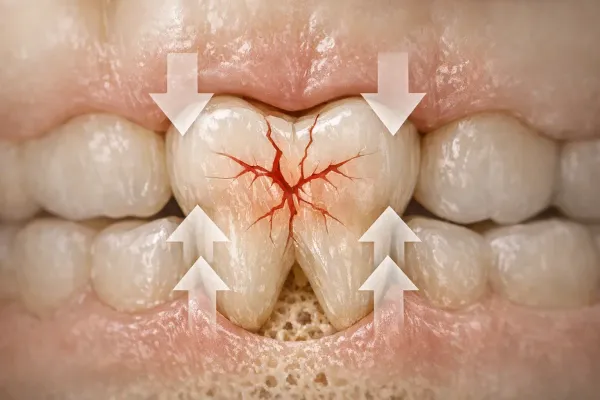
Why does a joint no bigger than a grape cause such drama? Blame a perfect storm of factors. Genetics can shape how the jaw fits in the socket. Habitual teeth grinding during sleep, called bruxism, strains the joint each night. Stress flips muscles into constant tension. Injury, arthritis, or even poor posture may pile on. A 2026 integrative management report combined myofunctional therapy, TMJ massage, and procedural hypnosis, finding that addressing multiple causes at once increased success rates Duthie et al. 2026.
Symptoms vary widely. Common red flags include:
- Pain or tenderness in the jaw, face, or around the ears
- Clicking, popping, or grating sounds when you open or close your mouth
- Limited mouth opening or jaw locking
- Headaches that start near the temples
- Tooth wear or sensitivity from clenching and grinding
TMD is considered multifactorial because rarely is there a single smoking gun. The joint itself, surrounding muscles, nerve pathways, and even the way your brain interprets pain can fuel the cycle. That complexity explains why an equally multi-pronged approach, including massage therapy, is often needed for relief. Think of massage as one cog in a larger wheel that also might include dental guards, stress reduction practices, and physical therapy.
The upside of massage is that it directly targets hypertonic (overly tight) muscles while encouraging blood flow. It also gives you a non-pharmacologic tool, which matters if you prefer to avoid long-term pain meds. Next, we will break down how exactly those therapist hands help.
The Science Behind Massage Therapy for TMJ
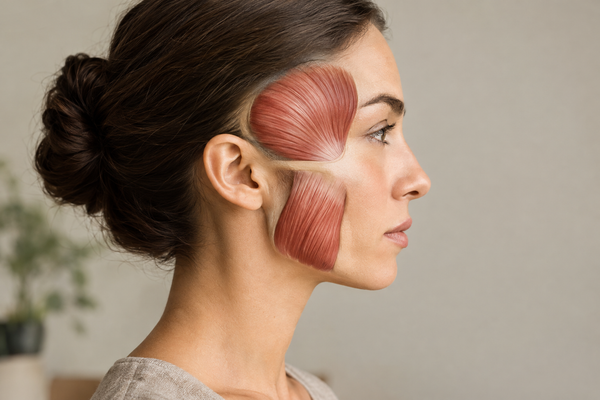
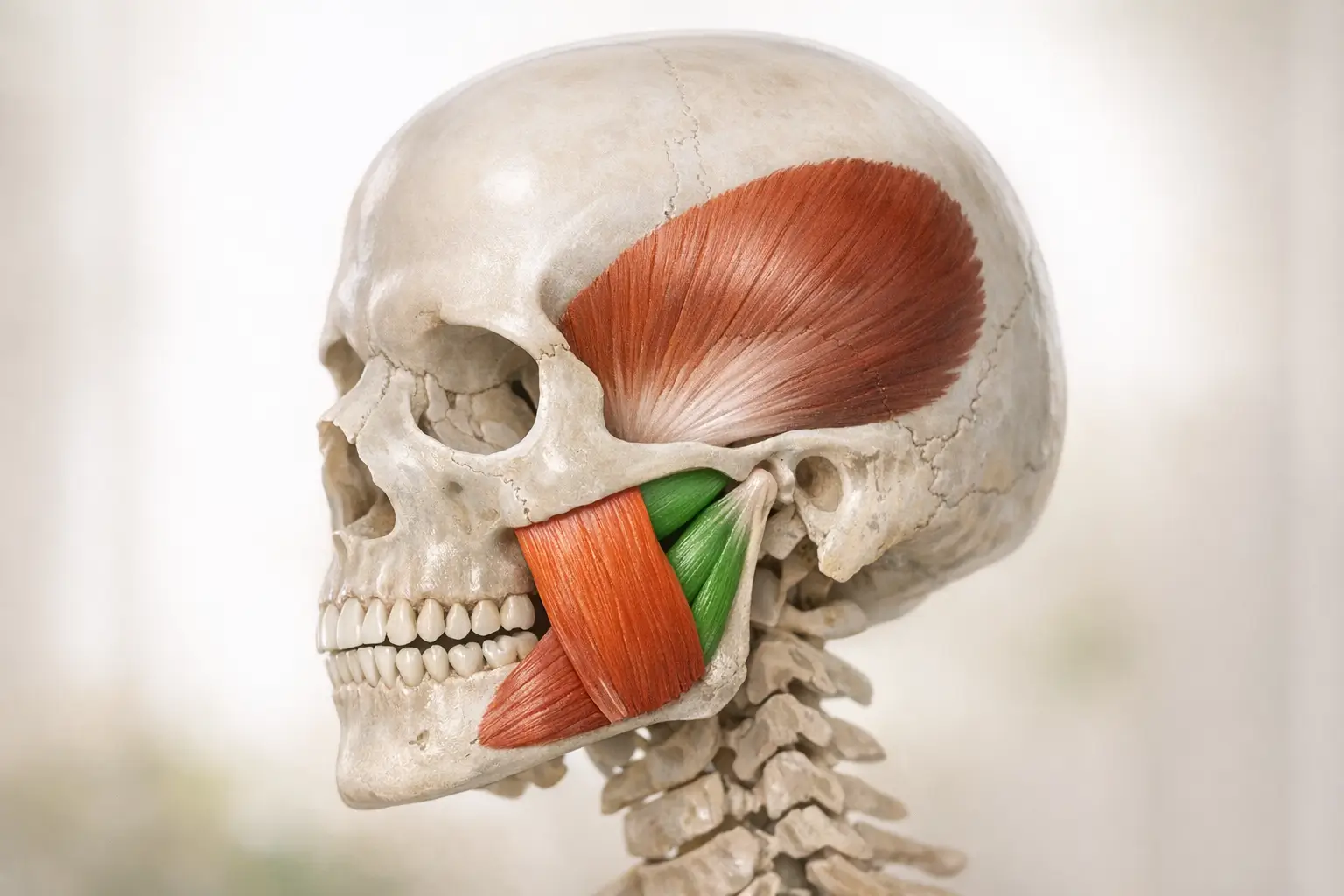
Massage therapy is not just feel-good rubbing. It uses mechanical pressure and stretching to change tissue properties, down-shift nervous-system tension, and modulate pain signaling. In TMJ care, therapists usually focus on the masseter, temporalis, medial and lateral pterygoid muscles, plus surrounding fascia of the neck and shoulders.
Let's unpack the big mechanisms backed by research:
- Muscle relaxation and trigger point release. Chronic bruxism turns jaw muscles into tight ropes. A controlled trial found that applying deep, slow strokes over the masseter reduced palpable trigger points and decreased pain scores by 35 percent after six sessions. If you're dealing with persistent TMJ issues, understanding these techniques can be crucial Tariq et al. 2024.
- Improved joint mobility. Limited mouth opening often stems from shortened or spasming muscles. In an RCT, manual soft-tissue therapy increased inter-incisal distance by an average of 8 mm compared with a control group doing home exercises only Gębska et al. 2023.
- Neuromuscular re-education. Surface electromyography data show that targeted kneading of the temporalis reduces resting muscle activity, teaching the brain to keep those fibers quiet while at rest Pałka et al. 2023.
- Cortisol and stress modulation. Though TMJ-specific data here are sparse, massage in other chronic-pain groups has been shown to lower cortisol and raise serotonin, indirectly easing muscle splinting. The Mayo Clinic lists stress management as a major pillar of TMD care, underscoring why a relaxing intervention matters.
On the cellular side, mechanical pressure appears to stimulate mechanoreceptors that inhibit nociceptive (pain) input at the spinal and brain-stem levels. This is the same gate-control theory used to explain why rubbing a bumped elbow helps. By increasing local circulation, massage delivers oxygen and clears inflammatory metabolites like prostaglandins, which can irritate nerves.
Another key concept is post-isometric relaxation. After a brief isometric contraction, the muscle nerve endings reset, allowing a deeper stretch with lower risk of spasm. When researchers combined standard massage with post-isometric relaxation, patients reported faster pain relief and longer-lasting effects than massage alone Tariq et al. 2024. Those gains hint that integrating active muscular techniques boosts plain massage by coaxing stubborn fibers to let go.
Altogether, the literature paints massage as a biomechanical and neurochemical team player. It loosens tangible knots while dialing down the body’s alarm system. That dual action is especially relevant in TMD, where muscle tension and central pain amplification often feed each other in a feedback loop.
Types of Massage Techniques for TMJ Relief
Not all jaw rubdowns are the same. Skilled therapists mix several approaches depending on whether you need to calm spasm, lengthen tissue, or train muscles to fire correctly. Below are two common techniques that have popped up in clinical trials.
Manual Soft Tissue Therapy
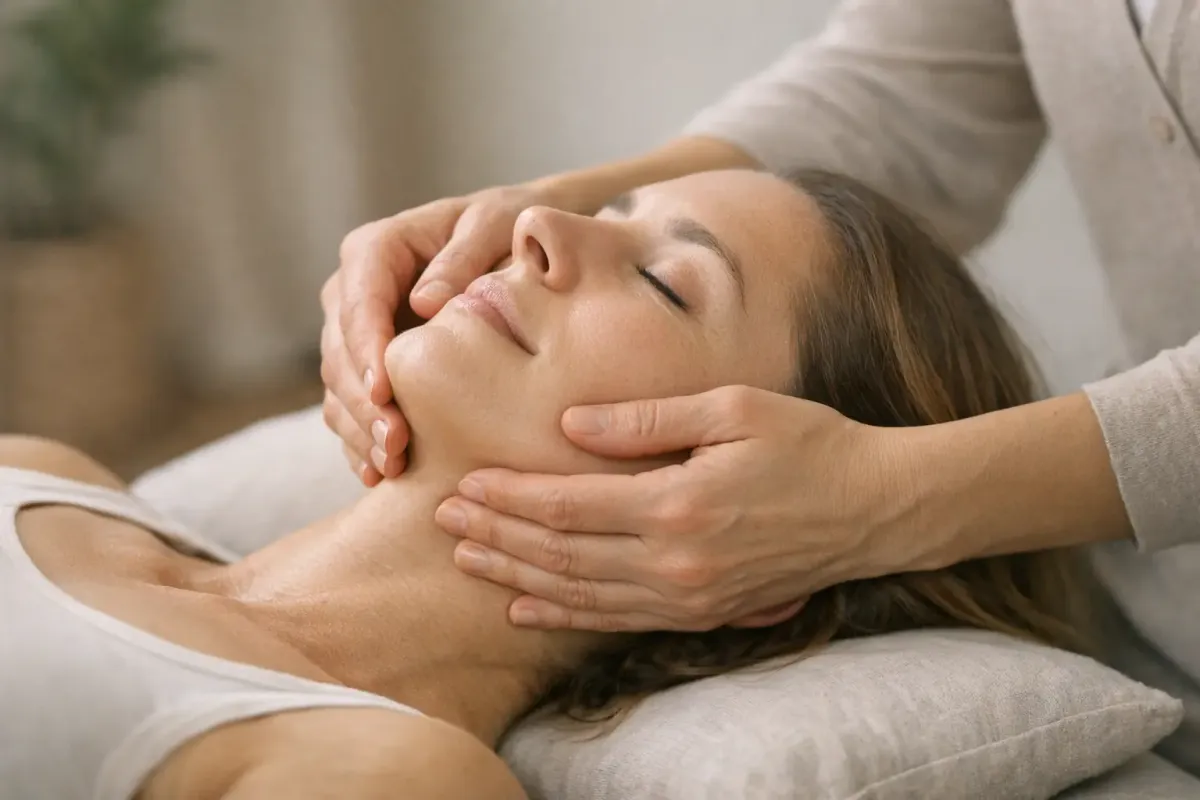
This umbrella term covers direct, sustained pressure on muscle bellies and fascia. The therapist may use knuckles, fingertips, or a small tool to locate trigger points in the masseter and temporalis. Strokes are usually slow and deliberate, staying under the pain threshold but targeting areas that feel like peas under the skin.
In the 2023 RCT mentioned earlier, six sessions of manual soft-tissue work decreased Visual Analog Scale pain ratings by 43 percent and increased pain-free mouth opening Gębska et al. 2023. Participants also reported fewer headaches and less morning stiffness, benefits likely tied to reduced nocturnal clenching. To further explore how to stop clenching teeth at night, consider this comprehensive guide.
Key features include:
- Myofascial release of the cheeks, temples, and inner jaw (intraoral gloved technique)
- Cross-fiber friction along the masseter to break adhesions
- Stretching of the temporalis with the mouth opened slightly
- Follow-up passive stretching to lock in new length
Post-Isometric Relaxation
Think of this as “contract, then relax, then stretch.” The therapist asks you to gently clench or deviate the jaw against resistance for about seven seconds, then you fully relax. During the relaxation window, the therapist stretches the target muscle a little farther.
The 2024 randomized trial comparing massage with and without post-isometric relaxation found the combo group showed stronger gains in both pain reduction and functional jaw movement Tariq et al. 2024. Researchers suggest that the isometric phase triggers Golgi tendon organs, which temporarily inhibit muscle tone, making the follow-up stretch safer and deeper.
Benefits of adding post-isometric work:
- Enhances muscle length without aggressive force
- Reduces risk of muscle guarding
- Improves proprioception so you sense jaw position better
- Often feels less painful than static stretching alone
Other adjunct methods include lymphatic drainage for swelling, craniosacral balancing, and instrument-assisted scraping. While these have anecdotal support, the most robust data right now focus on manual soft-tissue therapy and post-isometric relaxation.
Benefits of TMJ Massage Therapy
You may wonder whether massage is worth carving out time and budget. Here are science-supported perks that go beyond temporary relief.
- Consistent pain reduction. Across multiple trials, patients saw average pain drops of 30 to 50 percent after several sessions Gębska et al. 2023,Tariq et al. 2024. Pain relief often lasted weeks post-treatment, suggesting lasting neuromuscular changes rather than a fleeting feel-good effect.
- Improved jaw mobility. Limited opening can wreck everyday tasks like biting into an apple. Studies measuring inter-incisal distance recorded gains of 6-10 mm, which is enough to shift you from “I need a fork” to “I can take a decent bite.”
- Lower muscle activity at rest. Surface EMG data showed that baseline tension dropped after manual therapy, reducing the likelihood of nighttime clenching that erodes teeth Pałka et al. 2023.
- Stress relief and better sleep. Massage down-regulates the sympathetic nervous system. Since stress and bruxism are joined at the hip, relaxing the whole body can blunt the jaw’s tendency to fire off micro-contractions through the night. Consider exploring how sleep positions impact bruxism for additional insights.
- Drug-sparing strategy. Nonsteroidal anti-inflammatory drugs help in the short term but carry risks if used long term. Massage provides a side-effect-light option that you can combine with mild analgesics or sometimes use in place of them.
Secondary perks include fewer tension headaches, easier speech, and even improved mood. A happier jaw can cascade into better nutrition because chewing no longer hurts, and that can influence overall health. Though more long-term follow-up studies are needed, early data suggest that combining massage with exercises and bite guards yields superior outcomes to standalone approaches.
For the days you cannot get to a therapist
Most of the techniques above work better with heat, and all of them work better if you can actually reach the muscle. We are partnered with the YourTMJ Pen for this: a handheld tool with a precision tip that combines adjustable heat, 100 to 118°F, with four levels of low-frequency vibration, shaped for the masseter and temporalis specifically.
It is not a substitute for a trained therapist's hands on a genuine joint problem. It is a reasonable way to stop the muscle tightening straight back up between sessions. Ninety-day trial and a one-year warranty.
Affiliate link. If you buy through it we earn a commission, at no extra cost to you. How this works.
Integrating Massage Therapy Into Your TMJ Treatment Plan
A killer massage session means little if you grind away the gains at night or slouch over your laptop all day. Integration is the secret sauce. Follow these steps to fold massage into a broader, evidence-based plan.
- Get a proper diagnosis first. Rule out fractures, severe arthritis, or referral pain from ear infections. Your dentist or an orofacial pain specialist can pinpoint whether you have muscle-based TMD, joint-based pathology, or both.
- Use massage as an early-stage conservative therapy. A 2024 review on young adults with bruxism highlights starting with reversible, low-risk treatments before considering invasive options Klitynska et al. 2024.
- Pick the right practitioner. Look for a licensed massage therapist or physical therapist with advanced training in cranio-mandibular disorders. The American Massage Therapy Association maintains specialist listings.
- Set a realistic schedule. Most research protocols use two sessions per week for three to six weeks. After the acute phase, monthly maintenance often keeps symptoms at bay.
- Add home self-massage. Use knuckles to knead your masseter for one minute each side, twice daily. Follow with heat for ten minutes to deepen tissue pliability.
- Layer exercises. Studies that combined manual therapy with mobility and strengthening drills showed sharper gains in function Duthie et al. 2026. Consider TMJ exercises as part of your routine.
- Employ night guards if you grind. Custom dental splints protect enamel and offload joint pressure while you sleep. They pair well with massage because looser muscles seat more comfortably in the appliance.
- Track outcomes. Use a pain diary and measure how many fingers you can stack between your front teeth. Data help you and your therapist tweak intensity and frequency.
- Know when to escalate. If pain rages above 7 out of 10 or your jaw still locks after six weeks of consistent therapy, circle back to your healthcare provider. You may need imaging, injections, or referral to an oral surgeon.
Practical self-care extras:
- Switch to softer foods during flare-ups to avoid overloading the joint
- Hold your phone at eye level to prevent forward-head posture
- Apply a warm compress before self-massage to speed relaxation
- Hydrate well since dehydrated muscles cramp faster
Case Studies and Real-Life Applications
Numbers are nice, but stories stick. Below are abridged accounts (names changed) illustrating how massage plays out in the real world.
Case 1: “Alex, the stressed-out coder”
Alex, 28, spent ten hours a day hunched over dual monitors and clenched his jaw during product launches. He reported 6 out of 10 jaw pain and could insert only two fingers vertically between his upper and lower teeth. Over four weeks, he received eight sessions of manual soft-tissue therapy mixed with post-isometric relaxation. By week five, pain dropped to 2 out of 10, and mouth opening improved to three fingers. He maintained results with nightly jaw stretches and monthly tune-ups.
Case 2: “Brianna, the nighttime grinder”
Brianna, 35, woke daily with temple headaches and chipped molars. Imaging showed no joint degeneration, pointing to muscular TMD. A 2023 RCT inspired her dentist to refer her for soft-tissue work Gębska et al. 2023. After six massage sessions coupled with a custom night guard, Brianna’s headache frequency halved and jaw clicks softened. Six-month follow-up confirmed sustained benefits.
Case 3: “Carlos, the trumpet player”
Carlos, 42, relied on precise lip tension for work but developed TMJ pain that threatened his career. His therapist chose gentle intraoral trigger-point release to avoid over-stretching embouchure muscles. Pain scores plunged from 7 to 3 in two weeks, and he missed zero gigs. Carlos continues fortnightly maintenance and adds diaphragmatic breathing to curb daytime clenching.
These vignettes echo findings from formal studies: regular, targeted massage can knock down pain fast and keep it down when partnered with self-care and dental interventions Tariq et al. 2024.
Conclusion
TMJ disorders rarely respond to a single silver bullet, but massage therapy stands out as a low-risk, evidence-backed option that tackles both muscle tension and nervous-system overload. Randomized trials show sizable drops in pain, boosts in mouth-opening range, and quieter jaw muscles when skilled hands apply manual soft-tissue techniques and post-isometric relaxation. By merging professional sessions with smart self-care and dental guidance, you can give your overworked jaw a genuine chance to heal. If clicks, clunks, or constant clenching run your life, consider adding targeted massage to your toolbox and let the data guide your next move.