TMJ Mouth Guard: Exploring Options and Effectiveness
Discover effective TMJ mouth guard options and their benefits in this detailed guide.
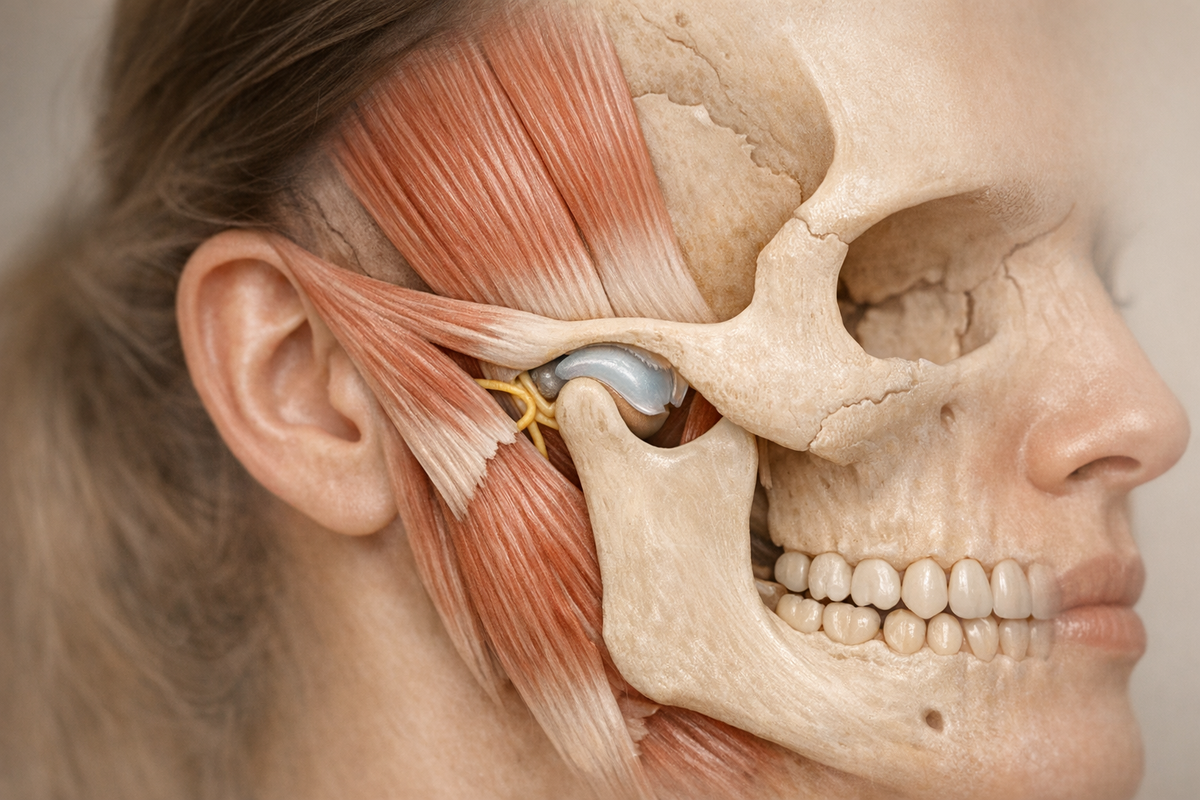
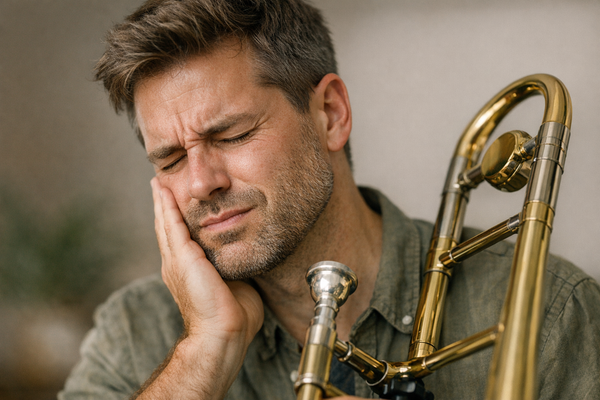
Jaw pain that flares when you chew, strange clicking sounds, and mornings that start with a pounding headache are all too familiar symptoms. If you've been researching these issues, you've likely encountered the term "TMJ" and the idea that a simple mouth guard might provide relief. But before you spend money on a plastic solution, let's explore what the research truly reveals about TMJ mouth guards.
This guide provides an evidence-based exploration of temporomandibular joint (TMJ) disorders, available mouth guard options, and insights from clinical trials on their effectiveness. We've linked every claim so you can verify the information yourself. Let's delve into the science behind TMJ mouth guards together.
Understanding TMJ Disorders and Their Impact
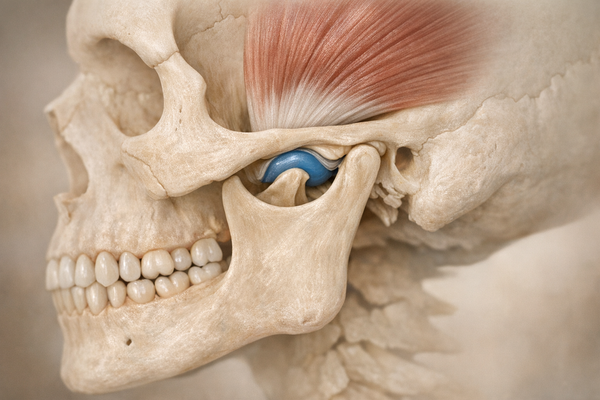
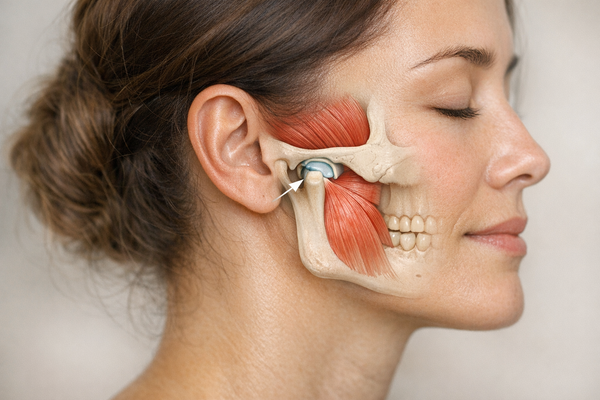
The temporomandibular joint is a small sliding hinge that allows your lower jaw to move. When this joint or the surrounding muscles malfunction, it results in a TMJ disorder (often referred to as TMD). Common symptoms include:
- Pain or tenderness in the jaw, face, or around the ear
- Clicking or popping sounds when opening the mouth
- Locking of the jaw, making it difficult to open or close
- Headaches that originate around the temples
Studies suggest that 5 to 12 percent of adults experience these symptoms, with women more frequently affected than men. Such pain can make everyday activities like eating, yawning, or talking feel strenuous. If left untreated, TMD can increase anxiety, disturb sleep, and reduce productivity. Learn more about how bruxism impacts mental health.
The causes of TMJ disorders vary, including arthritis, injuries, and teeth grinding (bruxism) during sleep. Bruxism can lead to prolonged clenching, which compresses the disk cushioning the bones. A 2025 review by Mahdi and Al-fahham explains how prolonged stress on the joint can alter nerve function, intensifying pain signals.
Consider Amanda, a 34-year-old graphic designer who works under pressure and grinds her teeth at night. Her smartwatch records frequent micro-arousals, and she wakes up with jaw pain. Multiply Amanda's situation by millions, and it's clear that TMD is a widespread issue impacting work and mood. Discover how a mouth guard can help alleviate teeth clenching at night and improve your sleep.
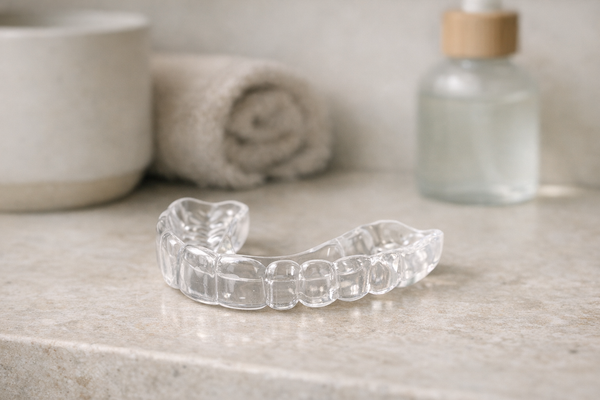
Mouth guards, also known as occlusal splints, are designed to separate the upper and lower teeth, redistributing bite forces and allowing tense muscles to relax. We'll explore various guard styles next, but remember: a mouth guard is a tool, not a cure-all. Its effectiveness depends on design, fit, and regular use.
Different Types of Mouth Guards for TMJ
When shopping for a mouth guard, you'll find a variety of options including night guards and bite splints. They all claim to protect your jaw during sleep, but their functions differ. Here are the main categories, with their advantages and disadvantages.
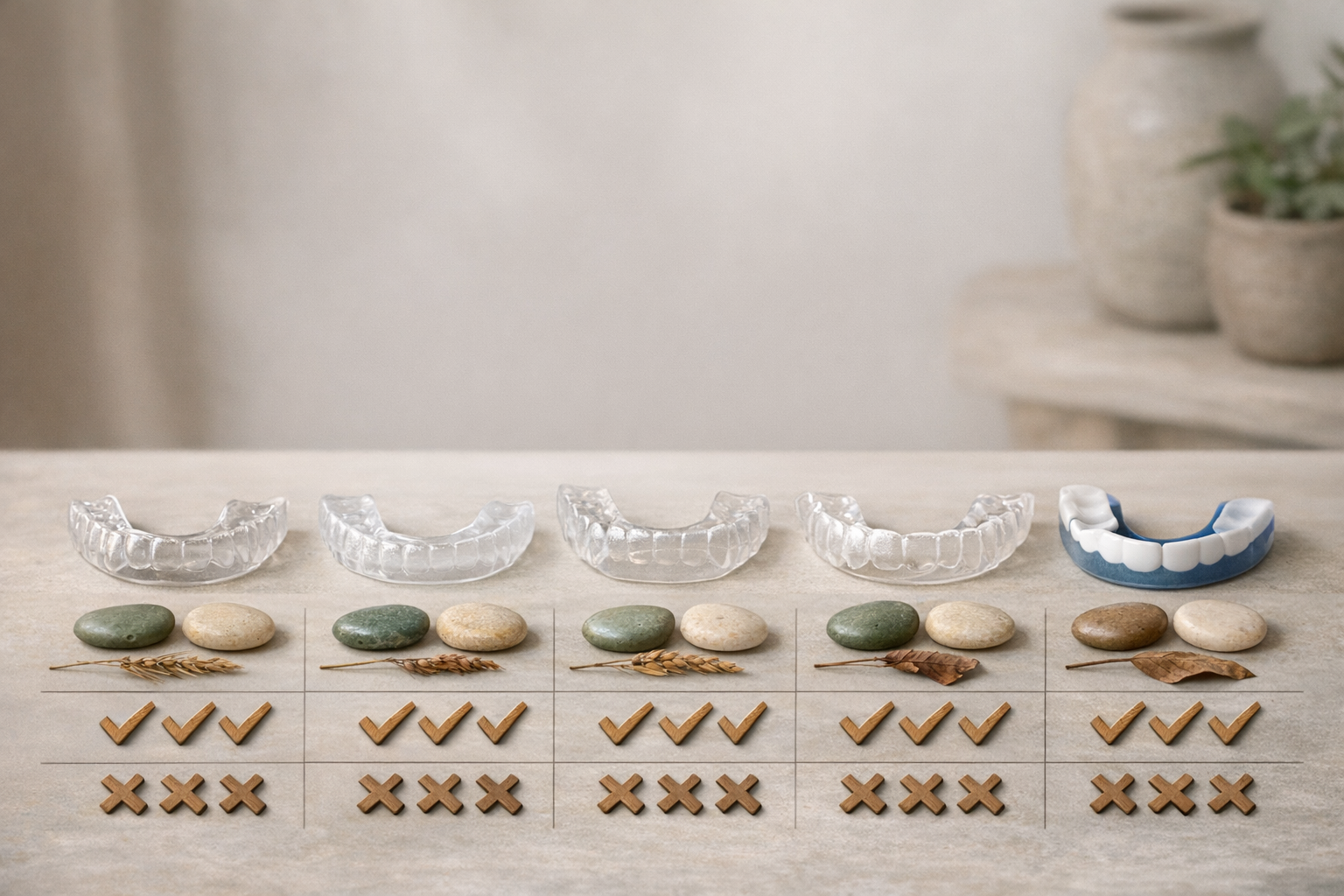
Hard Occlusal Splints
Hard splints are typically made from acrylic resin. They cover either the upper or lower teeth and are adjusted by a dentist so that each tooth meets the plastic evenly. Their durable design provides precise control over jaw positioning.
- Pros: Durable, easy to clean, can be adjusted for bite correction
- Cons: More expensive, can feel bulky, require dental visits for adjustments
A 2025 study by Akat et al. found that hard splints reduced joint vibrations, an indicator of mechanical stress, more effectively than soft versions. This reduction in stress may lead to less pain over time. Some dentists also prescribe repositioning hard splints, designed to move the lower jaw slightly forward at night to relieve stress on a damaged joint disk. These require meticulous follow-up but can be effective for patients with specific issues.
Soft and Semi-Soft Occlusal Splints
Soft guards are made from thermoplastic materials, similar to a sports mouthpiece. Semi-soft designs feature a soft inner layer for comfort and a firmer outer layer for durability.
- Pros: Comfortable, less expensive upfront, quick to make
- Cons: Wear out faster, may encourage chewing, offer less control over bite
A 2023 review by Nassif and colleagues highlights new soft-to-hard layered guards that aim to blend comfort with stability. While early lab results are promising, long-term human data is still limited. If your primary goal is preventing tooth wear rather than adjusting joint position, a dual-laminate guard might be a cost-effective choice. For those interested in natural approaches, explore yoga and meditation for jaw tension relief.
Custom vs Over-the-Counter Options
Proper fit is crucial. Custom guards are crafted from dental impressions or digital scans of your teeth, while over-the-counter (OTC) guards are available in one-size-fits-most options that you soften in hot water (boil-and-bite) or come in preset trays.
Finite element modeling by Darvizeh et al. compared force distribution in custom guards versus boil-and-bite units. Custom devices spread pressure more evenly, reducing stress on joint structures, which can mean less TMJ pain at night. See how these solutions compare in our honest comparison of OTC and custom night guards.
Cost is a significant factor. A dentist-made guard can cost between $300-$800, while an OTC version is less than $40. If an OTC guard provides relief and comfort, it might be sufficient. However, if it's uncomfortable, it could be a waste. Balance cost with comfort and durability.
Effectiveness of TMJ Mouth Guards
Do mouth guards work? The short answer is often yes, but the level of relief varies. Here is what the evidence indicates.
A comprehensive 2026 review by Natarajan Aparna and colleagues titled “Occlusal ‘Splints’: What Is the Evidence?” analyzed randomized trials and cohort studies. They found that hard acrylic splints worn at night significantly reduced pain compared to no treatment in myofascial TMD patients. However, the results were similar to those achieved with cognitive behavioral therapy or simple jaw exercises, suggesting that splints are beneficial but not superior.
On the technological front, a 2025 study compared 3D-printed and conventional splints, finding no significant difference in pain scores after three months [3]. The key takeaway is that accurate fit is crucial regardless of manufacturing method. Some new models include micro-sensors that track wear time, providing dentists with data on compliance, which is useful if your symptom diary doesn’t match actual usage.
Mechanistic data supports the use of guards as well. Mahdi and Al-fahham’s 2025 review compiled electromyography studies showing reduced muscle activity during clenching when participants wore well-adjusted splints [6]. Less muscle overwork can lead to fewer headaches in the morning. For more insights, explore innovative mouth guard designs.
However, there are limitations. Many trials have small sample sizes, short follow-up periods, and participants are rarely blinded (you would notice if you have plastic in your mouth). Adherence tends to decrease over time. So, if someone claims a mouth guard will "cure" TMJ issues, maintain a healthy skepticism.
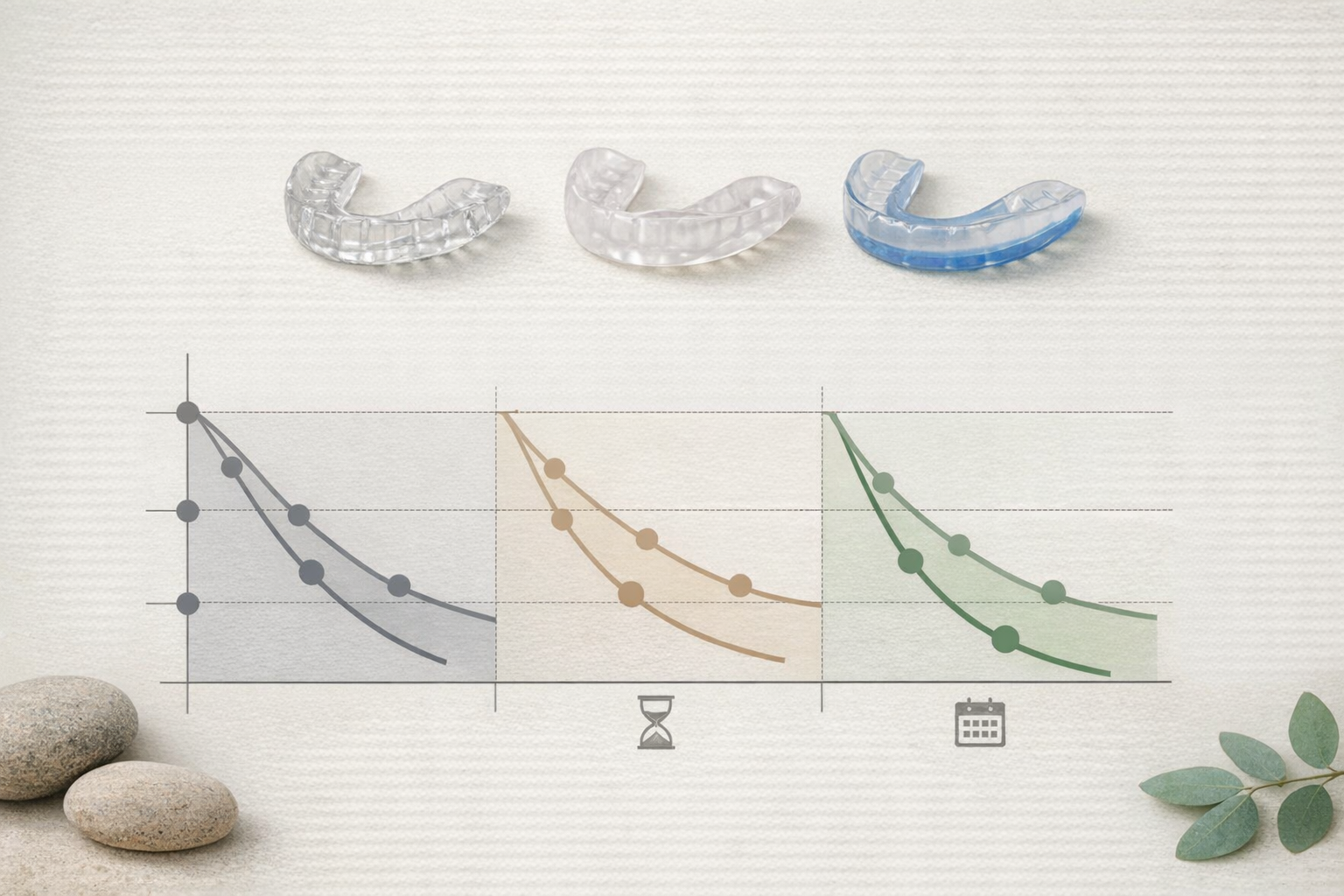
Choosing the Right Mouth Guard for You
The ideal guard balances comfort, effectiveness, and budget. While a quick online quiz can't replace a professional evaluation, you can prepare by understanding what factors are important.
Factors to Consider
- Symptom pattern: Are you grinding, clenching, or both? Soft guards may suffice for mild grinders, while hard acrylic is better for chronic clenchers.
- Bite complexity: Those with missing teeth, crowns, or orthodontic work often need a custom design to protect their dental hardware.
- Material sensitivity: Some plastics contain methacrylates that can irritate gums. Inquire about hypoallergenic options.
- Sleep habits: Mouth breathing or sleep apnea can be aggravated by a bulky guard. Discuss these concerns with your dentist.
- Budget and insurance: Dental insurance may cover part of a guard if deemed “TMD therapy.” Verify with your provider before the appointment.
Consider this scenario: Carlos, a night-shift paramedic, found that a slim lower splint allowed him to communicate clearly on radio calls during naps, while an upper guard muffled his speech. Such lifestyle nuances can impact adherence significantly. Learn more about how sleep positions impact bruxism and jaw pain.
Consulting with a Professional
A dentist or orofacial pain specialist can:
- Determine if your pain is muscle-based, joint-based, or both through palpation and imaging if necessary.
- Decide if an upper or lower guard is suitable based on your bite dynamics.
- Adjust the splint after delivery to prevent discomfort and ulcers.
- Reassess your jaw every 6-12 months to ensure the appliance still fits as teeth naturally shift over time.
Prepare a list of questions to ask during your appointment:
- How long should I wear the guard each night?
- What are signs that it is helping or causing harm?
- How many follow-up visits are included in the cost?
- What if I break or lose the guard within a year?
Trusted sources like the American Dental Association and Mayo Clinic emphasize the importance of professional guidance rather than self-diagnosing through social media.
Care and Maintenance of TMJ Mouth Guards
Think of your guard as a medical device, not a toy. Proper care prevents bacteria buildup and prolongs its lifespan.
- Daily cleaning: Rinse the guard with cool water after use. Brush gently with a soft toothbrush and non-abrasive soap, avoiding toothpaste which can scratch the surface.
- Weekly deep cleaning: Soak the guard for 10 minutes in a solution of equal parts white vinegar and water, then rinse and air-dry. Avoid boiling water to prevent warping.
- Storage: Keep it in a ventilated case away from pets and direct sunlight.
- Check for wear: Look for cracks or flattened areas indicating the need for adjustments or replacement.
- Do not share: Sharing spreads bacteria and can alter the guard's fit.
If you travel often, consider keeping a spare guard in your luggage. Lost or forgotten guards are a common reason for interruptions in treatment, and a week of grinding can set back progress.
With proper care, a hard acrylic guard can last 3-5 years, while soft guards may need replacing every 6-12 months. Monitoring wear will help prevent a return of symptoms. For detailed care instructions, see our definitive guide on cleaning night guards.
Beyond Mouth Guards: Additional TMJ Treatments
Mouth guards are effective but rarely a standalone solution for persistent TMJ pain. A comprehensive approach often yields the best results.
- Physical therapy: Exercises and myofascial release can reduce muscle tension. A trial showed that combining splints with PT led to quicker improvements [8].
- Medications: NSAIDs or muscle relaxants can alleviate acute flare-ups. Explore how muscle relaxants provide TMJ pain relief.
- Stress management: Stress increases bruxism. Techniques like mindfulness and biofeedback can help.
- Diet adjustments: Softer foods reduce joint strain. Avoid hard or chewy items during pain episodes.
- Interventional options: Corticosteroid injections or, in rare cases, surgery may be recommended when conservative treatments fail as outlined in Mahdi and Al-fahham’s review [6].
- Posture correction: Proper posture can relieve jaw tension. Simple cues like aligning ears over shoulders when using devices can help.
Think of the guard as just one part of a rehabilitation strategy. Combining treatments often reduces recovery time. For more natural options, discover holistic approaches for bruxism relief.
Conclusion
TMJ disorders can significantly impact daily life, but the right mouth guard can alleviate pressure, reduce muscle strain, and provide nighttime relief. Hard acrylic splints offer precision, soft guards are comfortable, and a custom fit outperforms flashy branding. Evidence from trials shows consistent pain reduction when used properly.
Your next steps: seek a professional evaluation, compare custom and OTC options, and commit to regular use and care. Combine the guard with physical therapy, stress management, posture improvements, and dietary changes for a comprehensive approach. By treating TMJ management as a collaborative effort, you increase your chances of speaking, chewing, and yawning without discomfort.