How to Identify and Address TMJ Pain from Work-Related Stress
Discover ways to recognize and relieve TMJ pain caused by work stress.

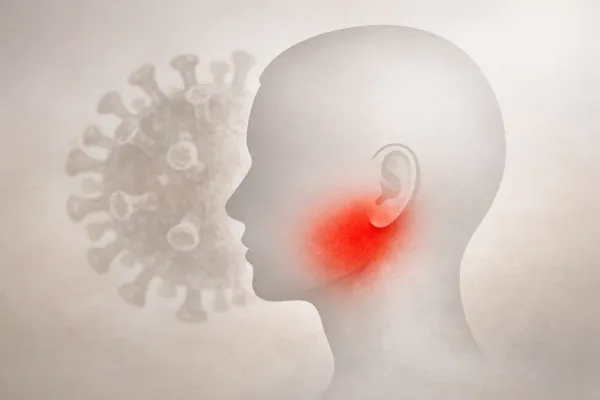
You can tackle a packed inbox, endless video calls, and whatever fresh crisis your boss sends just before closing time, but your jaw might be feeling the effects. If you notice a dull ache near your ears after a long workday or wake up with sore teeth, your temporomandibular joint (TMJ) could be warning you. Research indicates that work stress is a notable trigger for TMJ disorders (TMD). The positive news is that science also suggests practical ways to relieve TMJ pain caused by work stress.
This article will explore how work stress affects your jaw, how to recognize the early signs, and what evidence-based methods—from simple stretches to advanced treatments—can provide relief. You'll also learn how to prevent the issue from recurring when the next project deadline looms. Whether you're a remote worker juggling between Slack and Zoom or a frontline employee glued to a radio, the following advice is designed to fit real-world schedules and budgets.
Understanding TMJ Pain and Its Causes
The temporomandibular joint is like a sliding hinge, connecting your jawbone to your skull. When this joint or the surrounding muscles become irritated, it manifests as TMJ pain or a broader group of issues known as temporomandibular disorders. A systematic review of military, police, and firefighter personnel found that as many as 52 percent of high-stress workers reported TMD symptoms. This data aligns with civilian statistics, indicating that the disorder is quite common.
Consider the joint as a compact marvel: a disk of cartilage acts as a cushion while multiple small ligaments and muscles guide movement. Because so many structures must work in perfect harmony, even minor disruptions—such as an inflamed ligament or a slightly misaligned bite—can escalate into pain that spreads to the temples or down the neck.
There are several overlapping causes of TMJ pain:
- Mechanical strain on the joint discs and cartilage
- Inflammation in nearby tissues
- Hormonal fluctuations affecting connective tissue stability
- Psycho-emotional stress tightening jaw muscles and altering bite patterns
Stress is particularly significant because it involves both body and mind. A study on psycho-emotional stress in women found that cortisol spikes, anxiety, and shifting estrogen levels significantly increased TMD risk. Simply put, when you clench emotionally, you clench physically, and your jaw feels the pressure.
Researchers have identified a feedback loop: TMD pain increases stress, which keeps the muscles tight and the joint inflamed. Breaking this loop begins with understanding how work stress contributes to the problem.
How Work Stress Contributes to TMJ Pain
Your job can impact your jaw in two primary ways. First, psychological stress triggers a fight-or-flight response that increases muscle tension. Second, many work tasks—like long hours hunched over a laptop—promote poor posture that affects jaw alignment. A review linking mental health and TMD highlighted how anxiety and depression amplify muscle activation in the jaw even during rest. The researchers argued that workplace stress not only correlates with TMJ pain but is a direct contributor.
Consider two different employees. Maya, a graphic designer, notices her jaw locking after intense design sessions before client deadlines. She admits to sipping iced coffee all day and rarely taking breaks except to answer Slack messages. In contrast, Carlos, a project manager, schedules five-minute “micro-pauses” between meetings to stretch, hydrate, and perform a quick chin tuck. Despite similar workloads, Carlos reports fewer jaw issues, showing how stress management and recovery habits influence TMD risk more than job title alone.
Other findings support this. The same systematic review of high-stress professions mentioned earlier found that irregular shift schedules and high decision demands predicted higher rates of jaw clicking, headaches, and facial pain. If your job regularly spikes adrenaline, your masticatory muscles work overtime too.
Signs of TMJ Pain from Stress
- Morning or late-day jaw stiffness, indicating clenching during sleep or meetings
- Clicking or popping noises when opening or closing your mouth
- Headaches starting at the temples and radiating upward
- Ear fullness or ringing unrelated to infection
- Difficulty chewing hard foods after a tense workday
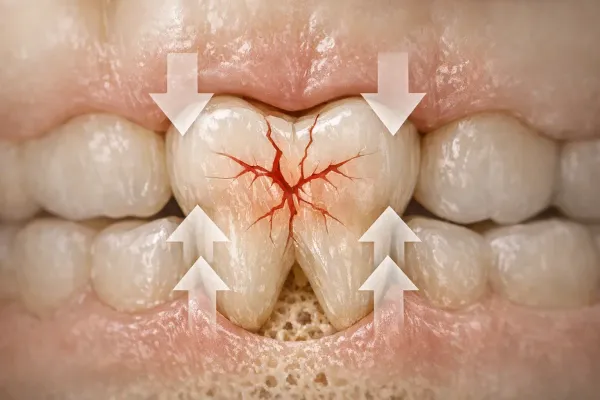
- Uneven tooth wear that your dentist notices before you do
Track when symptoms flare up. If the pattern mirrors your workload or office drama, stress is a likely cause. Keeping notes in your phone after meetings or at bedtime can help you—and your dentist—connect the dots. Some patients even share these logs with HR or managers to negotiate ergonomic upgrades or schedule changes based on health data rather than vague complaints.
Things That Make TMJ Worse
Once the joint is irritated, certain habits can exacerbate the problem. Researchers examining abnormal mechanical stress found that uneven loading of the joint accelerates cartilage breakdown and bone changes. Below are common triggers you can control.
- Poor posture at the desk. A forward head position forces your lower jaw back, compressing the joint.
- Chronic bruxism (tooth grinding). Bruxism is both a cause and a consequence of stress-related TMD.
- Chewing gum nonstop. Overworked jaw muscles never get a rest.
- Clutching a phone between shoulder and ear. The asymmetry twists your jaw alignment.
- Stimulants like excessive coffee. Caffeine can heighten muscle tension and nighttime grinding.
Identify which triggers you can reduce today, then pair that with active relief strategies to break the pain cycle. Even swapping gum for sugar-free mints or investing in a hands-free headset can reduce daily strain.
Effective TMJ Pain Relief Strategies
Relief often requires a combined approach: self-care for quick wins and professional interventions for persistent cases. Evidence supports both paths, so mix and match according to symptom severity and budget.
Home Remedies
- Heat and cold rotation. Apply a warm compress on the jaw muscles for 10 minutes to relax tight tissue, then switch to a cold pack for five minutes to reduce inflammation. The Cleveland Clinic endorses this simple method.
- Mindful jaw relaxation. Set a phone alarm every hour. When it rings, let your tongue rest on the roof of your mouth behind your front teeth and unclench. This helps break subconscious clenching cycles. Some people pair the alarm with a calming wallpaper image to encourage deeper breaths.
- Magnesium-rich diet. Foods like almonds and leafy greens may naturally relax muscles. They won't cure TMD alone, but they support overall muscle function.
- Over-the-counter pain relievers. NSAIDs like ibuprofen reduce inflammation, but use them as a temporary solution, not a long-term fix.
- Quality sleep hygiene. Better sleep lowers cortisol, which in turn lowers muscle tension. Keep the bedroom cool, dark, and screen-free an hour before bed.
A bonus tip often overlooked: switch to softer foods such as steamed vegetables or smoothies during acute flare-ups. Giving the joint a "soft cast" for 48 hours can relieve strain long enough for inflammation to settle.
Professional Treatments
When home remedies aren't enough, research-backed clinical options are available.
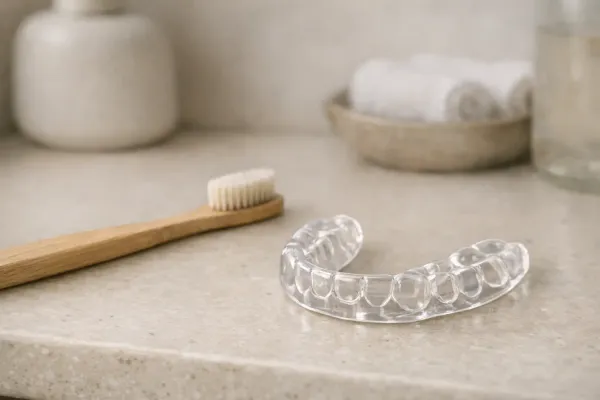
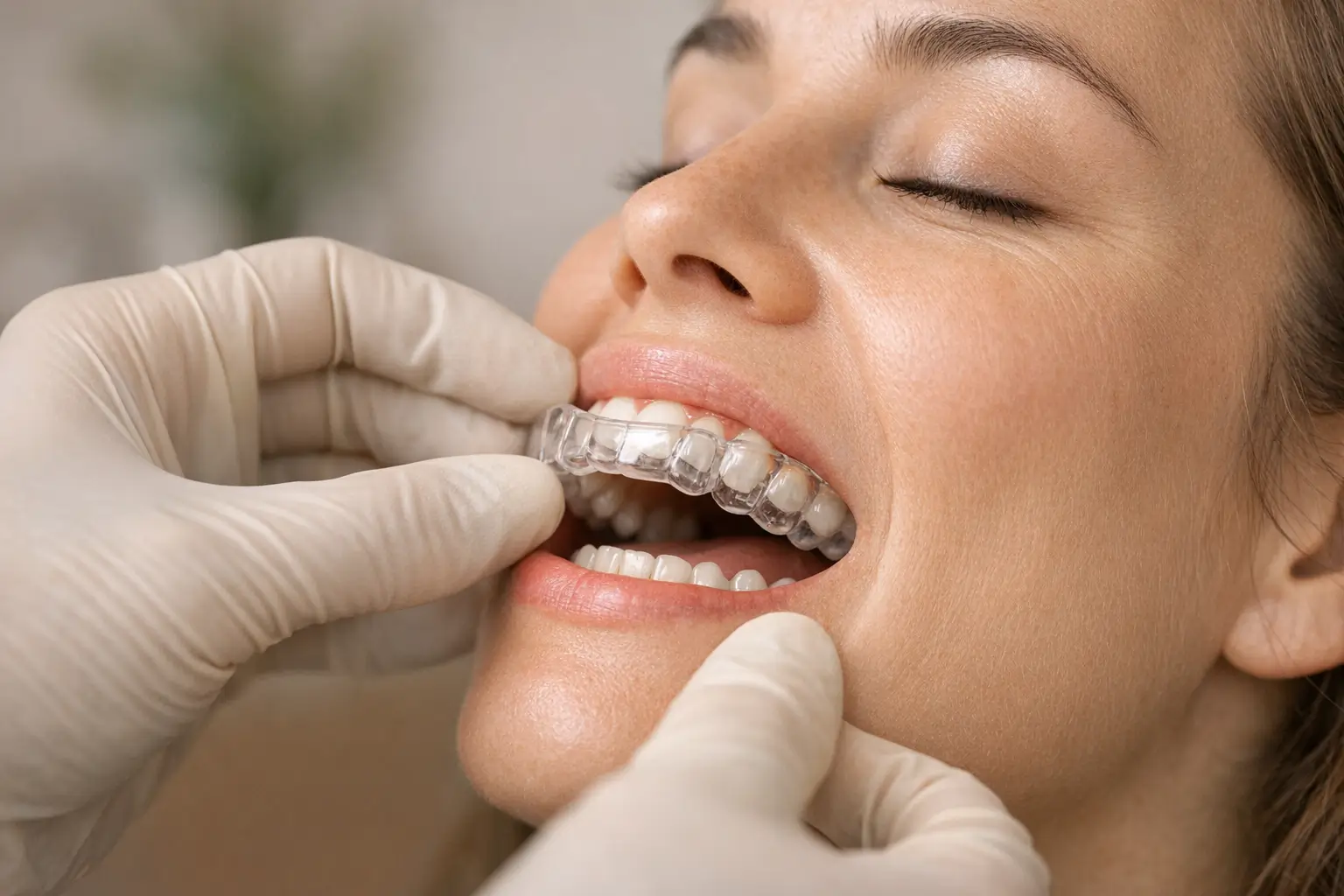
- Custom resin splints. A randomized trial showed that patients using a precision-made resin plate reported significant pain reduction within four weeks. Splints help redistribute bite forces and discourage grinding.
- Hyaluronic acid injections. A recent meta-analysis found that hyaluronic acid outperformed placebo for both pain relief and improving jaw opening range. The lubricant cushions the joint, much like how WD-40 quiets a squeaky hinge.
- Physical therapy. A therapist can guide targeted stretches and postural corrections. Look for one who specializes in orofacial pain.
- Cognitive behavioral therapy (CBT). Stress modulation through CBT reduced both anxiety scores and TMD symptoms in a mental health study.
- Botulinum toxin. Although considered off-label, small doses in the masseter muscle can calm hyperactivity. Discuss the pros and cons with a qualified oral surgeon.
Many clinicians now offer bundled services—think a "jaw wellness package" of splint fabrication, two physical therapy sessions, and a CBT referral—so inquire about multidisciplinary discounts. Insurance often covers at least part of physical therapy and oral appliances when documented as medically necessary.
TMJ Exercises for Pain Relief
Targeted exercises can build muscle balance and joint stability. In a biomechanical study of jaw deviation, controlled exercises improved joint loading and reduced pain scores. Below are clinician-approved exercises you can do at your desk or in front of a mirror.
- Chin tucks. Sit with shoulders back. Pull your chin straight toward your neck without tilting down. Hold for five seconds. Repeat 10 times.
- Resisted mouth opening. Place two fingers under your chin. Open your mouth slowly while applying gentle resistance. Hold for three seconds, then close. Do five reps.
- Lateral jaw slides. With teeth slightly apart, move your lower jaw to the right, hold for two seconds, return to center, then slide left. Five reps per side.
- Controlled yawns. Open your mouth as if yawning until you feel a mild stretch—no pain—then close slowly. Three gentle reps help lubricate the joint.
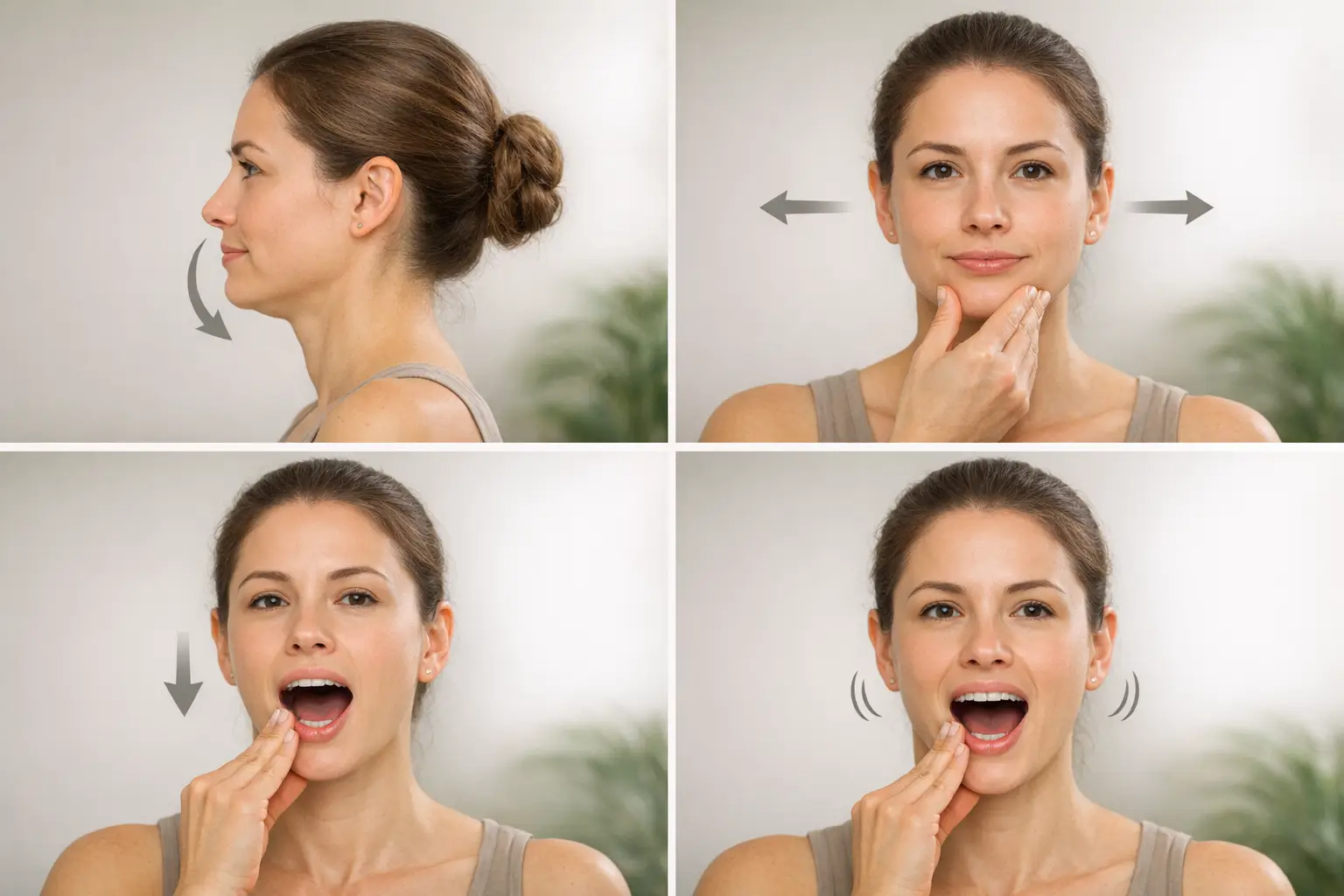
Consistency is more important than intensity. Start twice daily, then reduce to maintenance once symptoms improve. If any exercise causes sharp pain, stop and consult a professional. Some patients film themselves to ensure symmetrical movement, particularly during lateral slides where subtle deviations can be easily missed.
Preventing TMJ Pain from Work Stress
You can address pain today, but prevention helps avoid future issues. Studies emphasize that managing both stress and mechanical strain reduces recurrence risk. The goal is to make your daily routine jaw-friendly before tension sets in.
Lifestyle Changes
- Ergonomic workstation. Keep the top of your monitor at eye level and elbows at 90 degrees. This aligns your head, neck, and jaw.
- Scheduled microbreaks. Stand, stretch, or perform a chin tuck every 30 minutes. The National Institute of Dental and Craniofacial Research notes that movement variation reduces joint fatigue.
- Balanced nutrition. Limit ultra-chewy snacks like jerky and replace them with softer protein sources. Adequate omega-3 intake may help lower inflammation.
- Alcohol moderation. Excess drinking can disrupt sleep and worsen clenching episodes.
- Audit your bag weight. Lopsided shoulder bags tilt the neck and jaw alignment. Opt for backpacks or lighten the load.
Stress Management Techniques
- Box breathing. Inhale for four counts, hold for four, exhale for four, hold for four. This resets the nervous system, reducing jaw muscle tone.
- Progressive muscle relaxation. Start at your toes, tense for five seconds, release, and move up the body. When you reach your face, consciously relax your jaw.
- Mindfulness apps. Ten-minute guided meditations at lunch can reduce afternoon tension spikes.
- Physical activity. Aerobic exercise three times a week reduces perceived stress and, by extension, TMD symptoms, according to Mayo Clinic guidance.
- Boundaries with tech. Disable work email notifications after hours to give jaw muscles and brain chemistry a synchronized break.
Choose at least two techniques that fit your personality and schedule. The aim is regularity, not perfection. Even a single five-minute breathing routine before a high-stakes client call can reduce enough tension to prevent nighttime clenching.
Conclusion
TMJ pain associated with work stress is common, treatable, and largely preventable. By understanding the relationship between psychological pressure and jaw mechanics, you can take targeted action. Start with simple steps: track symptom patterns, correct your posture, and practice daily jaw exercises. Integrate professional help like custom resin splints or hyaluronic acid injections if pain persists.
Research is clear: addressing both muscle tension and mental stress offers the best chance for lasting relief. Think of your TMJ as a barometer for how well you manage daily pressures. Pay attention to it, make incremental changes, and you can transform that alarming jaw pop into just another harmless click on your calendar.