Understanding the Teeth Grinding Headache Connection
Discover the link between teeth grinding and headaches, and explore solutions.
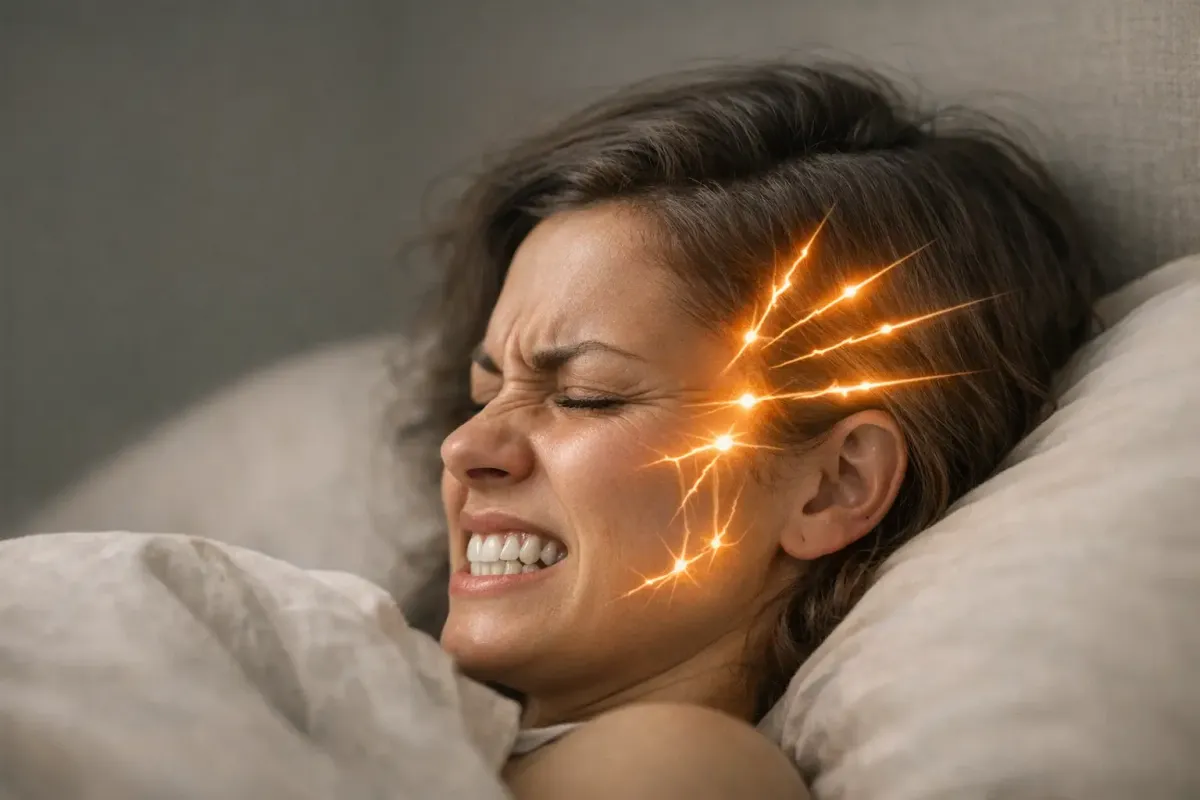
You wake up with a tight jaw and a dull throb behind your eyes. Coffee helps, but by mid-afternoon the ache is back, right where your temples meet your eyebrows. If this sounds like your daily routine, your teeth might be grinding away while you sleep. Research shows that this unconscious clenching—known as bruxism—is linked to tension-type headaches and migraines. The good news is that once you understand this connection, you can address both issues together.
Bruxism and Its Connection to Headaches
Bruxism is the medical term for repetitive jaw-muscle activity that involves clenching, grinding, or gnashing of the teeth. It manifests in two main types: awake bruxism, which you might notice during a stressful meeting, and sleep bruxism, which occurs while you are asleep.
Estimates of bruxism prevalence vary widely, from 8 percent to about 31 percent of adults. This is due to different studies using varied definitions and diagnostic tools. A comprehensive review, Dupare et al. 2025, pooled data from over 40 papers and found that roughly one in five people grind their teeth often enough to be measured.
How do headaches fit into this picture? The same review noted that people with bruxism had significantly higher odds of tension-type headaches compared to non-bruxers. Another review by Voß et al. 2024 highlighted a consistent pattern: the more intense and frequent the grinding episodes, the more likely patients were to report morning or day-long headaches.
The mechanism is both mechanical and biochemical:
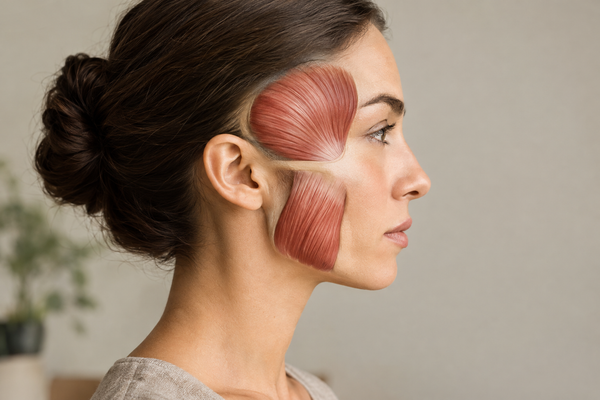
- Muscle overload: Chronic contraction of the masseter and temporalis muscles can lead to reduced blood flow and release of pain-producing metabolites.
- Nociceptor sensitization: Repeated strain may lower the pain threshold, causing your brain to interpret even mild muscle activity as painful.
- Central processing: Studies using functional MRI suggest that people who grind have altered pain modulation pathways, making them more sensitive to head pain.
These factors create a cycle: tight jaw muscles lead to head pain, and head pain keeps jaw muscles tense. Without breaking this cycle, you can chase headaches with pills all day and still wake up sore tomorrow.
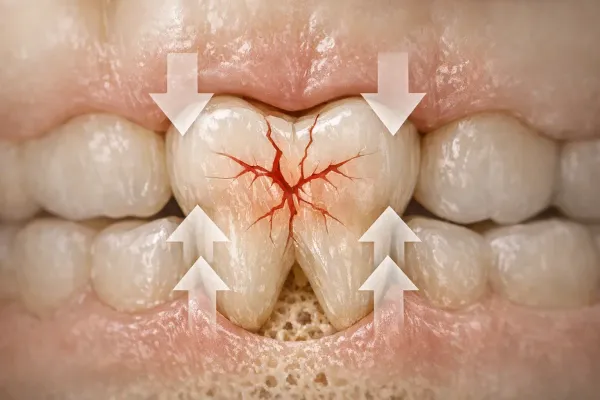
Not sure if you grind your teeth? A simple self-check is to place your tongue lightly between your front teeth while working, driving, or scrolling on your phone. If you catch yourself biting down within a minute, you are likely engaging in awake bruxism. Another sign is the “mirror test”: open wide and look at the tips of your canines and incisors. Flattened or chipped edges often indicate long-term grinding.
In healthy rest, dentists talk about the “N-rest position”—lips together, teeth apart, and the tip of the tongue resting on the roof of the mouth behind the front teeth. Memorizing this relaxed posture and checking in a few times per day can prevent daytime clenching from turning into nighttime grinding.
The Impact of Sleep Bruxism on Headaches
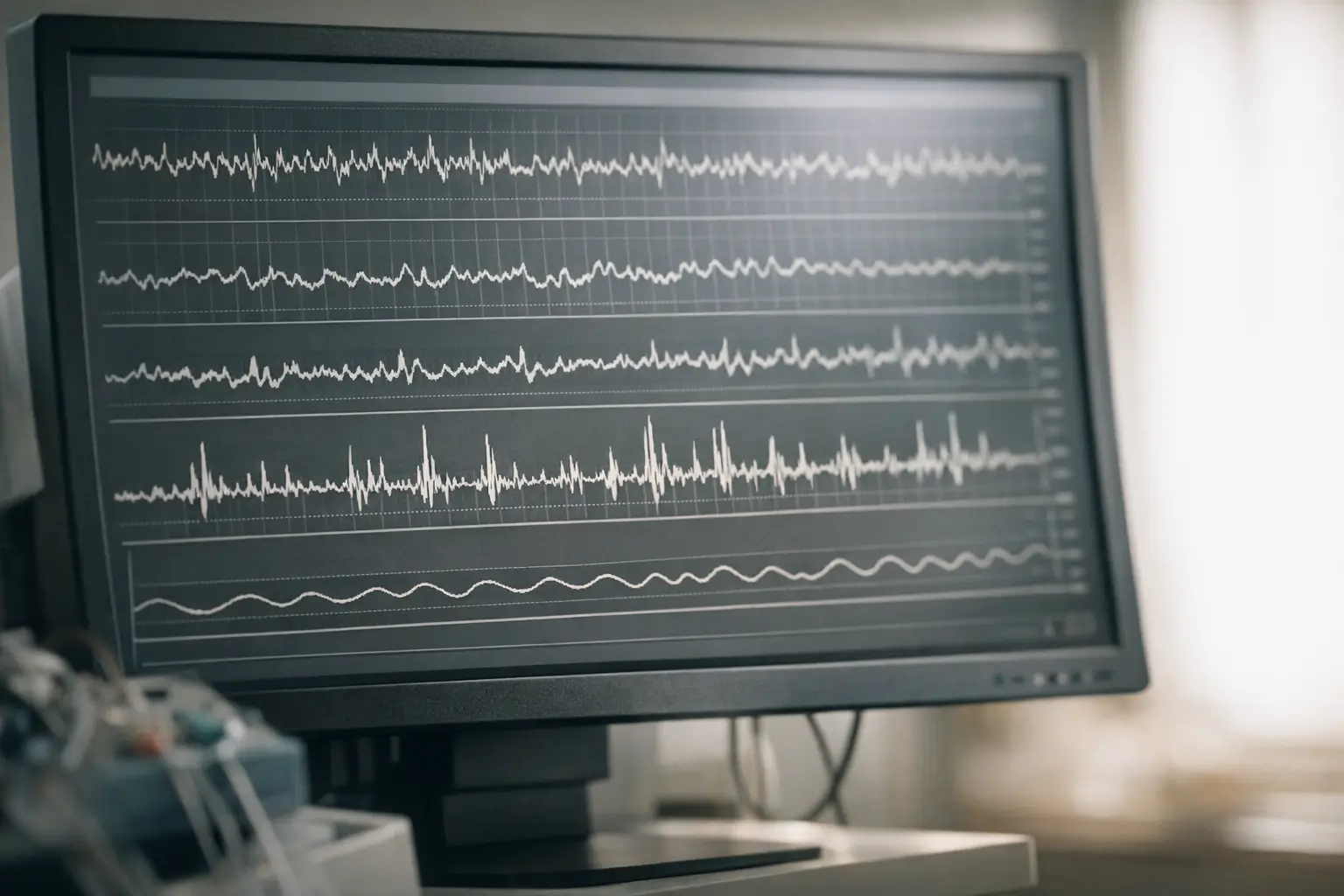
Sleep bruxism deserves special attention because your brain’s nighttime rhythms affect how pain signals travel. A sleep lab study by Błaszczyk et al. 2025 found that grinding episodes clustered in lighter non-REM sleep stages among chronic migraine patients. Those with frequent bruxism experienced:
- More micro-arousals per hour of sleep
- Shorter periods of restorative slow-wave sleep
- Higher next-day headache intensity scores
When sleep architecture is disrupted, you get less deep sleep—the phase that repairs muscles and clears inflammatory waste from the brain. Repeated arousals also trigger bursts of sympathetic nervous system activity, which can increase blood pressure and tighten cranial blood vessels—classic migraine triggers.
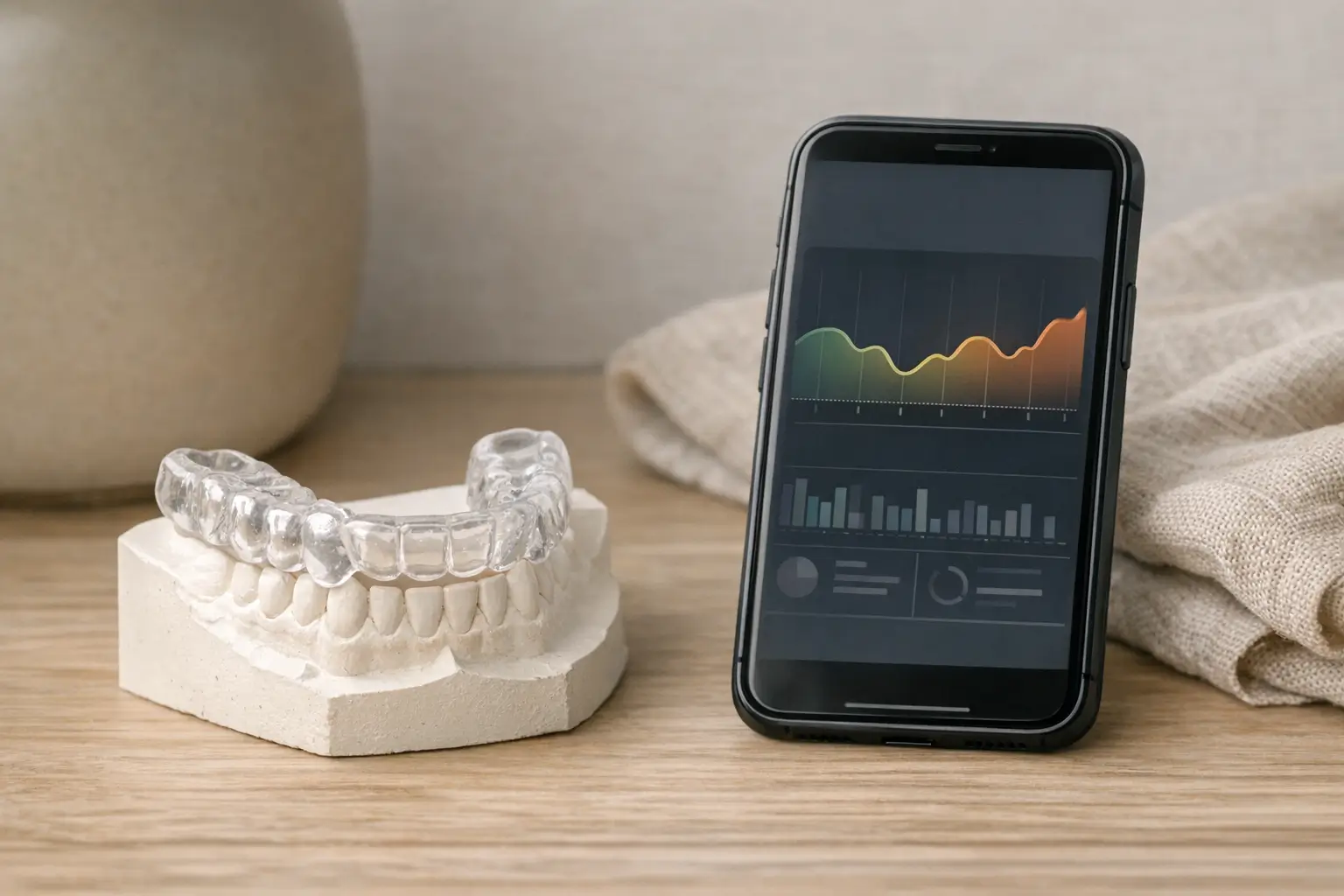
Many people learn about their bruxism through a partner's complaints about "bean-grinder sounds" at night. But technology is catching up. New consumer devices, like mouth-guard-style wearables with EMG sensors or smartwatches with jaw-motion algorithms, can detect clenching spikes and sync data to an app. While not diagnostic on their own, these gadgets create a helpful record to show a sleep specialist.
Bruxism isn't just an adult problem. A 2024 study by da Costa et al. found that preschoolers who ground their teeth three or more nights a week had twice the odds of waking with headaches or facial pain. The takeaway: bruxism doesn't disappear with age; it just changes its clinical presentation.
A home sleep test or an in-lab polysomnogram might reveal more than snoring. If grinding is disrupting your deep sleep, treating bruxism could reduce both fatigue and head pain. Parents should also pay attention to nighttime tooth noises in kids who complain of headaches in the morning—early intervention can prevent years of dental damage.
Temporomandibular Joint Disorders and Headaches
The temporomandibular joint (TMJ) acts like a sliding hinge, connecting your jawbone to your skull. Frequent grinding can stress this joint, leading to pain, clicking, locking, or limited movement of the jaw—conditions often grouped under temporomandibular joint disorders (TMD).
According to Dupare et al. 2025, between 40 percent and 70 percent of people with TMD also report bruxism. The overlap is even greater when headaches are present: about 60 percent of TMD patients with bruxism report chronic tension-type headaches.
Early signs of TMJ trouble may include an audible click when chewing, soreness when opening wide, or an unexplained earache. Catching these symptoms early—ideally during a routine dental exam—can prevent the full-blown headache cascade later on. For more information on these symptoms, you can explore why your jaw hurts after sleeping and explore effective solutions.
Pankaew et al. 2024 offered a fresh perspective by suggesting that painful TMD might be the primary “headache” for many patients. In other words, what feels like a tension headache could actually stem from inflammation and micro-trauma in the TMJ capsule.
Clinicians explain the link as follows:
- TMJ inflammation triggers pain signals that travel along the trigeminal nerve, a major pathway for headache pain.
- Bruxism exacerbates joint wear, causing disc displacement or arthritis-like changes that perpetuate the pain loop.
- TMD-related pain can activate central sensitization, lowering the threshold for future headaches even when the jaw is at rest.
Simply put, if your jaw joint is in trouble, your head will know about it. This is why dentists and neurologists now collaborate more than ever; solving jaw problems often alleviates relentless headaches. For more about the jaw and headache connection, check out ear pain linked to TMJ and bruxism.
Factors Behind Bruxism: Anxiety, Stress, and Medication
Why do some people grind their teeth while others sleep peacefully? Psychology, stress, and medication all play roles. Bruxism is often a physical manifestation of a brain stuck in fight-or-flight mode.
Case in point: Paroxetine, a common SSRI used for anxiety, has been identified as a bruxism trigger. Najmi et al. 2025 described a patient who began severe nocturnal grinding within two weeks of starting the drug. Discontinuing paroxetine resolved the grinding and morning headaches.
Reboxetine, another antidepressant, has been suggested as an alternative for medication-induced bruxism. A case series by Castro and Altable 2025 found that switching drugs reduced jaw-clenching episodes by 70 percent and lowered headache frequency.
Even without medication, daily stress is a significant driver. The Cleveland Clinic’s bruxism overview lists job strain and relationship tension as top culprits. When your body is stressed, your jaw muscles often follow suit, outside your conscious control. Explore how stress exacerbates bruxism to understand more about this link.
Mind-body research indicates that people with generalized anxiety disorder have higher electromyography (EMG) readings in jaw muscles both awake and asleep. This hyper-reactivity creates a cycle: anxiety leads to clenching, clenching causes pain, and pain fuels more anxiety.
Caffeine, nicotine, and alcohol add extra risk. All three stimulate the central nervous system and can disrupt sleep, priming muscles for nocturnal overactivity. Cutting out afternoon caffeine or the post-dinner drink is a simple change that often yields surprising benefits. Learn more about how alcohol affects teeth grinding and what you can do to mitigate its effects.
If you're dealing with an anxiety disorder, an SSRI, and a habit of late-night screen time, you're essentially giving your jaw a nightly workout plan. Identifying and defusing these triggers is as important as using any oral appliance.
Effective Treatments and Management Strategies
No single solution stops bruxism or the headaches it causes. A multi-faceted plan usually works best, combining dental devices, behavioral changes, and sometimes medication adjustments. Here are two key options with strong evidence support.
Occlusal Splints
Occlusal splints, also known as bite guards or night guards, are custom acrylic trays that fit over your teeth. They don't "cure" bruxism but cushion the force, distribute the load, and reduce joint strain. A study by Meeran et al. 2025 showed that custom splints reduced EMG-measured grinding by half within four weeks, while over-the-counter guards had little effect. For more details on choosing the right guard, see how to choose the right bruxism mouth guard.
Splints may also improve headache metrics. In the same study, patients recorded headaches in a pain diary. Those using custom guards saw a 38 percent reduction in headache days, compared to a nonsignificant change in the stock-guard group.
Designs are evolving: digital intraoral scanners now take high-resolution 3-D impressions in minutes, and newer heat-softening materials mold snugly to shifting teeth. Some labs can even embed a microchip that records bite-force peaks, providing dentists with valuable data at follow-up visits.
Dental students seem to grasp this benefit. A survey by Quintana-Cadena et al. 2025 found that 92 percent believed neuromyorelaxing splints help manage stress-induced bruxism and related head pain.
- Pros: Non-invasive, reversible, protects tooth enamel, often covered by insurance if documented as TMD therapy.
- Cons: Up-front lab cost, nightly compliance required, may wear out over time.
Behavioral Therapies
While splints protect your teeth, they don't address the stress behind grinding. That's where behavioral interventions come in.
Biofeedback: Small EMG sensors attach to jaw muscles and beep when you clench. After several weeks of training, you learn to relax the jaw subconsciously. The ADA bruxism page lists biofeedback as a promising therapy with emerging data support.
Cognitive Behavioral Therapy (CBT): By reframing anxious thoughts and practicing relaxation, CBT reduces clenching triggers. Studies show CBT can cut awake bruxism episodes by up to 60 percent and improve sleep quality, indirectly reducing headache load.
Sleep hygiene: Maintaining a consistent bedtime, limiting caffeine after lunch, and dimming screens an hour before bed help stabilize the sleep cycles where bruxism thrives. Discover more about how sleep hygiene can manage bruxism and improve your quality of life.
Physical therapy and jaw exercises: Stretching and myofascial release can lower baseline muscle tension. The National Institute of Dental and Craniofacial Research recommends gentle jaw mobility exercises for patients with bruxism and TMD.
Pairing a splint with behavioral therapy often delivers the best results. The splint protects the jaw, while therapy addresses the underlying causes of grinding.
Botulinum Toxin Injections
For patients who have tried guards and therapy without relief, targeted injections of botulinum toxin type A (Botox) into the masseter and temporalis muscles can reduce muscle power for three to six months. Small trials report up to 40 percent reductions in headache days and significant drops in EMG activity. However, the cost is a downside and is often not covered by insurance, requiring repeat treatments. Discuss this option with a dentist and a board-certified neurologist or facial-pain specialist.
Conclusion: Take Charge of Your Health
Research continues to show that bruxism and headaches are interconnected, linked through muscle overload, altered sleep, and joint inflammation. Treating one without the other is like patching a tire without removing the nail.
Your action plan begins with awareness. Track when headaches occur, note jaw soreness, and identify stress triggers. Ask your dentist or doctor about a sleep study, a custom splint, or a referral for CBT. Review any medications that might be increasing clenching and consider alternatives if needed.
By addressing the root causes of grinding—whether mechanical, psychological, or pharmacological—you stand a much better chance of waking up pain-free. Your jaw will rest easier, and your head will finally get the peace it deserves.