Understanding Bruxism in Athletes: How Training Impacts Jaw Health
Explore how athletic training stress leads to jaw clenching in athletes.
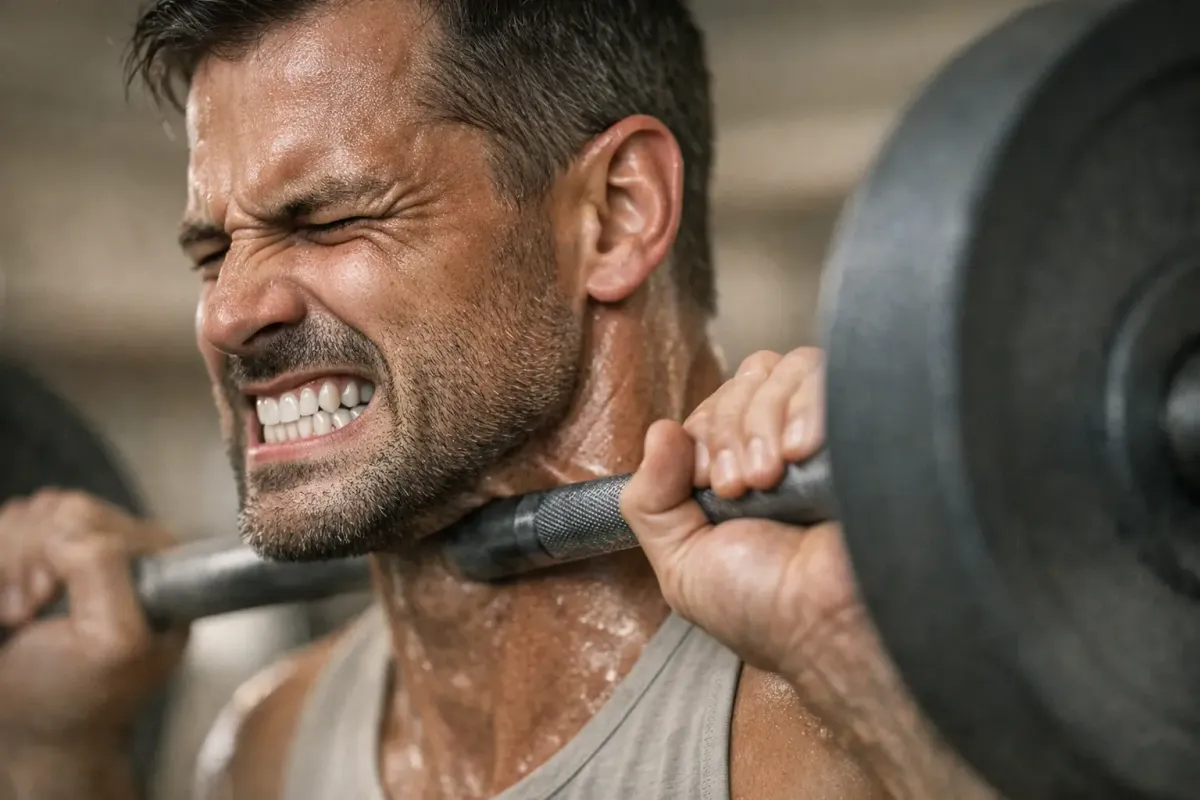
You lace up, push through intervals, cool down, and then wonder why your molars feel like they've been doing hill repeats. That sore jaw isn't random. Research indicates athletes, especially those under constant training stress, clench their jaws more than the average person. Your intense training may be affecting your temporomandibular joint (TMJ). This article delves into the science behind this trend, explains its impact on performance, and offers solutions to manage it.
We’ll start with data, then explore the physiology, and finally provide actionable steps to address the issue. Mouthguards will be discussed, but you won’t need to sleep in an ice bath.
The Prevalence of Jaw Clenching in Athletes
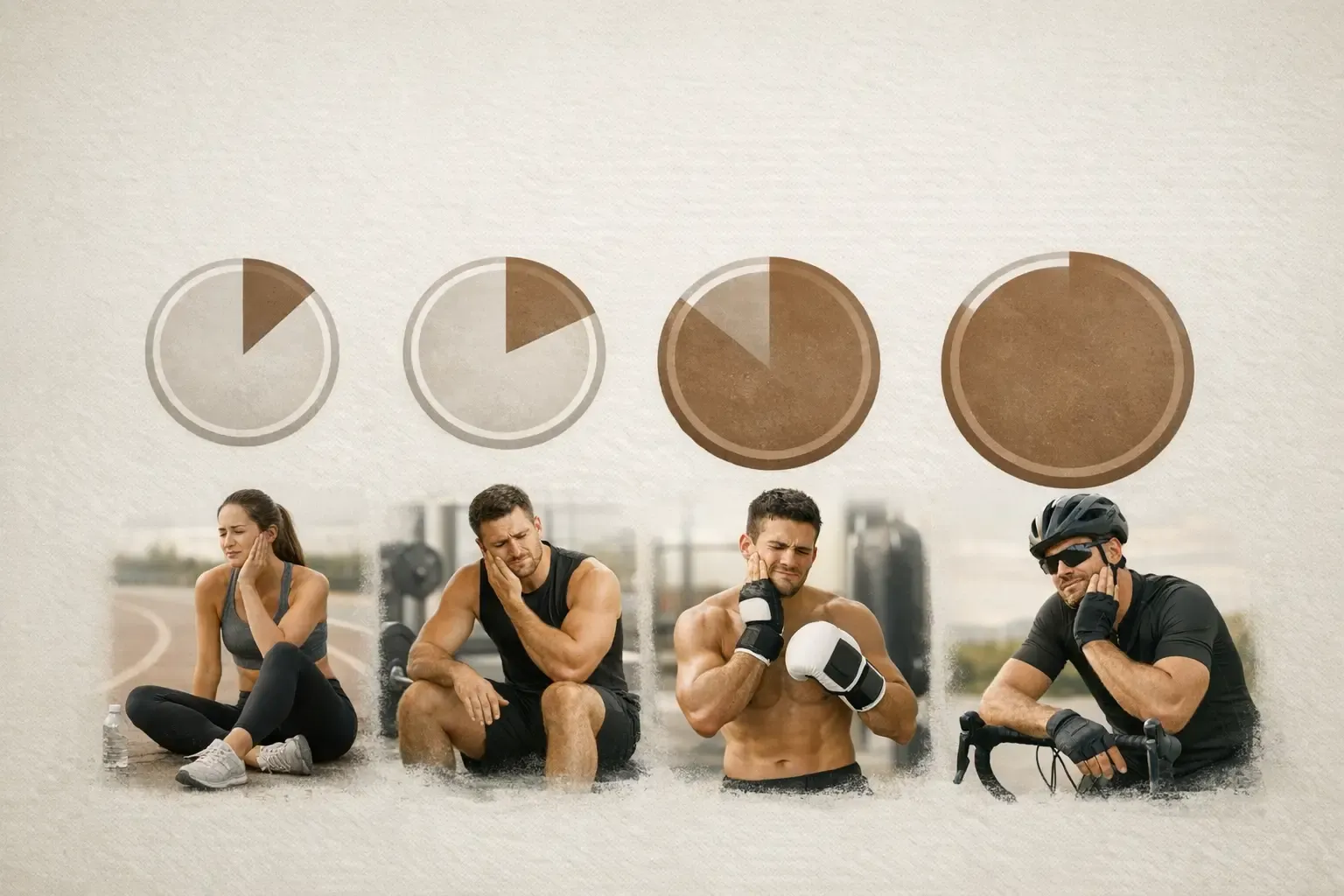
The clinical term for habitual teeth grinding or clenching is bruxism. Bruxism during wakefulness is called awake bruxism, and during sleep, it's sleep bruxism. While the average athlete might shrug it off, researchers provide hard data showing it's common in athletes. A systematic review by Nascimento et al. found bruxism prevalence in competitive athletes is about 35%, compared to 15% in non-athletes. That’s one in three athletes clenching, often unconsciously.
This trend isn't limited to adults. A meta-analysis by Zieliński et al. found bruxism appears in up to 31% of adults globally. Athletes experience higher rates due to stress specific to sports, like training loads, competition anxiety, and the habit of “biting down” during lifts. For more on how stress exacerbates bruxism, see how stress makes bruxism worse.
Sports-specific data shows contact sports like rugby or martial arts see bruxism rates over 40%. Endurance athletes, often battling fatigue, hover around 30%. These rates surpass exercise-induced asthma prevalence in similar groups.
The takeaway: jaw clenching is pervasive in athletes, almost inherent to the grind of training. It's crucial to pay attention because dysfunction in the jaw can affect the entire kinetic chain.
Why does stress manifest this way? The next section explains the physiological cascade.
Training Stress and Its Role in Bruxism
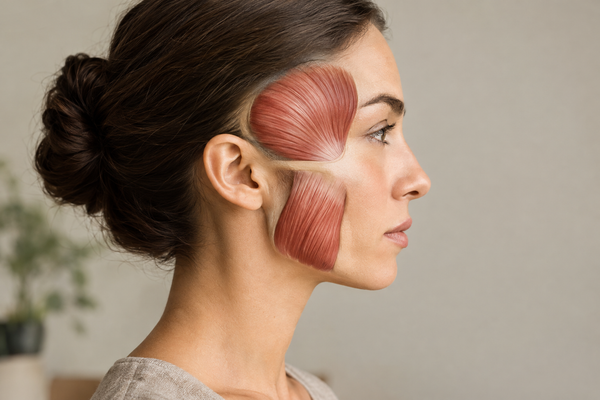
Stress in sports involves physiological responses. When you embark on a marathon plan, your body activates the hypothalamic-pituitary-adrenal (HPA) axis. Cortisol levels rise, sympathetic nerves fire, and muscle tone increases, including in the masseter muscle. A cross-sectional study by Yela-Lorenzo et al. indicated that participants with bruxism had higher abdominal muscle activity at rest, hinting at systemic muscle tension. Learn more about jaw clenching from training.
Stress in athletes isn't just chemical; it's psychological. Concerns about performance can cause micro-arousals during sleep, leading to tooth clenching. A study by Ribeiro et al. found athletes with higher perceived training loads showed more signs of clenching, like masseter hypertrophy.
Essentially, the more intense your training, the more your nervous system remains on high alert, with the jaw participating in this state. This jaw tension can persist into rest and sleep due to motor memory, where the brain associates jaw clenching with stability during heavy lifts.
The bottom line: training stress doesn't stop after your last set. Without cooling down the system through active recovery or smarter training cycles, jaw clenching continues into bedtime.
Impact of Bruxism on Jaw Health and Athletic Performance
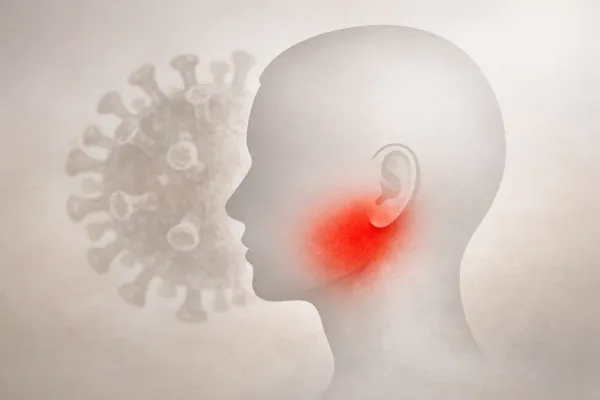
Teeth grinding harms the temporomandibular joint (TMJ), leading to pain and dysfunction. A review by Bousché et al. showed athletes with bruxism have double the odds of TMJ pain compared to non-bruxers. For alternative pain relief methods, see jaw pain relief for athletes.
Pain is just one consequence:
- Decreased neuromuscular efficiency
TMJ discomfort sends inhibitory signals to surrounding muscles, reducing cervical motor output. This can diminish strength and posture. - Sleep disturbance
Bruxism episodes cause micro-arousals, disrupting deep sleep cycles essential for recovery. Lack of slow-wave sleep reduces growth hormone release. Consider behavioral strategies to prevent nighttime teeth clenching. - Cardio spill-over
Jaw pain can increase resting heart rate due to elevated sympathetic tone, affecting heart-rate-based training zones. - Dental costs
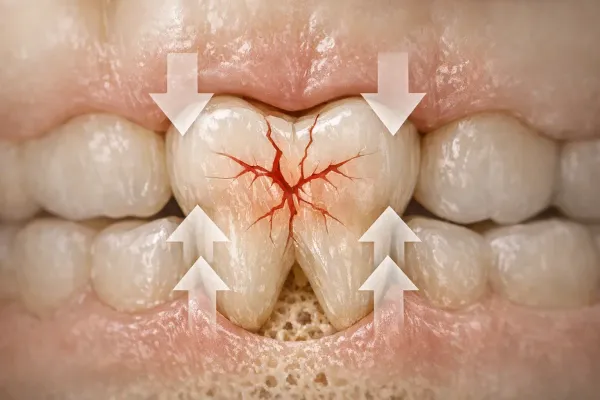
Enamel loss, cracked crowns, and sensitivity increase dental expenses.
Connecting these issues to performance, a randomized controlled trial by Cakıcı and Sahin found that athletes with temporomandibular dysfunction (TMD) who received targeted rehab improved jaw pain scores and increased bench press weight, suggesting pain reduction restores proper motor recruitment.
Research from the National Institute of Dental and Craniofacial Research emphasizes untreated TMD can cause headaches and neck pain, affecting training quality. With insomnia from grinding, gains slip away. For more on managing jaw pain, see jaw pain relief for athletes.
The chain reaction is: bruxism leads to TMJ pain, affecting muscle recruitment, reducing force output, and risking injury. Athletes seeking gains can't afford this domino effect.

The message isn't doom and gloom. It's a reminder that your bite may impact your performance. Next up: breaking the cycle.
Managing Bruxism in Athletes
Clenching is a habit, reflex, and physiological response. Addressing it requires multiple strategies, from non-invasive techniques to advanced treatments.
Non-invasive Techniques
- Stress management and breath work
Box breathing and parasympathetic drills after training reduce cortisol spikes. The Mayo Clinic lists stress reduction as a key intervention for bruxism. Explore natural bruxism solutions like yoga and meditation for jaw tension relief. - Sleep hygiene
Maintain regular bedtime, limit screens, and keep the bedroom cool to prevent micro-arousals. Consider the role of sleep hygiene in managing bruxism. - Jaw mobility and relaxation exercises
Exercises like opening wide and gliding side to side post-workout help reset muscle tone. - Body scan meditation
Regularly check jaw tension during the day. A simple cue like "tongue touches roof lightly" can help relax the jaw. - Daily chewing load audit
Avoid tough foods like beef jerky or gum marathons during intense training to keep the masseter relaxed. Learn more about how diet can influence bruxism.
These strategies involve minimal cost but require attention and time, targeting the autonomic aspect of the issue.
Advanced Treatments
When lifestyle changes aren't enough, consider these options:
- Custom mouthguards
According to an in-vitro study by Sun et al., mouthguards with palatal extensions improve stability without sacrificing comfort, protecting enamel and distributing forces. Discover how to choose the right bruxism mouthguard. - Sports dentistry consult
A dentist familiar with athletic needs can create appliances for protection and de-programming. - Physical therapy for TMD
Manual release, dry needling, and exercise protocols benefit those with TMD, as shown in the Cakıcı and Sahin study. - Biofeedback devices
Wearable EMG patches alert you to excessive masseter activity, helping train relaxation. - Botulinum toxin injections
Used for chronic cases, this treatment weakens the masseter, allowing behavioral therapies to work. For more, see Botox for bruxism.
These tools work best in combination, calming the nervous system, protecting teeth, and rehabbing the joint.
The Role of Dental Health in Maximizing Performance
Oral health is often overlooked by athletes, yet it affects performance. A review by Bousché et al. linked poor oral health to increased systemic inflammation markers, delaying recovery.
The bones in the jaw respond to load. Asymmetric bruxism patterns risk altering bone remodeling, potentially affecting airway space and VO2 max. Regular dental check-ups catch small issues before they impact training.
Here’s a checklist for your performance plan:
- Set reminders for dental exams every six months, or sooner if experiencing jaw clicking.
- Request occlusal analysis, not just cavity checks.
- Inform your coach or physio if a dentist notes excessive wear; adjust strength programs accordingly.
- Log headaches or neck stiffness in your training journal to identify patterns with stressful weeks. For more on jaw pain, see understanding jaw pain on one side.
Even governing bodies recognize this. The American Dental Association and Cleveland Clinic include dental occlusion and TMJ status in health assessments for high-stress occupations. Athletes qualify.
Take-home message: maintain your dental health as you would your gear.
Conclusion
Bruxism is more than a quirky habit; it's a stress response tied to training. Evidence shows that athletes are prone to jaw clenching, which can limit performance. The cascade is training stress heightens muscle tone, leading to jaw tension and TMJ issues, causing pain and sleep loss, ultimately affecting performance.
The solution is layered. Manage stress, use protective gear, and prioritize dental check-ups. By doing so, you can protect your jaw, improve sleep, and enhance your performance. Focus on the track, not on your teeth.