Understanding Jaw Clenching from Training: The Exercise, Stress, and Bruxism Connection
Explore how exercise stress leads to jaw clenching in athletes.

Ever caught yourself grinding your molars mid-squat or waking up after a brutal training week with a jaw that feels like it bench-pressed a truck? You're not alone. Sports dentists and sleep researchers have noticed a curious pattern: the harder you push your body, the more your jaw may clench. This is more than a quirky habit. It can morph into bruxism, headaches, and performance-sapping pain.
The science is piling up. Researchers tracking college rowers, CrossFit devotees, and weekend marathoners keep circling back to the same storyline: exercise is good, but the stress that tags along can send your masticatory muscles into overdrive. This article explores the connection with clear language, research references, and practical tips you can start tonight—not after the next injury.
The Phenomenon of Jaw Clenching in Athletes
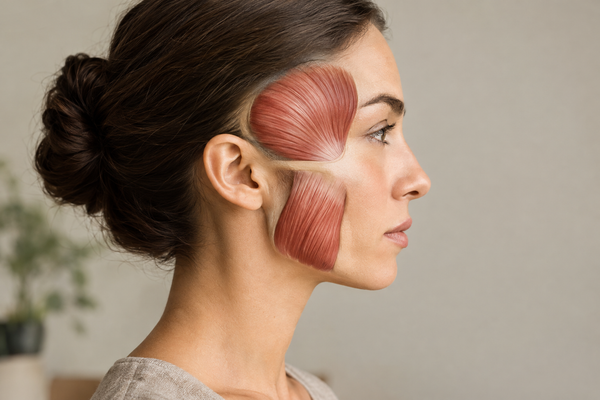
Jaw clenching, also called awake bruxism when it happens while you're conscious, is the act of squeezing the upper and lower teeth together with more force than needed for routine tasks like chewing. In the sleep lab, scientists measure this force with electromyography and have documented spikes during heavy emotional or physical load. For athletes, that load often comes from training plans that toe the line between adaptation and overload.
The masseter muscle alone is capable of generating bite forces that exceed 200 pounds in well-trained individuals. In Olympic weightlifters, real-time EMG shows a dramatic "co-contraction burst" in the jaw that mirrors the Valsalva maneuver’s abdominal brace. Hockey forwards, meanwhile, have been filmed unconsciously chewing through multiple mouthpieces each season—a telling sign that jaw tension ramps up with competitive arousal.
A growing body of evidence pins lifestyle and physical activity as key players. Researchers like Nica et al. investigated over 400 university students, many of them recreational runners and gym-goers. Respondents who logged higher weekly exercise hours also reported more frequent jaw tightening during the day and signs of nighttime grinding. The authors proposed that heightened sympathetic nervous system activity—your fight-or-flight circuitry—might keep the jaw muscles partially activated even after the workout ends. For more on how stress contributes to bruxism, explore how stress contributes to bruxism and ways to mitigate its effects.
Long-term stress adds fuel to that fire. Emodi-Perlman and colleagues tracked adults for six months. Participants filled out stress questionnaires and wore mini sensors that clicked every time they clenched. On weeks when stress scores climbed, episodes of clenching almost doubled. Athletes in the cohort showed the steepest jump, suggesting that training stress stacks on top of life stress rather than replacing it.
Why does your body even bother? Some sports scientists believe the jaw acts like a biological stabilizer. When you brace your core for a deadlift, many muscles—including those around the temporomandibular joint—contract to keep the head and neck steady. That can be useful during a single heavy rep, but repeated clenching without proper unloading sets the stage for muscle fatigue, tooth wear, and temporomandibular disorders (TMD). For effective solutions, learn about jaw pain relief and TMJ solutions.
Exercise-Induced Stress: A Double-Edged Sword
How Stress Affects the Body
Stress isn't always the villain. In the right dose, it pushes your heart to pump stronger and your muscles to adapt. Cortisol and adrenaline rise, glucose floods your bloodstream, and you're primed to run, lift, or lunge. Once the session ends, those hormones should taper off, letting your parasympathetic system repair tissues and restore calm.
The trouble starts when the "off" switch glitches. Chronic high cortisol levels can stiffen connective tissue and keep muscle fibers in a semi-contracted state. Studies on rodents show that sustained sympathetic tone causes micro-tears near muscle attachment sites, including the masseter and temporalis—the jaw’s power duo. Translate that to humans, and you get a jaw that never truly relaxes even when you're scrolling social media. If you experience unconscious jaw clenching due to stress and sleep disorders, it might be time to consider lifestyle adjustments.
Specific Stressors in Athletic Training
- Volume Creep: Adding more mileage or gym sessions without adequate recovery stretches stress over weeks, not hours.
- Competition Pressure: The psychological weight of making a varsity lineup or nailing a race PR amps up muscle tension, especially in the face and neck.
- Equipment Changes: Shifting to a stiffer mouthpiece, different helmet fit, or new weightlifting cues can involuntarily alter jaw position.
- Travel and Sleep Debt: Jet lag to an out-of-state meet combines circadian disruption with physical exhaustion, a proven recipe for bruxism according to the Cleveland Clinic.
Overreaching—short-term, planned training stress—is generally safe, but when athletes tip into true overtraining, cortisol and catecholamines remain elevated for days. Wearable tech that tracks heart-rate variability (HRV) or nocturnal body temperature can flag this state early. A sagging HRV score often precedes both plateaued performance and jaw-clenching flare-ups.
In the observational cohort above, Emodi-Perlman’s data linked high perceived stress to almost triple the odds of awake bruxism in athletes. Meanwhile, a randomized trial by Kadıoğlu et al. found that manual therapy and at-home exercise lowered stress biomarkers and clenching frequency, underscoring that stress and toothpaste-frothing jaw action go hand in hand. Consider natural ways to relieve jaw tension from stress without invasive methods.
Harvard Health notes that while exercise is often prescribed for stress relief, "too much, too soon" flips the script, extending the sympathetic surge instead of resolving it. You might clock a 10K, but if your pulse stays elevated long after, your jaw may stay locked as well.
Bruxism and Temporomandibular Disorders in Athletes
Link Between Stress and Bruxism
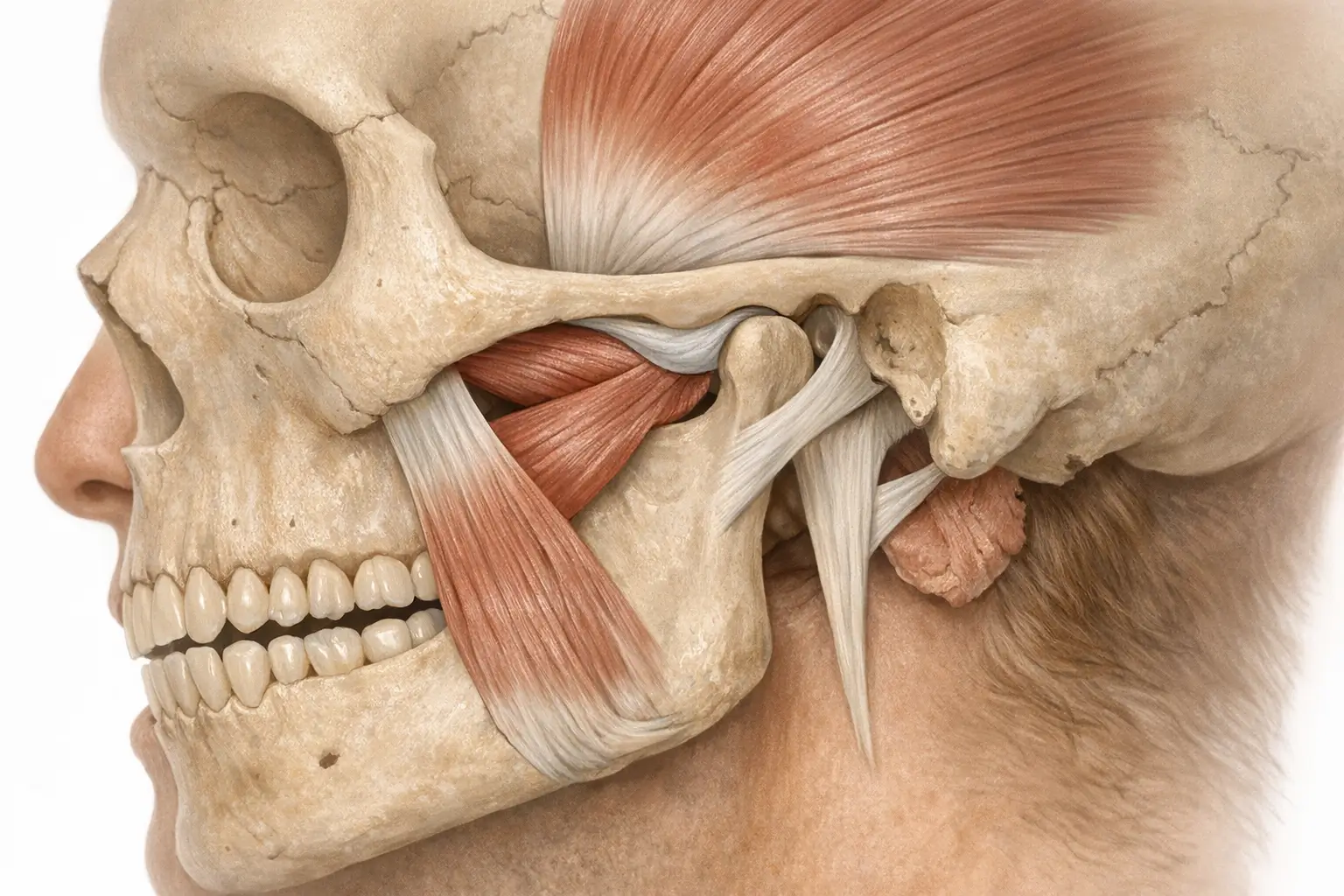
Clinically, bruxism splits into two categories: awake and sleep. Both involve rhythmic or sustained muscle contractions, tooth contact, or jaw thrusting. For an athlete already straining under barbells, extra contractions can overwhelm the temporomandibular joint, whose disc is thinner than your little finger’s nail.
Kadıoğlu’s trial enrolled 60 bruxing patients randomized to manual therapy plus exercise or standard advice. Pain and cortisol levels fell significantly in the treatment group, aligning with the stress-jaw hypothesis. Over half the participants were amateur athletes, reinforcing that physical exertion and bruxism often occupy the same calendar. Learn more about biofeedback therapy as a promising approach to bruxism therapy.
Radiology adds another layer. Saghafi et al. explored TMD risk in head-and-neck cancer survivors but also documented that jaw muscles under chronic strain show fibrotic changes similar to overtrained skeletal muscle. That means an athlete who chews the mouthpiece through long practice sessions may be remodeling their joint in ways that hurt later performance.
Impact on Athletic Performance
You might think a tight jaw is a small nuisance compared with a tweaked hamstring. Yet research indicates otherwise:
- Oxygen Cost: A clenched jaw restricts airflow by subtly narrowing the oropharyngeal space, forcing respiratory muscles to work harder.
- Neuromuscular Fatigue: Constant low-grade contraction of the masseter competes for blood flow and nerve signaling that could be shunted to larger prime movers.
- Altered Head Position: Chronic jaw tension nudges the head forward, taxing neck extensors and skewing posture during overhead lifts or sprints. Discover how poor posture worsens jaw pain and get tips for relief.
- Pain-linked Inhibition: Myofascial pain can switch on protective motor patterns, lowering force output. This is cited by the American Academy of Orofacial Pain.
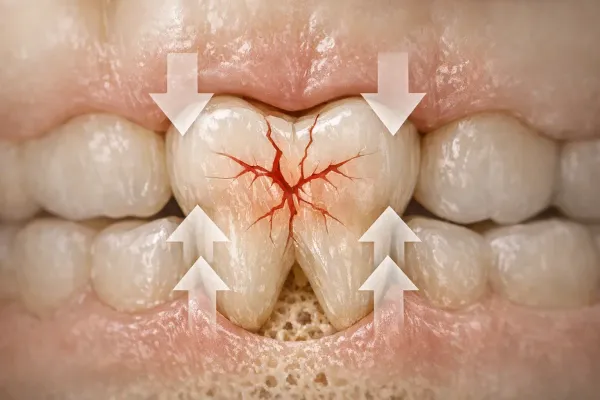
- Dental Integrity: Persistent grinding chips enamel, exposes dentin, and accelerates gum recession—issues that may sideline athletes for restorative dental work right before key competitions.
In extreme cases, bruxism goes dental. Night-time grinding can flatten molar cusps and crack enamel. Athletes on diets high in simple carbs may face accelerated erosion due to combined acid exposure and mechanical wear, according to the American Dental Association.
Preventive Measures and Treatments for Athlete Jaw Pain
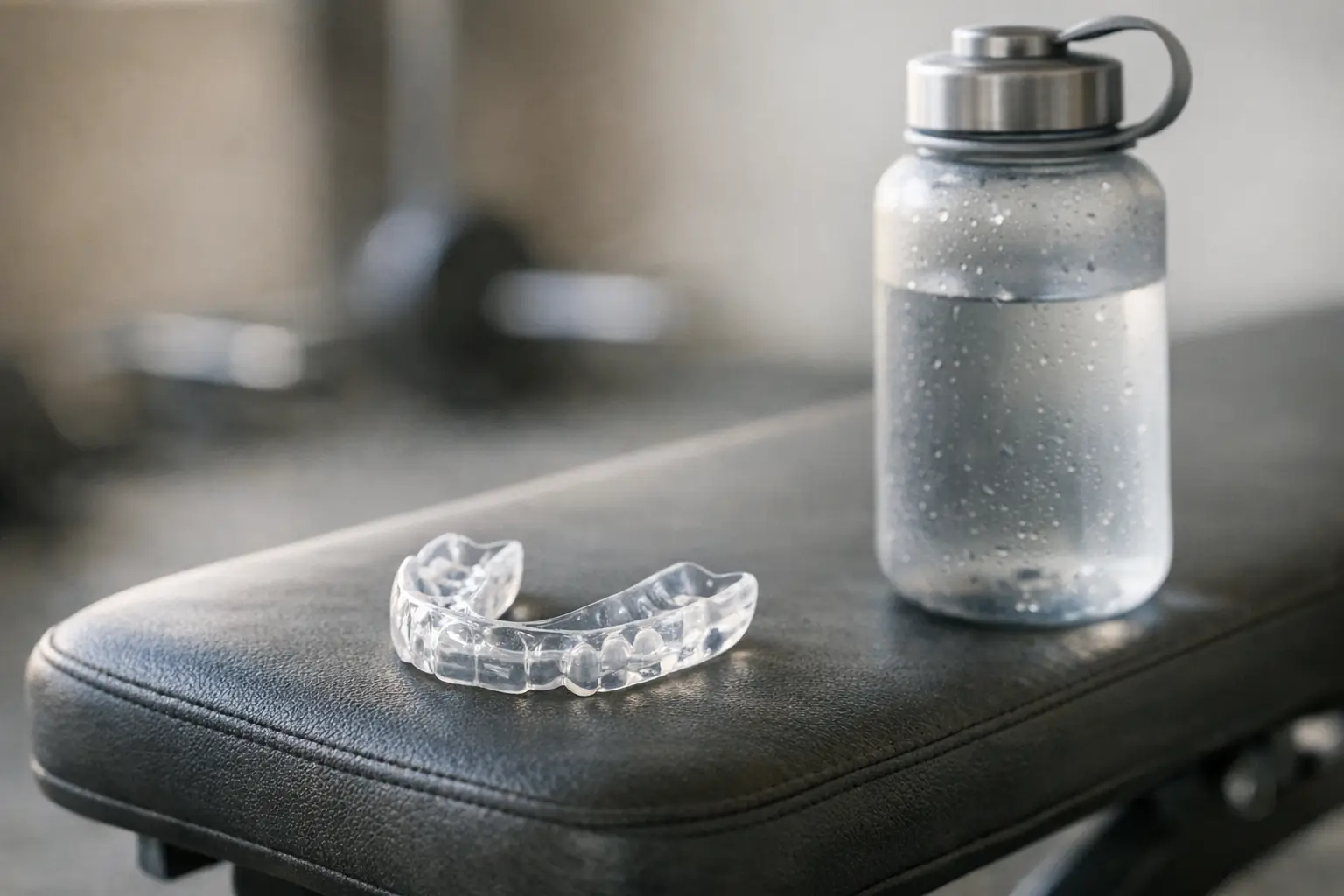
Mouthguards and Protective Gear
Sports mouthguards are often marketed for concussion mitigation and tooth protection, but they can also modulate jaw muscle activity. Sawant and Kalaskar's finite element analysis compared a modified mouthguard with a standard model in a simulated 14-year-old maxilla. The modified design distributed horizontal force more evenly, suggesting less localized stress on the TMJ.
For adult athletes, custom guards fabricated by a dentist allow slight separation of the arches—called freeway space—reducing daytime clench frequency. However, an ill-fitting over-the-counter guard can backfire, forcing the mandible into an unnatural posture and amplifying muscle tension. The National Institute of Dental and Craniofacial Research advises professional fitting for anyone with ongoing TMD or bruxism symptoms. Learn how to choose the right bruxism mouth guard for your needs.
Therapeutic Interventions
Education and gear are only half the battle. Multimodal therapy brings faster relief. Kadıoğlu’s clinical trial used manual trigger-point release, stretching, and diaphragmatic breathing drills. Participants logged pain scores on a ten-point scale; averages fell from 6.2 to 2.7 over eight weeks.
Botulinum toxin earns buzz, yet Şahin et al. compared it with dry needling, meds, and manual therapy. While toxin injections cut muscle power quickly, manual therapy plus stress coaching preserved functional bite force while trimming pain, a win for athletes who need strong jaws for performance tasks like mouthpiece positioning. Discover how advanced TMJ treatments compare to traditional methods.
You can start with self-care:
- Heat or Ice: Twenty minutes to relax overworked fibers.
- Positional Awareness: Keep the tip of your tongue behind the upper front teeth and lips closed but teeth apart. This "N" spot cue is endorsed by the Johns Hopkins Medicine stress clinic.
- Progressive Relaxation: Contract then release facial muscles nightly.
- Breathing Drills: Five-second inhales, seven-second exhales flip on the parasympathetic brake.
- Lacrosse-Ball Massage: Roll a small ball along the masseter and temporalis for 60 seconds each side to disperse trigger points.
- Nutrition and Hydration: Adequate magnesium, found in leafy greens and nuts, supports neuromuscular relaxation; dehydration exaggerates muscle cramping, jaw included.
- Load Management: Program deload weeks and respect sleep hours; recovery hormones help jaw muscles rebuild.
If conservative measures stall, talk to a dentist specialized in orofacial pain. They can evaluate bite alignment and screen for sleep apnea, another frequent co-conspirator in nocturnal bruxism. Explore how sleep disorders relate to bruxism and worsen teeth grinding.
Case Studies and Real-World Examples
Numbers matter, but stories stick. Consider these snapshots adapted from collegiate and semi-pro settings:
The Baseball Slugger
A Division II outfielder noticed jaw soreness after doubleheaders. Motion capture data later showed he clenched hardest during the loading phase of his swing. After adopting a thin mouthpiece and biofeedback drills, his discomfort dropped and, according to Allen and Garner’s research, bat velocity actually improved by two percent. The jaw, once a liability, became a performance asset when managed correctly.
The Marathoner
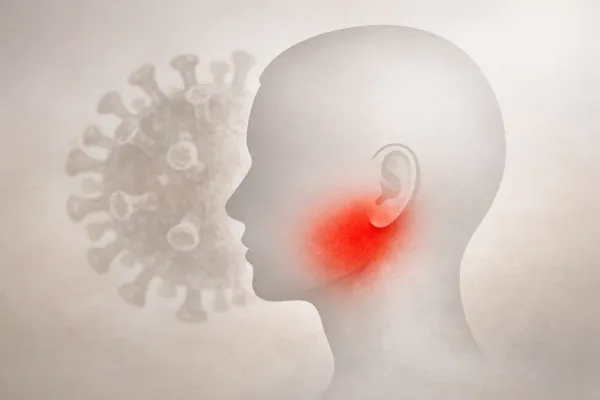
During peak mileage weeks, a 32-year-old runner developed earaches misdiagnosed as infections. A sports dentist traced them to bruxism. She added yoga-based relaxation and scheduled hard sessions earlier in the day to allow longer cortisol tapering. Within a month, ear pain faded and her long-run perceived exertion score dropped from 8 to 6 out of 10. For more on managing jaw pain linked to bruxism, check the ear pain, TMJ, and bruxism link.
The CrossFit Coach
Running multiple daily classes, he demoed lifts and shouted cues over loud music—constant jaw engagement. Night guards alone helped little. Incorporating manual therapy, sleep hygiene, and shortened demo durations reduced clench episodes by 40 percent on wearable EMG sensors, paralleling strategies seen effective in Kadıoğlu’s trial.
The Track Cyclist
Aerodynamic positioning forced her chin down toward the handlebars. This forward-head posture triggered masseter overactivity that was caught on routine physio screening. Adjusting saddle height and adding mid-ride jaw-wiggle reminders cut her self-reported clench time in half without compromising aero gains. Explore more on managing jaw clenching and improving performance for athletes.
Conclusion
Your jaw doesn't exist in a vacuum. It's wired into the same neural circuits that fire up to smash personal bests. When physical or psychological stress sticks around, those circuits misfire, locking the mandible in a vise grip. Research spanning longitudinal stress tracking, randomized therapy trials, and sports-specific case studies paints a clear picture: exercise challenges, unmanaged stress, and bruxism travel together.
The good news is that awareness, proper gear, and targeted therapy can break the cycle. If your post-workout recovery plan already includes protein and foam rolling, add jaw care. Notice clenching cues, schedule stress-management downtime, and consult qualified dental or physical therapy pros before tooth wear or TMD sets in. A cheap smartphone app that buzzes when your teeth touch can be as game-changing as a new pair of carbon-plated shoes. Your lifts, laps, and leaps—and your sleep partner—will thank you.