Pressure Points to Release Jaw Tension: Natural Techniques for Relief
Discover natural, non-invasive ways to relieve jaw tension using pressure points and massage techniques.
Clenching your jaw all day is not a personality trait. It is a sign that the muscles around your temporomandibular joint (TMJ) are working overtime, often without your permission. Current research shows that chronic jaw tension is tangled up with stress, poor sleep, and even the way you hold your phone. The good news is that you do not always need a prescription guard or a dentist to get relief. Strategic pressure applied to a few tiny spots on your face, neck, and hands can dial muscle tone down a notch, providing bruxism relief and helping you sleep without grinding your molars into marble.
Below is an evidence-based guide to pressure points, massage methods, alternative therapies, and lifestyle tweaks that can keep jaw tension from roaring back. Whenever possible, the claims are backed by peer-reviewed studies or major health institutions so you can read the receipts yourself.
Understanding Jaw Tension and Its Causes
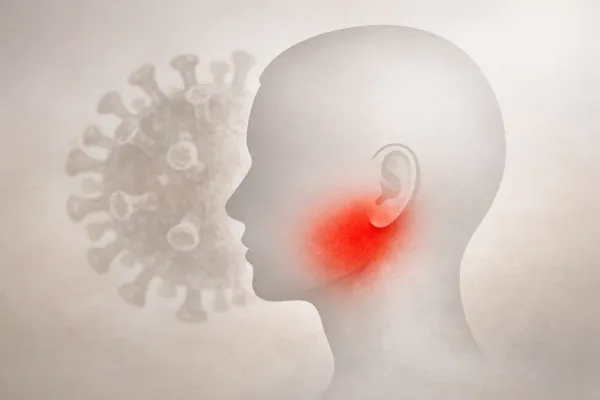
Jaw tension is the feeling of tightness, pain, or fatigue in the muscles that control chewing, talking, and yawning. Clinicians lump most persistent jaw pain under the umbrella term “temporomandibular disorders” (TMDs). A 2025 randomized controlled trial by Garrett et al. found that adolescents with TMDs reported not just pain but also reduced mouth opening and headaches, suggesting that jaw strain is rarely a solo act.
Common culprits include:
- Stress and anxiety. Emotional stress triggers the sympathetic nervous system, which can turn your masseter—the main chewing muscle—into a steel trap. For more, explore the connection between stress and bruxism.
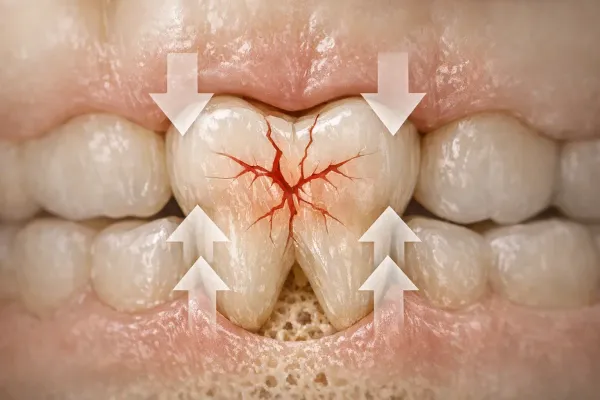
- Bruxism. Night-time teeth grinding or daytime clenching overloads the TMJ. About 10 percent of adults grind often enough to feel morning soreness, according to the Cleveland Clinic. Learn more about bruxism symptoms.
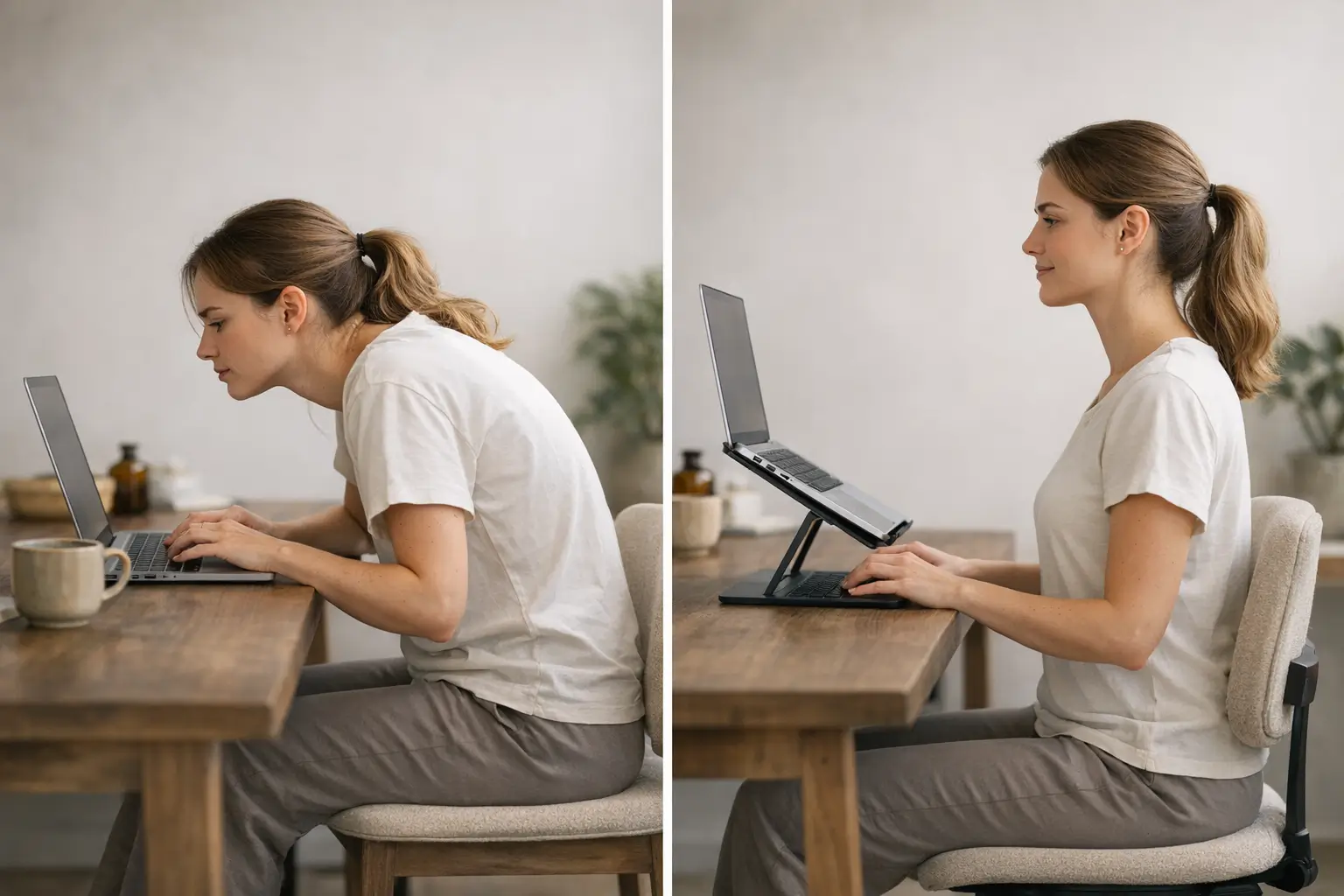
- Poor posture. Hunching over laptops shifts the head forward, shortening neck muscles and making the jaw compensate. A 2025 systematic review by Bizzarri et al. connected neck pain and cervicogenic headaches with an uptick in orofacial issues, including TMDs. Discover how posture worsens jaw pain.
- Occlusal irregularities. Misaligned bites force jaw muscles to fire unevenly, but many cases improve without orthodontic heroics. Explore natural bruxism solutions.
- Sleep disorders. Obstructive sleep apnea, often treated with mandibular advancement devices, can change jaw mechanics. A 2025 meta-analysis by Wang et al. noted that side effects of these devices sometimes include morning jaw stiffness. Learn more about the connection between sleep disorders and bruxism.
Symptoms go beyond pain. Clicking sounds, earaches, limited mouth opening, and tension headaches all ride the same train. If left unchecked, the cycle of pain, clenching, and more pain can disrupt sleep, make eating unpleasant, and chip away at quality of life. Understanding the root causes is the first step toward picking the right tool for relief.
The Science Behind Pressure Points
Pressure points, sometimes called acupressure points or myofascial trigger points, are small areas where nerves bundle, fascia thickens, or muscles knot. Pressing on them changes how nerves carry pain signals and how muscles hold tension. While the mystical language of ancient acupressure can raise eyebrows, modern studies are unpacking real physiological effects.
To see how this works in the jaw, look at myofascial release research. A 2024 descriptive study by Campos López et al. found that patients with TMJ disc displacement had lower pressure-pain thresholds and more active trigger points than pain-free controls. That means their muscles fired painful signals sooner. By targeting those trigger points, therapists aim to raise the pain threshold and restore normal function.
Broadening the lens, a 2024 systematic review by Duarte França et al. concluded that myofascial release can improve internal biomechanics and reduce pain across multiple body sites. Even though the review focused on sports medicine, the underlying fascia rules are the same for jaw muscles. Apply steady, moderate pressure to a trigger point for 30-90 seconds and you can disrupt the pain signal, boost blood flow, and coax the muscle into a relaxed state.
Here is the cheat sheet of what happens under your skin when you press a trigger point:
- Neurologic gating. Pressure stimulates large, fast nerve fibers that “gate” slower pain fibers, reducing perceived pain.
- Chemical shift. Local pressure can decrease levels of substance P and inflammatory cytokines, easing soreness.
- Mechanical release. Fascia and muscle fibers that have bunched up reorganize and lengthen, improving range of motion.
Put simply, the science says pressing the right spot can turn down the volume on jaw pain. Next, you will learn exactly where and how to push.
Effective Pressure Points for Jaw Tension Relief
You do not need a fancy tool or a yoga retreat to tap into pressure-point relief. Your own thumbs or a rounded pen cap can get the job done. Below are the main points used by physical therapists and massage pros to unlock a tense jaw.
Key Pressure Points
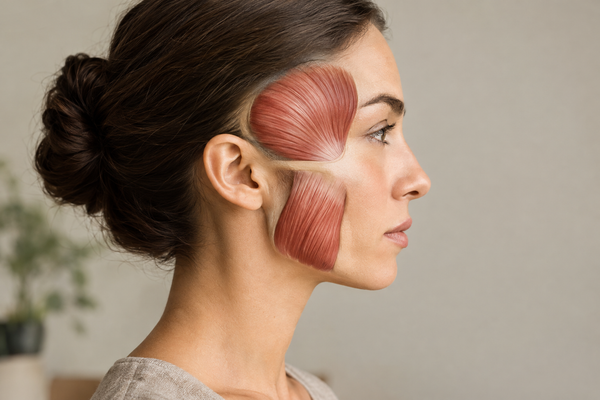
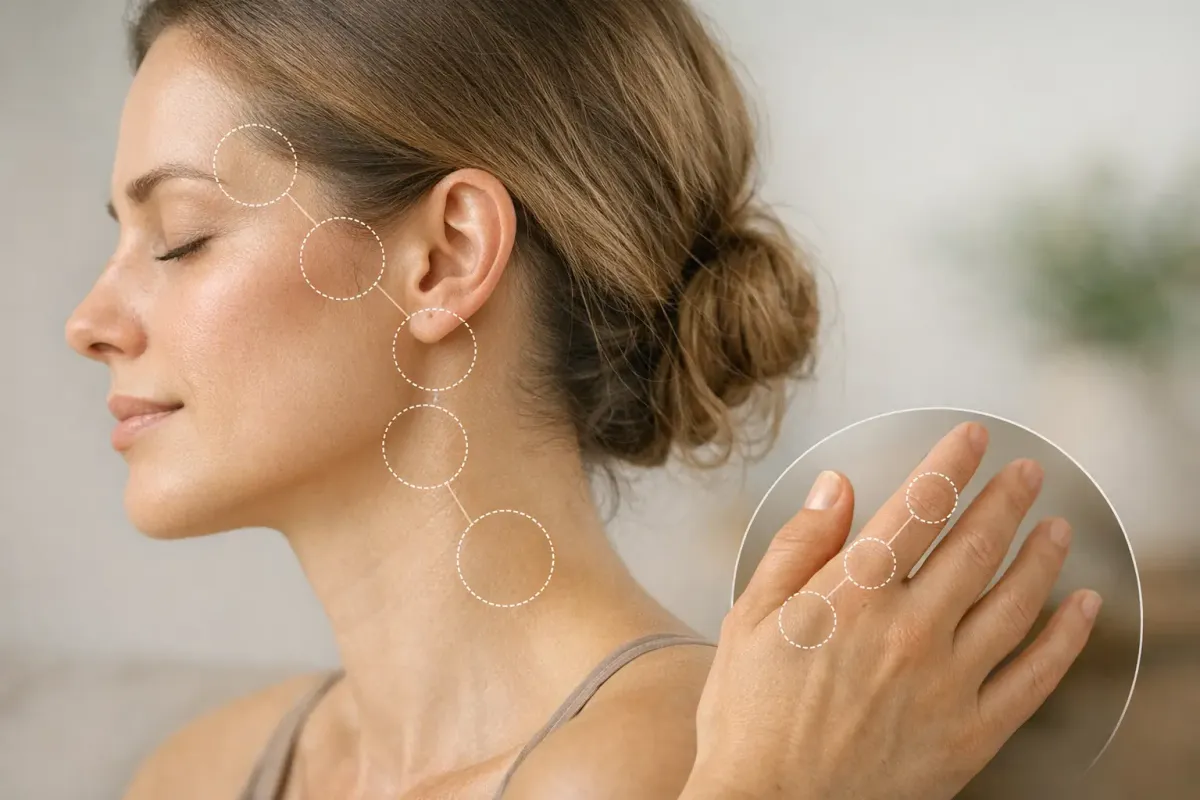
- Masseter belly (Cheek Point). Located halfway between the corner of your mouth and the bottom of your ear, right on the cheek. This muscle is the primary clencher.
- Temporalis (Side-of-Head Point). Place fingers above the ears in the shallow temple fossa and clench your teeth; you will feel it bulge. Learn more about jaw relaxation techniques.
- Stomach 6 (Jawbone Point). Find the midpoint of the lower jawbone just in front of the masseter. Traditional Chinese Medicine calls it Jiache, but its value is mainstream: it sits over a motor nerve branch.
- Stomach 36 (Below-Knee Point). This leg point might sound far-fetched, yet acupressure research links it to whole-body relaxation. If you are game, try it after the facial points.
- Liver 3 (Between Big Toe and Second Toe). Another distal point that modulates nervous system tone for some users. Optional, but handy during full-body resets.
How to Locate and Use Pressure Points
- Warm-up. Wiggle your jaw side to side and open wide a few times. This primes blood flow.
- Apply pressure. Use your thumb or two fingertips. Start with the masseter belly. Press inward toward the muscle, not the bone. Aim for a pressure that feels “good hurt,” roughly 5 out of 10 on your pain scale.
- Hold and breathe. Keep steady pressure for 30 seconds while inhaling slowly through the nose and exhaling through pursed lips. Imagine melting butter under the skin.
- Move to the temporalis. Slide fingers into your hairline above the ear, press, and repeat the hold-and-breathe routine.
- Finish at Stomach 6. Drop to the lower jaw edge, apply gentle circular motion for 20 seconds, then hold still for 10.
- Optional distal points. If you have time, press Stomach 36 with the opposite thumb while seated, then squeeze the webbing between big and second toe (Liver 3).
- Reassess. Open and close your mouth. You should feel looser or hear fewer clicks. If not, repeat once more, but avoid exceeding three cycles to prevent soreness.
Consistency beats intensity. Do the sequence once or twice daily for two weeks. If pain spikes or lingers, consult a dentist or physical therapist specialized in TMDs.
Massage Techniques for Jaw Pain Relief
Pressure points are precise; massage covers more territory. Combining both is like pairing espresso with a nap: oddly effective. The American Massage Therapy Association notes that massage can reduce pain and improve function in TMJ disorders by boosting circulation and lowering cortisol. Research backs that up. A 2026 randomized controlled trial by Boral et al. compared electrical nerve stimulation, low-level laser therapy, and manual massage. All groups improved, but the manual group reported faster subjective relief. More recently, Garrett’s multimodal physiotherapy trial mentioned above also included massage in its winning formula.
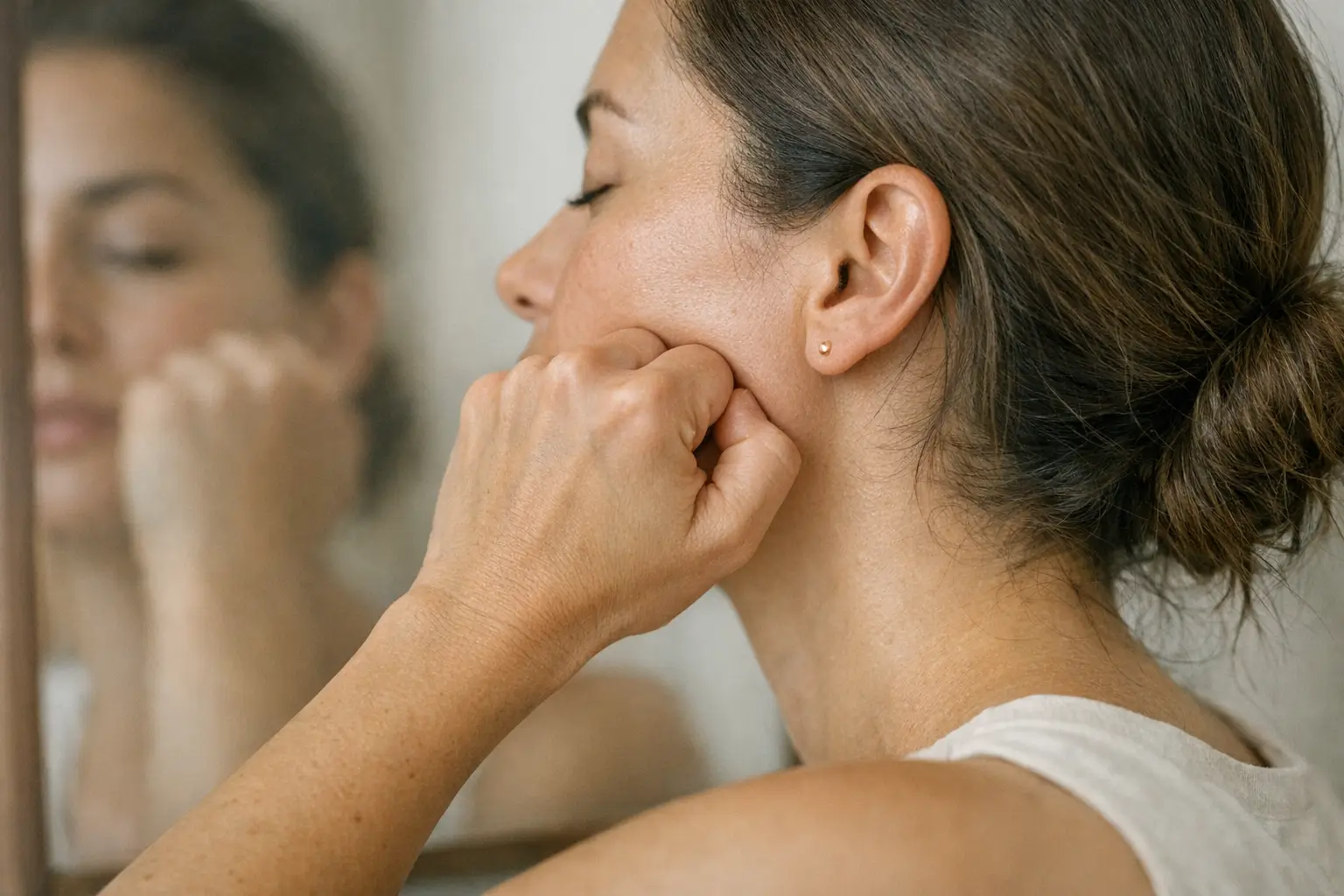
How to Release Jaw Tension with Massage
Below is a mini-routine you can perform in front of a mirror. Ideally do it after a warm shower when tissues are pliable.
- Effleurage sweep. Lightly glide fingertips from chin to ear on both sides for 30 seconds. This wakes up superficial tissue.
- Circular kneading. Curl your fingers and place the knuckles on the masseter. Make slow, 1-inch circles for one minute. Keep the jaw slightly parted. Discover more about self-massage for bruxism.
- Pin and stretch. Pinch the upper edge of the masseter between thumb (inside the cheek) and index finger (outside). Gently stretch downward for five seconds, release, and slide to a new spot. Repeat across the muscle.
- Temporal fan. Place fingertips on temples. Open your mouth while dragging fingers upward toward the scalp. This lengthens the temporalis. Do 10 reps.
- Suboccipital release. Lie on your back. Place two tennis balls in a sock under the base of the skull. Let head sink for two minutes. Though not in the jaw, these muscles affect bite force through neural connections.
- Finish with skin rolling. Gently pinch skin along the jawline and roll between fingers for 30 seconds to flush lymph.
Massage sessions should take five to seven minutes. You can repeat daily, but skip if skin is irritated or if you have acute infection. For extra glide, use a pea-sized amount of unscented lotion or jojoba oil.
Alternative Therapies and Their Efficacy
Not everyone vibes with DIY pressure. If you want a guided hand, consider minimally invasive alternatives that still dodge the surgical route.
Dry Needling and Other Minimally Invasive Options
Dry needling. Think of it as acupuncture’s pragmatic cousin. A licensed clinician inserts a thin, solid needle into trigger points to provoke a twitch response. A 2025 systematic review by Khayamzadeh et al. concluded that dry needling reduces pain intensity and increases mouth opening in TMD patients compared with sham or no treatment. It typically requires three to six sessions spaced a week apart. Learn more about dry needling for TMJ.
Low-level laser therapy (LLLT). The same Boral trial mentioned earlier showed that LLLT reduced pain scores within four weeks. It works by enhancing mitochondrial activity and taming inflammation. Worth a shot if needles scare you. Explore new TMJ treatments.
Thermal imaging-guided splints. A novel study by Lietz-Kijak et al. used thermal cameras to fine-tune occlusal splints, leading to quicker muscle relaxation. While still niche, it signals a shift toward techy, personalized orthotics.
Transcutaneous electrical nerve stimulation (TENS). Sticky pads deliver mild current that blocks pain signals. Some dentists offer in-office sessions, but portable units are now affordable.
Caveats. These therapies are generally safe but not magic wands. Choosing a trained practitioner and combining modalities (e.g., dry needling plus home massage) often yields the best payoff.
Lifestyle Changes to Prevent Jaw Tension
If short-term relief is the spark, lifestyle change is the fire extinguisher. Here are evidence-based habits that keep tension from staging a comeback.
- Stress management. Mindfulness, progressive muscle relaxation, or even doodling can drop cortisol. The National Center for Complementary and Integrative Health lists massage as a stress-busting tool, but meditation apps are free. Discover how stress leads to teeth clenching.
- Sleep hygiene. Go to bed and wake up at consistent times. Limit caffeine after 2 p.m. A tight sleep schedule lessens nocturnal clenching. For apnea patients, review mandibular device fit; the Wang meta-analysis flagged ill-fitting appliances as a tension trigger. Learn about sleep hygiene's role in bruxism management.
- Posture fixes. Keep monitors at eye level. The chin-tuck exercise—gently drawing the chin backward—strengthens deep neck flexors and reduces forward-head posture, connected with jaw dysfunction in the Bizzarri review.
- Dietary adjustments. Avoid chewing gum and limit tough foods like steak jerky. Magnesium-rich greens may help muscle relaxation, though evidence is modest. Understand diet's influence on bruxism.
- Ergonomic tools. A split keyboard or phone stand can decrease shoulder tension that migrates upward to the jaw.
- Regular movement. Walk for five minutes every hour. Microbreaks loosen neck muscles and indirectly help the TMJ.
Track your progress in a simple journal: date, pain level (0–10), hours of sleep, and stress level. Patterns leap off the page and guide tweaks. If you notice that caffeine or late-night doomscrolling spikes tension, you know what to adjust.
Conclusion: Embracing Natural Relief for Jaw Tension
Jaw tension can feel like a tiny tyrant ruling your day, but you have more power than you think. Pressure points and targeted massage tap into your body’s own relaxation circuitry, while dry needling, laser therapy, and smart splints offer clinic-grade backup. Layer those tools with stress management, good sleep, and ergonomic awareness, and you create a multi-front defense against clenching and grinding.
Start small: spend five minutes tonight locating the masseter point and holding steady pressure while you breathe. Add a temple massage tomorrow. Over the next week, tweak your posture and log your pain scores. Evidence from multiple studies shows these simple, non-invasive steps can move the needle. With consistency, you will chew, laugh, and sleep without a clenched jaw calling the shots.