Recognizing the Signs of Bruxism: Key Symptoms to Watch For
Learn to identify bruxism symptoms early to prevent severe dental issues.
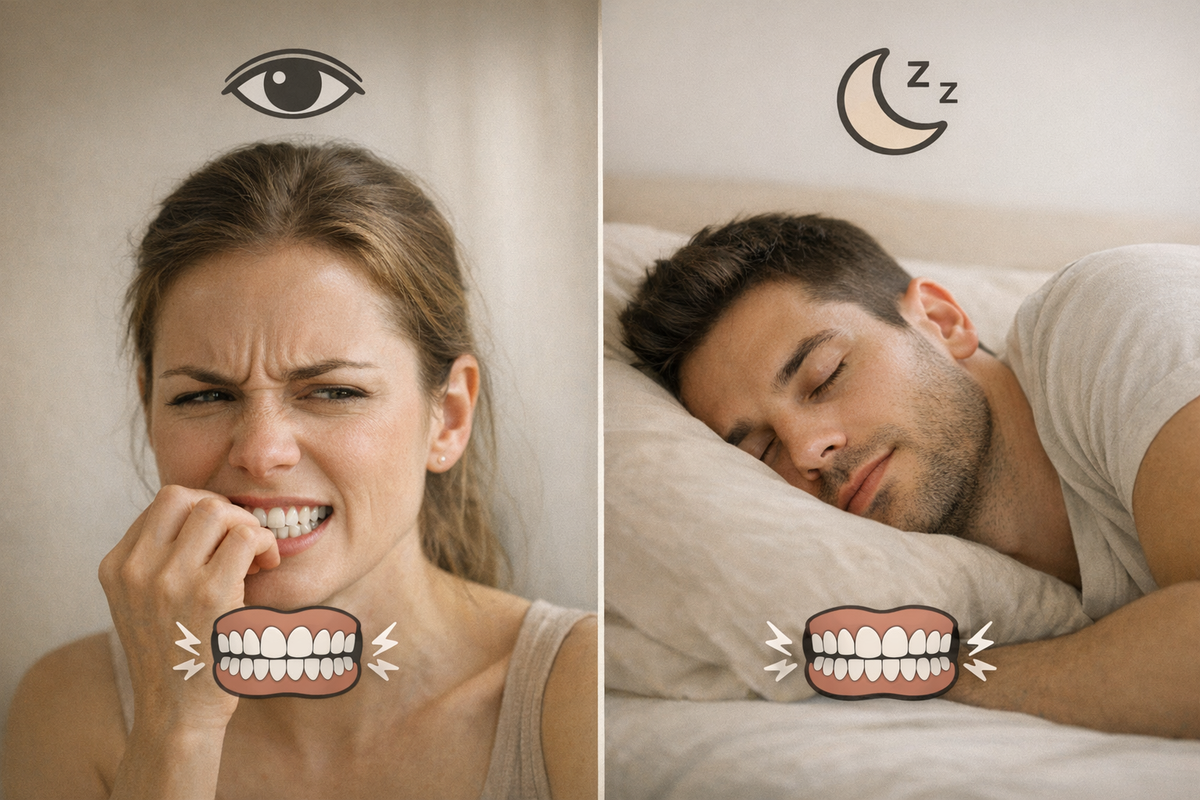
You wake up, stretch, and notice your jaw feels like it has been through an overnight workout. Sound familiar? You might be among the millions who grind or clench their teeth unknowingly. Bruxism can lurk unnoticed for years, gradually eroding tooth enamel and straining jaw joints. Spotting it early makes it easier to halt the damage.
This guide outlines the warning signs, from jaw pain to tooth surface loss, and advises when to consult a professional. Every claim is backed by peer-reviewed research or credible medical sources, all in language anyone can understand. Ready to assess your risk? Let's dive in.
Understanding Bruxism: What Is It?
Bruxism is the clinical term for teeth grinding or clenching. It occurs in two main forms: awake bruxism and sleep bruxism. Awake bruxism often happens when you're stressed or focused, while sleep bruxism occurs, as expected, during sleep. A 2024 review by Thomas et al. indicates that 8–15 percent of adults grind at night, while in children, this can be as high as 20 percent.
Is bruxism rare? Not at all. A 2024 review by Li, Yap, and Loh suggests that wearable monitors reveal even higher rates since many mild cases go undetected. This hidden prevalence matters because bruxism can do more than irritate your partner. Chronic grinding may flatten chewing surfaces, fracture fillings, and disrupt jaw joints. For more insights into managing these symptoms, explore the teeth grinding and headache connection.
These issues can escalate over time. Your enamel might erode quietly for years before any pain becomes apparent. Recognizing early symptoms—like jaw fatigue, morning headaches, or a clicking sound—gives you a head start in preventing significant dental costs.
Understanding what triggers bruxism is complex. Theories range from psychosocial stress to airway issues, with consensus pointing to multiple factors. Dentists often notice flare-ups around exam times, following major life changes, or in patients who consume high levels of caffeine. Certain antidepressants, asthma inhalers, and recreational drugs like ecstasy can also increase muscle activity during sleep. Regardless of the cause, your job is to identify the signs early enough to break the cycle. Consider reading about how stress exacerbates bruxism for additional context.
Early Bruxism Symptoms: What to Look Out For
The first sign is often the grinding noise itself. Your partner might describe it as stones rubbing together. If you sleep alone, you might notice signs like scalloped tongue edges or flattened cusps in the mirror. Here's what to watch for:
Common Symptoms in Adults
- Audible grinding: A harsh, repetitive crunching sound at night.
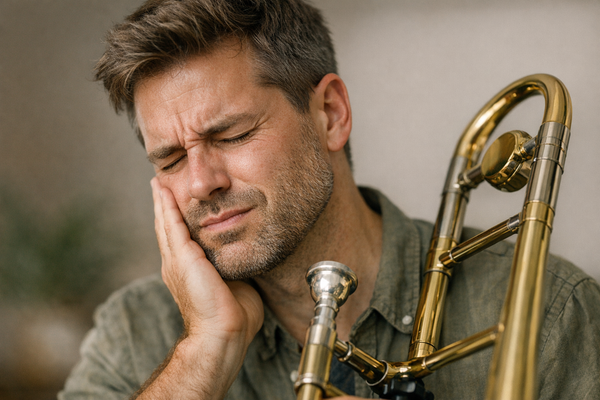
- Morning jaw ache: Muscles feel overworked when you first wake up.
- Tension headaches: Pain typically starts at the temples or behind the eyes.
- Tooth sensitivity: Hot or cold foods hurt because enamel is thinning.
- Neck or shoulder tightness: Clenching can recruit surrounding muscles.
A Mayo Clinic overview confirms these signs and notes that uneven tooth wear is often a key indicator during dental exams.
A 2025 review by Pascu et al. links these early symptoms to later temporomandibular disorders (TMDs). Catching them early could save you from years of jaw discomfort. For more on how to manage these symptoms, check out our guide on stopping night teeth grinding.
Pro tip: Keep a “jaw diary” for a week. Note whenever you catch yourself clenching (at work, in traffic, during gaming). Record when headaches occur and what you ate or drank beforehand. Patterns often emerge, like extra espresso shots or late-night phone use, that correlate with morning soreness.
Differences in Pediatric Bruxism
Children grind too, but the signs differ. According to a 2024 review by Leung et al., kids may report earaches rather than jaw aches. Tooth wear can be harder to detect because baby teeth are naturally flatter. Look for:
- Nighttime noises audible from the hallway
- Complaints of “tired” jaws at breakfast
- Cheek biting or lip chewing during the day
- Difficulty opening wide after waking
Many parents mistake these for growing pains or teething. A quick flashlight check can reveal tiny chips on teeth edges or white lines on cheeks, both signs of grinding. Learn more about pediatric bruxism signs and prevention tips.
A second pediatric study by Al-Jewair et al., 2026 warns that untreated grinding may disrupt normal facial growth if it starts before age six, making early detection crucial for parents.
Jaw Pain and Other Indicators: How to Recognize Them
Jaw Pain and Temporomandibular Disorders
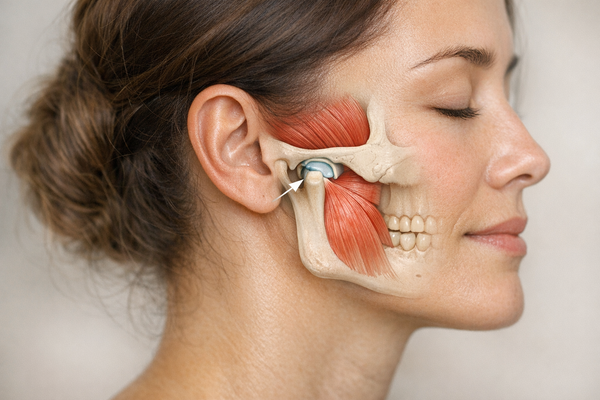
The temporomandibular joint (TMJ) connects your jawbone to your skull. Chronic clenching can apply up to 250 pounds of force nightly. A 2024 study by Kroese et al. found a link between bruxism and early TMJ dysfunction in rheumatoid arthritis patients. Even without arthritis, bruxism can inflame joint membranes, causing:
- Deep, dull aching around the ears
- Clicking or popping when chewing or yawning
- Locking episodes when opening wide
Ignoring these signs is risky. The review by Pascu et al. warns that jaw pain often precedes disc displacement in the joint, which is difficult to reverse. If you're dealing with jaw pain, explore effective jaw pain management strategies.
Connection to Occlusal Issues
Beyond the joint, consider your bite. Grinding can reshape teeth, disrupting the fit of your upper and lower arches. This is called altered occlusion. A 2025 study by Aristizabal-Hoyos et al. showed that sleep bruxism subjects had different bite patterns compared to non-grinders.
Altered occlusion creates a cycle. The bite feels “off,” prompting involuntary clenching to find comfort, leading to more tooth wear and misalignment. If your jaw clicks one week and shifts the next, bruxism may be the cause. For more on maintaining a healthy bite, visit our guide on choosing the right bruxism treatment.
The Cleveland Clinic's clinical guide advises seeing a dentist if you notice sudden bite changes, even if pain is mild. An occlusal guard or enamel reshaping can prevent issues from escalating.
Tooth Surface Loss: A Hidden Consequence
Understanding Tooth Wear
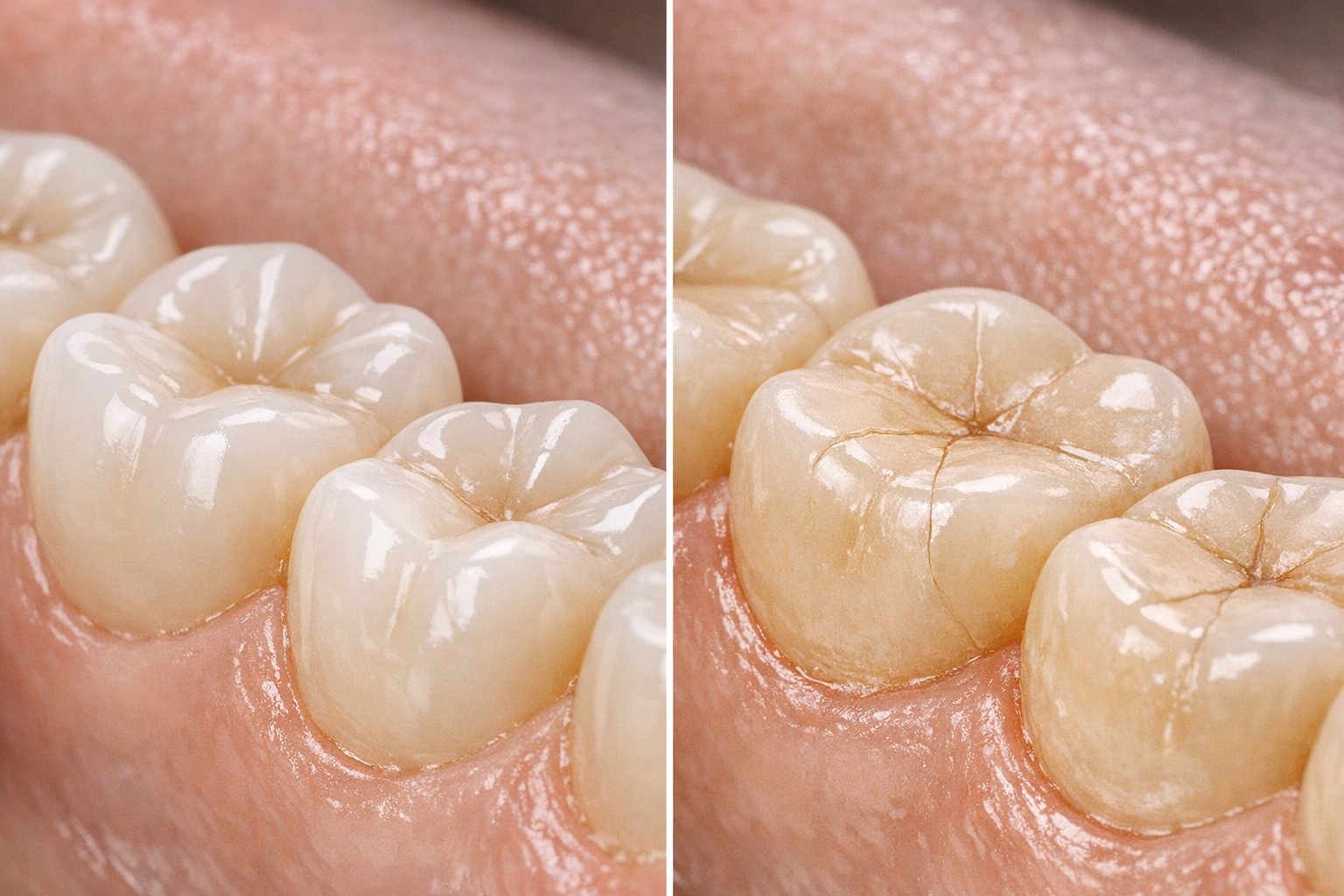
Tooth surface loss often starts silently. Enamel—the hardest body substance—can erode from acid, abrasion, or attrition. Bruxism accelerates attrition. Each grind acts like sandpaper on your teeth. A 2024 paper by Dhaliwal and Ouanounou ranks bruxism attrition among the top three causes of premature tooth wear.
Early enamel loss appears as:
- Smooth, shiny surfaces where peaks once were
- A yellowish hue as dentin shows through
- Tiny cracks radiating from front teeth edges
If unchecked, attrition exposes dentin, which wears seven times faster than enamel. This leads to shortened teeth, reduced lower face height, and sensitivity. Find out more about effective strategies to prevent teeth clenching.
Prevention and Management
The same 2024 review by Dhaliwal and Ouanounou suggests a "three-pronged" approach:
- Behavioral tactics: Stress management, jaw-relaxing exercises, and posture checks during the day.
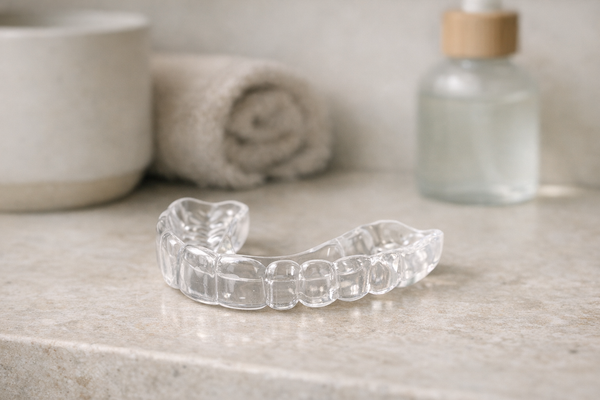
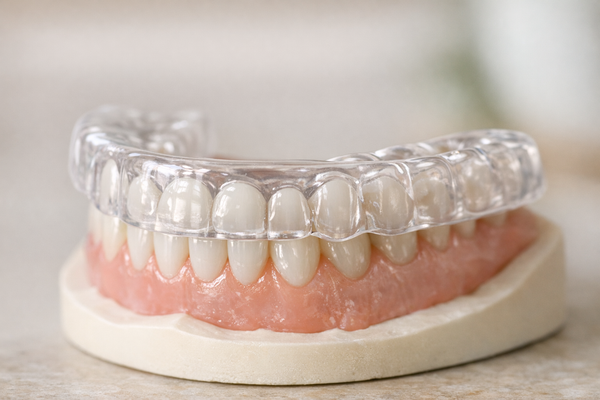
- Mechanical protection: Custom night guards to distribute force and limit enamel contact.
- Restorative fixes: Composite bonding or onlays to rebuild lost height before nerve exposure.
The American Dental Association emphasizes that custom guards last longer and maintain proper occlusion better than store-bought options.
Many practices use intraoral scanners for 3-D tooth models. Follow-up visits compare scans with millimeter precision. If wear accelerates, adjustments can be made before significant enamel loss. You might also be interested in learning about the latest innovations in mouth guard designs.
The Role of Sleep Studies in Diagnosing Bruxism
Polysomnography and Other Diagnostic Tools
Suspect bruxism but need proof? Polysomnography (PSG) remains the gold standard. During PSG, sensors track brain waves, muscle activity, and jaw movement, capturing grinding in real time. The study by Aristizabal-Hoyos et al., 2025, used PSG to quantify brux episodes per hour and correlate them with tooth wear scores, aiding tailored treatment.
Sleep labs are costly and require an overnight stay. Enter home-based alternatives. A 2024 review by Li, Yap, and Loh lists FDA-cleared bite strip monitors that log masseter contractions during sleep. They are less precise but more convenient, capturing real-world sleep at home.
Advances in Ambulatory Devices
New mouthguard-style devices sync with smartphone apps, providing a morning readout of events and intensity. While these gadgets can't diagnose complex TMJ disorders alone, they highlight patterns for dental verification. For more on how technology can aid in managing bruxism, check out our article on wearable tech for bruxism.
The National Institutes of Health notes that ongoing monitoring also measures treatment success. If grind counts drop after a month on a splint, you're on track.
When to Seek Professional Help
Identifying When Symptoms Warrant a Dental Visit
Occasional clenching may not require urgent action, but certain signs do need in-person evaluation within a month:
- Persistent jaw pain lasting beyond two weeks
- Cracked or chipped teeth without trauma
- New gaps or shifting bite alignment
- Earaches or tinnitus linked to chewing
- Morning headaches more than twice weekly
If any apply, contact your dentist or a TMJ specialist. A 2024 study by Alsuwailem et al. shows delaying care increases functional limitations, making wide mouth opening painful.
Concerned about cost? Many dental insurance plans now cover occlusal guards as preventive appliances, covering 50–80 percent. Flexible spending accounts (FSAs) and health savings accounts (HSAs) may also reimburse night-guard purchases, so request an itemized receipt.
Treatment Options
Dentists have various solutions, often combined:
- Occlusal splints: Custom acrylic guards worn at night to disperse forces and protect enamel.
- Behavior therapy: Cognitive approaches train you to keep lips together, teeth apart during the day.
- Pharmacologic aids: Short-term muscle relaxants for acute flare-ups; low-dose antidepressants in select cases.
- Physical therapy: Stretches and ultrasound to reduce muscle tightness.
- Botulinum toxin injections: Small doses weaken the masseter, lowering clenching force.
- Restorative dentistry: Onlays or crowns to rebuild tooth structure for even bite alignment.
The Johns Hopkins Medicine overview underscores that successful management often combines at least two of these, plus regular follow-up scans or bite-guard checks every six months. For those looking into alternative therapies, our guide on innovative TMJ pain relief approaches might be of interest.
Conclusion: Taking Action Before It’s Too Late
Bruxism is stealthy. It starts as occasional grinding but can lead to cracked teeth, TMJ pain, and bite collapse. You now know the key signs—morning jaw soreness, flattened teeth, headaches, and shifting bite lines. Research, such as the study by Thomas et al., shows these symptoms rarely resolve on their own.
If any symptom boxes are checked, arrange a dental exam. An affordable night guard and stress management today can prevent costly implants and jaw surgery tomorrow. Your smile, wallet, and partner’s sleep will appreciate it.