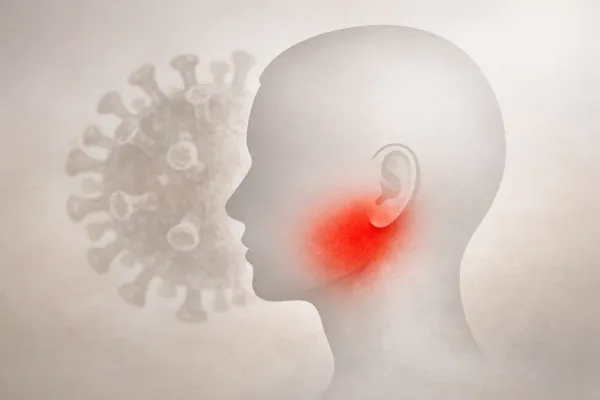
How Jaw Pain Can Impact Your Daily Life: Understanding the Daily Struggles
Explore how jaw pain affects daily life from eating to sleeping and ways to manage it.
You might think jaw pain is a complaint for boxers, chronic gum chewers, or the occasional karaoke enthusiast. However, research tells a different story. Around 10 million adults in the United States alone grapple with temporomandibular disorder (TMD) or bruxism. These conditions are often responsible for that persistent ache near your ears. A study by Safour and Hovey (2025) explored how people with chronic TMD describe their lives as a mix of fatigue, food avoidance, and social isolation. Simply put, sore jaws can make everyday activities feel like tough challenges.
Jaw pain is also sneaky. It disrupts meals, interrupts sleep, and can make simple conversations feel exhausting. By the end of this article, you will understand why your jaw hurts, how the pain affects your daily life, and what science-backed strategies can help you find relief.
Understanding Jaw Pain and Its Causes
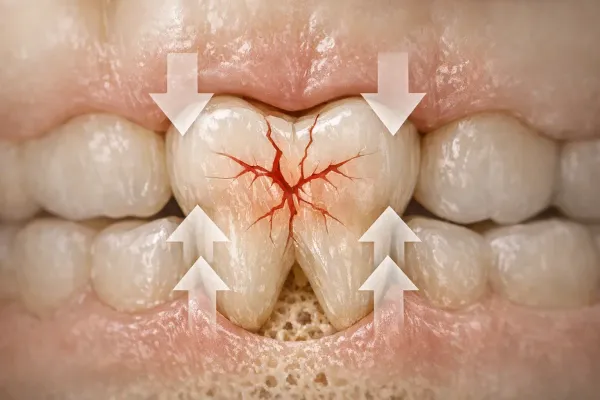
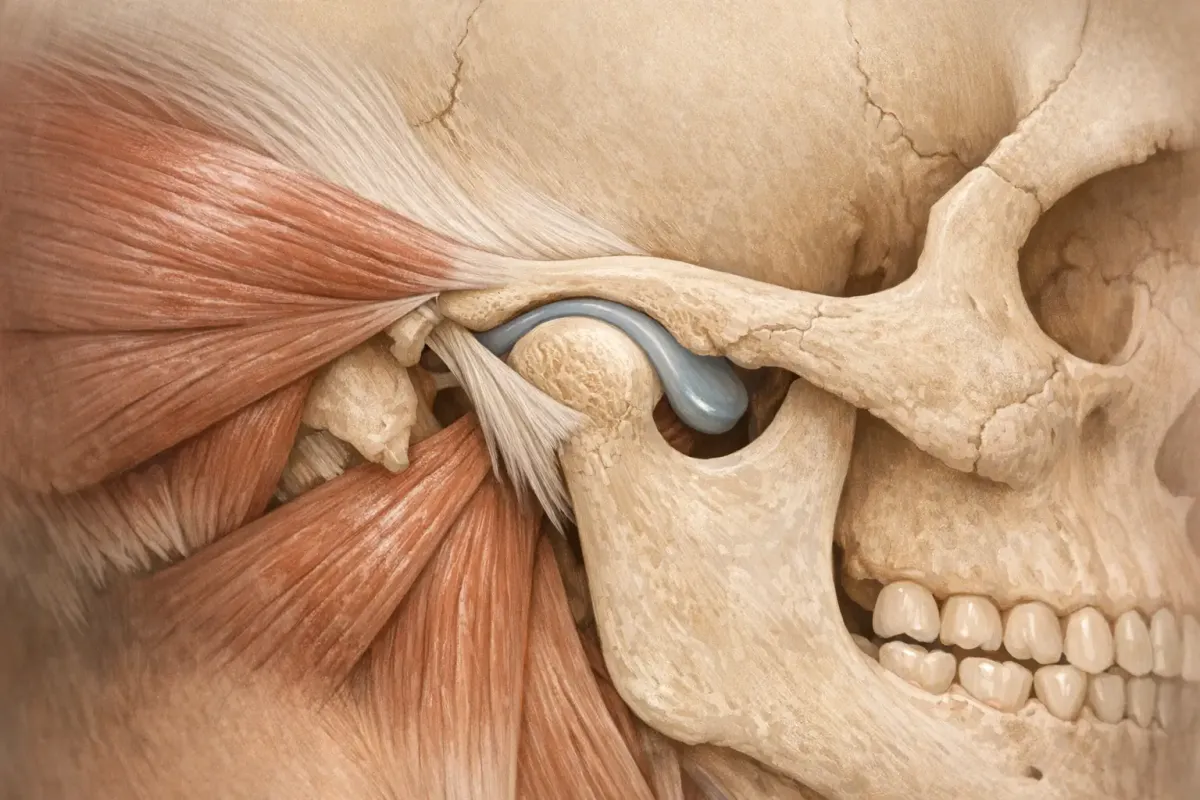
Your jaw functions like a hinge. When the moving parts become inflamed, stiff, or overworked, pain can occur in the chewing muscles, the joint itself, or both. The term most dentists use for this is temporomandibular disorder (TMD). Bruxism, or teeth grinding, is another condition that often strikes at night. Both can disrupt your schedule. To explore more about causes of jaw pain, including anxiety and more, you can delve deeper into the specific factors involved.
Symptoms of Jaw Pain
- Clicking, popping, or grinding noises when you open your mouth
- Dull ache near the ear, temple, or neck
- Locking or limited mouth opening, making yawns feel challenging
- Tension headaches that start at the temples and move to the forehead
- Ear fullness or ringing unrelated to an ear issue
In the study by Safour and Hovey (2025), participants reported that persistent pain led to "brain fog" and midday crashes, illustrating how symptoms can dominate their lives.
Common Causes
Jaw pain often results from a combination of muscle overuse, joint wear, and stress. Here are some common causes:
- Bruxism. A study by Olmez et al. (2025) found that people with sleep bruxism had reduced respiratory capacity and higher daytime fatigue. For further insights on the connection between sleep disorders and bruxism, you can explore the link here.
- Joint degeneration. Age, arthritis, or past injury can thin cartilage, causing issues with chewing.
- Stress and posture. Clenching during work calls or poor posture can strain jaw muscles. Discover how stress-induced jaw tension is a significant factor.
- Dental misalignment. Uneven bite forces from crowded or missing teeth can lead to muscle overcompensation.
- Systemic conditions. Autoimmune diseases, connective tissue disorders, and trauma can inflame the joint.
Early detection is crucial. A project using wearable ear-level sensors by Tsuji et al. (2025) showed potential in identifying abnormal jaw sounds before pain is felt, suggesting a future where your earbuds could help detect health issues.

Eating Challenges: How Jaw Pain Affects Your Diet
Mealtime should be enjoyable, not a struggle with jaw pain. Yet, jaw issues can make crunchy foods like veggies or bread difficult to eat.
Adjusting Your Diet
If chewing is painful, you might switch to softer foods like oatmeal, smoothies, mashed potatoes, and soups. According to Safour and Hovey (2025), some people avoid restaurants with chewy foods to avoid embarrassment. Another study by Riente et al. (2025) suggested using electromyographic feedback to guide safer food choices. For those interested in how diet influences bruxism, you can explore dietary impacts on teeth grinding.
Here are some practical tips:
- Slow-cook meats to tenderize them.
- Slice apples thin or steam them.
- Replace crunchy granola with overnight oats.
- Freeze yogurt slightly for a cool, easy-to-eat treat.
Nutritional Impacts
A diet of mostly purées can lead to low fiber and protein intake, affecting energy levels. A survey by the National Institute of Dental and Craniofacial Research found that chronic TMD patients often lack iron and B vitamins, which are important for healing and mood.
To maintain nutrition:
- Blend balanced smoothies. Include spinach, Greek yogurt, berries, and flaxseed for fiber, protein, and omega-3 fats.
- Opt for soft proteins. Consider scrambled eggs, tofu, or salmon instead of steak.
- Use fortified liquids. Plant milks with added calcium can support bone health.
- Add powdered supplements. Collagen peptides can dissolve in soups or coffee without altering texture.
Ignoring nutrition can worsen muscle fatigue, creating a loop of pain and weakness. While comfort foods are easy on the jaw, your overall health requires a balanced diet, even if it's puréed.
Sleep Disturbances: Jaw Pain's Influence on Rest
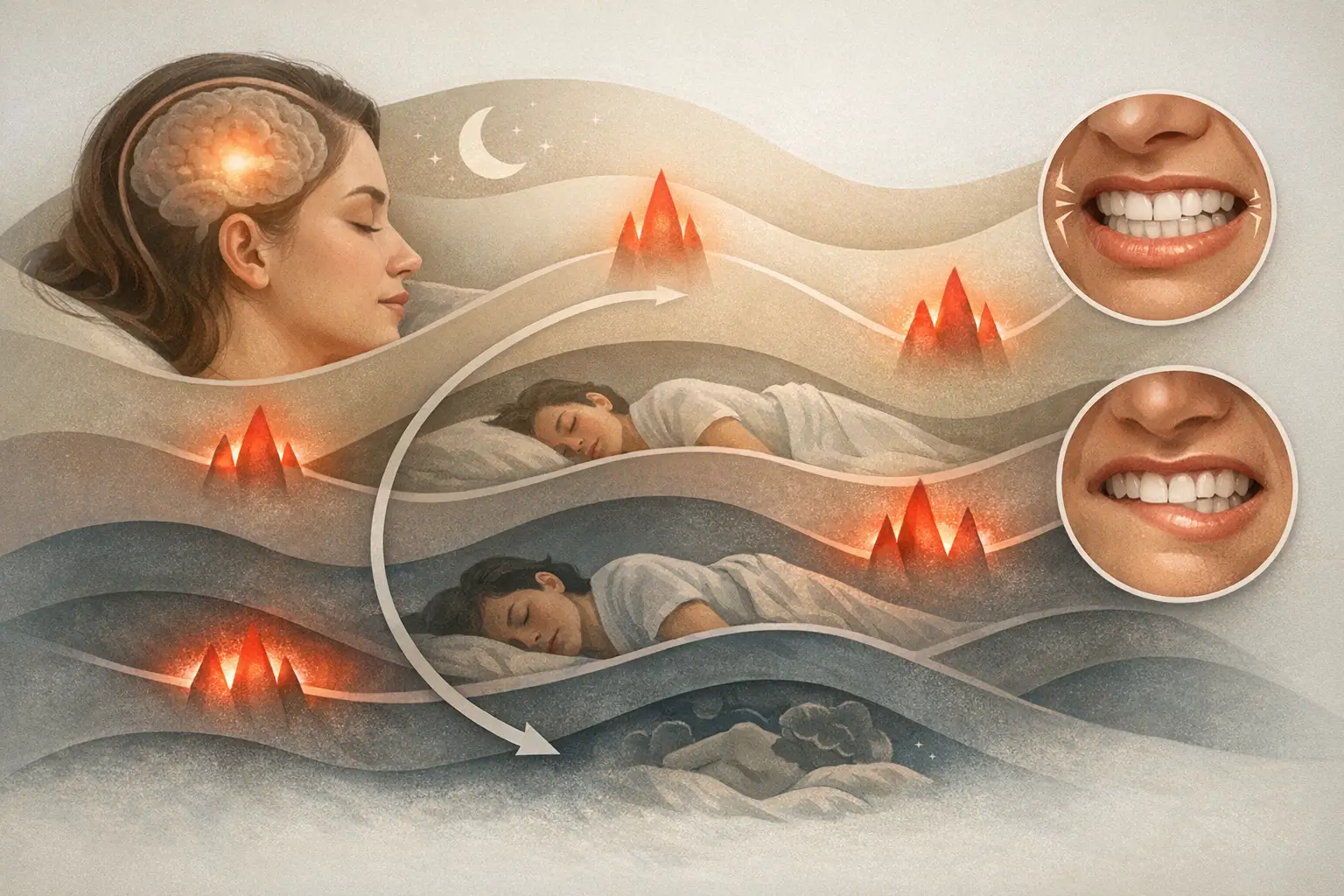
Grinding teeth at night is like having a TV on static. Your brain never fully rests. Bruxism can cause sleep disturbances, while TMD can cause pain that wakes you up.
Bruxism and Sleep Disorders
"Bruxism Decoded 2025" detailed how many people remain unaware of their nighttime grinding until someone else points it out. The report linked bruxism episodes to micro-arousals, disrupting deep sleep. Olmez et al. (2025) found that bruxers had impaired respiratory capacity, suggesting jaw muscle overactivity might affect airway stability. For practical solutions on how to manage teeth grinding during sleep, consider these strategies.
Consequences include:
- Shorter REM phases, affecting memory consolidation.
- Daytime sleepiness, reducing productivity.
- Higher stress hormone levels, increasing muscle clenching.
Managing Sleep Quality
While you can't control your jaw while asleep, you can set conditions for better rest:
- Custom night guards. The American Dental Association recommends laboratory-made splints to reduce tooth wear and muscle activity. Learn more about how mouth guards can help you sleep better.
- Positional therapy. Sleeping on your back with a supportive pillow can help align your jaw. Side sleeping with a tucked chin may increase clenching.
- Pre-bed relaxation exercises. Use a warm compress on your jaw for 10 minutes, followed by gentle stretching.
- Limit stimulants. Avoid caffeine after 2 p.m. and be cautious with alcohol as it can disrupt sleep.
- Rule out apnea. If snoring is an issue, consider a sleep study. Untreated apnea often coexists with bruxism.
Good sleep hygiene can reduce clenching episodes by up to 42 percent, according to Cleveland Clinic.
Physical and Emotional Strain: Living with Chronic Jaw Pain
Chronic jaw pain can affect work, relationships, and mental health. Participants in Safour and Hovey (2025) likened it to background noise that sometimes spikes to a fire alarm. The constant challenge of speaking, laughing, or chewing can lead to irritability.
Fatigue and Mental Health
Pain puts the body into a defensive mode, sapping energy. A Norwegian study on surgical TMD patients found a 30 percent increase in vitality scores post-operation, indicating pain relief can improve mental wellness. Untreated jaw pain often leads to:
- Low-grade depression due to activity restrictions
- Anxiety about flare-ups during social events
- Difficulty concentrating at work due to pain
Addressing the psychological aspect is important. Cognitive-behavioral therapy (CBT) has been shown to reduce pain perception. Meditation and mindfulness exercises can help prevent clenching from escalating. For more on managing stress-related jaw tension, explore effective techniques for relief.
Social and Work Life
Imagine negotiating a contract when your jaw locks mid-sentence or skipping a date because chewing is painful. That's the reality for many with TMD.
Key impacts include:
- Communication hurdles. Pain can limit mouth opening, affecting speech.
- Food-centric gatherings. Avoiding meals out can lead to social isolation.
- Workplace challenges. Frequent breaks or headaches may be misunderstood as lack of focus.
- Financial cost. Repeated dental visits and treatments can add up.
A protocol paper by Deshmukh & Jawade (2025) is testing cost-effective manual therapy techniques to potentially reduce clinic visits and associated costs.
Effective Management Strategies for Jaw Pain
There is no single cure, but combining several interventions can help manage jaw pain effectively.
Medical Treatments
- Prescription NSAIDs. Short courses of ibuprofen can reduce inflammation but require monitoring for stomach safety.
- Muscle relaxants at night. Low-dose cyclobenzaprine may reduce clenching but can cause grogginess. Learn more about how muscle relaxants help manage bruxism.
- Botulinum toxin injections. Botox can weaken overactive jaw muscles for temporary relief.
- Physical therapy. Targeted stretches and manual techniques improved pain scores in trials like those by Deshmukh & Jawade (2025). Discover how physical therapy aids TMJ pain and bruxism relief.
- Surgery. Reserved for severe cases, with Norwegian studies showing long-term satisfaction but considered a last resort.
Home Remedies
- Heat and cold cycling. Apply a warm towel for 15 minutes, then a cold pack for 5 minutes to manage inflammation.
- Self-massage. Use gentle circles along the masseter, stopping at tender points. Discover how self-massage can ease bruxism symptoms.
- Controlled jaw exercises. Open your mouth halfway, hold, and move side to side. Repeat twice daily.
- Posture checks. Remind yourself to maintain good posture to reduce strain.
- Stress reduction. Practice breathing exercises to lower cortisol and reduce clenching.
Combining medical and home strategies can provide comprehensive relief. A Mayo Clinic overview supports multimodal care as the best approach for long-term improvement.
Technological Advances in Jaw Pain Diagnosis and Treatment
Technological advances are providing new ways to diagnose and treat jaw pain.
Innovative Diagnostic Tools
The HearTMD system by Tsuji et al. (2025) uses in-ear microphones to detect joint sounds in real-time. This system, paired with AI analysis, offers immediate feedback without a clinic visit.
Additionally, smartphone apps now work with surface EMG patches to alert you when grinding begins, helping you unclench even during the day.
Future Directions
- 3-D printed custom splints for a perfect fit.
- Tele-rehab platforms for guided jaw exercises with motion tracking.
- Genetic screening to identify collagen variants linked to joint laxity for personalized prevention.
While these tools are not yet widely available, they suggest a future where managing jaw pain is more user-friendly.
Conclusion
Jaw pain often starts with a minor discomfort but can quickly affect meals, sleep, and mood. Studies from Safour and Hovey (2025) to Olmez et al. (2025) reveal the domino effect of mechanical strain leading to fatigue and social withdrawal.
The good news is that there are many tools—from night guards and exercises to new technologies—that can empower you to manage jaw pain effectively. Early intervention is crucial, so don't wait for a minor ache to become a major issue. Consult a dentist, physical therapist, or sleep specialist to address your jaw pain and protect your well-being.
Your face works hard for you. It's time to return the favor.