Exploring the Causes of Jaw Pain: Anxiety or Something More?
Uncover the causes of jaw pain: anxiety, heart attack, or other factors?
You wake up with jaw pain that feels like it bench-pressed a Buick, and immediately, your mind jumps to worst-case scenarios. Is it anxiety? A heart issue? Or maybe you've been grinding your teeth in your sleep? Jaw pain can be a mild nuisance or a serious warning sign, making it hard to determine the cause.
This article explores the science behind jaw pain, helping you move from worry to understanding. We'll cover anxiety, heart attack symptoms, temporomandibular disorders (TMDs), and other potential causes. By the end, you'll know when to relax, when to call your dentist, and when to seek emergency care.
Understanding Jaw Pain: Anxiety or Heart Attack?
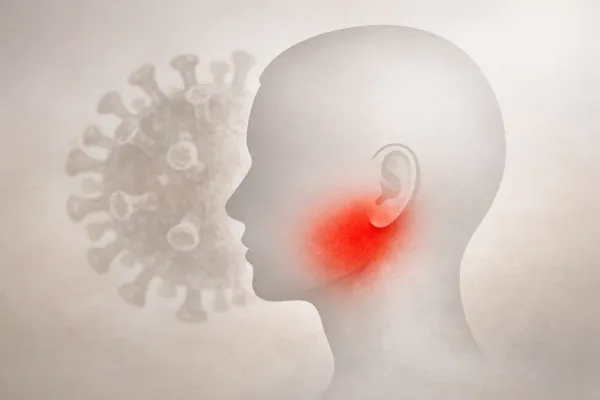
The question "Is jaw pain from anxiety or a heart attack?" is a common search inquiry. Both conditions can cause jaw pain, but their underlying mechanisms and symptoms differ significantly.
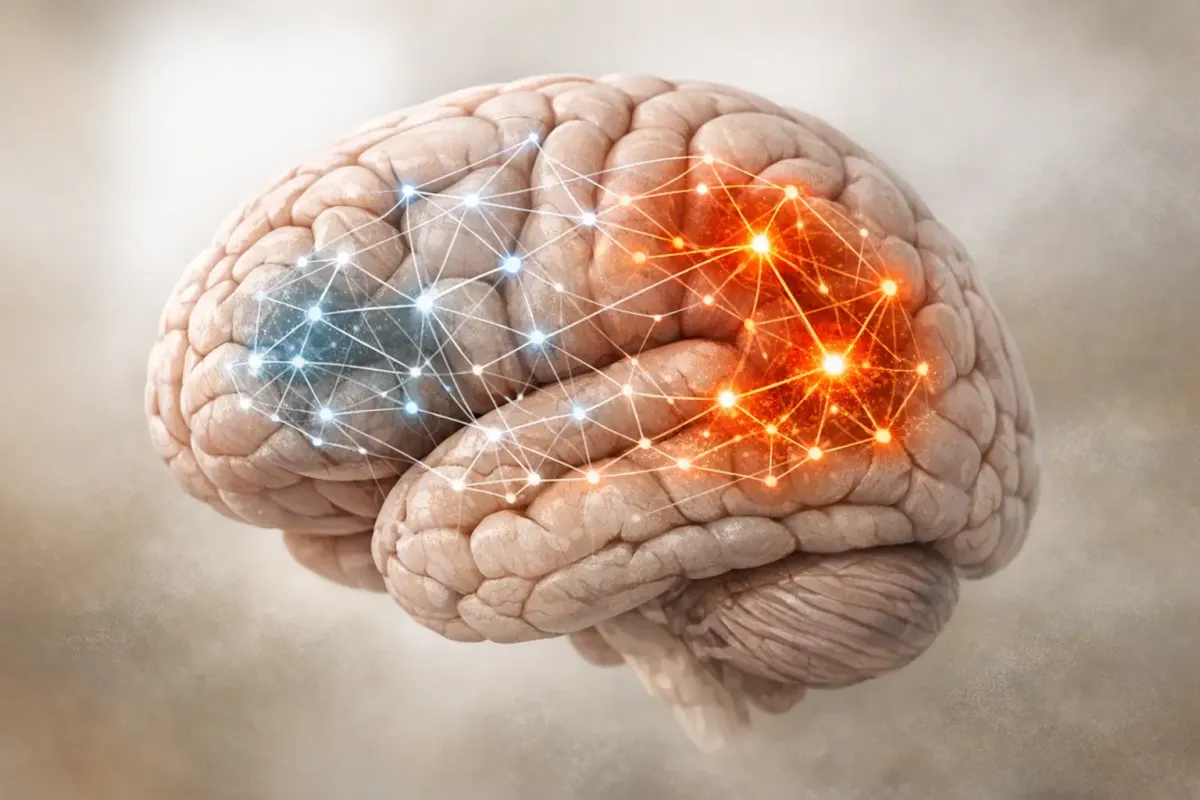
Anxiety triggers a fight-or-flight response. During anxiety, your autonomic nervous system releases stress hormones, increasing muscle tension. Research by Chang and Cho highlights how anxiety activates brain regions controlling motor tension, affecting muscles around the temporomandibular joint (TMJ). Essentially, your brain signals your jaw to clench.
Heart attacks, however, involve reduced blood flow to the heart. Pain can radiate to the jaw because the heart and lower jaw share nerve pathways in the spinal cord (segments C3–C5). The American Heart Association notes that jaw pain from a heart attack often comes with chest pressure, sweating, nausea, or shortness of breath. Anxiety-related jaw pain rarely includes these systemic symptoms.
Key differences to note:
- Onset: Cardiac jaw pain often appears suddenly during physical activity or stress. Anxiety-related jaw pain can develop gradually or spike during panic.
- Location: Heart-related pain frequently affects the left jaw or both sides. Anxiety tension may feel like a tight band anywhere along the jaw muscles.
- Duration: Cardiac pain usually lasts more than a few minutes or comes in waves. Anxiety pain may fluctuate with stress levels.
- Associated symptoms: Look for chest discomfort, arm pain, or cold sweats for a heart attack. Anxiety pain often accompanies a rapid heartbeat and a sense of impending doom, rather than chest pain.
If you experience jaw pain along with heart attack symptoms, call emergency services. Otherwise, read on to learn why anxiety might be affecting your jaw.
The Connection Between Anxiety and Jaw Tension
Research frequently links anxiety disorders with jaw tension and bruxism (teeth grinding). A study by Yap, Zheng, and Liu found that individuals with high health anxiety reported greater jaw-muscle activity during sleep. Let's explore how your brain's worry circuits can lead to jaw pain.
Psychological Factors
Generalized anxiety disorder (GAD) keeps the mind focused on “what if” scenarios. This mental hypervigilance primes motor areas to remain active. Chang and Cho’s study revealed that anxiety increases connectivity between the amygdala (fear center) and motor cortex. In simple terms, your jaw muscles stay tense even when no danger is present.
Health anxiety, or hypochondriasis, adds complexity. According to Yap et al., people who frequently check for illness report more jaw pain and catastrophic thoughts about that pain. This worry intensifies muscle activity, creating more discomfort and perpetuating the cycle.
Physical Manifestations
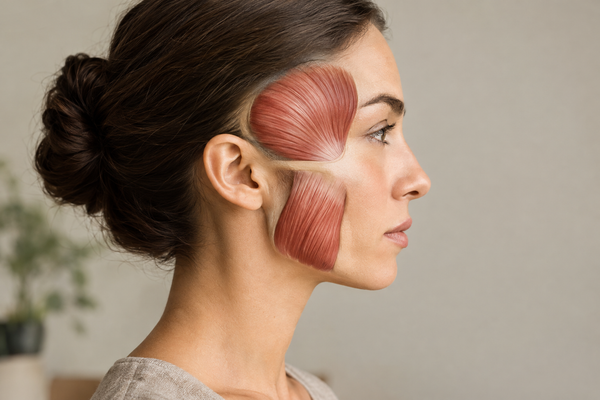
Anxiety spikes cause excess adrenaline and cortisol production. These hormones increase muscle tone and blood pressure. When stress becomes chronic, jaw muscles shorten and thicken, similar to a clenched fist held for hours. Micro-tears develop, leading to soreness and headaches.
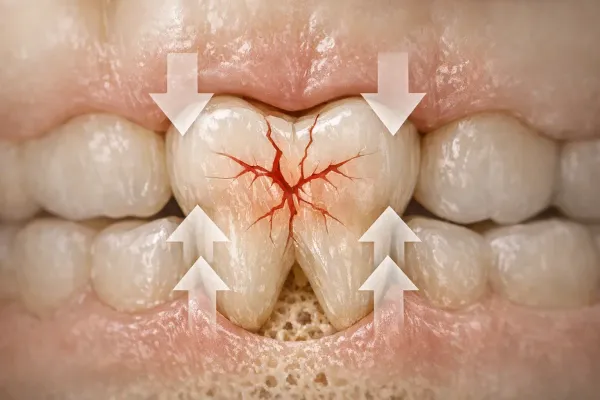
Nighttime bruxism worsens the problem. Sleep studies using electromyography show that anxious individuals have more frequent jaw contractions during sleep. Over time, grinding can wear down enamel and overload the TMJ. According to the Cleveland Clinic, up to one-third of TMD cases involve bruxism linked to stress or anxiety.
Daytime habits also play a role. People who “chew on ideas” may chew on pens or nails during stressful situations. Holding a phone between the shoulder and ear can lead to asymmetric clenching. A simple headset can prevent hours of unconscious jaw tension.
Temporomandibular Disorders: Beyond Anxiety
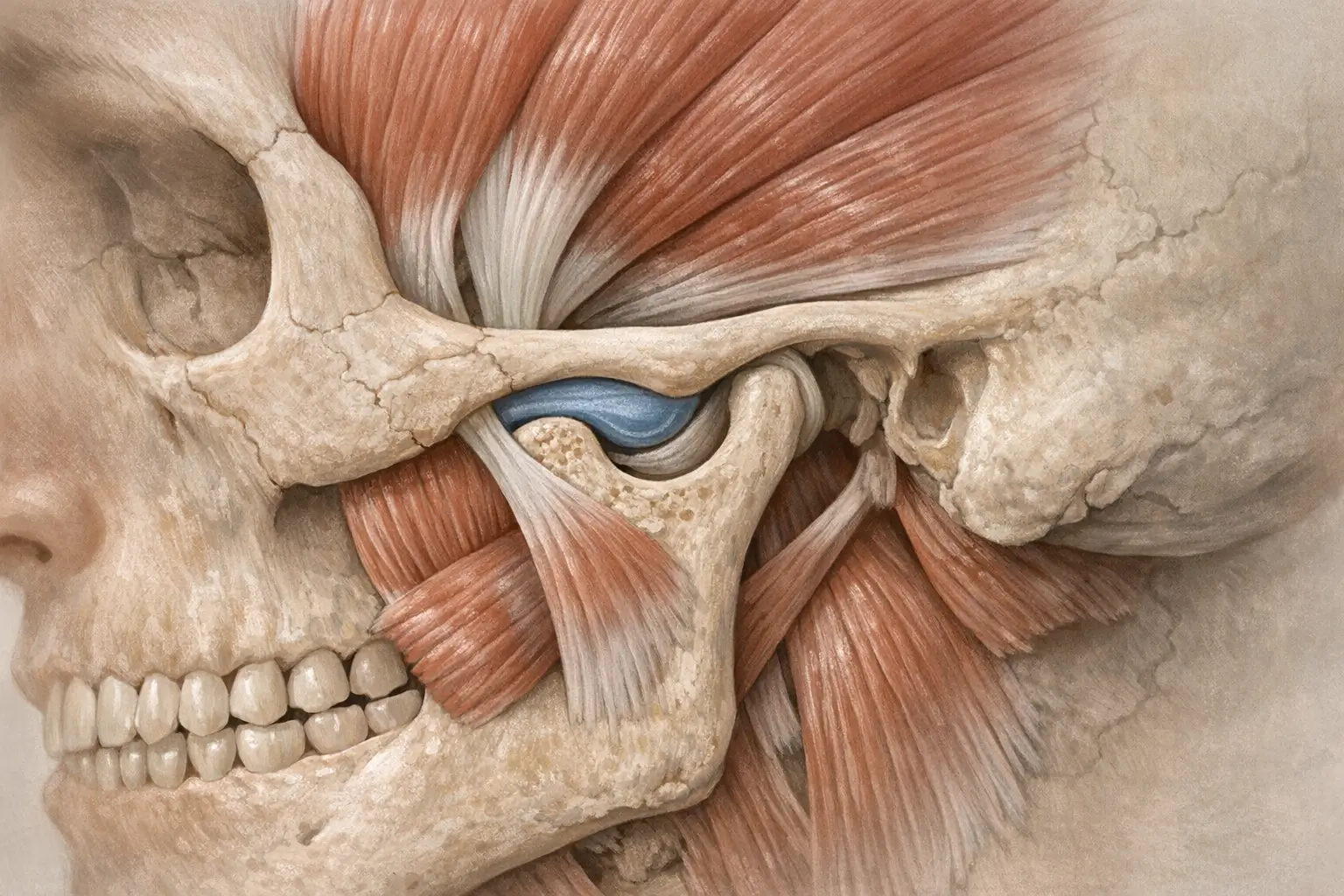
Anxiety is only one factor in the complex story of temporomandibular disorders. TMDs encompass conditions affecting the joint, muscles, ligaments, and nerves of the jaw. Causes include genetics, biomechanics, and psychosocial stressors.
Multifactorial Causes
A review by Saini et al. pooled data from 36 studies and found that psychological factors account for about 20% of TMD variance, while biomechanical issues like malocclusion and joint degeneration cover the rest. Oxidative stress is another emerging factor. Kuć and colleagues found elevated oxidative biomarkers in patients with myofascial TMD pain, suggesting that free radicals may sensitize nerves and increase discomfort.
Female hormones also contribute. Estrogen receptors in the TMJ influence collagen turnover, which may explain why women report TMD more often than men. Pregnancy or perimenopause, when estrogen fluctuates, often coincide with TMD flare-ups.
Posture is an unglamorous but crucial factor. Slouching over computers shifts the head forward, causing the jaw to jut out for balance. Physical therapists call this “tech neck,” and it strains the masseter and temporalis muscles.
Impact on Quality of Life
TMD pain affects daily life. Saini’s meta-analysis linked higher pain scores with poor sleep quality and reduced productivity. Similarly, research by Yap, Zheng, and Liu showed that anxiety and depression double the odds of severe jaw disability and decrease oral-health-related quality of life by nearly 40%.
The effects can be surprising. Patients may avoid crunchy foods, wide yawns, or social events where talking might hurt. Over time, these small avoidances impact mood and self-confidence. For instance, a photographer might stop booking gigs because directing smiles triggers her TMD, affecting income, passion, and social contact.
Clinical Findings on Jaw Pain and Anxiety
Let's shift from theory to clinical evidence. Multiple studies outline measurable links between anxiety and jaw pain.
Research Highlights
- Yap et al. found that each one-point increase on the Generalized Anxiety Disorder-7 scale predicted a 0.3-point rise in jaw pain intensity on a 10-point scale.
- The same group reported that anxiety and depression increased the odds of nocturnal bruxism by 2.4 times.
- Chang and Cho’s study showed that anxiety heightens connectivity between the limbic system and orofacial motor nuclei, suggesting a brain-level pathway for clenching.
Practical Implications
For clinicians, the key takeaway is to always screen for psychological distress when a patient presents with unexplained jaw pain. Quick surveys like the GAD-7 or PHQ-9 can reveal anxiety or depression contributing to muscle tension.
Diagnostic guidelines now emphasize a dual approach: ruling out structural causes with imaging and dental exams while also considering mental health. Ignoring anxiety can lead to ineffective treatment, while focusing solely on therapy might miss physical issues like a cracked molar. Balance is crucial.
Alternative Causes of Jaw Pain
Not all jaw pain stems from stress or TMD. Let's explore two other major categories: dental issues and neurological factors.
Dental Issues
Infections like periapical cysts can mimic TMD pain by pressing on nerves. Nochahrly et al. discussed an 8-year-old whose jaw pain resolved after cyst removal. Impacted wisdom teeth, cracked molars, and abscesses can also refer pain to the jaw joint.
Periodontal disease is another factor. Inflamed gums release cytokines that sensitize nearby nerves. The American Dental Association states that deep cleaning and antibiotics can reduce gum and jaw discomfort.
Sinusitis should not be overlooked. Maxillary sinus pressure can radiate to upper molars and the jaw, especially when bending forward. A "tap test" on cheekbones that worsens pain suggests sinus, not TMJ, involvement.
Neurological Factors
Nerve-related jaw pain varies. Trigeminal neuralgia causes electric-shock pain on one side. Less known is Neuralgia-Inducing Cavitational Osteonecrosis (NICO). Keith’s review debates whether NICO is real or pseudoscience, but some find relief after jaw-bone lesion treatment.
Mental health plays a role here too. A case series by Pourshahidi et al. documented OCD patients who developed myofascial pain dysfunction syndrome. Treating OCD with cognitive-behavioral therapy eased their jaw pain, highlighting the brain-body connection.
Managing Jaw Pain: Strategies and Solutions
The good news is that jaw pain can be managed through lifestyle changes and medical interventions.

Lifestyle Changes
- Stress reduction: Mindfulness meditation, paced breathing, or progressive muscle relaxation can lower stress. A mouse study on Withania somnifera extract hinted at herbal support, though human data are pending.
- Jaw exercises: Gentle opening and side-to-side movements can help lengthen tight muscles. The National Institute of Dental and Craniofacial Research provides a free PDF of evidence-based stretches.
- Heat and cold therapy: Warm compresses relax muscles; ice packs reduce inflammation. Alternate 10-minute intervals for effective relief.
- Sleep hygiene: Consistent bedtimes, avoiding caffeine after noon, and keeping a cool bedroom can reduce nocturnal bruxism. Good sleep hygiene is vital for minimizing teeth grinding.
- Diet adjustments: Soft foods during flare-ups and avoiding gum or chewy candy can give the TMJ a break. Learn how diet influences bruxism.
Medical Treatments
- Occlusal splints: Also known as night guards, these devices protect enamel by distributing bite forces. Have one made by a dentist, as over-the-counter versions may not fit properly. Choosing the right mouth guard is essential.
- Physical therapy: Techniques like trigger-point release and ultrasound can relax jaw muscles. Some clinics use biofeedback to help patients manage clenching.
- Cognitive-behavioral therapy: CBT can address catastrophic thoughts that worsen pain perception.
- Pharmacologic aids: Short-term NSAIDs or muscle relaxants can help with acute flares. Low-dose tricyclic antidepressants target both pain and sleep problems.
- Botulinum toxin injections: Botox can weaken overactive masseter muscles in resistant bruxism cases, though it requires repeat sessions.
- Surgical options: Procedures like arthrocentesis or arthroscopy are last resorts for structural TMJ damage. Less than 5% of TMD patients need surgery, but understanding the care ladder helps set realistic expectations.
Conclusion: Identifying and Addressing Jaw Pain
Jaw pain can result from anxiety-driven tension, structural TMJ issues, dental infections, or even cardiac events. The key is to match the symptom to the right cause. Be aware of red-flag signs like chest pressure or arm pain that require emergency assessment. For everyday tension, combine stress management with dental or medical advice. Understanding the science behind jaw pain can help you stop guessing and start healing, so your jaw can finally rest.