Uncovering the Causes of Bruxism: Why We Grind Our Teeth at Night
Explore unexpected factors causing teeth grinding during sleep and discover potential triggers.

You wake up with a sore jaw, and your partner complains about the grinding noises you made all night. You type “causes of bruxism” into a search bar and find a sea of theories: caffeine, stress, or maybe a misaligned bite. Modern research suggests bruxism is not caused by a single factor but a mix of genetic, environmental, psychological, and systemic influences that sometimes team up while you sleep. This article explores the latest evidence about each of these factors so you can identify the triggers hiding in plain sight.
We rely on peer-reviewed papers published in recent years and include guidance from institutions like the American Dental Association. By the end, you will have a clear understanding of why your jaw muscles act up at night and what it means for your health.
Genetic Influences on Bruxism
Genes do not decide your fate, but they can influence it. Two genes, the dopamine D3 receptor gene (DRD3) and the serotonin 2A receptor gene (HTR2A), are linked to how your brain handles arousal and muscle activity. A closer look at these genes can explain why some people grind their teeth even without obvious stressors.
Understanding DRD3 and HTR2A Genes
A 2026 study by Gassara Yosra and colleagues collected saliva samples from adults diagnosed with sleep bruxism and compared them with non-grinders. Researchers looked for single-nucleotide polymorphisms, small changes in DNA that can alter protein behavior. Two key findings emerged:
- DRD3 Ser9Gly (rs6280) – People with the Gly variant had a higher likelihood of grinding. Dopamine D3 receptors help control motor activity, so a changed receptor could make jaw muscles more active during night arousals.
- HTR2A T102C (rs6313) – The C allele was linked to more frequent and longer bruxism episodes. Since serotonin 2A receptors affect sleep stages, a variant might disrupt the transition between REM and non-REM sleep, extending grinding episodes.
The research team also measured messenger RNA levels, finding that higher DRD3 and HTR2A expression correlated with more severe tooth wear. This suggests that gene activity, not just sequence, is important. Your biology might be "turning up the volume" on these receptors, causing muscles to contract when they should relax.
What does this mean for you? Genetic tests are not routine for bruxism, and a variant does not guarantee grinding. However, knowing there is a hereditary factor can reduce self-blame and guide prevention. Someone with a high-risk profile might benefit from stress-management training or wearing a night guard to prevent enamel loss.
Other neurotransmitter genes are also being studied, but none have as strong evidence as the study above. If bruxism runs in your family, your DNA could be influencing it, and lifestyle factors can amplify or reduce its effects.
Future research may offer saliva-based tests for bruxism, similar to cholesterol checks for heart health. Until then, focus on modifiable triggers while remembering genetics is just the starting line.
Environmental and Lifestyle Factors
Even with genetic risk, bruxism often flares due to daily habits. Two main suspects are poor sleep and chronic stress. These factors can activate the nervous system into a “fight-or-grind” state, especially during light sleep when muscle inhibition is weakest.
Impact of Sleep Fragmentation and Stress
A study titled “Nocturnal Bruxism Severity and Lifestyle-Driven Cardiovascular Risk” by Dipti Kanchan (2026) tracked over 3,000 adults with sleep monitors. Participants with frequent sleep fragmentation —defined as five or more mini awakenings per hour— had a 62% higher bruxism index than those with uninterrupted sleep. Each arousal activates jaw muscles momentarily, adding up to minutes of grinding.
On the stress front, a 2026 survey led by Serpil Sevimli Deniz focused on university students, a group known for deadline anxiety. Among 1,120 respondents, high perceived stress scores strongly predicted clenching and morning jaw pain. Students juggling work and heavy caffeine topped the chart, suggesting a compound effect between stress and stimulants keeping the brain alert at bedtime.
How can this knowledge help you? Start by improving your sleep hygiene:
- Screen time. Blue light signals your brain it's daytime. Avoid screens at least an hour before bed.
- Regular schedule. The Cleveland Clinic notes that erratic bedtimes disrupt circadian rhythms, leading to fragmented sleep.
- Bedroom setup. Cool rooms, blackout curtains, and white noise can reduce micro-arousals.
To manage stress, consider cognitive-behavioral therapy, mindfulness apps, or evening walks to calm the nervous system. You don't need to be a monk—just signal to your body that the stressors of the day are not lurking in your bedroom.
Substance habits also matter. The Mayo Clinic identifies caffeine, alcohol, and nicotine as common culprits. These substances fragment sleep and increase muscle tone. If coffee seems to fuel your grinding, try going caffeine-free after noon for two weeks and keep a journal. Many report jaw relief within days.
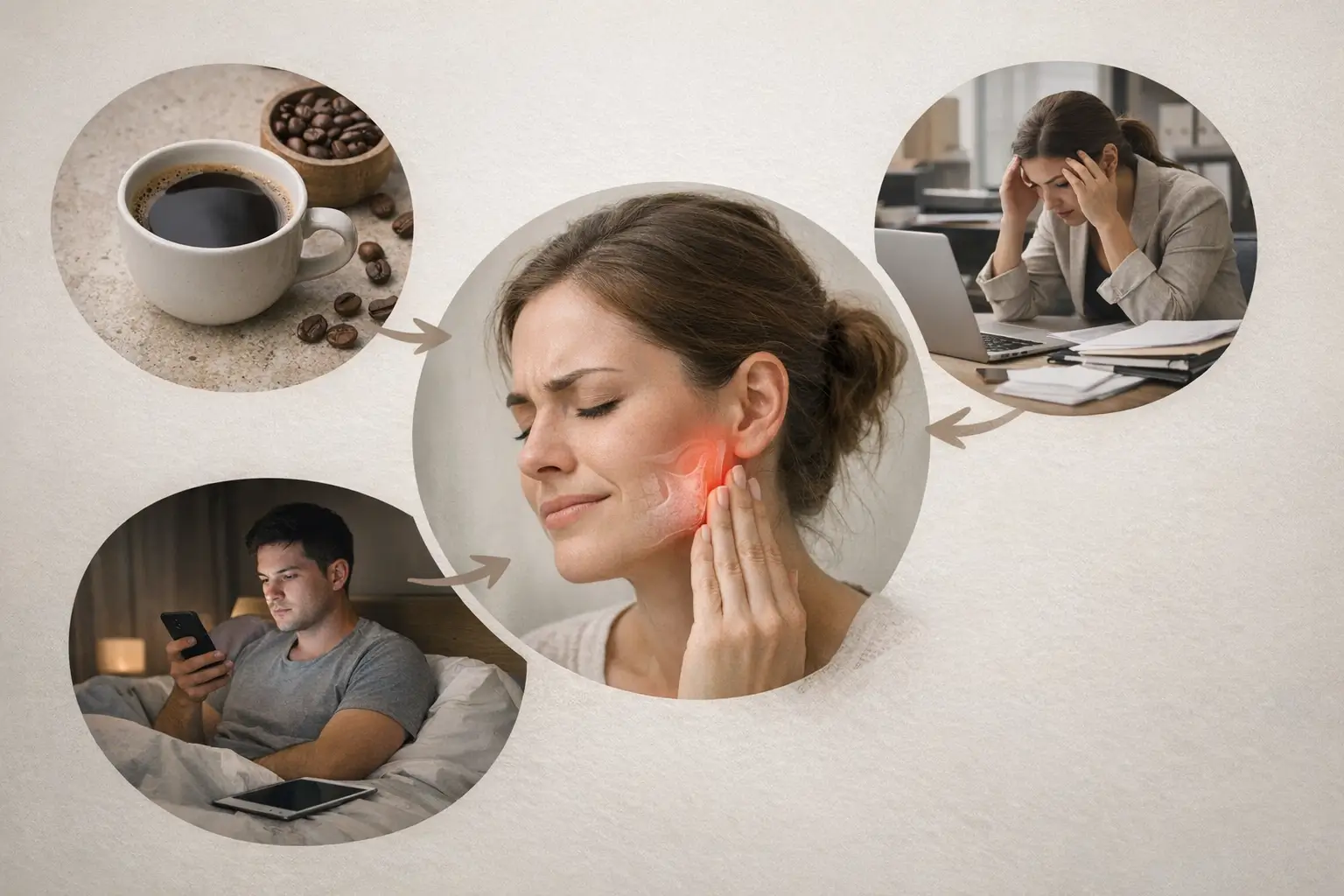
The key message is that lifestyle factors can be both causes and cures. Adjusting them may not completely stop grinding, especially if genetics and psychological issues are involved, but evidence suggests you can significantly reduce episode frequency with basic changes.
The Role of Dental Conditions
Sometimes the cause is structural. Your oral anatomy can invite bruxism or worsen its effects. An interesting area of research focuses on bony growths inside the mouth called tori. These appear on the roof of the mouth (palatal torus) or the inner surface of the lower jaw (mandibular torus). While benign, they might affect muscle leverage and bite stability.
Mandibular/Maxillary Torus and Bruxism
In a study of over 700 dental patients, Ii Hisataka and colleagues (2026) found that people with a mandibular torus had nearly double the odds of bruxism symptoms. The bony growth alters tongue position and muscle activity, possibly affecting jaw mechanics during sleep.
A pediatric study by Zhang Yaqiong et al. (2025) examined kids with mixed dentition and found early tori formation linked to sleep disturbances and enamel wear. This suggests anatomical quirks can play a role long before adult stressors do.
Why should you care? If you have unexplained bumps under your tongue or on your palate, mention them to your dentist. While removal is rarely needed, understanding your bite's unique contours can shape treatment:
- Custom night guards. Standard guards may not fit well over tori, so your dentist can craft one that avoids pressure points.
- Occlusal adjustments. Adjusting high tooth contacts can reduce muscle load that tori amplify.
Bruxism can exacerbate gum disease around these areas. The same 2026 study linked tori presence with periodontitis severity, likely due to increased periodontal stress from clenching. Regular cleanings and flossing become even more important if you have both traits.
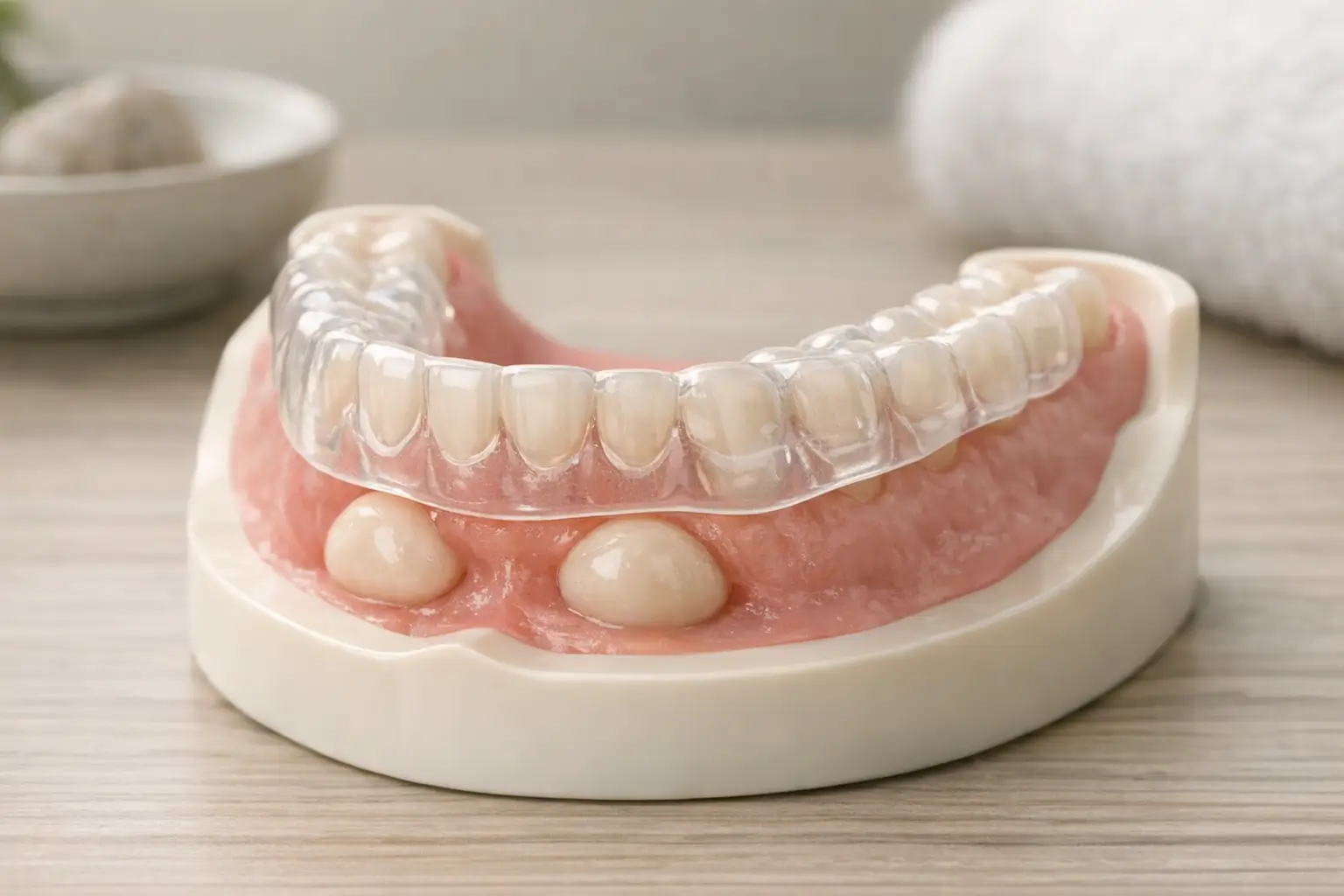
In summary, your mouth's architecture is not your destiny, but it can create a stage where grinding thrives. Understanding your dental "real estate" helps tailor guards and hygiene habits to minimize bruxism's impact.
Psychological and Neurological Factors
Your brain stem directs grinding episodes, but it often takes cues from psychological factors. Among these, PTSD and anxiety are notable. These conditions keep the autonomic nervous system active, making it easier for jaw muscles to engage.
The Connection with PTSD
A study by Chung Joey et al. (2025) focused on veterans with PTSD. Using jaw EMG sensors and pain diaries, researchers mapped connections between bruxism, temporomandibular disorder pain, and hyperarousal symptoms like nightmares. Bruxism was central, acting as a mediator between intrusive memories and jaw pain. Traumatic memories do not directly harm your jaw; they keep your nervous system on edge, and grinding causes the physical pain.
This aligns with a review by E. Terentyeva and colleagues (2025), highlighting altered dopamine and serotonin pathways in PTSD patients. Psychological trauma can mimic or amplify genetic neurotransmitter imbalances.
If trauma is a factor in your grinding, focusing solely on mouthguards is like placing buckets under a leaking roof. The upstream solution involves:
- Trauma-focused therapy. Eye Movement Desensitization and Reprocessing (EMDR) or Cognitive Processing Therapy can lower hyperarousal.
- Biofeedback. Some night guards now have sensors that vibrate when you clench, helping break the habit.
- Medication review. Some psychiatric drugs can induce bruxism. Discuss dose adjustments with your doctor.
For the curious, bruxism episodes often align with heart rate and brain wave surges known as K-complexes. PTSD amplifies these, increasing jaw contraction opportunities. Treating the psychological root reduces episode count even if dental hardware remains the same.
Bruxism is not limited to PTSD. Anxiety, depression, and attention-deficit disorders share similar pathways. So, do not dismiss grinding if you feel "I am not traumatized." A restless mind rarely lets the jaw relax.
Bruxism and Cardiovascular Health
You might think grinding is localized to the jaw, but emerging evidence links it to cardiovascular strain. The cohort studied by Kanchan (2026) found severe nocturnal bruxism associated with higher blood pressure and fasting glucose.
Understanding Systemic Implications
Participants were divided into quartiles based on bruxism intensity measured by EMG sensors. The highest quartile showed:
- Average systolic blood pressure 7 mmHg higher than the lowest quartile.
- Increased C-reactive protein, indicating systemic inflammation.
- A 21% greater prevalence of metabolic syndrome.
How do jaw muscles affect heart health? It's likely a feedback loop. Repeated nocturnal arousals increase sympathetic tone, raising blood pressure. High blood pressure can disturb sleep, deepening bruxism.
This means dentists and doctors should communicate more. If your dentist notices heavy wear patterns, a blood pressure check is wise, even if you're young and healthy. Likewise, if you have hypertension, mention jaw pain or cracked teeth, as it might indicate bruxism.
Practical steps:
- Track blood pressure. A home cuff provides data and shows if grinding nights align with pressure spikes.
- Exercise. Aerobic activity lowers stress hormones and blood pressure, a dual benefit against grinding.
- Limit late-night alcohol. It fragments sleep and raises heart rate, as noted by the Sleep Foundation.
While bruxism does not doom your arteries, it signals your nervous system spends too much time in "red alert" mode. Addressing grinding might reduce cardiovascular risk while preserving your enamel.
Exploring Hypobaric Hypoxia
If you've traveled to high altitudes and woken up with a headache, you've experienced hypobaric hypoxia. Research is investigating whether low-oxygen environments trigger or worsen sleep bruxism.
Physiological Associations
Pena Eduardo et al. (2025) placed volunteers in a hypobaric chamber simulating 3,000 meters of altitude. EMG recordings over two nights showed a 30% increase in bruxism episode duration compared to sea level. Blood oxygen saturation dipped, and heart rate variability indicated sympathetic overdrive.
The theory: hypoxia signals the brainstem to increase airway muscle tone to keep breathing passages open. Unfortunately, jaw-closing muscles are also activated. The study also showed more sleep fragmentation, which we know fuels grinding.
What does this mean for you if you live at sea level? Consider any situation that reduces oxygen—severe nasal congestion, untreated sleep apnea, or poor ventilation. Each can mimic altitude effects. If you grind, ruling out breathing disorders with a sleep test can uncover an easily treatable trigger.
If you sleep at altitude, consider a night guard as cheap insurance. Some climbers now include thin guards in their gear alongside altitude meds.
The study hints at shared pathways between sleep apnea and bruxism. While they do not always come together, watching for snoring, daytime sleepiness, and witnessed apneas is wise. Fixing airway issues might calm both your grind and your partner’s nerves.
Conclusion
Teeth grinding is not a simple story. Genetics set the stage with DRD3 and HTR2A variants priming your jaw muscles. Environmental habits like screen use and caffeine consumption fan the flames, while anatomical quirks like mandibular tori tweak the mechanics. Psychological factors, especially PTSD, keep your nervous system on high alert, which may strain your cardiovascular system. Add exotic triggers like hypobaric hypoxia, and it's clear why one-size-fits-all advice rarely works.
Your action plan is twofold: broaden your perspective and assemble a team. Consult your dentist about structural factors and guards. Involve a physician for sleep studies or blood pressure checks. If stress or trauma is part of your life, a mental health professional can help calm the system driving grinding. Simple lifestyle changes—better sleep hygiene, reduced stimulants, and regular exercise—often provide quick wins.
By viewing bruxism as a crossroads of genes, environment, mind, and body, you gain more tools to reduce its impact. Your jaw, heart, and sleeping partner will thank you.