How to Manage Pediatric Bruxism: Effective Approaches for Parents
Discover strategies for managing teeth grinding in kids effectively.
Between soccer practice, homework, and the ongoing quest to keep broccoli on the dinner menu, the last thing you need is the sound of your kid grinding their teeth like a tiny chainsaw. Yet pediatric bruxism is common, and it can quietly erode enamel, disrupt sleep, and leave everyone wondering what's going on inside that busy little jaw. Teeth grinding in kids, also known as pediatric bruxism, is a condition that parents should be aware of.
Fortunately, research over the past decade has unraveled much of the mystery around why kids grind and what you can do about it. This article provides an evidence-based guide written in plain English, referencing the latest studies, to help your child sleep better and manage teeth grinding effectively.
Understanding Pediatric Bruxism
What is Pediatric Bruxism?
Bruxism is the repetitive clenching or grinding of the teeth. In kids, it shows up in two main forms:
- Sleep bruxism – Jaw activity that happens during light sleep cycles, often without the child realizing it.
- Awake bruxism – Daytime clenching, usually when the child is concentrating, stressed, or soaking up screen time.
While adults grind too, children’s jaws and teeth are still developing, so unchecked bruxism can shape the way permanent teeth erupt and even affect facial growth. A detailed narrative review, Advances in the Understanding of Pediatric Sleep Bruxism by Al-Jewair and colleagues, notes that up to 49 percent of children experience sleep bruxism at some point, with prevalence peaking between ages 4 and 12 years. Another broad review of causes and treatments, A Comprehensive View of Bruxism by Sonpal et al., stresses that early diagnosis prevents more complex dental work down the line.
To put it in real-life terms, picture a seven-year-old named Addison who has just lost her front incisors. The nerve signals that help teeth “feel out” their new neighbors spike during these eruptive phases, making nighttime clenching more likely. If nobody notices until months later, those brand-new adult teeth can emerge looking like they survived a sand-storm. Catching the habit early means Addison keeps her sparkle—and her parents keep their vacation fund.
Causes and Symptoms
Researchers divide the triggers into three categories:
- Physiological – Issues like inner-ear pressure changes, misaligned bites, and airway obstruction due to enlarged tonsils or allergies.
- Psychological – Stress from school, social dynamics, or big life changes such as parental separation.
- Pharmacological – Certain medications (for example ADHD stimulants) can increase muscle activity during sleep.
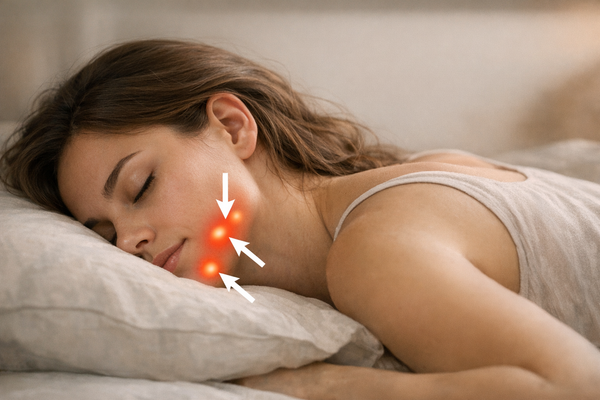
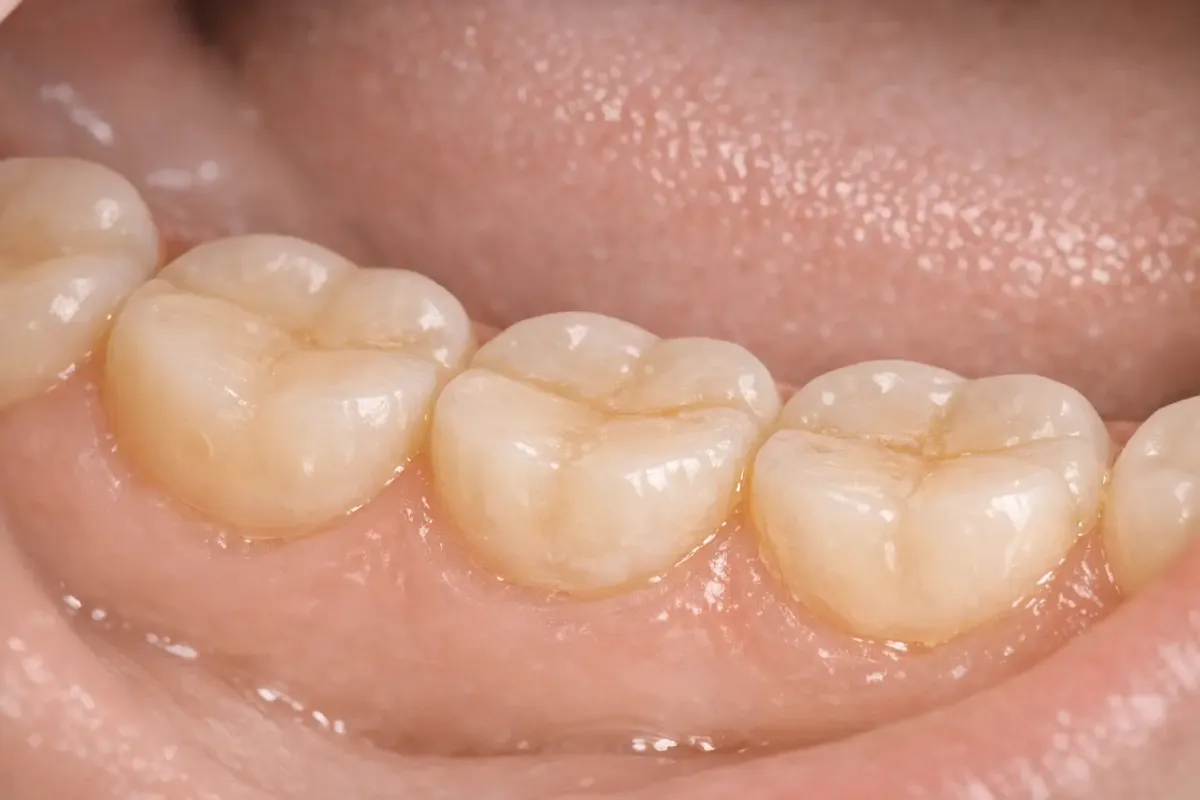
The key symptoms you might hear or see include audible grinding at night, flattened biting surfaces, morning headaches, and complaints of a sore jaw. Untreated, the habit can escalate into temporomandibular joint (TMJ) issues, cracked fillings, and even sleep disturbances for anyone within earshot.
Identifying Signs of Teeth Grinding in Kids
Common Symptoms
Spotting bruxism early means you can intervene before enamel looks like it went through a rock tumbler. Keep an eye (and ear) out for:
- Grinding or clicking noises during sleep that rival a cheap blender.
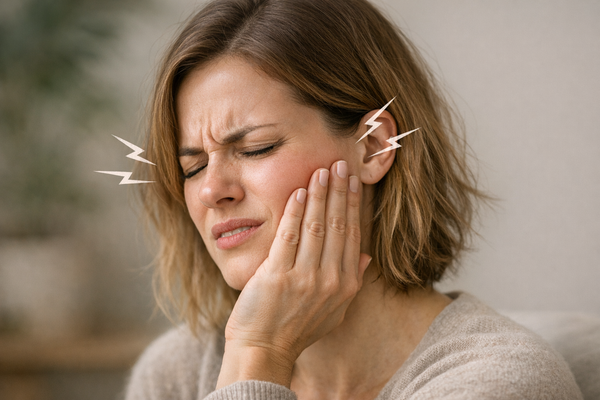
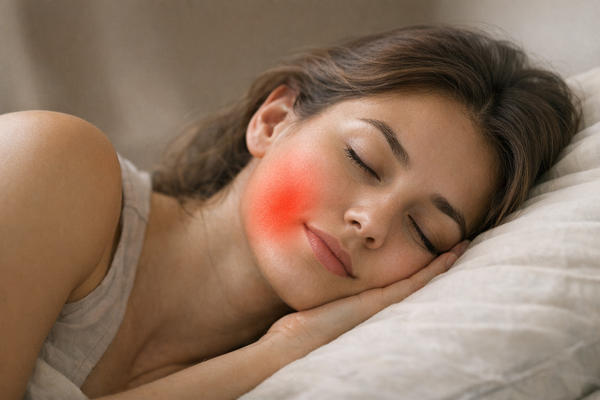
- Complaints of a “tired” or tight jaw upon waking.
- Frequent morning headaches or earaches without infection.
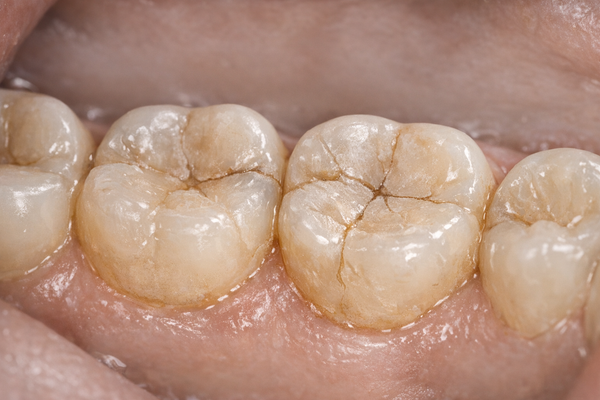
- Unexplained chips or flat spots on primary or permanent teeth.
- Raised ridges inside the cheek from chronic cheek biting.
Quick home check: have your child bite lightly on a pencil with their back teeth, then try to pull it out. If it feels clamped like a vise, that resting tension may signal daytime bruxism even before you hear nighttime noises.
The narrative review by Al-Jewair et al. confirms that worn molar cusps are one of the earliest objective clues. Another clinical management overview by Morales-Lastre and colleagues backs up the link between morning headaches and unresolved bruxism in Current View of the Clinical Management of Bruxism in Dentistry.
When to Seek Professional Help
If you notice any of the above for more than two weeks, schedule an evaluation with your pediatric dentist. They can measure tooth wear, check for TMJ tenderness, and rule out airway issues. Your child’s pediatrician may also screen for allergies, enlarged tonsils, or side effects from medications. For nighttime grinding that chips teeth or interrupts sleep, professional intervention is recommended.
To prepare for the visit, consider keeping a short sleep log: note bedtime routines, snoring, and any night wakings. Data makes it easier for clinicians to match symptoms to triggers.
Psychological Factors Influencing Bruxism
The Role of Stress and Anxiety
Children, like adults, clench when life throws curveballs. A cross-sectional observational study, Psychosomatic Oral Manifestations Among Pediatric Patients by Singh et al., links higher trait anxiety scores with increased bruxism frequency. Simply put, kids who worry more tend to grind more.
Stress may spike around tests, school transitions, or family upheaval. The autonomic nervous system ramps up muscle tone during rapid eye movement sleep, triggering jaw contractions. Think about the first week back after remote schooling: new classroom, new rules, mask policies, and suddenly the night is filled with creaks and squeaks from your child’s bedroom. Unlike nightmares, your child probably will not remember these micro-arousals, but the enamel will.
Impact of Parenting Styles
Your approach to bedtime matters too. A study on divorced families by Moya-López et al., Parenting Styles of Divorced Parents and Their Influence on Their Children’s Bruxism, found permissive or inconsistent parenting correlated with a higher prevalence of grinding. The authors suggest that routines with clear expectations and calm interactions lower bedtime stress hormones, dampening the bruxism response.
So, while you are renegotiating post-divorce pick-up times, remember that predictable lights-out rituals, screen curfews, and a short wind-down story can buffer your child’s stress load. Even a five-minute “rose-bud-thorn” chat—what went well, what did not, and what you look forward to—gives kids a safe outlet before their heads hit the pillow.

Effective Management Strategies for Parents
Behavioral Interventions
First up are low-risk lifestyle tweaks:
- Bedtime hygiene – Stick to the same lights-out time, keep screens out of the room, and dim lights at least an hour before sleep. Circadian rhythm likes predictability.
- Stress management – Brief guided imagery, child-appropriate mindfulness apps, or good old breathing exercises can help relax clenched muscles.
- Jaw massage – Teach your child light circular rubs along the masseter (the big cheek muscle) to relax tension before bed. For more on self-care practices, explore how self-massage can ease bruxism symptoms.
- Limit caffeine and sugar – Hidden caffeine in soda or chocolate after noon can turn jaw muscles into over-achievers at night.
- Chew the right stuff – Sugar-free gum in moderation during the day gives the jaw something safe to work on, potentially reducing unconscious clenching.
- Ergonomic homework breaks – Slouching over a tablet tightens neck and jaw muscles. A two-minute “stretch and sip” water break every 20 minutes keeps posture (and hydration) on track. For more, read about the link between posture and jaw pain.
According to a randomized controlled trial comparing several behavioral programs, Comparative Evaluation of Sleep Bruxism Management Methods by Tozar et al., consistent bedtime routines paired with relaxation training cut grinding frequency by about 40 percent after eight weeks.
Medical and Dental Solutions
When enamel starts to resemble a skating rink, your dentist may jump in with tools slightly fancier than a bedtime story.
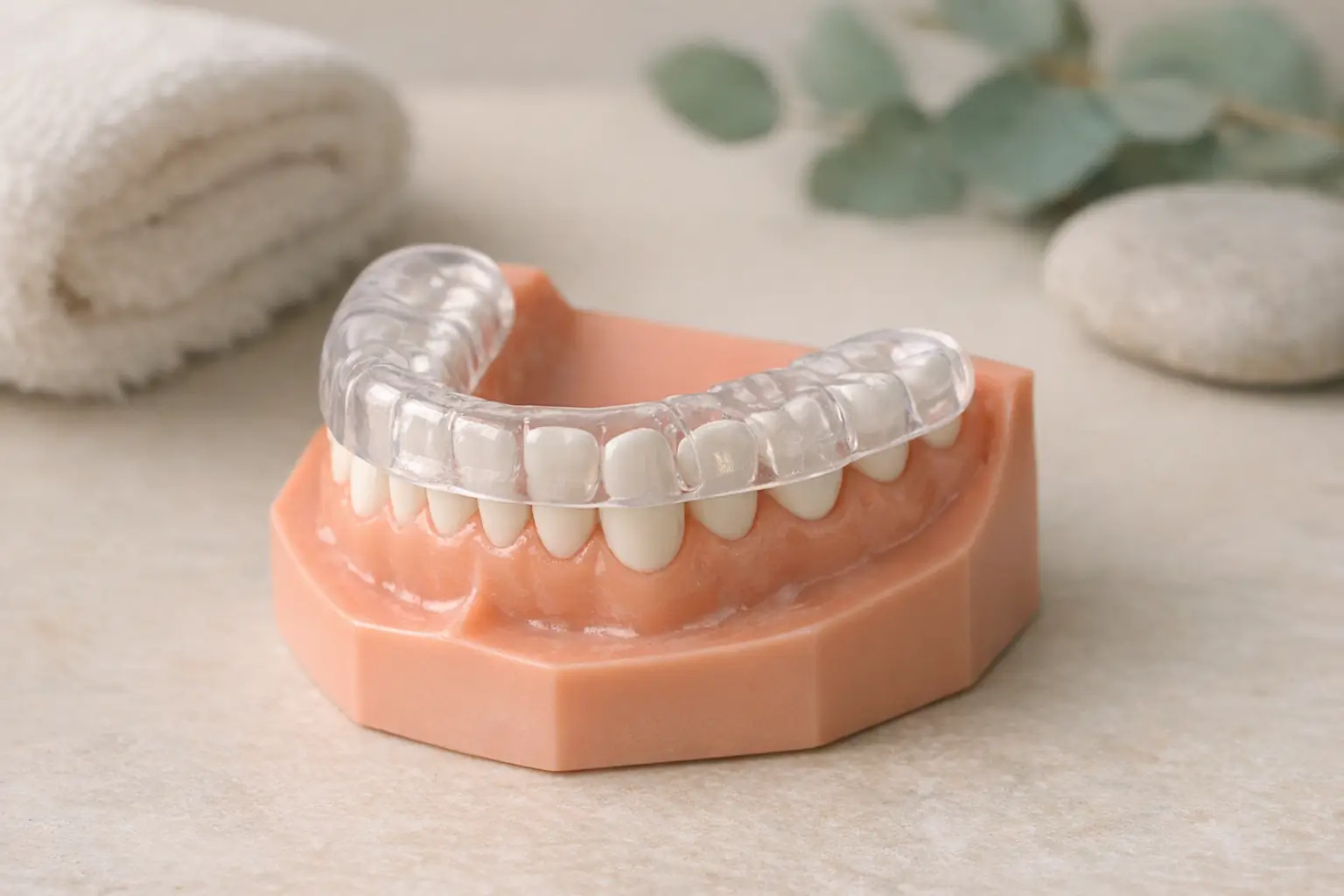
- Custom nightguards (occlusal splints) – These acrylic shields wear the brunt of the grinding for you. Kids grow fast, so expect refits every 12-18 months. Despite the cost, evidence shows they reduce micro-fractures and jaw pain. Thanks to 3D printing, some practices can scan, print, and fit a guard in one visit—reducing stress for sensory-sensitive kids. Learn more about choosing the right bruxism mouth guard.
- Behavioral therapy referrals – Cognitive behavioral techniques can tackle underlying stressors. For older kids, short-term therapy paired with home relaxation yields better long-term results than guards alone.
- Pharmacologic approaches – In rare cases, muscle relaxants are considered, but these are off-label in children and reserved for severe pain or neurologic conditions.
- Physical therapy or laser acupuncture – An RCT by Farouk et al. compared traditional myofascial release with low-level laser acupuncture and found the laser group had a sharper drop in pain scores within four weeks. The takeaway: newer non-invasive modalities are promising. For more alternative treatments, explore acupuncture for bruxism relief.
Special Considerations for Children with Neurodevelopmental Conditions
Bruxism in Children with ADHD
Kids with ADHD already juggle impulsivity, hyperactivity, and (often) stimulant medication. A narrative review by Rajpurohit and colleagues, Dental Management and Behavioral Considerations in Pediatric Patients with ADHD, reports that stimulant use can increase sleep bruxism due to heightened dopaminergic activity. Here are practical tweaks:
- Discuss medication timing with your pediatrician. A slight dosage adjustment or earlier dosing can blunt nighttime jaw action.
- Replace late-afternoon sugar crashes with high-protein snacks to stabilize energy and reduce oral fidgeting.
- Involve occupational therapists. Sensory integration exercises can redirect oral fixations away from grinding.
Parents often hesitate to add another professional into an already crowded healthcare team, but coordination pays off in fewer dental repairs.
Bruxism in Children with Autism
Sensory sensitivities, communication challenges, and heightened anxiety complicate the picture for autistic children. A 2025 clinical review, Challenges and Solutions in Managing Dental Problems in Children with Autism by Al-Beltagi et al., notes that bruxism prevalence in autism can top 60 percent.
Strategies include:
- Desensitization visits – Short, no-pressure appointments help the child acclimate to dental environments.
- Visual schedules – Picture cards outline each step of tooth brushing and splint insertion, reducing unexpected sensory input.
- Weighted blankets or compression vests at bedtime – Deep pressure calms the nervous system, potentially lowering grinding episodes.
- Collaboration – Speech therapists can address oral-motor habits, while dentists customize softer, more flexible guards that tolerate sensory aversion.
Pediatric dentists trained in special care dentistry can tailor materials and appointment structures so that the process does not create more anxiety than the bruxism itself.
Innovative Therapies and Future Directions
Emerging Treatments
Low-level laser therapy is no longer confined to sci-fi. The RCT by Farouk et al. mentioned earlier showed that laser acupuncture applied to the temporalis and masseter muscles reduced electromyographic activity more than standard myofascial release. Though not yet mainstream, lasers offer a needle-free, drug-free option.
Meanwhile, Tozar’s trial comparing three management methods found that combining nightguards with biofeedback devices nudged reductions past 60 percent. These gadgets buzz gently when jaw muscles engage, training the brain to back off. Think of it as a Fitbit for the face. For a deeper dive, explore biofeedback therapy for bruxism.
The Role of Technology
Anxiety is a known fuel for grinding, and few places spike anxiety like the dental chair. A 2025 multi-stakeholder study by Mao et al., Exploring VR to Reduce Children's Dental Anxiety, found that virtual reality headsets distract kids so effectively that cooperation soared and physiological stress markers dropped. Lower chair-side anxiety translates into smoother impressions for nightguards and better follow-through with treatment plans.
On the home front, app-connected smart pillows and audio trackers are inching toward FDA review. The hope is that a future algorithm can flag troublesome grinding patterns long before parents (or siblings) lose sleep.
Conclusion
Pediatric bruxism sits at the intersection of stress, sleep, and oral health. Research shows that early recognition and layered interventions—from bedtime routines and mouthguards to cutting-edge laser therapy—can halt the grind before it chips away at enamel and quality of life. Tuning in to psychological stressors and collaborating with your child’s healthcare network turn you from a spectator into a proactive player.
The message is simple: listen for grinding, look for wear, and act early. A small investment of time and consistency today means fewer dental bills and better sleep tomorrow for both you and your child. That is a trade-off worth smiling about.