Bruxism Mouth Guard Alternatives: Choosing Between Mouth Guards and Natural Remedies
Explore mouth guards vs natural remedies for bruxism. Find effective treatments for teeth grinding.
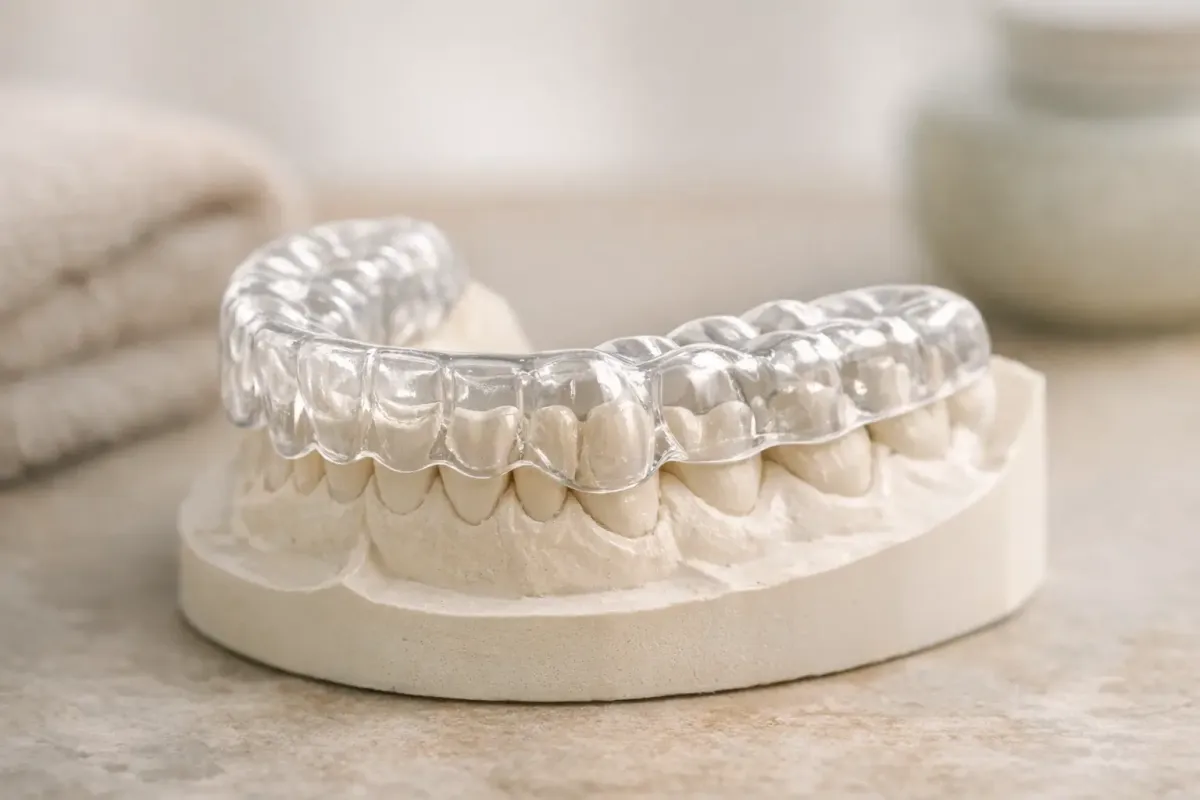
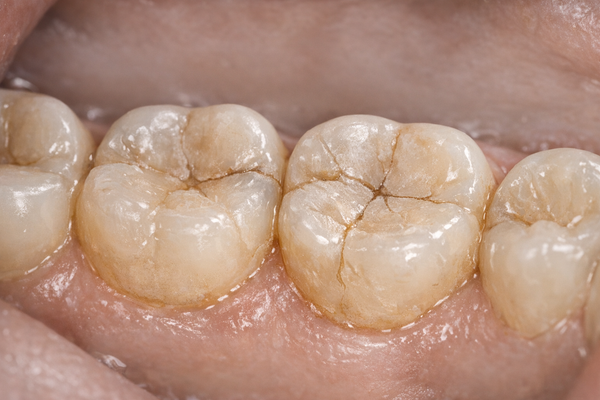
If you’ve ever woken up with jaw pain, a dull headache, or felt like you’ve wrestled a bear in your sleep, you might be among the 10 to 15 percent of adults who grind or clench their teeth. This habit, known as bruxism, often seems harmless at first. However, over time it can damage fillings, wear down tooth enamel, and leave you looking stressed in family photos.
This article explores the evidence on two major treatment options for bruxism: mechanical protection with mouth guards and a variety of natural or minimally invasive remedies. We keep medical jargon minimal, present quality research, and highlight areas where science still needs to catch up.
Understanding Bruxism: Causes and Consequences
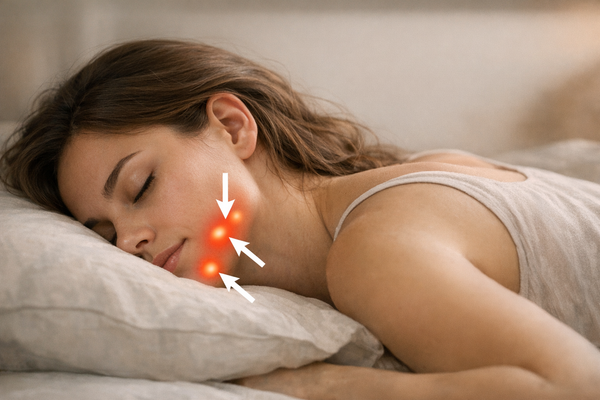
Bruxism comes in two main forms: awake bruxism and sleep bruxism. The triggers are numerous—stress, misaligned teeth, caffeine, certain antidepressants, and even genetics. Most researchers agree the underlying issue is a miscommunication between your brain and the muscles that control your jaw. During sleep, the brain’s usual muscle-relaxing signals can become disrupted, causing jaw muscles to activate up to 40 times an hour. This exerts about 250 pounds of force on each tooth, akin to biting a popcorn kernel with a hammer.
This stress affects more than just your teeth. A narrative review by Shafiee and Nourizadeh found that bruxism is a significant risk for fractured crowns and implants, with up to 64 percent of implant complications linked to nighttime grinding. This can lead to bone loss around implants and failure of costly restorations.
Another consequence is temporomandibular disorder (TMD). Overworked jaw joints can lead to thinning cartilage and slipped discs, making tasks like chewing painful. According to the American Dental Association, chronic bruxism sufferers are two to three times more likely to develop TMD symptoms such as jaw clicking and limited movement.
Finally, consider the impact on quality of life. A 2025 review on oral microbiota by Morris and colleagues noted that chronic microtrauma from grinding might disrupt mouth bacteria balance, leading to inflammation and bad breath, which isn’t socially appealing.
Bottom line: bruxism is more than a “noisy sleeper” issue. It’s a slow-motion dental disaster that can drain your wallet and energy if left unchecked.
Bruxism Mouth Guard Alternatives: A Closer Look
The conventional frontline defense is a custom mouth guard, also known as an occlusal splint or night guard. Think of it as a helmet for your teeth. By distributing biting forces over a larger surface, it reduces stress on individual teeth and protects enamel. But how effective are they, and are newer tech options worth the cost?
An updated meta-analysis of 23 randomized trials by Zhang et al. 2025 compared hard acrylic splints to other treatments, including physiotherapy, counseling, and placebo. Occlusal splints reduced self-reported pain scores by about 30 percent after eight weeks, a modest but meaningful improvement. Muscle activity measured by electromyography decreased by roughly 15 percent, a consistent finding across studies.
Tech-savvy dentists now offer digital 3D-printed guards. A 2025 trial by Qin, Liu, and Miao found that 3D-printed guards matched the fit accuracy of conventional lab-made guards and reduced chair time by half. Patients reported better comfort scores after one month. A separate comparison using the same data set published by Han et al. supported these findings and suggested longer material durability, although the study lasted only six months.
The downside? Mouth guards don’t address the brain-muscle miscommunication causing bruxism. They merely act as sacrificial chew toys. They require nightly use, and forgetting to wear one can set back symptom control. Guards range from $20 boil-and-bite versions (cheap but bulky) to $500 dentist-made models (better fit, expensive to replace). For those considering guards, it's crucial to understand debunking common mouthguard myths to make an informed decision.
Because of these drawbacks, many people seek alternatives or complementary treatments. The market offers soft splints, mandibular advancement devices, and “dual laminate” guards with hard outer and soft inner layers. However, evidence tends to lump all splints together, making it hard to declare a clear winner. If you grind heavily, a guard is still the most direct way to protect your teeth, but it might not be the final solution in your treatment plan. For more on comparing these treatments, our comprehensive comparison can offer valuable insights.
Natural Remedies for Teeth Grinding: What Works?
Natural or “non-device” interventions range from magnesium supplements to yoga. Let’s look at what has scientific backing and what is merely hopeful thinking.
Herbal Remedies
Wormwood (Artemisia absinthium) has a history in folklore and absinthe, and it’s featured in rat studies. A 2025 animal study by Kamali et al. showed wormwood extract reduced jaw-clenching in rats undergoing stimulant withdrawal. The bitter compounds may modulate GABA receptors, calming overactive nerves. While promising, no controlled human trials exist yet. So, sipping wormwood tea might relax you, but it’s not yet an evidence-based replacement for a mouth guard.
Valerian root and passionflower are often mentioned in bruxism discussions for their sleep-improving qualities. The WebMD overview on natural bruxism remedies notes small pilot studies suggesting these herbs reduce nighttime micro-arousals, a suspected trigger of grinding. The data are limited, but the safety profile is favorable for short-term use if approved by your physician.

Lifestyle Changes
1. Stress Management. Chronic stress is a consistent predictor of awake bruxism. Cognitive behavioral therapy (CBT) and mindfulness meditation have shown a 20 to 25 percent reduction in daytime clenching frequency in small controlled trials cited by the Cleveland Clinic. Reducing stress can alleviate jaw tension and provide real benefits. For more on how anxiety drives nighttime teeth clenching, consider reading this exploration of the link between anxiety and jaw tension.
2. Sleep Hygiene. Avoiding caffeine after 2 p.m., limiting screen time before bed, and maintaining a cool, dark bedroom are old advice but still effective. Better sleep continuity reduces arousal spikes, which lowers grinding episodes according to the Mayo Clinic. Learn more about the role of sleep hygiene in managing bruxism and its effects on quality of life.
3. Jaw Muscle Stretches. Gentle resistance exercises, such as opening the mouth against a thumb or holding a wine cork between teeth (without biting through it), can retrain the masseter and temporalis muscles. These exercises are cost-free and have no side effects besides occasional curious looks. For more on effective relaxation techniques, check out the best jaw relaxation techniques for nighttime clenchers.
4. Oral Microbiota Tuning. The Morris et al. review suggests that chronic grinding can influence which bacteria colonize the gum line, potentially increasing inflammation that irritates jaw nerves. Probiotic lozenges and reduced-sugar diets support friendly bacteria. While not a cure, good oral ecology can dampen the feedback loop of pain and grinding.
Do natural approaches replace mechanical protection? Rarely. Instead, they address upstream triggers—stress chemicals, sleep disruption, and jaw hyperactivity. For many, this means fewer tooth-on-tooth battles and less wear on any guard they choose to use.
Botulinum Toxin: An Emerging Treatment for Bruxism
If mouth guards are helmets, botulinum toxin type A (BoNT-A) is the off switch. By blocking acetylcholine release at the neuromuscular junction, it temporarily weakens specific jaw muscles, making grinding physically harder. The key question: is it safe and worthwhile?
A systematic review by Yacoub and colleagues pooled 12 randomized trials. Doses ranged from 20 to 40 units injected into each masseter, sometimes with additional shots to the temporalis. At four weeks, EMG-measured night activity fell by 40 to 60 percent, and self-reported pain scores dropped similarly. Relief typically lasted three to six months before a booster shot was needed.
Side effects were mainly local: mild bruising, temporary chewing weakness, or a lopsided smile lasting a week or two. Occasionally, patients reported a hollowed-cheek look when masseter volume decreased, a cosmetic benefit for some but unsettling for others.
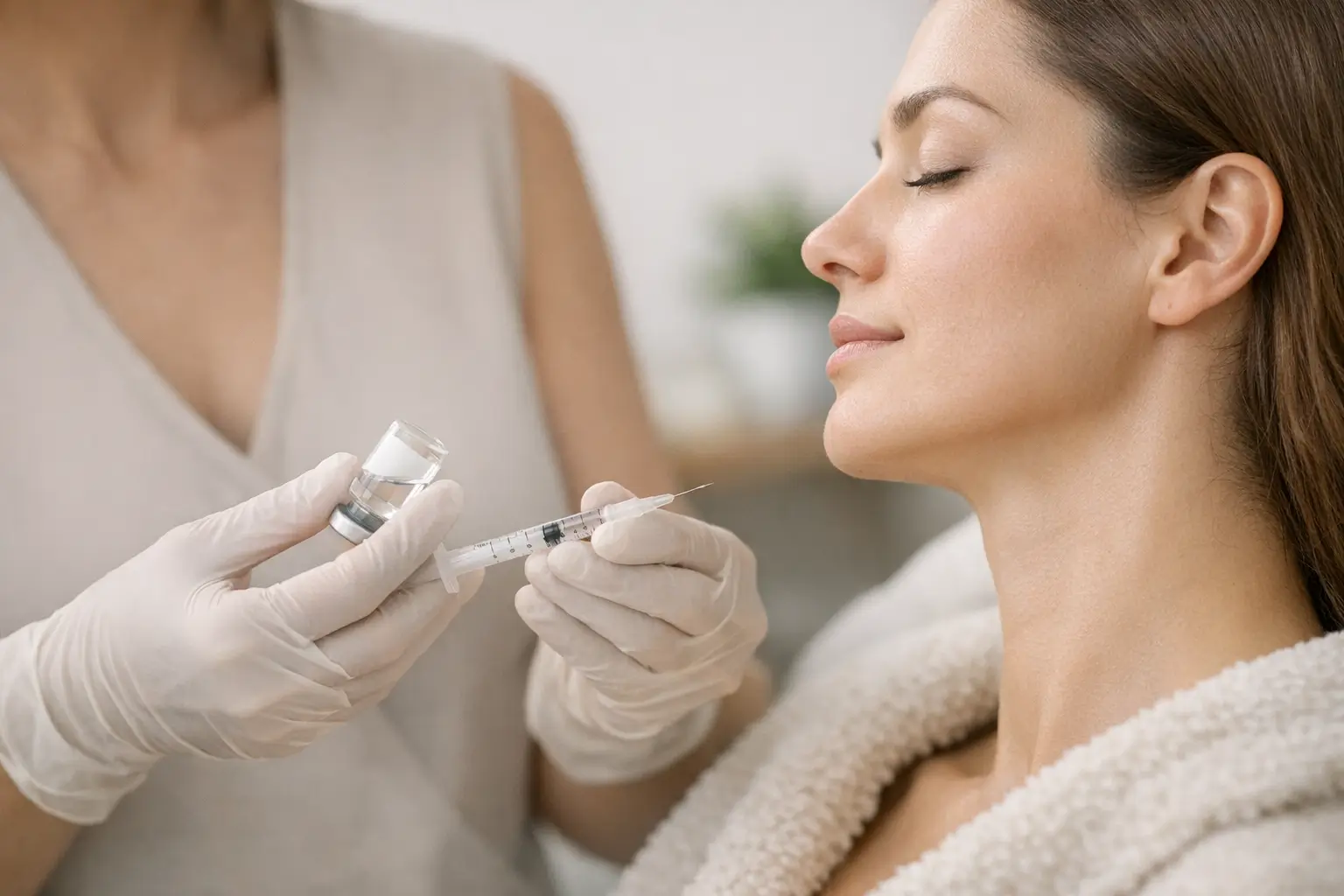
An overview by Coelho et al. 2025 concluded that BoNT-A is “effective and reasonably safe” for severe bruxism, especially when guards fail or teeth are already damaged. One caveat is cost: each session can cost $400 to $700 and may not be covered by insurance unless related to TMD diagnoses. Over time, this can rival or exceed the price of a custom night guard.
Because BoNT-A weakens muscle, some dentists worry about long-term bone or joint changes. The evidence is sparse but suggests no major adverse alterations in short-term imaging studies. Still, most clinicians recommend limiting injections to no more than twice a year until more data are available.
Synergistic Approaches to Bruxism Treatment
Why choose one tool when you can combine them for greater benefits? That’s the idea behind synergistic care: combining mechanical protection, muscle training, and sometimes medication to tackle bruxism from multiple angles.
Combining Therapies
A 2025 meta-analysis by Shetty and co-authors reviewed 18 studies on myogenous TMD and found that splints alone reduced pain scores by an average of 2.1 points on a 10-point scale. When splints were paired with supervised jaw exercises, the reduction was 3.5 points, a 67 percent improvement over splints alone.
Supporting this, a pilot study from India by Bachani et al. 2025 reported that patients using both a night guard and a daily regimen of isometric jaw exercises experienced faster pain relief and higher compliance. The authors suggest the exercise routine “motivates” users to remember their guard, acting as a behavioral accountability partner.
Combining treatments also allows for lower doses of more intense therapies. Some clinicians inject smaller amounts of BoNT-A while keeping patients on a guard. The toxin reduces muscle hyperactivity, extending the guard’s lifespan before bite grooves form. No formal trials compare this blended approach yet, but anecdotal reports are promising.
Finally, there’s the psychological aspect. People practicing CBT for stress while using a guard often report fewer “clench triggers” during the day. By layering low-risk, low-cost options (stretching, mindfulness) with evidence-based mechanical or pharmacologic tools, you create a safety net with many strands. If one strand frays, the others keep your teeth safe.
Conclusion: Finding the Right Bruxism Treatment for You
So which route should you take? Mouth guards remain the gold standard for protecting enamel and expensive dental work. Digital 3D-printed versions offer more comfort and speed, although the basic function remains the same. Natural remedies and lifestyle adjustments rarely replace a guard but can reduce the frequency or intensity of grinding, making any guard you wear last longer and feel less restrictive. Botulinum toxin is a powerful option for stubborn cases, especially when jaw pain dominates your days and nights, but it’s pricier and comes with injection-related drawbacks.
Your best bet is often a layered approach: protect the teeth mechanically, calm the muscles biologically, and address stressors behaviorally. Consult with a dentist or orofacial pain specialist to customize a treatment plan that suits your symptoms, budget, and tolerance for needles. Bruxism may be common, but with informed choices and some discipline, it doesn’t have to compromise your smile or your sleep.