Debunking Mouthguard Myths: What You Need to Know Before You Buy
Uncover truths about mouth guards with our myth-busting guide. Make informed decisions for bruxism and sleep health.
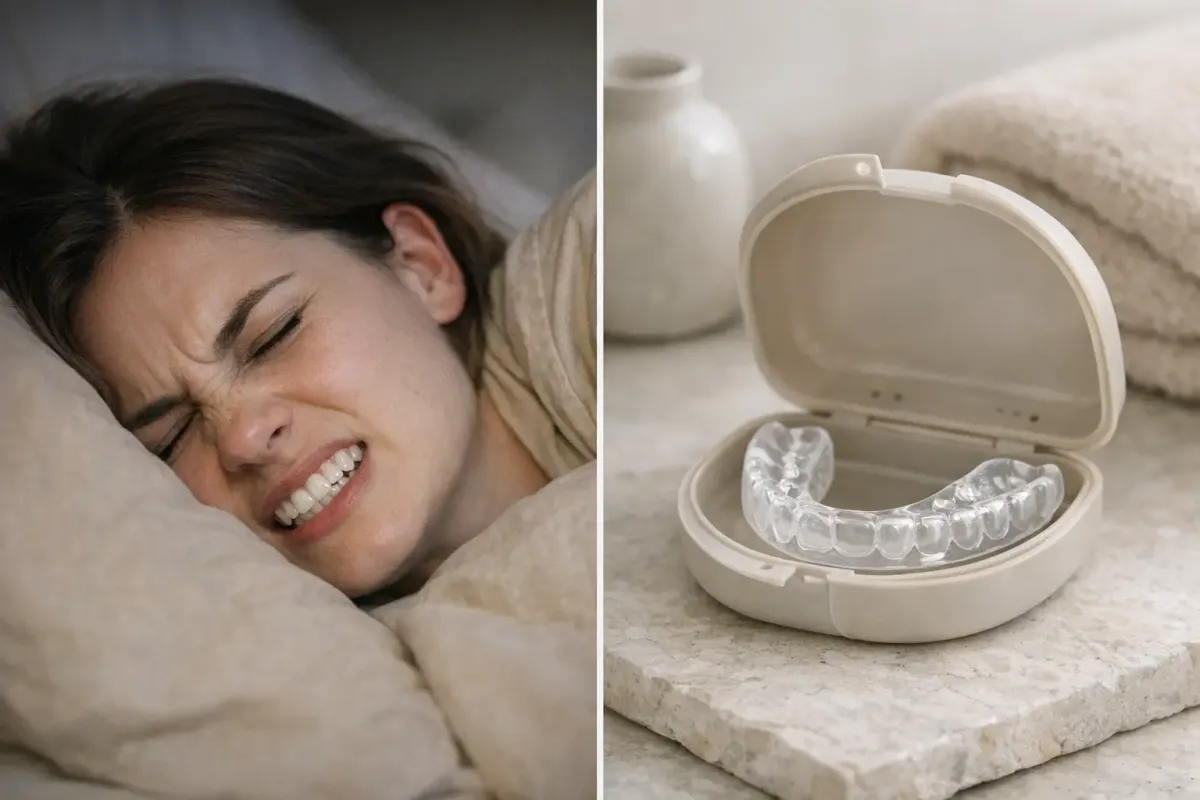
You grind, you clench, and you wake up with a sore jaw. You might wonder if your molars are wearing each other down while you dream. Before buying the first mouthguard you see online, it’s essential to look beyond the marketing. You need science, clear information, and a strategy that protects both your smile and your wallet.
This myth-busting guide relies on current research, respected dental organizations, and a touch of irreverence. By the end, you will understand why you grind your teeth, what a mouthguard can and cannot do, and how to prevent it from becoming a germ haven.
Understanding Bruxism and Its Impact
Bruxism is the medical term for repetitive jaw clenching or tooth grinding. It can occur while you’re awake or asleep, though nighttime bruxism is trickier because you’re unconscious. Experts estimate that up to 30% of adults grind their teeth occasionally, and about 10% do it frequently enough to require treatment, according to the Mayo Clinic.
Why does it happen? The short answer is that nobody knows for sure, but a combination of stress, sleep disorders, and certain medications is involved. A case report by Kohat and Chenchula linked the antidepressant sertraline to new-onset bruxism in a healthy adult. Selective serotonin reuptake inhibitors (SSRIs) can alter brain chemicals that regulate movement patterns, which might explain this side effect in some users.
Botanicals are also being tested to calm overactive jaw muscles. A pilot study by Quaresma et al. described using lemon balm (Melissa officinalis) in randomized trials. Early data suggest that herbal relaxation could reduce grinding episodes, although larger studies are still needed.
Sleep research highlights a link between bruxism and obstructive sleep apnea (OSA). Micro-arousals—tiny awakenings when the airway collapses—often precede a burst of jaw activity recorded during overnight polysomnography. If your partner hears snoring pauses followed by tooth gnashing, consider asking your doctor about an at-home sleep test. Treating OSA with a CPAP or mandibular advancement device can sometimes reduce grinding without requiring a separate night guard. For more insights on how sleep disorders relate to bruxism, check out our article on Understanding Sleep Disorders and Their Connection to Bruxism.
If left unchecked, bruxism can:
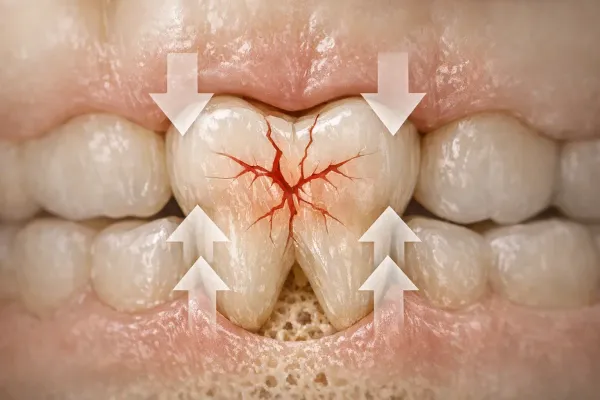
- Wear down enamel, making teeth look short and flat
- Chip or crack fillings and crowns
- Trigger sensitivity to hot, cold, and sweet foods
- Cause tension headaches or ear-area pain due to jaw muscle fatigue
- Aggravate temporomandibular joint disorders (TMJ/TMD)
The good news is that there are solutions. One popular choice is the mouthguard, but many myths surround this tool. Let’s debunk them.
Common Myths About Mouthguards
Spend a few minutes in a dental aisle or online marketplace, and you’ll see a variety of guards: boil-and-bite, one-size-fits-all, slim night guards, thick sports shields, and high-end custom devices. This variety can lead to confusion and myths, so let's clarify the facts.
Myth 1: All Mouthguards are the Same
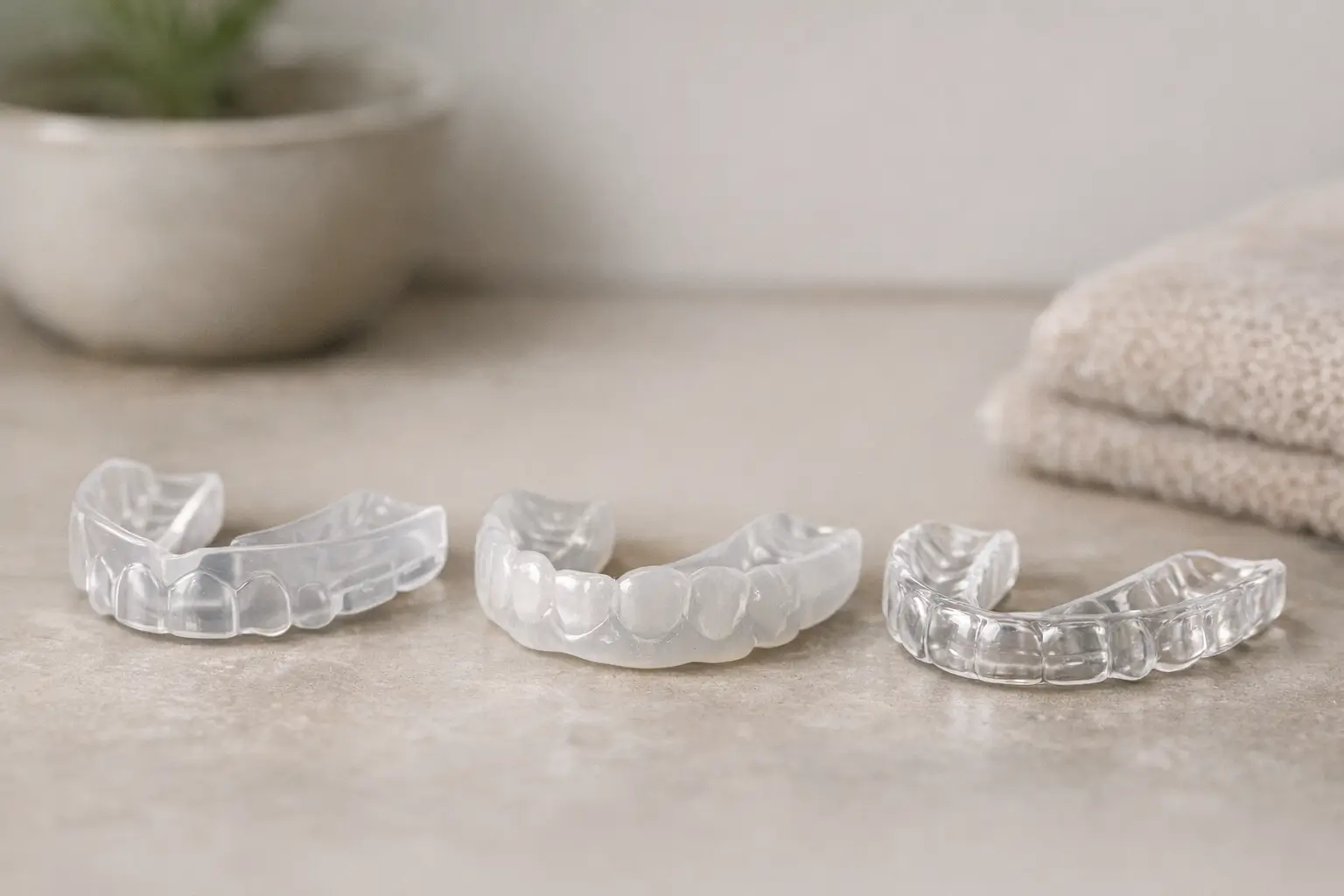
They are not. The American Dental Association (ADA) categorizes guards into three types:
- Stock – Pre-formed and ready to use out of the package. They are the cheapest but least comfortable and offer minimal protection.
- Boil-and-bite – Made of thermoplastic that softens in hot water, allowing you to mold it at home. They offer a better fit than stock guards but are still generic.
- Custom – Made from dental impressions or 3-D scans. They provide the best fit and retention and are typically thinner due to their precision.
Material quality matters too. Sports guards often use bulkier EVA (ethylene vinyl acetate) for cushioning high-impact blows, while night guards for grinding may be made from harder acrylic or a dual-laminate design that is soft inside and rigid outside. Mixing these roles leads to subpar results. Using a thick sports guard for sleep can prop your jaw open, dry your mouth, and cause drooling. Wearing a wafer-thin night guard on a football field invites a chipped incisor.
Myth 2: Custom Mouthguards are Unnecessary
If you grind your teeth mildly, a DIY model might suffice. However, once cracks or gum recession appear, precision becomes crucial. Custom guards allow dentists to adjust thickness at hotspots, add ramps to guide the jaw, or create a dual-arch device that covers both upper and lower teeth. An improved fit also increases the likelihood that you’ll wear it through the night without waking up to fling it across the room. For those considering custom options, our guide on custom mouthguards provides an in-depth analysis of their benefits.
Third-party lab services now offer mail-order custom guards from at-home impressions, often at half the cost of a chair-side dental version. Nevertheless, a dentist can check your bite, screen for TMJ problems, and polish the edges to prevent irritation. Whether custom guards are “unnecessary” depends on your budget, severity, and comfort tolerance.
Myth 3: A Mouthguard Will Stop the Grinding Altogether
Reality check: a guard is like armor, not a remote control for your nervous system. It creates a protective barrier so enamel doesn’t pulverize enamel, but the brain may continue the same motor pattern. Think of it like knee pads for a skater—they help when you fall, but they don’t teach you balance. Some people ditch their guard after a month because they still hear faint squeaks or feel jaw tension. That noise is normal; the goal is damage control. If eliminating the habit entirely is your goal, you’ll need to address root causes such as stress, sleep apnea, or medications alongside using the plastic shield. Consider exploring biofeedback therapy for additional support in changing your bruxism patterns.
Choosing the Right Mouthguard for Bruxism
You’re not shopping for fashion; you’re looking for a medical device. Here’s a step-by-step guide.
- Identify Severity. If your dentist sees enamel worn down to dentin, finds small cracks, or notes jaw muscle hypertrophy, you likely need sturdier material. Light “clenchers” can opt for a thinner guard.
- Pick Material.
- Soft vinyl – Cushy and cheap but may encourage more chewing in heavy grinders.
- Hard acrylic – Durable, better for heavy nocturnal bruxers, often upper-arch only.
- Dual-laminate – Soft inner lining with a hard outer shell. Many find this option just right.
- Upper vs. Lower Arch. Upper guards are common, yet people with sinus congestion, braces, or a pronounced gag reflex might prefer a slim lower-arch design. Ask for both options during your dental impression to see which feels more “invisible” at 2 a.m.
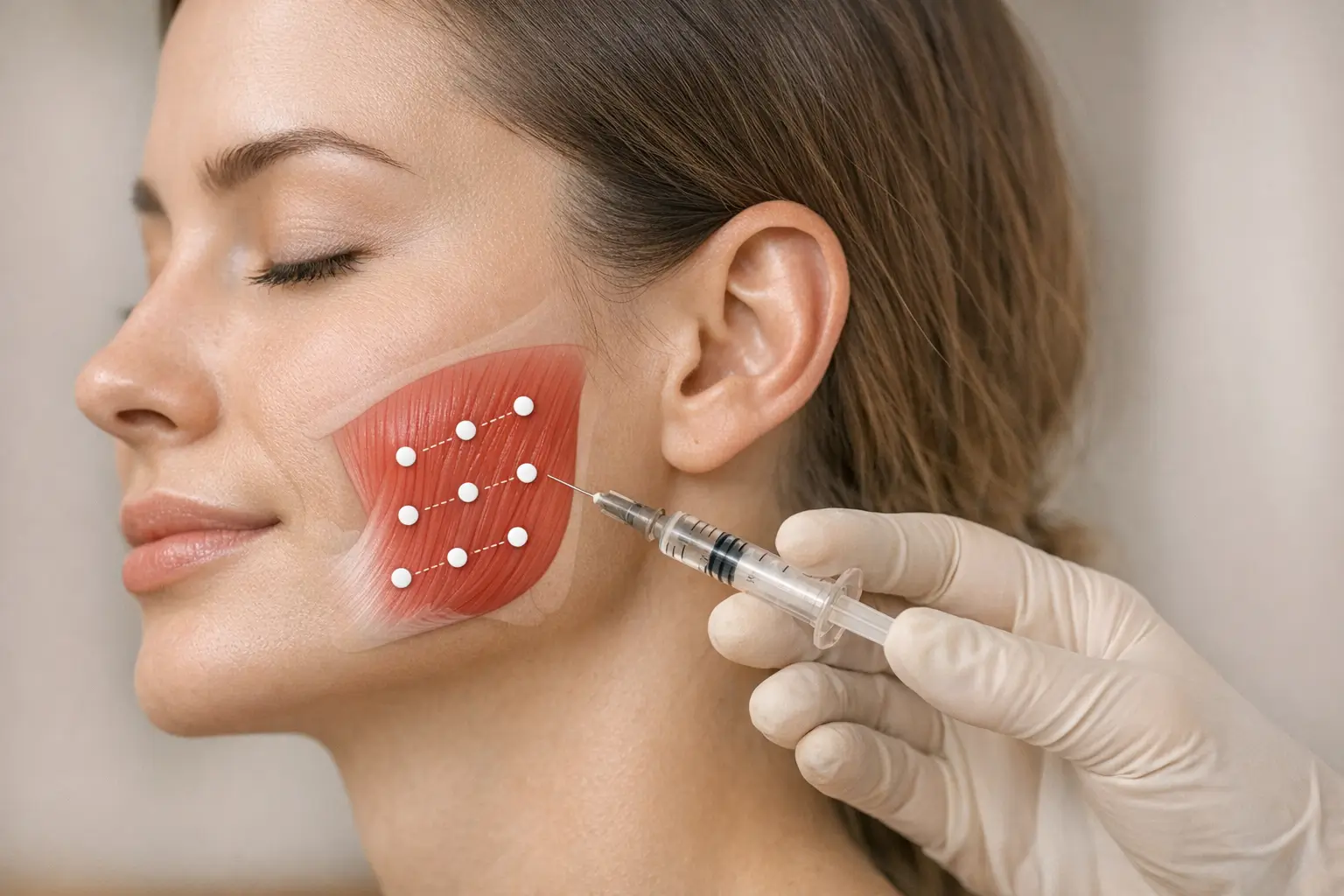
- Consider Botox Adjunct. A systematic review by Yacoub et al. and a complementary clinical perspective by Khemiss et al. show that botulinum toxin type A (BoNT-A) injections into the masseter muscle can reduce grinding episodes for three to six months. If you choose this route, you may tolerate a slimmer guard because muscle force drops. Our article on Botox for bruxism provides detailed insights into this treatment.
- Measure Fit. A proper guard should:
- Fit fully without needing to bite to keep it in place
- Allow you to close your lips comfortably
- Offer even contacts across the entire arch to distribute force
- Plan Replacement. Even premium guards wear out. Average lifespans:
- Soft vinyl: 6 – 12 months
- Dual-laminate: 1 – 2 years
- Hard acrylic: 2 – 5 years, depending on bite force
Remember, the “right” guard is the one you will actually wear nightly. A perfect appliance sitting unused in a drawer protects exactly zero teeth.
Alternative Treatments for Bruxism
Mouthguards are frontline, but they aren’t magic. They don’t stop the brain from sending hyperactive signals to your jaw. Other evidence-based options are worth considering.
Acupuncture
A systematic review by Santos Pereira examined clinical trials on acupuncture for bruxism. Results were mixed but leaned positive: several small studies reported reduced EMG (electromyography) activity in the masseter muscle and shorter grinding episodes after four to six sessions. Limitations include small sample sizes and lack of sham-control in some trials. If needles don’t faze you and you have access to a licensed practitioner, acupuncture could be a low-risk adjunct. Just don’t ditch your guard while testing it.
Botulinum Toxin Injections
BoNT-A works by blocking acetylcholine, the signal that tells muscles to contract. The Yacoub review pooled data from 12 studies and found a significant reduction in pain scores and nighttime grinding noise for up to 24 weeks post-injection. The Khemiss perspective notes that dosing varies from 25 to 100 units split between left and right masseters. Downsides include cost, mild chewing fatigue in the first week, and the need for repeat injections twice a year. Consult a dentist or orofacial pain specialist with formal training; don’t bargain-shop for neuromodulators.
Physical therapy and orofacial myology—the science of retraining tongue and jaw posture—also show emerging promise. Simple daily exercises like controlled open-close movements or massaging trigger points with a knuckle can lower resting muscle tone. They’re free, portable, and pair well with a guard for a one-two punch against nighttime clenching. You can learn more about effective jaw relaxation techniques for nighttime clenchers on our site.
Other avenues like cognitive behavioral therapy for stress, magnesium supplementation, and biofeedback devices are under investigation. For now, guards remain the foundation, with alternative therapies playing supporting roles when clinically justified.
The Role of Mouthguards in Sports and Sleep Health
Mouthguards are well-known in contact sports, but the design logic applies to sleep devices too. Both tasks involve force absorption and injury prevention.
An analysis by Le Flao et al. tracked head-impact sensors inside boxing helmets and confirmed that poorly fitted guards distorted sensor readings and cushioned hits unevenly. Translation: fit matters for athletes too. If a guard wobbles, you risk dental trauma and inaccurate concussion data.
In sleep, guards act as a “shock absorber” between arches. By distributing clenching pressure, they protect enamel and reduce muscle fatigue. The Cleveland Clinic notes that a well-fitted night guard can lessen morning headaches and jaw stiffness, improving overall sleep quality (Cleveland Clinic).
Key pointers whether you’re on the field or in bed:
- Thickness should match the task. Sports need 3 – 4 mm of EVA; sleep guards can be as thin as 1.5 mm if the plastic is rigid.
- Coverage should be full-arch. Trimming to save material exposes teeth and can shift bite alignment over time.
- Replacement cycles accelerate in athletes who chew gum or drink sports drinks that degrade plastic.
Guard discipline isn’t glamorous, but neither are broken teeth. Treat the device as integral gear, just like a helmet or seat belt.
How to Properly Care for Your Mouthguard
A guard pressed against saliva-soaked enamel all night can become a breeding ground for microbes. Poor hygiene leads to unpleasant odors and potential infections. Here’s a straightforward care routine.
- Rinse Immediately. Each morning, run cool water over the guard to wash away saliva and plaque.
- Brush Lightly. Use a soft toothbrush (no toothpaste, as it can scratch) to remove buildup.
- Disinfect Weekly. Soak in a denture-cleaning tablet or a 1:1 mix of white vinegar and water for 15 minutes. Avoid hot water that can warp the shape. For detailed cleaning instructions, our guide on night guard cleaning offers comprehensive tips.
- Dry Completely. Microbes thrive in moisture. Place the guard on a clean towel for 30 minutes before storing it.
- Use a Vented Case. The case should have air holes and be washed with soap once a week. Buy a second travel case so the guard never rattles around loose in a gym bag.
- Skip the Dishwasher. High heat plus detergent can deform plastic. Hand clean only.
- Inspect Monthly. Look for cracks, rough edges, or thinning. Replace at the first sign of structural failure. Bonus tip: keep it away from curious pets—veterinary clinics report many “dog-ate-my-guard” emergencies.
Follow these steps, and your guard will remain clear, odor-free, and safe for nightly use.
Conclusion
You now have the information on bruxism, mouthguard myths, and alternative treatments. Bruxism is a complex issue, sometimes triggered by stress, sleep problems, or medications like SSRIs. While mouthguards don’t cure grinding, they offer proven protection for your teeth. Stock models are temporary solutions, boil-and-bite guards provide better fit, and custom devices offer the best protection.
If you need additional options, evidence supports botulinum toxin injections, acupuncture, and even physical therapy exercises you can do in front of Netflix. Whichever path you choose, proper guard care prevents germ buildup and prolongs lifespan. Armed with science and a touch of skepticism, you can make smarter choices, sleep better, and keep every tooth where it belongs.