Advanced Bruxism Treatments: Exploring the Latest Clinical Innovations
Discover cutting-edge bruxism solutions and clinical innovations for severe cases.
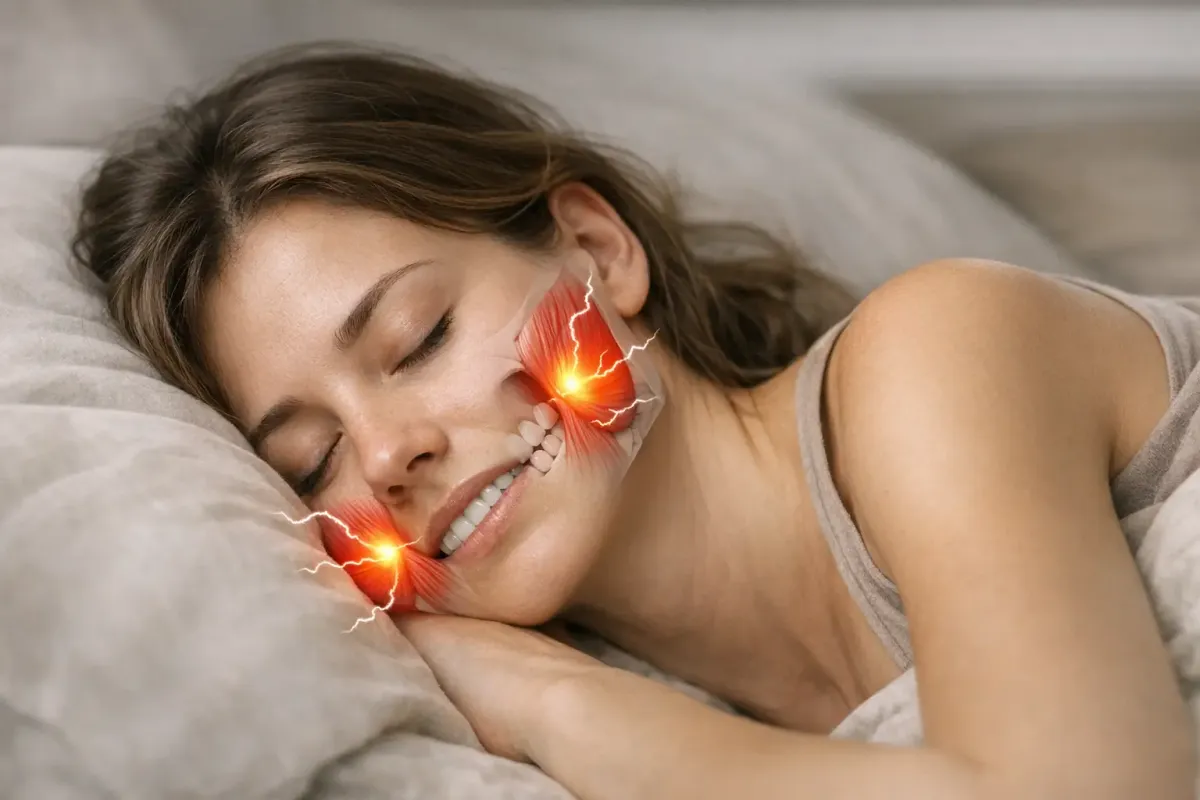
Severe teeth grinding, or bruxism, can turn peaceful sleep into a nightly contact sport. If you wake up with sore jaw muscles, cracked fillings, or a partner who nudges you because of the noise, you're not alone. Researchers now label bruxism as a “behavioral disorder of jaw muscles,” and they are exploring novel treatments beyond the classic plastic night guard. This article breaks down the latest science, translating clinical data into plain talk you can use.
Discover how brain-directed magnets, fiber-reinforced fillings, and team-based care are transforming the treatment of stubborn cases. References appear as clickable links so you can dive deeper whenever curiosity strikes.
Understanding Bruxism: An Overview
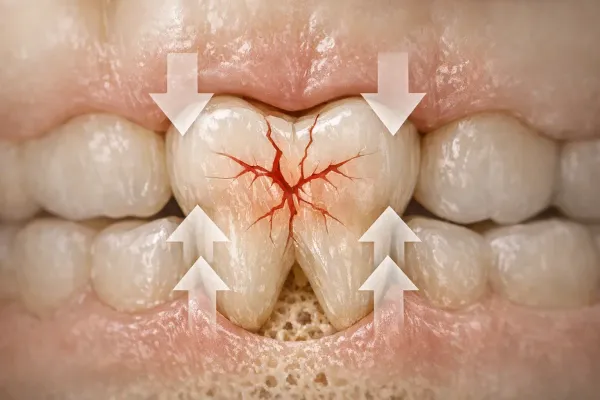
Bruxism refers to clenching or grinding teeth when not chewing food. It comes in two types: awake bruxism, which occurs during daytime stress or concentration, and sleep bruxism, which happens during sleep. An international group refined the definition in a 2025 consensus report by Verhoeff et al. They describe it as a “masticatory muscle activity” that can be rhythmic or not, voluntary or automatic.
The causes of bruxism are varied:
- Stress and anxiety can prime jaw muscles to contract more often. Explore how stress exacerbates bruxism and jaw tension.
- Sleep disturbances like apnea increase the likelihood of nighttime grinding. Learn more about the connection between sleep disorders and bruxism.
- Caffeine, nicotine, and some antidepressants may increase muscle activity. Discover how caffeine impacts bruxism.
- Genetics play a role, especially in childhood cases.
A scoping review on young patients, Huynh and Dal Fabbro, 2024, found that up to 49 percent of children grind in their sleep, often outgrowing the habit as they mature. Adults may progress from occasional clenching to severe tooth damage if stress accumulates or sleep apnea goes untreated.
The effects of bruxism are not limited to enamel damage. Chronic bruxism can cause temporomandibular joint (TMJ) pain, tension headaches, chipped restorations, and even hearing changes due to shared nerve pathways. Over time, you may burn through expensive dental work, making you question your insurance choices.
While traditional mouth guards cushion forces, they don't address the underlying muscle overactivity. Clinicians are exploring advanced treatments targeting brain circuits, biomechanics, and behavior. The following sections explore these innovations.
The Role of Technology in Modern Bruxism Treatments
Modern bruxism care is incorporating technology, drawing ideas from neuroscience and sports engineering. Digital scanners map dental arches within 30 microns, allowing perfectly fitted guards, while smartphone apps record grinding sounds to create nightly scorecards. The most exciting newcomer is non-invasive brain stimulation, which promises to calm hyperactive jaw muscles without surgery or drugs.
Repetitive Transcranial Magnetic Stimulation (rTMS)
Repetitive transcranial magnetic stimulation, or rTMS, uses brief magnetic pulses through the scalp to influence brain cells that control movement. In sleep medicine, rTMS already treats restless legs and chronic insomnia. A comprehensive review, Lanza et al., 2023, lists early trials in primary sleep disorders, including bruxism.
The magnetic coil sits just above the motor cortex. When pulsed at specific frequencies, it can either excite or inhibit neurons. For bruxism, low-frequency sessions (1 Hz) seem to reduce muscle activity, similar to dimming a light switch on jaw command centers.
Potential benefits
- Non-invasive: No surgery, implants, or systemic drugs.
- Targeted action: The coil focuses on jaw-related brain regions, sparing other systems.
- Quick sessions: A standard protocol lasts 20 minutes, five days a week for two weeks.
- Cumulative effect: Improvements can persist for months, especially when paired with night guards. Explore innovative TMJ therapies that complement traditional treatments.
Limitations
- The equipment is expensive and often limited to research hospitals.
- Insurance coverage is limited because bruxism is not yet an FDA-cleared indication.
- Some users experience mild scalp tingling or headaches after sessions.
- Long-term data are limited; most studies follow patients for six months or less.
Clinicians are experimenting with home-based magnetic devices, but safety regulators have not approved them. Until then, expect rTMS to remain a specialty referral for patients at high risk.
3D-Printed Custom Night Guards
Scanning is only half the story; printers close the loop. A 2025 review by Šimunović et al. shows that intraoral scans fed into CAD software let labs print splints in hours instead of days. Biocompatible photopolymer resins cure under UV light, producing guards thin enough for normal speech yet strong enough for severe grinders.
- Precision on demand: Digital files stored in the cloud mean painless remakes after you lose a guard on vacation.
- Hybrid materials: High-impact resins or dual-layer prints (hard shell, soft liner) boost comfort and fracture resistance.
- Built-in data: Prototype guards embed pressure sensors that log clench force and frequency, data you and your dentist can review in an app.
Botulinum Toxin (Botox) Injections
When jaw muscles act like over-caffeinated bodybuilders, weakening them temporarily can break the cycle. Botulinum Toxin Type A blocks acetylcholine at the neuromuscular junction. In a 2026 clinical series by Cruz et al. patients reported less pain and fewer grinding bursts within two weeks, with effects lasting up to six months. Yacoub et al., 2025 recorded a 30 percent drop in EMG activity, while Coelho et al., 2025 linked injections to better Pittsburgh Sleep Quality Index scores.
- Pros: Quick chair time, reversible effect, and direct action on the culprit muscles.
- Cons: Repeat sessions needed, possible bite-force weakness, and it tackles symptoms rather than stress or sleep arousals driving them.
For stubborn cases that chew through guards, Botox provides a strategic timeout so other habit-retraining tools can catch up.
Beyond rTMS, engineers are testing electromyography (EMG) headbands that detect clenching and send gentle vibrations to relax your jaw. Early prototypes link to smartphone dashboards, turning therapy into a gamified challenge. According to the American Dental Association, biofeedback wearables could become standard once accuracy studies mature.
Innovative Dental Solutions for Bruxism
Even with brain activity reduced, teeth often need structural rehab after years of grinding. Traditional crowns and bridges can feel fragile when someone keeps clenching. Dental material science has shifted toward flexible strength, and fiber-reinforced composites (FRCs) are leading the way.
Fiber-Reinforced Composite Restorations
Think of FRCs as high-tech plywood for your mouth. Glass or polyethylene fibers run through resin, distributing bite forces along their length. The result is a light restoration that bends slightly rather than shattering. A landmark 14-year practice-based study, Roccuzzo et al., 2026, followed 612 FRC fixed partial dentures. Survival rates hovered around 92 percent, even in patients with confirmed bruxism.
Compared to metal or ceramic, a 2025 systematic review, Bhagwat et al., noted that direct composite restorations match or exceed amalgam longevity when placed under proper isolation. Their advantage in bruxism cases is resilience: they chip rather than crack, making repairs quick and inexpensive.
Key perks of FRCs for grinders
- High flexural strength absorbs impact from clenching.
- Adhesive bonding means less drilling of healthy tooth tissue. Learn more about comparing bruxism treatments to find the best fit for your dental needs.
- Chairside repair saves money and prevents crown replacement cycles.
- Esthetics rival ceramic, pleasing those wary of a “metal smile.”
Placement tips you should know
- Request a bite force analysis. Digital sensors help your dentist choose fiber orientation.
- Insist on rubber-dam isolation so the bond lasts as long as possible.
- Plan periodic polish visits. Smooth composites wear down opposing enamel less than rough ones.
While promising, FRCs are not indestructible. Extreme grinders may still fracture them, though repairs are easier than replacing a shattered zirconia crown. Dentists often layer FRCs with hybrid ceramics on visible surfaces for aesthetic appeal and internal toughness. Explore innovative mouth guard designs that complement these advanced restorations.
Nanoparticle-Enriched Protective Coatings
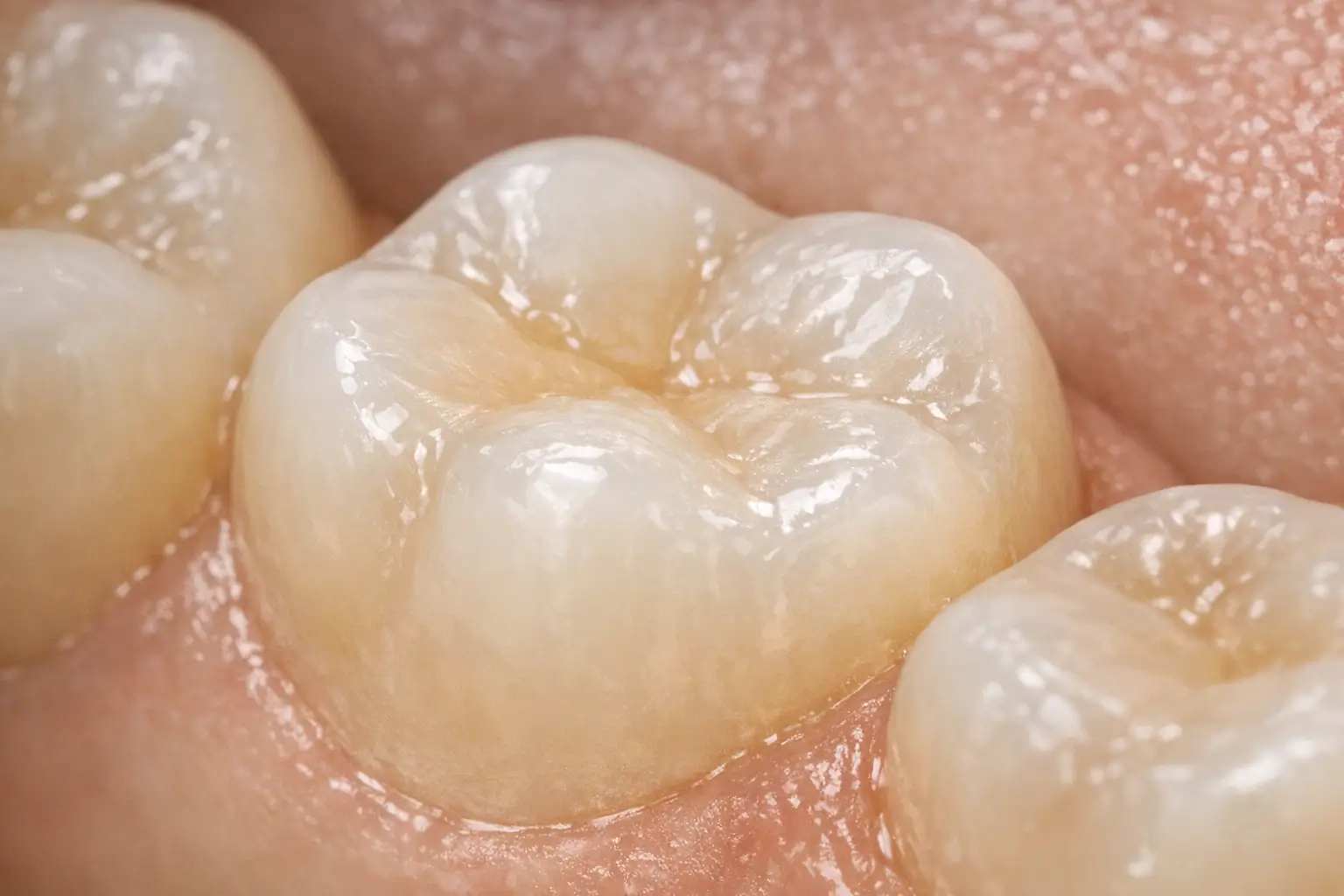
Lab researchers are going microscopic. Chen et al., 2026 bonded quercetin-loaded nanoparticles to worn dentin, then pummeled the samples with acidic drinks and simulated grinding. Treated slices lost 70 percent less mineral than controls and stayed smoother. Future chairside varnishes or splint liners could drip calcium, phosphate, and anti-inflammatory flavonoids onto your enamel as you sleep.
- Graphene-reinforced resins may slim guards to under 1 mm without cracking.
- Thermo-responsive polymers soften at mouth temperature for comfort, stiffening when cool for cleaning.
- Ion-releasing liners could buffer pH swings and encourage natural remineralization.
Addressing Complications: A Multidisciplinary Approach
Bruxism rarely occurs in isolation. Chronic clenching can inflame TMJ structures, damage periodontal ligaments, and even interact with ear, nose, and throat conditions. This complexity calls for a team approach, similar to how sports injuries are managed.
The International Network for Orofacial Pain and Related Disorders Methodology (INfORM) teamed with the International Association for Dental Research to publish “key points for good clinical practice” in 2025. The paper by Manfredini et al. urges dentists to build referral pathways with physiotherapists, psychologists, sleep physicians, and orofacial pain specialists.
Complications can become more complex with implants or bone grafts. A case series by Mommaerts, 2025, showed that subperiosteal jaw implants in bruxers carry a higher risk of mucosal ulceration and hardware exposure. Their takeaway: identify grinding early, use protective splints, and keep the surgeon in the loop.
The dream team for severe bruxism
- General dentist: Coordinates restorative work and night guard adjustments.
- Orofacial pain specialist: Evaluates TMJ, prescribes muscle relaxants when needed. Discover advanced TMJ treatments that might complement your current plan.
- Sleep physician: Screens for apnea or REM behavior disorder, orders polysomnography.
- Physical therapist: Guides jaw stretching, posture drills, and trigger-point massage.
- Psychologist or counselor: Teaches stress-management and cognitive tactics.
- ENT surgeon: Handles airway corrections if nasal obstruction fuels grinding.
Regular team meetings, whether virtual or in-office, allow for discussions about medication interactions or appliance conflicts. For example, a mandibular advancement device for apnea can clash with an upper occlusal splint. When all clinicians share radiographs and sleep data, they can adjust devices instead of forcing you to choose one therapy over another.

Exploring Alternative Therapies for Bruxism Relief
Not everyone wants magnets or fiber composites. Some prefer approaches that focus on body awareness and habit reversal. These options often work best as companions to medical and dental tools.
Biofeedback
Biofeedback uses sensors that buzz or beep when jaw muscles tense. Over time, you learn to spot early clench signals and relax before grinding occurs. Wearables range from adhesive EMG patches to bite-strip devices. The Cleveland Clinic notes that daily practice for two weeks can reduce daytime clench episodes by up to 60 percent, though nighttime effects vary. Explore how biofeedback therapy offers a promising approach to bruxism management.
Cognitive Behavioral Therapy (CBT)
CBT teaches you to reframe stressors and break motor habits. A therapist might guide you to set phone alarms as “jaw checks” or rehearse relaxed jaw posture. Studies on other repetitive behaviors (nail biting, hair pulling) show CBT cuts symptom severity by about half, and bruxism patients likely enjoy similar gains when motivation is high.
Relaxation and Mindfulness Techniques
Progressive muscle relaxation, diaphragmatic breathing, and mindfulness meditation all encourage a looser jaw by calming the sympathetic nervous system. The Mayo Clinic lists these exercises as first-line adjuncts because they carry no side effects and complement dental splints. Learn more about mindfulness techniques to reduce nighttime teeth clenching.
Manual Jaw Exercises and Heat Therapy
Simple drills like wide-open holds, side-to-side slides, and masseter stretches build endurance and remind muscles they can rest. Adding a warm compress before bed boosts blood flow and loosens tight fibers. In a randomized trial of 60 patients, Kadıoğlu et al. combined manual therapy with home exercises and saw a 35 percent pain drop and lower salivary cortisol after eight weeks. Ultrasound work by Uçar et al., 2022 showed a 12 percent reduction in masseter thickness, translating to less baseline tension.
Acupuncture and Trigger-Point Therapy
Small trials suggest that acupuncture needles or focused massage on masseter and temporalis muscles can lower EMG activity. Results tend to last a few days to a week, so sessions often require weekly repeats initially, with tapering maintenance. Always choose licensed providers who understand facial anatomy to avoid nerve injury.
Nutritional Adjustments
Magnesium and vitamin D deficiencies may heighten muscle cramps, including jaw tension. While no large bruxism-specific trials exist, correcting low levels makes physiological sense, and your primary care team can run simple blood tests. Reducing evening stimulants, caffeine, energy drinks, also leaves jaw muscles less tense at bedtime. Discover how diet can influence bruxism symptoms and what foods may help.
Alternative therapies shine when integrated into an overall plan. A mindfulness session alone won't protect a porcelain crown from 300 newtons of bite force, but pairing it with FRC splints and rTMS may tip the scales in your favor.
Future Directions in Bruxism Treatment Research
Interest in bruxism research is at an all-time high, and funding agencies are taking notice. Here's a glimpse of what may reach clinics in the coming years:
- Closed-loop splints: Imagine a mouth guard with built-in pressure sensors and micro-actuators that release a calming vibration when clenching begins. Prototypes exist in university labs, aiming for FDA trials soon.
- Personalized neuromodulation: Researchers are mapping each patient’s motor cortex with MRI to guide rTMS coil placement, turning a one-size protocol into a custom map.
- Gene-based risk panels: Because certain dopamine and serotonin transporter genes correlate with bruxism, labs are working on saliva tests that flag high-risk kids before enamel wear starts.
- AI-assisted diagnosis: Machine-learning algorithms already read sleep-study EMG channels faster than humans. Future versions may predict night-to-night grinding load and recommend splint thickness changes on the fly.
- Injectable biomaterials: Dentists are testing collagen-crosslinked gels that reinforce worn dentin from the inside out, delaying full-crown coverage and preserving tooth vitality.
Most of these innovations are in early trial stages, but they underscore a shift from damage control to true prevention and neuromodulation.
Conclusion
Bruxism is more than a quirky habit; it can seriously damage your teeth, joints, and finances if ignored. Fortunately, you now have an expanding menu of solutions. Brain-directed rTMS can reduce nightly muscle surges, fiber-reinforced composites offer durable repairs, and a multidisciplinary team keeps complications in check. By adding biofeedback, stress management, jaw exercises, and future technologies like 3D-printed smart guards or nanoparticle coatings, you can achieve quieter nights and stronger smiles. If you suspect severe bruxism, seek a provider who stays current with these advanced options instead of relying solely on traditional night guards.