What to Do When You Cannot Tolerate a Night Guard: Effective Alternatives
Discover effective night guard alternatives for bruxism relief.
You probably tried the thin boil-and-bite guard your dentist handed over, only to spit it across the room at 2 a.m. Maybe you gagged, drooled, or woke up hunting for a lost hunk of plastic. Before you toss the guard into the junk drawer forever, take a breath. Research shows that protecting your teeth from grinding is worth the hassle, and there are workarounds if the traditional appliance feels like a medieval torture device. Bruxism relief is possible with the right approach.
Below, you will find what the science says about common night guard problems, why they matter, and what you can do instead. Every tip is backed by peer-reviewed studies or reputable medical organizations, so you can stop doom-scrolling and start sleeping.
Understanding Night Guard Challenges
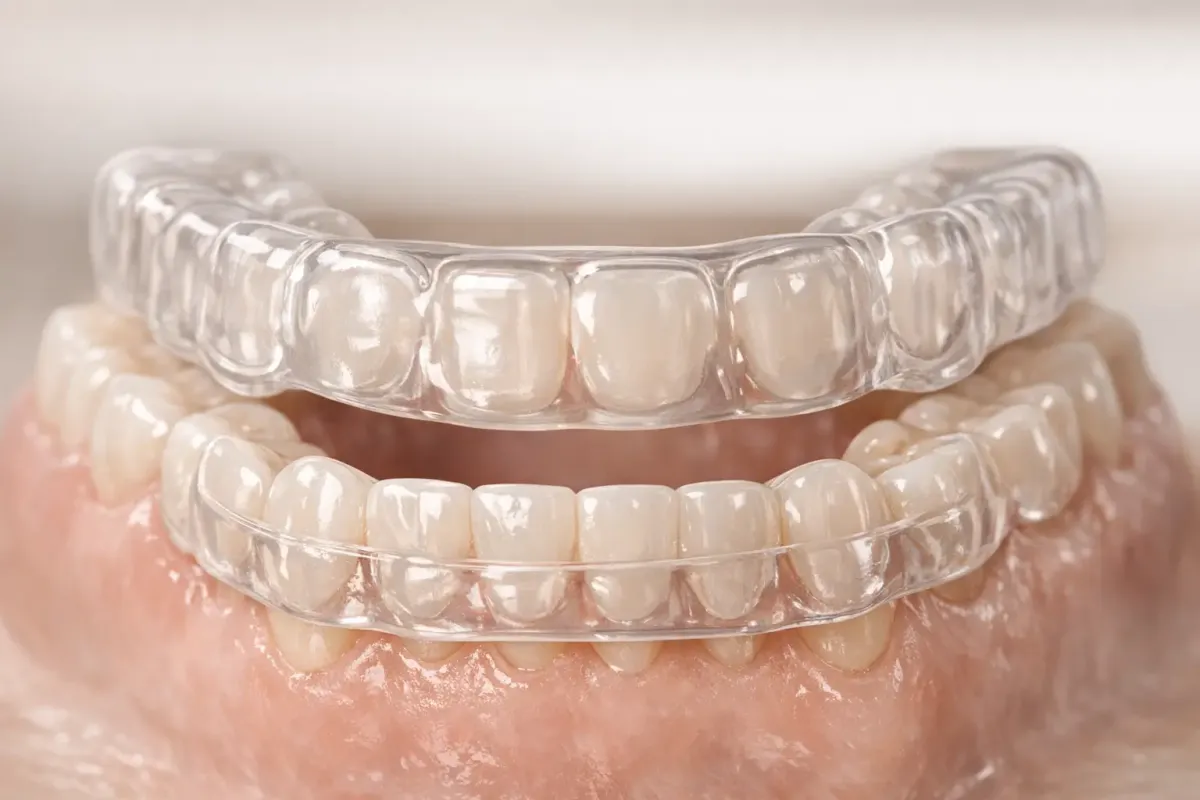
Night guards, also called occlusal splints, are the first-line defense against bruxism. They create a barrier between your upper and lower teeth, distributing biting forces, and reducing friction. On paper, that sounds brilliant. In reality, many people give up on the device early. Let's take a closer look at why.
Common Reasons for Night Guard Intolerance
- Gagging: The palate is full of nerve endings. If acrylic touches the soft palate or posterior tongue, the brain treats it like a foreign invader.
- Claustrophobia and anxiety: Some people feel "locked in" when any device covers part of the oral cavity. This can spike heart rate and fragment sleep.
- Unconscious removal: Many people wake to find the guard on the pillow. Your sleeping brain may decide the appliance is a threat and eject it.
- Pain and pressure: Misaligned guards can press on gums or trigger temporomandibular joint (TMJ) soreness. Discover more about effective TMJ bite guard options.
- Dry mouth or drooling: Acrylic changes salivary flow. Too little saliva dries mucosa, while too much pools and wakes you up.
Impact on Sleep and Oral Health
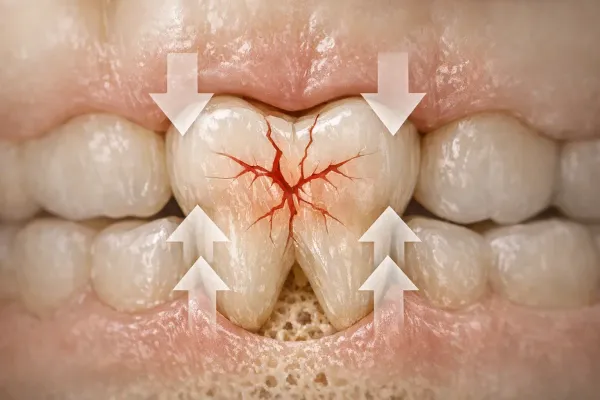
Grinding can generate up to 250 pounds of force. Without a barrier, that pressure erodes enamel, chips fillings, and worsens gum recession. Bruxism also correlates with headaches and daytime fatigue. The Cleveland Clinic warns that untreated grinding can lead to loose or cracked teeth, which may need crowns or implants later. So ditching protection entirely is a costly gamble. Instead, match the remedy to the exact hurdle you face.
Gagging: Causes and Solutions
The gag reflex is a survival mechanism that prevents choking, but it can be hypersensitive. Stimuli at the soft palate activate cranial nerves IX and X, causing an involuntary retch. Some people also have a psychological overlay: the mere thought of a foreign object can spark a gag spiral.
Techniques to Reduce Gag Reflex
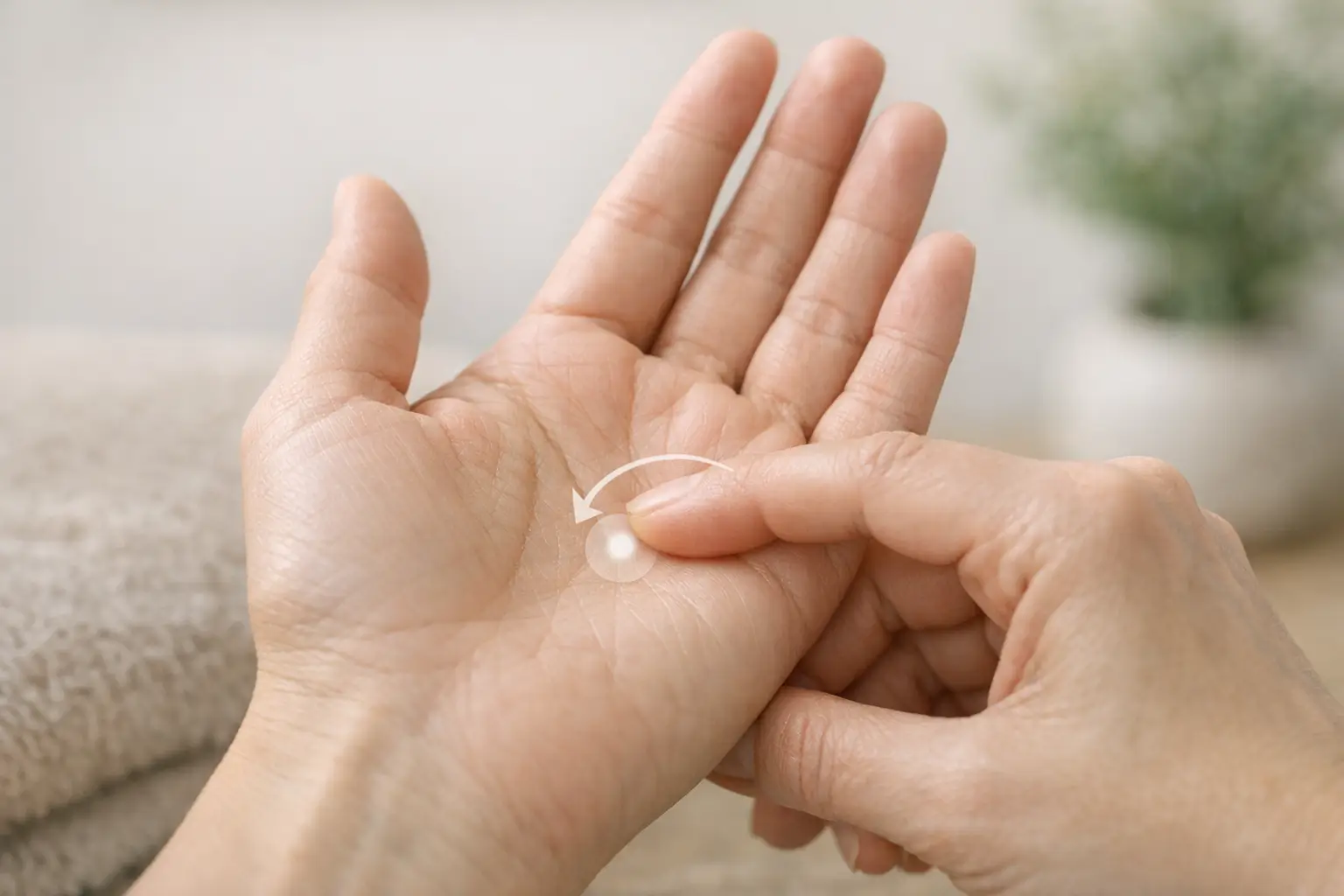
- Palm pressure point: A 2008 study in the Journal of the American Dental Association found that pressure on a point in the center of the palm moved the gag trigger further back in all 36 volunteers tested. Before inserting the guard, press the same point while breathing through your nose.
- Desensitization drills: Similar to motion-sickness training, touch a soft toothbrush to the back of your tongue for 10 seconds nightly, advancing 1-2 mm each week. Over time, the gag threshold retreats.
- Salt-on-tongue trick: While popular, the efficacy is mild at best. Still, it is harmless if your sodium intake is normal.
Professional Solutions
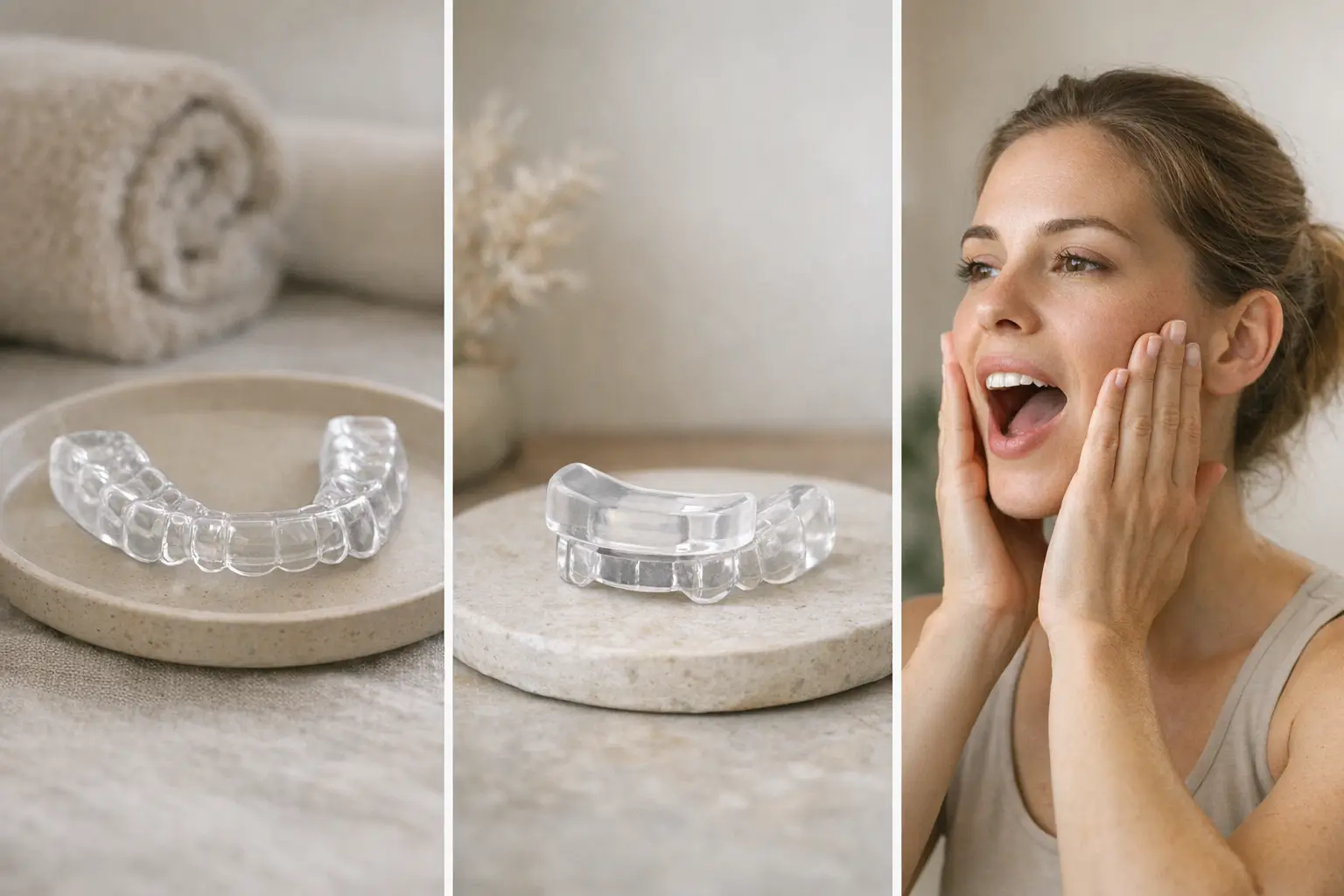
If at-home hacks don't work, a dentist can make a smaller guard that covers only the front teeth and stays away from the soft palate, which is usually what sets off gagging. Another option is step-down acrylic training plates, a technique dentists use to gradually desensitize people with strong gag reflexes: start with a wafer-thin plate for 15 minutes daily, then slowly thicken until you reach therapeutic thickness. This graded exposure works much like allergy desensitization.
A cheap way to test a smaller guard first
If a full guard sets off your gag reflex, it can be worth finding out whether a front-only design solves it before you pay a dentist to make one. SmartGuard Rx sells an over-the-counter version for $29.99: two guards and a case, molded at home in hot water, covering only the front teeth so there is far less plastic toward the back of your mouth.
It has a 90-day refund if it does not work for you. If it does help, mention it at your next checkup, since dentists like to keep an eye on front-only guards worn every night over the long term.
See the SmartGuard dental guard
Affiliate link. If you buy through it we earn a commission, at no extra cost to you. How this works.
Managing Claustrophobia and Anxiety
Feeling trapped by a mouthpiece is not just "in your head" in the dismissive sense. Magnetic resonance imaging studies show that people with dental anxiety exhibit heightened amygdala activity, priming a fight-or-flight reaction. Addressing the psychological load increases the odds of appliance success.
Cognitive Behavioral Approaches
Cognitive Behavioral Therapy (CBT) reframes catastrophic thoughts, "I will choke to death," into realistic ones, "This guard is the size of a contact lens case and cannot block my airway." CBT is an established treatment for dental anxiety. Even two or three sessions with a therapist can help you re-script the fear loop. Explore how CBT can alleviate bruxism symptoms.
Relaxation Techniques
- 4-7-8 Breathing: Inhale for 4, hold for 7, exhale for 8 seconds. This technique slows heart rate and distracts the mind while inserting the guard.
- Progressive muscle relaxation: Tighten then release each muscle group from toes to scalp. This counters the jaw clamp reflex before bedtime.
- Guided imagery: Stream a short audio of ocean waves through earbuds as you wear the guard for five test minutes during the day. You are training the nervous system to pair the appliance with calm stimuli.
Waking to Find the Guard Removed
Removing a guard in your sleep is surprisingly common. The subconscious mind dislikes novel sensations. During lighter sleep stages, your hands simply evict the intruder. While annoying, this behavior is a trainable habit.
Behavioral Training for Awareness
- Daytime mouth checks: Set a phone timer for random intervals. When it buzzes, notice whether your teeth are touching. If they are, separate them and rest the tongue on the palate. You are teaching muscle memory for "teeth apart, tongue up."
- Bedtime rehearsal: Put the guard in, then lie down for five minutes with eyes closed. If the impulse to remove it pops up, consciously choose to keep it in. This short rehearsal primes your brain before full sleep.
- Barrier gloves: Some clinicians recommend thin cotton gloves for the first few nights. The odd texture on your hands wakes you just enough to stop removal without fully disrupting sleep.
Usually, within two weeks the brain accepts the guard as part of the oral landscape. If not, consider an alternative device or adjunct therapy covered below.
Addressing Pain and Discomfort
Pain at the jaw joint or gum line is a red flag, not something to tough out. Ill-fitting guards can shift occlusion and worsen TMJ disorders. Fixing the fit or switching materials often solves the issue.
Customizing Fit and Material
- Thickness tweaking: Some labs default to 3 mm. If your bite force is moderate, a 2 mm hard acrylic splint may suffice and feel less bulky.
- Dual-laminate design: Soft inside, hard outside. The inner layer cushions tissues while the outer plate resists wear. More on night guard materials.
- Relining: Dentists can reline a guard with softer material exactly where a sore spot forms, the same way denture sore spots are relieved.
- Midline notch: A tiny V-shaped notch at the front edge improves airflow and reduces lip pressure. Many patients report the change makes breathing feel easier.
Seeking Professional Advice
If pain persists beyond a week, schedule a follow-up. The dentist will examine occlusal contacts with articulating paper and adjust high points. They may also check for TMJ clicks, muscle tenderness, and any change in your bite. Do not DIY with sandpaper, one wrong grind can throw off the entire occlusion.
In certain myogenous (muscle-based) cases, injectable botulinum toxin lowers masseter activity. A 2024 umbrella review of systematic reviews by De la Torre Canales et al. found Botox reduced TMD pain more than placebo but not more than standard treatments, and recommended it only as a last resort because of the risk of side effects. It is an option for severe grinders who cannot wear guards at all. Learn about Botox for bruxism.
Alternatives to Night Guards
Night guards are not the only tool in the bruxism toolbox. Below are evidence-based options that can work alone or alongside a guard. Beware of late-night infomercial gadgets promising miracle fixes, as most lack peer-review.
Daytime Awareness for Clenching
Daytime clenching is often an unconscious habit, and conscious habit reversal can help. Try the "N-T-R" mantra: Notice your jaw, Touch tongue to palate, Relax shoulders. Track episodes with a free phone app or a simple tally sheet.
Jaw Muscle Exercises
- Isometric holds: Place the tip of the tongue on the palate while slightly opening the jaw. Hold for five seconds, repeat ten times. Strengthens opening muscles that counteract clench force. Explore jaw exercises for bruxism.
- Resisted opening: Put two fingers under the chin, open slowly while applying gentle resistance for five seconds, then relax. Perform three sets of five.
- Side-to-side glides: Slide the lower jaw left and right in a smooth arc, five reps each direction. Improves condylar mobility and reduces click risk.
Combine exercises with moist heat packs to boost blood flow and decrease muscle tension.
Stress Management Techniques
Bruxism intensity tracks closely with cortisol spikes. Harvard Health Publishing links chronic stress to higher grinding frequency. Build a daily decompression routine:
- Exercise: Regular exercise is a common stress-management recommendation, and stress is a well-known grinding trigger.
- Mindfulness meditation: Ten minutes of focused breathing reduces sympathetic tone, easing jaw tension.
- Sleep hygiene: A cool, dark room, consistent bedtime, and no caffeine after 2 p.m. decrease arousal events that trigger grinding bursts. Learn more about the role of sleep hygiene in managing bruxism.
The Role of Dental Professionals
Dentists are your quarterbacks in the bruxism playbook. Skipping professional oversight can turn a minor annoyance into cracked enamel or TMJ disorder.
When to Seek Help
- Pain or clicking at the jaw joint lasting more than one week.
- Cracked or chipped teeth despite wearing a guard.
- Persistent headaches that start at the temples or behind the eyes.
- Any change in bite alignment or trouble closing teeth together.
Your dentist may refer you to an orofacial pain specialist, physical therapist, or psychologist. Multidisciplinary care often yields the best outcomes. Discover effective TMJ treatments for long-term relief.
Chiropractic care comes up often in this conversation too. We went through what the evidence says about chiropractic for TMJ so you can judge it before booking.
Conclusion: Finding the Right Solution for You
Night guard intolerance is common, but quitting on protection is not the answer. Whether your nemesis is gagging, claustrophobia, pain, or nocturnal guard tossing, there are fixes backed by solid evidence. Start by pinpointing the exact barrier, apply the targeted strategies above, and lean on dental professionals for customization. If a guard still feels like a medieval bit, daytime habit reversal, jaw exercises, stress management, or in select cases botulinum toxin can step in. Keep experimenting until comfort, tooth safety, and deep sleep coexist. Your enamel will thank you.