Chiropractor TMJ Relief: Evaluating the Effectiveness of Chiropractic Care
Does chiropractic care help TMJ pain? Discover evidence-based insights.
You grind your teeth at night, your jaw pops like bubble wrap, and a dull ache creeps into your temples whenever you chew a steak. So you type “TMJ remedies” into a search bar at 2 a.m. and discover that everyone, including your barista, has an opinion. One option that keeps coming up is chiropractic care. Does adjusting your spine really calm an angry jaw joint? Let's dig into the research to help you decide if booking that appointment is worth your copay.
Fair warning: the science is still catching up with the internet hype. We’ll keep the jargon light, cite every claim, and add a bit of irreverence to keep the caffeine flowing.
Understanding TMJ and Its Impact
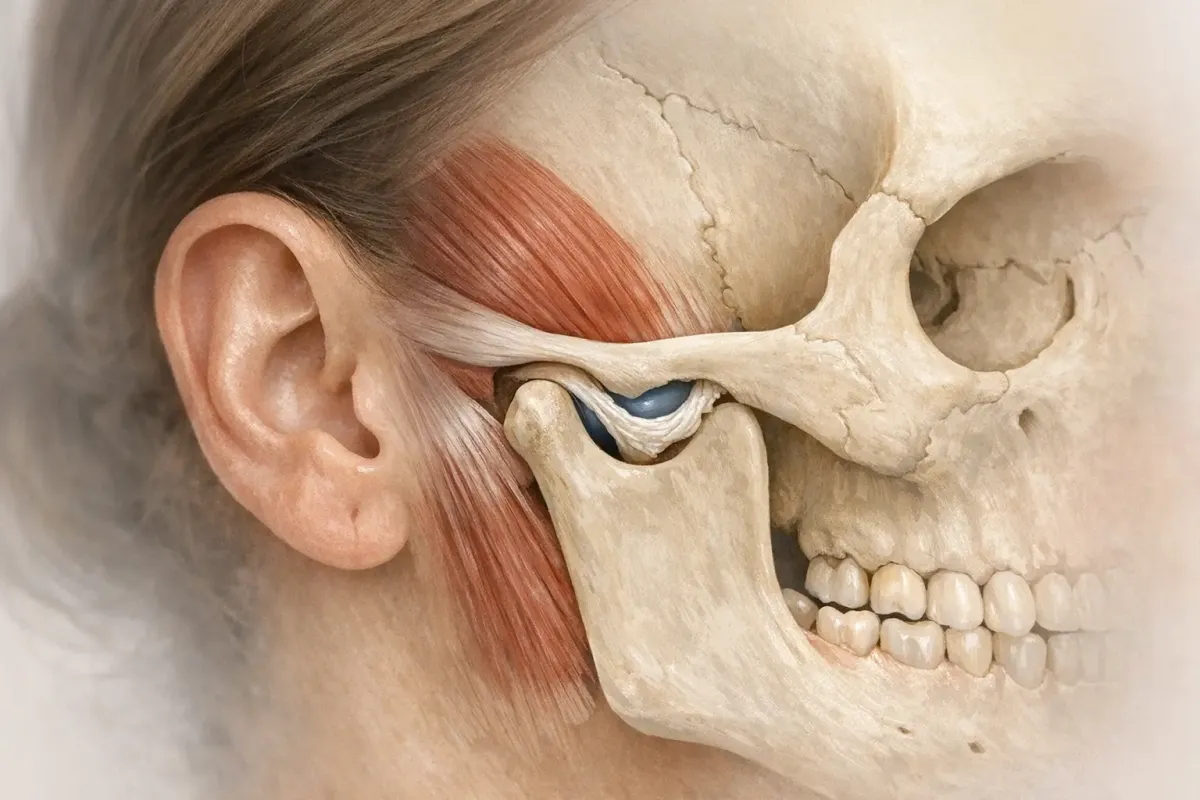
Your temporomandibular joint (TMJ) is a tiny hinge that lets your jaw move up, down, and side to side. It sits just in front of your ear where the jawbone (mandible) meets the skull’s temporal bone. A small disk of cartilage cushions the ride. Simple enough—until it’s not.
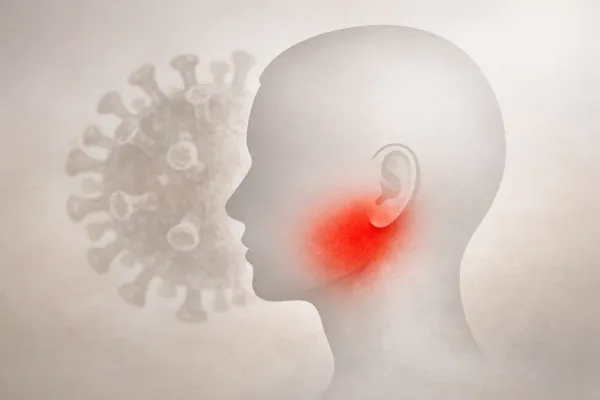
Temporomandibular disorders (TMD) happen when this setup malfunctions. According to a 2022 narrative review by Jogna et al., the umbrella term “TMD” covers muscle pain (myofascial), joint pain (arthralgia), disk displacement, arthritis, and combinations of these. Symptoms include:
- Jaw pain or soreness, especially in the morning or late afternoon
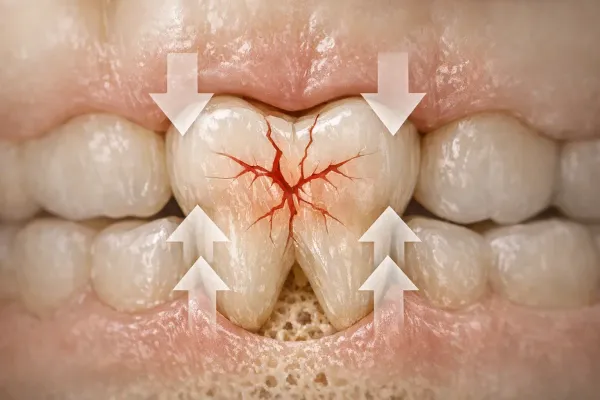
- Clicking, popping, or grating sounds when you chew or yawn
- Locking of the jaw (open or closed)
- Headaches, earaches, and facial pain
- Difficulty chewing or a sudden change in the way your upper and lower teeth fit together
Why does it matter? Because the TMJ is the most frequently used joint in the body. You talk, chew, sing in the car, and stress-clench your way through deadlines. Chronic TMD can lead to sleep loss, anxiety, and even depression. The same review found that people with TMD often report higher stress scores and poorer quality of life than the general population. In other words, this little hinge packs a big punch.
Risk factors include bruxism (that nighttime grinding routine), poor posture, gum chewing marathons, and sometimes systemic diseases such as arthritis. Women in their reproductive years are hit hardest, possibly due to hormonal influences. While some cases resolve on their own, many linger like a bad pop song.
If your jaw feels like it’s auditioning for a percussion section, you are not alone. Up to 12 percent of adults deal with TMD symptoms at any given time, according to Mayo Clinic’s online overview of TMJ disorders.

Traditional Treatments for TMJ Disorders
Before you start googling “self-adjust jaw at home,” it helps to know what mainstream medicine brings to the table. Conventional approaches fall into three categories: medications, physical therapy, and surgery. The good news is that most doctors start conservatively. The bad news is that trial-and-error can feel like Groundhog Day.
Medications
Pharmacologic therapies include non-steroidal anti-inflammatory drugs (NSAIDs), muscle relaxants, and the occasional low-dose tricyclic antidepressant for pain modulation. Evidence shows short-term relief, but side effects—think stomach upset from NSAIDs or grogginess from muscle relaxants—often limit long-term use. A 2023 case report by Chu et al. noted that one TMJ patient improved only marginally on meds before seeking chiropractic care.
Physical Therapy
Physical therapy usually involves jaw exercises, posture training, and manual soft-tissue techniques. A 2023 randomized controlled trial by Gębska et al. found that targeted soft-tissue therapy plus exercises significantly reduced pain and improved jaw opening compared to a control group. The hitch? Gains plateaued at the six-week mark, suggesting you may need ongoing sessions or a home routine to keep symptoms at bay.
Surgery
From arthrocentesis (flushing the joint) to full joint replacement, surgical options lurk at the end of the treatment queue. They can help severe disk displacement or degenerative disease but carry higher risks—nerve injury, infection, or jaw stiffness. The American Association of Oral and Maxillofacial Surgeons recommends exhausting conservative care before picking up the scalpel.
Bottom line: mainstream treatments can work, but relief is not guaranteed. That uncertainty pushes many to explore alternatives like chiropractic care.
Exploring Chiropractic TMJ Care
Chiropractors view the jaw as part of the musculoskeletal puzzle. If your cervical spine, shoulders, or even your pelvis are misaligned, they argue, your jaw compensates. The holistic aim is to restore mobility, reduce muscle tension, and calm the nervous system.
Techniques vary but often include:
- Gentle adjustments to the upper cervical spine (C1-C3)
- Soft-tissue release of the masseter, temporalis, and pterygoid muscles
- Intra-oral trigger-point therapy (yes, a gloved finger in the mouth)
- Posture coaching and ergonomic tweaks
In their 2023 report, Chu and colleagues described a 30-year-old woman with years of clicking and pain who improved after six chiropractic visits focusing on cervical adjustments and myofascial release. A broader perspective comes from a 2022 systematic review by Asquini et al., which included manual therapy—often delivered by chiropractors—and found modest pain reductions across multiple studies.
Chiropractic care is typically drug-free and non-invasive, appealing to anyone wary of pills or scalpels. But anecdotes, however inspiring, need backup from controlled trials. This brings us to the real question: what does the science say?

Scientific Evaluation of Chiropractic Effectiveness for TMJ
You deserve hard numbers, not just clinic brochures. Let’s dissect the most relevant studies:
- Randomized trial on spinal manipulation plus dry needling. Dunning et al. 2024 randomized 60 patients with myofascial TMD into two groups: one received cervical spinal manipulation and trigger-point dry needling; the control group got sham ultrasound. After four weeks, the treatment group enjoyed a 48 percent drop in pain scores versus 20 percent in controls. Jaw opening improved by 6 mm (think an extra slice of pizza width). While the combo therapy muddies attribution, cervical manipulation was a core component.
- Network meta-analysis on manual therapies. Menéndez-Torre et al. 2023 pooled 34 trials comparing deep dry needling, manual therapy, splints, and education. Manual therapy, often delivered by chiropractors, ranked second only to dry needling for pain reduction at short-term follow-up (2-12 weeks). Effect sizes were small to moderate, signaling real, if not miraculous, benefits.
- Case series in chiropractic clinics. The earlier Chu et al. case report fits here too. While n=1 studies lack statistical muscle, they spotlight potential mechanisms: reduced cervical muscle tone, improved proprioception, and less trigeminal nerve irritation.
Mechanistic theories propose that cervical adjustments normalize afferent input to the trigemino-cervical nucleus, dialing down pain perception. Meanwhile, soft-tissue work may release trigger points that refer pain into the jaw. Imaging studies remain scarce, but surface electromyography has shown decreased masseter activity after cervical manipulation in small cohorts.
Safety data are reassuring. The meta-analysis found only minor adverse events—soreness or mild headaches resolving within 24 hours. No serious complications were reported across more than 1,000 participants. Compare that with long-term NSAID use and its gut-punching side effects, and chiropractic looks friendly.
Limitations exist. Sample sizes are often small, blinding is tricky (you know when someone twists your neck), and there is heterogeneity in treatment frequency. Most trials last under three months, so durability of benefit is anyone’s guess. Still, the consistent trend toward pain reduction suggests chiropractic care is more than a placebo pillow.
Comparative Analysis: Chiropractic vs. Other Alternative Treatments
Maybe you are considering acupuncture, dry needling, or fascial manipulation instead of—or alongside—chiropractic care. Here is how they stack up according to the literature.
Dry Needling
Deep dry needling involves inserting a thin filament needle into trigger points to disrupt contracted muscle fibers. The 2023 network meta-analysis crowned dry needling king for short-term pain relief, edging out manual therapy by a hair. Pain scores fell by roughly 2 points on a 10-point scale. However, Dunning et al.’s 2024 clinical trial suggested that pairing needling with spinal manipulation amplified results, hinting at synergy rather than rivalry.
You might experience brief soreness or bruising at needle sites. Infection risk is minimal when sterile techniques are used. Needling sessions are often shorter and cheaper than a full chiropractic work-up, but you may need multiple visits to maintain gains.
Manual Therapy
Think massage on steroids: myofascial release, joint mobilizations, and passive stretching. While chiropractors use manual therapy, physical therapists, osteopaths, and some massage therapists offer it too. A 2022 pilot study by Hughes et al. on fascial manipulation found meaningful pain reductions and improved tissue glide in 20 participants with myofascial pain (not limited to TMJ). Though small, the study adds weight to soft-tissue techniques.
When pitted head-to-head, manual therapy’s effect size for TMD hovers near that of chiropractic adjustments. The decision often comes down to practitioner skill, cost, and personal preference—do you want the crack or just the knead?
Other alternative options include acupuncture, mindfulness-based stress reduction, and low-level laser therapy. Evidence for these is mixed, and none clearly eclipse chiropractic care in either efficacy or cost-effectiveness. The National Center for Complementary and Integrative Health notes that while many modalities show promise, direct comparative trials are rare, so your mileage may vary.
In short, chiropractic care sits in the “reasonably effective, low risk” category, comparable to other hands-on therapies and slightly less prickly than dry needling—literally.
Patient Experiences and Testimonials
Numbers matter, but sometimes you just want to know if real people feel better. Online forums and clinic websites brim with stories like these:
- Amanda, 28. “After four adjustments my jaw stopped locking. I still wear my night guard, but I can eat a burger without pain.”
- Marco, 43. “Chiropractic didn’t cure me overnight, but it took the edge off the headaches. Bonus: my neck feels looser too.”
- Lena, 35. “The intra-oral work was weird, yet oddly satisfying. Clicking is 80 percent gone. Worth the drool.”
Anecdotes are not data, but they echo the modest yet meaningful improvements seen in clinical trials. Many patients appreciate the holistic education—posture tips, stress management—that rides shotgun with chiropractic adjustments.
Conclusion: Is Chiropractic Care Worth Considering for TMJ?
Chiropractic care is not a silver bullet, but the evidence tilts positive. Small-to-moderate pain reductions, improved jaw motion, and minimal side effects make it a viable addition to your TMJ tool kit. Case data by Chu et al. and controlled trials suggest benefits, especially when combined with soft-tissue techniques or dry needling.
Here is a practical roadmap:
- Start with conservative basics—night guard, diet tweaks, and stress reduction.
- If pain lingers, try a short course of chiropractic care (4-6 sessions) and track your symptoms.
- Layer in other evidence-based options like physical therapy or dry needling if needed.
- Always coordinate with your dentist, primary physician, or an orofacial pain specialist to rule out red flags.
Your jaw deserves peace. Whether you find it on a chiropractor’s table, a physical therapist’s clinic, or through mindful unclenching, the take-home is the same: informed experimenting beats late-night doom-scrolling. Talk to qualified professionals, weigh the science, and choose the path that lets you bite into life—pain-free.