Management Strategies for Bruxism in Perimenopausal Women
Explore how hormonal changes in perimenopause affect bruxism and learn effective strategies to manage it.
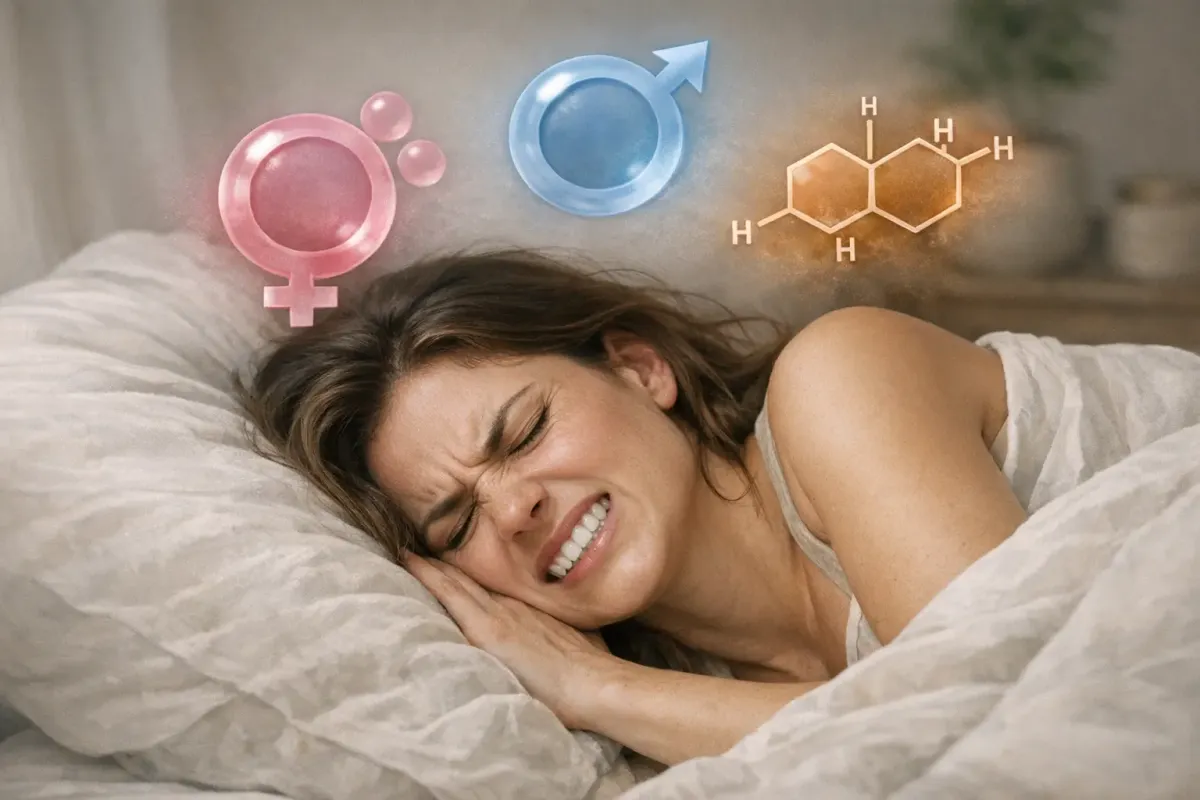
If your jaw feels like it spent the night at the gym while the rest of you tried to sleep, you might be dealing with bruxism. For women navigating the hormonal roller coaster of perimenopause, that post-sleep jaw ache can become a regular, unwelcome guest. This guide explores how hormonal changes in perimenopause affect bruxism and provides strategies to manage it effectively.
The tone here is straight talk backed by evidence. Grab a cup of tea, unclench your teeth, and let’s get into it.
Understanding Bruxism and Its Impact
Symptoms and Common Causes
Bruxism refers to repetitive clenching or grinding of your teeth. It can occur while awake (awake bruxism) or asleep (sleep bruxism). Typical signs include:
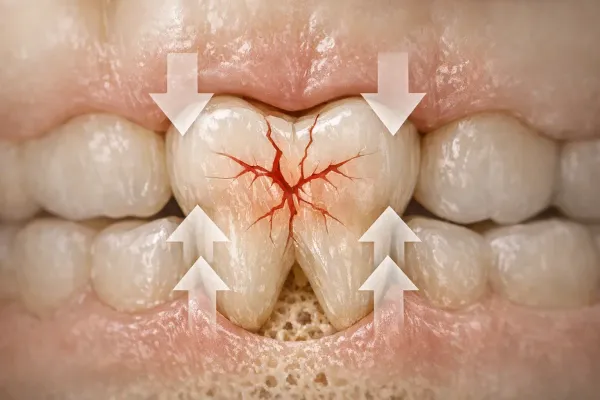
- Flattened, chipped, or worn tooth surfaces
- Morning headaches or earaches unrelated to ear problems
- Sore jaw muscles or clicking sounds when opening your mouth
- Sleep partners noticing grinding noises
Subclinical grinding may go unnoticed. You may not hear it but could wake up with tiny crazing lines, or hairline fractures your dentist spots under bright light. Smartphone sleep-tracking apps with audio functions can sometimes catch these softer grinding episodes, making them useful for self-screening.
Common triggers include stress, certain medications, caffeine, and alcohol. Hormonal fluctuations join that list for many women. A 2026 paper by Afşar et al. suggests that grinding is partly a stress outlet, as biological stress pathways involving cortisol are heightened in people with bruxism. In simple terms, if life is tense, your jaw might feel it first. For more on how stress can exacerbate these symptoms, check out how stress makes bruxism worse.
Bruxism often accompanies other issues like temporomandibular disorders (TMD), headaches, and poor sleep quality. Recognizing these related problems can help you address them sooner.
Link to Temporomandibular Disorders (TMD)
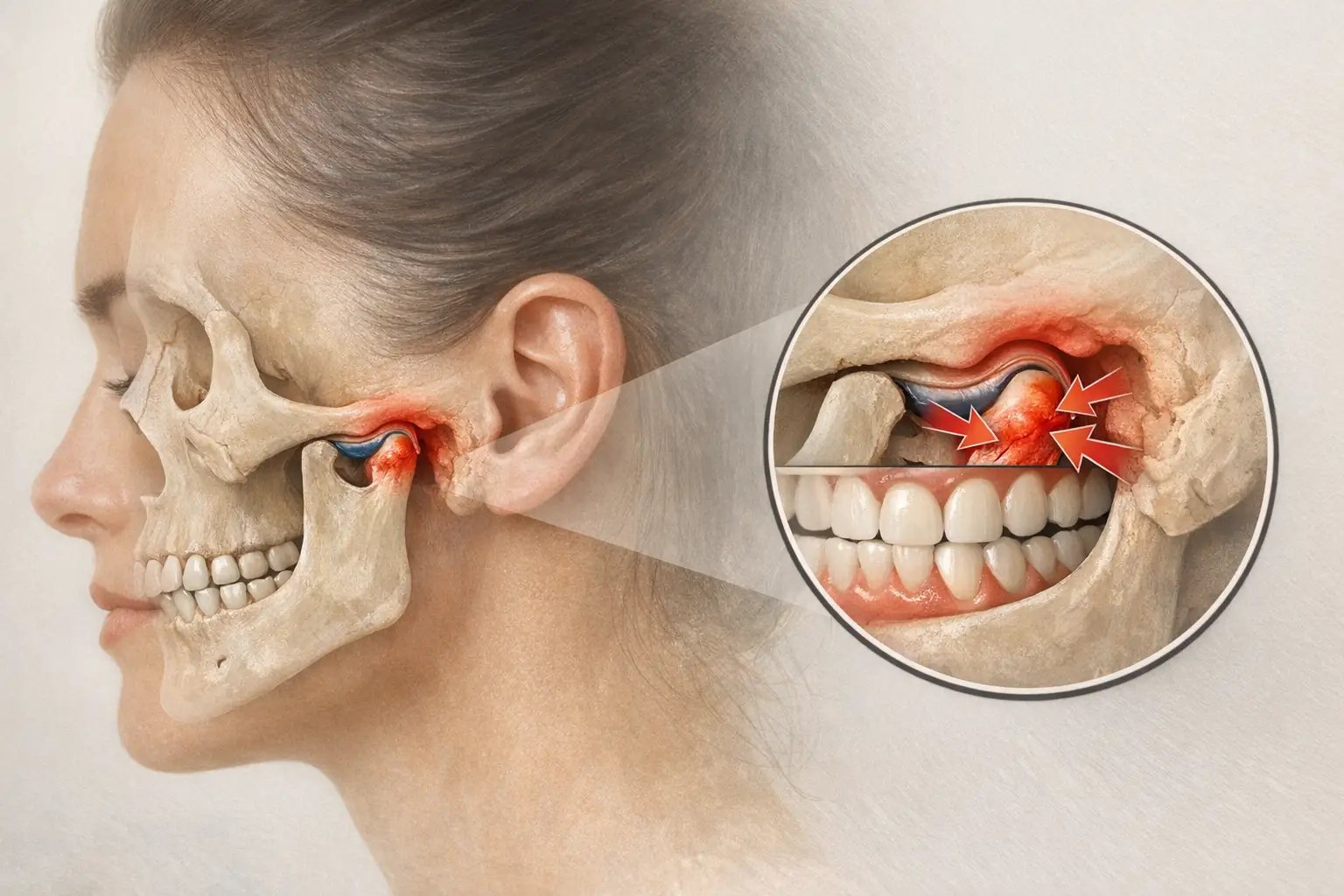
TMD refers to a cluster of conditions affecting the temporomandibular joint (TMJ) and surrounding muscles. A large 2025 meta-regression by Zieliński et al. confirmed a global overlap between bruxism and TMD. Grinding stresses the joint, and a cranky joint means more muscle tension, which can feed the grinding loop.
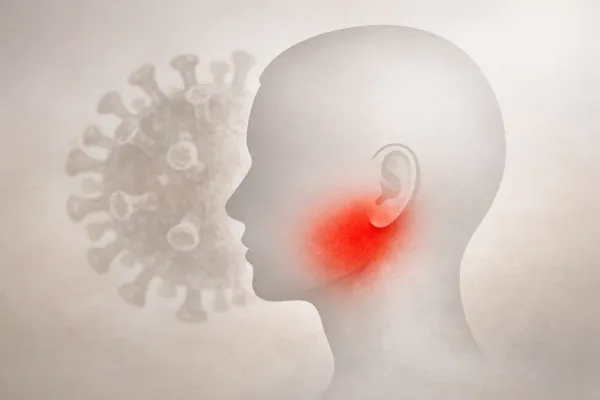
Referred pain complicates matters. The TMJ is near the ear canal, so irritation can feel like “ear pain” or fullness. Many women first see an ENT, only to discover the problem is at the jaw hinge. For more insights, explore the connection between ear pain, TMJ, and bruxism.
Hormones, particularly estrogen, add another layer. A 2024 systematic review by Zieliński and Pająk-Zielińska linked low estrogen levels to higher TMD risk. For perimenopausal women experiencing estrogen dips, the overlap becomes more than coincidence.
Hormonal Changes During Perimenopause
Estrogen's Role in Oral Health
Perimenopause is the transitional phase before menopause, often lasting four to eight years. Estrogen levels swing wildly during this time. Estrogen receptors are not limited to reproductive tissues; they also appear in the oral mucosa and the TMJ. When estrogen fluctuates, blood flow, bone turnover, and collagen production in the jaw area can shift too.
The 2024 review by Alam et al. examined estrogen replacement therapy and TMD. Women on replacement therapy showed fewer joint complaints and less pain, hinting that steady estrogen might protect the TMJ. While replacement therapy is not for everyone, the research underscores estrogen’s protective role. For more on innovative TMJ treatments, see advanced TMJ treatments.
Progesterone and androgens also play roles. Progesterone modulates pain sensitivity, while androgens like testosterone influence muscle bulk. Both decline during perimenopause, altering muscle tone and pain thresholds in ways researchers are still exploring.
Impact on Masticatory Muscles
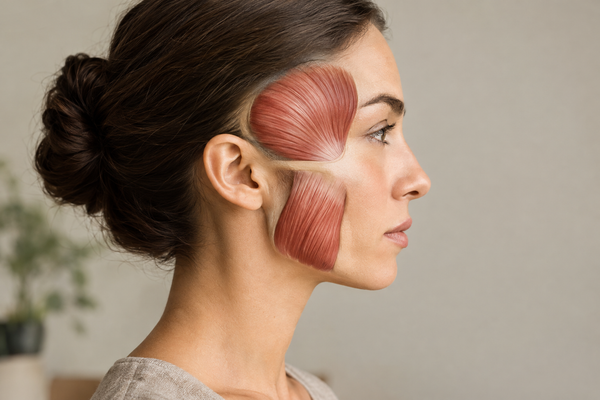
Muscles that help you chew, particularly the masseter and temporalis, contain estrogen receptors. A 2024 MRI study by Scheibel et al. noted sex-based differences in masseter muscle size and suggested that hormonal status could influence muscle fatigue and tension. Lower estrogen during perimenopause might mean muscles fatigue faster and feel tighter, making grinding episodes more likely.
Collagen fibers within these muscles and their tendinous attachments rely on estrogen for turnover. As estrogen dips, microtears heal more slowly, setting up a cycle of tightness, grinding, and more microtears.
To sum up, hormone swings affect more than mood and hot flashes. They change jaw mechanics, muscle resilience, and even how your brain registers pain, setting the stage for bruxism to thrive.
The Stress Connection: Perimenopause and Bruxism
Cortisol and Stress Response
Stress is a common factor in bruxism, but perimenopause adds a twist. Fluctuating hormones can increase the stress hormone cortisol. In the study by Afşar et al., participants with bruxism had elevated salivary cortisol compared with controls. Cortisol keeps your body on high alert, and your jaw responds by staying tense. Over time, that tension morphs into clenching or grinding while you sleep and sometimes during the day.
Sleep patterns also change. Perimenopause shortens deep-sleep stages where muscular relaxation is most profound. With less deep sleep, micro-arousals increase, providing more opportunities for jaw muscles to engage. For more on how sleep disorders impact bruxism, explore the connection between sleep disorders and teeth grinding.
Psychological Factors
Anxiety, mood swings, and sleep disturbances often flare during perimenopause. These factors increase bruxism risk. You may find yourself clenching your jaw during a tense work email or grinding at night after an emotional day. Addressing mental health can help break this cycle. For strategies on managing stress-induced bruxism, visit effective techniques for stress management.
While not specific to perimenopause, a 2023 randomized trial by Karagozoglu and Ozcan found that reducing muscle tension through splint therapy or botulinum toxin also lowered anxiety scores. The chicken-or-egg question persists, but reducing stress, whether mental or muscular, appears helpful on both fronts.

Management Strategies for Bruxism in Perimenopausal Women
Lifestyle Modifications
While you can't turn back time, you can adjust habits. Start with these manageable changes:
- Wind-Down Routine: Dedicate at least 30 minutes to screen-free, low-light relaxation. Try guided breathing apps, gentle yoga, or reading a paperback.
- Limit Stimulants: Caffeine and alcohol can increase muscle activity during sleep. Set a caffeine cutoff around 2 p.m. and keep evening drinks minimal. For more on the effects of caffeine, explore caffeine and bruxism.
- Track Trigger Foods: Sticky, chewy, or hard foods make your jaw work overtime. Switch to softer meals when pain flares.
- Hydration and Nutrition: Dehydrated muscles cramp more. Stay hydrated and include magnesium-rich foods like leafy greens or nuts to help muscles relax. For dietary insights, see the role of diet in managing bruxism.
- Stress-Reduction Tool Kit: Meditation, journaling, or even a brisk walk can lower cortisol.
- Sleep Hygiene: Keep the bedroom cool, dark, and quiet. A white-noise machine may mask grinding sounds, improving sleep for you and your partner.
If mindfulness apps aren't for you, try the “4-7-8 breath”: inhale for 4 seconds, hold for 7, and exhale for 8. Two minutes of this can slow your heartbeat and reduce cortisol enough to relax a clenched jaw.
Medical Interventions
When lifestyle changes aren't enough, consider these dental or medical options:
- Custom Night Guard: A dentist-fabricated splint cushions teeth and spreads biting forces. Hard acrylic guards last longer; soft vinyl guards feel gentler but may encourage chewing. Discuss trade-offs with your dentist. The 2023 trial by Karagozoglu and Ozcan showed that splint users reported lower muscle pain scores within eight weeks. For more on mouth guards, read about TMJ mouth guard options.
- Botulinum Toxin Injections: Small doses in the masseter and temporalis reduce clenching force. The same trial found similar pain relief between splints and botulinum toxin, but injections provided faster results (about one week). Note: results last three to four months, so plan for repeat sessions.
- Physical Therapy: Jaw-specific stretches, posture training, and trigger-point massage can loosen overworked muscles. Many PTs teach patients self-massage routines for home use. To learn more, see the role of physical therapy in TMJ pain management.
- Estrogen Management: For some, hormone replacement therapy (HRT) stabilizes fluctuations that contribute to muscle and joint pain. According to the review by Alam et al., HRT correlated with fewer TMJ complaints. Discuss risks and benefits with your healthcare provider. If HRT isn't an option, plant-based phytoestrogens, like soy or flaxseed, may offer milder relief.
- Medications for Sleep or Anxiety: Short-term use of muscle relaxants or certain antidepressants may help. These are usually last-resort options when other measures fail.
Whichever path you choose, consistent follow-up is crucial. Splints need adjustments, botulinum toxin wears off, and HRT dosages may change. Work with your dentist or physician to adjust treatment as hormones fluctuate.
Integrating Dental and Medical Care
Collaborative Approach
Perimenopause is a systemic transition, so a siloed approach can miss important details. Dentists monitor bite forces and enamel wear, while physicians manage hormones and overall health. Coordinating between both teams is beneficial.
A 2024 case-control study by Minervini et al. on pregnancy and TMD used multidisciplinary evaluations to capture both hormonal and mechanical factors. The same philosophy applies to perimenopause: let the dentist and gynecologist share information rather than duplicate efforts.
In practice, authorize your dentist to upload intraoral photos or bite-force measurements to your electronic health record, allowing your physician to correlate them with hormone panels. Telehealth portals make this cross-talk faster than traditional methods.
Regular Monitoring
Hormone levels don't drop in a straight line during perimenopause. Symptoms can ebb and flow over months. Schedule:
- Dental checkups every six months, or more often if you show rapid tooth wear.
- Annual medical reviews to update hormone, bone density, and mental health status.
- EMG or sleep study if loud grinding or severe pain persists despite standard care.
Both teams can tweak interventions, adjusting splint thickness, HRT dosage, or adding physical therapy, as your body evolves.
Practical Tips for Managing Jaw Pain
Home Remedies
- Warm Compress: Apply a moist heat pack to the jaw for 10 to 15 minutes before bed to relax muscles.
- Controlled Jaw Opening: Place a finger width between your front teeth, slowly open and close without pain. Repeat five times, three sessions daily.
- Posture Check: Keep screens at eye level and shoulders relaxed. Forward head posture strains the jaw. For more on posture and jaw pain, visit the surprising link between posture and jaw pain.
- Chew Smart: Cut food into smaller bites and alternate chewing sides to avoid overloading one joint.
- Self-Massage: Using your index and middle fingers, apply circular pressure just under the cheekbone along the masseter for 30 seconds per side. Feels strange, works wonders.
When to See a Specialist
If pain wakes you at night, you notice tooth cracks, or over-the-counter pain relievers stop working, call in the pros. Sudden changes in bite or locked-jaw episodes also warrant immediate evaluation. A maxillofacial surgeon, orofacial pain specialist, or a board-certified TMD dentist can provide advanced imaging and targeted injections when first-line measures stall.
Conclusion
Perimenopause is a phase of constant hormonal negotiation, and your jaw can feel the punches. Research shows that estrogen dips, elevated cortisol, and mechanical stress band together to turn nighttime grinding into a daily ordeal. The upside is that bruxism is manageable when you mix lifestyle tweaks with evidence-based dental and medical care.
Start with stress management and a custom night guard, then explore options like botulinum toxin or hormone modulation if needed. Above all, keep communication flowing between your dentist and healthcare provider. Your jaw will thank you the next morning, and so will the person sleeping next to you.