The Connection Between Jaw Pain and Long COVID: What Current Research Shows
Explore the emerging link between jaw pain and long COVID, including bruxism.
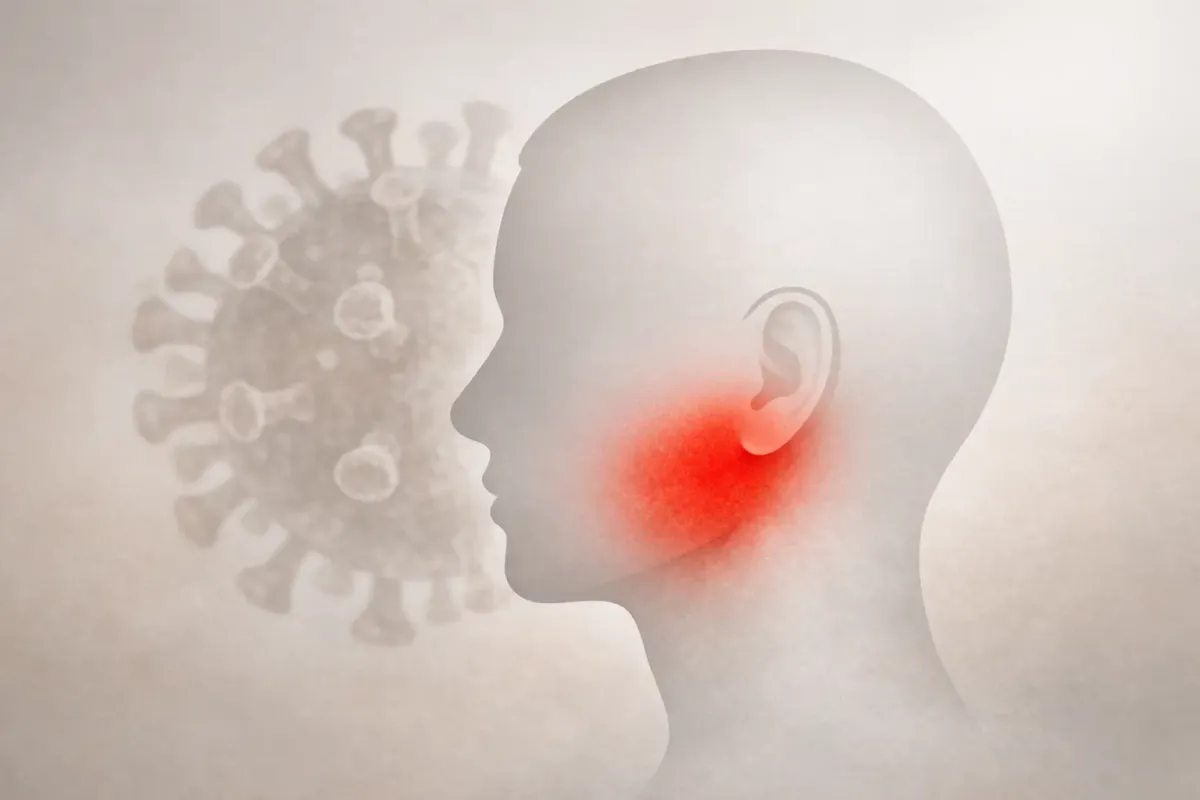
You survived COVID-19, but your jaw won't stop reminding you. If you're clenching, aching, or hearing pops every time you yawn, you're not alone. Researchers are beginning to unravel the connection between long COVID and jaw pain. The findings are intriguing. Here's what the data reveal, what remains uncertain, and what you can do in the meantime.
Grab a cup of something soothing for those jaw muscles, and let's dig in.
Understanding Long COVID and Its Symptoms
Long COVID, also known as post-COVID condition, involves symptoms that persist or emerge at least four weeks after the initial infection. According to the Centers for Disease Control and Prevention, common symptoms include fatigue, shortness of breath, brain fog, and joint pain. The National Health Interview Survey observed a rise in pain reports from 2019 to 2023, remaining high compared to pre-pandemic levels. A 2026 analysis by Zajacova and colleagues noted increases in face and jaw pain, parallel to headaches and back pain.
Prevalence estimates vary, but roughly 10 to 30% of people develop long COVID symptoms. Jaw pain is becoming a notable complaint in dental and primary-care settings. Symptoms include:
- A dull, constant ache near the ears
- Clicking or popping in the jaw joint
- Soreness or swelling after waking up
- Intense headaches starting near the temples
Consider a typical case: a 34-year-old marketing manager who contracted COVID-19 six months ago now wakes with stiff cheeks, reaches for ibuprofen before her first Zoom call, and wonders why her jaw clicks when she laughs. Her dentist rules out cavities or fractures and suggests post-viral stress, poor sleep, and excessive screen time. Stories like hers are common worldwide.
Why the jaw? It's a busy crossroads for nerves, muscles, and stress habits like clenching and chewing. While a respiratory virus seems unrelated, long COVID is notorious for affecting unexpected areas. Before blaming SARS-CoV-2 entirely, consider lifestyle changes, mental health, and prolonged mask use.
Jaw Pain and Long COVID: What Do We Know?
No single cause explains post-COVID jaw pain. Instead, researchers see a web of overlapping factors:
- Increased stress and anxiety during and after infection
- Changes in breathing patterns (mouth-breathing, shallow breaths)
- Long mask use altering jaw posture
- Inflammation affecting muscles and joints
On a biochemical level, elevated cytokines like interleukin-6, often found in long COVID patients, can sensitize peripheral nerves, including those innervating the TMJ. Animal studies on viral myositis suggest sustained inflammation alters muscle fiber composition, leading to fatigue and spasm. Although human jaw tissue hasn't been widely studied, there are hints that SARS-CoV-2 may create a pro-pain chemical environment.
One of the first studies to examine mask-related jaw issues was a 2025 investigation by Çarikci et al. Researchers surveyed healthcare workers wearing masks for about eight hours daily. Reports of temporomandibular pain, headache, and facial fatigue nearly doubled compared to pre-pandemic levels. A review from Poland supported these findings, suggesting prolonged mask use could push the jaw forward and strain muscles Pietrzyk et al. 2024.
Stress plays a central role. The "COVID-psyche-bruxism" connection was highlighted in a 2024 narrative review by Colonna and co-authors. They concluded that anxiety and disrupted sleep are prime conditions for jaw clenching and tooth grinding. Add a virus that inflames nerves, and chronic pain is likely.
The Role of Stress and Anxiety
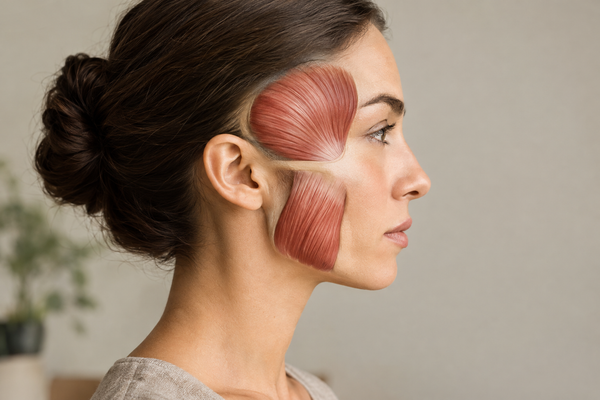
Long COVID patients often report higher anxiety scores. A systematic review from Italy linked COVID-related stress, depression, and jaw disorders across age groups Minervini et al. 2023. The idea is simple: tension leads to muscle contraction. The masseters are powerful muscles, and holding them tight for extended periods causes micro-traumas. Over time, this tension irritates the temporomandibular joint (TMJ), causing pain, limited opening, and clicking sounds.
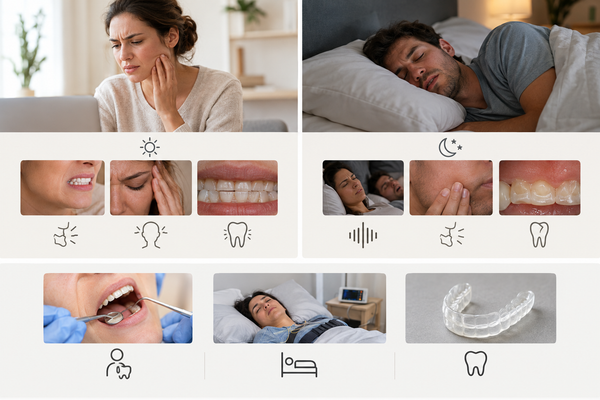
Clinicians note that anxiety peaks at night, causing many to unknowingly grind their teeth. The next morning brings sore cheeks, headaches, and tooth sensitivity, often attributed to "sleeping funny" until someone identifies the jaw as the culprit.
Evidence-informed ways to reduce stress:
- Box breathing (inhale 4 seconds, hold 4, exhale 4, hold 4) before meals and bedtime
- Progressive muscle relaxation apps that cue jaw and tongue relaxation
- Short "micro-breaks" every 40 minutes of screen work to relax shoulders and the jaw
- Cognitive-behavioral therapy, shown in small trials to reduce bruxism episodes by up to 30%
The Impact of Mask Use
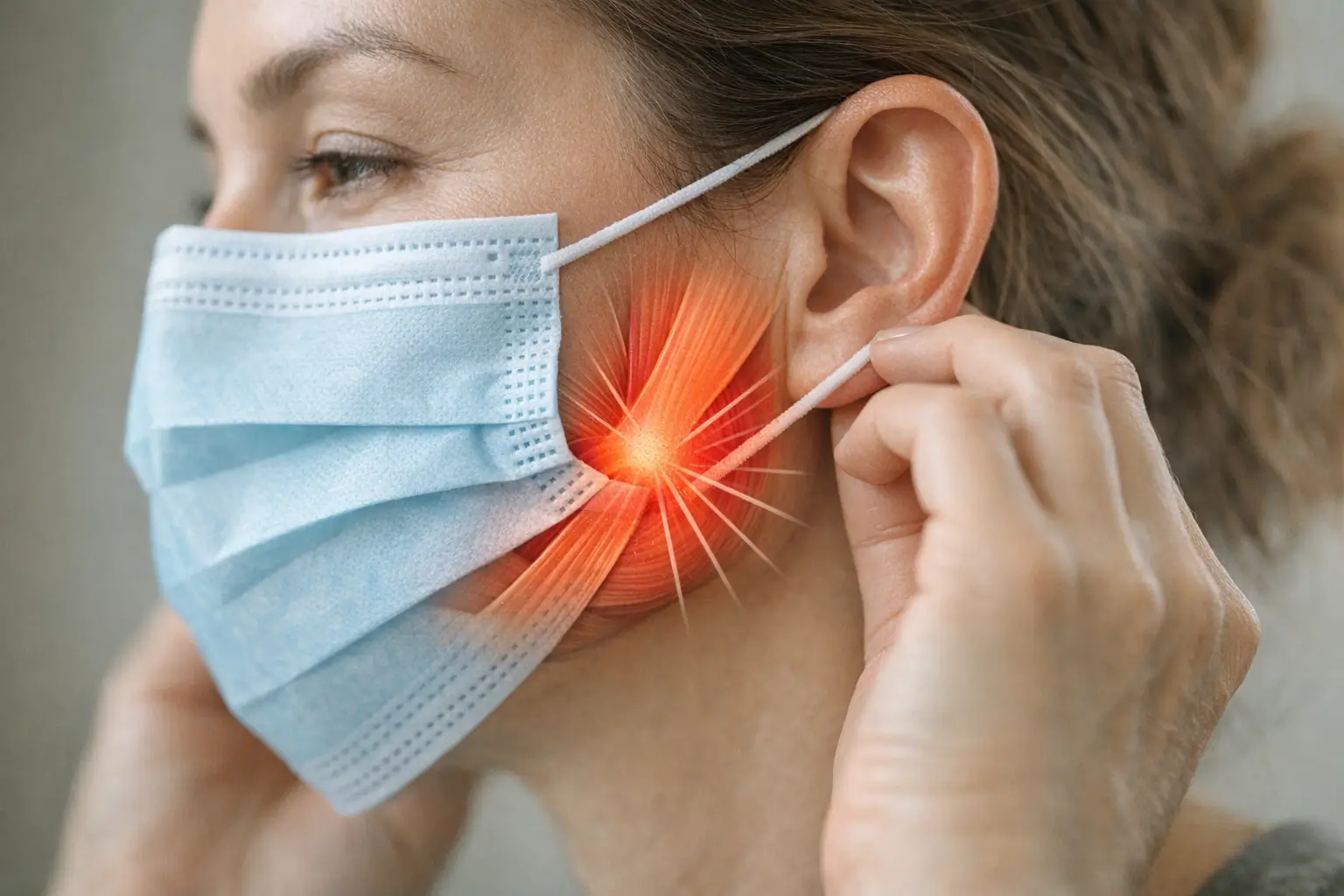
Masks save lives, but they may affect your jaw. Ear-loop designs can rotate the lower jaw forward, while tight straps might keep oral muscles contracted. In the Çarikci study, those who alternated mask types or took micro-breaks had fewer symptoms than those wearing one style all shift.
The Polish review emphasized hydration and conscious jaw relaxation as quick fixes. It also recommended masks with adjustable nose bridges and ear loops to reduce tension. These small adjustments can ease TMJ pressure until mask mandates decrease.
Bruxism After COVID: An Emerging Concern
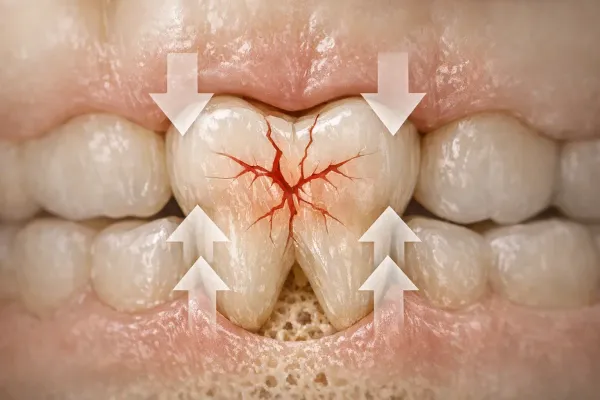
Bruxism, the repetitive clenching or grinding of teeth, usually occurs during sleep but can happen when awake. Dentists have noted an increase in cases during the pandemic, suggesting COVID-19 exacerbated this habit.
A survey of first-year university students examined bruxism rates before, during, and after pandemic lockdowns. Night-time grinding increased from 31% pre-pandemic to 46% during lockdowns. Even after reopening, prevalence remained above baseline. Most students with bruxism also scored high for anxiety and depression Osses-Anguita et al. 2023.
The "pandemic stress cocktail" might prime the nervous system for muscle hyperactivity. However, the Colonna review noted that not everyone with anxiety grinds their teeth. Genetics, bite alignment, medication side effects, and caffeine intake all influence risk.
Prevalence and Psychological Factors
Post-COVID bruxism estimates range from 20% to 45%, overlapping with pre-pandemic rates. This complicates cause-and-effect arguments. However, the association with stress and poor sleep highlights the importance of mental health support in managing jaw pain.
Clinical tips for reducing bruxism:
- Establish wind-down rituals, like reading or gentle stretching
- Avoid caffeine after 2 p.m.
- Consult your dentist about a custom night guard or at-home 3-D printed splints
- Set smartphone reminders to relax your jaw
In short, addressing stress often helps more than gadgets alone if you grind when stressed.
Temporomandibular Disorders and COVID-19
Temporomandibular disorders (TMDs) involve pain, dysfunction, and inflammation of the jaw joint and muscles. COVID-19 appears to affect TMDs through biological and lifestyle factors.
Impact of Lifestyle Changes
An exploratory study from Georgia examined how lockdowns altered jaw habits. Remote work removed ergonomic office setups, promoting poor posture that strains neck and facial muscles. Snack frequency increased, creating irregular jaw workloads Ramishvili et al. 2024.
For home workers, simple ergonomic adjustments help: raise your laptop so your eyes meet the top third of the screen, keep feet flat, and use a chair with lumbar support. This alignment prevents your head from jutting forward, reducing muscle strain on the TMJ.
Clinical Manifestations
Clinics report:
- Earlier onset of jaw pain in younger adults
- Increased reports of ear fullness and tinnitus linked to the TMJ
- Higher rates of myofascial trigger points along the cheeks and temples
- Lockjaw after COVID infections with intense coughing
Pediatric dentists note that teenagers, historically low on the TMD list, are experiencing jaw fatigue from gaming or online classes, highlighting how digital lifestyle shifts affect orofacial health.
The biological link is debated. Some suggest systemic inflammation from COVID-19 sensitizes peripheral nerves around the TMJ, amplifying pain signals. Others highlight corticosteroids used in severe cases, which may weaken joint structures in predisposed individuals linked to the TMJ.
Post-COVID Jaw Osteonecrosis: A Rare Complication
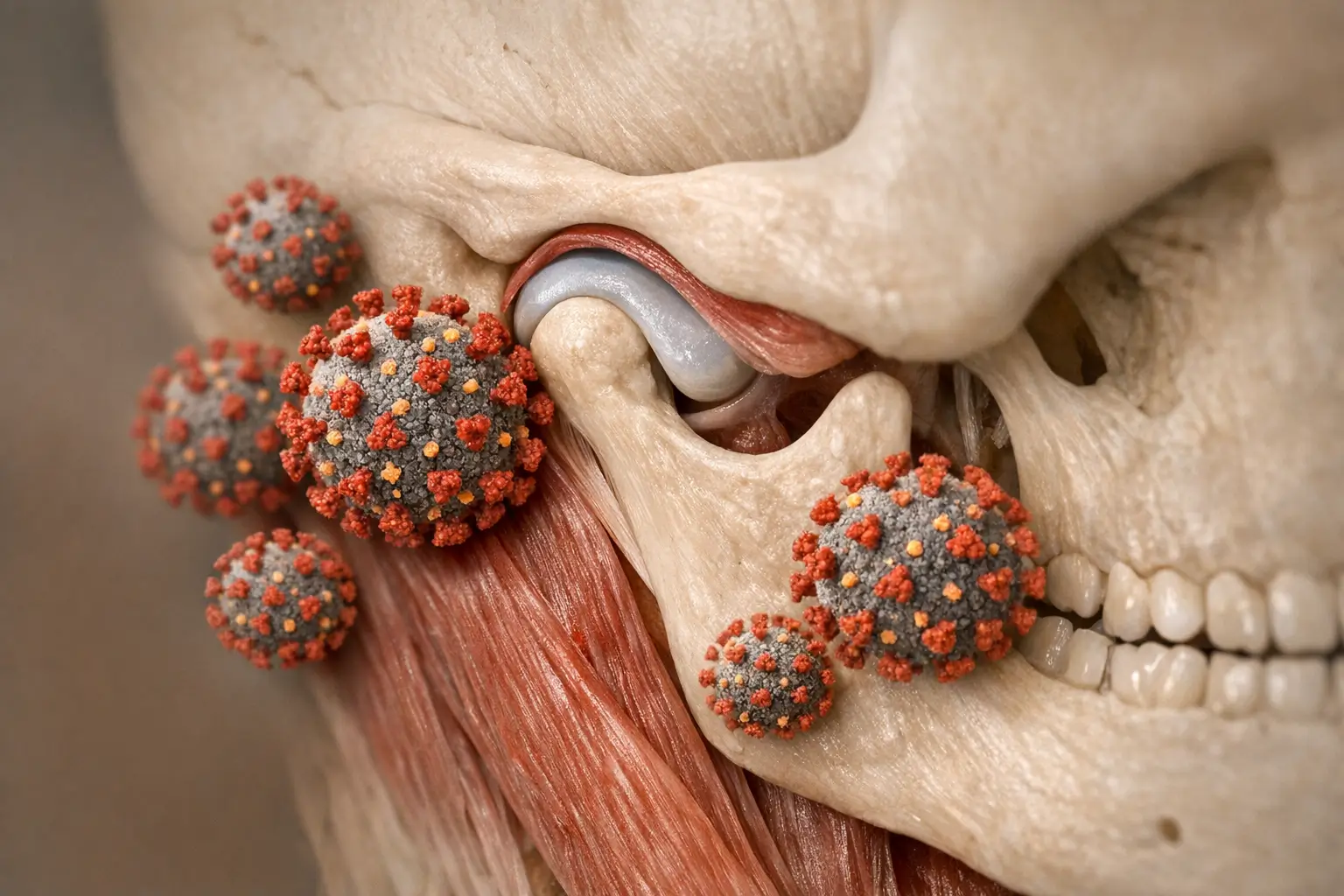
Osteonecrosis of the jaw (ONJ) occurs when bone tissue dies due to reduced blood supply. It's usually associated with bisphosphonate drugs or radiation therapy, so post-COVID cases raised concerns.
A 2026 narrative review by Alexandru et al. collected 11 ONJ cases following SARS-CoV-2 infection. Common factors included middle-aged to older adults, recent steroid use, and non-healing dental extractions. Most lesions appeared in the mandible, resembling medication-related ONJ but without usual drugs .
Take Mr. G, a 62-year-old retired teacher: three weeks after COVID-19 recovery, he had a molar extracted. The socket didn't close, and bone surfaced through the gum. A vascular CT showed patchy blood flow in the jaw, supporting the micro-clot theory.
An orthopaedic review suggested COVID-19-induced micro-clots and endothelial damage might starve bone tissue of oxygen. Applied to the jaw, this theory implies post-viral vascular issues could trigger ONJ, especially after dental procedures Canarslan-Demir et al. 2025.
While cases are rare, if you've had COVID-19 and face dental surgery, inform your oral surgeon. Meticulous hygiene, conservative extraction techniques, and close follow-up can reduce ONJ risk.
Current Research and Future Directions
Researchers are working to separate cause from coincidence. A 2023 systematic review stressed the need for longitudinal studies tracking patients from acute infection through year-long follow-ups, measuring psychological variables and jaw function Minervini et al..
Key questions remain:
- Does the virus directly infect jaw muscle or joint tissue?
- Which comes first: bruxism or jaw pain?
- How do sleep disturbances exacerbate TMD symptoms in long COVID?
- Can early physical therapy or stress management slow progression?
Multi-disciplinary clinics, combining dentists, sleep specialists, and mental health professionals, are ideal for testing comprehensive care models. Funding agencies now prioritize "orofacial pain in post-COVID patients," so expect more data soon. AI-driven bite sensors and wearable EMG patches are being piloted to capture real-time clenching patterns, promising detailed insights.
Conclusion
Your jaw might unexpectedly tell your COVID story. Evidence links long COVID to increased jaw pain, bruxism, TMD flare-ups, and rare cases of osteonecrosis. Stress, mask habits, and inflammation all play roles. While researchers uncover precise causes, you can manage symptoms by reducing stress, choosing ergonomic masks, optimizing posture, and seeking early dental care.
If post-COVID jaw pain is part of your experience, know you're not imagining it. Track your symptoms, consult a dentist familiar with TMD, and stay informed as science progresses. The pandemic may have tightened our jaws, but knowledge and intentional relaxation can help ease the tension.