Why Jaw Pain Might Be a Sign of Stress: Understanding the Connection
Discover how stress and anxiety contribute to jaw pain and tension.
You might blame a boring meeting for your stiff neck, but if your jaw aches every morning, the culprit might be more elusive: stress. Research shows that emotional strain often manifests in muscle tension, with the jaw being one of the most affected areas. This article explores the science behind this connection, its impact on your daily life, and practical solutions for relief.
All information is drawn from peer-reviewed studies or reputable health organizations, translated into plain language so you won't need a PhD to follow along.
The Connection Between Stress and Jaw Pain
Stress isn't just a mental state; it triggers physical responses throughout your body. When stress levels rise, your autonomic nervous system activates the fight-or-flight response, releasing hormones like cortisol and adrenaline. These hormones cause muscles to tense, including those in your cheeks and temples, leading to jaw tension and discomfort.
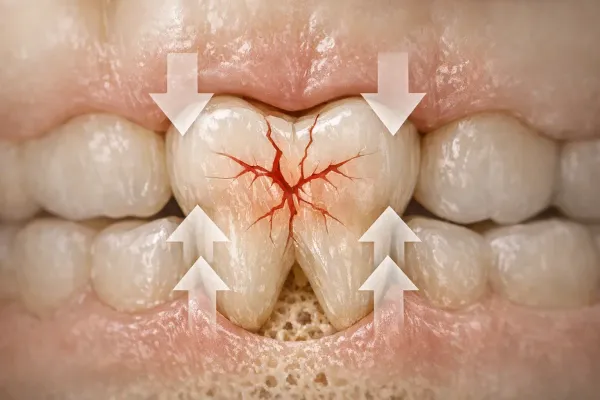
Consider Maya, a 34-year-old software engineer under constant deadline pressure. She often finds her teeth clenched by the afternoon, experiencing pain from ear to ear. Her dentist attributes this to silent daytime bruxism, a direct example of the stress-jaw connection.
Research supports this link. A 2025 study by Michelotti et al. found that oral behaviors like nighttime clenching mediate the relationship between anxiety and temporomandibular disorders (TMD). The more anxious the participants, the more likely they were to experience clenching and pain. A systematic review by Saini et al. 2025 confirmed elevated psychological distress significantly raises TMD risk.
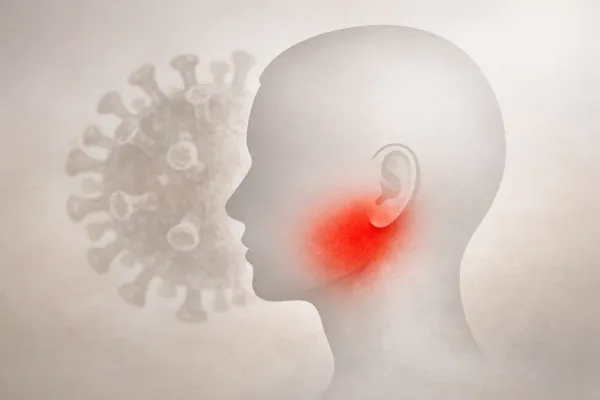
The COVID-19 pandemic's remote work surge acted as an unintended experiment. Surveys from the University of Siena (2024) showed a 60% increase in jaw pain among remote workers compared to office workers, likely due to increased stress and poor ergonomics.
Pandemic stress and long COVID are not the same mechanism, and they are worth keeping apart. We looked at the link between long COVID and bruxism separately, where the picture is more complicated than stress alone.
Why is the jaw a stress indicator? Masticatory muscles are small, so even minor tension increases pressure, causing pain. These muscles work constantly for talking, chewing, and even singing, rarely getting a break. Clenching is mostly subconscious, often happening during tense moments without you realizing it.
The takeaway: Jaw pain linked to stress is a documented psychophysiological loop. Stress increases muscle activity, causing pain, which in turn leads to more stress.
Understanding Temporomandibular Disorders (TMD)
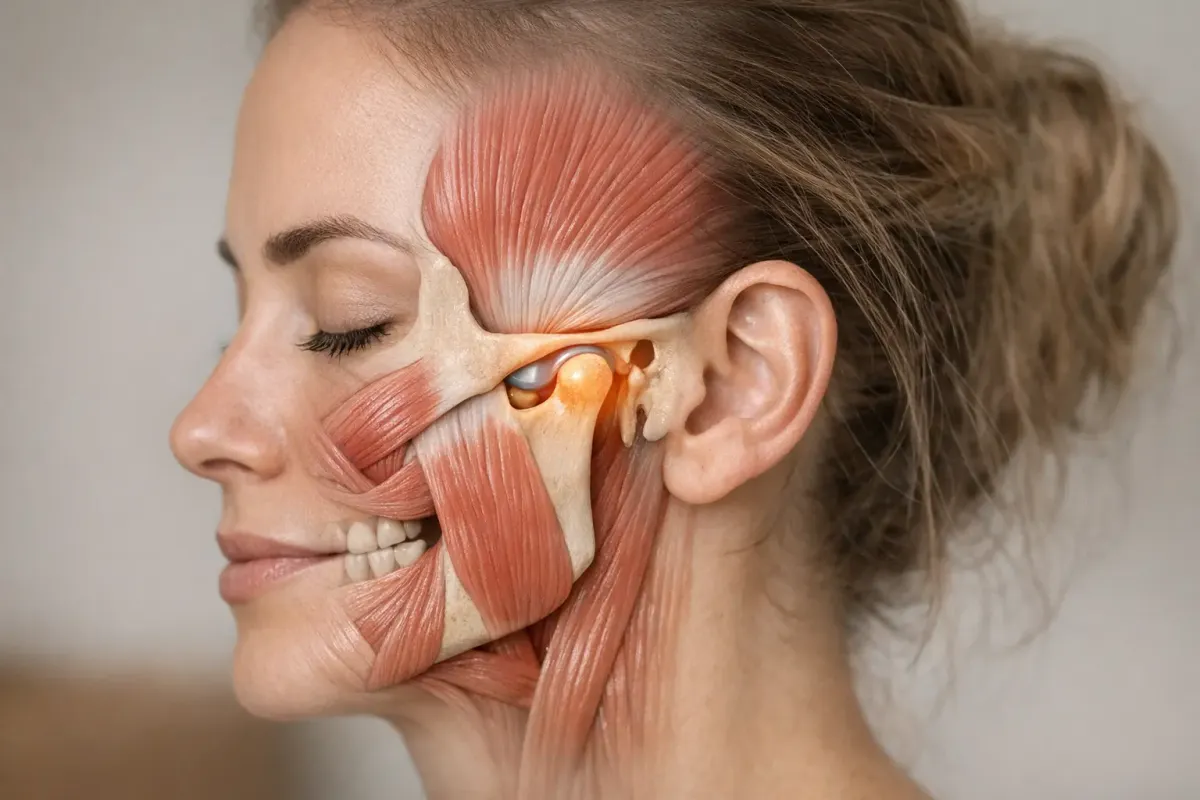
Temporomandibular disorders encompass conditions affecting the temporomandibular joint (TMJ), which allows you to talk, yawn, and chew. This term includes joint issues like arthritis, muscular dysfunction, and pain spreading to nearby tissues.
Your TMJ is a complex sliding-hinge joint cushioned by a tiny cartilage disc. Chronic tension can push this disc forward and inflammatory molecules can degrade its collagen, leading to a creaky, unreliable joint, especially when stress keeps the pressure constant. Learn more about effective TMJ treatments for long-term relief.
An integrative review by Magri et al. 2026 discusses how TMD pain involves altered inflammatory pathways and epigenetic changes affecting pain genes. Despite these complex changes, the result is straightforward: stress often triggers or worsens these biological changes.
Symptoms of TMD
- Jaw pain or tenderness on one or both sides
- Popping, clicking, or grinding noises when you open your mouth
- Limited or locked jaw movement
- Earaches, tinnitus, or a sense of fullness in the ears
- Headaches starting at the temples
- Referred pain to the neck or upper shoulders, sometimes mistaken for tension-type headaches
Causes and Risk Factors
The Cleveland Clinic identifies trauma, arthritis, and genetics as mechanical triggers, but psychological stress is a significant risk factor. High anxiety, poor sleep, and rumination can lead to more intense TMD flare-ups. Repeated jaw tension episodes may change nerve responses, priming your TMJ for pain even with a soft-food diet.
Additional risk factors include high-impact sports without mouth guards, vitamin D deficiency, and long-term stimulant use. If these apply to you, managing stress is crucial for prevention.
How Stress and Anxiety Worsen Jaw Tension
Think of stress and anxiety as disruptive forces. They influence your mood and muscle tension. Research shows they often work together. In the Michelotti et al. 2025 study, symptoms worsened as anxiety increased, with oral behaviors acting as intermediaries. A study by Stanisic et al. 2025 linked chronic stress with higher musculoskeletal pain reports over three generations.
Psychological Factors
1. Hypervigilance: Anxiety keeps your brain alert for danger, increasing sympathetic nervous system activity. This leads to constant small muscle contractions, including in the jaw.
2. Catastrophizing: Worry can make minor sensations feel severe, enhancing central sensitization. Your nerves misinterpret harmless input, so gentle touches feel painful.
3. Sleep Disturbance: Stress disrupts melatonin cycles. Reduced deep sleep means less relaxation for jaw muscles, worsening next-day soreness.
4. Time Urgency: A constant sense of urgency keeps cortisol high, causing jaw clenching as if expecting an impact that never comes.
Behavioral Factors
1. Awake Bruxism: Daytime clenching is common during focused tasks—like coding or scrolling—even if unnoticed.
2. Parafunctional Habits: Chewing pens, nail-biting, or ice-crunching adds stress to the joint.
3. Posture Spillover: Poor posture from laptops shortens neck muscles and shifts jaw positioning, increasing tension.

Research on Stress and Chronic Pain
Jaw pain is part of a broader group of chronic pain conditions—such as migraines and fibromyalgia—where stress is a key factor. A study by Zhao et al. 2026 explored overlaps in migraine and orofacial disorders, highlighting shared stress pathways like altered HPA axis function and cytokine activity. Over generations, Stanisic et al. 2025 found that chronic stress cycles increased pain sensitivity in families, suggesting epigenetic effects.
Key Findings
- Stress alters pain thresholds, making normal jaw movement painful.
- Chronic anxiety is linked to higher pro-inflammatory markers in saliva, affecting the TMJ.
- Behavioral therapies that reduce stress also lower electromyographic activity in jaw muscles.
Implications for Treatment
These findings support a combined approach: addressing both mental and muscle stress. Ignoring psychological factors and focusing only on mouth guards overlooks half the problem. Similarly, mindset work alone can't resolve mechanical issues. Integrative care involving dentists, psychologists, and physical therapists often achieves the best results, as discussed in strategies like effective stress management techniques.

Recognizing Early Signs of Stress-Related Jaw Pain
Identifying patterns early can prevent prolonged discomfort. Here's how to monitor yourself.
When to Seek Help
Don't wait for severe symptoms. Seek professional advice if you experience:
- Persistent ear pain for more than two weeks
- A sudden increase in jaw pain during life changes
- Clicking that turns into grinding or limited mouth opening
- Frequent tension headaches starting at the temples
The American Dental Association suggests seeing a dentist if jaw pain affects eating or sleeping, or if pain relievers are ineffective.
Self-Monitoring Techniques
1. Jaw Check-Ins: Set alarms to remind yourself to relax your jaw during the day. If you feel tension, you were clenching.
2. Sleep Apps: Devices that track bruxism can help identify patterns related to stress.
3. Mirror Test: Check if your teeth touch when not chewing or speaking. If they do, it's a red flag.
4. Pain Diary: Record pain intensity and stress levels twice daily. Over time, identify patterns to improve self-awareness and reduce clenching.
Quick Self-Triage Checklist
Consider a TMD assessment if you answer “yes” to three or more of these questions:
- Do you wake with jaw stiffness more than twice a week?
- Have others heard you grind your teeth at night?
- Does chewing gum cause temple pain?
- Can you fit fewer than three knuckles between your front teeth when opening wide?
- Do stressful situations make you clench your jaw?
Strategies to Relieve Jaw Tension
You have more options than just a night guard. Combine behavioral changes with targeted therapies to relax the jaw and related systems.
Behavioral Interventions
- Mindful Relaxation: Progressive relaxation can lower jaw muscle tension. Use guided tracks for nightly practice.
- Breathing Exercises: Diaphragmatic breathing promotes relaxation, lowering cortisol. Aim for six breaths per minute.
- Screen Breaks: Following the 20-20-20 rule helps reset posture and relax muscles.
- Limit Stimulants: Reduce caffeine and nicotine intake after lunch, especially during stressful times.
- Desk Ergonomics: Ensure monitors are at eye level and maintain a neutral spine to reduce TMJ strain.
Therapeutic Approaches
1. Physical Therapy: Targeted massage of jaw muscles and posture training can significantly reduce pain according to the National Institute of Dental and Craniofacial Research. Explore how physical therapy aids TMJ pain and bruxism relief.
2. Acupuncture: A study by Liu et al. 2024 found acupuncture sessions reduced TMD pain more effectively than placebo treatments.
3. Hippotherapy: Geibel et al. 2025 reported reduced bruxism episodes through controlled horse riding, improving posture and lowering anxiety.
4. Cognitive Behavioral Therapy (CBT): CBT helps reduce catastrophic thinking and muscle tension. APA resources highlight CBT's effectiveness in reducing stress and pain.
5. Custom Oral Appliances: Dentists can provide stabilization splints for severe grinding, best used alongside behavioral methods.
6. Five-Minute Jaw Reset: Use a heat pack for two minutes, then perform gentle jaw exercises and temple massages. This routine can alleviate acute pain during stressful days.
Conclusion
Jaw pain isn't just a dental issue; it's a sign of stress. Research links anxiety, oral behaviors, and TMD in a feedback loop. By recognizing early signs, you can break this cycle before pain becomes chronic. Track your clenching, seek professional help when needed, and adopt proven strategies—from breathing exercises to acupuncture—to maintain both jaw health and overall well-being. These changes, like improved sleep and posture, also enhance mood and focus, reducing tension headaches. Manage your stress, and your jaw will thank you.