Understanding the Link Between Long COVID and Bruxism
Explore how long COVID influences bruxism and jaw pain symptoms.
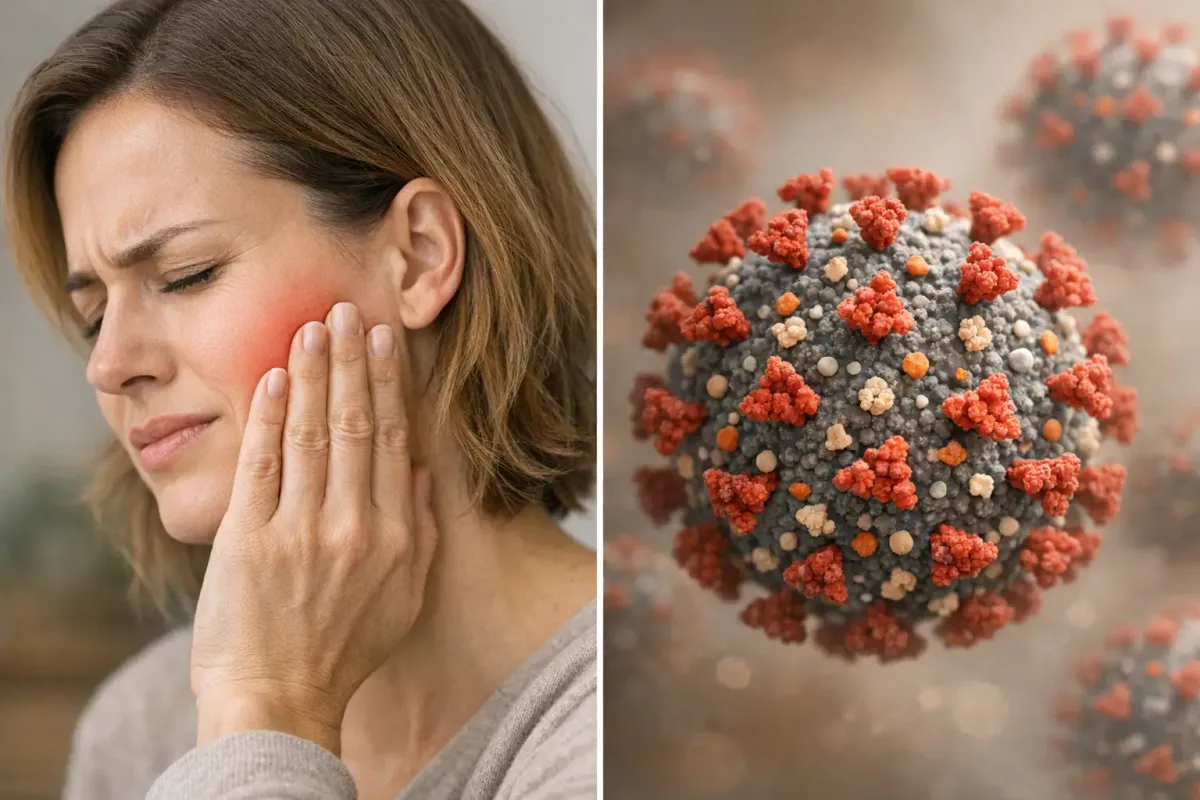
Grinding your teeth may seem like a minor issue compared to the challenges of a historic pandemic. Yet research shows that post-COVID changes in your body and mind can keep that grinding, and the accompanying jaw pain, going long after the virus has left. If you're among the millions dealing with lingering symptoms known as long COVID, you might notice jaw aches, worn molars, or your partner nudging you at night due to loud clenching noises. This article delves into the science behind this connection and, more importantly, what you can do about it.
We'll explore peer-reviewed studies, national health data, and practical tips so you can separate myth from fact. Prepare to discover how the jaw is connected to the rest of the body in surprising ways. By the end, you'll have an action plan you can implement tonight, even before your head hits the pillow.
The Connection Between Long COVID and Bruxism
Let's start with a quick overview. Long COVID, also known as post-acute sequelae of SARS-CoV-2 infection (PASC), involves symptoms that persist or appear four weeks or more after the initial infection, as defined by the Centers for Disease Control and Prevention. Symptoms can include brain fog, fatigue, muscle pain, and altered taste. Population estimates vary, but a Nature Medicine meta-analysis estimates that between 10 and 20 percent of infected adults experience at least one long-term symptom.
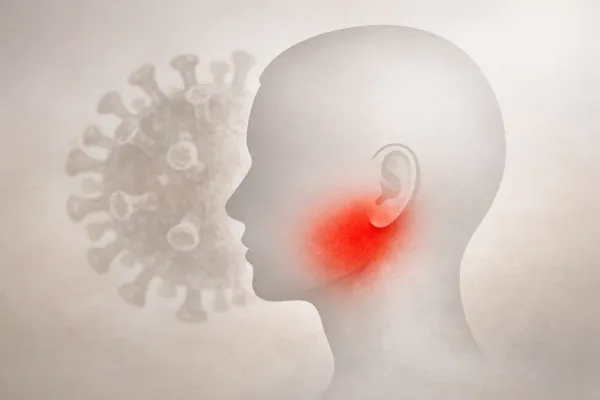
So why would a respiratory virus affect your jaw? Researchers are connecting the dots. A systematic review by Dar-Odeh et al. notes that viral-induced inflammation and vascular issues can reduce blood flow to the temporomandibular joint (TMJ). When the TMJ lacks proper blood supply, pain and dysfunction can arise, creating an environment conducive to bruxism.
The story involves more than just biology. The pandemic also altered daily life and stress levels. An analysis called the “psyche-bruxism-TMD triangle” by Colonna, Guarda-Nardini, and Ferrari linked increased anxiety during lockdowns to a rise in jaw-clenching behaviors. People with previous mild bruxism reported more severe tooth wear, while new cases emerged among those who had never experienced it before. A perfect storm for dental issues.
In simple terms, long COVID can affect you from two angles. On one side, the virus and its aftermath disrupt blood flow, nerves, and muscles around the jaw. On the other, the psychological and sleep disruptions of the pandemic amplify grinding. When these forces combine, your molars bear the brunt.
Long COVID's Impact on Oral and Jaw Health
Effects on Jaw Functionality
Long COVID symptoms often include muscle aches and joint pain extending beyond the lungs. The TMJ, your jaw’s main hinge, is especially vulnerable due to its reliance on small blood vessels and delicate cartilage. A narrative review on post-COVID jaw osteonecrosis by Cătălin et al. describes cases where reduced blood flow led to bone death in the jaw. While osteonecrosis is rare, even minor circulation issues can leave the TMJ stiff, sore, and more prone to grinding.
Patients in that review reported jaw clicking, limited mouth opening, and sharp pain when chewing. Even after acute infection, MRI scans showed lingering inflammation in nearby muscles. If you have long COVID and notice your jaw “locking” or tiring quickly during meals, compromised blood flow might be causing the problem. A tired joint often recruits extra muscle tension, setting the stage for bruxism during both waking hours and sleep.
Another telltale sign is unilateral chewing, favoring one side because the opposite joint feels weak. Over time, that uneven workload thickens certain jaw muscles while others atrophy, increasing joint instability and grinding frequency. Asking your dentist to measure side-to-side bite force can help catch this early.
Oral Health Changes Post-COVID
The mouth isn’t just a passive bystander. After COVID-19, several people experience new cavities, gum irritation, and changes in saliva flow. A survey on dental disease after COVID-19 by Symonenko, Kapshyk, and Koval found a 27 percent increase in self-rated oral pain compared with pre-pandemic baselines. Dry mouth (xerostomia) appeared in about a third of respondents, often related to medication side effects and altered immune responses.
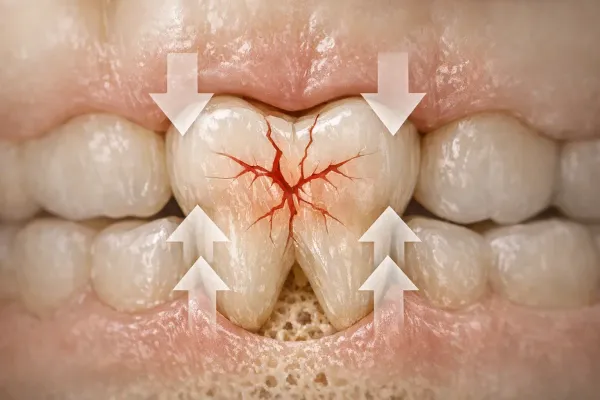
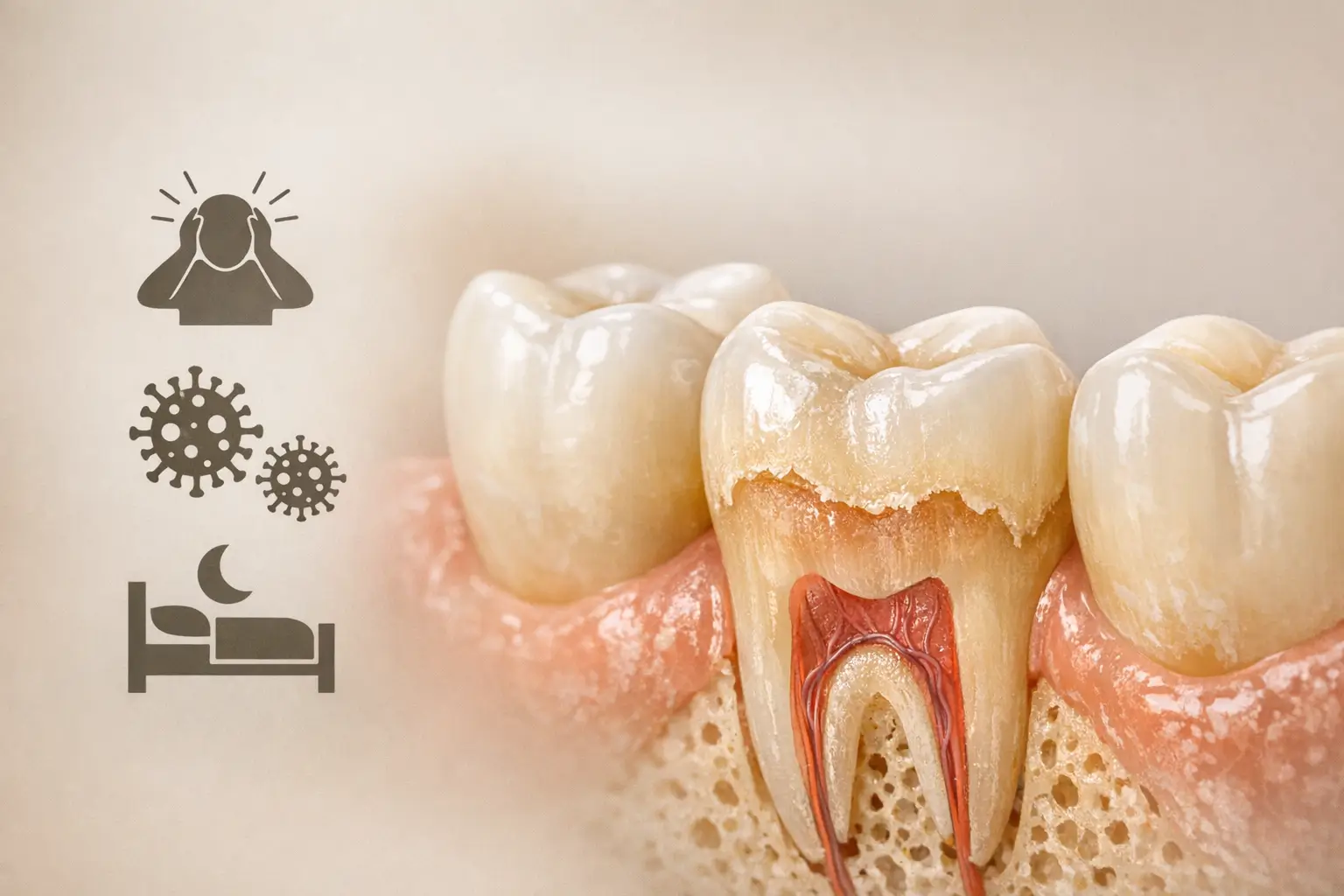
Dry mouth matters because saliva is nature’s buffer against tooth wear. Less saliva softens enamel, amplifying grinding damage. The survey also noted a rise in chipped or cracked teeth, conditions tied directly to bruxism. When COVID-related changes leave your enamel fragile, nighttime clenching can quickly deteriorate your teeth.
Altered taste and smell can push people toward highly flavored, often sugary foods to compensate. Extra sugar and dry mouth accelerate decay, creating rough tooth surfaces that catch during grinding and heighten the sensation of “grit” in the bite. Keep a water bottle handy and rinse after sweet snacks to dilute acids before they erode enamel further.
Psychological Stress, Sleep Disorders, and Bruxism
The Role of Anxiety and Stress
Your jaw acts like an emotional barometer. During intense worry, the brain’s fight-or-flight response tightens muscles from head to toe, including the masticatory (chewing) muscles. In their study, Colonna et al. analyzed data from over 1,500 adults in Italy and found that spikes in anxiety scores predicted higher odds of self-reported bruxism by nearly two to one.
Why does long COVID prolong that stress? Chronic symptoms like fatigue or brain fog can strain work, finances, and relationships. Each stressor adds up, keeping the sympathetic nervous system on high alert. With muscles perpetually clenched, even minor jaw tension can escalate into full-blown bruxism over time.
Sleep Disturbances During the Pandemic
Sleep is where many grinding episodes occur. Studies before the pandemic linked poor sleep quality to bruxism, but COVID-19 intensified the issue. A randomized trial on telerehabilitation for TMJ disorders by Abaci and Tuncer reported that nearly 40 percent of participants developed new sleep disturbances during lockdown. Those with long COVID added insomnia or fragmented sleep to their list of symptoms.
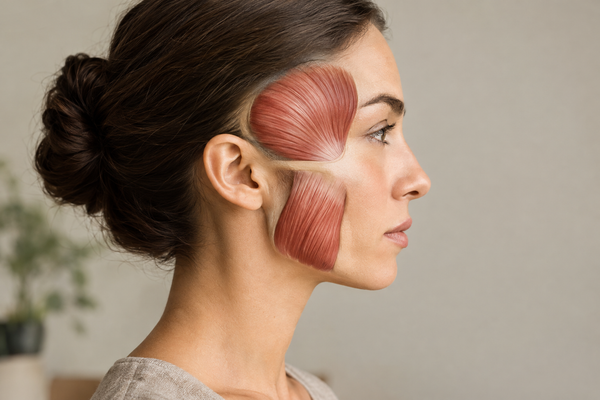
Fragmented sleep prevents the usual fall-asleep muscle relaxation, causing the masseter (the main jaw muscle) to stay semi-active. Recurrent micro-arousals create short bursts where you unconsciously clench. If you track your sleep with a smartwatch and notice spikes in heart rate or body movement, those might correspond with grinding events.
Additionally, medications often prescribed for long COVID symptoms, like certain antidepressants, can increase teeth grinding as a side effect, according to the American Dental Association. Reduced REM sleep, common among people under chronic stress, eliminates the deepest restorative cycles, making nighttime bruxism harder to break. Simple sleep-hygiene tweaks, like dimming lights an hour before bed and keeping the bedroom cool, can lower muscle tone and reduce clenching intensity.
Chronic Pain and Its Link to Bruxism in Long COVID
Long COVID sits at the crossroads of multiple pain pathways. A study using the U.S. National Health Interview Survey by Zajacova, Grol-Prokopczyk, and Nahin tracked pain reports from 2019 through 2023. They observed a noticeable increase in chronic musculoskeletal pain correlating with COVID-19 waves. While the authors did not single out jaw pain, regional pain, including the head and face, accounted for a significant portion of the increase.
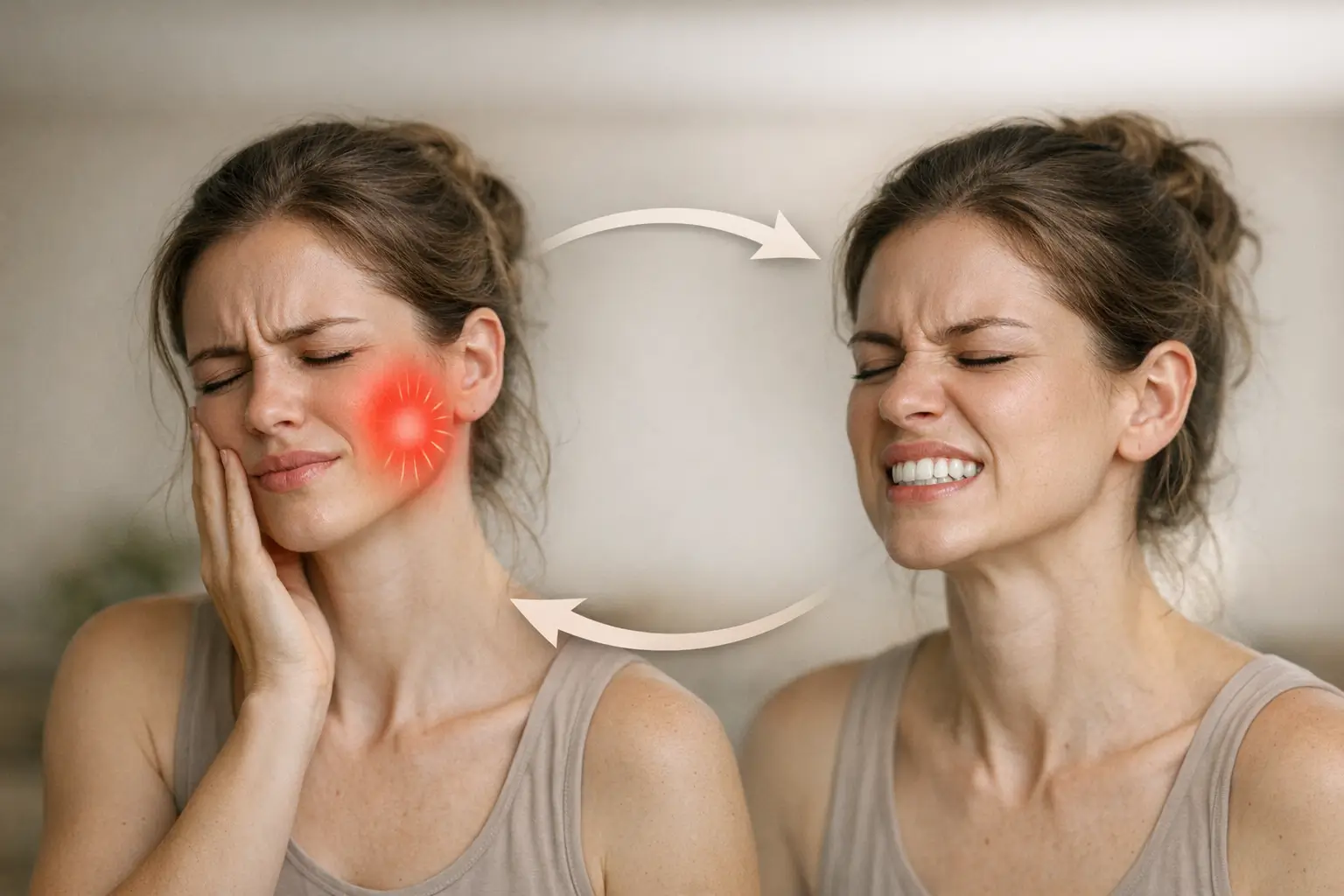
This matters because pain and bruxism create a feedback loop. Persistent discomfort in the jaw or neck can cause protective jaw clenching, which then worsens the original pain. The Global Burden of Disease Study cited by Institute for Health Metrics researchers classifies orofacial pain disorders among the top musculoskeletal conditions contributing to disability, especially in middle-aged adults.
Post-viral fatigue compounds the situation. When your overall pain threshold drops, small irritations like mild TMJ soreness become significant problems. You may catch yourself clenching during the day, thinking it eases tension, when it actually increases muscle fatigue. Over time, that habit becomes entrenched, making it difficult to break without targeted intervention.
Managing Bruxism in the Context of Long COVID
Therapeutic Approaches
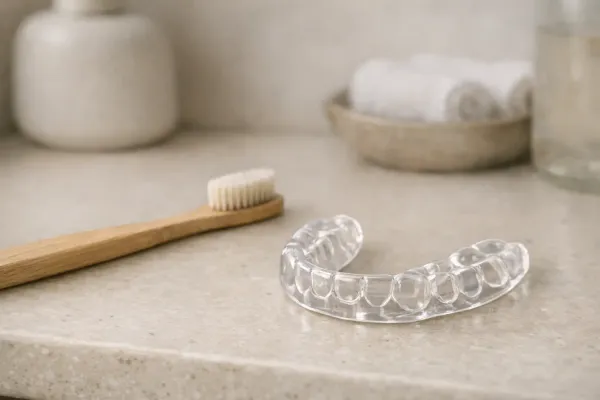
If you suspect long COVID is fueling your bruxism, a multipronged plan is best. Start with a dental exam to assess tooth wear and TMJ health. Your dentist may recommend a nighttime mouthguard, also known as an occlusal splint, to cushion your teeth. While a splint won't stop the muscle activity, it reduces enamel loss and eases morning soreness.
Physical therapy tailored to the jaw can loosen tight muscles and train you to keep your tongue and jaw in a neutral position. In the Abaci and Tuncer trial, patients who practiced daily jaw exercises reported a 45 percent drop in pain scores after eight weeks. Exercises included gentle jaw opening with resistance, controlled lateral movements, and posture correction drills.
Addressing systemic inflammation may offer extra relief. Although research is ongoing, some clinicians recommend an anti-inflammatory diet rich in omega-3 fatty acids and antioxidants. Speaking with your physician about vitamin D levels or other deficiencies common after COVID-19 is worthwhile, as nutrient gaps can slow tissue healing around the TMJ.
Stress management tactics are essential here. Cognitive behavioral therapy (CBT), mindfulness meditation, and paced breathing exercises can lower muscle tension system-wide. The Harvard Health Publishing guide on coping with coronavirus stress offers practical steps, from setting worry-time limits to creating a bedtime routine that signals your brain to relax. Pairing five minutes of diaphragmatic breathing with a warm compress on the jaw before sleep can serve as a nightly “off switch” for hyperactive muscles.
Technological Solutions
Thanks to the rise of remote care during the pandemic, you can access tech tools without leaving your home. Telerehabilitation platforms, initially created for physical therapy, now offer modules specific to TMJ disorders. In the Abaci and Tuncer study, video calls and app-based reminders kept patients consistent with daily jaw stretches. Similar programs are available through hospital systems or standalone apps vetted by dental associations.
Biofeedback devices worn at night, like EMG patches placed on the jaw muscles, vibrate gently when they detect clenching. Early studies suggest these devices can reduce nocturnal grinding episodes by training your brain to relax those muscles. Always choose devices with FDA clearance or solid peer-reviewed data before investing.
For severe bone or vascular complications, your care might escalate to medical imaging and pharmacologic options. A paper by Canarslan-Demir et al. emphasizes the importance of early detection. If imaging reveals compromised blood supply to the jaw, treatments can range from bisphosphonate drugs to minor surgery, combined with aggressive bruxism management to prevent further joint stress.
Finally, don’t underestimate simple gadgets like posture alarms for your phone or computer. Good head and neck alignment reduces the urge to brace your jaw. Over time, these micro-corrections lighten the load on the TMJ.
Conclusion
The relationship between long COVID and bruxism is complex, involving biological, psychological, and behavioral factors. Reduced blood flow and inflammation can weaken the jaw joint, while heightened stress and poor sleep increase muscle tension. Chronic pain completes the loop, making grinding both a symptom and a driver of further discomfort.
If you're living with long COVID and notice signs of bruxism, such as morning jaw pain, flattened tooth surfaces, or sleep disturbances, early action is crucial. Combine dental care, targeted exercises, stress reduction, and smart tech tools to protect your teeth and reclaim restful nights. Understanding how the virus’s long tail affects your jaw gives you leverage to break the cycle and smile without soreness.