Innovations in Bruxism Treatment: Exploring New Solutions for Teeth Grinding
Discover the future of bruxism treatment with innovative solutions and emerging technologies.
You know that awful scraping sound when somebody drags a chair across a tile floor? Imagine your own molars making that noise all night. That's bruxism, the medical term for teeth grinding and jaw clenching. It's common, persistent, and linked to headaches, fractured fillings, and mornings that start with jaw pain. Researchers are exploring everything from psychology to ceramics to tackle this issue, and the treatment options are evolving.
In this article, you'll explore the driving factors behind bruxism and the science behind the next generation of solutions. We'll delve into printable night guards, Botox injections, apps that help you develop better habits, and nanoparticles that protect enamel. Feel free to clench your curiosity, but leave your teeth out of it.
Understanding Bruxism: Causes and Challenges
Bruxism isn't a single disorder. It's a behavior with many suspected triggers like stress, sleep disturbances, certain medications, and bite misalignment. The American Dental Association states that about 10 to 15 percent of adults regularly grind their teeth, with numbers rising during stress or shift work. Daytime clenching and nighttime grinding often have different root causes. Nighttime bruxism is linked to sleep arousals and neurotransmitter changes, while daytime bruxism is more related to stress and posture.
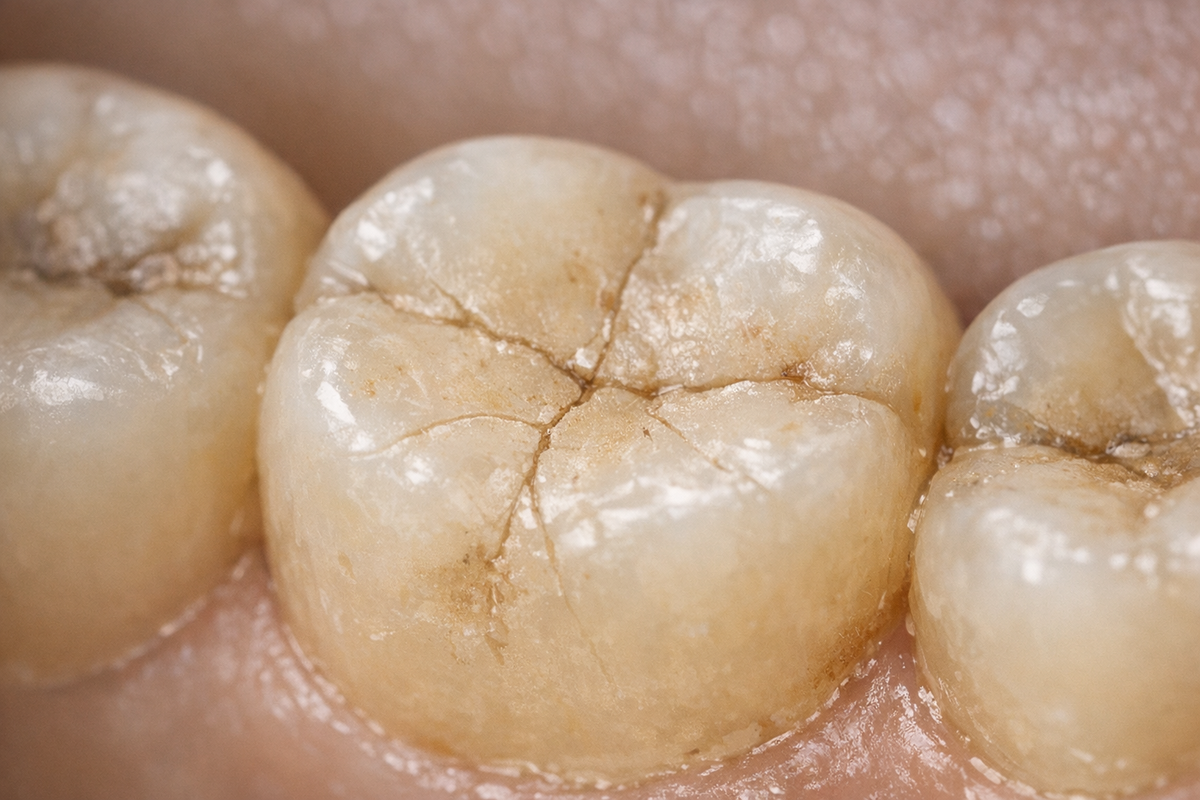
Why is it important? Chronic grinding can wear away enamel, expose dentin, damage dental work, and overwork the masseter muscles. Dentists often notice flattened cusps or chipped edges before patients realize they grind. Traditional treatments include acrylic splints, stress management counseling, and medication adjustments, but these don't always address muscle overactivity or neural loops active during sleep.
Managing bruxism presents several challenges:
- Diagnosis in the dark: Sleep bruxism occurs unconsciously, making self-reporting unreliable. Polysomnography is the gold standard but is costly and rarely used outside research settings.
- One-size-fits-all appliances: Molding acrylic guards quickly can result in rough spots, bulkiness, or poor retention, affecting compliance.
- Symptom overlap: Muscle pain from grinding can mimic temporomandibular disorder (TMD) or migraines, complicating medication plans.
- Behavioral roots: Stress reduction is easier said than done, as daily realities keep stress levels high for many.
Since no single intervention addresses all causes, innovation continues. New designs, materials, injectables, and digital tools aim to enhance comfort, compliance, and muscle relaxation.
Emerging Technologies in Bruxism Treatment
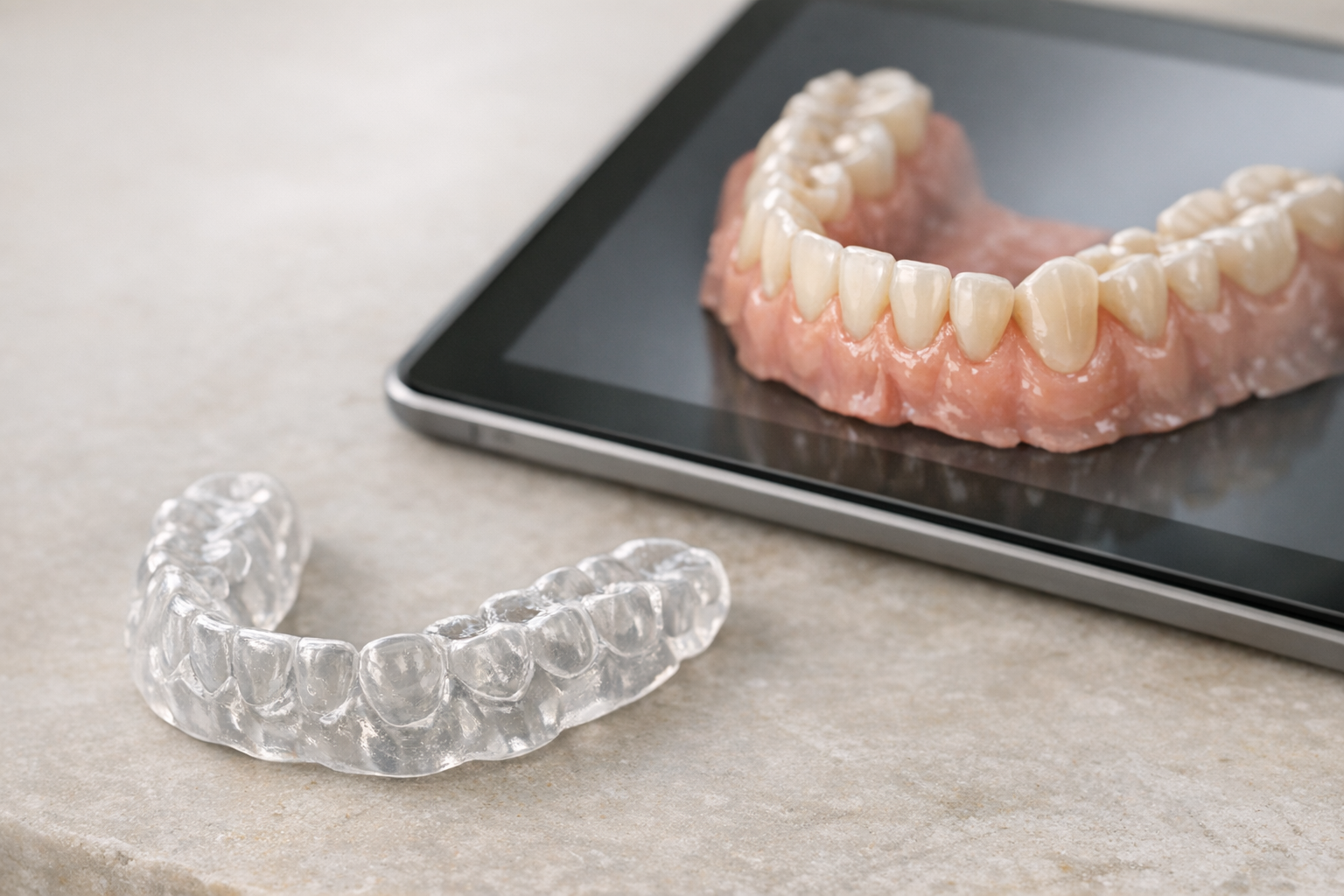
In the dental lab, digital technology is transforming traditional methods. Additive manufacturing, like 3D printing, allows splints to be designed digitally, printed in resin layers, and tested virtually before use.
The Role of 3D Printing
A review by Šimunović et al. (2025) shows digital scanning and 3D printers can reduce splint production time from days to hours. The process involves:
- Capturing a digital model of your dental arches with an intraoral scanner.
- Using CAD software to adjust thickness, add soft liners, or relieve pressure points virtually.
- Printing with biocompatible photopolymer resins.
- Post-curing under UV light for strength, followed by minimal finishing for a smooth surface.
Adjustable fit enhances retention and reduces chair time for adjustments. Digital files stored in the cloud facilitate easy replacement without new impressions.
Innovative Splints
Materials are advancing alongside printers. High-impact resins and hybrid composites provide shock absorption with transparency comparable to acrylic. Some prototypes embed pressure sensors to record force levels and frequency, enabling data sharing with dentists. Dual-layer splints, featuring a hard outer shell and soft inner liner, are in development for severe cases. These can be printed simultaneously with multi-material machines, offering comfort and effectiveness.
Better compliance results when guards are thin enough for normal speech and comfortable during daytime use. Less friction means more protection.
Botulinum Toxin: A Game Changer?
Botulinum Toxin Type A, known for reducing facial lines, is gaining attention in dentistry for relaxing hyperactive jaw muscles. It blocks acetylcholine at neuromuscular junctions, weakening masseter and temporalis muscles to reduce bruxism's force.
Clinical Findings
Cruz et al. (2026) reported reduced pain and fewer bruxing episodes within two weeks of injection, lasting three to six months. Yacoub et al. (2025) found a 30 percent reduction in EMG activity compared to placebo. Coelho et al. (2025) noted improved sleep quality scores following masseter injections.
Pros and Cons
- Fast relief: Unlike appliances, Botox addresses muscle overactivity directly, often alleviating soreness quickly.
- Reversible: Muscle strength returns as nerve terminals regrow, allowing dosage adjustments.
- Minimal chair time: The procedure takes about ten minutes with no lab work.
- Potential downsides: Over-relaxation can weaken bite force, affecting tough food chewing. Some notice smile asymmetry or bruising. Repeat injections are needed.
- Lack of root-cause control: Botox doesn't reduce stress or improve sleep architecture, treating symptoms rather than triggers.
Is it a game changer? For severe, pain-driven bruxism resistant to splints, yes. It pairs best with dental monitoring, as weaker bite forces can mask ongoing clenching that still damages teeth.
Biofeedback and Digital Solutions
Grinding often feels involuntary, yet daytime bruxers have micro-habits. Biofeedback devices make the unconscious squeeze conscious, training relaxation.
Behavioral Dentistry in the Digital Age
Chipper et al. (2026) categorize several devices:
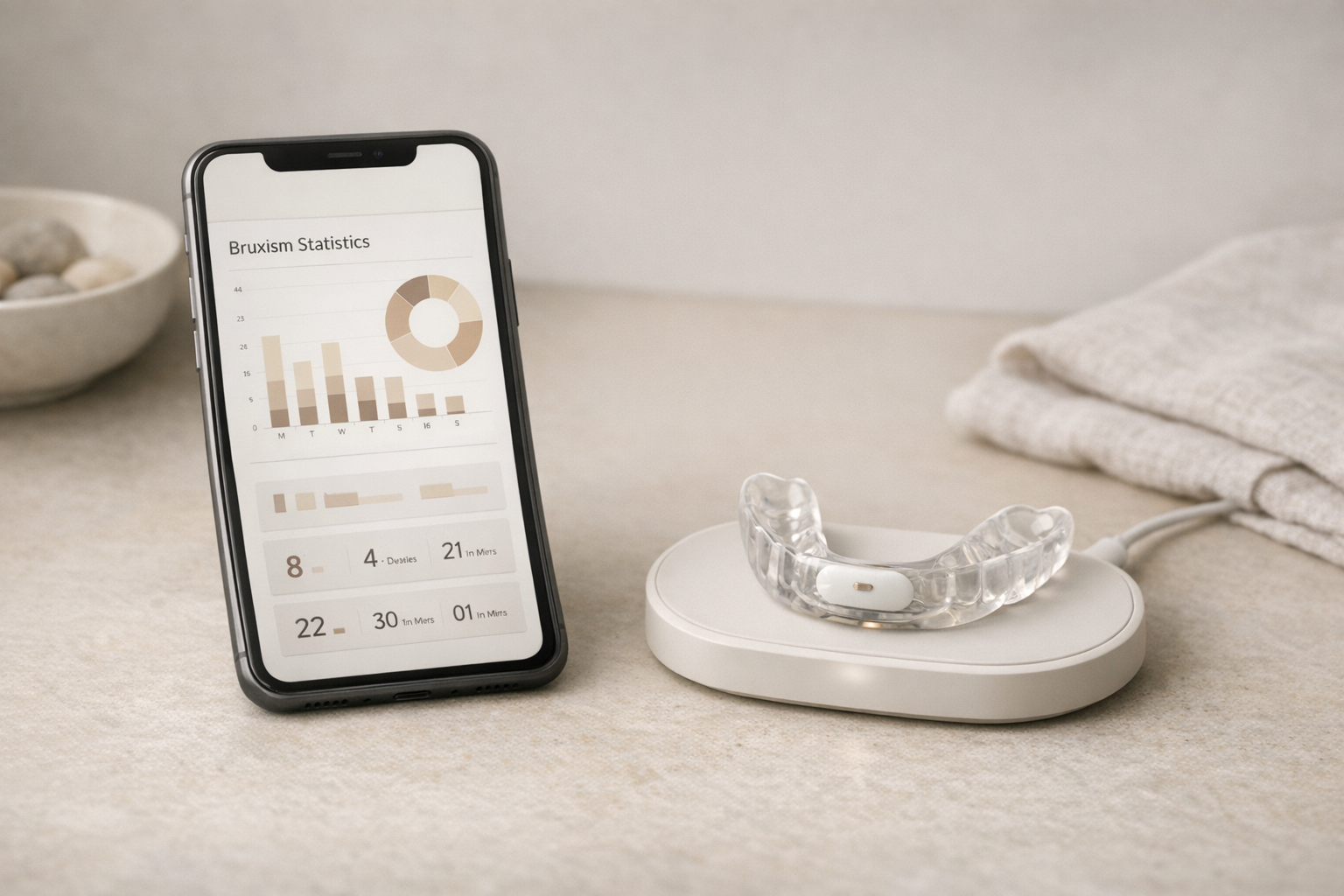
- Smart splints: Thin mouthguards with sensors detect clench pressure, vibrating or sending alerts to relax.
- Skin patches: EMG patches over masseter muscles link to smartphone apps, alerting during high-stress activity.
- Wearable rings: Sleep trackers with sound and motion algorithms aim to detect nocturnal grinding.
Success varies, but shortening the feedback loop helps. Pilot studies show a 50 percent reduction in clenching episodes with biofeedback splints. Comfort and battery life impact compliance, with manufacturers moving toward inductive charging cases.
Therapists often combine biofeedback with cognitive behavioral strategies, like reminders to keep "lips together, teeth apart" and guided breathing videos. Over time, the goal is to internalize relaxation so devices become unnecessary.
It's like a "Fitbit for jaws," but the stakes are higher than step counts. Unlearning motor cortex habits takes effort. Techy nudges make the process less abstract and more measurable.
Innovative Materials for Dental Protection
Even with perfect behavior, some grinding persists. This drives the search for materials that protect enamel better than acrylic. Enter nanotechnology.
Quercetin-loaded Nanoparticles
Researchers developed nanoparticles coated with quercetin, an anti-inflammatory flavonoid, in a study by Chen et al. (2026). These nanoparticles bonded to dentin surfaces, releasing calcium, phosphate, and quercetin over time.
Lab tests exposed treated dentin slices to acidic drinks and simulated grinding cycles. Compared to untreated controls, treated samples lost 70 percent less mineral content and showed smoother surfaces.
Clinically, this might become a brush-on varnish or splint liner, offering chemical and mechanical protection. Early tests showed no cytotoxicity, but human trials are pending.
Other material innovations include:
- Graphene-reinforced resins: Thin yet strong, graphene could create guards under 1mm thick.
- Thermo-responsive polymers: These soften at mouth temperature for comfort, stiffening when cooled for cleaning.
- Ion-releasing liners: Similar to fluoride varnish, they could buffer pH swings and remineralize enamel.
The goal is materials that interact with the oral environment, secrete beneficial ions, or reduce inflammation-enhancing bacteria, as microbiome research suggests.
The Future of Bruxism Treatment: What's Next?
Looking ahead, several concepts loom:
- Closed-loop splints: These combine sensor-laden guards with micro-actuators that open the bite when force exceeds limits.
- Gene expression panels: Saliva tests could identify neurotransmitter gene variants linked to grinding risk, guiding early therapy.
- Microbiome modulation: Researchers like Morris et al. (2025) explore how oral bacteria affect inflammation and muscle tone. Probiotic lozenges could calm gums and jaw muscles.
- AI-driven sleep wearables: Improved home EEG headbands could predict bruxism episodes, triggering cues to stop them.
- Regenerative enamel coatings: Peptides that form hydroxyapatite may rebuild eroded surfaces in situ.
Cross-discipline collaboration will accelerate these advances. Material scientists, neurologists, and software engineers now work alongside prosthodontists, pushing bruxism care beyond mouthguards into personalized, data-rich, and even regenerative therapy.
Conclusion
Bruxism used to feel like dentistry’s whack-a-mole problem—protect the teeth here, and muscle pain pops up there. Today, innovation is catching up with the complexity. 3D printing delivers guards that actually fit. Botulinum toxin weakens the over-eager muscles. Biofeedback devices hand you real-time data on your own clenching. Nanoparticles add armor to dentin. And futuristic ideas promise even more precise, preventive care.
If you grind, the message is clear: do not settle for one static solution. Combine mechanical protection, muscle management, and habit retraining under the guidance of a dentist or orofacial pain specialist. The toolbox is growing, and your enamel will thank you for keeping pace with the technology.