Understanding Bite Guards for TMJ: What Works?
Explore effective TMJ bite guard options and find the best treatment for TMJ disorders.
If your jaw clicks, cramps, or grinds like an overworked espresso machine, you might be searching for a "TMJ bite guard." You are not alone. According to the National Institute of Dental and Craniofacial Research, about 10 million adults in the United States deal with temporomandibular joint disorders (TMDs) annually. Research shows that a mouth guard can help ease jaw issues, but choosing the right type is crucial. For more insights on effective TMJ mouth guard options and their benefits, refer to our detailed guide on TMJ Mouth Guard: Exploring Options and Effectiveness.
This article explores the science behind TMJ bite guards, simplifying the research for you. Learn which guards are effective, how they compare with other treatments, and how to pick one that suits your needs. Get ready for a straightforward look at TMJ care, supported by journal data and expert guidelines.
Understanding TMJ and the Need for Bite Guards
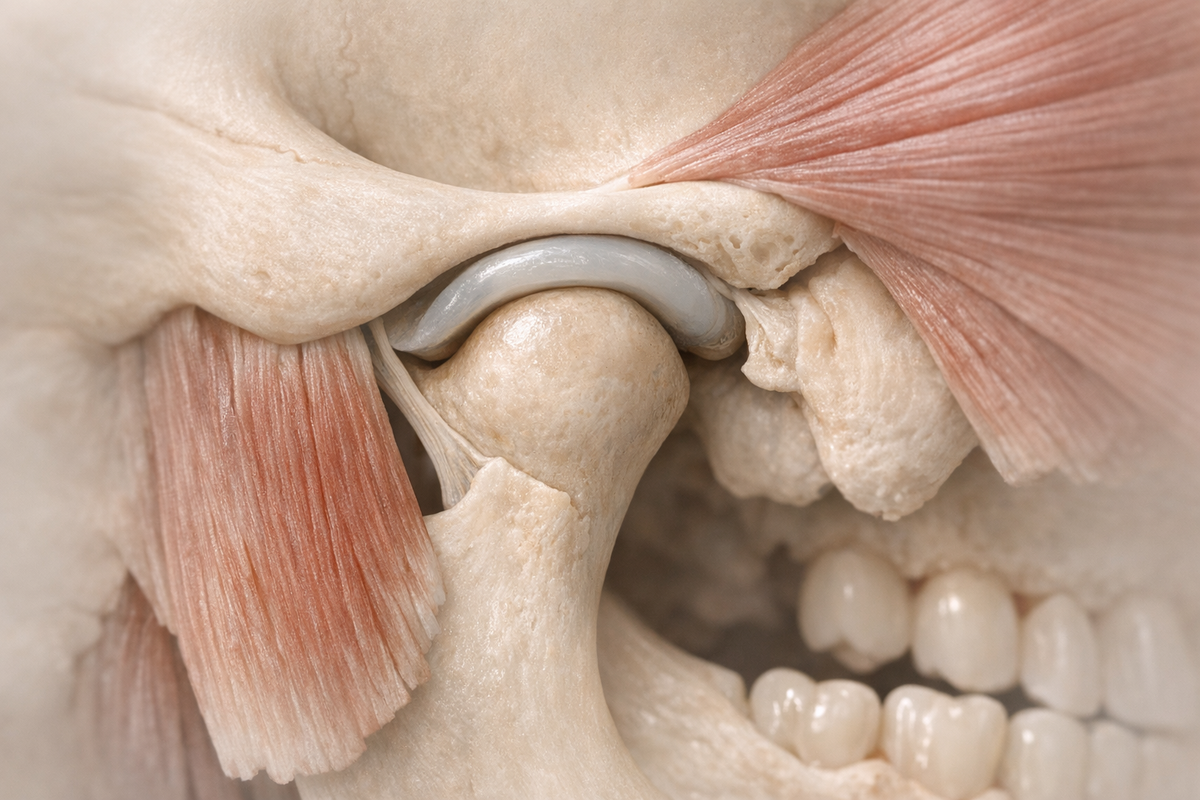
The temporomandibular joint (TMJ) connects your lower jaw to your skull in front of each ear. Problems with this joint or surrounding muscles result in TMD. Symptoms can range from a dull ache to sharp pain when chewing or talking. The American Dental Association highlights bite guards, also known as occlusal splints, as a common first-line treatment because they reduce joint load, protect teeth, and alleviate muscle tension.
Symptoms of TMJ Disorders
Common signs of TMD include:
- Clicking, popping, or grating noises when moving your mouth
- Stiffness or limited jaw movement
- Jaw locking open or closed
- Earaches or ringing in the ears
- Headaches starting near your temples
- Sore or sensitive teeth without cavities
While not every click signals disaster, grinding or clenching your teeth (bruxism) adds stress. A 2025 review by Mahdi and Al-fahham found that two-thirds of bruxers develop TMJ pain over time [4]. To explore the connection between stress and bruxism, consider reading How Stress Makes Bruxism Worse.
The Role of Bite Guards
Bite guards function like shock absorbers. They redistribute chewing forces, separate teeth to prevent grinding, and may adjust the jaw into a more comfortable alignment. A 2024 Cochrane analysis by Singh et al. found that well-fitted guards reduced pain by up to 30% over eight weeks compared to no guard [5]. The key is a good fit. Drugstore guards may not suffice, while custom lab-made devices can alleviate pain significantly. To learn more about choosing the right bruxism mouth guard, see our comprehensive guide here.
Types of TMJ Bite Guards
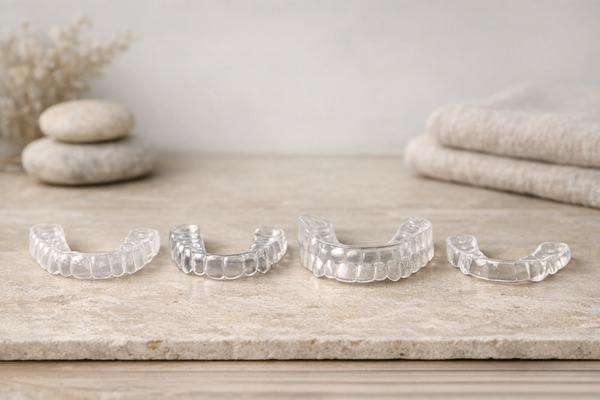
Not all bite guards are alike. They are like shoes for your teeth: finding the right pair matters. Here’s a look at the main types and their real-world effectiveness.
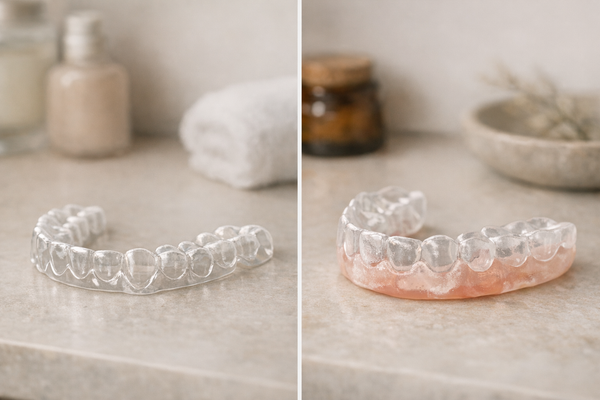
Soft vs. Hard Guards
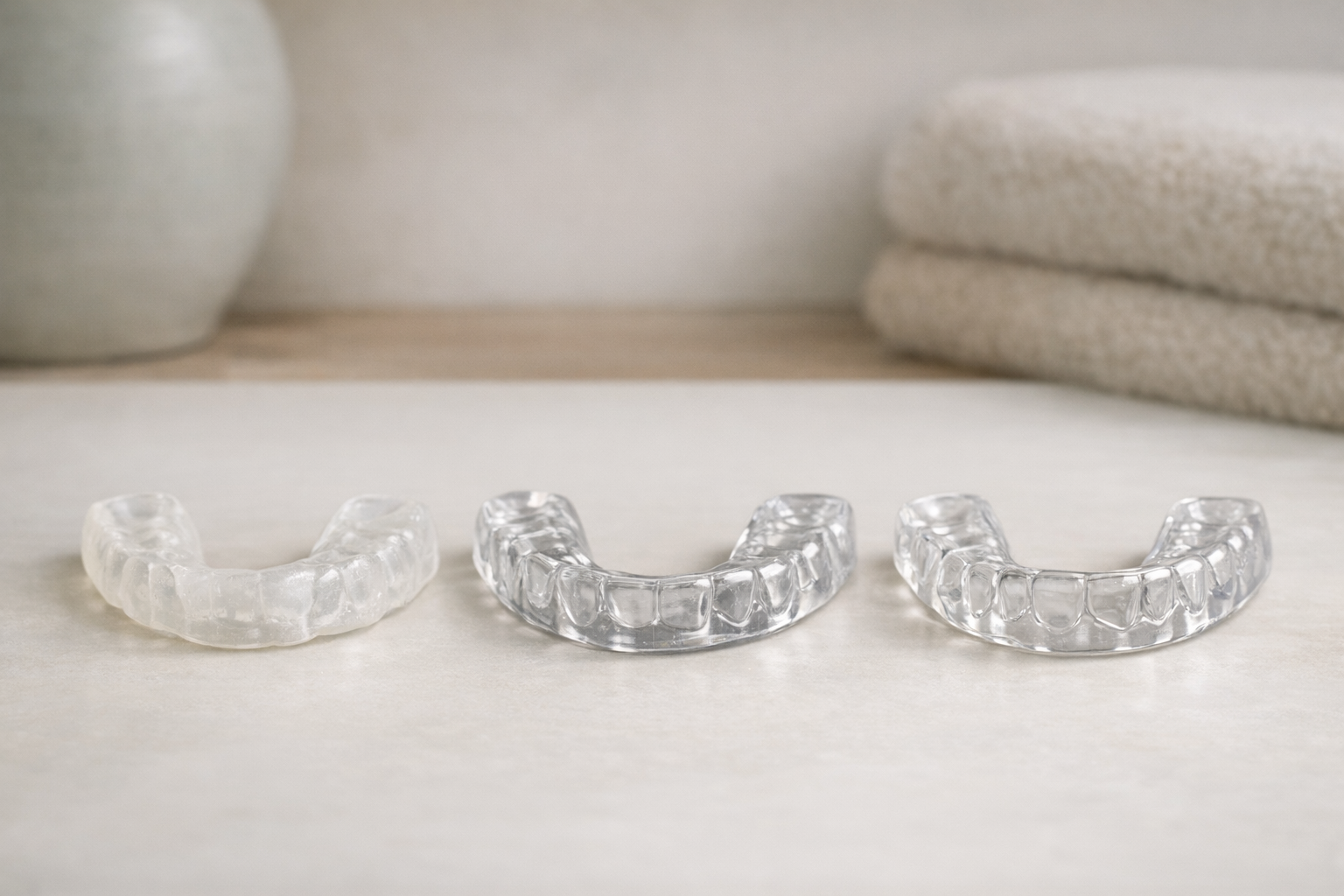
Soft guards are made from pliable thermoplastic. You heat them in water and mold them by biting down.
- Pros: Affordable, readily available, comfortable for beginners
- Cons: Wear out quickly, may encourage more chewing, often lack joint stability
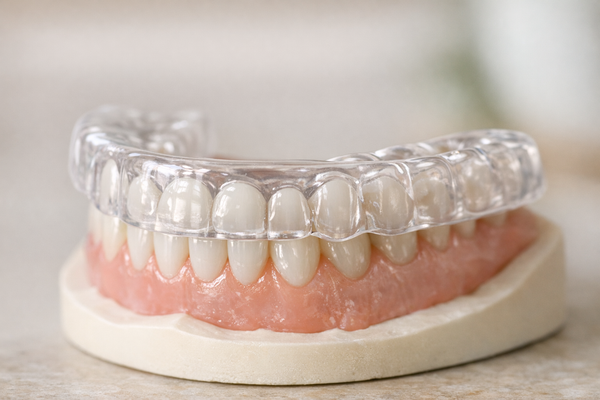
Hard guards are crafted from rigid acrylic or poly-methyl methacrylate, often called stabilization splints by dentists.
- Pros: Durable, precise tooth contact, adjustable
- Cons: Require professional fitting, more expensive, initially bulkier
The 2025 review by Mahdi and Al-fahham concluded that hard acrylic guards are more effective than soft ones in reducing muscle tenderness [4]. They also noted that aggressive grinding can cause soft guards to tear, creating jagged edges. For those exploring advanced TMJ treatments, including Botox and beyond, check our insights on Advanced TMJ Treatments.
Custom-Fit vs. Over-the-Counter
Over-the-counter (OTC) guards include boil-and-bite kits and one-size "night teeth cushions." They cost $20 to $40 and may help with mild symptoms.
Custom-fit guards are made from dental impressions or digital scans and crafted in a lab to fit your bite. They range from $300 to $800, depending on materials and follow-up visits.
- Why custom matters: The Cochrane review by Singh et al. showed custom guards reduce pain more effectively than OTC models, likely due to even contact and less muscle strain [5].
- Longevity: Custom guards can last years; OTC guards may wear out in months.
For chronic TMJ pain or severe bruxism, a custom hard guard offers better stability and relief.
Effectiveness of Anterior Repositioning Splints
The anterior repositioning splint (ARS) is a popular custom device. It guides your lower jaw slightly forward, potentially easing a displaced disc in the joint.
How ARS Works
Your TMJ contains a cartilage disc that cushions bone surfaces. If displaced, it may snap back into position, causing a click. An ARS advances the mandible, helping the disc recenter and tissues heal. Typically, it's worn at night or part-time with supervision.
A 2025 systematic review by Wang et al. found that 74% of patients with disc displacement reported pain relief with ARS compared to 46% with no splint or a basic guard [3]. A 2024 meta-analysis by Maheshwari et al. confirmed these findings, noting ARS reduced clicking by about 60% within three months [6]. To further explore effective TMJ treatments for long-term relief, visit our article here.
Important caveats:
- ARS should be monitored monthly. Extended use can shift your bite permanently.
- Best results are seen within six months of disc displacement onset.
- For muscle-based TMD pain, ARS may not offer additional benefits over a standard guard.
Comparing ARS with Other Treatments
Let's compare ARS to two common conservative therapies: standard hard guards and physical therapy.
- Pain reduction: The Wang review showed ARS lowered pain by 3.1 points on the visual analog scale (VAS), while basic guards lowered it by 2.2 points.
- Click resolution: ARS stopped joint sounds in 63% of cases, compared with 25% for hard guards and 15% for exercise-only groups.
- Cost and complexity: ARS costs about 20% more due to extra lab work and adjustments.
- Side effects: About 8% of ARS users developed a minor open bite after six months, which usually reversed after stopping use.
For confirmed disc displacement with reduction, ARS offers faster symptom improvement. For muscle-related TMD, a hard guard with exercises may suffice.
Alternative TMJ Treatment Options
While guards help, other therapies can enhance results. Here are two evidence-backed options.
Ultrasound Therapy
Therapeutic ultrasound uses sound waves to warm deep muscle layers, increasing blood flow and relaxing muscles. A 2024 trial by Salloum et al. found that ultrasound combined with a stabilization splint reduced pain by 46%, compared to 25% with ultrasound alone [9]. For more on clinical treatments that go beyond the basics, explore Advanced Bruxism Treatments.
Typical regimen:
- 10-minute sessions
- 3 times a week for 4 weeks
- 1 W/cm² continuous mode
Masticatory Muscle Exercises
Daily exercises can stretch tight jaw muscles and improve posture. The same Salloum trial found exercises reduced pain by 30%. Combining them with a stabilization guard improved mouth-opening range by 5 mm.
Core exercises include:
- Isometric jaw opening: place two fingers under the chin, open gently against resistance for 5 seconds, repeat 5 times.
- Controlled closing: start from a relaxed open position, close slowly while keeping your tongue on the roof of your mouth.
- Lateral glide: shift the lower jaw side to side within a pain-free range.
No fancy gear is needed, but a physical therapist or dentist can refine your form. For further reading on jaw exercises that help prevent bruxism and teeth grinding, check our article on Jaw Exercises for Bruxism.
Choosing the Right TMJ Mouth Guard for You
Flashy ads and quick shipping may tempt you to buy the first guard you see. Slow down. A smart choice saves time, money, and frustration.
Consulting with a Dental Professional
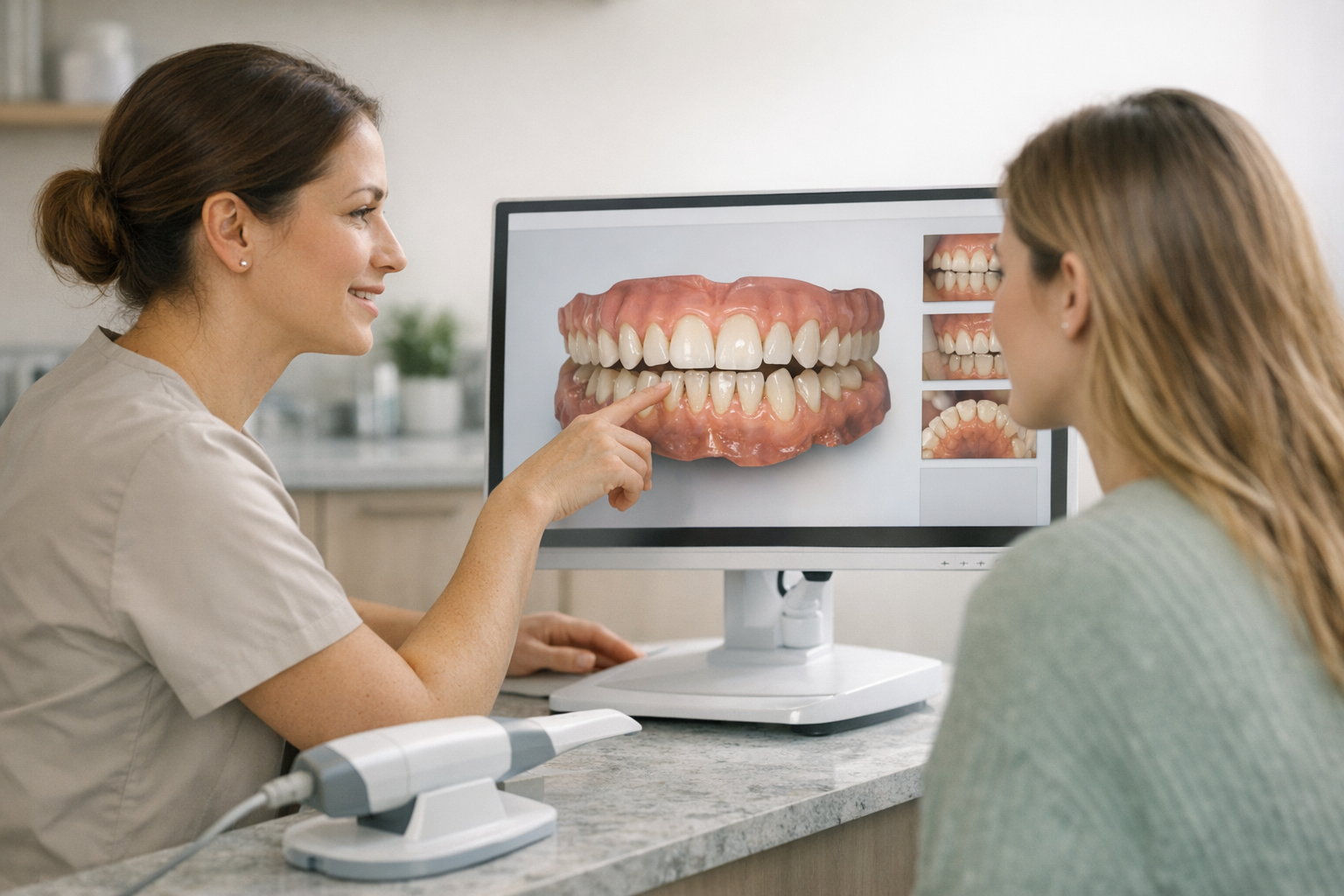
Your first step should be consulting a dentist or orofacial pain specialist. They will:
- Take a detailed history of pain, grinding habits, and previous treatments
- Perform a joint exam and possibly imaging if disc displacement is suspected
- Check your bite, tooth wear, and muscle tenderness
- Recommend whether a hard guard, ARS, or another splint suits your condition
- Provide follow-ups to adjust the guard as symptoms change
Without professional guidance, you risk using the wrong device and worsening your condition, as Mahdi and Al-fahham caution about unsupervised soft guards [4]. For more on how to identify and address TMJ pain from work-related stress, see our article here.
Factors to Consider
- Primary symptom: Clicking with pain suggests disc issues, favoring ARS. General aching without clicks may require a stabilization guard.
- Bruxism intensity: Heavy grinders should avoid soft guards that can tear under pressure.
- Budget: OTC guards can be a temporary solution while saving for a custom model.
- Compliance: A guard that sits unused won't help. Choose a design you can tolerate overnight.
- Follow-up access: Opt for a provider who can see you within two weeks if the device feels off.
Ask your dentist to explain trade-offs in simple terms. If the explanation is unclear, keep asking until it makes sense.
Conclusion: Finding Relief from TMJ with the Right Treatment
TMJ disorders are common and annoying, but manageable. Research indicates that a well-chosen bite guard can reduce pain, protect teeth, and correct joint mechanics. Hard custom guards tend to outperform soft OTC versions for chronic cases. For disc displacement, an anterior repositioning splint shows strong evidence for quick relief, but it requires careful monitoring.
Beyond splints, ultrasound therapy, targeted exercises, and other conservative methods can enhance results. Collaborate with a knowledgeable dental professional to create a plan tailored to your needs.
By using evidence-based strategies consistently, you can support your jaw and enjoy activities like eating and talking without discomfort.