Natural Bruxism Supplements: Do They Really Work?
Explore the effectiveness of natural supplements for bruxism relief.
Wake up with a sore jaw or mystery headaches before your first coffee? You might be among the many adults who grind their teeth while sleeping. This condition, called bruxism, is more common than most realize. Since clenching usually happens at night, you often don't know you're doing it until your dentist points out the wear on your molars or your partner complains about the noise. To better understand this condition, visit our article on why bruxism symptoms appear overnight.
Standard dental guards and injections are the most prescribed fixes, but a growing online community swears that magnesium capsules or a cup of valerian tea can calm the grind. You want facts, not hype or anonymous horror stories. Below, explore what recent research says about bruxism, how conventional therapies work, and whether the natural supplement aisle offers anything more than a placebo. For those interested in alternative therapies, you might also want to explore natural bruxism solutions without a mouth guard.
Understanding Bruxism and Its Symptoms
What is Bruxism?
Bruxism is the habitual, often unconscious, clenching or grinding of teeth. It can occur while you're awake (awake bruxism) or asleep (sleep bruxism). A 2025 meta-analysis by Assiri et al. reviewed over 40 studies and found that sleep bruxism affects roughly one in ten adults. Researchers still debate the exact cause, but stress, genetics, and certain medications appear to prime your jaw muscles for overtime. Stress is a well-known contributor, and our article how stress makes bruxism worse delves deeper into this connection.
The picture is rarely black-and-white. Some people report grinding only during high-stress periods, while others have done it since childhood. Selective serotonin re-uptake inhibitors (SSRIs), used for depression and anxiety, are now well-documented triggers. A 2023 cohort study in JAMA Psychiatry linked new SSRI prescriptions to a 60 percent increase in nighttime clenching within the first eight weeks of use. Family history also matters: twin studies suggest up to a 50 percent heritable component. Translation? If your brother cracks his veneers in his sleep, keep an eye on your own molars.
Common Symptoms of Bruxism
You might notice one symptom or a combination:
- Audible grinding that your bed partner hears before you do
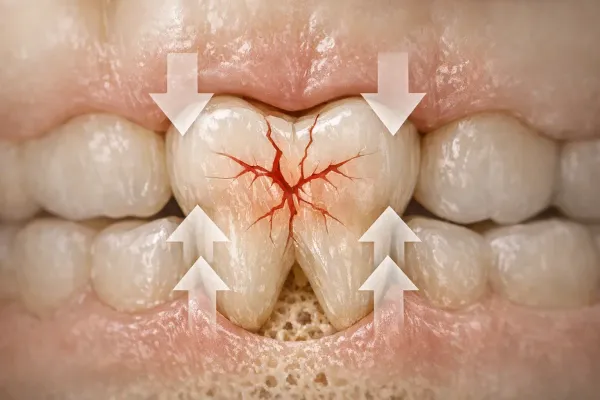
- Flattened, chipped, or loose teeth
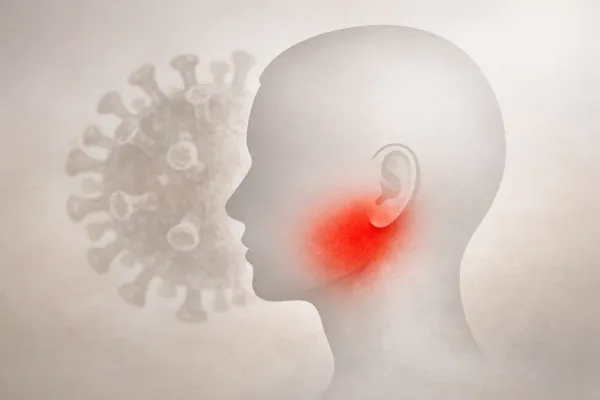
- Persistent jaw or ear pain, sometimes mistaken for an ear infection
- Morning headaches that sit behind the temples
- Tight or tired jaw muscles making chewing gum feel like a workout
- In severe cases, cracked dental work or even a locked jaw
A randomized study by Şahin et al. in 2024 confirmed a strong link between bruxism and muscle-related facial pain, hinting that unchecked grinding does more than wear down enamel. If you see these red flags, it's time to consider treatment rather than chalking it up to stress. For more on distinguishing symptoms, see our guide on recognizing bruxism symptoms.
Traditional Treatments for Bruxism
Occlusal Splints
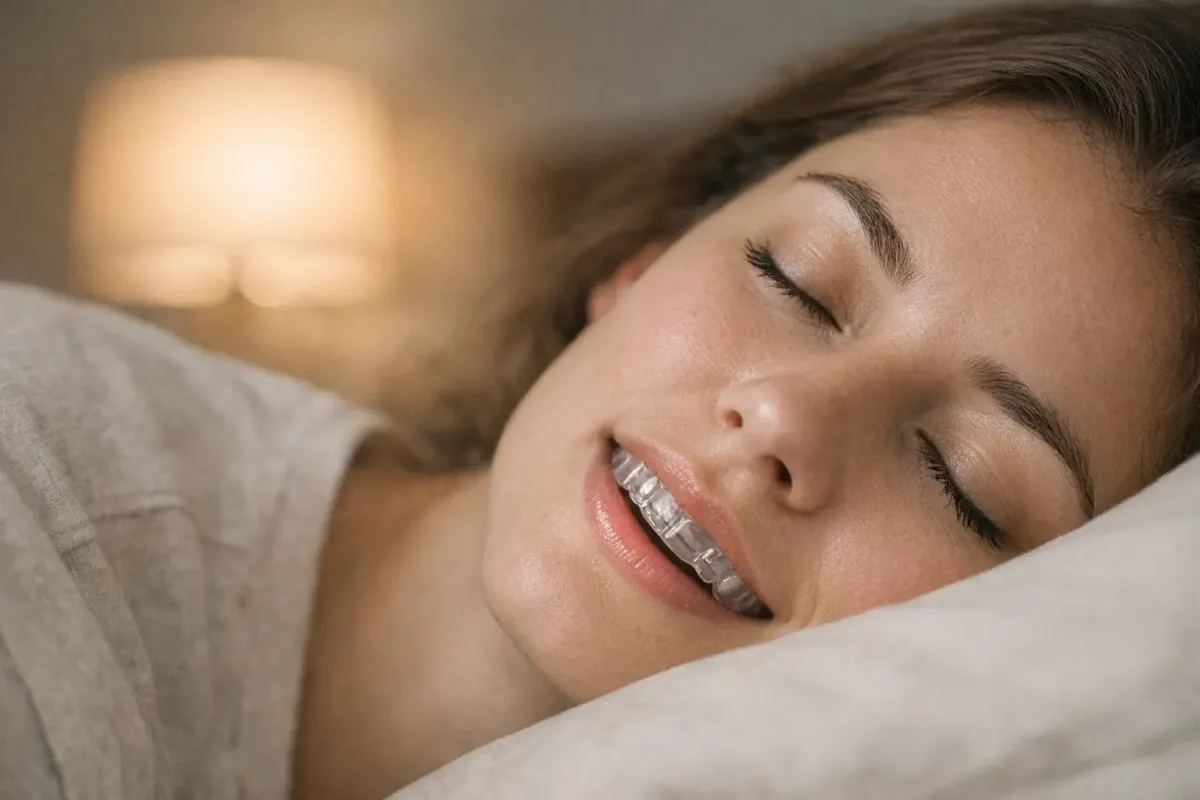
Occlusal splints, or night guards, are custom plastic appliances you wear over your teeth. The goal is simple: create a barrier that prevents tooth-on-tooth friction and distributes clenching forces more evenly. A 2021 review by Hardy and Bonsor pooled results from 26 trials. The authors concluded that splints reduce muscle activity by 40 percent on average, lowering the risk of cracked crowns and reducing morning pain. That said, splints are not a cure. They manage the mechanical damage but don't stop the urge to clench. If stress or medication side effects fuel your grinding, the appliance won't address the root cause. For a comprehensive comparison, check our article on comparing bruxism treatments.
Dental labs now fabricate several splint styles: soft EVA for mild clenchers, dual-laminate for the “weekend warrior,” and hard acrylic for heavy grinders who could chew through a phone book. Your dentist will match hardness to your bite force—too soft and you chew through it, too hard and you won't tolerate wearing it. Expect an adaptation period. One helpful trick is to pop the guard in 20 minutes before lights-out so your gag reflex and tongue get familiar with the foreign object before you fall asleep.
The upside is that night guards are low-risk, reversible, and once you get used to sleeping with one, you may forget it's there. The downsides? Upfront cost, periodic replacement, and the not-so-sexy look if you travel with friends.
Botulinum Toxin
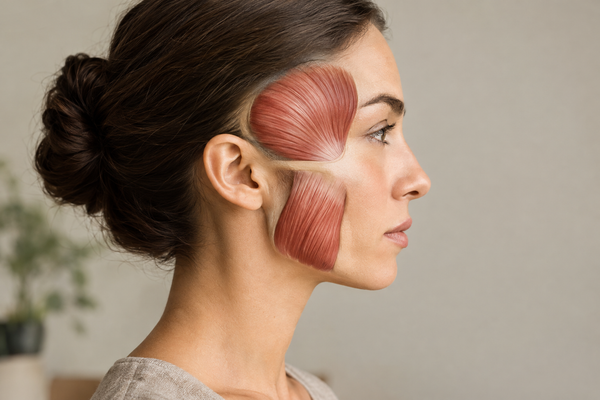
Botulinum toxin type A (often called “Botox”) is best known for smoothing forehead lines, but dentists inject it into the masseter muscles to treat bruxism. The toxin partially blocks nerve signals, relaxing the overworked jaw. A 2025 systematic review by Yacoub et al. analyzed 14 clinical trials and found significant pain reduction for up to three months after a single injection. Another overview of reviews protocol from Coelho et al., 2024 aims to standardize dosing guidelines. For more on this treatment, explore our article on Botox for bruxism.
While Botox helps many patients, it's not magic. You may need repeat injections every three to four months, and the cost adds up. Mild side effects like chewing fatigue can appear. A head-to-head trial by Şahin et al., 2024 compared Botox, dry needling, drugs, and manual therapy. Botox provided the fastest relief, but manual therapy caught up at the three-month mark without the injection price tag.
Some clinics now pair micro-dosed Botox with cognitive behavioral therapy (CBT) to tackle both muscle hyperactivity and the psychosocial triggers that keep jaws on high alert. Early case series show promising synergy: CBT teaches you to recognize daytime clenching cues, while the toxin gives muscles a forced vacation so you can practice healthier patterns.
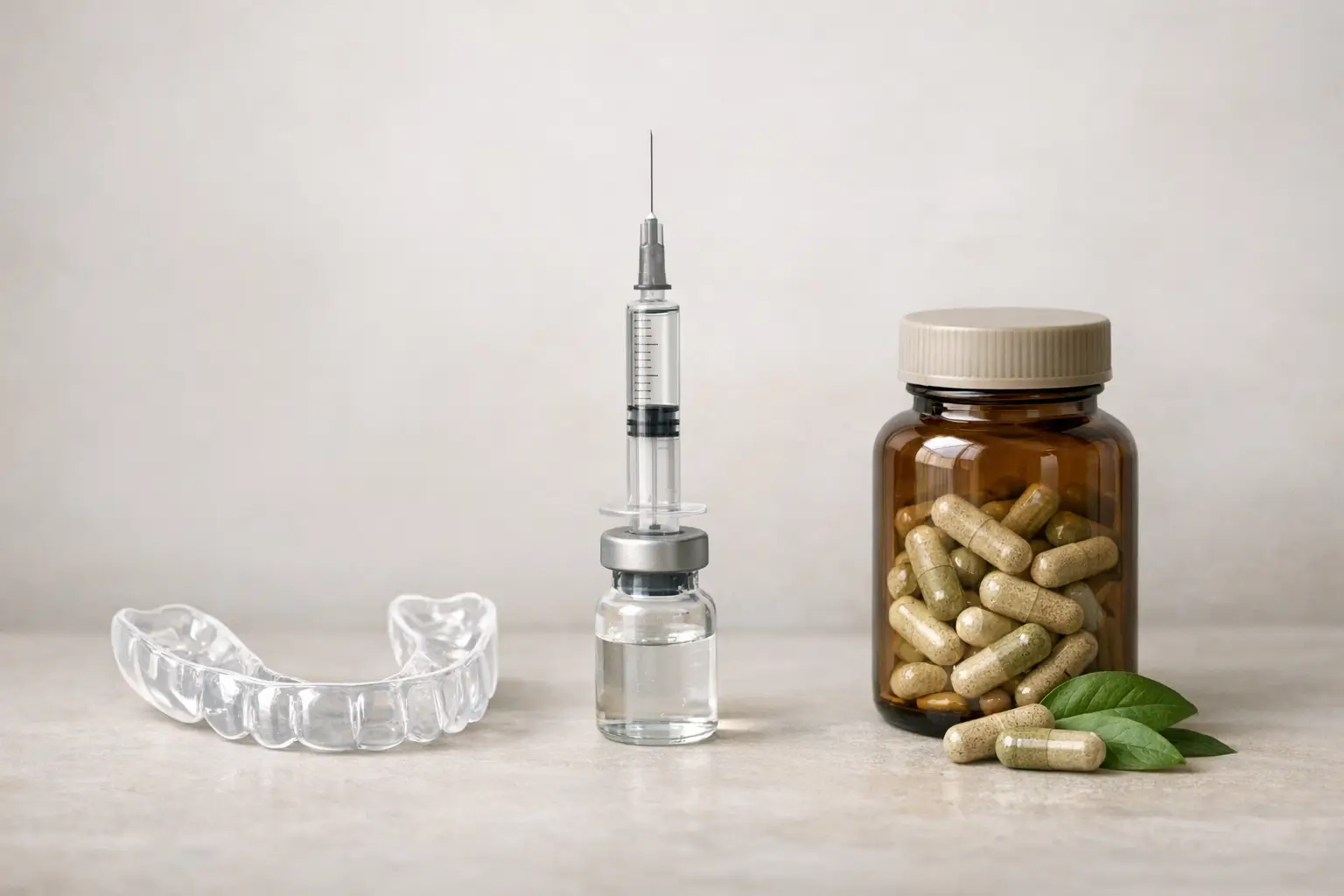
Exploring Natural Supplements for Bruxism
Popular Natural Supplements
Walk into any health-food store and the shelves promise calmer nerves and a quieter jaw. The most talked-about supplements include:
- Magnesium – An essential mineral involved in muscle relaxation and nerve function. Low magnesium can cause muscle cramps, so the idea is that topping up levels could reduce jaw tension. For more on magnesium's role, explore our post on how magnesium deficiency affects teeth grinding.
- Calcium – Works closely with magnesium for muscle contraction and relaxation. Some people pair the two for better absorption.
- Vitamin B complex – Supports the nervous system, potentially making you less reactive to daily stressors that trigger grinding.
- Coenzyme Q10 – An antioxidant that some claim eases muscle fatigue, though data for bruxism is thin.
Dosage matters. Most clinical protocols that look at muscle relaxation use 200–400 mg of elemental magnesium taken in two divided doses, typically magnesium glycinate or citrate for better absorption. Exceed 500 mg and you may befriend your bathroom—loose stools are magnesium’s calling card. Always scan your multivitamin first; double-dosing is an easy mistake.
Herbal Remedies
If pills aren't your vibe, herbal teas and tinctures are popular options:
- Valerian root – A sedative herb used for centuries to promote sleep. People drink it as tea before bed, hoping it reduces nighttime movements.
- Passionflower – Shown in small studies to reduce anxiety, which could indirectly curb grinding.
- Chamomile – Famous for soothing nerves. Sipping a warm cup signals bedtime to your brain and may produce mild muscle relaxation.
The National Center for Complementary and Integrative Health notes that these herbs are generally safe for short-term use. However, “natural” does not equal risk-free. Valerian, for example, can interact with prescription sleep aids, increasing sedation.
Real-world trick: brew a double-strength valerian-passionflower combo, pour it into a thermos, and sip slowly during a 30-minute tech-free wind-down routine. The ritual itself—dimming lights, stretching your neck, parking your phone—often calms the sympathetic nervous system as much as the botanicals inside the mug. For more on holistic approaches, you might find our piece on holistic approaches for bruxism enlightening.
Evaluating the Effectiveness of Natural Supplements
Research on Natural Treatments
Hard truth: rigorous studies on supplements for bruxism are scarce. The 2025 meta-analysis by Assiri et al. sifted through thousands of abstracts and found fewer than a dozen trials that even mentioned dietary supplements. Most were small, lacked control groups, or bundled supplements with other treatments, making it impossible to isolate their effects.
One bright spot is a 2024 clinical trial by Kadıoğlu et al. that looked at manual therapy combined with home exercises. Participants also took a standardized magnesium supplement because blood tests showed borderline deficiency. Over eight weeks, pain scores dropped by 60 percent, and sleep quality improved. The authors admitted they couldn't separate the magnesium effect from the hands-on therapy, but they suggested that correcting mineral deficiencies might help create a “recovery-friendly” environment for sore muscles.
Beyond these isolated studies, most evidence is indirect. For example, reduced magnesium has been tied to muscle cramps and poor sleep in general populations. It's a stretch to assume the same supplement fixes bruxism, but the logic isn't wild. Still, without controlled trials, we remain in hypothesis mode.
Potential Benefits and Drawbacks
Possible upsides of supplements:
- Low cost compared with custom dental work or injections
- Minimal invasiveness—no needles, drills, or molds
- Added nutritional value if you are truly deficient
Potential downsides:
- Lack of regulation—quality varies by brand
- Delayed results—herbs often need weeks of consistent use
- Interactions with medications such as antidepressants, blood thinners, or sleep aids
- False security—you might skip proven treatments hoping supplements do the job
The Mayo Clinic reminds consumers that dietary supplements can help fill nutritional gaps but shouldn't replace medical care for chronic conditions like bruxism.
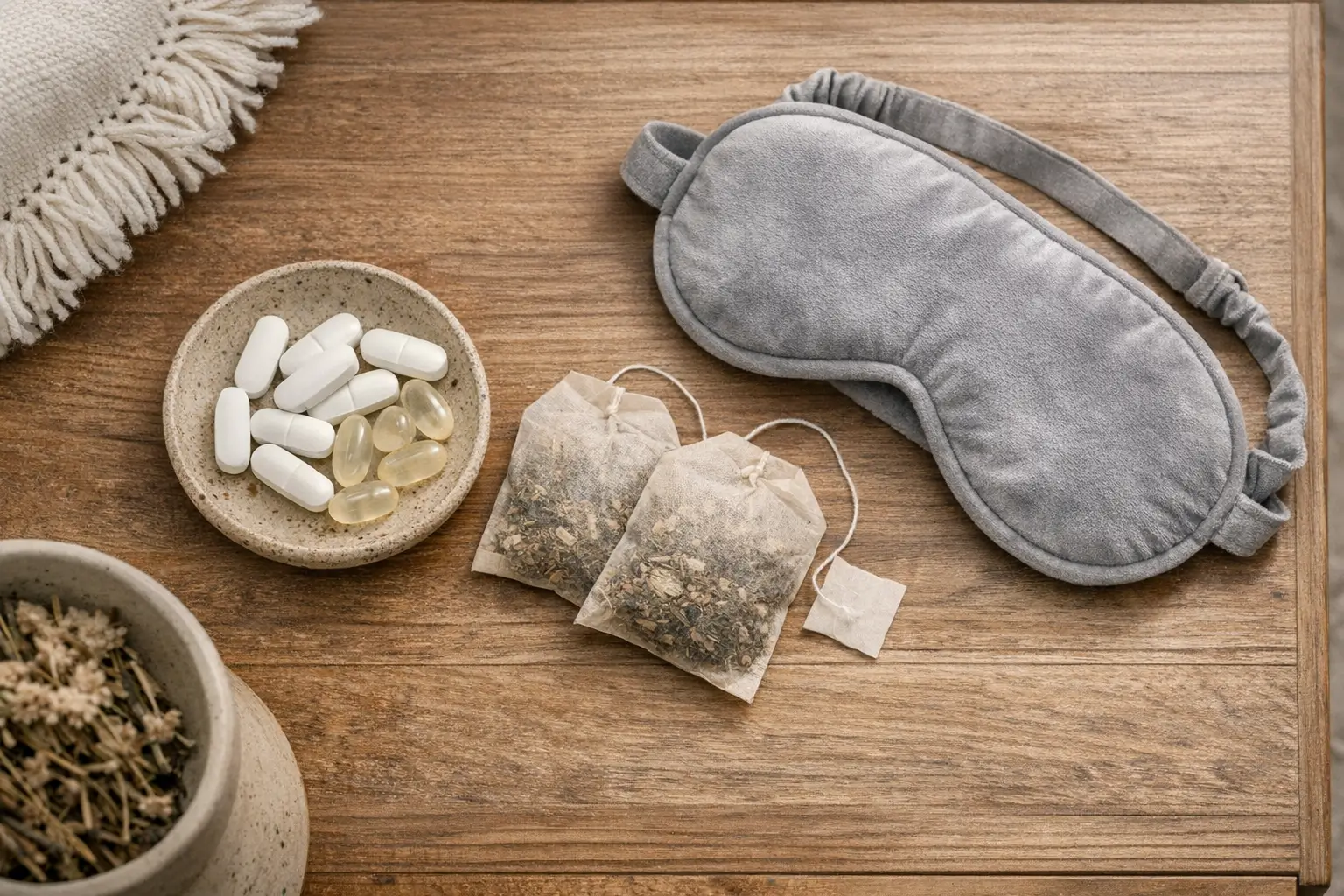
Integrating Natural Supplements into a Bruxism Management Plan
Combining with Traditional Treatments
You don't have to choose just one approach. The 2024 clinical trial by Kadıoğlu et al. shows that combining physical therapy with supplements may yield better results than either approach alone. Think of a night guard as your helmet, supplements as your training diet, and stress management as your practice routine. Together they create a comprehensive plan. For more on blending treatments, check out our exploration of bruxism mouth guard alternatives.
Practical steps:
- Get a dental exam to document tooth wear before starting any regimen.
- Use an occlusal splint to protect enamel while you trial supplements.
- Track symptoms in a sleep or pain journal so you have real data, not guesswork.
- Reassess with your dentist or physician after three months. If grinding persists, escalate to botulinum toxin or physical therapy. For more on therapy options, read about physical therapy for TMJ and bruxism relief.
For the data-driven among us, inexpensive surface EMG (electromyography) headbands are hitting the consumer market. They log jaw-muscle spikes throughout the night, so you can see—in graph form—whether magnesium week really beats margarita week. Just remember: gadgets supplement, not supplant, professional diagnosis.
Lifestyle Modifications
Supplements are only one piece of the grind-control puzzle. You can also:
- Limit caffeine and alcohol after 2 p.m. Both can worsen sleep bruxism. Learn more about how alcohol affects teeth grinding.
- Practice jaw relaxation exercises—gently open and close your mouth, massaging the masseter muscles. For effective techniques, see our guide on jaw tension relief from stress.
- Use heat therapy such as a warm compress on the jaw before bed.
- Set a screen curfew to lower nighttime stress hormones.
- Address sleep disorders like apnea, which correlate with bruxism. The American Dental Association’s resource page on bruxism underscores the importance of a sleep study if snoring and gasping are present.
Combining lifestyle tweaks with a well-fitted splint and a sensible supplement plan turns you into the project manager of your own jaw health.
Conclusion: Are Natural Supplements Worth Trying?
Here's the bottom line. Quality evidence for natural supplements in bruxism is thin. A few small studies hint that magnesium or herbal relaxants might ease muscle tension, but they rarely stand on their own. Occlusal splints and, when needed, botulinum toxin still carry the research-backed weight.
That doesn't mean supplements are pointless. If a blood test shows you're low in magnesium, topping up could help your muscles recover and might reduce clenching intensity. Herbal teas like valerian can become part of a wind-down ritual that supports better sleep hygiene.
Before you fill your cart with capsules, discuss your plan with a dentist or physician who understands bruxism. They can rule out serious dental damage, ensure no supplement-drug interactions, and set realistic expectations. In other words, use supplements as sidekicks, not superheroes, in your battle against the nightly grind. For more comprehensive natural solutions, explore our post on how to stop grinding teeth in sleep naturally.