Innovative Pediatric Bruxism Solutions: Exploring New Approaches
Discover effective, innovative treatments for managing pediatric bruxism beyond traditional methods.
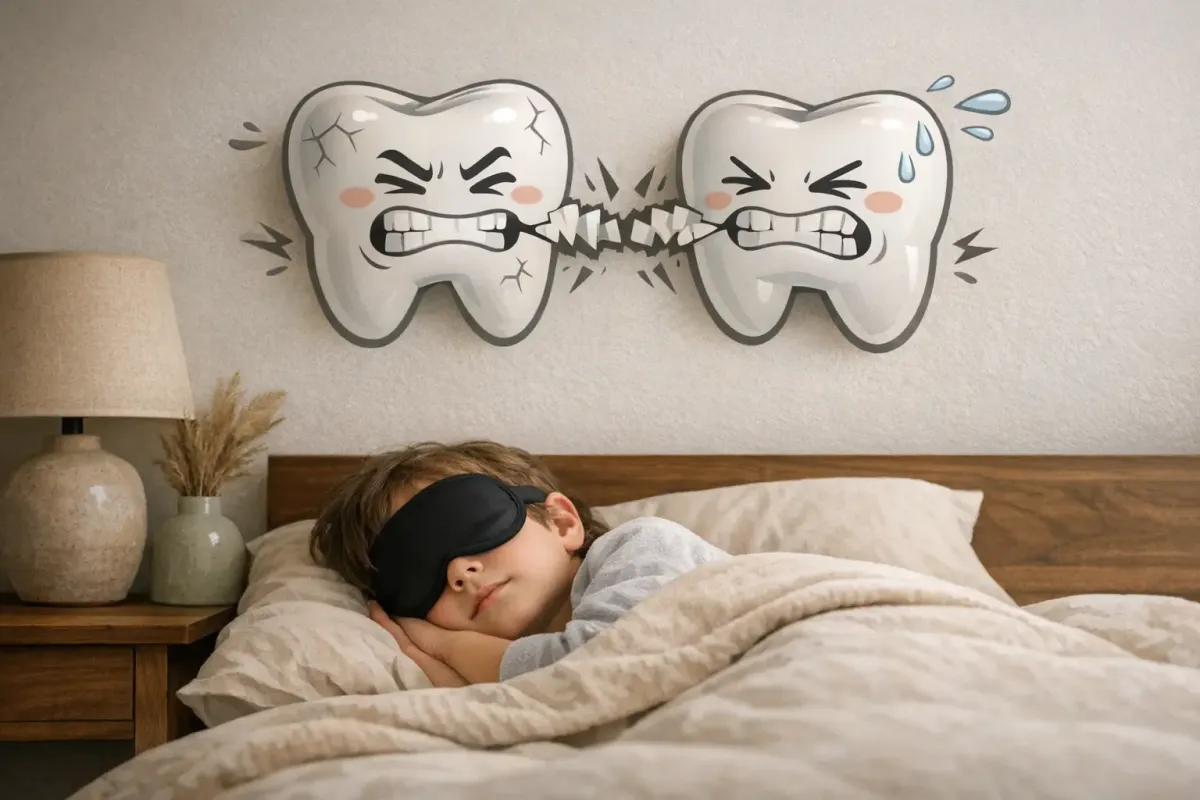
If you've ever stood outside your child’s bedroom door and heard the unmistakable squeak of teeth scraping teeth, you know pediatric bruxism can sound like nails on a chalkboard. Pediatric bruxism is common, poorly understood, and often dismissed with a “they’ll grow out of it” mindset. But new research suggests you don't have to wait and hope. From lasers that act like tiny flashlights under the skin to tooth-colored crowns built like shock absorbers, modern science is offering fresh solutions.
This article provides a research-first tour of the topic. Every section is in plain language, with data sourced from peer-reviewed journals and respected health organizations. Feel free to bookmark the links and fact-check at will. While bruxism might persist at night, the science around stopping it is finally advancing.
Understanding Pediatric Bruxism
Definition and Types
Bruxism is the medical term for repetitive jaw-muscle activity that leads to grinding or clenching. In kids, the condition presents in two main forms:
- Sleep bruxism: Occurs during light or deep sleep, often without the child knowing.
- Awake bruxism: Involves jaw clenching or tooth tapping when the child is focused, anxious, or bored.
A study by Leung et al. (2024) notes that about 14–20 percent of children grind their teeth at night, with a decline as permanent teeth erupt. Storari and colleagues’ 2023 review points out that daytime clenching can be equally destructive, even if quieter. The disorder often runs in families, and early twin studies suggest heritability is around 50 percent, similar to childhood asthma or myopia.
Causes and Implications
No single cause dominates, yet researchers often focus on these key triggers:
- Neurological factors: Changing sleep cycles and ongoing brain development make kids more prone to motor "hiccups" at night.
- Stress and mood: Test weeks, changes at home, or excessive screen time can lead to unconscious clenching. Explore how stress exacerbates bruxism and its physiological impacts.
- Airway and dental issues: Allergies, enlarged tonsils, and misaligned bites increase the risk.
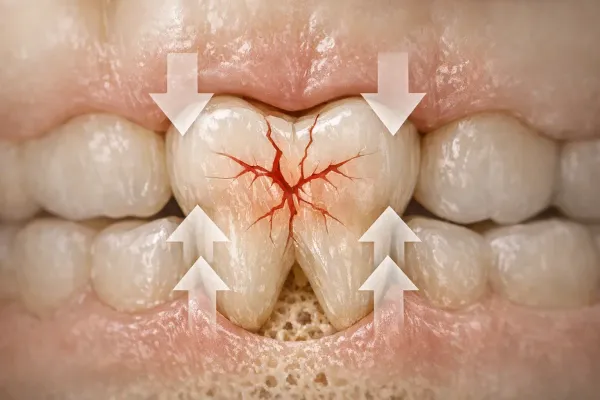
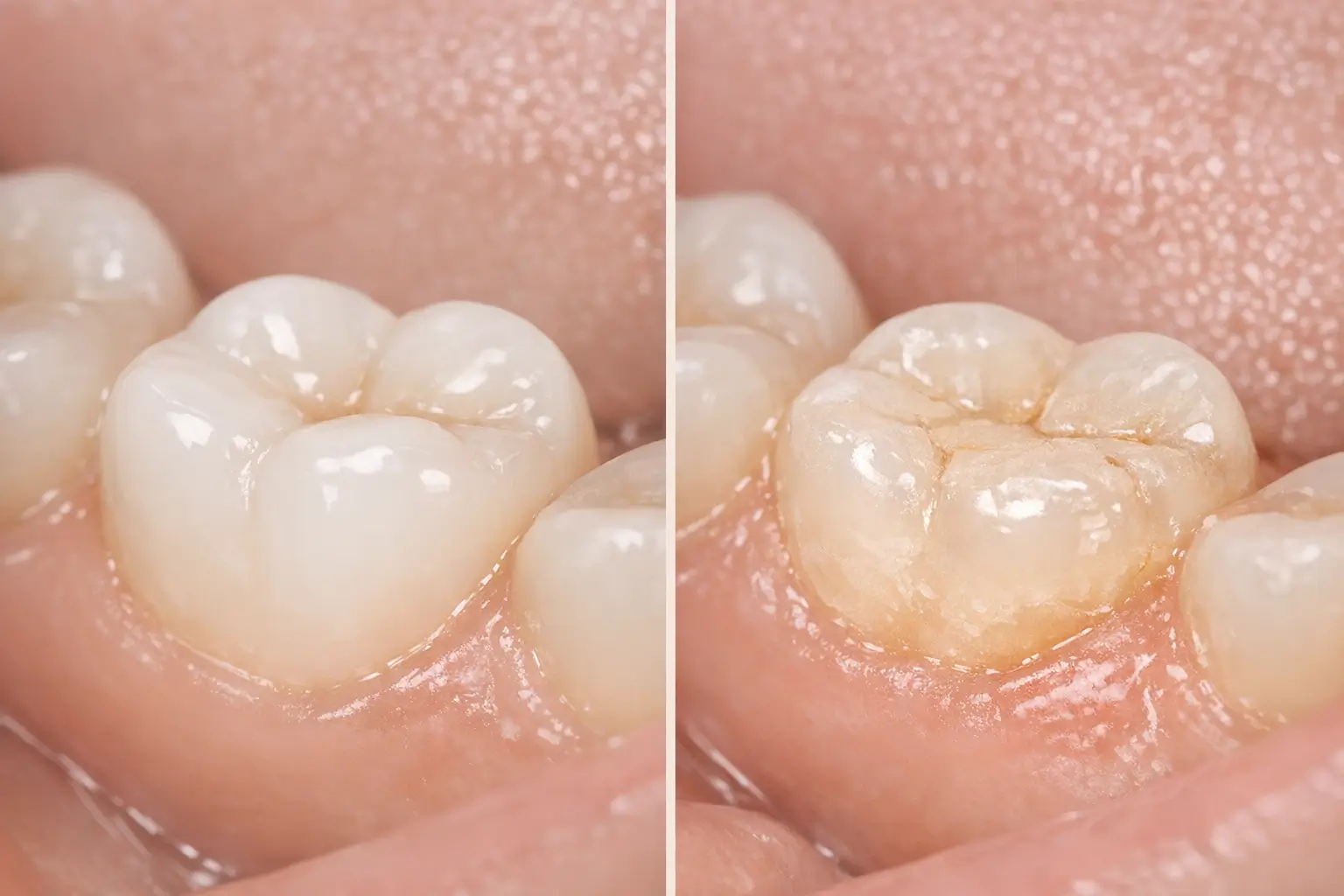
The stakes are higher than just enamel wear. Chronic grinding can lead to temporomandibular joint (TMJ) disorders, headaches, and facial muscle pain. The review by Leung et al. (2024) highlights early morning jaw soreness as a key warning sign. Left unchecked, bruxism can alter tooth eruption patterns and necessitate orthodontic intervention. For a deeper understanding of jaw pain causes, including those beyond bruxism, explore related insights.
Clinicians sometimes identify bruxism not from dental wear but from softer clues: a child who habitually chews pencils, complains of earaches without infection, or wakes up with pillow indentations on their cheeks. These observations often lead to a referral to a pediatric dentist or sleep clinic.
Traditional vs. Modern Treatment Approaches
Conventional Methods
Ask most dentists how to manage grinding, and you'll get a short list:
- Boil-and-bite mouth guards from pharmacies.
- Custom acrylic night splints made in a dental lab.
- Selective grinding of high bite contacts.
- Basic stress-reduction tips: Warm baths and fewer horror movies before bed.
These methods are tried and true, but the problem is whether they work well enough. A comprehensive review by Wajdowicz et al. (2024) found that guards protect enamel but do little to reduce core muscle activity. Children in mixed dentition lose teeth frequently, making even a well-crafted guard an expensive chew toy. If you're considering alternatives, explore mouth guard alternatives and their effectiveness.
Limitations of Traditional Treatments
Why are parents and clinicians considering new ideas?
- Compliance issues: Younger kids often spit out guards in their sleep or forget to wear them.
- Growth interference: Rigid acrylic devices can hinder natural arch expansion if used continuously.
- Symptom masking: Guards cushion teeth but don't address jaw overactivity, airway resistance, or stress hormones. Learn about natural bruxism solutions that go beyond just using a mouth guard.
- Expense: Each lost guard means a new impression and a new bill.
Storari et al.’s 2023 review listed over twenty different splint designs but concluded that none perfectly balances retention, comfort, and muscle-relaxing properties. Parents seek alternatives that offer more than just tooth protection.
Laser Acupuncture: A Promising Alternative
How It Works
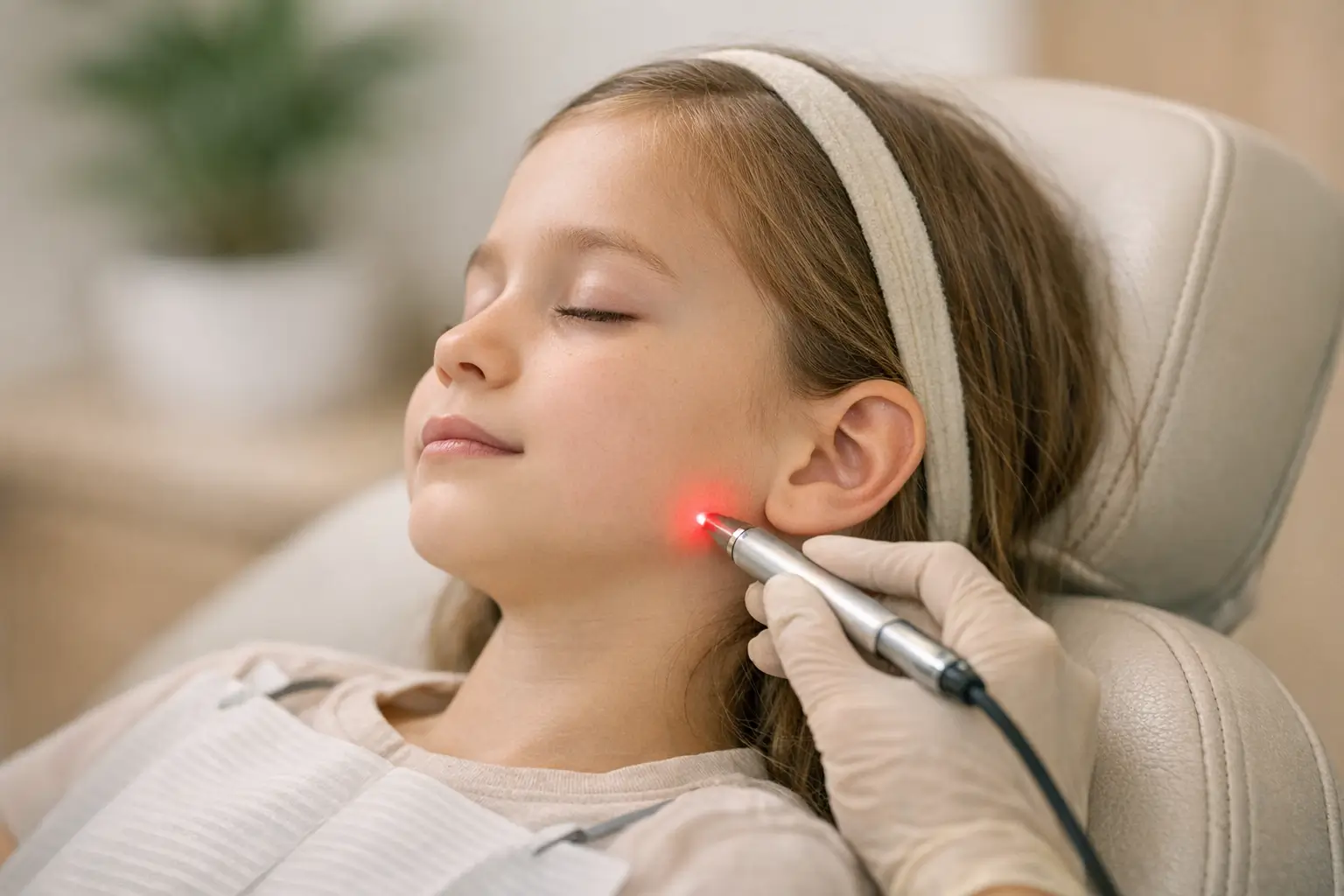
Imagine the precision of acupuncture without needles, and you have laser acupuncture. Practitioners use low-level lasers (LLL) to stimulate classic acupuncture points, often on the face and hands. This light energy triggers local nitric oxide release and microcirculation changes, theoretically calming overactive muscles. Since nothing pierces the skin, the fear factor is reduced, which matters when your patient is young.
Benefits and Evidence
The gold standard for any claim is a randomized controlled trial, and one recently delivered results. A 2025 trial led by Rashed Mohamed Farouk enrolled 60 children with confirmed bruxism. Half received eight sessions of low-level laser acupuncture on points such as ST7 (Xiaguan) and LI4 (Hegu), while the other half completed traditional physiotherapy stretches.
Results after four weeks included:
- A 38 percent drop in masseter activity in the laser group versus 17 percent in controls, according to surface electromyography.
- Parent-reported grinding sounds reduced to “rarely” in two-thirds of laser-treated kids.
- No adverse events occurred beyond mild warmth at the light probe site.
The study team attributes LLL's success to its photobiomodulation effect, resetting mitochondrial function, as shown in other muscle-fatigue trials. Importantly, sessions lasted under ten minutes, keeping even fidgety participants engaged. If you're curious about access, many university dental clinics now offer LLL under “adjunctive pain control.” Insurance coverage varies, but health-savings accounts often reimburse it when billed as physical therapy.
Botulinum Toxin for Bruxism Management
Mechanism of Action
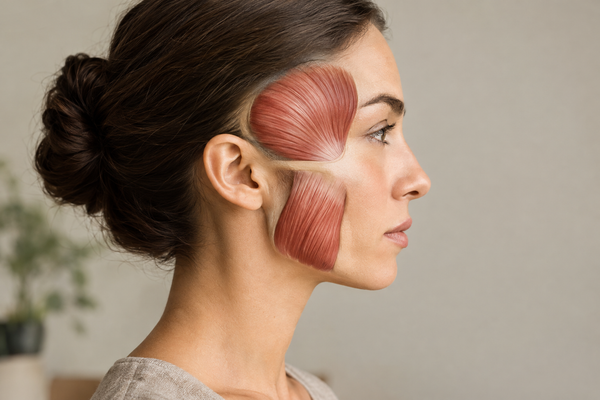
Botulinum toxin, commonly known as Botox, is famous for reducing wrinkles. In bruxism, tiny doses are injected into overactive jaw muscles, usually the masseter or temporalis. The toxin blocks acetylcholine release at the neuromuscular junction, causing partial, temporary relaxation. For those interested in alternative TMJ treatments, explore advanced TMJ treatments such as Botox and dry needling.
Safety and Efficacy
A systematic review by Buzatu et al. (2024) analyzed data from 11 clinical trials involving both adults and adolescents. Key findings include:
- Bruxism episodes were reduced by roughly 45 percent within four weeks of injection.
- Maximum bite force dropped but remained functional for chewing.
- Minor adverse events, such as transient chewing fatigue, occurred in fewer than 10 percent of cases.
Dosing protocols in children remain cautious, typically 10–15 units per masseter. The Cleveland Clinic's pediatric bruxism page notes that treatment needs repeating every three to four months, but cumulative dosing has not led to permanent weakness when monitored correctly. Parents might worry about using a "toxin" in a developing child. However, current evidence suggests localized injections remain localized and break down within months, making the therapy more of a chemical splint than systemic medication. Clinics using vibration anesthesia or cold spray can make the quick jab feel like a mosquito bite, reducing discomfort significantly.
Innovative Dental Solutions: BioFlx Crowns
Introduction to BioFlx
BioFlx is a flexible, fiber-reinforced composite crown system that bends under pressure instead of cracking like traditional stainless-steel or zirconia caps. The material uses an interwoven mesh of glass fibers in a resin matrix, engineered to mimic the modulus of natural dentin.
Clinical Outcomes
The most thorough examination comes from a 2025 review by Al-Haj Ali. Across 150 pediatric cases, findings include:
- A 93 percent survival rate at 24 months, comparable to stainless-steel crowns.
- Higher parental satisfaction due to tooth-like color and no metal glare.
- A cushioning effect, measured by electronic pressure films, reduced peak bite stress by 30 percent, acting as an on-tooth shock absorber for grinders.
The crowns come pre-formed in multiple sizes, reducing chair time compared to sculpting a composite buildup. Because BioFlx flexes, it can adapt to the eruption changes of growing molars, making replacement less frequent. Critics note the higher unit price, but cost-effectiveness improves if the crown prevents repeat fillings or cracked enamel. For parents who dread the silver-smile look of traditional crowns, BioFlx also photographs better in yearbook pictures — a small but emotionally meaningful perk noted by several families in follow-up surveys.
Behavioral Interventions and Sleep Hygiene
Role of Behavioral Changes
While high-tech solutions are exciting, ignoring behavior would be like patching a leaky roof without fixing the hole. Strategies include:
- Relaxation rituals: Guided breathing, gentle jaw massage, or reading time in dim light. Explore stress-free solutions for jaw tension relief.
- Mindfulness apps designed for kids, such as five-minute body scans.
- Positive reinforcement charts for daytime reminders to keep "lips together, teeth apart."
A physiological review by Zhu et al. (2024) argues that sleep bruxism often clusters with micro-arousals and fragmented rapid-eye-movement cycles. Teaching kids to wind down lowers these arousal spikes. Some families keep a "grind diary," noting late-night noise levels alongside evening activities. Patterns usually emerge within two weeks, revealing triggers such as late-night gaming or post-dinner soda.
Improving Sleep Patterns
Good sleep hygiene might seem dull, but it is effective:
- Regular bedtimes within a 30-minute window, even on weekends.
- Screen-off rule one hour before lights out.
- Caffeine ban: Remember, chocolate milk has caffeine. Discover why avoiding caffeine late at night is important for bruxism management.
- Comfortable airway: Use nasal sprays or visit an allergist if congestion is chronic.
School programs can also help. A study by Ardiyanti et al. (2024) used a web-based game to teach brushing habits and saw dental hygiene scores improve by 20 percent in six weeks. Cleaner teeth reduce local inflammation, limiting sensory triggers that can set off grinding. Websites like Nemours KidsHealth and Mayo Clinic emphasize starting with bedtime structure before escalating to medical devices. The transition from chaotic to consistent sleep may reduce bruxism episodes enough that invasive tools become optional. Pediatric sleep experts suggest pairing lights-out with a predictable sensory cue, such as a lavender-scented plush toy or a short audio story, to help the brain associate the smell or sound with winding down.
Conclusion: A Holistic Approach to Pediatric Bruxism
Pediatric bruxism sits at the crossroads of dentistry, neurology, psychology, and plain old growing pains. Traditional mouth guards still have a place, but there are now several new options: needle-free laser acupuncture, precisely dosed botulinum toxin, flexible BioFlx crowns, and low-tech routines that train the brain to unwind at night. None of these options work as silver bullets on their own. When combined thoughtfully, however, they can reduce the likelihood of cracked molars and morning headaches.
Your next step is to have a conversation with a qualified provider — dentist, pediatrician, sleep specialist, or a team of all three. Bring the research links, ask questions, and co-create a plan that suits your child’s needs and your budget. Keep the plan visible on the fridge, track progress weekly, and celebrate small victories — a quieter night, a pain-free breakfast, or a guard that stayed in until sunrise. With consistent follow-through, the grinding can fade into the background, allowing both you and your child to enjoy quieter nights.