Zyn Teeth Grinding: What Nicotine Pouch Users Need to Know
Understand how Zyn nicotine pouches may impact teeth grinding and jaw clenching.
You enjoy your nightly Zyn pouch, but your dentist dreads the early morning calls about your jaw pain. Caught in the middle is the science. Over the past decade, researchers have been investigating how nicotine, whether smoked, vaped, or placed under the lip, affects your teeth and jaw muscles. While the evidence is still emerging, it's now substantial enough to help you make informed choices without relying on alarmist forums.
This article guides you through current knowledge about Zyn and similar nicotine pouches, how nicotine impacts your brain and jaw, and what steps you can take if you're experiencing teeth grinding or clenching. All claims are supported by peer-reviewed studies or major medical organizations, steering clear of hearsay.
Understanding Nicotine Pouches and Their Usage
How Nicotine Pouches Work
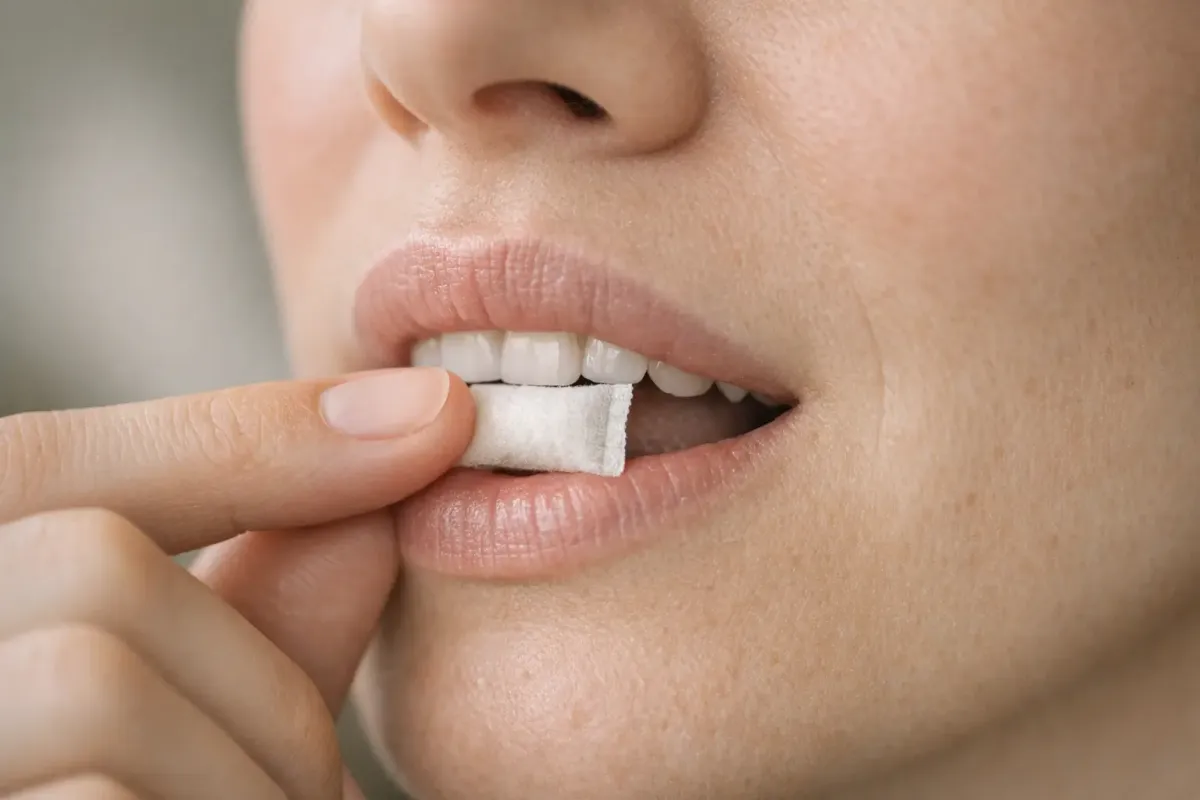
Nicotine pouches like Zyn are small, fiber-based packets containing pharmaceutical-grade nicotine, flavorings, sweeteners, and plant fibers. When placed between your gum and upper lip, saliva moistens the contents, releasing nicotine gradually over 20 to 60 minutes. You get a controlled hit without smoke, vapor, or the telltale odor of tobacco combustion.
The major difference from cigarettes is the route of absorption. Cigarette smoke sends nicotine through the lungs and into the bloodstream within seconds. Pouches use the oral mucosa, thin, absorbent gum tissue, to deliver nicotine more slowly. This sustained release results in a steadier blood-nicotine curve, which many users describe as “smooth” and “hands-free.”
A 2026 cross-sectional study by Ali et al. followed male dental students and interns, finding that longer pouch contact time increased the risk of localized gum irritation. Even so, participants cited the absence of smoke and ease of concealment as reasons for continued use.
Popularity and Usage Trends
Search Google Trends for “Zyn” and you'll notice a sharp upward trend. Sales data reflect this pattern. Several factors drive the surge:
- No combustion, so no smoke smell on clothes
- No vapor clouds, reducing social restrictions compared to e-cigarettes
- Discreet use at work or on airplanes (though airlines officially frown on it)
- Lower equipment costs, no batteries, coils, or e-liquid refills
Social media also fuels the rise. A 2024 analysis by Galimov et al. of Twitter posts on nicotine gum and pouches recorded thousands of user testimonials, many praising the products as “stress-relief tools” during long workdays or study sessions.
Marketing plays its part. Slick cans in pastel colors, dessert-themed flavors, and sports sponsorships help position pouches as lifestyle accessories rather than cessation aids. This branding resonates with college students looking for a “clean” stimulant during exams and white-collar professionals who can't step outside for a smoke break every hour. Both groups report using pouches back-to-back on deadline days, raising average daily exposure beyond the manufacturer's on-label guidance.
The downside of rising popularity is that oral-health side effects once limited to smokeless tobacco users now reach a broader, often younger demographic. Bruxism is one side effect worth watching, especially as stress and anxiety contribute significantly to jaw tension, as discussed in how stress exacerbates bruxism.
The Stimulant Pathway: Nicotine and Bruxism
Nicotine as a Stimulant
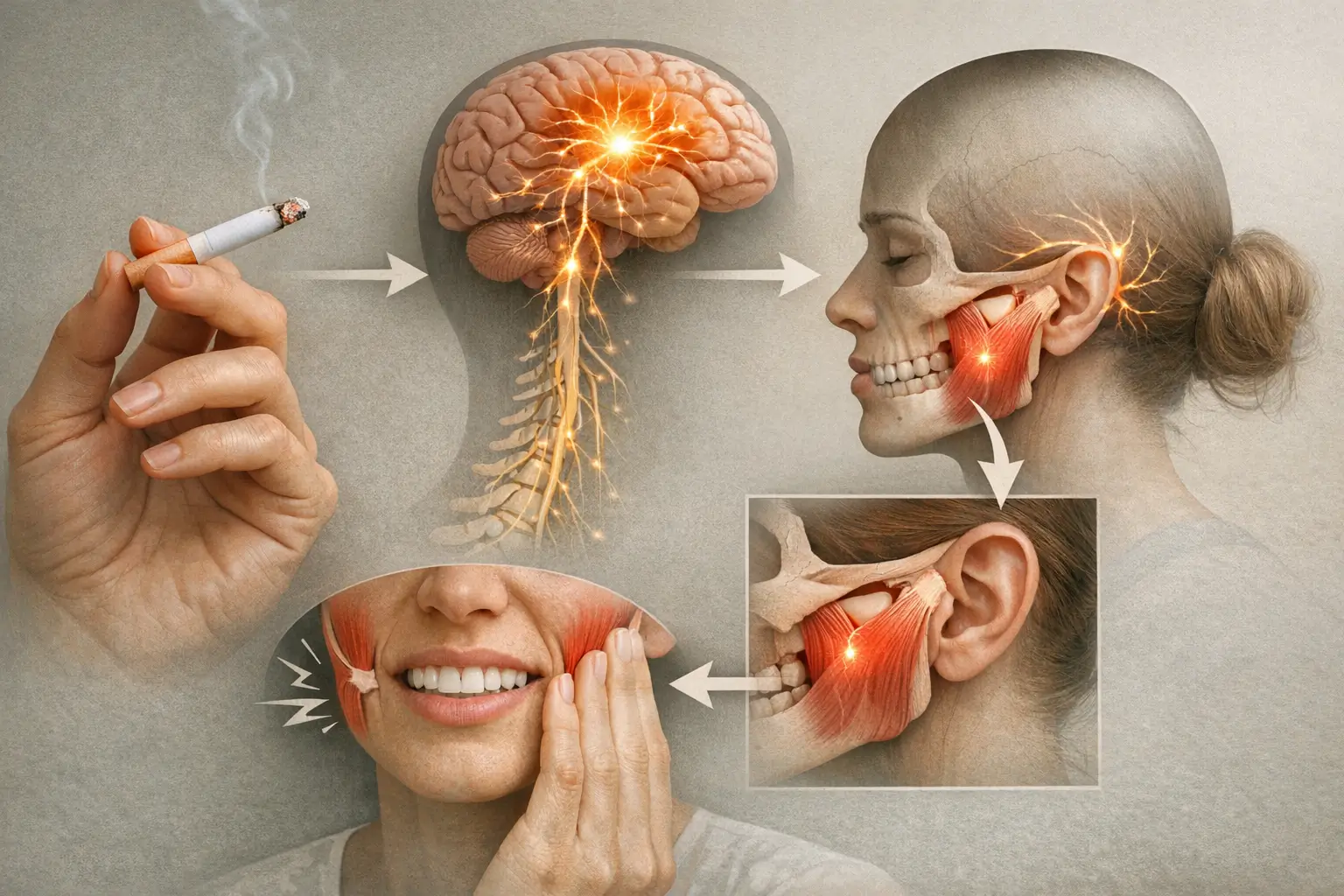
Nicotine is sometimes mislabeled a “relaxant.” While low doses can feel calming, it's actually a stimulant. It binds to nicotinic acetylcholine receptors in the brain, triggering the release of dopamine, norepinephrine, and serotonin. These chemicals increase alertness and muscle tone. The National Institute on Drug Abuse classifies nicotine as a stimulant.
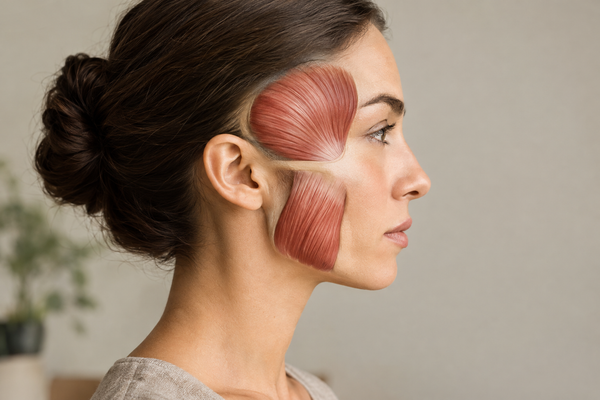
Because a pouch sits in your mouth longer than a cigarette is smoked, the stimulant effect is stretched over time. This prolonged exposure affects muscles that work automatically during sleep, including the masseter and temporalis muscles responsible for chewing.
The half-life of nicotine averages two hours, so an evening pouch used at 9 PM still leaves notable blood levels at midnight. If you add a second pouch while streaming a show, blood concentrations at bedtime can rival those of heavy cigarette smokers, according to a pharmacokinetic simulation by Thomsen et al. 2023. This “background buzz” creates fertile ground for overnight clenching, which is a common issue in morning jaw pain and headaches.
Link Between Nicotine and Teeth Grinding
Bruxism, which involves unconscious grinding or clenching, is linked to stimulants like caffeine, amphetamines, and nicotine. The exact mechanism is debated, but two pathways are often discussed:
- Sleep architecture disruption. Nicotine lightens sleep stages, leading to more micro-arousals, during which bruxism often increases.
- Heightened muscle tone. By boosting norepinephrine, nicotine keeps skeletal muscles partially activated, increasing the odds of clenching.
A study on dental pulp stem cells exposed to nicotine, Vang et al. 2025, identified microRNA signatures indicating stress pathways in tooth tissue. While this study didn't directly measure grinding behavior, it supports the idea that nicotine primes oral tissues for stress.
The clinical picture becomes clearer in broader population research. The ENHANCE-D trial protocol, Holliday et al. 2025, acknowledges bruxism as a potential adverse effect to monitor in smokers who switch to or combine oral nicotine products. This inclusion signifies that experts find the link plausible enough to track in a large randomized trial.
Outside academic journals, the Mayo Clinic lists nicotine as a contributing factor under its public bruxism guidance, alongside stress, caffeine, and certain medications. For additional insights into how stress triggers teeth clenching, see the article on unconsciously clenching your jaw.
Your takeaway: nicotine's chemical profile aligns with behaviors that increase bruxism risk. A pouch could keep your jaw muscles on a subtle “standby” mode when they should be resting. A real-world clue is waking up with temple headaches or flattened cheek lines, both signs that your nighttime jaw might be active when you think it's not.
Local Effects of Nicotine Pouches on Oral Health
Impact on Gums
The physical presence of a pouch against soft tissue isn't benign. In the cross-sectional study of dental students using pouches, Ali et al. 2026 documented mucosal lesions in 15% of long-term users. Lesions ranged from mild blanching to ulcer-like spots. Constant chemical exposure plus pressure leads to irritation.
Nicotine itself may alter cell turnover in the gingiva. Research on flavored e-cigarette aerosol exposure found changes in enamel surface energy, making it easier for plaque to stick. While this work focused on vapor, the in vitro nicotine component, Ibrahim et al. 2025, suggests that direct nicotine contact can affect oral surfaces.
Plaque retention matters. More plaque can amplify inflammation, which then feeds into discomfort during grinding episodes. Inflamed tissue is less tolerant of mechanical load from clenching.
Flavor additives such as menthol or artificial sweeteners bring additional concerns. Menthol increases blood flow to mucosal tissue, potentially accelerating nicotine uptake but also magnifying irritation. Sugar alcohols like xylitol and sorbitol, beneficial in chewing gum, can cause osmotic blanching when pressed tightly against the gum for extended periods.
Jaw Clenching and Pain
Nicotine pouches require your upper lip to stay slightly tensed to hold the pouch. This subtle tension recruits the orbicularis oris and other facial muscles. Over half an hour, the effect is minor. With multiple pouches daily, you run a mini-workout for muscles already tasked with chewing.
Protecting the enamel while you sort the nicotine out
Cutting back is the actual fix here. A guard does not stop you clenching, and nothing in this article should be read as saying it does. What it does is stop the clenching from costing you enamel while you work on the cause, which can take months.
Pro Teeth Guard is a dental lab that has supplied dental offices for over 20 years and sells the same custom guards direct, at roughly $180 to $220. Home impression kit, 7 to 11 business days to build, free adjustments if the fit is off, and a 60-day 110% money-back guarantee.
If you are not sure yet whether you need one, a cheap boil-and-bite is a reasonable way to find out first.
Check current Pro Teeth Guard pricing
Affiliate link. If you buy through it we earn a commission, at no extra cost to you. How this works.
Sports science offers indirect evidence. A study on Division II baseball players, Allen & Garner 2024, showed that intentional jaw clenching increased bat swing velocity. Clenching stabilizes the head and neck, explaining morning jaw soreness in bruxers. While athletes clench on purpose, nicotine pouch users may do so unconsciously as the stimulant keeps muscles activated.
Vaping studies echo gum concerns. In Khalaf & Alwan 2025, male dental students who vaped reported higher rates of jaw discomfort compared to non-users. The authors proposed a shared stimulant pathway plus local dryness caused by propylene glycol. Swap the vapor for a pouch and the dryness decreases, but the stimulant remains.
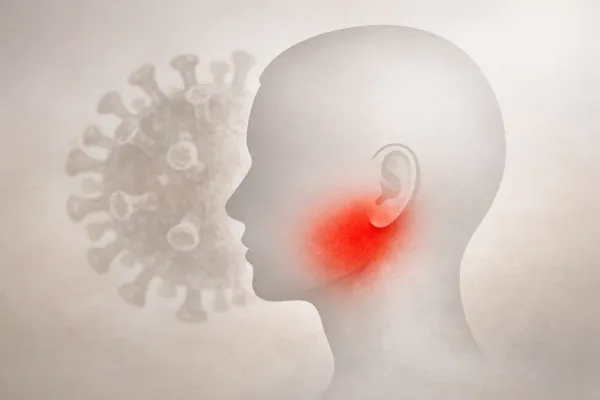
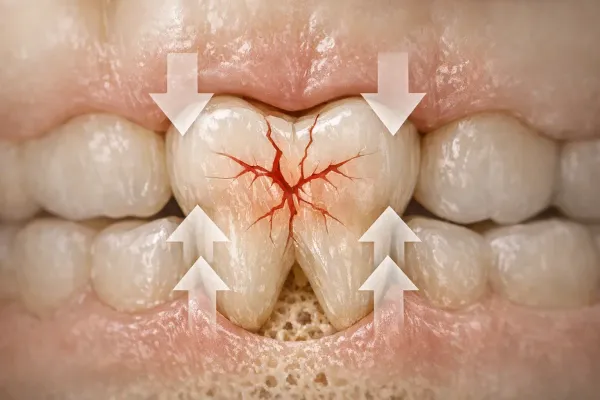
Clinically, dentists see a predictable timeline: first a dull ache at the jaw angle, then tiny craze lines in enamel, and finally, chipping on the incisal edges of front teeth. Each stage can take months, giving you plenty of warning if you know what to look for. For more on managing jaw pain effectively, consider exploring effective TMJ treatments.
What is Known, Suspected, and Unsupported
Current Research Findings
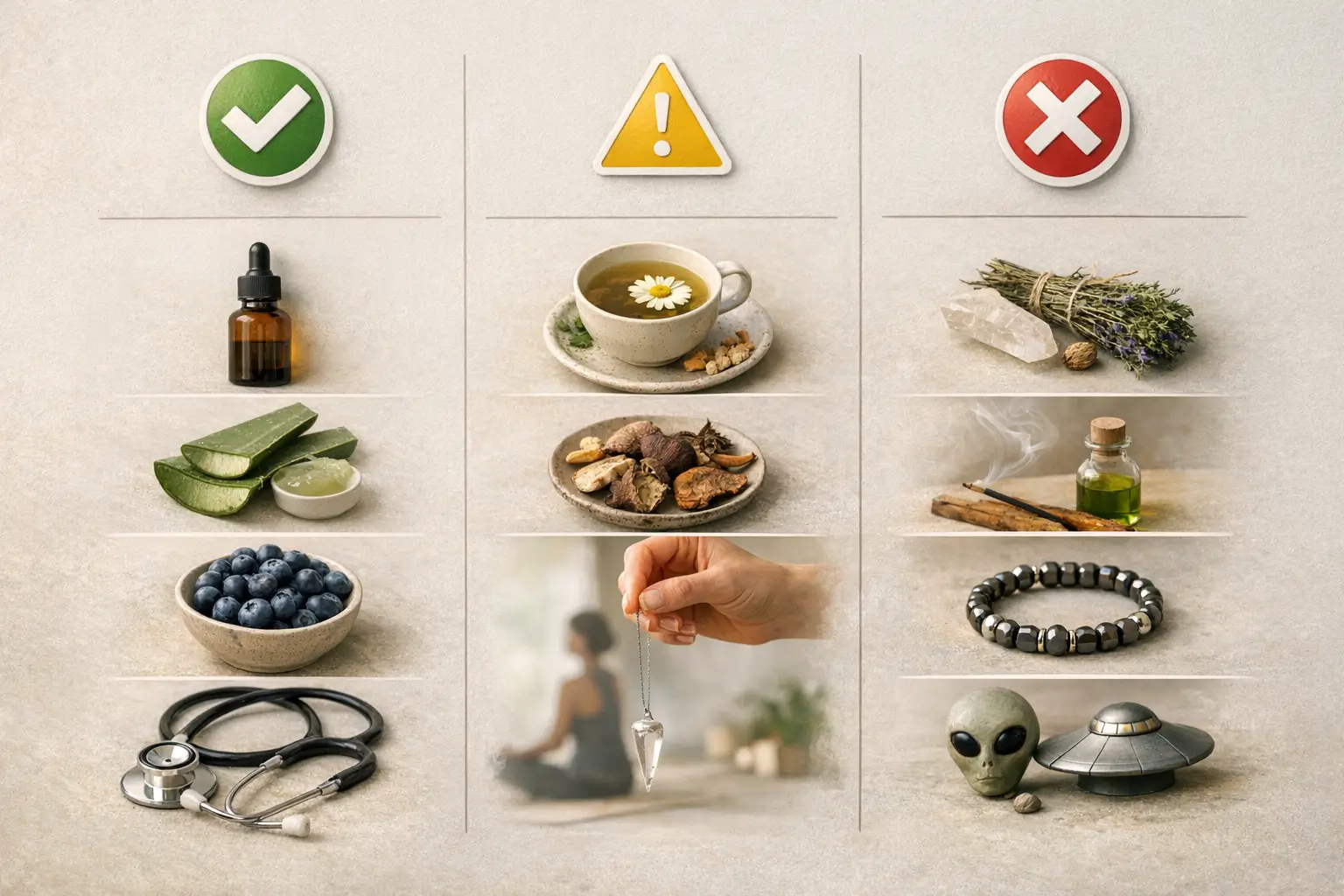
Let's sort the evidence tiers so you can gauge your personal risk without wading through PDFs.
- Well-documented: Local gum irritation and reversible mucosal lesions with prolonged pouch contact (Ali et al. 2026).
- Plausible and supported by multiple data streams: Nicotine-induced hyperactivity in jaw muscles leading to increased bruxism episodes. Evidence comes from stimulant physiology, sleep studies, and trial protocols (NIDA; Holliday et al. 2025).
- Correlated but not yet causal: Changes in plaque accumulation and enamel surface properties after nicotine exposure (Ibrahim et al. 2025), and fluorescent plaque measurements in exclusive electronic nicotine users (La Rosa et al. 2024).
Areas Requiring Further Study
Despite the increase in publications, significant gaps remain:
- Long-term bruxism outcomes. Most studies track oral lesions or general side effects. Few use polysomnography to measure grinding frequency in pouch users over years.
- Interaction with stress and caffeine. Bruxism rarely has a single cause. We lack studies examining nicotine combined with other stimulants to see if risks add up or multiply.
- Reversibility of enamel changes. Early in vitro data show surface roughening, but clinical recovery timelines after quitting pouches are uncharted.
- Adult versus adolescent tissue response. Younger users may have different mucosal turnover rates and hormonal environments, influencing lesion formation.
For now, linking nicotine pouches to severe, irreversible tooth damage remains in the “unsupported” category. No published paper has followed pouch users long enough to confirm such claims.
Managing Bruxism While Using Nicotine Pouches
Protective Measures
Grinding isn't all-or-nothing. Even if you continue using pouches, you can reduce the impact:
- Custom night guard. Dentists can fabricate a hard or dual-laminate guard that fits your bite. The American Dental Association lists night guards as first-line protection against wear facets and fractures.
- Over-the-counter boil-and-bite guard. Cheaper but less durable. An OK temporary fix while deciding on a custom option.
- Scheduled pouch timing. Reserve pouches for daytime, at least four hours before bedtime. Reducing nocturnal nicotine peaks lowers muscle activation during sleep.
- Hydration and oral moisturizers. Adequate saliva buffers acids and lubricates tooth surfaces, making grinding sounds less like two bricks rubbing.
- Limit other stimulants. Coffee, pre-workout drinks, and certain ADHD meds can stack with nicotine. Space them out or consult your prescriber about dose timing.
- Micro-breaks for the jaw. Set a 90-minute phone timer. When it buzzes, rest the tip of your tongue on the roof of your mouth, teeth apart, lips closed. This position, called the “N-rest,” lets the masseter relax for 30 seconds.
- Warm compresses at bedtime. A microwaved, lightly damp towel draped over the cheeks for five minutes can reduce jaw muscle EMG activity by 15% in small sleep-lab studies.
Consulting Healthcare Providers
Jaw pain that wakes you isn't a DIY project. Consult professionals:
- Dentist. Ask for an occlusal evaluation. Photos, bite-wing X-rays, and digital scans reveal early wear you can't see in the mirror.
- Sleep specialist. If you also snore or feel chronically tired, consider a polysomnogram. Sleep apnea and bruxism often co-occur. For more understanding, check out the connection between sleep disorders and bruxism.
- Primary care or addiction specialist. If quitting or tapering nicotine is on your mind, you have options beyond cold turkey. The ENHANCE-D protocol (Holliday et al. 2025) is just one example of structured support.
- Physical therapist. Jaw and neck exercises can retrain resting muscle tone. An athletic study on jaw clenching drills, Fadillioglu et al. 2023, found that a week of controlled clenching improved dynamic balance. The same principle, neuromuscular re-education, can help relax overstimulated jaw muscles.
Remember, a mouthguard addresses symptoms. Reducing stimulant load tackles the cause. The best plan usually blends both. For more on how SSRIs may cause bruxism and jaw clenching, consider exploring the detailed analysis.
Conclusion
Nicotine pouches offer smoke-free convenience, steady stimulation, and potentially a clenched jaw that could wear down your enamel as you sleep. Current research confirms gum irritation and strongly suggests a stimulant link to bruxism. Catastrophic tooth loss, however, remains unproven territory.
Your smartest move is active monitoring: track your pouch timing, watch for gum changes, and wear a guard if your dentist advises. Keep an eye on new studies. Research teams are already investigating long-term effects on enamel and sleep-stage bruxism. As data evolves, adjust your habits. Science is a moving target, but your teeth are not. Protect them now to prevent future regrets.