Innovative Sleep Aids for Bruxism Management: Exploring the Latest Solutions
Discover cutting-edge sleep aids and technologies for managing bruxism effectively.
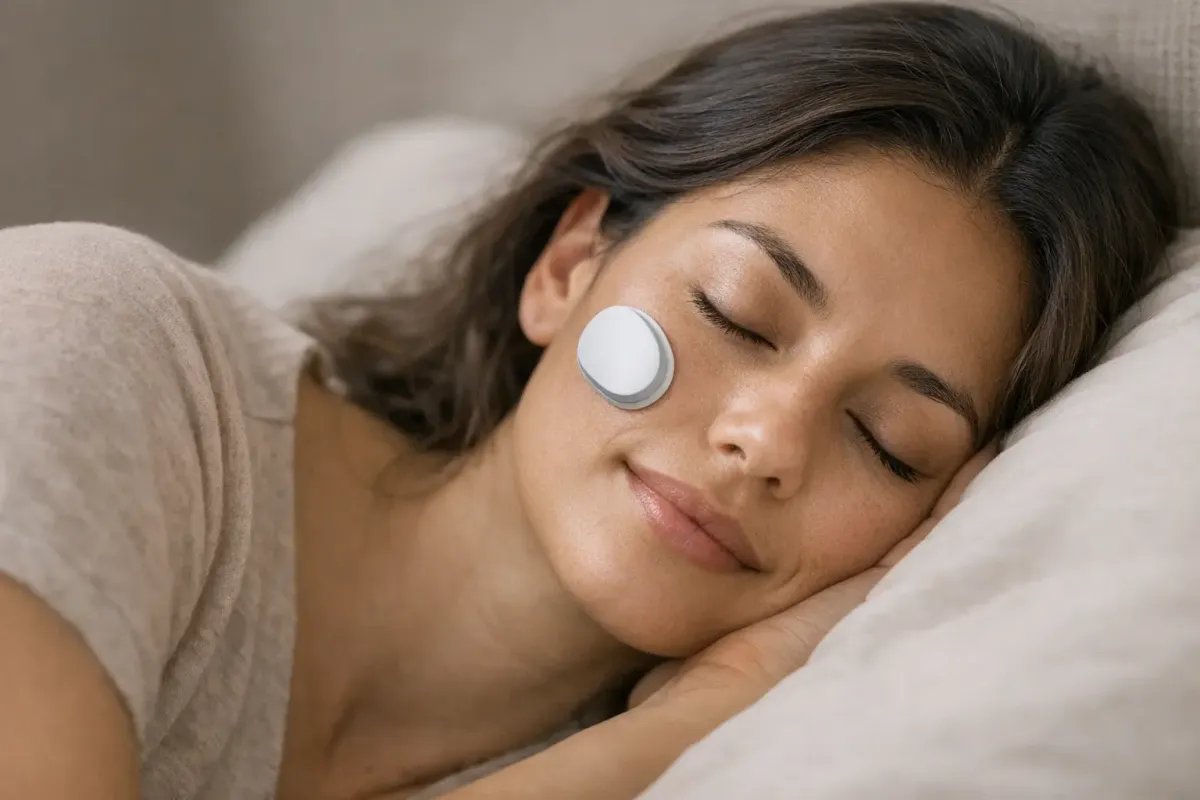
Teeth grinding, or bruxism, used to be something your dentist noticed after the damage was done. You'd get a comment about flat molars, then go home with a bulky night guard. Over the past decade, sleep scientists, engineers, and even origami fans have joined the bruxism arena. This has led to a surge of gadgets, sensors, and smart materials that aim to protect your smile and your sleep in real time. This article explores the research, its significance, and the future of bruxism technology.
Relax, unclench your jaw, and let's dive into the latest solutions for managing nighttime grinding.
Understanding Bruxism: Causes and Effects
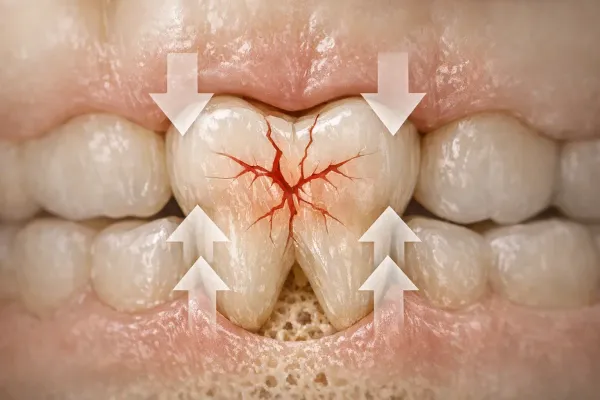
Bruxism is the clinical term for grinding or clenching your teeth, often during sleep. The American Dental Association notes that about one in ten adults shows signs of the habit. While it may seem harmless, chronic grinding can chip enamel, trigger jaw pain, and contribute to headaches. Daytime bruxism is often linked to stress or concentration, while sleep bruxism is usually involuntary and harder to detect.
A 2024 study led by Nykänen et al. tracked participants using a phone-based bruxism screener. It found that those with masticatory muscle pain reported awake bruxism almost twice as often as healthy controls. In simple terms, sore jaw muscles and clenching are closely related. The study also indicated that self-reporting is unreliable; many participants underestimated how often they grind their teeth.
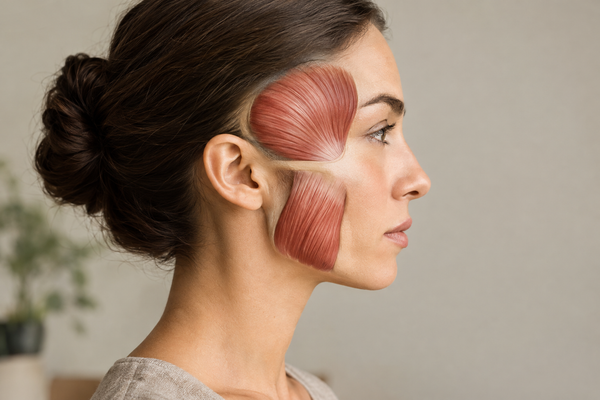
Why does grinding occur? Researchers point to a mix of factors: genetics, misaligned bites, stress hormones, certain medications, and fragmented sleep. The Sleep Foundation adds that caffeine and alcohol can worsen the situation by increasing arousal levels during the night. The masseter muscles, responsible for closing your jaw, activate in rhythmic bursts. Each burst may last just seconds, but over hundreds of cycles per night, they exert more force on enamel than daytime chewing.
Diagnosis is challenging because most episodes occur unconsciously. Dentists look for wear patterns, cracked fillings, or muscle tenderness. Polysomnography, the gold-standard sleep test, can confirm rhythmic masticatory muscle activity, but it is expensive and inconvenient for routine screening.
This diagnostic challenge drives innovation in home-use tools. Gul Zeb and colleagues developed an advanced sensing system that combines electromyography (EMG) electrodes with algorithms to detect bruxism across different sleeping positions. Their work suggests a future where your pillow can alert you about jaw issues before lasting damage occurs. For alternative methods of identifying bruxism symptoms early, you might want to explore recognizing bruxism symptoms before they worsen.
Bottom line: Bruxism is common, sneaky, and potentially harmful. Better early detection methods are needed, and new diagnostic tools are stepping up to the challenge.
Advanced Diagnostics for Bruxism: Leveraging Technology
Tech firms and researchers are transforming bedrooms into mini sleep labs. By tracking muscle signals, bite forces, and head movements, modern systems aim to quantify grinding episodes without cumbersome wires.
Electromyography (EMG)
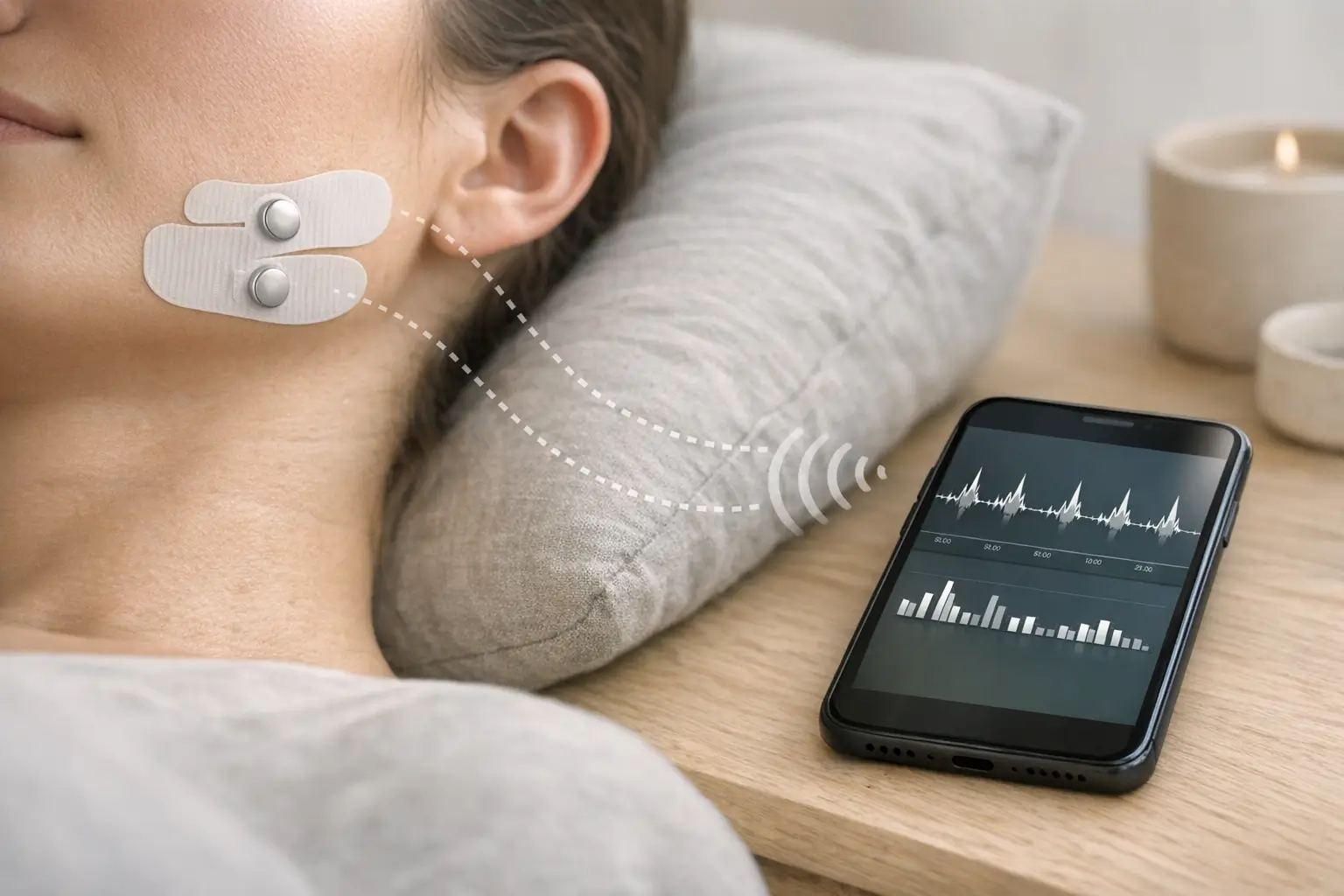
EMG measures the tiny voltage your muscles produce when they contract. Traditional sleep studies use electrodes along the jawline, but the cable tangle can disturb sleep. Gul Zeb’s 2024 EMG system addresses comfort by using flexible, skin-friendly patches. These sensors capture muscle bursts in various sleeping positions, outperforming older rigid electrodes.
Raw EMG data appears as a series of spikes, so accuracy relies on smart filtering. An ensemble expert system by Tripathi et al. fed EMG and heart-rate data into multiple classifiers. Think of it as a panel of judges determining if an episode is bruxism. By combining the votes, the system achieved detection accuracies above 90 percent in pilot trials.
What does this mean for you? A patch the size of a postage stamp could eventually replace a night in a sleep clinic, providing dentists with digital reports instead of mere guesses. For those interested in home-based solutions, exploring the role of wearable tech in bruxism management could be beneficial.
Machine Learning Applications
Machine learning excels at recognizing patterns, and bruxism offers plenty. Once models are trained on labeled EMG spikes, they can analyze hours of data in seconds. Tripathi’s team experimented with random forests and support vector machines to reduce false positives from talking or yawning. In consumer devices, cloud-based analysis might deliver your overnight jaw stats to an app by morning.
Another frontier is combining EMG with audio or motion sensors. If algorithms detect muscle bursts along with tooth impact noise, their confidence increases. A future app could even correlate grinding with REM stages, aiding sleep physicians in refining therapies. To understand the broader impact of sleep on bruxism, you might want to read about how sleep positions influence nighttime teeth grinding.
The takeaway: Advanced diagnostics are becoming smaller, smarter, and more comfortable. They pave the way for interventions that respond in real time rather than after your molars suffer damage.
Innovative Wearable Sleep Aids for Bruxism
Once grinding is detected, the next step is to stop it. Wearable devices offer gentle, immediate feedback rather than morning-after lectures from your dentist.
Pressure Sensors Inspired by Origami
Engineers at National Cheng Kung University have folded conductive paper into an origami-style pressure sensor. Creases act like springs, amplifying tiny forces from jaw clenching. The sensor conforms to facial contours, providing a more comfortable alternative to plastic mouth guards. When pressure exceeds a certain threshold, the circuit closes and can trigger a gentle vibration to interrupt grinding.
Origami sensors are scalable. Dozens could be embedded in a slim cheek patch, mapping pressure across your bite. Cleaning is as simple as replacing the inexpensive paper layer. For more on innovative designs, see our guide on innovative mouth guards for bruxism relief.
Novel Wearable Devices
Beyond paper, startups are exploring silicon wafers, hydrogel pads, and even bone-conduction speakers. Gul Zeb’s sensing work feeds directly into these designs. Imagine a small device behind the ear that listens to masseter spikes. When grinding starts, it may deliver a subtle beep or a micro-pulse, training your brain to relax the jaw without waking you.
Advantages of wearables include:
- Continuous monitoring over weeks, revealing patterns tied to stress, caffeine, or workout days.
- Data syncing with dental apps, providing your clinician with objective metrics rather than guesswork.
- Low invasion: many prototypes sit outside the mouth, avoiding the saliva and comfort issues of traditional guards. For those seeking guidance on mouth guards, you might find insights in comparing custom vs. OTC night guards.
Early studies report promising adherence rates, likely because users forget they are wearing the devices after a few nights. This is a refreshing change from bulky acrylic guards that end up unused.
Non-Invasive Dental Solutions for Teeth Grinding
If you prefer a hardware fix that doesn’t beep or buzz, dentistry offers new tricks.
No-Prep Dental Prostheses
Traditional crowns often require reshaping your tooth, a prospect that many find daunting. Enter no-prep zirconia resin-bonded fixed dental prostheses. These wafer-thin replacements attach to adjacent teeth with minimal drilling. They are strong enough to resist grinding forces thanks to yttria-stabilized zirconia, a ceramic used in aerospace.
The main benefit for bruxers: extra enamel stays intact. If the prosthesis chips, your natural tooth underneath remains protected. The glossy zirconia surface is smoother than traditional composites, potentially reducing muscle hyperactivity. For more on advanced dental solutions, explore advanced bruxism treatments.
Advanced Dental Materials
Materials scientists are testing everything from fiber-reinforced resins to nanohybrid composites. Sofiani and colleagues conducted an elasto-static analysis of composite restorations in molars, showing how certain fillers distribute forces better than older resins. When used as onlays or overlays, these materials can act like shock absorbers against grinding.
In practice, your dentist might suggest an ultra-thin overlay instead of a full guard. It bonds directly to biting surfaces, preserving bite feel while protecting enamel. Because the overlay is tooth-colored and polished, patients often forget it’s there, encouraging long-term use.
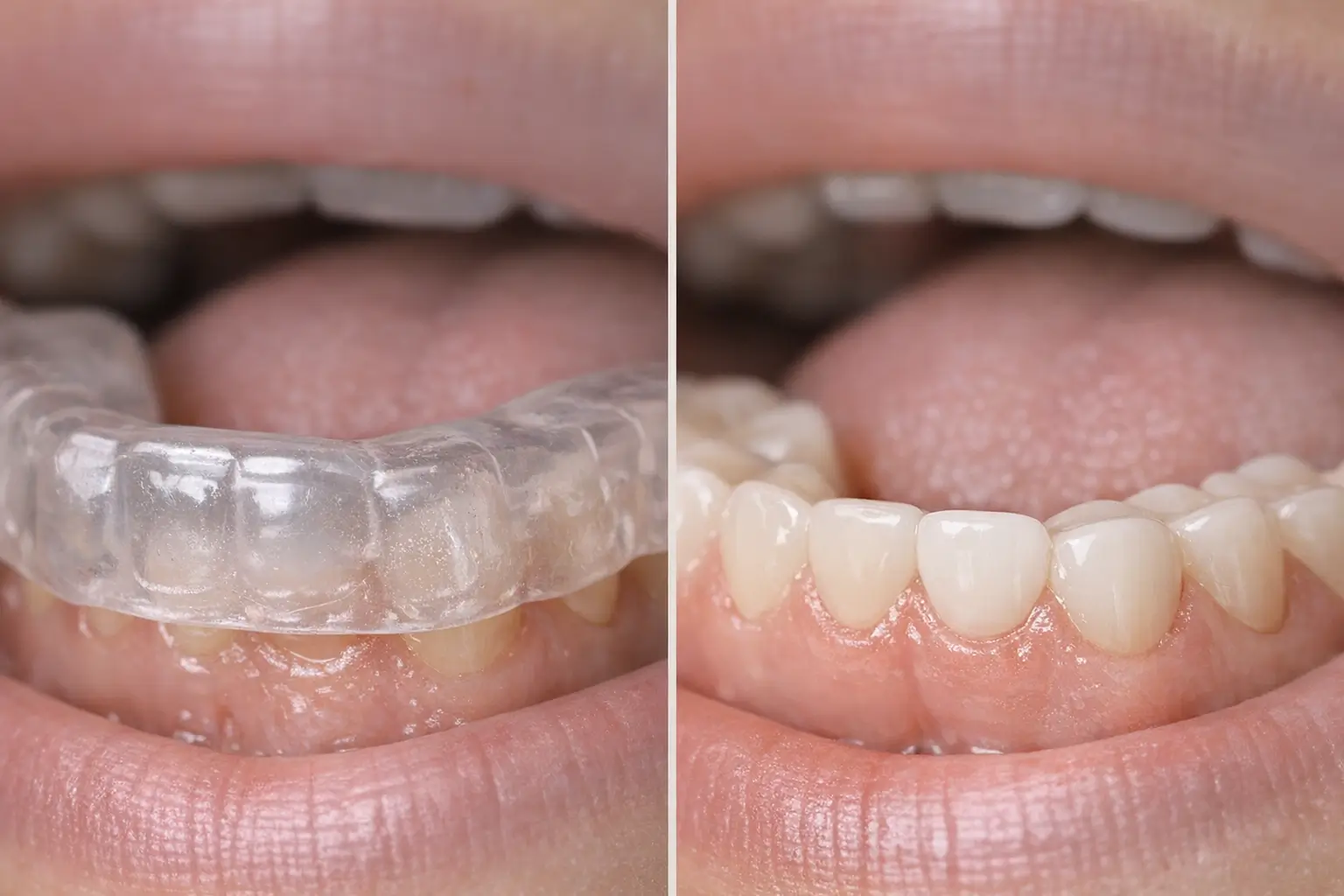
These dental options allow you to reinforce vulnerable teeth without undergoing major surgery or braces.
Combining Therapies: A Holistic Approach to Bruxism
No single gadget solves every case. Bruxism involves neurology, psychology, and oral mechanics, so the best plans combine various tactics.
Behavioral Interventions
Behavioral therapy is a solid starting point. Pihut and colleagues outlined diagnostic and treatment principles for temporomandibular disorders in their 2025 review. Relaxation exercises, habit reversal training, and biofeedback are effective. For instance, placing the tongue on the roof of the mouth and keeping teeth apart can retrain muscle memory.
Smart wearables can enhance these methods by providing instant feedback. If your patch detects clenching, a phone notification reminds you to relax the jaw. Over time, this cue-response loop rewires muscle patterns, similar to how fitness trackers encourage daily steps. For a deeper understanding of behavioral strategies, consider exploring comparing CBT and mindfulness techniques for bruxism.
Pharmacological Treatments
Medication is rarely the first choice, but it can help in stubborn cases. Vortioxetine, an antidepressant, has gained attention for both causing and relieving bruxism. An FDA adverse-event analysis by Li et al. reviewed thousands of records, noting bruxism as a side effect but also cases where vortioxetine reduced anxiety, indirectly easing grinding.
If your bruxism stems from mood disorders, addressing serotonin pathways may offer dual benefits. However, any drug approach requires close physician supervision. Combining medication with wearables could allow low doses while sensors track muscle response, providing a data-driven way to fine-tune therapy. For alternative medication options, you might want to learn about muscle relaxants for bruxism.
Other medications, such as muscle relaxants or botulinum toxin injections, can be used in short bursts during stress peaks. The ultimate goal is to taper off once habits improve.
Future Directions in Bruxism Research and Management
Where is the research heading? One clue comes from orthodontic studies. A 2024 cross-sectional study linked malocclusion to temporomandibular disorders, suggesting that bite alignment is still important. As clear aligner technology advances, micro-adjustments could be integrated into night appliances, blending orthodontics with sensor arrays.
Age also plays a role. Dal Fabbro and coworkers observed shifting patterns of rhythmic muscle activity across age groups. Younger individuals had more episodes overall, while older adults showed shorter bursts. Future wearables may adapt thresholds based on age-specific norms, reducing false alarms and personalizing feedback.
On the horizon:
- Smart pillows with embedded EMG strips that send data to cloud dashboards.
- 3-D-printed dental overlays custom-fitted from a smartphone scan.
- Closed-loop devices that detect grinding and deliver timed jaw-relaxation pulses synchronized with breathing cycles.
The convergence of material science, machine learning, and telehealth suggests a future where bruxism management is seamless and proactive rather than reactive.
Conclusion: Embracing Innovation for Effective Bruxism Management
You now have a wide range of options that go beyond the traditional night guard. From origami pressure sensors to serotonin-modulating medication, the toolbox is diverse and expanding. Diagnostics powered by EMG and machine learning can identify issues early, while non-invasive dental materials protect enamel without invasive procedures. By blending technology with behavioral changes and, when necessary, carefully monitored medication, you can tackle grinding from all angles.
You don't have to accept cracked molars or tension headaches as part of your bedtime routine. Discuss with your dentist or sleep specialist about integrating one of these innovative aids into your life. Your jaw, your sleep, and your overall well-being will benefit. For further insight into effective strategies, see how practical solutions can help stop grinding teeth during sleep.