Can Jaw Pain Be a Sign of Bruxism? Exploring the Connection
Discover the link between jaw pain and bruxism, and explore lesser-known symptoms.
Wake up with a stiff jaw and a dull ache near your ears? You might think it's from yesterday’s taffy binge, but odds are good that the real culprit is something that happens while you sleep. Bruxism, better known as tooth grinding or clenching, is a common issue. Many cases go unnoticed because the signs are sneaky. This article explores the research on how bruxism affects your jaw, messes with your sleep, and is even linked to screen habits. You'll leave with solid facts and practical solutions.
To keep things honest, every claim below links to peer-reviewed studies or respected medical sites. No TikTok “hacks,” no nonsense. Just science with a touch of attitude.
Understanding Bruxism: More Than Just Teeth Grinding
If you imagine bruxism as a comic-book villain twisting its mustache while squeaking teeth together, you're only half right. Modern definitions put grinding and clenching on the same spectrum, split into two time zones: sleep bruxism and awake bruxism. At a recent global meeting, experts redefined bruxism to focus on jaw-muscle activity rather than noise or tooth wear alone. The consensus report, led by Verhoeff, Lobbezoo, and Ahlberg, stresses that bruxism can be rhythmic or sustained and may occur without any grinding sound at all. Learn more about sleep disorders and their connection to bruxism for a deeper understanding.
Why is this wording important? Older definitions left many people undiagnosed. If your partner never hears grinding, you might think you're safe, yet your masseter muscles could be clenching hard enough to crack a walnut. The new standard encourages dentists and doctors to use muscle-activity trackers, bite-force sensors, and detailed patient interviews. A recent paper describing the Standardised Tool for the Assessment of Bruxism outlines questionnaires and electromyography (EMG) protocols for earlier and more accurate detection.
Common myths still float around:
- Myth 1: “Only stressed people grind.” Stress is a big trigger, yet genetics, medications, and headaches also play roles.
- Myth 2: “Kids grow out of it.” Some do, but adolescent bruxism can persist into adulthood, especially when lifestyle factors stick around.
- Myth 3: “If my teeth look fine, I am not grinding.” Enamel wear is just one sign; muscle fatigue and joint soreness often show up first.
Bottom line: bruxism is a muscle behavior, not merely a dental problem. Once you frame it that way, jaw pain makes perfect sense.
The Jaw Pain Connection: How Bruxism Affects Your Jaw
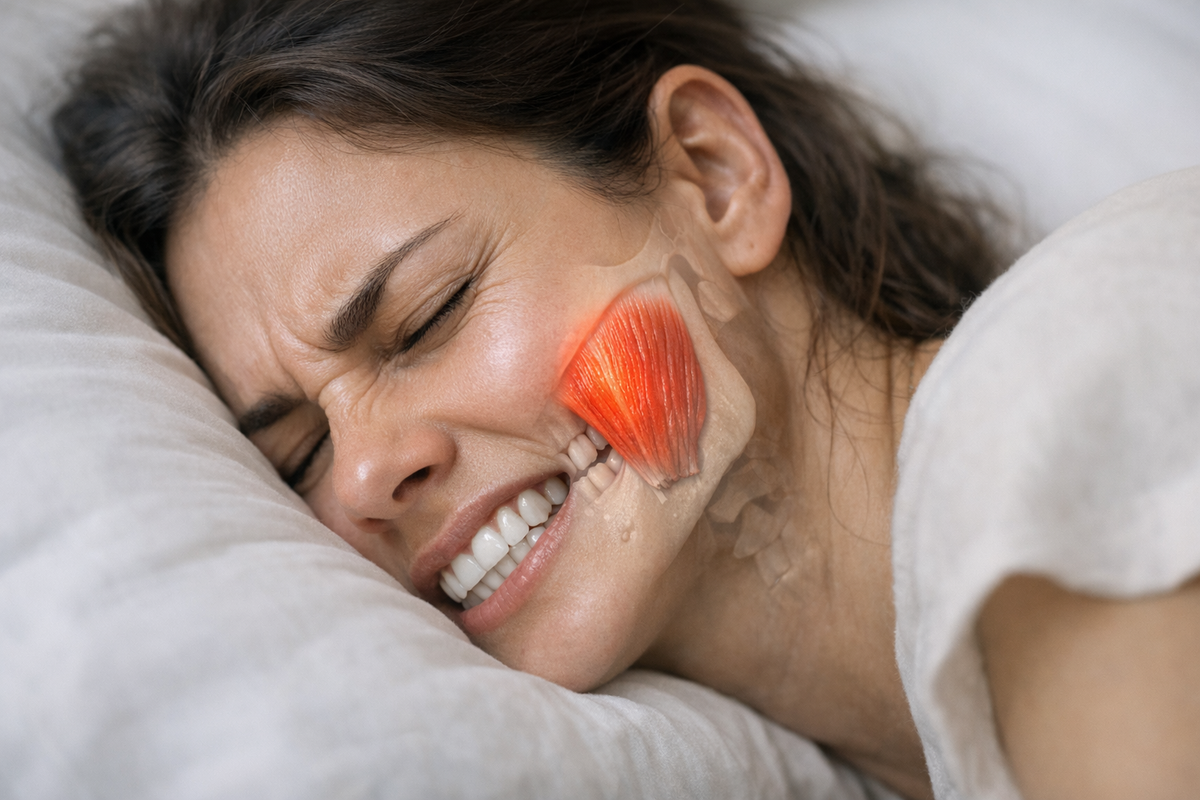
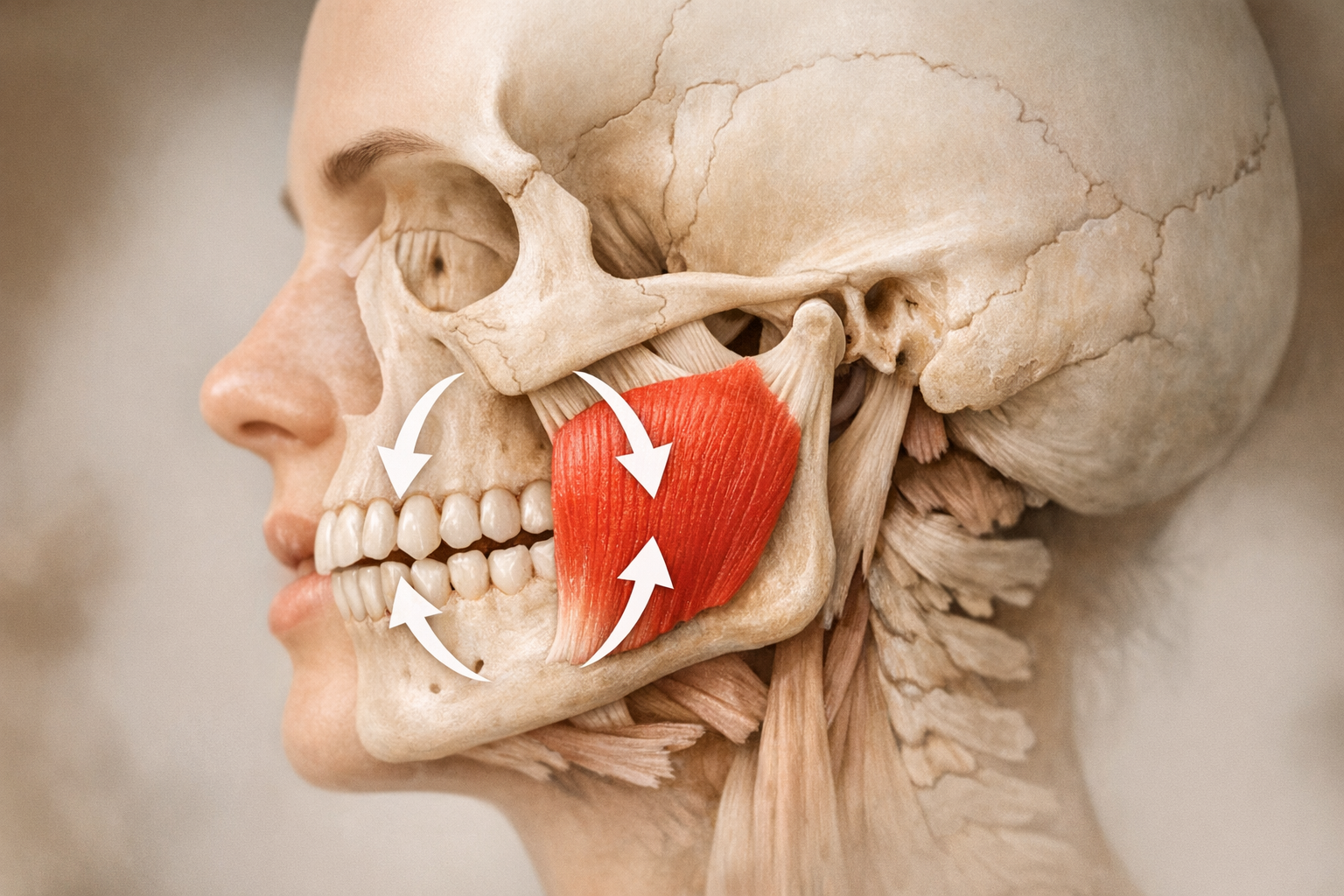
Your jaw is like a power hinge. When you clench, you recruit the masseter, temporalis, and a team of smaller muscles. Over time, that workout turns against you, leading to soreness, fatigue, and sometimes sharp pain. A randomized trial compared splints with Botox for jaw-muscle pain in bruxers and confirmed that repeated nighttime clenching inflames muscle tissue and irritates the nerves. The result: you wake up feeling like you chewed through leather.
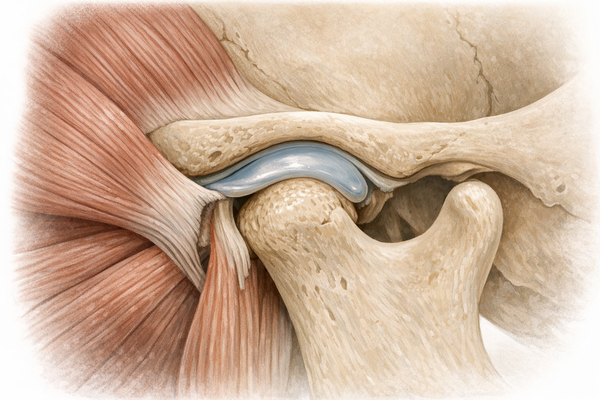
Jaw pain can also come from micro-trauma at the joint itself. Each forceful bite pushes the condyle (the rounded end of your jawbone) against the socket. That pressure may thicken cartilage at first, but chronic overload eventually sparks inflammation in the temporomandibular joint (TMJ). The American Dental Association notes that persistent clenching is a leading contributor to TMJ disorders.
The Role of the Masseter Muscle
The masseter holds the title of strongest muscle for its size. During bruxism episodes, it can produce forces topping 200 pounds per square inch. That pressure sends lactic acid into overdrive, which you feel as a dull ache near the cheeks. Fascinatingly, the same nerve supply connects the masseter to parts of the ear canal. A study used that link to treat tinnitus by applying transcutaneous electrical nerve stimulation (TENS) directly to the masseter, showing reduced jaw tension and fewer ear-ringing episodes.
In regular practice, dentists often start with occlusal splints—custom night guards—to spread the bite force and give muscles a break. For stubborn pain, low-dose Botox calms the masseter by blocking acetylcholine release. Research found both splints and Botox effective, but Botox acted faster for pain relief while splints offered long-term tooth protection. If needles give you the creeps, physical therapists may offer muscle massage, dry needling, or TENS pads placed over the cheeks to ease spasms.
Ignoring jaw pain is like driving a car on low oil; sooner or later, the engine complains. Next, we look at other warnings your body might be sending.
Beyond Jaw Pain: Recognizing Other Signs of Bruxism
Your jaw is loud when it hurts, but bruxism is a multitasker. Headaches, ear pain, chipped teeth, and neck stiffness can all trace back to clenching. A narrative review linked bruxism with tension-type headaches and migraines, pointing to shared pain pathways in the trigeminal nerve. Another review explained that the repetitive loading of the TMJ may kick off inflammation that radiates to nearby muscles, fueling headache cycles.
Temporomandibular Disorders and More
Temporomandibular disorders (TMDs) serve as an umbrella term for joint noises, limited opening, and pain around the jaw hinge. Not every TMD patient grinds, but studies show a significant overlap. One reason is the disc inside the joint; bruxism pushes and pulls on it, sometimes causing a click. Over time, cartilage may thin, leading to arthritis-like changes. The Cleveland Clinic warns that untreated bruxism can speed up this wear and even dislocate the disc.
Less obvious signs include:
- Tooth fractures or flat chewing surfaces. Enamel never grows back, so chips are permanent.
- Sensitive teeth. Continuous pressure can expose dentin, making hot coffee feel like lava.
- Ear fullness. Muscle tension near the Eustachian tube can create a clogging sensation.
- Neck and shoulder pain. Clenching often recruits the sternocleidomastoid and upper traps.
Spotting these patterns early means you can intervene before hitting the dental equivalent of a four-alarm fire.
Bruxism and Mental Health: The Stress Link
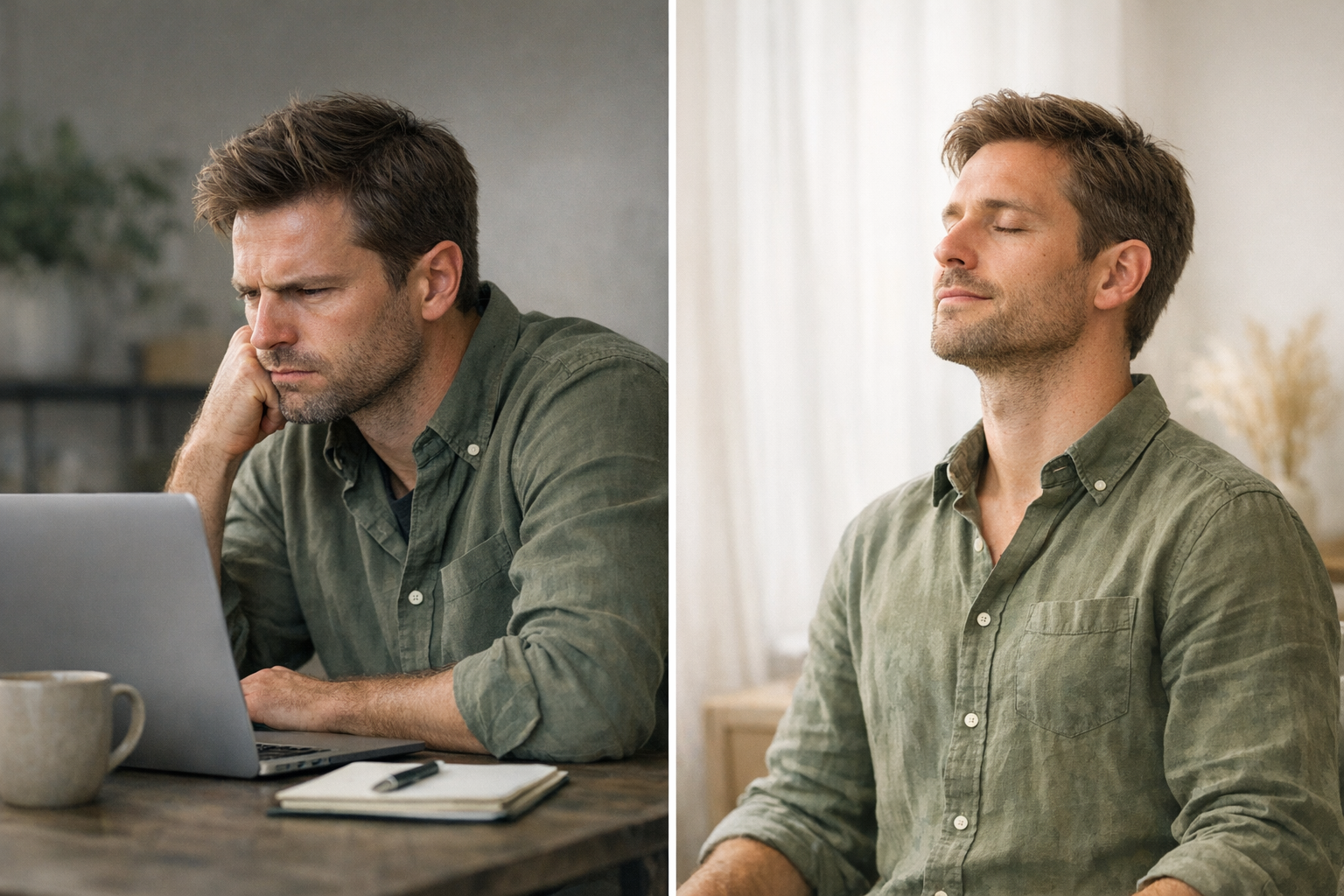
Stressed spelled backward is desserts, but no amount of chocolate cancels cortisol. The adrenal buzz from daily deadlines can kick jaw muscles into overdrive. A systematic review evaluated numerous studies and confirmed a moderate to strong relationship between bruxism and elevated stress and anxiety scores. Respondents with high perceived stress were roughly twice as likely to report bruxism behaviors.
Researchers believe the link is both central and peripheral. Central because stress hormones change sleep architecture, raising micro-arousal events when grinding peaks. Peripheral because anxious people often adopt awake clenching as a self-soothing move. Interestingly, a randomized trial found that manual therapy plus guided home exercises not only eased jaw pain but also reduced stress scores on the Perceived Stress Scale. That suggests breaking the muscle loop feeds back into the emotional loop.
You might not conquer corporate culture in one night, yet simple strategies—mindful breathing, consistent bedtime, pen-and-paper journaling—reduce nervous-system arousal. Apps that remind you to “drop your jaw” every hour can cut daytime clenching. Some people even place a sticky note on their monitor with the word “Lips together, teeth apart,” which sounds corny until you measure the relief.
Key takeaway: your jaw may be grinding out a SOS that your brain is overloaded. Address both for the best shot at relief.
Modern Lifestyle Factors: Bruxism in the Digital Age
Smartphones, the Swiss Army knives of modern life, might also be tiny jaw saboteurs. A study on adolescents linked high phone use—especially scrolling in bed—to increased rates of sleep bruxism, neck pain, and poorer sleep quality. The theory: blue light delays melatonin, while forward-head posture strains neck muscles that share fascia with the jaw. Add emotional arousal from late-night social feeds and you have a bruxism cocktail.
The Impact of Smartphone Use
Your head weighs about as much as a bowling ball. Tilt it 45 degrees to check a text and the effective load on your neck jumps to roughly 50 pounds. That strain triggers compensatory clenching high up the chain, similar to how a runner’s tight calves can cause hip pain. Over time, micro-contractures form in the sternocleidomastoid and scalenes, and the jaw must pick up slack to stabilize the skull.
Adolescents are not the only at-risk group. Adults glued to late-night Netflix marathons face the same melatonin suppression. The National Institute of Dental and Craniofacial Research notes that disrupted sleep patterns can worsen bruxism episodes. Combine that with deadline stress and caffeine, and your jaw barely gets a rest.
Quick tech hygiene tips:
- Use night-shift or blue-light filter modes after sunset.
- Park the phone on a stand at eye level to avoid turtle neck.
- Set a screen curfew at least 30 minutes before lights-out.
- Substitute doom-scrolling with low-light reading or gentle stretching.
These moves protect your neck and gift your jaw a quieter night.
Improving Sleep: Bruxism's Effect on Sleep Quality
Your jaw might clock overtime while you sleep, but the collateral damage hits the next day. A systematic review and meta-analysis examined polysomnography data and found that both sleep and awake bruxism reduce overall sleep efficiency and shorten rapid eye movement (REM) phases. Less REM translates to groggy mornings, weaker memory consolidation, and worse mood control.
The review also noted that bruxers average about 20 more micro-arousals per night than non-bruxers. Each arousal is brief, but like pop-up ads, they ruin the flow. Over months, the sleep debt piles up, raising blood pressure and dulling pain thresholds, which circles back to amplify jaw pain.
Tools that help:
- Custom night guards. They do not stop muscle activity but buffer teeth and may dampen sensory feedback that fuels grinding. Learn how to safely use a mouth guard for teeth clenching at night for optimal results.
- Biofeedback devices. Some headbands vibrate gently when they detect clenching, nudging the jaw to relax without waking you fully.
- Sleep-hygiene basics. Cool, dark room; same bedtime; no heavy meals late. Boring, yet proven.
- Address sleep apnea. Up to 50 percent of people with apnea also grind. A professional sleep study can reveal hidden airway issues.
Better sleep means less grinding, which means better sleep. Start the cycle anywhere and it swings in your favor.
Conclusion: Managing Jaw Pain and Bruxism
Jaw pain is not just a random nuisance. It is often a neon arrow pointing at bruxism, whether you grind at night, clench during Zoom calls, or do both. The research paints a clear chain: muscle overuse inflames the masseter, stress and screen habits feed the cycle, and poor sleep keeps it rolling.
Your action plan:
- Track symptoms with a simple journal or phone app. Look for patterns with stress, caffeine, or screen time.
- See a dentist for a proper evaluation and possibly a night guard.
- Tackle stress head-on with relaxation, exercise, or counseling. Explore mindfulness techniques to reduce night teeth clenching for stress relief.
- Upgrade sleep hygiene: cool room, set curfew for devices, and screen for apnea if snoring is loud.
- Consider physical therapy, TENS, or even Botox if pain persists.
Take the hint your jaw is shouting. A few targeted changes can dial down the pain and let you wake up ready to chew—not chew you up.