Pro Teeth Guard review: is it worth it?
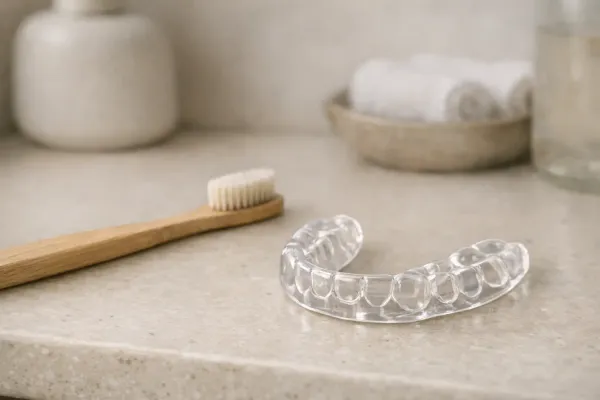
My dentist quoted me $550 for a night guard. Not for treatment, not for working out why I grind my teeth in the first place. For a piece of molded plastic to sit in my mouth while I sleep.
I asked what was in the $550. The honest answer, once you strip out the chair time, is a mold and a lab fee. The lab does the actual work. The dentist (or their assistant) takes the impression, mails it to a lab, and marks it up.
So the obvious question is whether you can just buy from the lab. You can. Pro Teeth Guard is one of the labs doing it, and after digging into how they operate, they're the one we point people to.
This is an affiliate review. If you buy through our links we earn a commission, and you can read exactly how that works. It hasn't bought them a free pass. There's a section below on what I don't like.
tl;dr
- A real dental lab in San Marcos, California that has made guards for dentists for over 20 years and now sells direct.
- Roughly $145 to $220 depending on the tier, against $300 to $800 at a dental office.
- A 60-day 110% money-back guarantee. Not 100. They refund more than you paid and cover return shipping.
- You take the impression at home. Budget 3 to 4 weeks from ordering to wearing it.
- FSA and HSA cards work at checkout, so you can often pay with pre-tax money.
- Not the right call if you need something tonight, or if your bite problem is complicated enough that a dentist should be watching you bite.
What it actually is
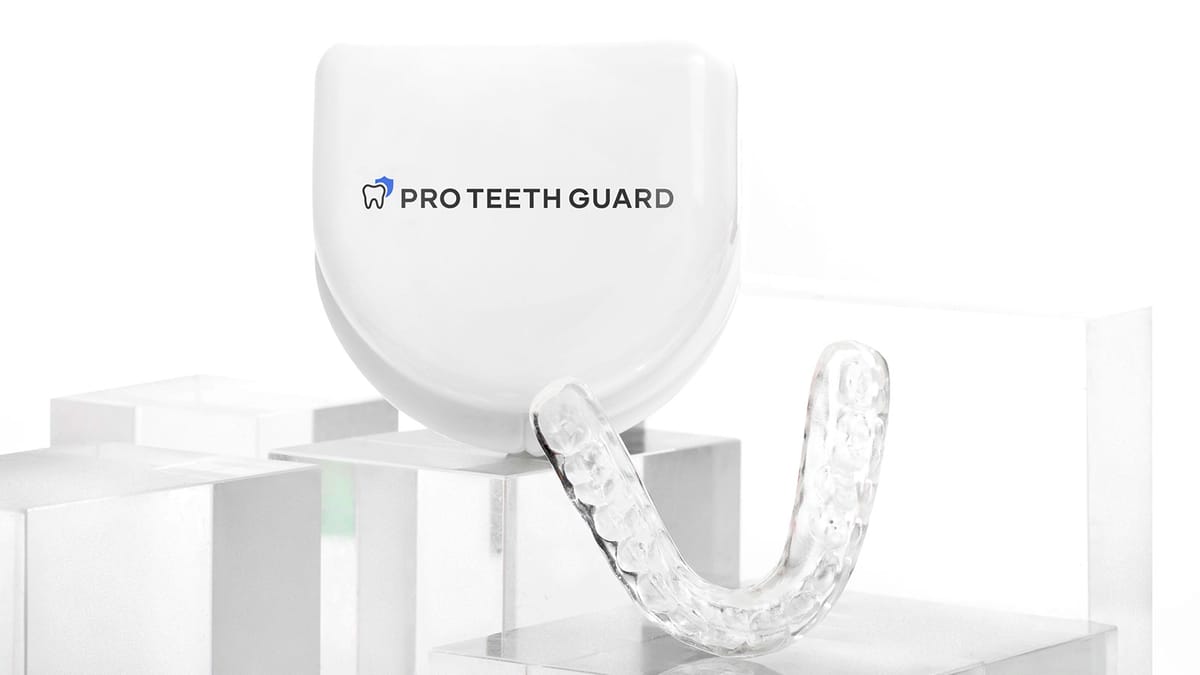
Pro Teeth Guard isn't a startup that outsources to a factory. It's a dental lab in San Diego County that has been making night guards, dentures, and appliances for dental offices for over 20 years. At some point they worked out they could sell the same product straight to the people wearing it. They say they're past 58,000 guards delivered.
That matters for one specific reason. When you buy a guard from your dentist, a lab like this one is who makes it. Same materials, same process, same machines. What you're paying the extra $300 for is the dentist taking the impression instead of you, and the ability to walk back in and have it adjusted.
Those two things aren't worth nothing. But they're not worth $300 for most people either.
Is Pro Teeth Guard legit?
What checks out. Theirs is a real dental lab at a real address, 804 N. Twin Oaks Valley Rd in San Marcos, California, with a toll-free number that a person answers during Pacific business hours. They have a BBB profile. They have been referenced by Sleep Foundation and Tuck in night guard roundups. The 110% guarantee is written into their published terms rather than being a line in an ad.
What I would treat carefully. The "500+ five-star reviews" and the 58,000 guards delivered are their own numbers, published on their own site, and there is no way for me or you to audit either. That does not make them false. It makes them marketing.
The strongest signal is the refund policy. Not because it is generous, but because of what it would cost them if the product were bad. A company refunding 110% and paying return shipping on a $165 item loses roughly $180 every time someone is unhappy. That policy is only survivable at a low return rate. It is the closest thing to an audited number available here.
The 110% guarantee, and why it's the interesting part
Most night guard companies offer a 30-day return. Pro Teeth Guard gives you 60 days and refunds 110% of what you paid, and they cover the return shipping.
Run the numbers on that. The hybrid guard is about $165. If you hate it and send it back inside 60 days, you get roughly $181.50 back, and you don't pay to ship it. You end up about $16 ahead for the trouble of having tried it.
My first reaction was that this has to be a gimmick with a catch buried in the terms. I couldn't find one. The terms are the terms: 60 days from receiving it, any reason, they pay return shipping.
So why would anyone do this? I think it's a straightforward read of their biggest problem. The thing standing between them and a sale isn't price, it's the voice in your head saying "I am going to mess up the impression and waste $165 on a guard that doesn't fit." The guarantee is aimed at exactly that fear. It only pencils out as a business decision if their return rate is genuinely low, which is itself the most useful signal in this review.
A company that ships a bad product cannot afford to refund 110% of it.
What it costs, honestly
List prices run about $180 to $220, and there's usually a discount running that brings it closer to $145 to $185. Four options:
- Soft, 1.5mm. Light grinding and clenching. The most comfortable and the fastest to wear out.
- Hybrid, 2mm. Hard outside, soft inside. Their most popular, and the one most people should buy.
- Hard, 1.5mm. Heavy grinders. Most durable, least forgiving.
- Ultra Thin, 1mm. Built for daytime wear, thin enough to talk through.
Compare that to the $300 to $800 a dental office charges. Insurance sometimes covers half of the dentist version, which narrows the gap but rarely closes it, and we've written more on what bruxism treatment actually costs.
Worth knowing: night guards are generally FSA and HSA eligible, and you can use the card directly at checkout. Paying with pre-tax dollars knocks another chunk off depending on your bracket.
What's included that I'd expect to be an upsell somewhere else: free shipping, free returns, free adjustments if the fit is off, a free replacement impression kit if you botch the mold, and a one-year warranty covering one free replacement if it cracks under normal use.
On discounts: list prices and sale prices move around, and there is almost always something running, so the number you see when you click through is usually below list. I would not spend twenty minutes hunting for a coupon code. The bigger lever by far is the FSA or HSA card, which is worth more than any promo code they have run.
How it actually works
You order, and a kit shows up with trays for upper and lower, impression putty, a spare set of putty, and a prepaid return envelope. Taking the impression takes about 15 minutes. You mail it back, the lab builds the guard, it arrives.
The timeline they publish:
- 3 to 5 business days for the kit to reach you
- ~15 minutes to take the impressions
- 3 business days back to the lab
- 7 to 11 business days to build it
- 3 business days to you
Call it 3 to 4 weeks door to door. That's the real cost of this route, and it's not a small one. If your dentist just told you that you're wearing your molars down, three weeks of unprotected grinding is a genuine consideration. A cheap drugstore guard as a bridge is not a stupid idea.
Customer service
There's a toll-free number, 1-888-467-5650, staffed 9am to 5pm Pacific, Monday to Friday, plus email. A phone number that reaches a person is a low bar and a shocking number of direct-to-consumer brands don't clear it.
The policy that actually tells you something is the impression policy. Mess up the mold and they send another kit free and talk you through what went wrong. They could very easily charge for that. Your bad impression is your fault, and they have every excuse. They don't.
The other tell is free adjustments. If the guard arrives and the bite feels wrong, that's a fix rather than an argument.
What I don't like
The wait. Three to four weeks is the honest number and there's no way around it, because the mail is doing most of the work.
The impression is on you. This is the single biggest failure point in the whole model. The putty sets fast, and if you seat the tray badly or pull it early you get a mold that captures gum instead of tooth. They'll send another kit, but that's two more weeks. Read the instructions twice before you open anything.
No chair-side adjustment. A dentist watching you bite down has information a mold doesn't. If you've got significant bite issues, a history of TMJ treatment, or recent dental work, that's worth paying for.
The 60-day window doesn't match how guards fail. Sixty days tells you whether it's comfortable. It doesn't tell you whether it'll survive a year of heavy grinding. The one-year warranty covers cracks and breaks, capped at one free replacement, which is reasonable but not unlimited.
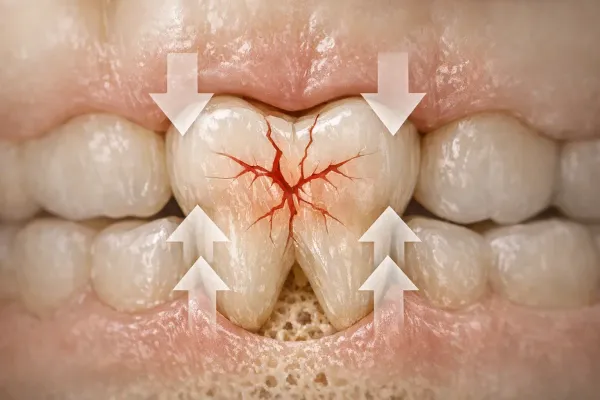
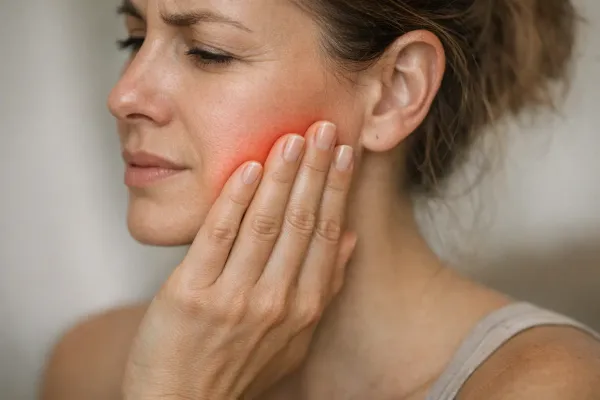
And the thing that isn't their fault but is still true: a night guard protects your teeth from grinding. It does not stop you grinding. It's a helmet, not a cure. The masseter is still firing all night, which is why plenty of people wear a guard for years and still wake up with a sore jaw.
Who shouldn't buy this
You need protection tonight. Get a boil-and-bite from a pharmacy and order this as the real fix.
Your dentist is actively treating a bite or joint problem. Let them handle it. A mail-order guard is the wrong tool when someone is trying to reposition a joint.
You grind so hard you destroy guards in months. You may need a hard acrylic splint built to a clinical spec, and it's worth the dental bill to get it right.
You've never confirmed you grind at all. Plenty of jaw pain isn't bruxism. Get a diagnosis before you spend $165 on a solution to a problem you might not have.
The bottom line
The case for Pro Teeth Guard is not that it's a clever new product. It's that it removes a middleman who was adding $300 and a mold.
You give up two real things: the wait, and having a professional take the impression. In exchange you keep most of the money, and the 110% guarantee means the downside of finding out it doesn't work for you is genuinely negative. You get paid a little to try it.
That's a good trade for most people who grind their teeth. It's a bad trade if your situation is complicated, and I'd rather you know which one you are before you order.
Check current Pro Teeth Guard pricing
Affiliate link. If you buy through it we earn a commission, at no extra cost to you. How this works.
FAQ
Is Pro Teeth Guard as good as a dentist's night guard?
It comes out of the same kind of lab, using the same materials and process. The difference isn't the guard, it's who takes the impression and whether anyone adjusts it in a chair afterwards. For straightforward grinding, that difference is small. For a complicated bite, it isn't.
What happens if the fit is wrong?
Adjustments are free. If the impression itself was the problem, they send a new kit at no charge. If you still don't like it, the 60-day 110% money-back guarantee applies and they pay return shipping.
How long does a custom night guard last?
Anywhere from six months to a few years, depending on how hard you grind and how well you look after it. The warranty covers cracks from normal wear for a year, with one free replacement. Keeping it clean helps, and it's also how you avoid the smell problem.
Does insurance cover it?
Dental insurance usually covers night guards at around 50%, but typically only through a dentist. The more useful route here is FSA or HSA, which Pro Teeth Guard accepts directly at checkout.
What is Pro Teeth Guard's return policy?
Sixty days from the day you receive it, for any reason, and they refund 110% of what you paid and cover return shipping. Separately there is a one-year warranty covering cracks and breaks from normal wear, with one free replacement.
How long does Pro Teeth Guard take to arrive?
Three to four weeks door to door. Roughly 3 to 5 business days for the impression kit to reach you, 15 minutes to take the impressions, 3 days back to the lab, 7 to 11 business days to build the guard, and 3 days to ship it out.
Which tier should I buy?
Hybrid, for most people. Soft if you're a light clencher and comfort is your priority. Hard if you're wrecking guards. Ultra Thin if the problem is daytime clenching rather than night grinding. There's more detail in our guide to choosing a bruxism mouth guard.