Customized Treatments for Athletes Suffering from Jaw Clenching
Explore tailored solutions for athletes facing exercise-induced jaw clenching.
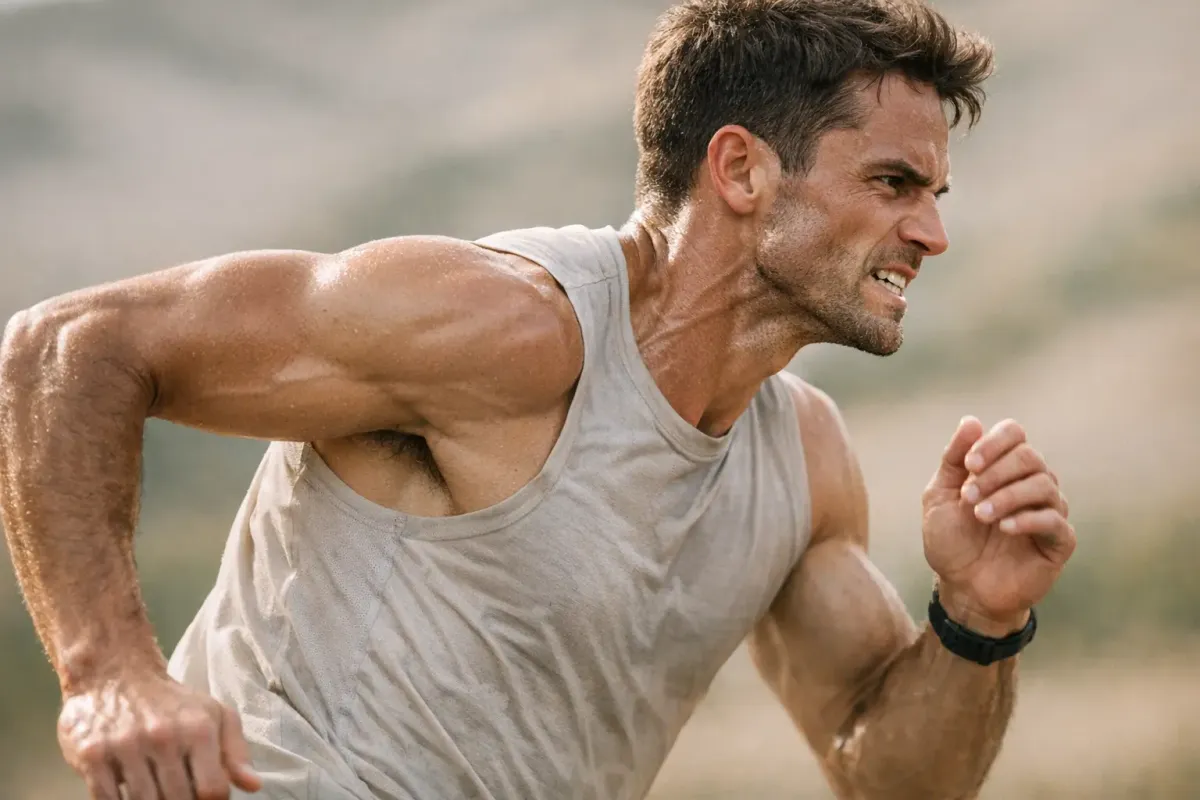
You lift, sprint, and grind through workouts that leave others wheezing. Yet, when the lights go out, or even while hanging on the bar, your jaw locks up like a vise. This clench is more than an annoying quirk. It can affect performance, damage tooth enamel, and cause headaches that feel like a kettlebell session for your skull. This article explores the science of athletes' jaw clenching, why it happens, and how you can manage it with gear, training tweaks, and mindfulness.
The evidence is fresh. Researchers place sensors under helmets and in weight rooms to track how jaw position affects speed, balance, and force. We rely on those findings and translate the jargon for your gym session tonight. Let’s dive in.
Understanding Jaw Clenching in Athletes
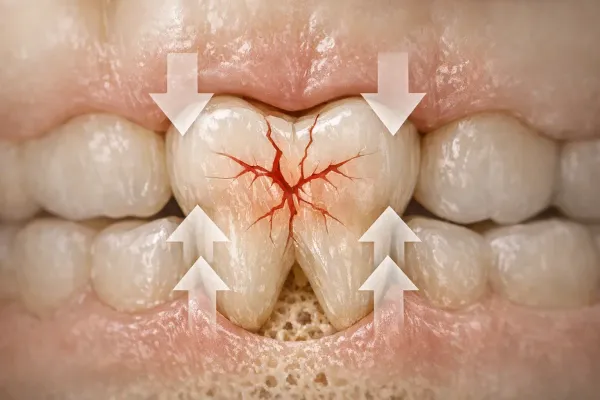
Jaw clenching, also known as awake bruxism when it occurs during the day and sleep bruxism at night, involves the involuntary squeezing of your upper and lower teeth. For the average person, this habit is troubling enough. For athletes, constant muscle tension around the temporomandibular joint (TMJ) adds extra problems to a busy training routine. The result can be cracked molars, inflamed jaw joints, or neck tightness that affects posture.
Why should you, a performance-minded individual, care? Clenching uses energy you did not plan to spend. If your masseter and temporalis muscles are active while you squat, they compete for blood flow with the muscles that move the bar. Over time, this may also misalign the TMJ, leading to temporomandibular disorders (TMD). A systematic review by Cichelli et al. found that athletes who clenched while wearing a bite-aligning mouthguard gained temporary strength but reported more delayed soreness in jaw-related muscles. Short-term gain, long-term pain.
Digging deeper, oral behaviors, including subconscious tooth contact, are often driven by stress. A study by Michelotti et al. showed anxiety predicts jaw pain through these oral habits. This is important in competitive settings where cortisol spikes are common.
Common triggers for athletes' jaw clenching include:
- High-intensity exertion (max lifts, sprint starts, final race kicks)
- Pre-competition jitters and general anxiety
- Structural issues like a misaligned bite
- Dehydration or stimulant use that increases muscle excitability
If left unchecked, the habit can affect sleep quality, increase dental bills, and even impact proprioception during balance tasks. Olympic weightlifters, for example, report morning jaw soreness that affects breakfast intake—small but real calories lost before a weigh-in. Triathletes doing long rides on aero bars can develop “cycling jaw,” an unconscious brace against road vibration that later affects swimming and running.
Bottom line: identifying the clench is step one. If awareness alone doesn't stop it, tools like mouthguards, breathing drills, and therapy can help.
The Role of Mouthguards in Managing Jaw Clenching
Type “mouthguard for clenching teeth at night” into a search engine, and you’ll find everything from boil-and-bite trays to lab-milled acrylic models. For athletes, the choice is not just about protecting enamel. It’s about comfort, oxygen flow, and whether the device lets you communicate without sounding like you swallowed a sock.
Types of Mouthguards
Researchers categorize guards into three groups:
- Stock guards – Pre-formed, inexpensive, often thick, and usually discarded after one gag-filled practice.
- Self-adapted (boil-and-bite) guards – Better fit after softening in hot water. Affordable but can have uneven thickness.
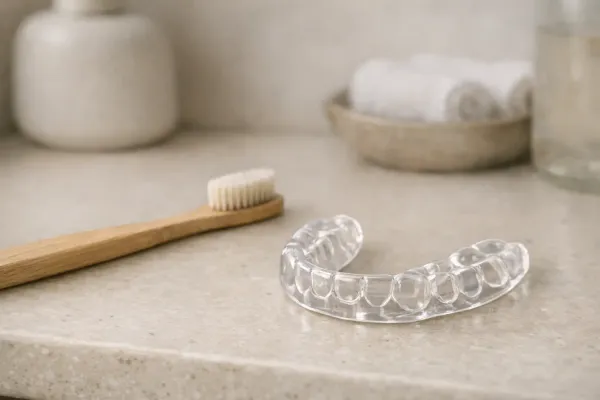
- Custom-made guards – Made from impressions or 3-D scans by a dental professional. Slimmer and preferred by sports dentists.
A meta-analysis by Ingle et al. compared comfort across these options. Custom versions were the most comfortable, with athletes reporting fewer speech issues and less saliva. This is crucial if you need to communicate plays. Another advantage: custom guards are designed to even out bite forces, reducing clenching intensity.
Comfort is also important for compliance. Field studies support this. During the 2022 ODESUR Games, Opazo-Garcia et al. (2024) tracked Latin American field hockey players. Those with custom devices wore them longer and reported fewer oral injuries. When speech or breathing concerns arise, the thin profile of a lab-made guard helps. An uncontrolled study by Mat Zainal et al. (2024) even found slight improvements in articulation once athletes adjusted.
However, a guard alone is not a cure-all. Some athletes clench harder against the plastic. The Cichelli review noted that certain bite-aligning designs can increase strength output, tempting lifters to keep clenching. You need coaching on relaxing jaw muscles despite the barrier. Pair guard practice with a metronome: bite for a one-second count on the lift's concentric phase, release for two seconds on the eccentric. This rhythm teaches neuromuscular modulation rather than constant clenching.
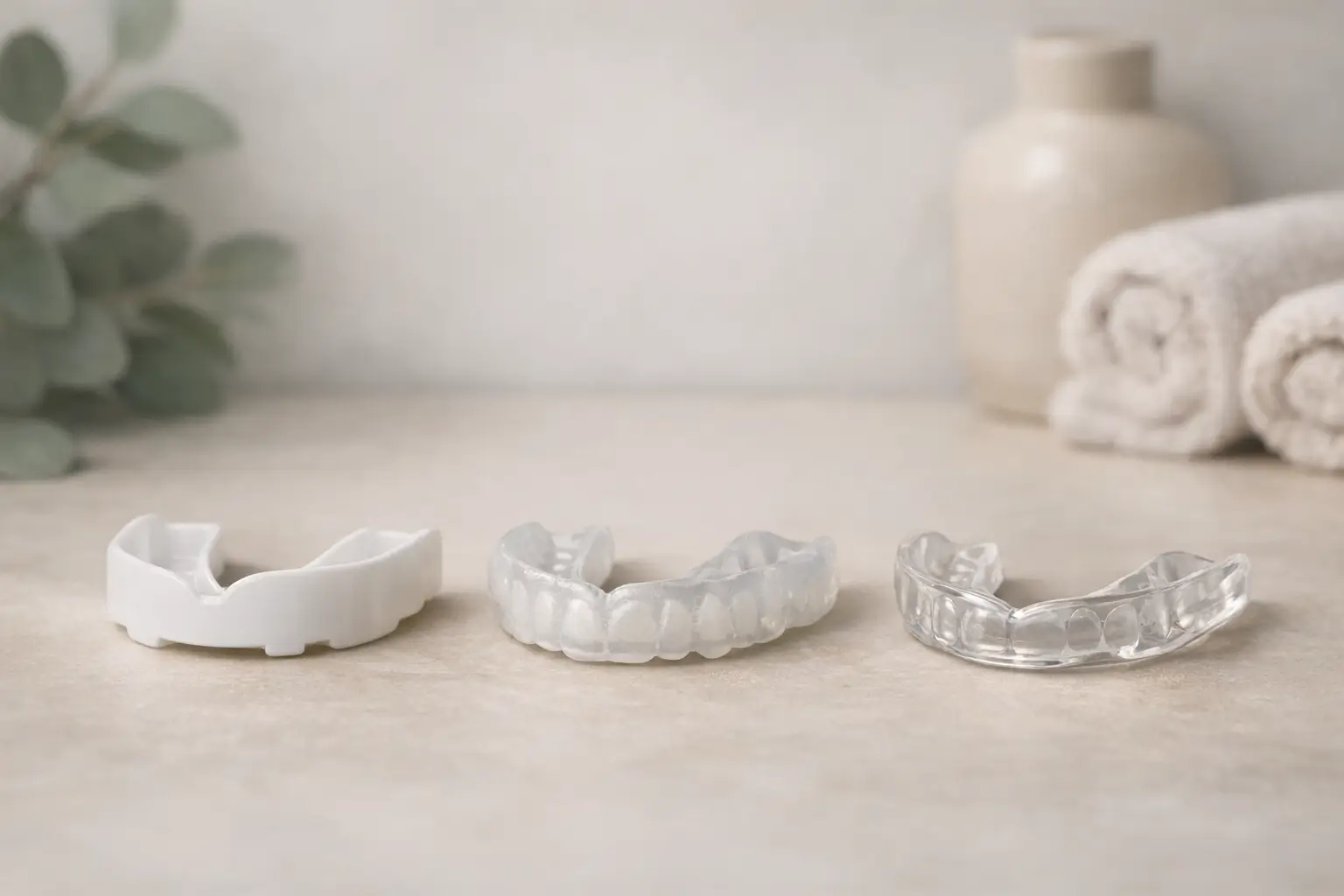
How do you choose? If budget allows, go custom. If not, a high-quality boil-and-bite trimmed for gum comfort is better than a loose stock shield. Rinse it, store it dry, and replace it at the first sign of wear. Pro tip: keep a backup guard in your travel kit—altitude dryness on flights can increase nighttime grinding, and hotel pillows rarely help.
Jaw Clenching and Its Effects on Athletic Performance
Some say “biting down boosts power.” There is some truth—briefly. Clenching can trigger concurrent activation potentiation, meaning your brain recruits more motor units. But there is a catch. Over-recruiting one muscle group can detract focus and oxygen from others, affecting fine control.
Performance Metrics Affected
- Strength and Force Output – A study by Miró et al. had athletes perform maximal upper-body isometric presses with and without a bite-aligning mouthguard. Force increased during clenching trials, yet EMG data showed heightened neck and shoulder co-contraction, increasing fatigue risk.
- Bat Swing Velocity – Division II hitters in Allen and Garner’s study gained average swing speed when clenching on a guard. The increase was minor (about 1.3 mph) and disappeared once athletes experienced jaw soreness.
- Balance – Less flashy but telling, Fadillioglu et al. (2024) recorded sway during single-leg stance. Clenching affected proprioceptive feedback, worsening balance. A follow-up training study found these changes persisted after a week of deliberate clench practice, suggesting neural adaptation that may not benefit sports requiring agility.
- Reaction Time – No direct clench studies yet, but TMJ discomfort is linked to altered head posture, which can slow visual tracking, according to the Mayo Clinic TMJ overview.
Overall, the performance curve resembles an upside-down U. Light, conscious clenching for a single rep may enhance power. Chronic or unconscious clenching leads to pain and poor mechanics. Learn to engage the jaw with intent, not out of habit.
What causes this extra tension? Beyond the mechanical reflex to stabilize the skull, biochemical factors play a role. Stimulants can increase neuromuscular excitability. Dehydration thickens saliva, prompting more frequent swallowing and jaw muscle use. Stress also commands muscles to brace for impact.
Recognizing these causes allows you to adjust warm-ups, hydration, and mental preparation. Treat your jaw like any other performance variable, preventing it from hindering your stats.
Anxiety and Jaw Clenching: The Underlying Connection
What you call game-day butterflies, your nervous system interprets as ‘possible threat.’ Heart rate climbs, cortisol flows, and muscles, including the jaw, gear up. Anxiety is not just a feeling; it’s a physiological cue that can trigger bruxism.
The study by Michelotti et al. mapped the chain: anxiety increases parafunctional oral behaviors, predicting painful TMD. Another cohort study on medical students by Zemowski et al. linked exam stress to a spike in TMD symptoms and clenching.
For athletes, the takeaway is clear. Pre-competition anxiety and life stressors enhance the urge to clench. Over time, repetitive micro-trauma sensitizes the TMJ, creating a cycle where pain itself becomes a stressor.
Break the cycle with psychological tools like diaphragmatic breathing, mindfulness, or cognitive-behavioral therapy, plus physical tactics like stretching and guard use. Even a two-minute box-breathing drill before lifts can reduce sympathetic tone and relax jaw muscles. One elite swimmer hums quietly between reps—vocal cord vibration relaxes the suprahyoid muscles linked to jaw dynamics.
Customized Treatment Plans for Athletes
Your jaw deserves the same attention you give other muscles. A one-size-fits-all mouthguard isn't enough. Let’s build a smarter plan.
Personalized Approaches
- Custom Mouthguard with Fit Adjustments – Work with a sports dentist to fine-tune vertical dimension for occlusal stability without over-opening the bite. This balances force distribution and reduces clench intensity, as highlighted in the Cichelli review.
- Neuromuscular Training – Practice sub-maximal clenching during specific lifts, then immediate relaxation, as suggested by Miró et al. This teaches your brain to modulate jaw activation.
- Manual Therapy and Dry Needling – TMJ-savvy physiotherapists can release tight masseter and pterygoid muscles. Limited randomized trials exist, but clinical anecdotes align with reduced pain scores. Explore these options in dry needling for TMJ.
- Bite Adjustment or Orthodontics – If malocclusion triggers contact, an orthodontic referral may save years of splint use.
- Biofeedback Devices – Wearable EMG patches buzz when jaw muscles exceed a preset threshold, prompting relaxation.
Preventive Strategies
Consider these habits:
- Warm-Up the Jaw – Gentle side-to-side glides and opening stretches, 10 reps each, before heavy lifts.
- Hydration and Electrolytes – Keep fluid levels up to avoid gnawing dryness with each swallow.
- Limit Stimulants – Cut caffeine after 3 p.m. to reduce nighttime bruxism intensity, per the Cleveland Clinic.
- Mindfulness Check-ins – Set a phone timer every two hours. When it buzzes, relax shoulders and jaw for ten seconds.
- Sleep Hygiene – Dark room, cool temp, consistent bedtime. Quality sleep lowers cortisol, easing clenching.
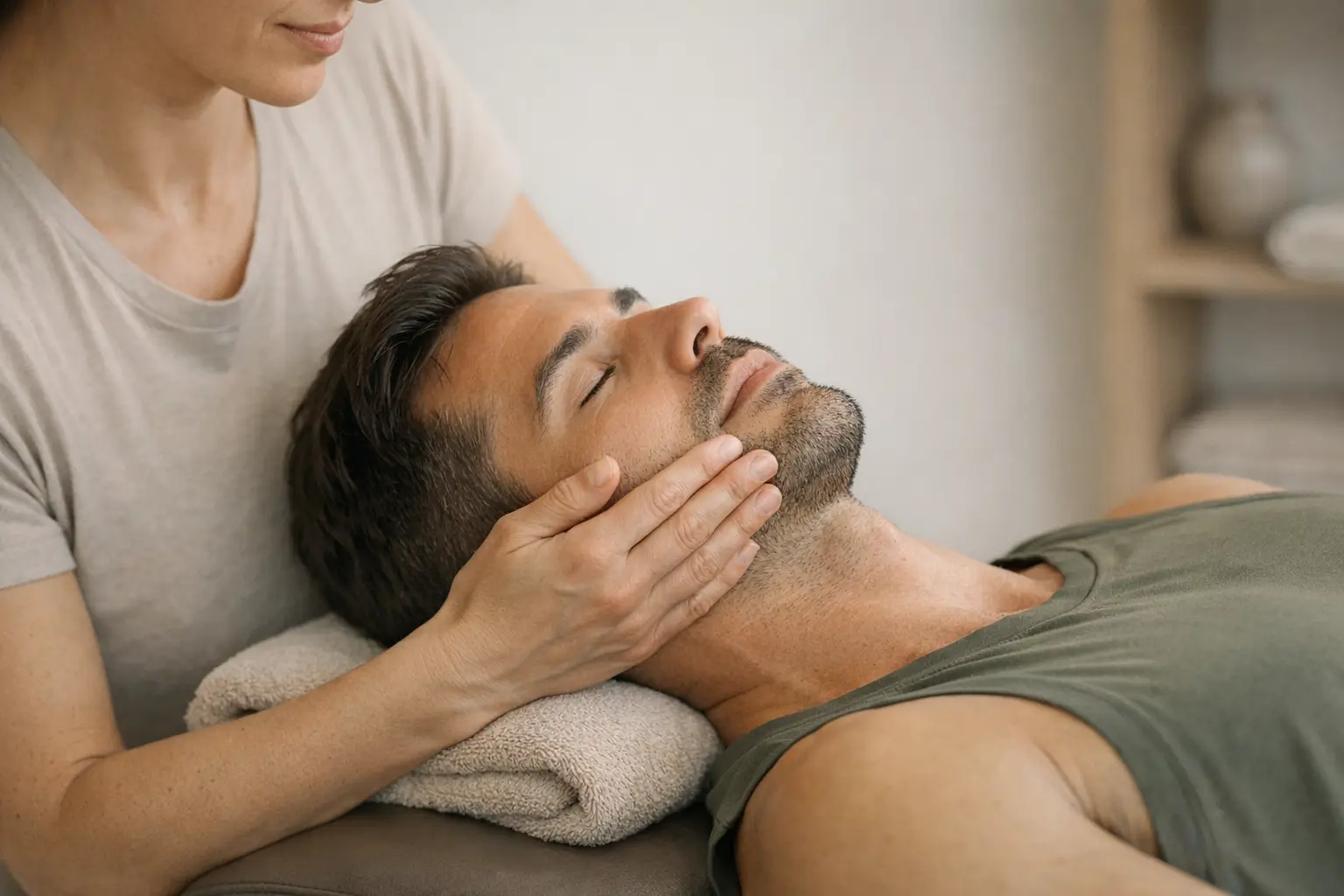
If pain or popping sounds persist, get evaluated. A sports dentist and physical therapist can co-create your protocol. Treat your jaw with the same respect you would for a serious injury.
Conclusion: Moving Forward with Effective Jaw Clenching Management
Jaw clenching in athletes is complex. Short bursts of intentional bite can enhance power output, yet chronic, unconscious grinding affects health and performance. The science, from systematic reviews to field studies, shows both promise and pitfalls.
Your strategy: identify if you clench, understand the triggers, and build a customized toolkit—starting with a well-fitted mouthguard, stress management, and targeted therapy. Treat jaw care like strength training: assess, program, and adjust. When muscles work in harmony, you lift heavier, run faster, and sleep better.
Ready to unclench? Book a dental scan, keep a water bottle in your gym bag, and watch your jaw during the next PR attempt. Your teeth, TMJ, and trophy shelf will thank you.