Comparing Mouth Guards: Best Options for Nighttime Clenching
Discover the best mouth guard for bruxism with our detailed comparison.
Ever wake up feeling like you spent the night chewing on gravel? You're not alone. Millions of adults clench or grind their teeth in their sleep, a habit dentists politely call sleep bruxism. While the name sounds like an obscure dinosaur, the results are very current: headaches, jaw pain, cracked fillings, and a love-hate relationship with your alarm clock. Scientists have spent decades studying the problem, and one clear theme keeps popping up—protect the teeth first, fix the habit second. Enter the humble mouth guard.
This article walks you through the main types of mouth guards for bruxism, what research says about them, and how to pick a device that will not become an expensive bedside ornament. Grab your favorite pillow and let's dig in.
Understanding Bruxism and Night Guards
Bruxism is the clinical term for repetitive clenching or grinding of the teeth. When it happens during sleep, your brain turns off conscious muscle control, so your jaw can pound away at forces estimated to hit 250 pounds per square inch. According to a 2024 systematic review by Ainoosah et al., sleep bruxism affects roughly 13 percent of adults. That's a lot of molars taking a midnight beating.
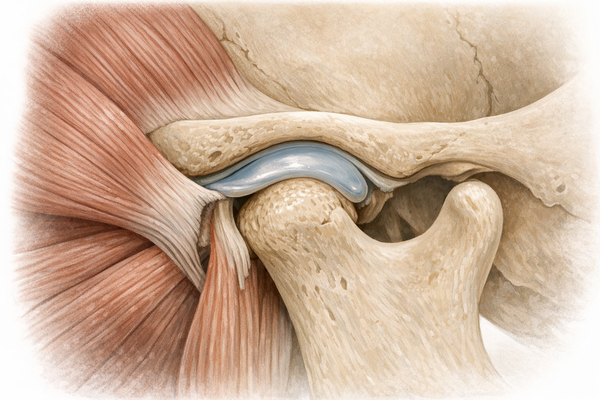
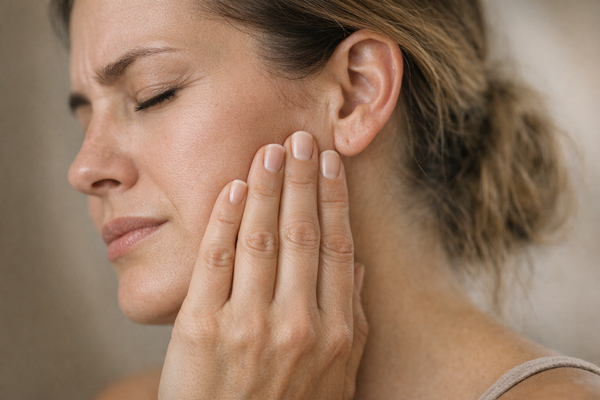
You might notice flattened biting surfaces, chipped enamel, or noise complaints from your partner. Yet many cases surface only once secondary symptoms kick in: morning headaches, ear soreness, or aching neck muscles. Left unchecked, bruxism can accelerate tooth wear, trigger temporomandibular disorders (TMD), and disrupt sleep stages.
The why behind the grind is rarely a single culprit. Researchers divide drivers into three categories: central (brain-based), peripheral (bite-based), and psychosocial (stress-based). A hectic week at work spikes stress hormones that keep muscles active, while an undiagnosed sleep-breathing disorder like mild apnea can nudge the jaw forward to reopen the airway. Even lifestyle choices such as late-night espresso or some SSRIs have been linked to higher odds of nocturnal grinding.
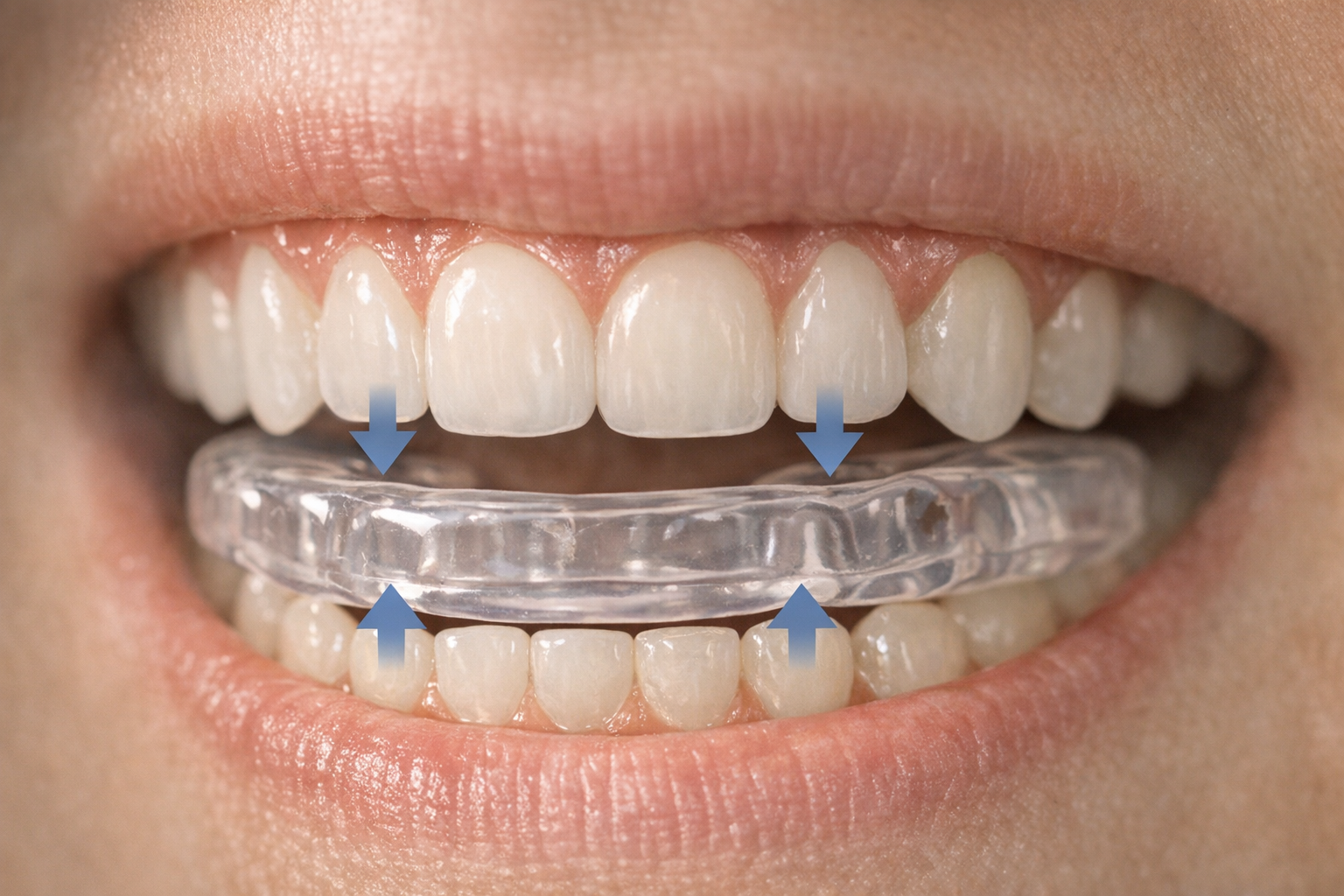
Night guards—also called occlusal splints—act as a physical barrier between upper and lower teeth. They distribute bite forces, reduce muscle activity, and signal the jaw to relax. A landmark paper, a 2021 systematic review by Hardy and Bonsor, found that most splint designs lowered muscular activity by 10-40 percent during sleep. That may sound modest, but it's often enough to halt progressive damage.
The core mission of any mouth guard is simple: keep your enamel intact while longer-term treatments, like behavior therapy or stress reduction, do their thing. Because not all guards are created equal, the rest of this guide focuses on comparing your options.
Types of Mouth Guards: A Comprehensive Comparison
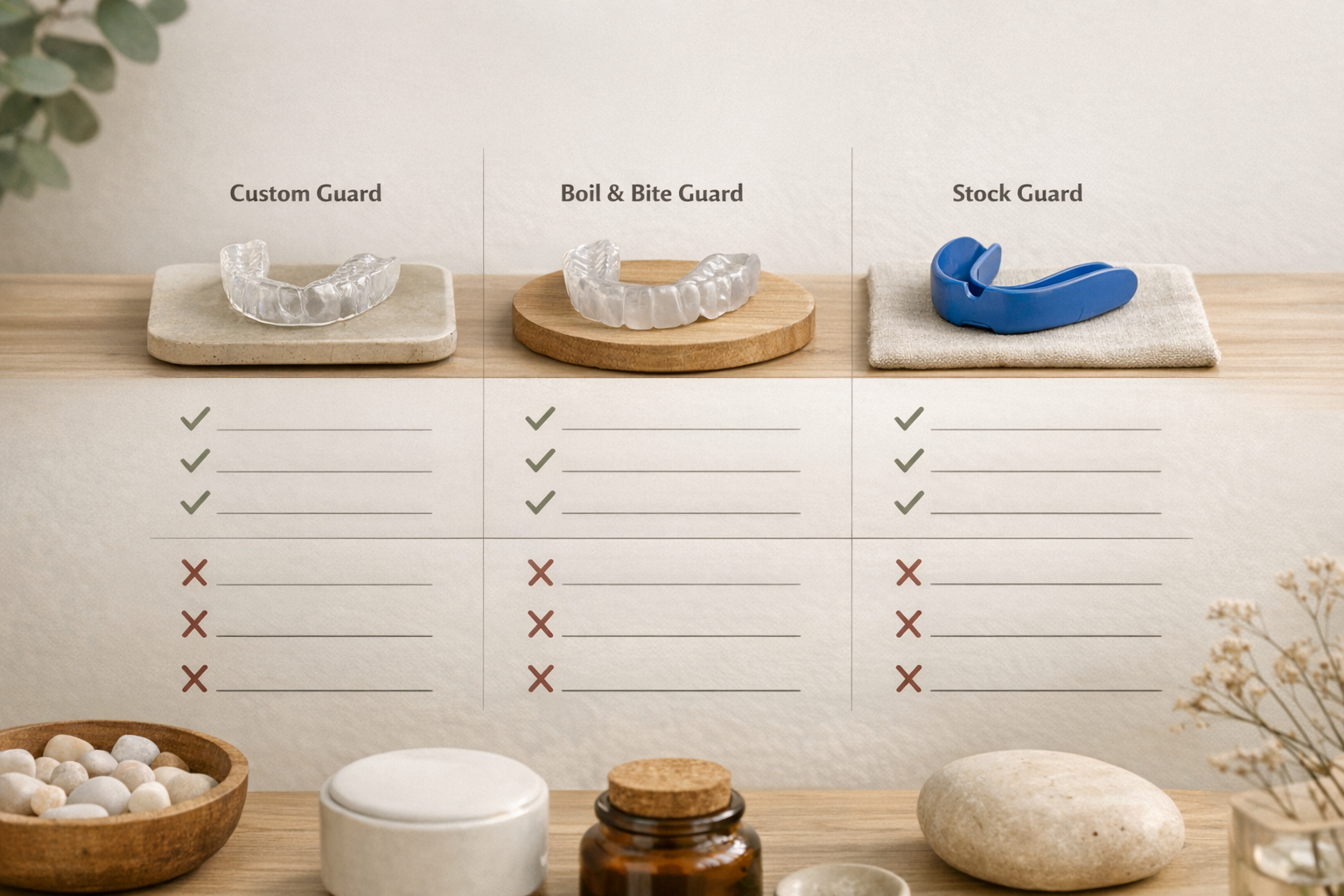
You'll see three main categories marketed for nighttime clenching: custom-fitted guards, boil-and-bite guards, and stock guards. Each has its place, but comfort, durability, and price vary widely.
Custom-Fitted Guards
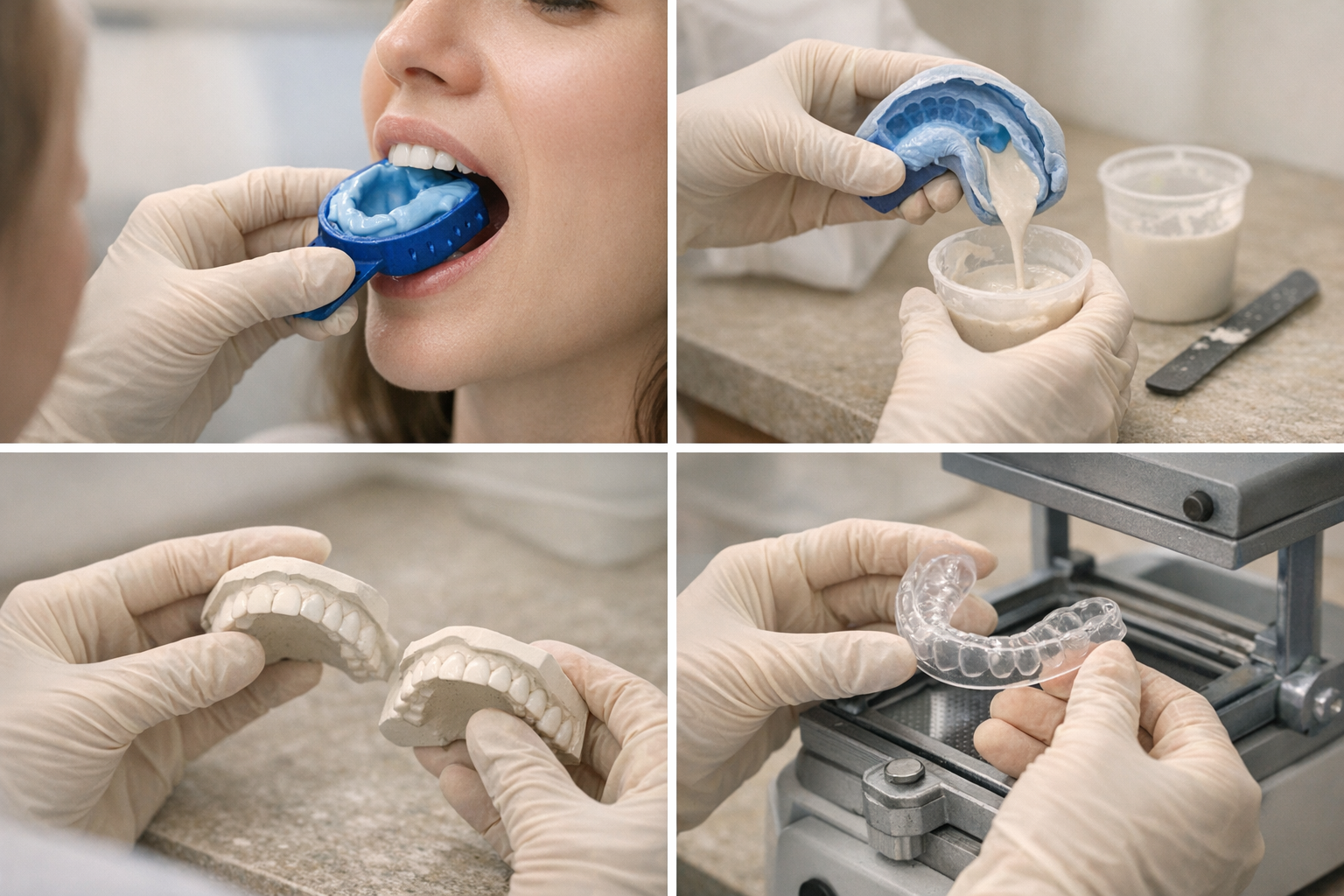
These are lab-made from impressions of your teeth, typically using hard acrylic or dual-laminate materials. Your dentist takes a mold, sends it to a dental lab, and calls you back when the guard is ready.
- Comfort: Top tier. Because the guard hugs every contour, speech interference is minimal and saliva flow normalizes quickly.
- Effectiveness: Strong evidence backs this style. A 2026 systematic review by Boulatar et al. found custom stabilization splints reduced TMD pain scores by up to 50 percent within two months.
- Durability: One guard can last 3-5 years if cleaned well. Learn how to clean your night guard properly to extend its life.
- Cost: The catch. Expect $300-$800, depending on location and materials.
Digital dentistry is quietly changing this landscape. Intra-oral scanners now capture a 3-D model of your bite in under two minutes—no gooey alginate trays required. Those files feed directly into CAD/CAM software, and the guard is milled or 3-D-printed in a single block of thermoplastic resin. The result is the same snug fit but with fewer appointments and, in some markets, a slightly lower fee.
Boil-and-Bite Guards
Sold in drugstores and online, these thermoplastic trays soften in hot water. Bite down, and the material sets around your teeth.
- Comfort: Medium. Fit is better than generic stock but rarely perfect. Bulkiness can trigger gag reflexes in people with small arches.
- Effectiveness: Mixed. The same 2024 review by Ainoosah et al. noted that while they reduce tooth wear, EMG readings often show higher muscle activity than custom guards.
- Durability: Soft thermoplastics wear down in 6-12 months.
- Cost: $20-$60—low enough to experiment.
Stock Guards
One-size-fits-none. These pre-formed trays come out of the box ready to use, usually in S, M, or L sizes.
- Comfort: Poor. The device feels like chewing on a hockey puck. Speech distortion and drooling are common complaints.
- Effectiveness: Limited. Because the guard is loose, you may clench harder to keep it in place. That counteracts the whole point.
- Durability: Ironically decent, but owners rarely keep them long enough to find out.
- Cost: Under $15.
Material science can also sway performance. A 2022 in-vitro study by Schewe et al. tested shock absorption in various polymers used for sports mouth guards. Even though the study focused on athletes, its insights translate to sleep devices: multilayered EVA and PETG sheets dissipated double the force of single-layer plastics.
Translating lab data into bedtime reality, you want a material that is firm enough to guide jaw movement but forgiving enough to cushion heavy bites. Dual-laminate guards (soft inner, hard outer) hit that sweet spot, which is why many dentists prescribe them to chronic grinders.
Effectiveness of Custom-Fitted Night Guards
If budget allows, custom guards remain the gold standard. The question is how much better they are. Let's sift through the evidence.
Boulatar et al. 2026 reviewed 14 randomized trials on occlusal stabilization splints for myogenous TMD. Participants wearing custom guards reported pain reductions of 2.4 points on a 10-point VAS compared to controls. Muscle tenderness and range of motion also improved.
Why the edge? Precision fit stabilizes the jaw in a centric, or neutral, position. That reduces lateral movements responsible for tooth grinding. Meanwhile, even thickness across the arch spreads biting forces. Think of it as converting a hammer strike into a firm press.
Longevity is another perk. Hard acrylic resists the gnawing forces that can chew through softer materials within months. A four-year longitudinal study by Korkut et al. 2020 tracked tooth wear in 102 bruxers. Those issued rigid splints showed 70 percent less new enamel loss than the soft-guard group.
Today's labs often add a clear protective coating that repels stains from coffee or red wine—an underrated benefit for anyone who does not fancy wearing a yellowed appliance during a weekend getaway. Just remember that protective finish is thin; aggressive scrubbing with toothpaste can scratch it, so stick to a non-abrasive cleanser.
Custom fabrication also lets dentists tailor thickness for mixed issues. For instance, if you snore, adding slight posterior ramping can open the airway a few millimeters. Although not a replacement for CPAP, this hybrid design can tackle mild obstructive sleep apnea while shielding teeth.
Downsides still exist. High upfront costs can deter patients, and lost guards are pricey to replace. Some users complain of initial soreness as the jaw adapts. However, most studies note adaptation periods last under two weeks.
Alternative Treatments for Bruxism
Occlusal Splints vs. Other Therapies
Occlusal splints dominate first-line bruxism care, yet they are not the only solution. Exercise therapy, cognitive behavioral therapy, and pharmacological agents all compete for space.
A 2021 meta-analysis by Zhang et al. compared exercise therapy with splint use for painful TMD. Jaw-opening stretches and isometric resistance drills cut pain scores by 1.2 points on a VAS, trailing the 2-point reduction seen with splints. However, exercises improved mouth-opening range more than appliances. That suggests blending both approaches might produce the best overall function.
The National Institute of Dental and Craniofacial Research notes that behavior modification—learning to keep the tongue on the palate and relaxing jaw muscles during stress—can complement guard use. Still, evidence remains less robust than for splints.
Role of Botulinum Toxin
Botulinum toxin type A (BTX-A) has crept into bruxism discussions over the past decade. It works by partially paralyzing the masseter and temporalis muscles. Supporters argue it reduces bite force without requiring nightly compliance.
A 2024 randomized controlled trial by Chisini et al. pitted BTX-A injections against hard occlusal splints in 64 probable bruxers. At three months, both groups reported similar pain relief, but bite-force readings dropped 25 percent more with BTX-A. The downside was transient chewing weakness and higher cost over time due to repeat injections every 3-6 months.
Tech-minded grinders sometimes explore biofeedback devices—tiny sensors that vibrate when clenching passes a preset threshold. Early pilot studies show promise for reducing wake-time parafunction, but nighttime data remain thin, and the gadgets often land north of $400. For now, they serve best as adjuncts to, not replacements for, a well-fitted guard.
Other pharmaceutical options, such as low-dose clonazepam or tricyclic antidepressants, lack strong long-term data and carry side effects like daytime drowsiness. They are usually reserved for short windows of acute pain.
Bottom line: Occlusal splints still hold the most evidence, but a multi-modal approach may yield faster relief, especially for TMD overlap.
Choosing the Right Mouth Guard for Your Needs
You now know the options, but how do you pick the right one? Consider three pillars: severity, comfort, and budget.
- Severity of Bruxism
If your dentist spots deep enamel grooves or you suffer frequent fractures, skip stock guards and head straight to custom hard acrylic. Softer guards can feel nice but may not slow wear enough for heavy grinders. - Comfort and Compliance
An uncomfortable guard will gather dust fast. Try a boil-and-bite as a test run. If you gag or can't speak clearly, investing in a custom splint makes sense. - Budget Constraints
Money matters. If an $800 appliance is off the table right now, start with a mid-range boil-and-bite while saving up. Replacement costs for worn soft guards can add up, though, so run the math.
The 2024 review by Ainoosah et al. also points out that patient education plays a giant role. Understanding why you grind—stress, caffeine, misaligned bite—helps you commit to wearing the device. The American Dental Association recommends dental follow-ups every six months to check fit, adjust bite surfaces, and monitor wear.
For tech-savvy shoppers, at-home impression kits bridge the gap between custom and store-bought guards. You take your own mold, mail it to a lab, and receive a guard within two weeks. While not as precise as a dentist-made model, they often fit better than boil-and-bite options and cost around $150-$200.
Guard ownership also brings practical questions: Where do you store it on vacation? How do you keep Fido from turning it into a chew toy? The fix is simple—always travel with a ventilated case and place the guard well above waist height at home. Pets love the smell of saliva-soaked plastic.
Lastly, remember oral hygiene. Clean guards every morning with a soft toothbrush and fragrance-free soap, then let them air-dry. Skipping this step breeds bacteria and odors faster than you can say “mint mouthwash.”
Conclusion: Finding Relief from Bruxism
Nighttime clenching is a stubborn habit, but you're not powerless. Custom-fitted guards lead the pack for comfort and tooth preservation, while boil-and-bite models offer a wallet-friendly starting line. Stock guards cover the absolute basics but rarely shine.
Research keeps piling up in favor of stabilization splints for both bruxism and TMD. Alternative treatments, such as exercise therapy and botulinum toxin, add firepower for stubborn cases. Whatever path you choose, loop in a dental professional. A quick chair-side adjustment can mean the difference between a bedside paperweight and a trusty shield that saves your smile.