Can You Wear a Mouthguard After Wisdom Tooth Removal? A Comprehensive Guide
Learn about safe mouthguard use after wisdom tooth extraction. Tips and research-backed advice.
Grinding your teeth after wisdom tooth surgery might sound like an opening scene from a horror movie, but it's a common issue with a lot of research behind it. Studies have linked post-operative discomfort to increased nighttime bruxism, which is the involuntary grinding or clenching that can damage your enamel while you sleep. According to a 2023 review by Komuro and Iwata, peri-operative oral stress often changes jaw muscle activity for at least three weeks after surgery. If you usually wear a mouthguard or your dentist recommends one for sleep disorders, you're probably wondering when it's safe to use it again. This guide provides a detailed look into the science, timelines, and warning signs to help you protect both your new extraction site and your overall dental health.
Below is an evidence-driven roadmap, divided into clear sections. Skim to the parts you need or read straight through, then take your questions to your dentist for personalized advice.
Understanding Wisdom Tooth Extraction and Recovery
The Healing Process
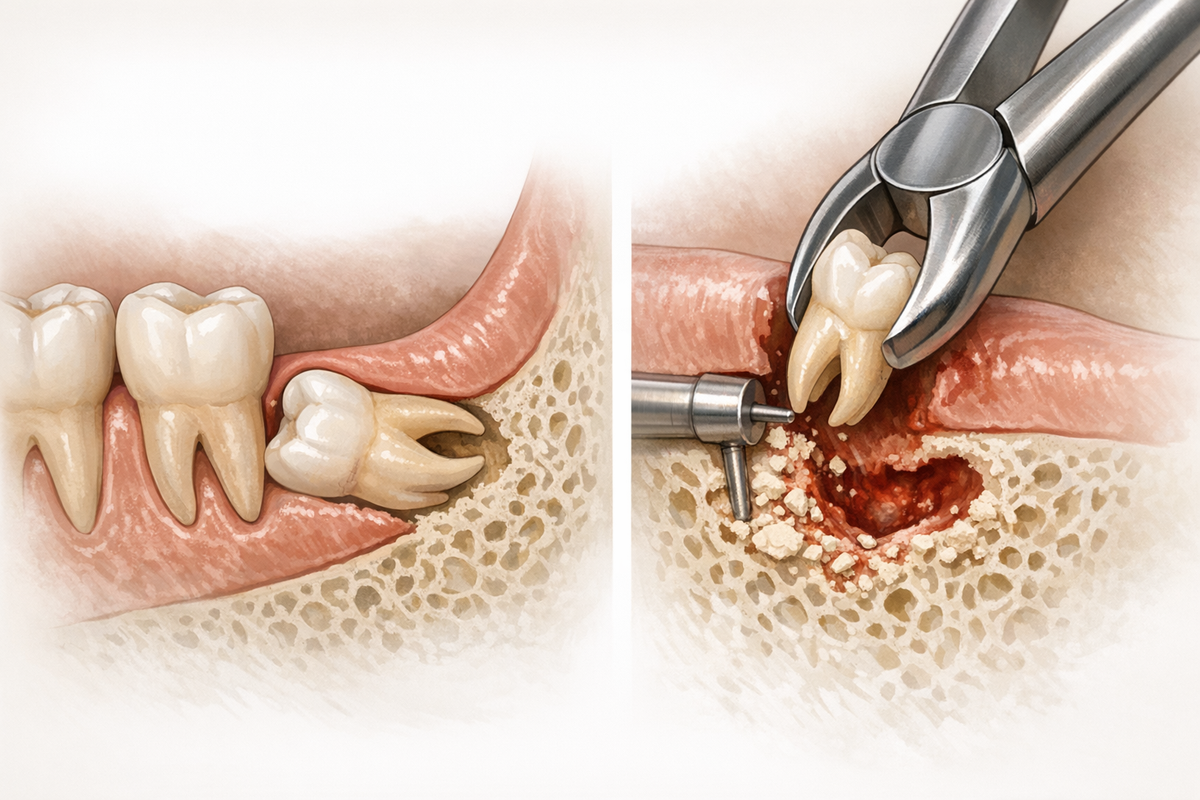
Wisdom tooth extraction is a minor surgical procedure, but your body treats it like any other tissue injury. Right after the tooth is removed, a blood clot forms inside the socket. This clot acts as a biological Band-Aid while bone and soft tissue rebuild underneath. According to the American Dental Association, initial soft-tissue closure usually takes about 7 days, while deeper bone remodeling may take 6 to 8 weeks.
The first 24 to 72 hours involve swelling, mild bleeding, and soreness. By the end of week one, these symptoms usually improve if no infection develops. New bone fills the socket from the bottom up over the next several weeks. Complete maturation of the site may take longer than eight weeks, but most dentists approve a return to normal chewing by week three, provided there are no complications. Understanding the causes of bruxism can also help manage the healing process effectively.
Several factors can affect this timeline. Smokers may experience a delay in initial clot formation because nicotine constricts blood vessels. Poorly controlled diabetes or autoimmune conditions can also slow healing, pushing the safe mouthguard timeline further out. On the other hand, younger patients may heal faster than adults in their thirties or forties. Considering these factors can help you understand where you are in the healing process rather than relying solely on averages.
Common Post-Extraction Concerns
- Dry socket: a painful condition when the clot dislodges prematurely
- Persistent swelling or infection requiring antibiotics
- Altered bite mechanics due to avoiding chewing near the extraction site
- Increased clenching or grinding due to pain, anxiety, or altered jaw position
Dry socket is a common worry for most patients. It generally occurs between days three and five when actions like suction, spitting, or biting down on a poorly fitted guard dislodge the clot. Beyond intense pain, the exposed bone is vulnerable to bacteria, delaying recovery. If you already clench during the day, consciously relaxing your jaw and sticking to soft foods (like mashed potatoes and scrambled eggs) can reduce the temptation to test the area with your teeth. Understanding the role of cognitive behavioral therapy (CBT) in alleviating bruxism symptoms could provide additional strategies for managing post-extraction clenching.
These issues can influence whether a mouthguard feels comfortable or safe in your mouth. This leads to the big question: when does the protection from bruxism outweigh the risk of irritating sensitive tissue?
Why Use a Mouthguard After Wisdom Tooth Extraction?
Benefits of Mouthguards
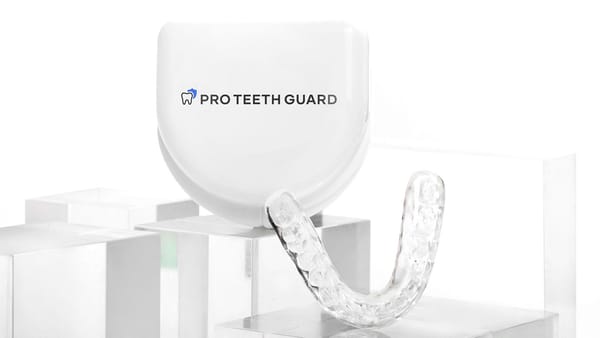
Mouthguards, also known as occlusal splints or night guards, create a protective barrier between your upper and lower teeth. Their primary functions include:
- Distributing biting forces to prevent enamel wear
- Reducing muscle strain linked to jaw pain and tension headaches
- Acting as a behavioral cue to discourage daytime clenching
Imagine waking up a few days after surgery and discovering a hairline fracture in your neighboring molar due to nighttime clenching. An appropriately timed guard is preventive insurance, far cheaper than a crown or root canal. A 2024 case report by Han and Park illustrated how protecting soft tissue with a custom appliance aided recovery in a patient with neural movement disorders. While that case didn't focus on wisdom teeth, the principles apply: guarding fragile oral tissue can be protective if timing and fit are correct.
Bruxism and Sleep Disorders
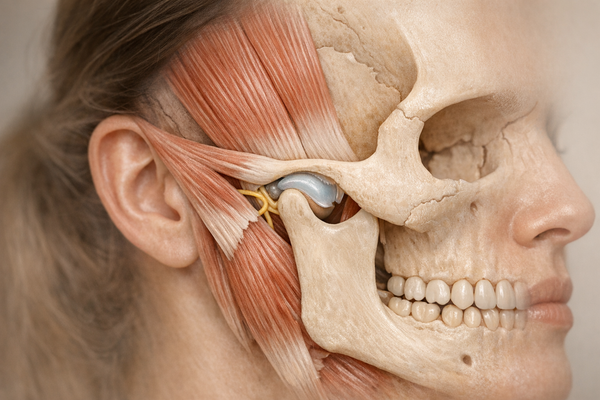
Stress, changes in bite, and sleep disturbances often follow dental surgery. Jaw muscles can generate forces up to 250 pounds, which can:
- Delay healing by stressing the surgical site
- Cause micro-movements in forming bone
- Trigger sore jaw joints and facial muscles
For patients already treated for obstructive sleep apnea with oral appliances, the situation becomes more complex. A 2025 prospective trial by Fang et al. found that keeping airway-stenting devices in place after upper airway surgery improved sleep metrics. While not identical to mouthguards, the study highlights that oral devices can be therapeutic if introduced at the right moment. If your sleep apnea appliance also serves as a bruxism guard, your oral surgeon may recommend resuming use earlier, often with minor adjustments to avoid the surgical site. Understanding how mouthguards can improve your sleep might be beneficial in these cases.
Safety Concerns: When to Avoid Mouthguard Use
Risks of Premature Use
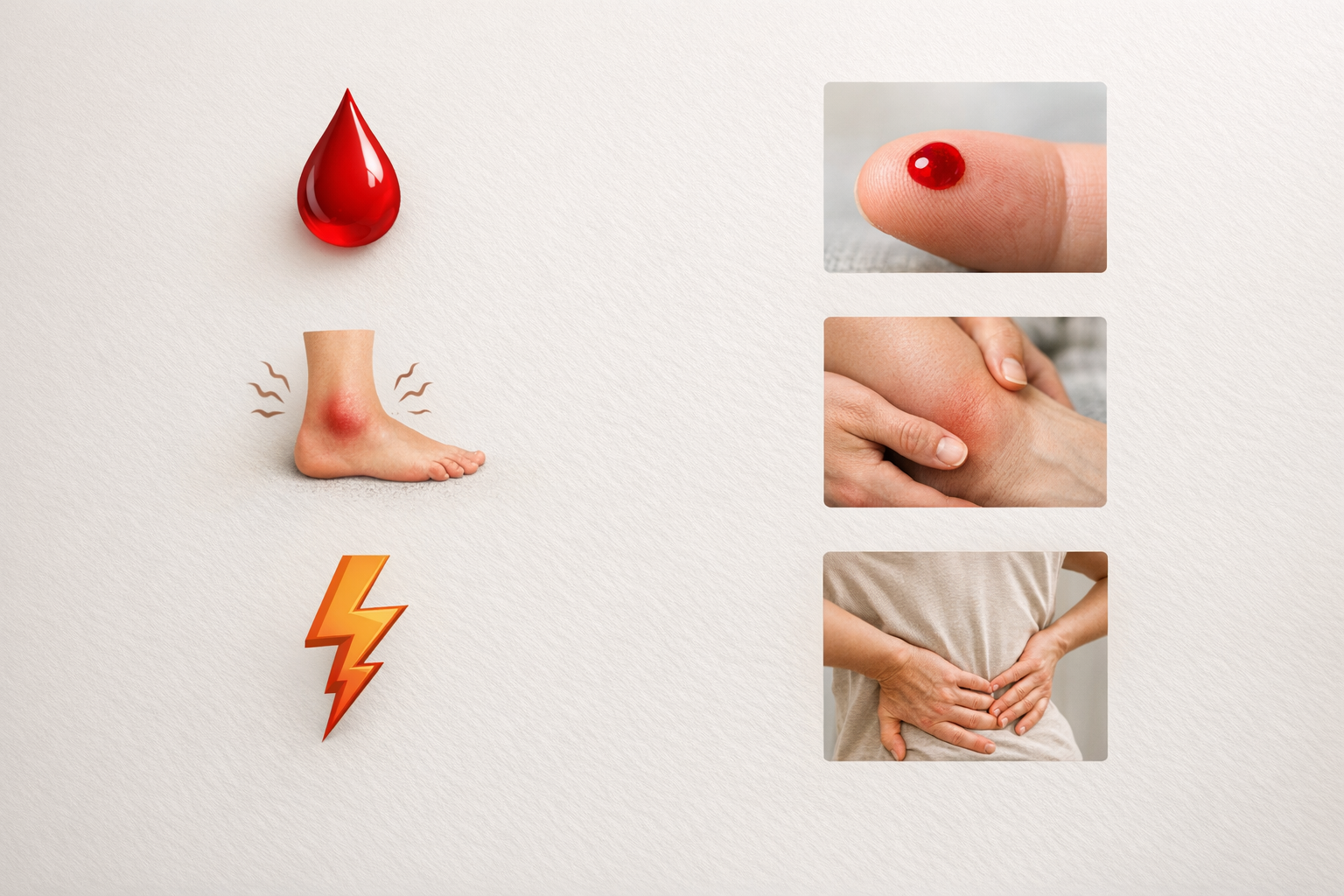
Wearing a mouthguard over fresh stitches might seem soothing but can be risky. Premature pressure may:
- Dislodge the blood clot, leading to dry socket
- Nudge or tear sutures, reopening the wound
- Create a warm, moist environment that traps bacteria
Consider the first week a “no-fly zone” for bulky appliances. A 2023 clinical guidance review on peri-operative care by Komuro and Iwata noted that any foreign object stressing surgical tissue in the first week significantly raises infection risk. The review advises delaying intraoral appliances until initial mucosal closure.
Signs to Watch For
Avoid using a mouthguard if you notice:
- Active bleeding when you remove gauze or rinse
- Swelling that feels firm or increases beyond day three
- Sharp, radiating pain that aspirin cannot relieve
- Pus, a foul taste, or fever (indicating possible infection)
- Numbness lasting more than 24 hours (indicating possible nerve irritation)
If you experience any of these symptoms, contact your dentist or oral surgeon before using a guard. Remember: protecting your teeth is important, but not at the expense of wound integrity.
Consulting Your Dentist: Personalized Advice
The Importance of Professional Guidance
No article, however comprehensive, can replace a hands-on oral exam. While general timelines are helpful, your dentist knows your extraction pattern, suture type, and healing speed. A 2025 paper by Maleki et al. demonstrated that customized mandibular appliances reduced stress on healing joints in children with limited mouth opening. The takeaway for adults: personalized devices are better than one-size-fits-all gear, especially after surgery.
Modern practices often use digital scanners instead of impression trays. A quick 60-second scan creates a 3-D model of your bite, allowing labs to mill a low-profile guard that avoids the extraction site. If you have gag reflex concerns or stitches in the back of your mouth, ask if your dentist offers this technology.
Questions to Ask
- Has the soft tissue in my extraction site healed enough to handle light pressure?
- Do you recommend a new impression for a better fit post-surgery?
- Should I start with shorter wear times and gradually increase?
- Is a thinner or softer material safer during early healing?
- How can I clean the guard without irritating the wound? Learn more about cleaning your night guard effectively.
- Could a temporary bite wafer substitute for my regular guard?
- What warning signs indicate I should stop using the device and call you?
Bring your existing mouthguard to the appointment. A quick adjustment with a rotary tool could modify pressure points, saving you from buying a new appliance.
Types of Mouthguards and Their Suitability Post-Extraction
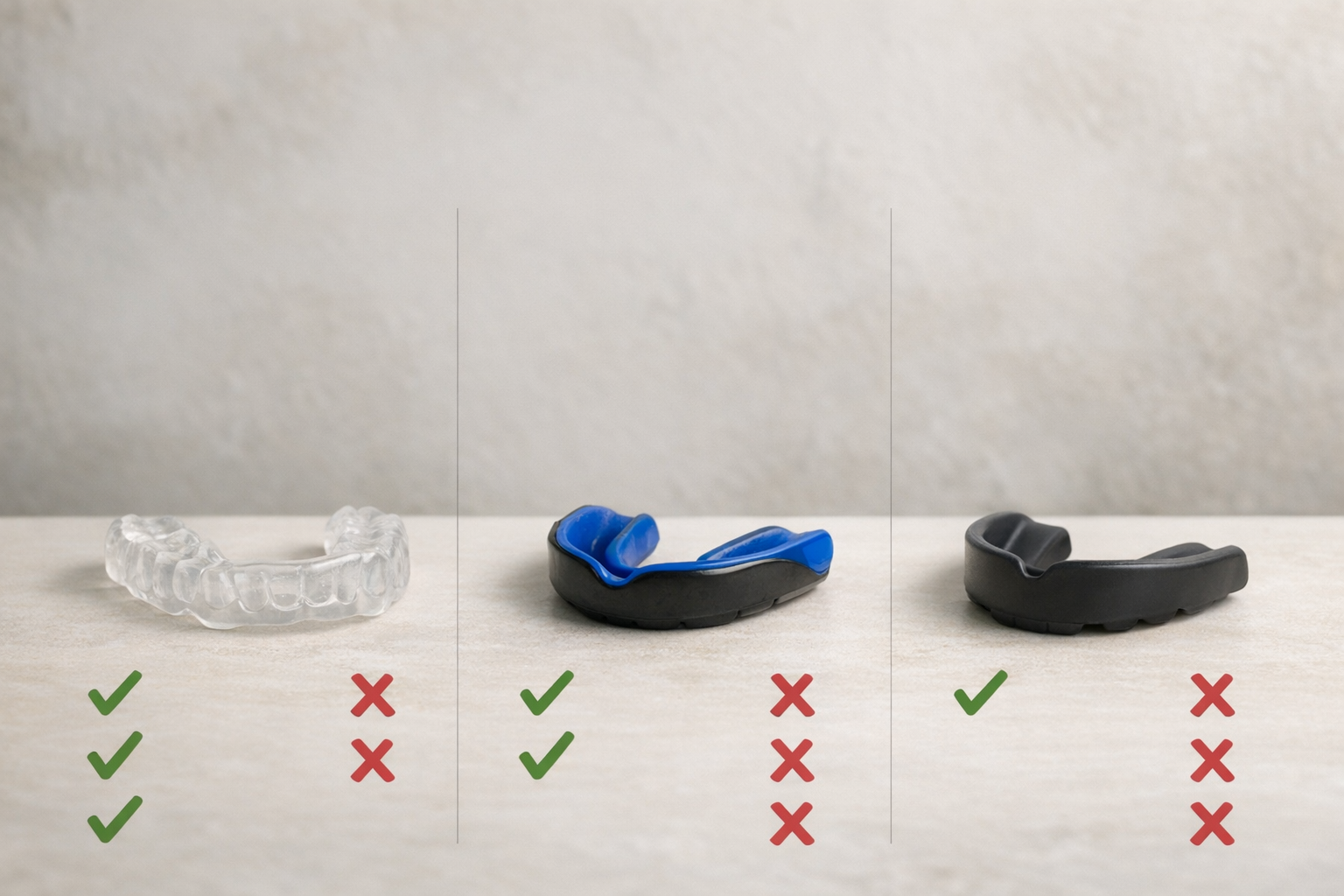
Custom-Fit vs. Over-the-Counter
Not all mouthguards are created equal. Choosing the right style can aid healing or cause problems.
- Custom-fabricated mouthguards: Made from dental molds for a precise fit. A 2024 analysis by Gorokhova et al. found that individualized acrylic appliances distributed biting forces more evenly across healing bone than stock guards. They're thinner and less bulky, reducing pressure on inflamed tissue.
- Boil-and-bite mouthguards: Soft blanks you heat in water and shape with your teeth. They cost less but may press against healing gums. If your extraction site is near the guard’s edge, even slight compression can cause discomfort.
- Stock mouthguards: Pre-shaped, non-adjustable guards that you bite down on. They're cheap and bulky, making them unsuitable right after surgery.
Material Considerations
The type of plastic used matters as much as the fit.
- Hard acrylic: Durable and easy to clean but inflexible. Suitable once the socket has solid bone fill (usually after week four).
- Dual-laminate: Soft inner layer with a rigid outer shell. Many dentists prefer this for post-extraction patients because the cushioned lining forms a gentle seal around inflamed gums.
- EVA (ethylene vinyl acetate): Common in boil-and-bite guards. Softer but prone to staining and bacteria if not cleaned daily.
A 2023 retrospective study by Shadamarshan et al. on temporomandibular joint surgery found that softer, flexible splints reduced postoperative joint pain compared to rigid acrylic models. While the study focused on joint procedures, its conclusions are relevant for wisdom tooth recovery: gentle pressure fosters comfort. You might also find it useful to explore the pros and cons of different night guard materials to make an informed choice.
Tips for Safe Mouthguard Use After Wisdom Tooth Removal
Gradual Introduction
Even if your dentist approves mouthguard use, ease into it:
- Day 1-2 of wear: Wear the guard for 10-15 minutes while awake. Pay attention to any tingling or throbbing in the gum flap. Remove if pain increases.
- Day 3-4: Increase to 30-minute intervals twice a day. Continue checking the extraction site in a mirror.
- Night 5 onward: Try sleeping with the guard, but keep pain relievers handy. If you wake up sore, reduce wear time.
An observational cohort reported in Matsumoto et al. 2025 showed that gradual re-colonization of oral bacteria occurs after jaw surgery. Slower guard introduction may allow the microbiome to stabilize instead of trapping high bacterial loads against healing tissue.
Hygiene Practices
- Rinse the guard under cool water immediately after removal.
- Brush it gently with a soft toothbrush and non-abrasive soap.
- Once a week, soak in a denture-cleaning tablet solution for 15 minutes.
- Allow the guard to air-dry completely before storing in a ventilated case.
- Avoid alcohol-based mouthwashes on fresh wounds; they can sting and delay healing.
Plan on replacing a soft or dual-laminate guard every 12 to 18 months, or sooner if deep bite marks appear. Those grooves can harbor bacteria and concentrate stress, both detrimental to a healing socket. The Cleveland Clinic recommends saltwater rinses (½ teaspoon salt in 8 ounces of warm water) for the extraction site. Swish gently after each mouthguard cleaning to remove residual debris.
Conclusion: Balancing Recovery and Protection
Using a mouthguard after wisdom tooth removal is a balancing act. On one side, there's the need to shield your teeth and jaw muscles from bruxism and sleep disorders. On the other, freshly stitched gums and forming bone don't appreciate added pressure or bacterial hitchhikers. Research, including the Komuro and Iwata 2023 review and appliance-design studies by Gorokhova et al. 2024, suggests waiting until at least initial mucosal healing (about one week) before using any intraoral device. After that, custom-fit or soft-lined guards, introduced gradually, offer the safest approach.
Your next step is simple: schedule a check-in with your dentist, bring your existing guard, and plan a timeline that respects both your healing tissue and your need for nighttime peace. By combining professional advice with the practical strategies above, you can prevent grinding without hindering your recovery.