-
Do Night Guards Affect Sleep Quality? What You Need to Know for a Restful Night
Waking up with jaw pain, headaches, or sensitive teeth isn’t something anyone should accept as “just normal.” For countless people, these symptoms trace back to bruxism—involuntary teeth grinding or jaw clenching during sleep. Night guards are a widely recommended solution. But a pressing question remains: do night guards actually help you sleep better, or can they sometimes get in the way?
This comprehensive guide explores how night guards can affect your sleep quality, answers common concerns, and empowers you with the knowledge you need to make the best choice for your oral and overall health.
What Is a Night Guard and Why Might You Need One?
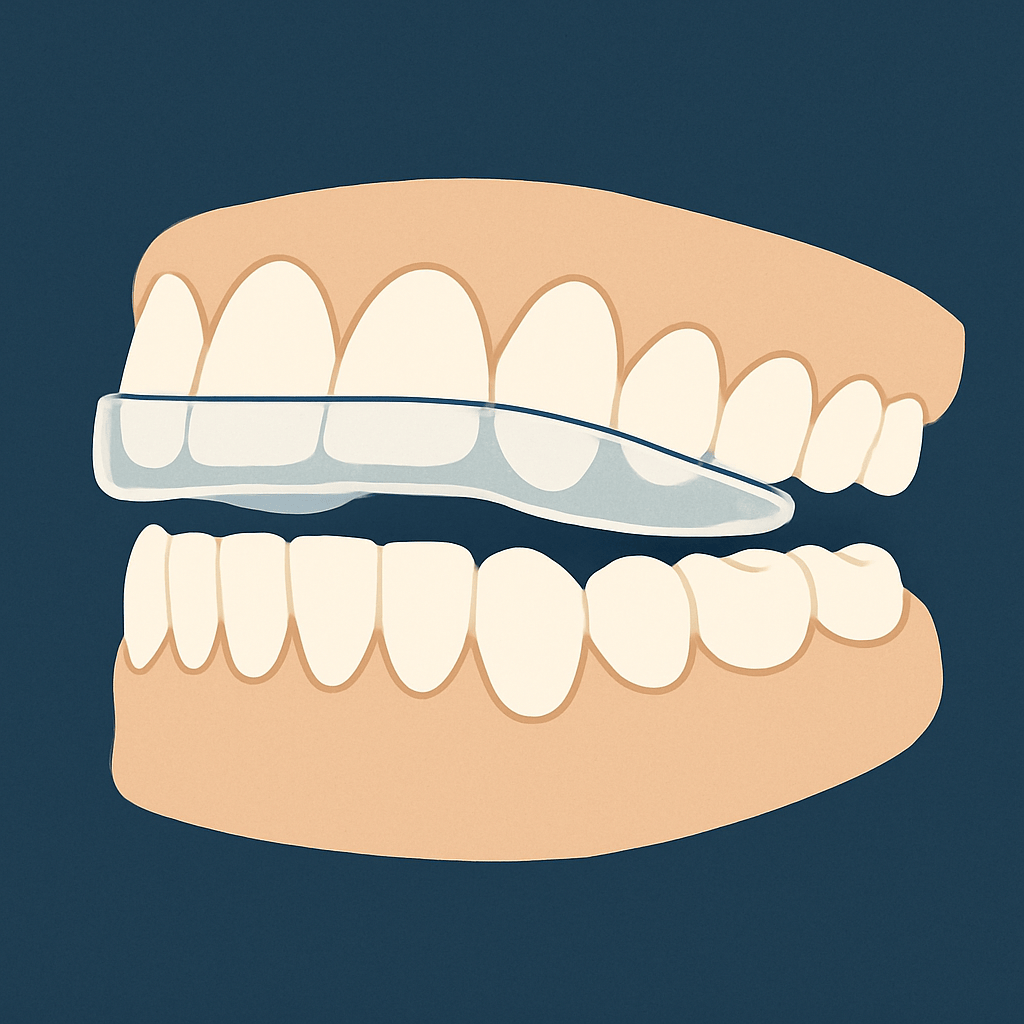
A night guard is a dental appliance designed to act as a barrier between the teeth, preventing the damage caused by grinding or clenching at night—activities often associated with bruxism and TMJ disorders. Custom-fit night guards are fabricated based on dental impressions for optimal comfort and efficacy, while over-the-counter versions offer more affordable but less personalized options.
- Primary Purpose: Protect tooth enamel, dental work, and relieve stress on the jaw muscles.
- Who Might Benefit? If you wake up with a sore jaw, tension headaches, tooth sensitivity, or notice chips and cracks on your teeth, a night guard may help. Some also use them for related sleep issues, like snoring or mild sleep apnea.
How Night Guards Can Improve Your Sleep
Let’s start with the good news. Multiple studies, as well as dental professionals, support the idea that night guards can have a positive impact on both your dental and general well-being:
- Jaw Muscle Relaxation and Less Pain: By cushioning the teeth and redistributing the pressure from clenching, night guards often reduce tension in the jaw. This can translate into fewer headaches, facial tension, and less ear pain from jaw clenching.
- Protection Against Dental Damage: They provide a layer between upper and lower teeth, protecting against wear, cracks, and broken fillings—which means less pain and fewer dental emergencies disrupt your sleep.
- Better Sleep Quality: When jaw discomfort and headaches are minimized, many users report waking up more refreshed. Reducing bruxism events may also improve sleep cycles and help prevent nighttime awakenings caused by grinding noises or discomfort.
- Potential Relief from Related Symptoms: Research and patient experience suggest that alleviating bruxism may also help with TMJ-related symptoms, like jaw pain (sometimes even when it’s related to wisdom teeth), and postural discomfort extending to the neck and upper back.
Can Night Guards Interfere with Sleep?
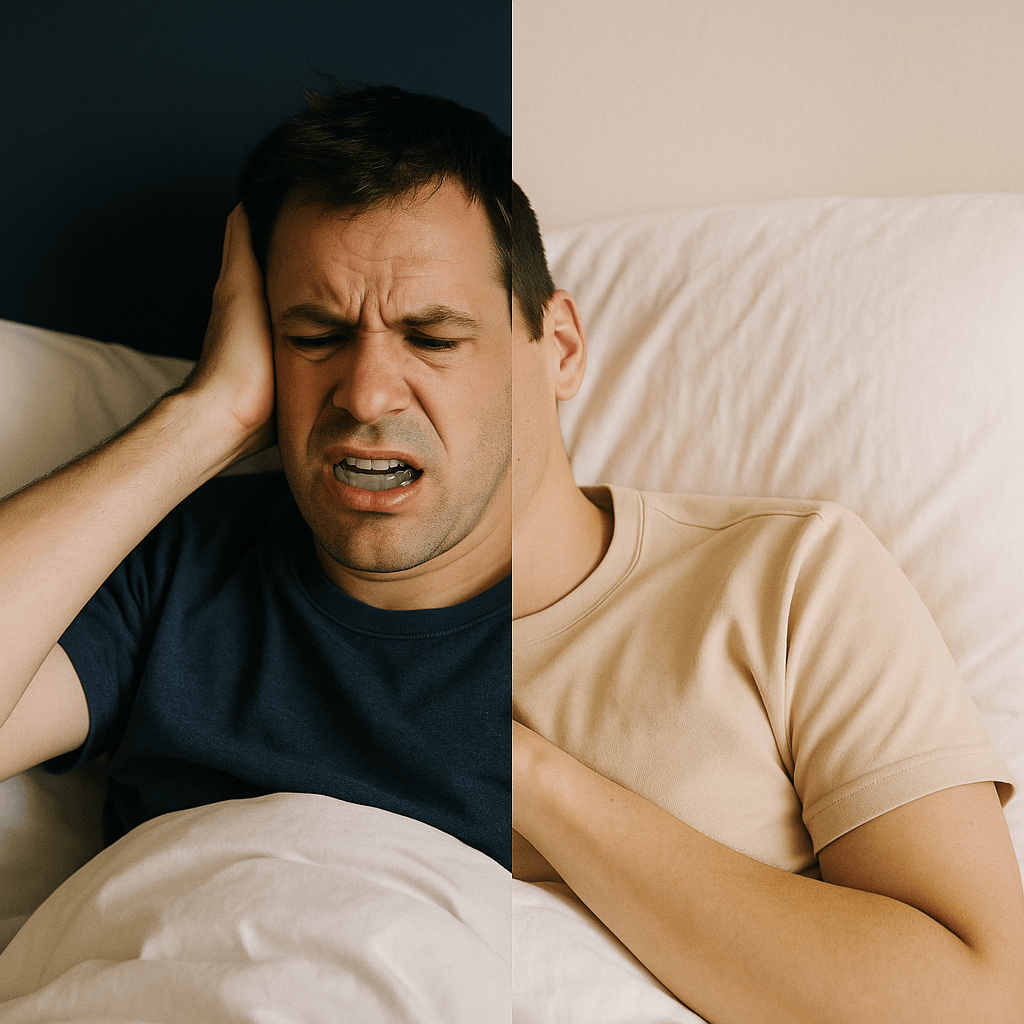
While many enjoy better sleep with a night guard, initial adjustment is common. Some potential challenges include:
- Discomfort or Bulkiness: Especially if a night guard is not custom-made, it may feel awkward or bulky at first. This can cause drooling, gagging, or minor sleep disruption while you adjust.
- Breathing or Snoring Changes: Rarely, some people find a night guard can affect their tongue position or airway, especially if the device isn’t fitted precisely. For those with underlying sleep apnea, a specialized mandibular advancement device may be more appropriate—always consult your dentist for guidance.
- Impact on Sleep Hygiene: If a night guard isn’t kept clean (such as by using vinegar solutions), bacteria can build up, potentially affecting oral health and comfort at night.
Importantly, custom-fit night guards are less likely to cause ongoing discomfort. If you have persistent pain, difficulty breathing, or trouble sleeping with a night guard even after a period of adjustment, see your dental professional.
Expert Tips for Adjusting to Your Night Guard
Transitioning to sleeping with a night guard doesn’t have to be a struggle. Here are practical suggestions:
- Choose the Right Type: Soft guards work for mild bruxism, while hard or dual-layer varieties are better for severe clenching. Work with your dentist to tailor the choice to your symptoms—including concerns like ear pain or jaw pain that may stem from teeth grinding.
- Give It Time: It can take days to weeks to fully acclimate. Start by wearing your guard for short periods before bed, then gradually increase the duration.
- Maintain Rigorous Oral Hygiene: Always clean your night guard thoroughly with cool water and a soft brush after each use. For a deeper clean, try a mix of gentle soap or vinegar (rinse thoroughly). Never use hot water as it may warp the device.
- Monitor for Fit Issues: If your night guard feels loose, pinches, or causes more pain than your jaw clenching ever did, return to your dentist for a checkup and possible adjustment.
- Keep Dental Checkups Regular: Bring your night guard to appointments. Your dentist can check for wear and ensure it still fits as your dental anatomy changes.
What If You Experience Ongoing Discomfort?
Temporary soreness is common, but ongoing problems are not. Persistent jaw, gum, or ear pain related to jaw clenching or use of your night guard requires a professional’s attention. Sometimes, adjunct therapies like jaw Botox for teeth grinding or alternative devices may be necessary.
Night Guards and Scientific Evidence: What Do Studies Say?
Scientific reviews and clinical experience support the use of night guards, especially custom-fitted ones, for improving symptoms from bruxism and TMJ disorders. The documented benefits include:
- Reduced risk of dental injury
- Lower incidence of jaw pain and morning headaches
- Subjective improvements in sleep quality for many patients
Conversely, most negative reactions are linked to ill-fitting, store-bought guards. That’s why involving a dental professional is strongly recommended—they can also rule out sleep apnea or other causes of poor sleep that require different approaches.
Should I Use a Night Guard? Next Steps for Better Sleep and Oral Health
No device is right for everyone. If you experience bruxism symptoms—whether it’s worn teeth, tension headaches, ongoing ear or jaw pain, or disturbed sleep—consult with a dental professional for a full evaluation. A dentist can:
- Assess if your symptoms are due to bruxism, TMJ, jaw pain due to wisdom teeth, or another condition
- Recommend the best night guard for your needs and anatomy
- Guide you to other treatments, such as physical therapy or Botox for teeth grinding if indicated
Conclusion: Taking Charge of Your Sleep and Smile

Night guards, when well-chosen and properly adjusted, are a proven tool to reduce the harm from bruxism and jaw clenching—often improving sleep quality in the process. While some users need time to adjust, most find significant relief from pain, tooth damage, and sleepless nights. Remember, persistent discomfort or new symptoms always warrant a professional review. By taking a collaborative, personalized approach with your dentist, you can protect your smile and get the restful sleep you deserve.
-
Does Teeth Grinding Change the Size or Shape of My Jaw? What You Need to Know

Waking up with jaw pain, ear discomfort, or even headaches is more common than you might think—and teeth grinding (bruxism) often sits at the root of these frustrating symptoms. If you’ve noticed your jaw looking more prominent or your facial shape shifting, you’re not alone in wondering: Does bruxism actually change the size or shape of my jaw?
This evidence-based guide explores the science behind bruxism and facial changes, sheds light on what you can expect, and offers practical steps to care for your oral health, jaw comfort, and appearance. Whether you’re struggling with ear pain from jaw clenching, want to know about night guards (and how to clean them with vinegar), or are considering jaw Botox for teeth grinding, you’ll find clear answers here.
How Teeth Grinding Affects the Jaw and Face
Muscle Hypertrophy: When Your Jaw Muscles “Bulk Up”

The most obvious change for many long-term teeth grinders is an increase in jaw width or a more “square” face. This effect is due to hypertrophy of the masseter muscles—the powerful muscles responsible for chewing. Just as regular workouts can build biceps, repeated jaw clenching (even subconsciously during sleep or stress) can enlarge these muscles over time.
- Key symptoms: Wider or squarer jawline; feelings of jaw tightness; possible TMJ clicking or discomfort.
- Additional changes: Some people also report one side of the jaw becoming larger than the other (asymmetry), especially if grinding or clenching is uneven.
Tooth Wear and Changes in Facial Structure
Beyond muscle changes, persistent bruxism causes dental wear: teeth become flattened, chipped, or shortened. Over years, this can subtly change facial proportions—your chin and nose may appear closer, and your smile may lose its natural shape. Advanced wear may even cause your bite to “collapse,” leading to a shrunken lower face and premature wrinkles around the mouth.
Does Teeth Grinding Change Bone Structure?
This is a common worry, but the good news is: grinding does not typically alter your jawbone itself. The shape and size of the jawbone are set by genetics and, after adolescence, rarely change aside from injury or major dental disease. Most visible enlargement is muscle, not bone. However, rare and severe cases of bruxism—especially if compounded by missing teeth—might contribute to bone remodeling over decades, but for the vast majority, it’s muscle bulk and tooth wear driving changes in appearance.
Bruxism, TMJ, and Ear Pain: The Connection
Chronic jaw clenching can stress the temporomandibular joint (TMJ), leading to TMJ disorders. TMJ conditions can cause jaw pain, clicking, headaches, facial asymmetry, and referral pain to the ears. If you’re wondering, “Can bruxism cause ear pain?“, the answer is yes—it’s a common complaint and often gets mistaken for an ear infection.
Treatments That Help Protect Your Jaw and Face

Night Guards: First Line of Defense
Custom-fit night guards are recommended by most dental professionals as the primary method to protect teeth and jaw muscles from the damaging effects of bruxism. By cushioning the bite, they reduce wear on your teeth and lessen strain on your jaw muscles.
- How to clean night guard with vinegar: Soak your night guard in equal parts white vinegar and water for 30 minutes, then rinse and brush gently with a soft toothbrush. Allow to air dry completely to prevent bacteria growth.
Reducing Muscle Hypertrophy
- Jaw Botox for teeth grinding: Botox injections into the masseter muscles can relax the jaw, reduce clenching, and help slim a square jawline caused by muscle overuse. Most results last 4–6 months and can be repeated; however, Botox doesn’t cure bruxism—it treats symptoms and appearance. Evidence shows it can improve comfort and facial symmetry, but is best paired with addressing root causes.
- Relaxation and stress management: Because stress and anxiety are major drivers of awake and sleep bruxism, techniques like mindfulness, meditation, and counseling may help reduce episodes of clenching.
- Address triggers: Rule out medical causes like sleep apnea, medication side effects, or misaligned teeth with your dentist.
If You Notice Facial Changes or Pain, Act Early
- Don’t ignore new facial asymmetry, swelling, or sudden jaw changes. Rapid changes can rarely signal infection or other serious problems needing urgent dental or medical assessment.
- Persistent ear pain, jaw or face clicks, headaches, or limited jaw opening should always prompt a visit to a qualified dentist or TMJ specialist.
What About Jaw Pain From Wisdom Teeth?
Jaw pain due to wisdom teeth is another frequent concern. Impacted or infected wisdom teeth can cause pain radiating to the jaw, ear, and even the head. Unlike bruxism, this pain is usually sharp or throbbing and may be accompanied by gum swelling or difficulty chewing. If you suspect wisdom teeth are the culprit, consult your dentist for evaluation and guidance.
Empowering Next Steps and Prevention
- Wear a well-fitted night guard, especially if you have known bruxism or are noticing facial changes. (we recommend and are partnered with Pro Teeth Guard)
- Address stress proactively with healthy coping strategies.
- Consider jaw Botox if muscle hypertrophy is affecting your appearance and comfort—but do so with a specialist.
- Maintain regular dental checkups for early detection and intervention.
Conclusion
Persistent teeth grinding can absolutely change the appearance of your jaw and face—but it’s primarily due to muscle buildup and dental wear, not bone enlargement. Protecting your teeth and jaw starts with recognizing the signs, using night guards diligently, managing stress, and seeking expert care if you notice pain, ear symptoms, or aesthetic concerns.
Early intervention isn’t just about comfort or appearance; it helps you preserve your natural bite—and contributes to your overall health and confidence. If you’re ready to regain control, explore our unbiased guides to night guard options, bruxism treatments, and oral health strategies, make sure you’re subscribed for new posts!
-
How to Clean Your Night Guard with Vinegar: A Simple, Effective Guide
Waking up with jaw soreness or ear pain from teeth clenching isn’t just unpleasant—it’s a sign that your night guard is hard at work protecting your smile. But even the best night guard can only do its job if it’s kept clean and bacteria-free. In this post, we’ll focus on one of the cheapest, simplest, and most effective methods: cleaning your night guard with vinegar. We’ll also examine why regular cleaning matters, other cleaning strategies, and step-by-step instructions for the vinegar method, so you can keep your appliance—and your mouth—healthy.
Why You Need to Clean Your Night Guard
Night guards are preventative tools recommended for those struggling with bruxism (teeth grinding and jaw clenching). Bruxism can cause headaches, jaw pain, and even ear pain in severe cases—sometimes making you wonder, can bruxism cause ear pain? The answer, unfortunately, is yes. Chronic jaw tension can refer pain to the ears or even cause TMJ issues, linking unaddressed bruxism to a cycle of discomfort.
Even if you’re seeing relief from these symptoms thanks to your guard, a dirty night guard can introduce new problems. Bacteria, plaque, and debris build up nightly, creating a breeding ground for odor, stains, and sometimes even oral infections. A poorly maintained appliance might also trigger unpleasant tastes, bad breath, or gum irritation—undoing some of the benefits you wear it for.
The Case for Daily and Deep Cleaning
Cleaning your guard regularly (ideally, a quick rinse and brush each morning, with a weekly “deep clean”) will help you:
- Prevent bacteria, fungus, and plaque buildup
- Reduce stains and odors
- Prolong the lifespan of your night guard
- Protect your oral and overall health
Other Ways to Clean a Night Guard (and What to Avoid)
Before we dive into the vinegar method, it’s helpful to know what else is out there—and what to avoid.
Safe Cleaning Options

- Hydrogen Peroxide: An easy household disinfectant for soaking night guards.
- Baking Soda Paste: Gently removes surface stains and neutralizes odors.
- Denture or Retainer Tablets: Effervescent cleansers you can buy at most pharmacies.
- Mild, Alcohol-Free Soap: With a soft toothbrush, this can remove everyday grime.
- Professional Night Guard Cleaners: Formulated foams or sprays designed for oral appliances.
What to Avoid
- Toothpaste: Too abrasive—may scratch and damage soft plastic, creating more places for germs to hide.
- Boiling Water/Dishwashers: Excess heat can warp your guard, compromising its fit and effectiveness.
- Harsh Chemicals (Bleach, Alcohol): Can damage materials or leave harmful residues.
Vinegar stands out as a cheap, accessible, and safe household disinfectant, making it a top pick for a weekly deep cleaning.
How to Clean a Night Guard with Vinegar: Step-by-Step
White vinegar is made of about 5% acetic acid, which has natural disinfectant properties strong enough to break down buildup and reduce bacteria—but gentle enough for most appliance materials. Here’s how you can make the most of this simple method:
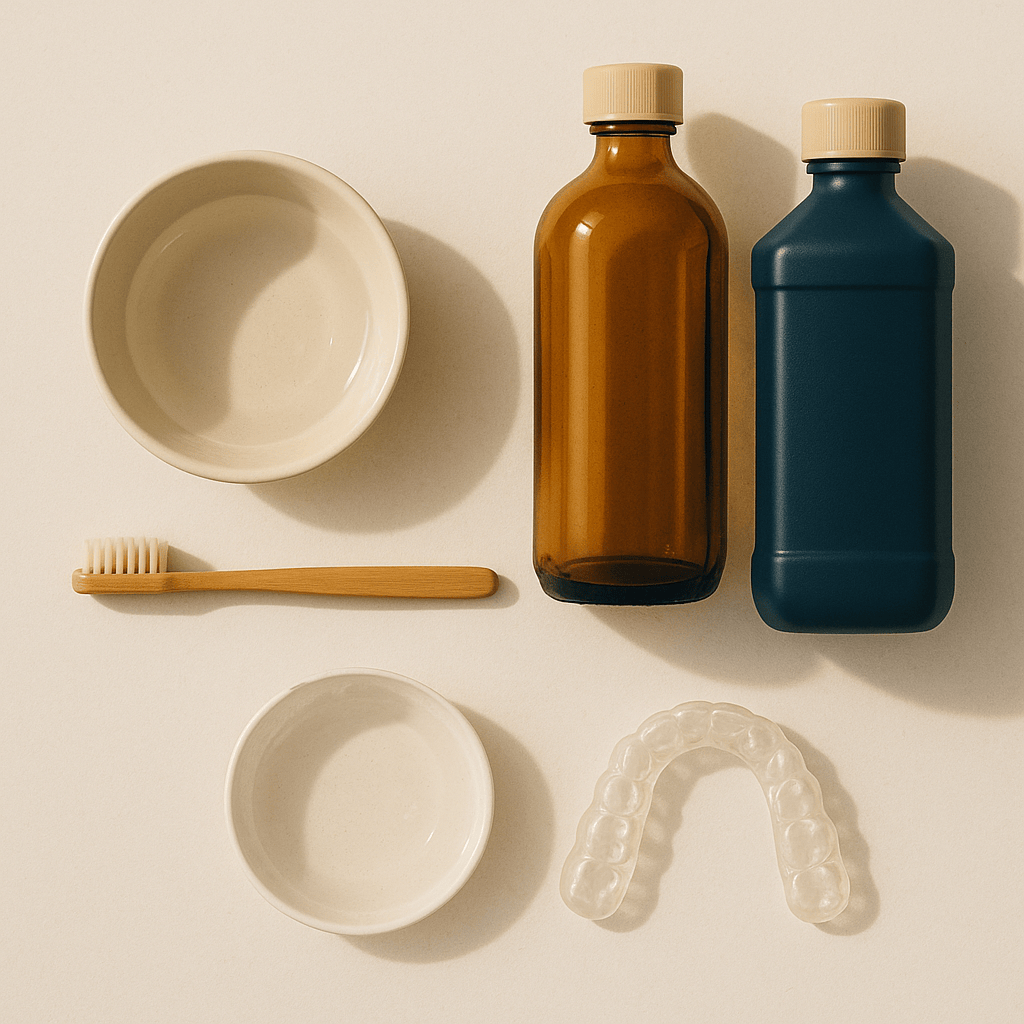
- Gather Your Supplies:
- Distilled white vinegar (avoid apple cider vinegar or flavored types)
- Small clean glass or bowl
- Warm water
- Soft-bristled toothbrush (dedicated for night guard use)
- Optional: Hydrogen peroxide for extra disinfection (see tip below)
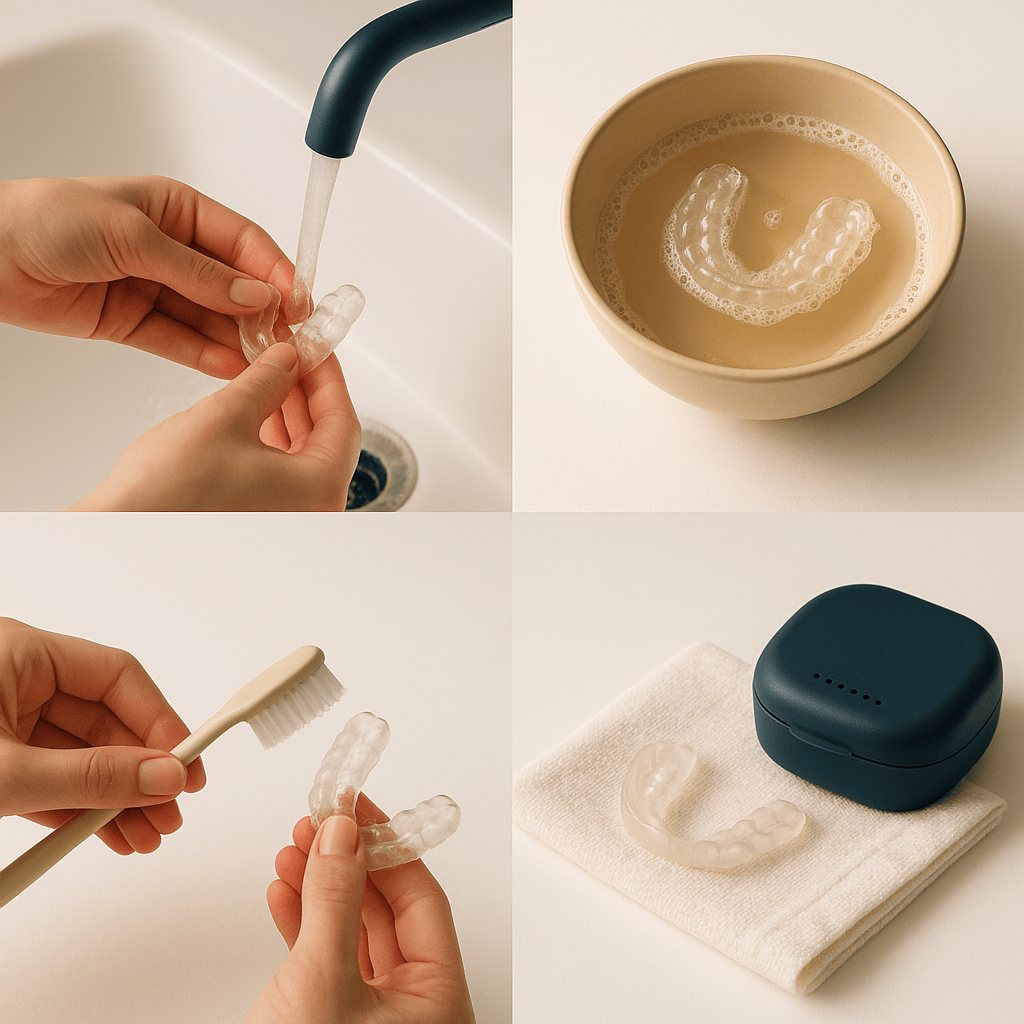
Rinse Your Night Guard:
When you remove your guard in the morning, rinse it under lukewarm water to remove saliva and loose debris.
Prepare the Vinegar Solution:
Mix equal parts distilled white vinegar and water in your bowl—just enough to fully submerge the night guard.
Soak:
Place your night guard in the vinegar solution. Let it soak for 20–30 minutes. This will help break down plaque, tartar, and kill a significant amount of bacteria.
Brush Gently:
After soaking, use your soft-bristled toothbrush to carefully scrub the night guard, especially in crevices or textured areas.
Rinse Thoroughly:
Rinse the guard under running lukewarm water for at least one minute to remove vinegar residue and dislodged debris.
Optional: Hydrogen Peroxide Rinse
For added disinfection, soak the night guard in 3% hydrogen peroxide for another 10–15 minutes after the vinegar. (This step is backed by many dentists but always check with yours if unsure.)
Dry Completely:
Lay your guard on a clean, dry surface and allow it to air dry fully before storing it in a ventilated case. Don’t store your appliance wet, as this can promote mold or odor.
Tips for Best Results
- Don’t over-soak—excessive time in vinegar (over 1 hour) can weaken some plastic types.
- Clean your storage case weekly (mild soap and water), so you’re not returning your fresh guard to a breeding ground for germs.
- Replace your guard promptly if it becomes cracked, discolored, or develops persistent odors after thorough cleaning.
The Big Picture: Night Guards, Hygiene, and Your Oral Health
A clean night guard is a key component in your fight against bruxism and its related issues—from jaw pain and TMJ symptoms to concerns like jaw pain due to wisdom teeth. While cleaning your night guard won’t cure bruxism (and we’re actively working toward that goal!), it does prevent additional sources of irritation, bad breath, and the risk of infections.
If you’re considering new solutions like mouth guards, oral exercises, or even jaw botox for teeth grinding, remember they all depend on careful maintenance.
Conclusion: Simple Steps, Big Benefits
Regular vinegar cleaning is one of the easiest, most affordable, and most effective ways to keep your night guard—and your mouth—in optimal shape. Coupled with daily rinsing and brushing, it will help your appliance last longer and serve you better as you work toward resolving bruxism for good.
Have more questions about bruxism, night guard options, or how to stop waking up with a sore jaw or ear pain from jaw clenching? Explore our library for evidence-based answers or reach out—our mission is to provide the clarity and guidance you need while we pursue a cure.
-
Is There a Risk of Microplastic Exposure from Wearing Night Guards?
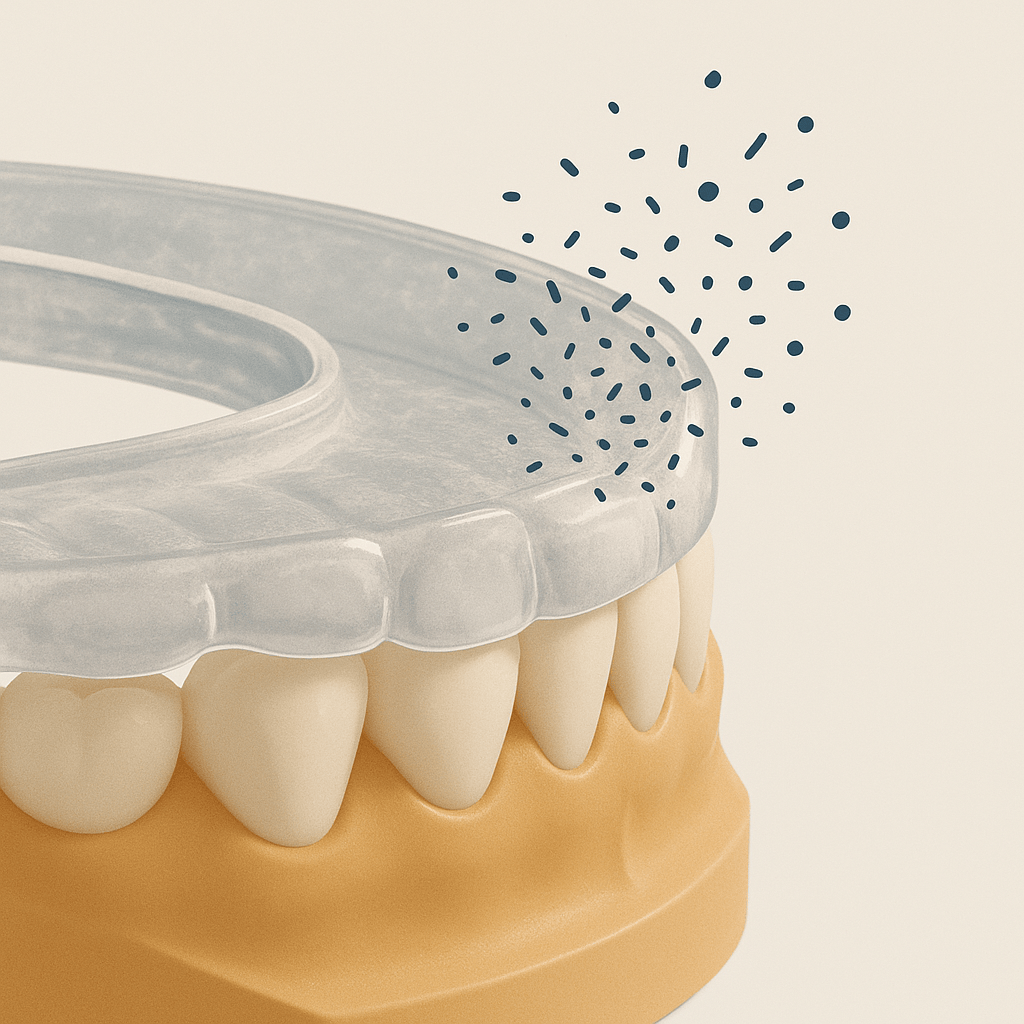
Waking up with a sore jaw or experiencing persistent ear pain can be draining—especially if jaw clenching or teeth grinding (bruxism) is to blame. Night guards are widely recommended to protect your teeth and ease discomfort, but more people are now asking tough questions about what goes in their mouth night after night. One emerging concern: Could wearing a night guard expose you to microplastics or toxins?
This article explores the science, what’s known (and not yet known), and how you can make safer choices if you need a night guard. Our goal: give you clear, evidence-based answers—so you can protect your smile, health, and peace of mind.
What Are Microplastics—and Why Should Night Guard Users Care?
Microplastics are tiny plastic particles less than 5 millimeters in size, often created when larger plastic products degrade through friction, heat, or environmental exposure. They’ve been detected in our food, water, air, and even inside the human body. While the long-term health implications are still being researched, some studies associate microplastics with inflammation and potential hormone disruption (source).
For those who use dental appliances—such as orthodontic aligners, retainers, or night guards—this raises a real question: Could my night guard be a source of microplastic exposure?
What Are Night Guards Made Of? Understanding Materials and Safety

Night guards are usually crafted from acrylic, EVA (ethylene vinyl acetate), or other dental-grade thermoplastics. These materials are chosen for durability and oral compatibility, but they are still forms of plastic and polymers. Over time, especially with heavy grinding or poor maintenance, even sturdy plastics can degrade or shed tiny fragments.
- Acrylic: Hard, durable, common in guards for severe bruxism.
- EVA (Soft): Flexible, comfortable, used for mild-moderate cases.
- Hybrid or Dual-Laminate: Hard outer layer with soft inner for both comfort and durability.
Most dental labs today produce BPA-free, medical-grade night guards and adhere to strict safety and material standards. However, over-the-counter “boil-and-bite” options, and older or damaged guards not replaced on schedule, are more likely to degrade and potentially shed microplastics.
Do Night Guards Really Release Microplastics?
The evidence:
- Early research suggests mechanical wear (from grinding) and exposure to saliva can cause trace release of microplastics from some thermoplastic appliances (study).
- The amount appears to be very minimal—and current studies don’t conclusively link night guard use with measurable health harm.
- The biggest risk factors: cheap or low-quality plastics, visible guard damage, and prolonged use without proper replacement.
The majority of your lifetime microplastic exposure is far more likely to come from food, water, and air than from a custom dental appliance. The benefits of preventing tooth wear, fractures, jaw pain due to wisdom teeth, and even ear pain from jaw clenching almost always outweigh unproven theoretical risks.
How to Minimize Microplastic Exposure from Night Guards: Practical Tips

- Choose Quality Materials: Ask your provider for BPA-free, phthalate-free, and FDA-approved materials only. Custom-fit guards from reputable dental labs use higher standards than most store-bought options.
- Replace Regularly: Inspect your guard monthly. Replace if you notice cracking, cloudiness, rough edges, or a change in fit. As a rule: soft guards last 6-12 months, hard/hybrid up to 2-3 years depending on grinding intensity.
- Clean Properly—But Gently: Use non-abrasive cleansers, avoid boiling water, and consider how to clean night guard with vinegar as a safe home method.
- Store Dry and Protected: Keep your night guard in its ventilated case and away from direct sunlight or heat when not in use.
- Consult Your Dentist or Dental Lab: If you’re concerned about safety, ask for documentation on the material source and FDA registration. Dentists can recommend the best option for your particular jaw pain or bruxism severity.
Are There Alternatives If You’re Concerned About Plastics?
If you’re seeking microplastic-free or non-plastic options, be aware that most *proven* bruxism solutions involve some form of polymer. However, you have alternatives:
- Jaw Exercises/Physical Therapy: Targeting the root cause of tension can reduce grinding (learn more about bruxism jaw exercises).
- Jaw Botox for Teeth Grinding: This treatment can relax hyperactive muscles that cause clenching, potentially easing symptoms and related ear pain.
- Lifestyle Adjustments: Reducing caffeine and alcohol, improving sleep habits, and addressing stress can often lessen symptoms naturally.
We’re committed to ending the need for night guards by exploring cures for bruxism. Meanwhile, choosing the safest dental device and caring for it well remains your best defense.
Frequently Asked Questions
- Can bruxism cause ear pain or jaw pain?
- Yes. Chronic clenching or grinding puts pressure on jaw joints and surrounding muscles, which can radiate discomfort toward the ears or cause TMJ issues.
- How do I clean my night guard with vinegar?
- Mix equal parts distilled white vinegar and cool water. Soak for 15-30 minutes, then brush gently and rinse thoroughly. Avoid prolonged soaking, which can degrade some materials.
- Is there a ‘perfectly safe’ night guard?
- Evidence suggests that high-quality, custom-fit, medical-grade guards are extremely safe for the vast majority of users—especially if maintained and replaced as recommended. Choose labs that are transparent about their materials. We are partnered with and recommend Pro Teeth Guard.
Conclusion: Protect Your Teeth, Stay Informed, and Choose Wisely
Current research on microplastic risks from night guards is limited and evolving, but most evidence points to a very low risk with proper use and care—especially compared to the damage from unprotected bruxism.
To protect your oral health (and minimize jaw pain due to wisdom teeth, ear pain from jaw clenching, or costly dental repairs), choose a reputable, high-quality night guard and follow best cleaning and replacement practices.
We’re your expert allies on the path to both a bruxism cure and informed, safe night guard use. Have questions? Subscribe to our newsletter, explore our deep-dive guides, or reach out to a dental professional for advice tailored to your needs.
-
What Are the Benefits of a Custom Mouth Guard for Teeth Grinding and How Does It Work?

Waking up with a sore jaw, dull headache, or even unexplained ear pain? You’re not alone. Millions struggle with nighttime teeth grinding—also known as bruxism—which can lead to persistent jaw clenching, tooth damage, and disrupted sleep. If you’re searching for a solution that’s effective, comfortable, and built to last, a custom mouth guard could be your best option.
This guide explores how custom mouth guards protect your teeth and jaw, what sets them apart from store-bought versions, and how wearing one can improve your oral health—and your quality of life.
Why Teeth Grinding Matters: Recognizing Bruxism and Its Consequences
Bruxism is more than just the sound of grinding teeth in the night. It’s a condition that can cause:

- Worn, cracked, or chipped teeth—sometimes requiring expensive dental repairs
- Jaw pain and soreness that lingers into the day and may radiate to the temples or neck
- Morning headaches, facial tension, and even tinnitus-like ear pain (can bruxism cause ear pain? Yes!)
- Damage to dental work such as crowns or implants
- Disturbed sleep—for you and your partner
Many people don’t realize they grind their teeth until the consequences appear. Dentists often spot the signs first: flattened chewing surfaces, tiny cracks, or gum recession. Jaw clenching and bruxism can cause wider issues, including contributing to TMJ disorders (temporomandibular joint dysfunction), which sometimes present with symptoms ranging from jaw clicking to ear pain.
Why Custom Mouth Guards Are the Gold Standard for Bruxism
You might have seen “boil-and-bite” guards at the drugstore, or tried a soft mouth guard from a pharmacy. For some mild cases, over-the-counter options may help temporarily. But if you’re grinding hard enough to cause pain, it’s time to consider a custom mouth guard.
What Makes a Custom Mouth Guard Different?
- Personalized Fit: Your dentist takes detailed impressions or digital scans of your teeth, creating a guard that matches your unique bite and jaw alignment perfectly.
- Superior Comfort and Retention: Custom guards are less bulky, fit snugly, and are tailored to accommodate braces, crowns, dental implants, and even jaw irregularities. This means you’re far more likely to actually use it every night.
- Effective Protection: The guard acts as a durable barrier, absorbing the pressure from grinding and clenching—sparing your enamel, restorations, and jaw joints.
- Durability: Custom guards, made from medical-grade materials, usually last years with proper care, unlike store-bought guards, which may need replacement every few months.
Bottom line: The up-front cost is higher, but custom mouth guards pay for themselves by preventing future dental repairs, reducing pain, and supporting better sleep.
How Does a Custom Night Guard Work?
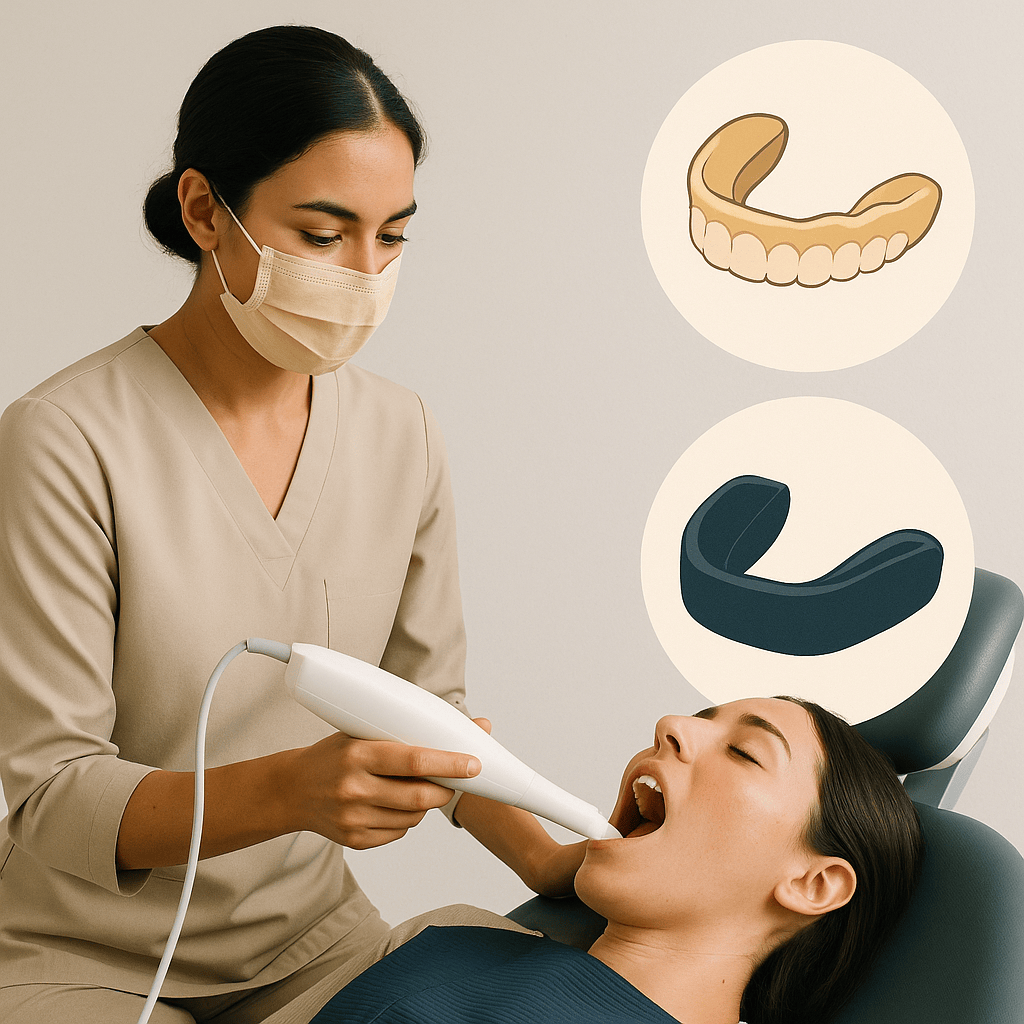
A custom night guard, also called an occlusal or bruxism splint, is worn over your upper (sometimes lower) teeth during sleep. Here’s what you can expect from the process:
- Dental Impression or Scan: Your dentist will take an impression of your teeth, using dental putty or a digital scanner. This captures every contour and bite alignment for a precise fit.
- Fabrication: The impression goes to a dental lab to create your guard from durable, biocompatible plastics.
- Fitting and Adjustment: When it’s ready, your dentist checks and adjusts the fit to ensure it’s comfortable and does not interfere with your bite or breathing.
- Regular Use: Wear your guard every night while you sleep (and, if recommended, during the day if you’re a chronic jaw clencher).
Recognizing If You Need a Mouth Guard
Common signs you might benefit from a custom night guard include:
- Frequent morning headaches or facial pain
- Jaw pain upon waking, or pain that worsens with stress
- Soreness that radiates as ear pain from jaw clenching or even as jaw pain due to wisdom teeth
- Noticeable tooth wear, sensitivity, chips, or cracks
- Partner tells you that you grind your teeth in your sleep
If you recognize these symptoms, schedule an evaluation with a dentist—not just for a guard, but to check for existing damage too.
Benefits of Wearing a Custom Mouth Guard for Teeth Grinding
1. Protects Teeth Against Costly Damage
The primary job of a night guard is to serve as a resilient barrier, preventing your upper and lower teeth from grinding against each other. This helps reduce enamel wear, chips, and fractures, and can preserve existing dental work.
2. Alleviates Jaw Pain, Headaches, and Ear Pain
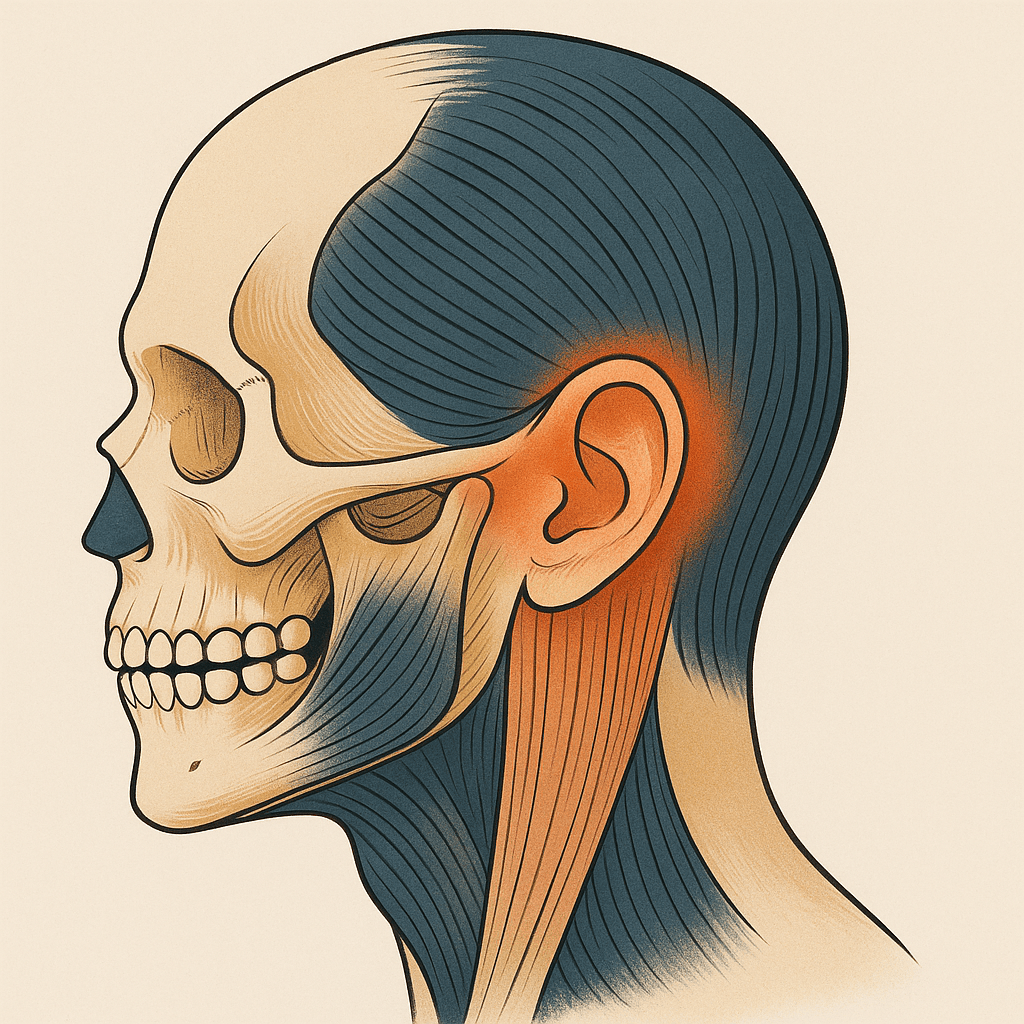
By cushioning the pressure of nighttime jaw clenching, custom guards help relax jaw muscles and reduce strain on the TMJ—a major contributor to headaches and ear pain related to bruxism. For some, a guard alone provides remarkable relief.
3. Prevents and Eases TMJ Disorders
Chronic grinding and clenching can strain the joints that move your jaw (TMJs). Over time, this may cause popping, clicking, or even jaw locking. A well-fitted guard helps maintain healthy joint alignment and minimizes inflammation, sometimes making it easier to find daytime relief—even if considering jaw Botox for teeth grinding as a future option.
4. Supports Better Sleep and Wellbeing
Unaddressed bruxism can disrupt your sleep cycles, cause fragmented sleep, and lead to fatigue. Some people with sleep apnea or severe snoring—known to overlap with jaw clenching—may also notice improvements with custom oral appliances.
Care and Cleaning: Tips for Maintaining Your Night Guard
A night guard is only as good as its condition. To keep your guard clean and safe:
- Rinse in cool water after each use—never hot water, which can warp it.
- Use a soft brush and mild soap. How to clean night guard with vinegar: Soak your guard periodically (about once a week) in a 1:1 mix of white vinegar and water for 30 minutes, then rinse thoroughly and air dry.
- Store in a ventilated case away from pets.
- Bring your guard to dental checkups for inspection.
FAQs and When to Seek Professional Help
Can bruxism cause ear pain?
Absolutely. The jaw’s proximity to the ear means that persistent clenching or TMJ inflammation can radiate discomfort around or inside the ear canal. If you suspect your ear pain is related to jaw tension or bruxism, a dental evaluation is wise.
Is jaw pain due to wisdom teeth the same as jaw pain from grinding?
They may feel similar, but the causes differ. Wisdom teeth can cause intermittent, localized jaw discomfort (especially if impacted), while bruxism pain is usually more diffuse and present upon waking. If in doubt, a dentist can diagnose the source—and occasionally, both issues can co-exist.
Custom vs. Store-Bought: Is It Worth the Investment?
While store-bought mouth guards offer an inexpensive, short-term solution, evidence and long-term experience show that custom-fitted guards are far more comfortable, effective, and actually used by patients—avoiding the cycle of continued damage and mounting dental bills.
Conclusion: Take the Next Step Toward Relief
Teeth grinding isn’t just a bad nighttime habit—it’s a health issue that can lead to chronic pain, ear discomfort, broken teeth, and disturbed sleep. A custom mouth guard designed by a dental professional offers durable, tailored protection to break the cycle of damage and help you reclaim comfort and confidence.
If you’re experiencing jaw clenching, morning headaches, or unexplained ear pain, don’t wait until significant damage occurs. Consult your dentist about custom mouth guard options. With the right guard, proper care, and support, you’re taking a smart step toward ending the impact of bruxism—while our community continues striving for a true cure.
-
How to Properly Clean Your Night Guard for Better Oral Health
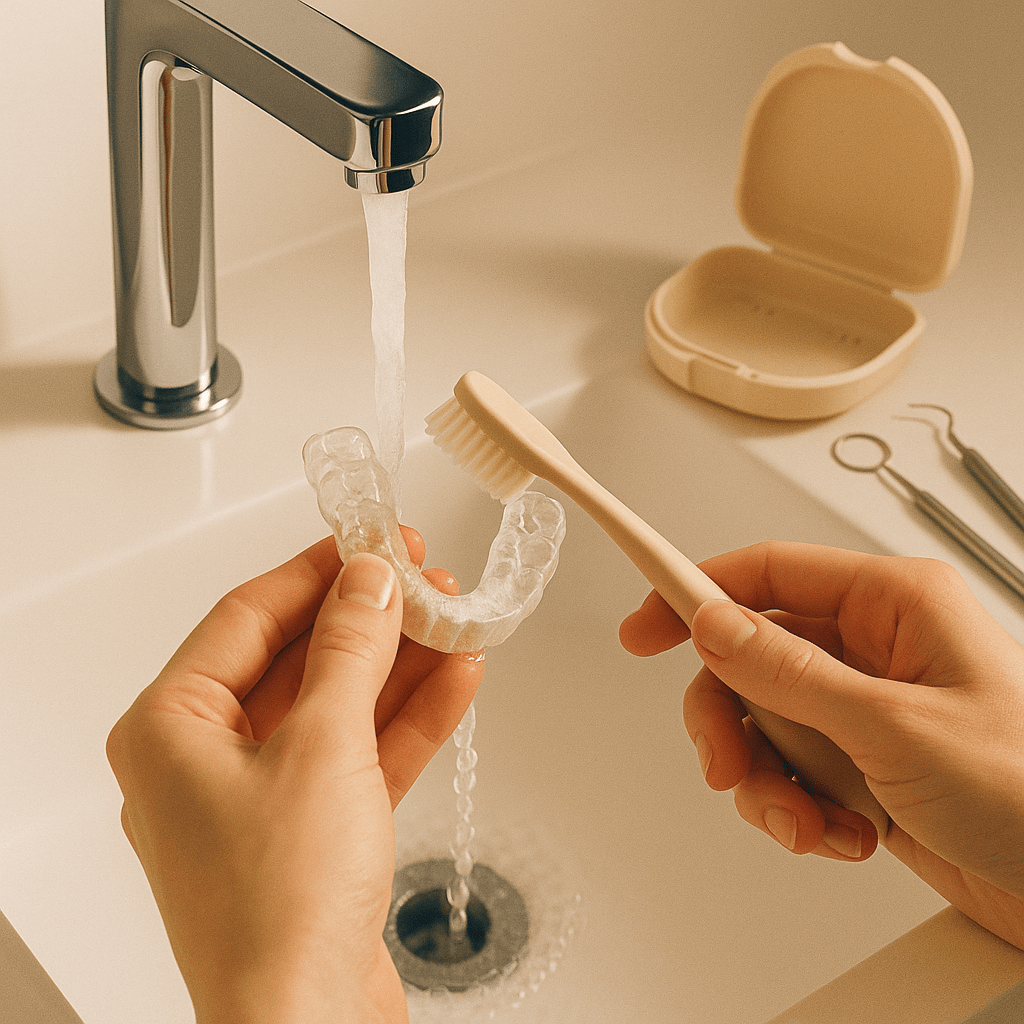
Night guards are invaluable allies for anyone dealing with teeth grinding (bruxism), jaw clenching, or related sleep issues. They’re designed to protect your teeth, alleviate jaw discomfort, and help prevent problems like tooth wear, tension headaches, and even ear pain. But just as you wouldn’t go weeks without cleaning your toothbrush, caring for your night guard is crucial if you want it to remain effective—and safe—for nightly use.
Whether your night guard is custom-fitted or store-bought, following the best cleaning and care practices can help you avoid bacterial buildup, bad odors, stains, and other common pitfalls that may impact your oral health. In this evidence-based guide, we’ll walk you through practical tips for daily and deep cleaning, how to spot when it’s time for a replacement, and steps to keep your night guard—and your mouth—fresh and healthy.

Why Cleaning Your Night Guard Matters
- Prevents Bacterial Buildup: Every night, your night guard sits in a warm, moist environment—perfect for bacteria to multiply if not cleaned properly. Bacteria can lead to bad breath, gum irritation, and even oral infections.
- Extends Lifespan: Regular care prevents discoloration, material breakdown, and warping—helping you keep your investment for as long as possible.
- Avoids Bad Odors and Stains: A dirty night guard can develop stubborn smells and stains that make using it unpleasant (and less hygienic).
- Protects Your Oral Health: Proper cleaning routines support overall oral hygiene, crucial if you’re wearing your guard to prevent issues like jaw clenching, ear pain, or seeking treatments like jaw Botox for teeth grinding.
Everyday Cleaning: Simple Steps with Big Benefits
A daily cleaning routine doesn’t need to be complicated. Here’s a quick expert-approved process:
1. Rinse Right After Use
When you remove your night guard in the morning, immediately rinse it under lukewarm (not hot) water. This helps wash away saliva, debris, and most soft plaque before it hardens.
2. Brush Gently—No Toothpaste
Use a separate, soft-bristle toothbrush to brush your night guard. Avoid using toothpaste, which is too abrasive and can scratch or degrade the material, leading to places for bacteria to hide. Instead, use mild, unscented dish soap or castile soap with lukewarm water. Some people also use a paste of baking soda and water as a gentle alternative.
3. Allow It to Dry Completely
Bacteria thrive in moist environments. After daily cleaning, place your night guard on a clean, dry cloth or paper towel in a safe location (out of reach of pets, who often mistake guards for chew toys). Let it fully air dry—this usually takes about 30 minutes—before storing it in its case.
4. Store in a Clean, Ventilated Case
Always store your night guard in its designated case when not in use. Choose a case with ventilation holes to allow airflow and avoid trapping moisture, which can encourage bacterial growth. Keep the case out of direct sunlight and away from heat or humidity.
Tip: Don’t keep your guard wrapped in a napkin or placed loosely on a nightstand, where it’s easily lost or accidentally discarded.
Weekly & Monthly Deep Cleaning: How to Clean Night Guard with Vinegar or Hydrogen Peroxide
Daily care is your first line of defense, but deep cleaning your night guard will help remove stubborn plaque, stains, and bacteria. This can be done as often as weekly, but at least once a month is recommended.
How to Clean Night Guard with Vinegar: Step-by-Step

- Soak in White Vinegar: Place your night guard in a glass (not metal) bowl and cover the guard completely with distilled white vinegar. Soak for up to 30 minutes—set a timer to prevent over-soaking.
- Rinse Thoroughly: Remove the guard and rinse under lukewarm water. Rinse the bowl, too.
- Optional Hydrogen Peroxide Rinse: For added disinfection and odor removal, soak the guard in 3% hydrogen peroxide for another 30 minutes. This helps neutralize any leftover vinegar taste and further kills bacteria.
- Final Rinse & Dry: Rinse one last time in water, then dry as usual before storing.
Note: Avoid using mouthwash, denture tablets, or bleach on your night guard (unless your dentist specifically recommends it). Most cleaning tablets are too harsh, and hot water can warp the material.
Mistakes to Avoid
- Don’t use hot water: It softens and warps most night guard materials.
- Don’t use abrasive toothpaste or hard brushes: These can cause micro-scratches that trap bacteria.
- Never put your night guard in the dishwasher: High temperatures and detergents will damage it.
- Don’t store it in a sealed, unventilated container: Moisture encourages bacterial and mold growth.
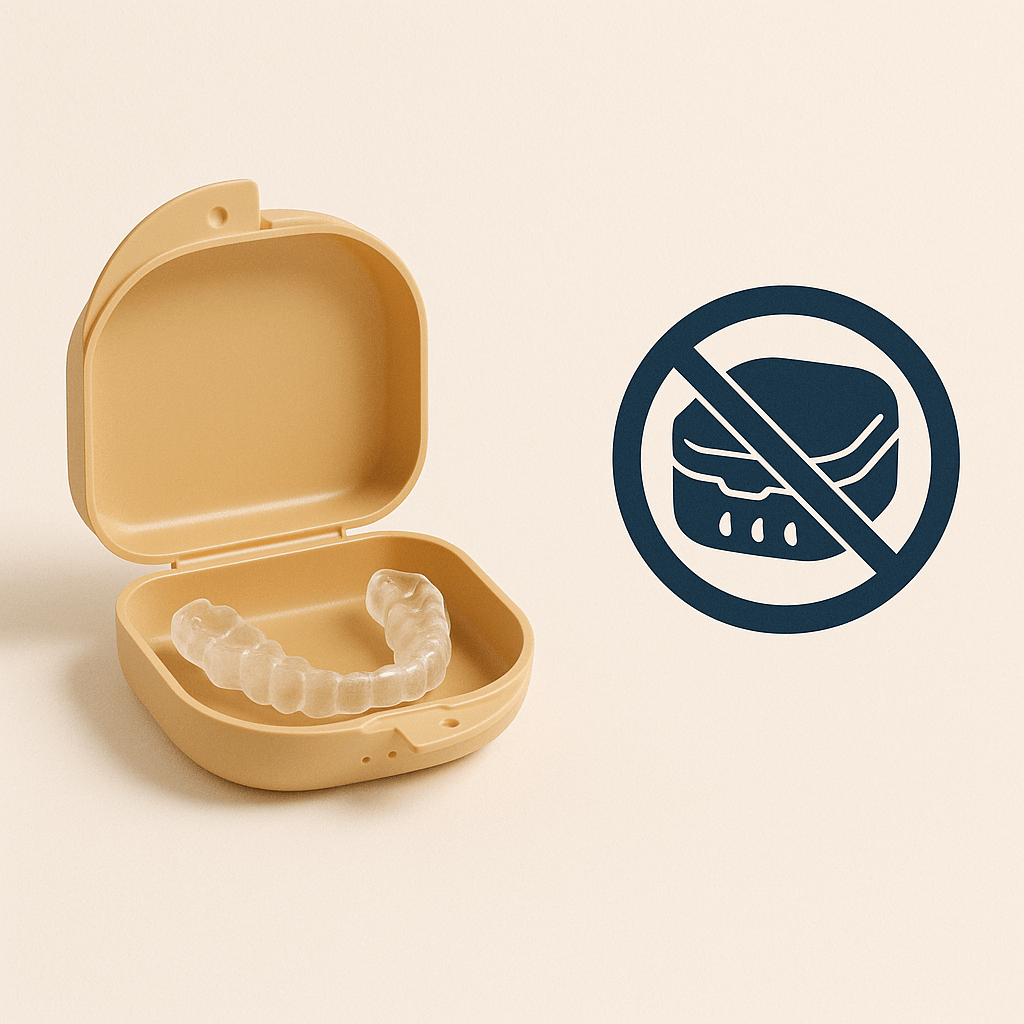
- Don’t forget to clean the case: Wash the storage case regularly with dish soap and allow it to dry fully.
When Should You Replace Your Night Guard?
Even the most well-maintained night guard won’t last forever. Check your guard regularly for:
- Visible cracks, tears, or rough edges
- Loss of snug fit or comfort
- Persistent, hard-to-remove odors or discoloration
- Damage after restorative dental work (fillings, crowns)
If in doubt, bring your guard to your next dental visit for a professional inspection. Custom guards often last longer than over-the-counter versions, but replacement is necessary when fit or material is compromised.
Smart Tips for Keeping Your Night Guard (and Mouth) Fresh
- Brush and floss before wearing: Placing your guard over clean teeth prevents trapping bacteria overnight.
- Keep pets away: Dogs love chewing night guards—keep it out of reach for their (and your) safety.
- Bring your guard to dental appointments: Especially if you’re having work done or want its condition checked for fit.
Why Good Night Guard Hygiene Matters for Bruxism and Jaw Pain
If you’re using a night guard to relieve jaw clenching, nighttime teeth grinding, or even ear pain related to bruxism, investing a few minutes each day in proper cleaning helps your oral appliance stay protective rather than contributing to additional problems. Remember, poor night guard hygiene can worsen gum irritation, contribute to oral infections, or offset the very benefits you’re seeking—whether you’re preventing tooth wear, treating jaw pain due to wisdom teeth, or weighing options like jaw Botox.
Conclusion: Make Night Guard Cleaning Part of Your Healthy Routine
Your night guard plays a vital role in preserving your smile, protecting you from the side effects of bruxism, and even contributing to more restful sleep. With a few simple, evidence-based habits—daily rinsing, gentle cleaning, proper drying—you can extend the life of your guard, avoid bad breath and bacteria, and keep your mouth healthy for the long haul.
Still have questions about bruxism, jaw clenching, or the right night guard for your needs? Subscribe for more research-backed, practical guides—or visit our resource center for detailed comparisons and solutions. We’re here to help you take the next step toward better oral and sleep health.
-
How Does Heat Treatment Help Relieve TMJ Pain? A Comprehensive Guide

Waking up with a sore jaw, aching ears, or struggling to chew shouldn’t be part of your daily routine. If you’re dealing with TMJ (temporomandibular joint) disorder—often marked by jaw pain, ear discomfort, headaches, or even jaw clenching—finding relief is a top priority. Among the non-invasive remedies recommended by dental and orofacial pain specialists, heat therapy stands out as a simple yet effective way to alleviate TMJ symptoms at home.
But how does heat treatment actually work for TMJ pain? When is it most effective—and is it always the right choice? In this comprehensive guide, we’ll walk you through:
- How heat therapy helps manage TMJ disorder
- Safe and effective ways to apply heat
- When to use heat versus cold therapy
- Integrating heat treatment into your broader TMJ care plan
- Potential cautions—and when to seek specialized help
Our goal: to give you clear, trustworthy guidance so you can make informed decisions about relieving your pain and supporting long-term jaw health.
Understanding TMJ Pain: Causes and Symptoms
The temporomandibular joints connect your jawbone to your skull, enabling movements like chewing, talking, and yawning. TMJ disorders (sometimes called TMD) occur when these joints, or the surrounding muscles, become irritated or dysfunctional. Common causes include:
- Jaw clenching or teeth grinding (bruxism)
- Stress (leading to muscle tension)
- Jaw injury or arthritis
- Dental issues like misalignment or impacted wisdom teeth
- Chronic inflammation or overuse
Symptoms often go beyond jaw pain. Many people experience:
- Ear pain or a feeling of fullness
- Clicking, popping, or locking of the jaw
- Headaches, neck pain, or facial soreness
- Pain when chewing or moving the jaw
- Tinnitus (ringing in the ears)
For some, this discomfort is tied to specific triggers like jaw clenching at night, use of a night guard, or wisdom tooth pain.
How Does Heat Therapy Alleviate TMJ Discomfort?
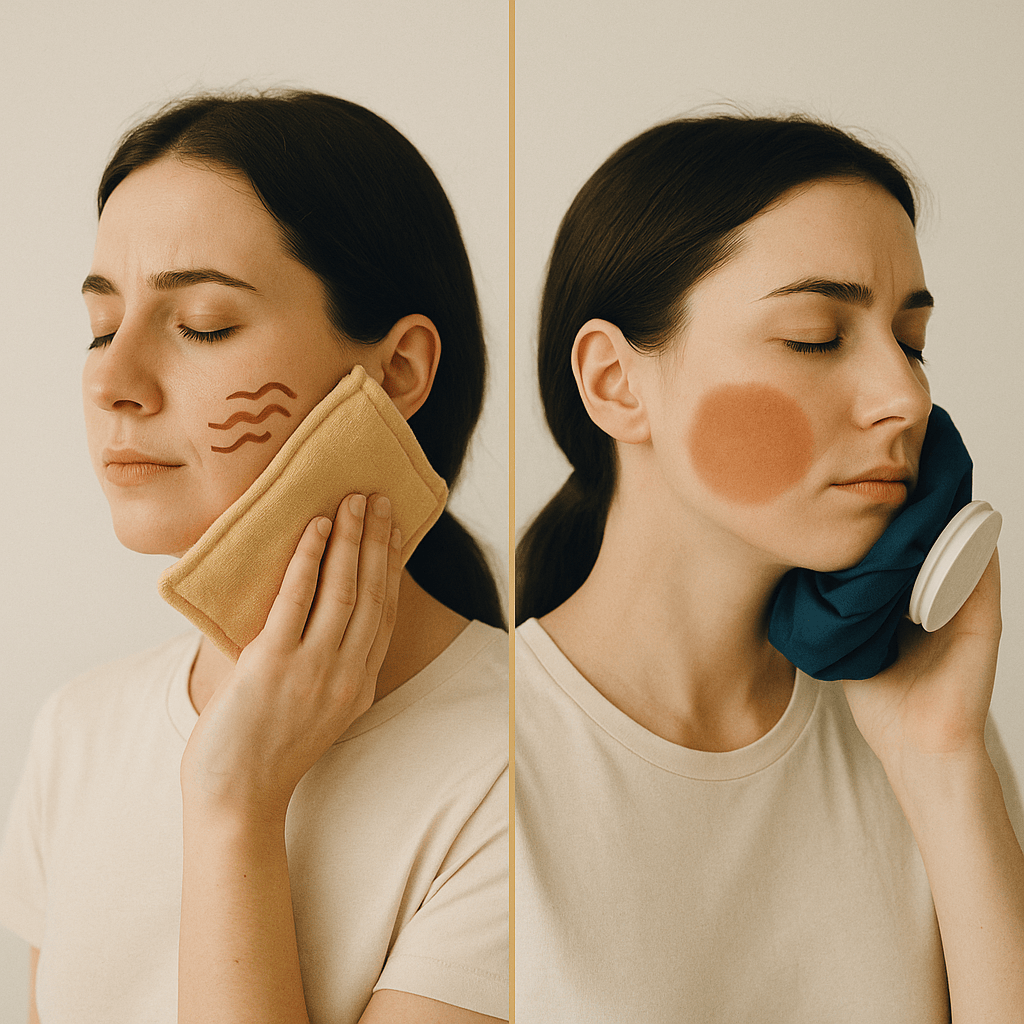
Heat therapy uses warmth to relax tight muscles and improve blood flow around the jaw. Here’s what makes it particularly effective for TMJ:
- Muscle Relaxation: Heat gently loosens overworked or spasming jaw muscles, relieving tension caused by clenching or grinding.
- Improved Circulation: Warmth increases blood flow to the TMJ area, which can help reduce stiffness and speed healing of minor tissue irritation.
- Pain Relief: Enhanced blood flow brings natural pain-relieving chemicals to sore areas and helps clear away metabolic waste, often reducing pain intensity.
- Stress Reduction: The simple comfort of warmth can help ease anxiety—a major contributor to jaw clenching and bruxism.
The bottom line: Heat helps break the cycle of pain, tension, and inflammation, so your jaw can begin to recover.
Safe Heat Therapy: Step-by-Step Instructions
Proper technique is crucial. Here’s how to use heat safely for TMJ relief:
- Choose Your Heat Source:
- Moist heat packs (like a microwavable gel pad or towel)
- Electric heating pads with temperature control
- yourTMJ Pen (this is an affiliate partner brand of ours that we HIGHLY recommend, it’s innovative and very much in line with our mission to help everyone suffering with TMJ / bruxism.)
- Warm (not hot) washcloths
- Test the Temperature: The heat should feel comfortably warm, not hot or burning. Always test on your inner wrist first.
- Apply to the Jaw Area: Place the heat pack along the side of your face, over the jaw joints (in front of your ears), and down toward your jaw muscle (masseter). Avoid direct contact with bare skin for extended periods.
- Use for 15-20 Minutes: Apply heat for up to 20 minutes, then remove for at least 20 minutes before reapplying.
- Repeat 2-3 Times Daily: Especially during flare-ups, regular use may provide the most relief.
Note: If you have numbness, poor circulation, or sensitive skin, check with your healthcare provider before using heat therapy. Never fall asleep with a heating device on your skin.
Heat vs Cold: When to Choose Each for TMJ Pain
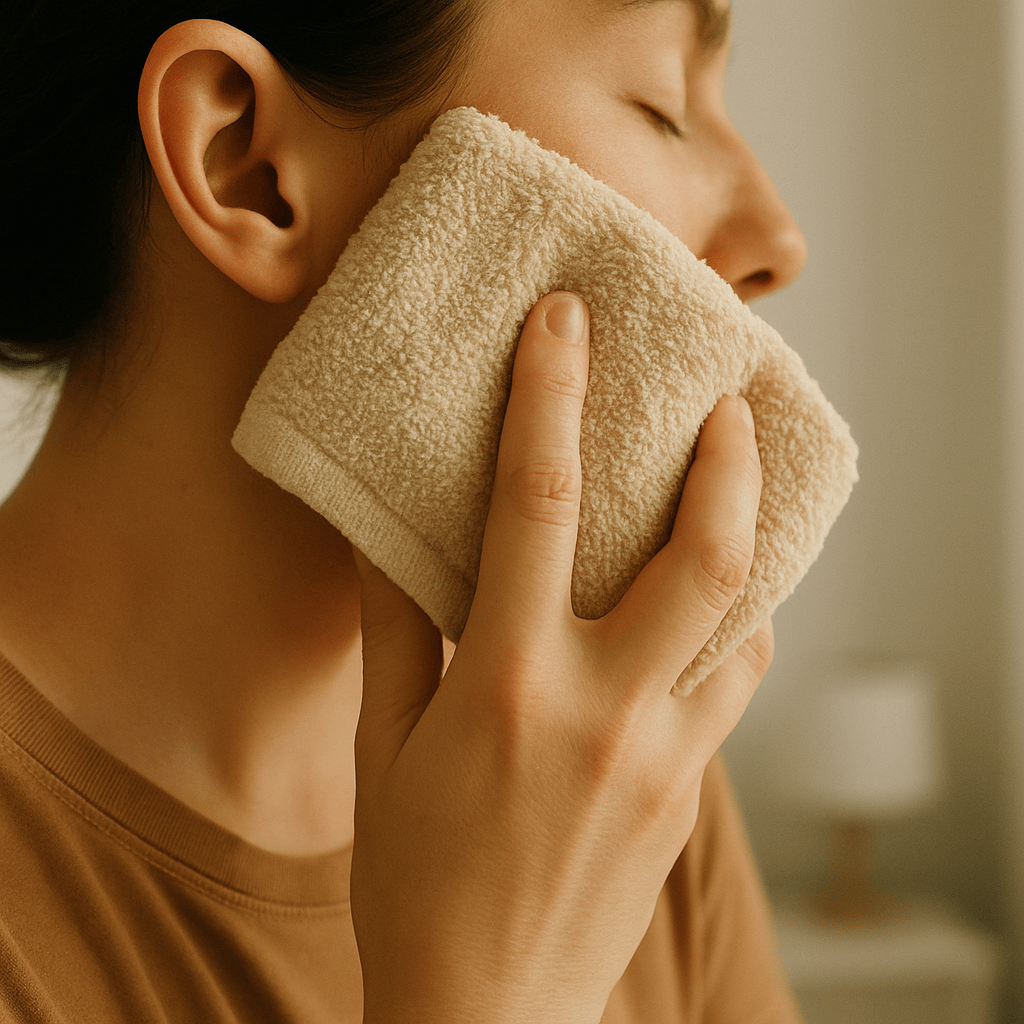
Both heat and cold therapies can be useful, but when should you use which?
- Heat Therapy: Best for muscle tension, chronic jaw tightness, or soreness from ear pain jaw clenching. It soothes tightness and promotes circulation.
- Cold Therapy: Use a cold pack or ice wrap if you have recent jaw injury, new swelling, or sharp pain. Cold reduces inflammation and can temporarily numb intense discomfort.
For many TMJ sufferers, alternating heat and cold (never together) can offer balanced relief. If in doubt, start with heat for tension or chronic pain—but use cold if you notice swelling or your jaw feels inflamed after use.
If you want to go straight to a highly specialized tool, we highly recommend our affiliate partner brand yourTMJ Pen, and you can get $15 off with code GRINDMYTEETH at checkout.
Integrating Heat with Other TMJ Home Care Strategies
For lasting relief, combine heat therapy with a comprehensive TMJ care plan. Consider these approaches:
- Jaw Exercises: Gentle stretches and movements promote mobility and reduce stiffness. Ask your dental or physical therapy team for safe routines.
- Good Sleep Hygiene: Manage jaw clenching at night with an appropriate night guard—be sure to clean your night guard with vinegar routinely to prevent irritation and infection.
- Stress Reduction: Practice relaxation, mindfulness, or stress-management exercises to lessen clenching during the day and night.
- Diet Adjustments: Stick to softer foods during flare-ups—minimize gum, tough meat, or very chewy foods.
- Address Dental Issues: If jaw pain due to wisdom teeth or misalignment is suspected, a dental evaluation is crucial.
These approaches are supported by leading TMJ specialists and can be tailored for your unique needs. If over-the-counter steps are not enough, options like physical therapy, custom oral appliances, or targeted therapies (e.g., jaw Botox for teeth grinding) may help.
Risks and When to Seek Professional TMJ Care
Heat therapy is generally safe, but it’s important not to:
- Overheat skin (which can lead to burns or irritation)
- Use heat if you have unexplained jaw swelling or acute injury
- Ignore persistent, worsening, or spreading pain (especially if associated with ear pain, hearing changes, or facial swelling)
Seek prompt evaluation if you experience:
- Severe jaw pain that does not improve with home care
- Locking of the jaw (cannot open or close mouth comfortably)
- Unexplained weight loss, new lumps, or ongoing fever
- Signs of infection (pus, redness, swelling, or fever)
Remember: TMJ symptoms can overlap with other medical conditions. A thorough exam by your dentist, family doctor, or orofacial pain specialist will ensure accurate diagnosis—and help you avoid unnecessary procedures.
Conclusion: Incorporating Heat into Your Personalized TMJ Relief Plan
TMJ pain is more than a minor annoyance—it often impacts sleep, daily comfort, and emotional well-being. Heat treatment offers a practical, low-risk way to break the cycle of jaw tension and pain, especially for those who struggle with ear pain jaw clenching or chronic muscle tightness. It works best when combined with lifestyle adjustments, professional dental care, and a clear plan for ongoing symptom management.
If you’ve been using heat consistently with limited improvement—or if your pain worsens—don’t wait. Consult a qualified dental or orofacial specialist to rule out other issues such as infection, wisdom teeth problems, or severe bruxism. Our long-term mission remains not just to manage jaw pain, but to advance effective prevention and treatment for everyone affected by TMJ issues.
Ready to take control of your jaw comfort? Start with safe, evidence-based steps at home, but reach out for help if your symptoms persist. Your path to healing—and better mornings—begins today.
-
How Can You Reduce Microplastics From Wearing a Night Guard?

Wearing a night guard is an essential step for many people who grind or clench their teeth, protecting your smile from the toll of bruxism. But as the conversation around microplastics and personal health grows, a new question emerges: Is your night guard contributing to microplastic exposure—for you, or for the environment? In this guide, we’ll break down what you need to know about microplastics and night guards, practical steps to reduce microplastic shedding, and emerging solutions that place both your wellbeing and the environment at the forefront.
Understanding Microplastics and Night Guards
Microplastics are tiny plastic particles (less than 5mm) resulting from the breakdown of larger plastic objects or from manufacturing processes. They’re everywhere: in our water, in the air, and—concerningly—in some of the products we use daily, including oral appliances like night guards.
The risk is clear: studies suggest that chronic exposure to microplastics can contribute to inflammation and potentially long-term health effects, especially when particles contain chemicals like BPA or phthalates [UCSF]. For night guard wearers, the question becomes: does your device shed microplastics, and if so, what can you do about it?
How Night Guards Contribute to Microplastics: What the Evidence Says
Night guards are typically made from polymers such as acrylic, EVA (ethylene vinyl acetate), or other dental-grade plastics. Over time, normal use—especially for those who grind vigorously—can cause microscopic wear or surface breakdown. Cleaning methods, particularly abrasive or high-heat options, can also accelerate this process. Here’s what matters:
- Wear and Tear: Grinding, jaw clenching, and repeated chewing can abrade the surface, possibly releasing micro-sized plastic fragments.
- Poor Material Quality: Cheaper, over-the-counter or boil-and-bite guards are more prone to breakdown and shedding than custom-fit, high-grade dental appliances (Sentinel Mouthguards, 2025).
- Improper Cleaning: Harsh chemicals, boiling water, or abrasive scrubbing can degrade plastics faster (Pro Teeth Guard, 2025).
- Age of Appliance: Old, cloudy, or cracked night guards are more likely to release particles.
Not All Night Guards Are Created Equal
It’s important to note that microplastics aren’t intentionally added to night guards. The amount released depends on the type and condition of the device, how you use it, and how you clean and maintain it.

Does Wearing a Night Guard Endanger Your Health or the Environment?
The science is still catching up on how much microplastic is released from dental night guards specifically. However, available research and dental industry consensus suggest that, while well-made guards are low risk for microplastic exposure, the risk increases if:
- You use cheap or old guards showing visible wear
- The device cracks, flakes, or feels rough on the tongue
- You clean it with boiling water or strong chemicals
From an environmental perspective, discarded plastic dental appliances do contribute to plastic waste—making material choice and product lifespan important for eco-conscious users.
How to Minimize Microplastic Shedding from Your Night Guard
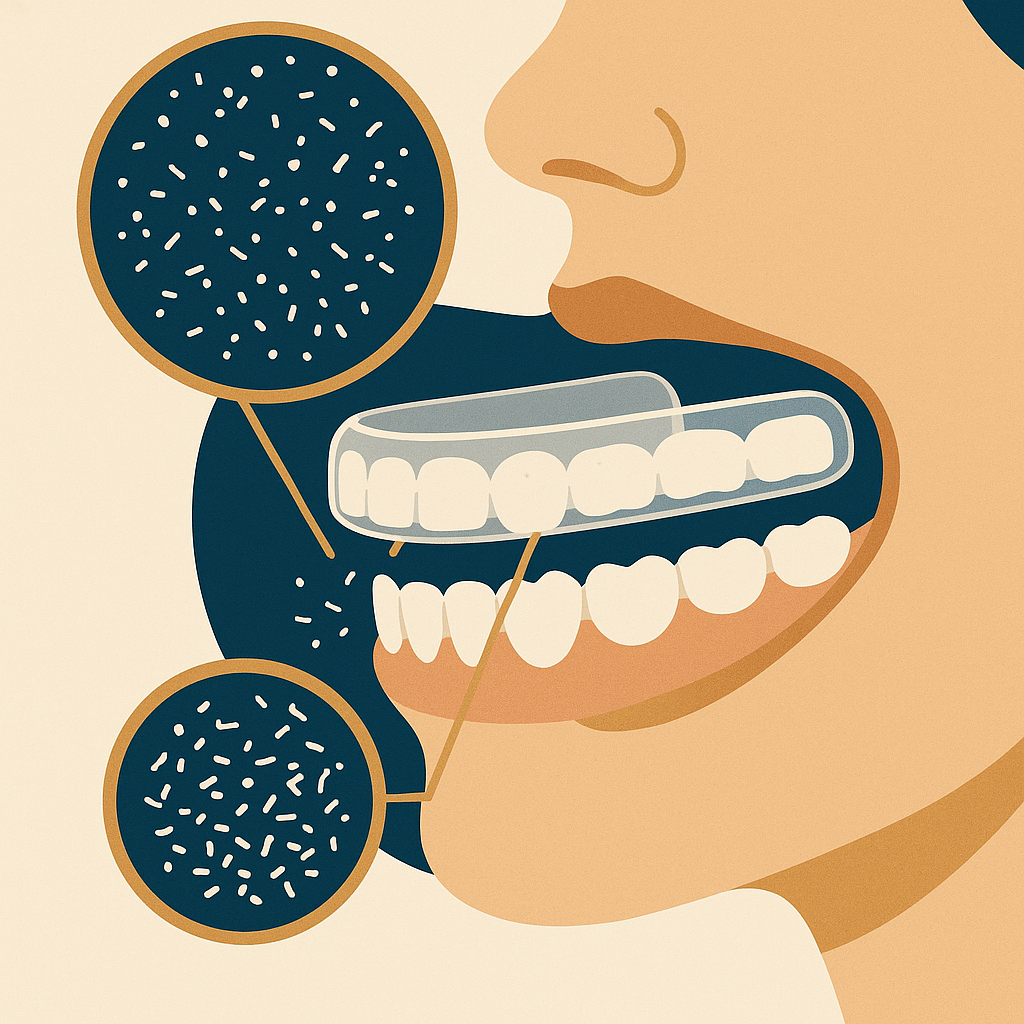
1. Choose a High-Quality, Custom-Fit Guard
- Go custom: Professional, custom-fit night guards are made from durable, medical-grade plastics, and last longer with less risk of breakdown. Lab-made guards often use materials specifically designed for oral use and undergo rigorous testing for biocompatibility and durability.
- Avoid low-cost “boil-and-bite” or store brands unless clearly labeled as BPA-free, medical-grade, and manufactured with transparency.
2. Prioritize Safer and Sustainable Materials
- Look for BPA-, phthalate-, and latex-free night guards. These avoid many of the hormone-disrupting chemicals associated with plastic health risks.
- Consider alternative materials: Some custom providers offer silicone-based or bio-based plastics, which are less prone to microplastic breakdown. However, ask about performance and fit since not all alternatives are suitable for bruxism severity.
3. Practice Smart Night Guard Maintenance
- Gentle cleaning: Rinse your guard daily with lukewarm water after every use. Once a week, use a mild soap or a night guard-friendly cleaning tablet—not toothpaste or abrasive powders.
- Natural cleaning solutions: If you prefer, you can use a mixture of vinegar and water to soak your night guard. Learn more about how to clean night guard vinegar methods in our detailed guide.
- Avoid heat: Never boil your guard or wash in hot water, as this can cause plastics to degrade rapidly and warp the device.
- Air dry and store safely: Keep your guard in a dry, ventilated case to prevent bacterial growth and material degradation.
4. Inspect and Replace as Needed
- Check your guard for cracks, cloudiness, rough edges, or changes in texture.
- Replace it every 6–12 months or sooner if there are visible signs of wear. This limits microplastic release and keeps your mouth healthy.
5. Dispose Responsibly
Since dental plastics are not biodegradable, consider returning used appliances through recycling schemes if available, or send them to dental labs that accept appliances for recycling. Always ask your provider if such a program exists.
Innovative Alternatives and Future Directions
The dental industry is responding to microplastic awareness with promising innovations:
- Improved Materials: Some labs now use new-generation co-polyesters or enhanced silicones designed for longer wear and reduced breakdown.
- Earbuds for biofeedback loops: Sovn is one example of a company pioneering non-night guard preventions for bruxism.
- Bruxism Alternatives: If you experience jaw pain due to wisdom teeth, or are exploring options like jaw botox for teeth grinding, talk with your dental professional about procedures that may reduce or eliminate your need for a guard.
- Research-Driven Choices: As evidence develops, expect clearer labeling and new product standards for sustainable, low-shedding oral appliances.
FAQs: Addressing Your Common Concerns
- Can bruxism cause ear pain?
- Yes. Chronic jaw clenching or teeth grinding (bruxism) can cause pain that radiates to the ear and even trigger ear pain jaw clenching symptoms. Protecting your teeth with a night guard, managing your stress, or exploring therapies can all help reduce discomfort.
- Is vinegar safe for cleaning my night guard?
- Yes. A solution of white vinegar and water (1:1 ratio) can help clean and disinfect your guard. Always rinse thoroughly afterwards and avoid prolonged soaking.
- Should I consider alternatives if I’m concerned about microplastics?
- If you’re highly concerned, speak to your dentist about custom-fit silicone guards, bio-based plastics, or potential medical alternatives. Also, lifestyle changes, stress management, and (in some cases) jaw botox can help reduce bruxism triggers.
Conclusion: Take Charge of Your Oral Health—Responsibly
Addressing bruxism and protecting your teeth is too important to skip—but so is your role in minimizing microplastic exposure for yourself and our planet. By choosing high-quality, medical-grade, and BPA-free night guards, cleaning and replacing them regularly, and staying aware of emerging solutions, you can balance your immediate needs with long-term health and sustainability.
Looking for science-backed guidance on night guards, bruxism treatments, and how to protect both your health and the environment? Stay informed, ask questions, and keep exploring with us. Together, we can pursue a future where everyone sleeps (and smiles) better—without compromise.
-
Effective Jaw Pain Treatment for TMJ: How to Find Lasting Relief

Jaw pain can be surprisingly disruptive—making everyday activities like eating, talking, or even resting uncomfortable or even agonizing. If you’re experiencing persistent jaw discomfort, ear pain, or notice yourself jaw clenching more than usual, the culprit may be a temporomandibular joint (TMJ) disorder. This guide aims to shine a light on what causes TMJ-related jaw pain, the best evidence-based treatment approaches, and how you can take meaningful steps to restore comfort and regain control of your well-being.
Understanding TMJ Disorders: Causes and Symptoms

The temporomandibular joint acts like a sliding hinge connecting your jawbone to your skull, allowing you to chew, speak, yawn, and swallow seamlessly. When something goes awry with the joint or the muscles around it—a condition collectively referred to as TMJ disorder (or TMD)—it can trigger a range of symptoms, including:
- Jaw pain or soreness, often worse when chewing or after waking up
- Clicking, popping, or grinding sounds when opening or closing the mouth
- Limited movement or locking of the jaw
- Headaches, ear pain, or a sensation of fullness in the ears
- Facial, neck, or shoulder discomfort
- In some cases, tooth pain that can overlap with issues like wisdom teeth
Jaw clenching and teeth grinding (bruxism)—often unconscious responses to stress—are leading contributors to TMJ discomfort. Not only can bruxism cause ear pain from referred muscle strain, it can also lead to eventual joint and dental damage if left unaddressed. Additional triggers include jaw injury, arthritis, misaligned bite, and even frequent gum chewing or poor posture.
First Steps: Evidence-Based Self-Care for TMJ Pain

Fortunately, most cases of TMJ pain are manageable with conservative, non-invasive measures before professional intervention becomes necessary. Here are the frontline self-care strategies advocated by leading clinics and dental experts:
- Gentle Jaw Exercises: Simple movements prescribed by a physical therapist (like slow opening and, side-to-side motion) may help improve range and reduce stiffness. Always avoid exercises that cause sharp pain.
- Apply Heat—or Cold: For acute pain or swelling, cold packs can soothe inflammation. For ongoing ache or muscle tightness, moist heat (like a warm towel) can relax the area. One product we’ve been enjoying recently is the yourTMJ Pen, which combines heat and massage to soothe your pain. (This is an affiliate link, which means if you decide to buy it, we get paid a small commission. We only recommend products we use ourselves, and we always disclose clearly any relationships like this. In fact, we can get you $15 off your TMJ Pen with the code GRINDMYTEETH at checkout. Be sure to let us know how you like it!)
- Adopt Softer Diet Habits: Choose easy-to-chew foods, cut items into smaller pieces, and avoid hard, sticky, or chewy foods—especially if you’re coping with jaw pain due to wisdom teeth or recent dental work.
- Break Harmful Habits: Limit gum chewing, pencil biting, or biting your nails. If you notice daytime jaw clenching, pause periodically to relax your face and drop your jaw gently.
- Stress Management: Because emotional tension often shows up in your jaw, practicing relaxation (meditation, deep breathing, or biofeedback) may help you catch and interrupt bruxism before it gets severe.
When to Seek Professional Treatment
Jaw soreness that lingers for more than a couple of weeks, worsens, or is joined by ear pain, headaches, or disrupted sleep warrants an expert’s evaluation. Here’s when to make the call:
- Severe or constant jaw pain that interferes with eating or speaking
- Difficulty opening or closing your mouth fully
- Unexplained ear pain or ringing (especially if you suspect bruxism could be to blame)
- Swelling, tooth pain, or changes in your bite alignment
Your provider will start with a detailed history and physical exam, often watching the movement and listening to your jaw. When necessary, imaging (such as dental X-rays, CT scans, or MRI) can uncover structural or soft tissue issues.
Medical and Dental Treatments for TMJ Pain
1. Oral Splints and Night Guards

Custom-fitted devices worn over your teeth, particularly at night, are a frontline defense against jaw clenching and grinding. They cushion the joint, protect the teeth and can reduce strain on jaw muscles. Not sure if your symptoms are linked? A dental evaluation can confirm if bruxism is causing your ear pain or morning jaw ache.
2. Physical Therapy
Tailored exercises, manual therapy, and sometimes modalities like ultrasound or TENS (gentle electrical nerve stimulation) can relieve pain, improve jaw function, and prevent recurrence. Physical therapists may also address posture, especially if slouching is part of the problem.
3. Medications
Over-the-counter pain relievers like ibuprofen or naproxen help many. For severe muscle tightness or chronic pain, short-term use of muscle relaxants or, rarely, low-dose antidepressants may be considered. Always consult your provider before starting or combining medicines—especially if they’re suggested for off-label use.
4. Dental Corrections & Orthodontics
If bite misalignment is an underlying culprit, dental adjustments or orthodontic treatment (braces or aligners) can be considered. Correcting your bite may reduce uneven stress on the joint and promote long-lasting relief.
5. Injections and Surgical Options
For persistent, severe cases where conservative care fails, options like corticosteroid injections, botulinum toxin (botox for teeth grinding and jaw pain), or minimally invasive procedures (such as arthrocentesis or TMJ arthroscopy) might be considered. Open-joint surgery is a final option and carries higher risks—most people won’t need this level of intervention.
Lifestyle Tweaks and Prevention Strategies
Mindful Posture: Sitting and standing straight can reduce strain on your jaw, especially if you spend long hours at a desk.
Address Triggers: Notice what worsens symptoms—stress, certain foods, sleep position, or intense workouts can play a role. Modify routines where possible.
Routine Night Guard Maintenance: Keeping your night guard clean and dry prevents bacteria buildup and prolongs its life. Remember: soaking in vinegar, gentle brushing, and thorough rinsing are key steps.
When Jaw Pain Could Mean Something Else
Sometimes, what feels like TMJ isn’t the joint at all. Jaw pain due to wisdom teeth eruption, infection, or dental abscesses, nerve issues, or other head and neck conditions can mimic TMD symptoms. If your pain is sharp, associated with fever, or you have difficulty swallowing or opening your mouth, urgent evaluation is required.
Emerging and Alternative Treatments: What’s on the Horizon?
Interest is growing in treatments like acupuncture, dry needling, and advanced physical therapy techniques. Early research is encouraging, but always choose credentialed providers and expect these approaches to be adjuncts, not replacements, for proven medical and dental care. Ongoing research also explores cellular therapies and new pharmacologic approaches; our commitment is to track and report on these developments as they arise.
Takeaway: You Deserve Relief—and Answers
TMJ-related jaw pain isn’t something you have to “just live with.” With the right knowledge, self-care, and timely professional support, lasting relief is possible. Whether your ear pain stems from jaw clenching, bruxism, wisdom teeth, or another cause, understanding your condition is the first step. If you have questions about night guards, bruxism, or treatment options, explore our library of evidence-based resources—or reach out to a trusted dental or TMJ specialist.
Our mission is not just to stop the pain, but to promote long-term solutions—and, eventually, a cure for bruxism itself. Until then, you aren’t alone on this journey. If you’re struggling with persistent jaw pain or unsure about your symptoms, don’t hesitate to seek help and discover your path to pain-free living.
-
What Is the Best Mouth Guard for TMJ Relief? Top Options and Expert Recommendations
Waking up with jaw tightness, ear pain, or a dull headache? If you’re one of the millions struggling with TMJ (temporomandibular joint) disorder, you know how much it can drain your days and disrupt your nights. While science continues seeking a true cure for bruxism and TMJ dysfunction, mouth guards – when chosen and used correctly – remain a frontline defense against jaw clenching, teeth grinding, and related discomforts. But with so many options on the market, from custom splints to drugstore night guards, how do you find the best mouth guard for your unique TMJ needs? In this evidence-based guide, we walk you through the latest expert recommendations, proven options, and practical solutions to help you reclaim pain-free mornings and restful sleep.
Understanding TMJ: Why Mouth Guards Matter
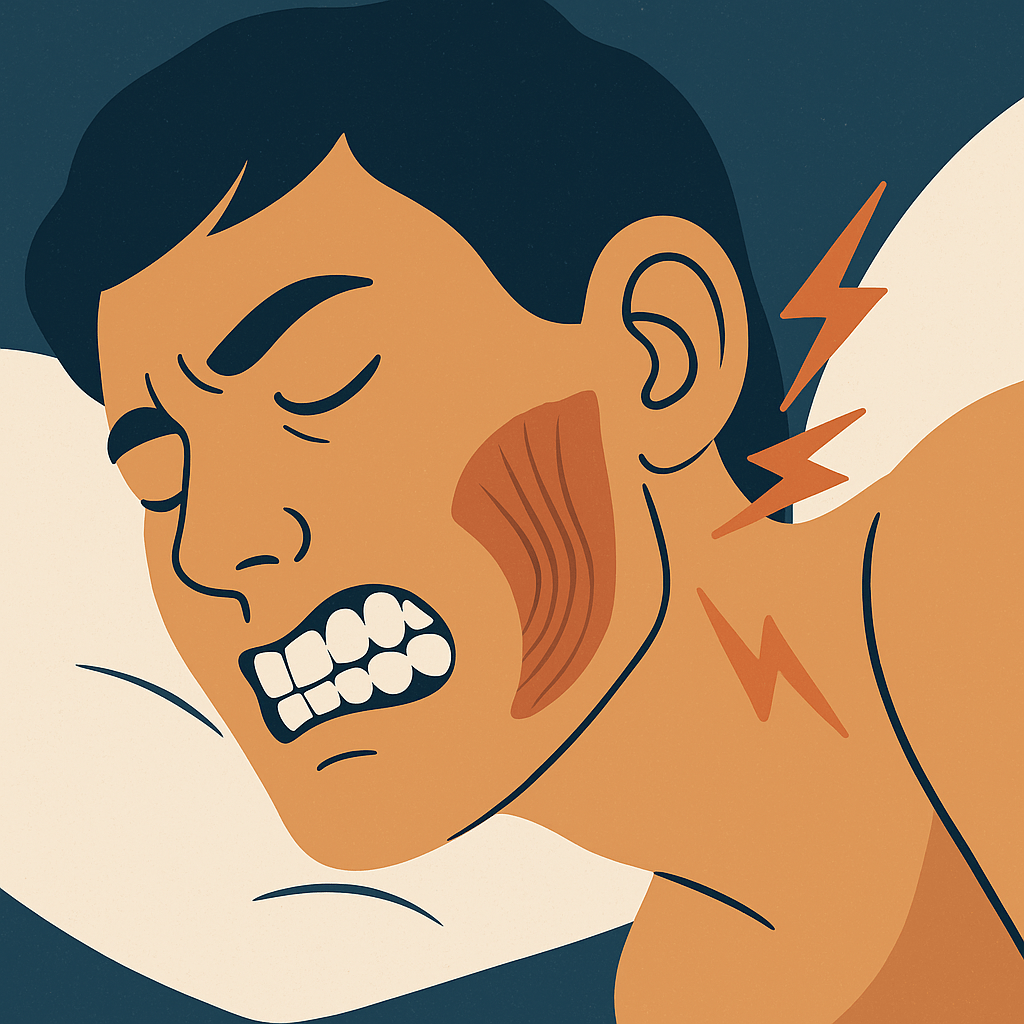
TMJ disorder arises when the jaw joint and surrounding muscles become strained, inflamed, or misaligned. Symptoms go beyond jaw pain—they may include ear pain from jaw clenching, jaw clicking, facial aches, headaches, and trouble sleeping. In some cases, bruxism (nighttime teeth grinding) not only harms enamel but may also radiate pain to the ear canal, making sufferers question, can bruxism cause ear pain? The answer: yes, it often can.
Dentists and orofacial pain specialists often recommend mouth guards (or “oral splints”) as a conservative, reversible therapy to limit teeth grinding, relax the jaw muscles, and reduce pressure on the joint. But not all mouth guards are equal – and using the wrong type can actually worsen symptoms or disrupt your bite alignment over time.
Types of Mouth Guards for TMJ: Pros and Cons
Navigating the crowded world of oral appliances starts with knowing the basic types:
- Over-the-Counter Night Guards: These include “boil-and-bite” or stock guards found in most pharmacies. While affordable and accessible, they often fit poorly, may increase jaw clenching, and lack durability. For some, soft plastics can actually trigger more grinding instead of less.
- Custom-Fit Night Guards: Made by a dental professional using impressions or 3D scans of your teeth, these provide a precise fit, optimal comfort, and adjustability. They’re especially recommended for moderate to severe TMJ or bruxism cases, and may be covered partially by dental insurance.
- TMJ Splints or Orthotic Appliances: These advanced, dentist-prescribed devices are tailored to correct joint alignment or support healing after acute injury. They come in variations like stabilization splints, repositioning splints, or anterior bite planes. Each design targets different sources of TMJ pain, so dental diagnosis is key.
- Sleep Apnea Oral Appliances: For individuals with both TMJ issues and mild to moderate obstructive sleep apnea, specialized mouth guards can advance the jaw or retain the tongue to keep airways open. Not all are appropriate if you have TMJ instability, so consult both your dentist and sleep specialist.
How to Choose the Best Mouth Guard for TMJ Relief
1. Get the Right Diagnosis
TMJ is not a one-size-fits-all condition—there are over 30 distinct disorders grouped under the TMD umbrella. Is your pain acute or chronic? Does it stem from the joint, the muscles, or both? A qualified dentist or orofacial pain specialist can help you pinpoint what’s happening, which is critical because the best mouth guard for TMJ pain depends on your precise diagnosis.
2. Consider Your Symptoms and Severity
For acute jaw pain (such as after dental work, injury, or a new bout of grinding), a temporary anterior bite plane or semi-custom short-term device may help relax jaw muscles and allow inflammation to cool down. Chronic, baseline pain may require a custom-fabricated stabilization or repositioning splint, with regular dental monitoring.[3]
3. Weigh Custom vs. OTC Options
- Custom Guards: Superior comfort, effectiveness, and safety. Designed for your mouth and modified as your symptoms change. Ideal for persistent or severe TMJ cases.
- OTC Guards: Useful as a short-term, stopgap measure if you need immediate protection or as a trial before seeing a specialist. Not recommended for ongoing TMJ pain without supervision.

4. Materials and Fit Matter
- Material: Hard acrylic is often chosen for severe grinders or for muscle relaxation, while dual-layer (soft inside, hard outside) “hybrid” guards may suit mild cases. Soft guards are less durable and may invite more clenching.
- Fit: A guard that’s bulky, loose, or causes discomfort can do more harm than good. Always ensure snug, even contact and never ignore new bite changes, pain, or tooth movement.
- Feature to Seek: Easy cleaning (see our guide on how to clean night guard vinegar methods), a ventilated storage case, and good access for periodic inspection by your dental provider.
Top Mouth Guard Designs for TMJ Relief
Here’s a quick breakdown of the most proven designs—always to be selected and reviewed with expert input:
- Stabilization Splints: Also called permissive or flat-plane splints, these prevent tooth contact and allow jaw muscles to relax. Most frequently used for bruxism and muscle-driven TMJ pain.
- Repositioning Splints: Designed to shift and hold the lower jaw into an alignment that relieves joint stress—especially for disc displacements or certain arthritis cases. To be used under strict dental supervision.
- Anterior Bite Planes: Cover only the front teeth to reduce clenching, best used short-term for acute pain or as diagnostic aids. Long-term use can risk unwanted tooth movement.
If you struggle with jaw pain due to wisdom teeth or post-extraction discomfort, consult your dentist first—pain may be from local inflammation, not TMJ dysfunction. Similarly, for jaw botox for teeth grinding or complex TMD management, mouth guards are often part of a broader treatment plan that may include physical therapy, habit modification, medication, or even botulinum toxin injections.[4]
Practical Tips for Night Guard Success
- Practice nightly wear—It can take a week or more to adjust. If you wake with more pain, swelling, or ear discomfort, call your dentist.
- Clean daily—Use cool water, gentle soap, or follow expert recommendations for night guard vinegar cleaning to prevent bacteria buildup. Avoid hot water that can warp your device.
- Monitor fit and wear—Bring your guard to every dental checkup. Replace OTC guards at signs of wear; custom guards can last several years with good care.
- Combine with behavioral strategies—Daily jaw stretches, managing stress, and addressing underlying dental issues will maximize pain relief and oral health.
When to Seek Professional Help
Never “DIY” chronic or severe jaw pain. If you’re experiencing symptoms like persistent ear pain from jaw clenching, new jaw locking, or worsening headaches, don’t ignore them. Especially if you notice new symptoms after dental work, wisdom tooth extraction, or a recent increase in stress, professional evaluation can prevent acute jaw issues from turning chronic.
Conclusion: Empower Your TMJ Relief Journey
While researchers continue the quest for a root-cause cure for bruxism and TMJ disorders, mouth guards remain a valuable tool—but only when chosen wisely and with expert guidance. Your path to relief starts with accurate diagnosis, a well-fitted device, and close follow-up.

Grind My Teeth
Sharing the scientific journey to stop teeth grinding
 Grind My Teeth