Do I swallow microplastics from my night guard?
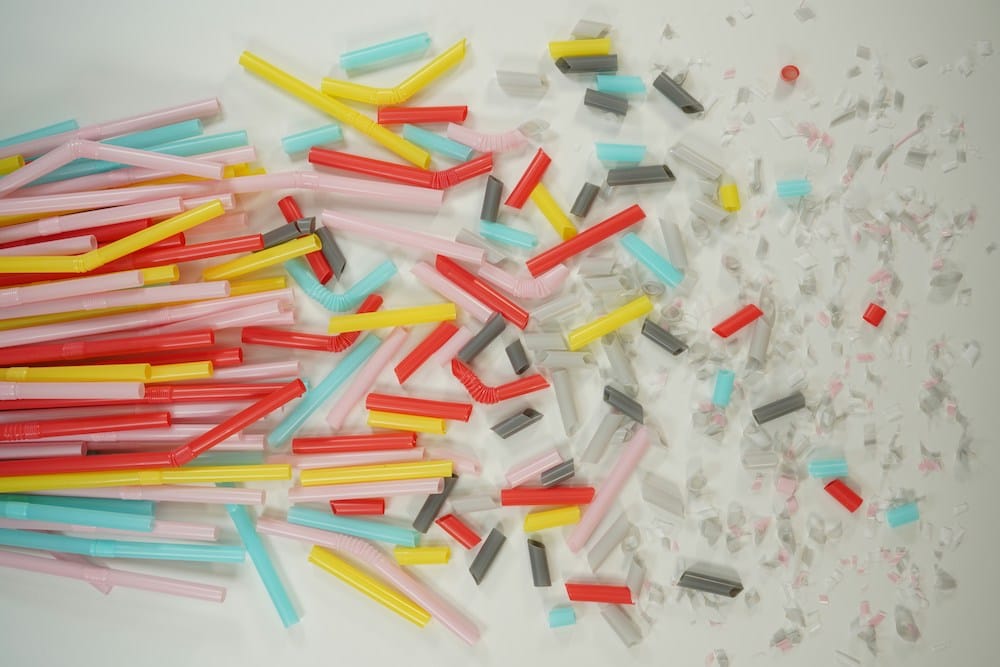
Night guards protect your teeth from grinding damage — but could they also be shedding tiny plastic particles into your mouth? With microplastics showing up in food, water, and even human blood, it’s a fair question. Here’s what the science actually says about night guards and microplastics, and what you can do about it.
What Are Microplastics?
Microplastics are plastic particles less than 5 millimeters in size, created when larger plastic products break down through friction, heat, or environmental exposure. They’ve been found in our food, water, air, and even inside the human body. While long-term health effects are still being studied, some research links microplastic exposure to inflammation and potential hormone disruption (source).
For anyone who wears a dental appliance — night guards, retainers, or aligners — this raises a practical question: could my device be a source of microplastic exposure?
What Are Night Guards Made Of?
Night guards are typically made from plastic-based materials chosen for durability and oral compatibility. Common materials include:
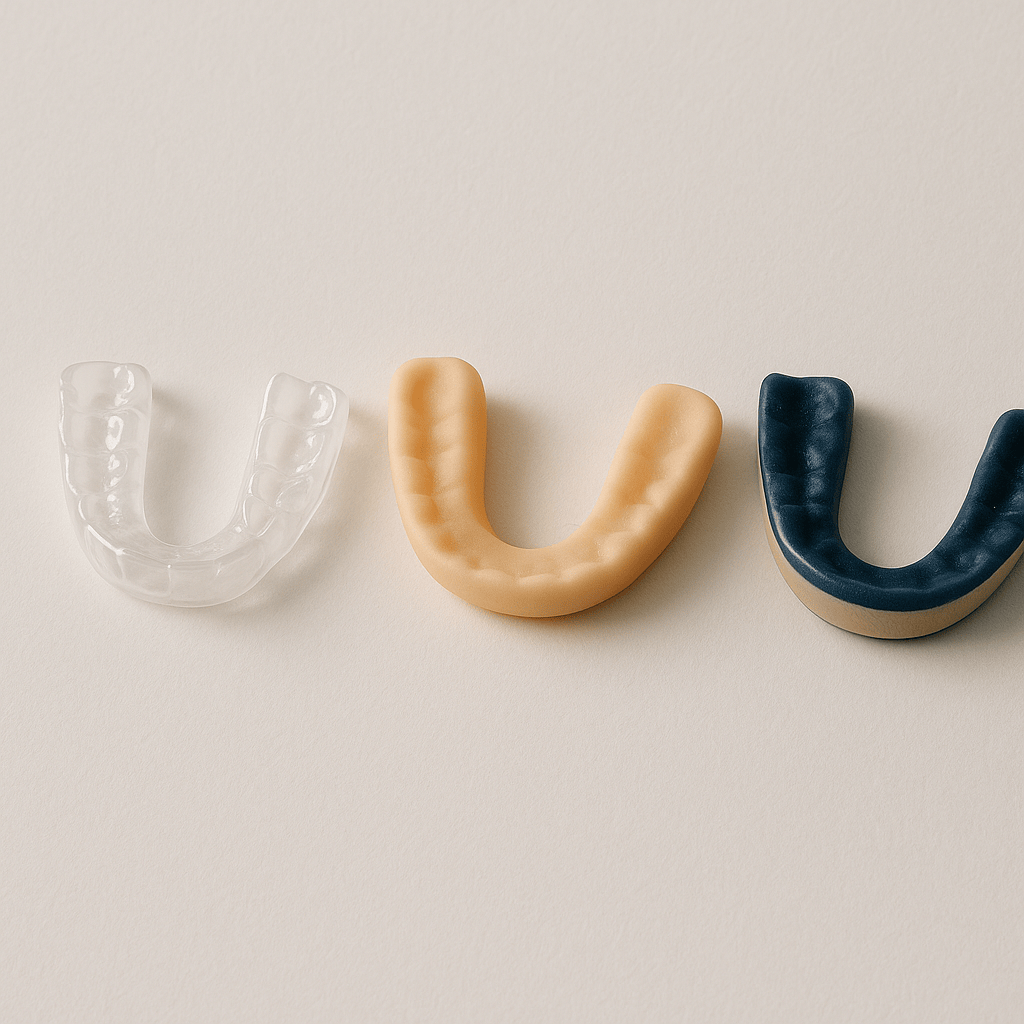
- Acrylic (hard): Copolyester-based, durable, common for severe bruxism.
- EVA — ethylene-vinyl acetate (soft): Flexible and comfortable, used for mild-moderate cases.
- Dual-laminate (hybrid): Hard outer layer with soft inner for both comfort and durability.
- Silicone-based polymers: Less common, potentially lower microplastic risk.
- BPA-free thermoplastics: Increasingly standard in quality guards.
Most dental labs today produce BPA-free, medical-grade night guards that meet strict safety standards. However, over-the-counter “boil-and-bite” options, and older or visibly damaged guards, are more prone to degradation.
Do Night Guards Actually Release Microplastics?
Research specifically on night guards is limited, but early evidence from related dental appliances suggests they can:
- A 2023 study evaluated microplastic detachment from clear orthodontic aligners due to mechanical friction. All tested aligners released some microplastics, with particle sizes ranging from 5 to 20 μm.
- A 2024 study assessed microplastics in various oral healthcare products (toothbrushes, toothpastes, mouthwashes), highlighting the broader presence of microplastics in dental care.
The amount released from night guards appears to be very small. The biggest risk factors are cheap or low-quality plastics, visible guard damage, heavy grinding intensity, and prolonged use without replacement.
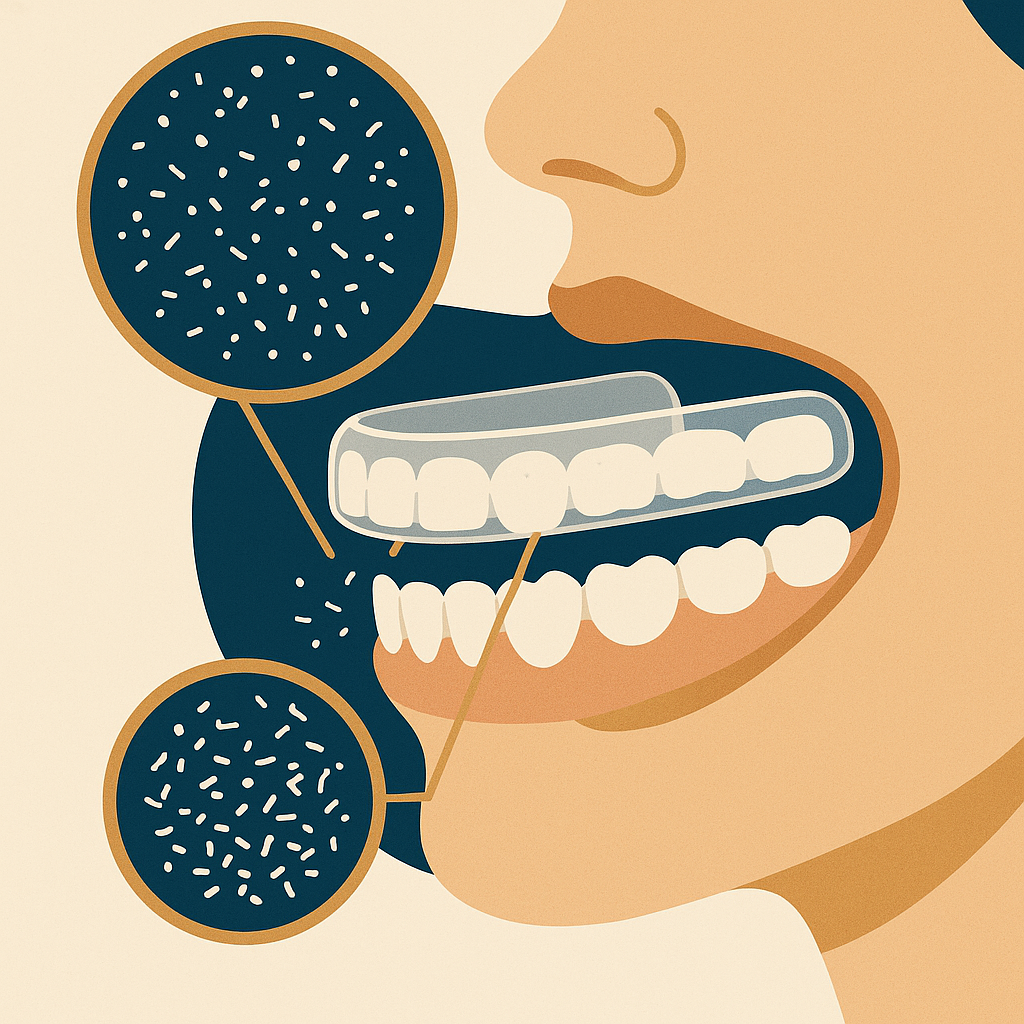
For perspective: the majority of your lifetime microplastic exposure comes from food, water, and air — not from a dental appliance. The benefits of preventing tooth wear, fractures, and jaw pain almost always outweigh the theoretical risks.
Health Implications
The health effects of microplastic ingestion from night guards aren’t fully understood, but general microplastic research raises some concerns:
- Oxidative stress: Microplastics may induce oxidative stress in cells, potentially leading to inflammation and tissue damage.
- Cellular uptake: Plastic particles can be absorbed by cells through various mechanisms, potentially affecting cellular functions.
- Chemical leaching: Additives in plastics — such as bisphenols and phthalates — may leach out and cause adverse effects.
More targeted research is needed, but current evidence suggests the risk from a well-maintained, quality night guard is very low.
How to Minimize Microplastic Exposure from Your Night Guard
Even though the risk is low, these practical steps can reduce it further:
1. Choose a High-Quality, Custom-Fit Guard
Custom-fit guards from dental labs use durable, medical-grade plastics that resist breakdown far better than store-bought options. Avoid cheap “boil-and-bite” guards unless clearly labeled as BPA-free and medical-grade.
2. Prioritize Safer Materials
Look for BPA-free, phthalate-free, and FDA-approved materials. Some providers offer silicone-based guards that may be less prone to microplastic shedding — ask your dentist about options for your grinding severity.
3. Clean Properly — But Gently
Harsh cleaning accelerates plastic degradation. Instead:
- Rinse daily with lukewarm water after every use
- Weekly: use mild soap or a cleaning tablet — not toothpaste or abrasive powders
- For natural cleaning: soak in equal parts white vinegar and cool water for 15-30 minutes, then rinse
- Never use boiling water or harsh chemicals
4. Inspect and Replace on Schedule
Check your guard monthly for cracks, cloudiness, rough edges, or texture changes. General replacement timelines:
- Soft guards: Every 6-12 months
- Hard/hybrid guards: Every 2-3 years
- Any guard: Immediately if cracked, flaking, or rough
5. Store Properly
Keep your guard in a ventilated case, away from direct sunlight and heat. Air dry completely before storing to prevent bacterial growth and material degradation.
Do Retainers and Invisalign Release Microplastics Too?
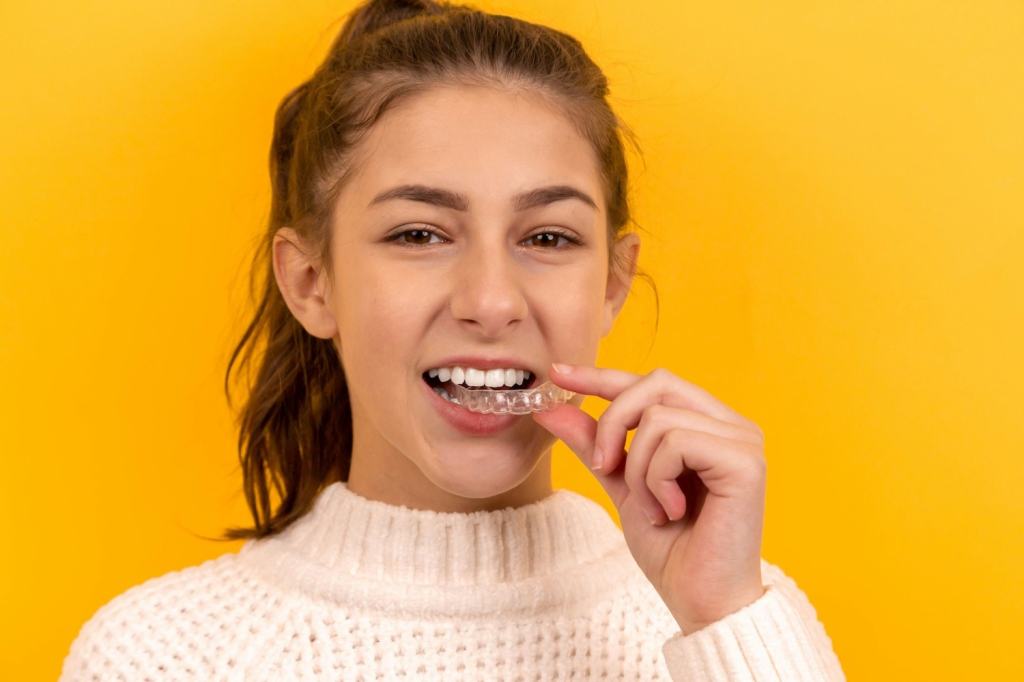
Yes — the same concerns apply to any plastic oral appliance worn regularly. Clear aligners like Invisalign are made from similar thermoplastic materials and undergo similar mechanical stress from biting and chewing.
The 2023 aligner study mentioned above specifically tested clear aligners and found all samples released microplastics. However, aligners are typically replaced every 1-2 weeks, which limits degradation time. Retainers worn long-term may accumulate more wear.
The same protective steps apply: choose quality materials, clean gently, replace on schedule, and inspect regularly.
Alternatives If You’re Concerned About Plastics
Most proven bruxism solutions involve some form of polymer, but you have options to reduce or eliminate your reliance on a night guard:
- Jaw exercises and physical therapy: Targeting the root cause of muscle tension can reduce grinding over time.
- Jaw Botox for teeth grinding: Relaxes hyperactive masseter muscles, potentially reducing the need for a guard.
- Lifestyle adjustments: Reducing caffeine and alcohol, improving sleep habits, and managing stress can lessen bruxism symptoms naturally.
We’re partnered with YourTMJ Pen for targeted heat and massage therapy, and Pro Teeth Guard for high-quality custom night guards — both are good options depending on your needs.
Frequently Asked Questions
Do night guards release microplastics into the mouth?
Early studies on similar dental devices suggest that plastic-based appliances can shed tiny microplastic particles over time. However, the amounts appear very small, and the risk is lowest with high-quality, custom-fit guards that are properly maintained and replaced on schedule.
Are BPA-free or silicone night guards safer?
Yes, BPA-free and silicone-based guards avoid certain chemical additives found in other plastics. Even BPA-free thermoplastics may still degrade with heavy use, but they’re a meaningfully safer option. Discuss material choices with your dentist.
What are the health risks of swallowing microplastics from a night guard?
Long-term effects aren’t fully understood. Current research suggests possible risks including oxidative stress, inflammation, and chemical leaching from plastic additives. However, the proven benefits of preventing tooth damage from grinding typically outweigh these theoretical concerns.
How can I minimize microplastic exposure from my night guard?
Choose a high-quality custom guard, clean it gently (avoid abrasives and hot water), replace it on schedule, and store it in a ventilated case away from heat. These steps minimize degradation and keep your guard safe and effective.
Do retainers and Invisalign aligners also release microplastics?
Yes — any plastic oral appliance can shed microplastics through normal wear. The same principles apply: choose quality materials, maintain gently, and replace as recommended. Aligners have a slight advantage since they’re swapped every 1-2 weeks, limiting degradation time.
Is there a completely microplastic-free night guard?
Not currently. Most effective bruxism guards use some form of polymer. Silicone-based options may produce fewer microplastics, but no guard is 100% microplastic-free. If this concerns you, explore alternatives like jaw exercises, Botox, or stress management to reduce grinding.