-
Why You Should Avoid Caffeine Late at Night—Especially If You Grind Your Teeth
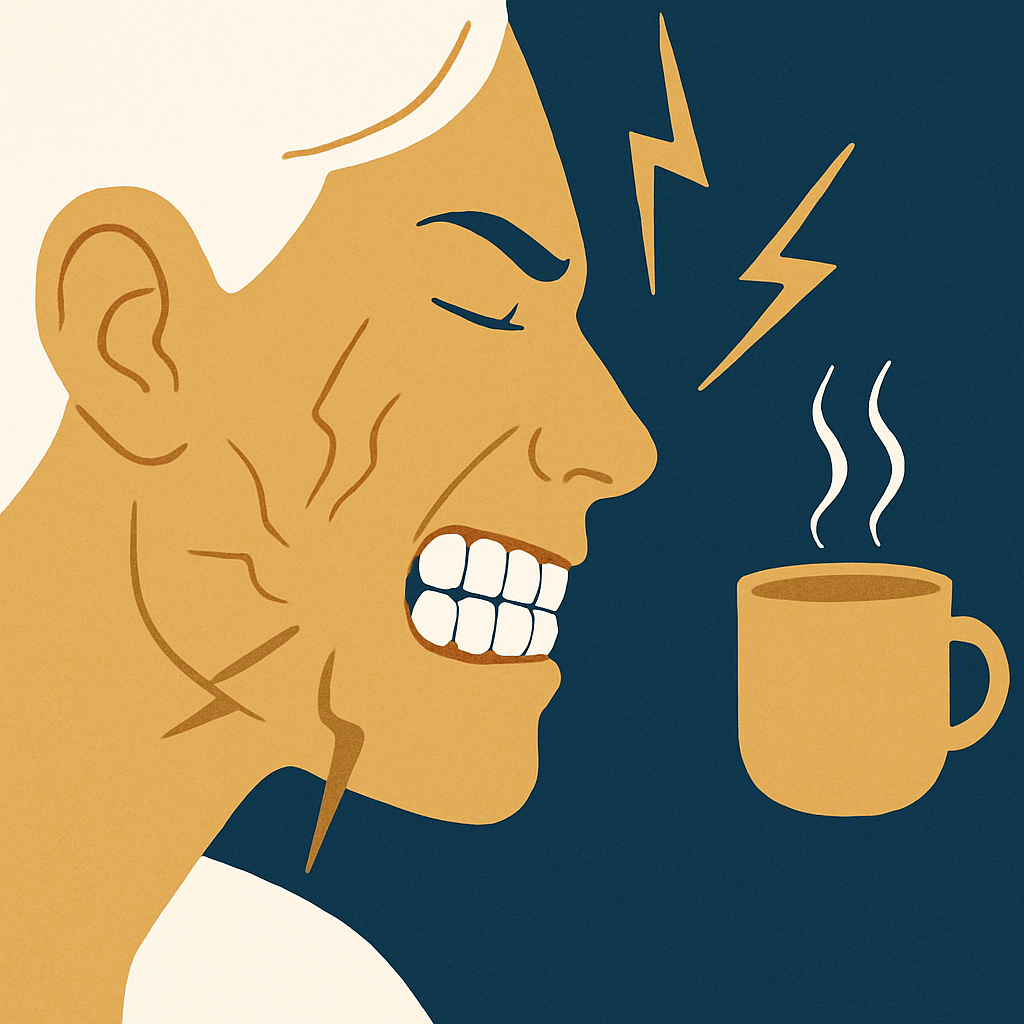
If you’re someone who grinds or clenches their teeth at night (also known as sleep bruxism), you’ve probably looked into all kinds of possible triggers. One of the most overlooked? Caffeine consumption in the late afternoon or evening.
In this post, we’ll break down how caffeine affects your sleep, how that ties into teeth grinding, and what to do if you still need to stay sharp at night without wrecking your rest.
Caffeine and Sleep: A Delayed Reaction

Caffeine is a powerful stimulant. Even if you don’t feel “wired” after that 4 PM coffee, caffeine has a half-life of about 5–7 hours, meaning half of it is still in your system by bedtime. This can:
- Delay the onset of deep sleep
- Reduce total sleep time
- Increase nighttime awakenings
This is especially problematic for people with bruxism, as poor sleep quality is directly linked to increased muscle activity in the jaw during sleep.
The Link Between Caffeine and Bruxism
While caffeine isn’t the only cause of teeth grinding, it can amplify nighttime stress responses and increase sleep fragmentation—two major factors associated with bruxism.
A few ways caffeine contributes to teeth grinding:
- Keeps your nervous system activated longer into the night
- Interferes with REM and deep sleep, both of which are restorative and calming
- Can lead to jaw tension or clenching even as you try to fall asleep
In short, caffeine can make it harder for your body to fully power down, which means your jaw muscles may not relax like they need to.
Need to Work Late? Don’t Reach for Coffee—Reach for a Sleepsafe Alternative
We get it—sometimes you have to burn the midnight oil. But if you’re sensitive to caffeine or grind your teeth, you need a way to stay focused without triggering tension or disrupting your sleep.
That’s where a sleep-safe product like Night Moves comes in.
Night Moves is a sleep-safe focus supplement designed for people who work late, study after hours, or need clarity in the evening without compromising sleep.
Formulated to sharpen your focus without caffeine, it won’t leave you buzzing or disrupt your rest—and it won’t aggravate your bruxism.
Final Thoughts
If you struggle with teeth grinding, cutting out caffeine after 2 PM might be one of the easiest lifestyle tweaks you can make to improve your symptoms. And if you need a way to stay productive after dark, skip the espresso and try a focus formula that actually respects your sleep.
-
Managing Bruxism with Wearable Tech

Waking up with a sore jaw or unexplained ear pain? If you clench or grind your teeth—especially at night—you’re not alone. Bruxism is common, frustrating, and often overlooked, but the latest wave of smart wearables may help.
Can Wearable Tech Help You Understand—and Manage—Bruxism?
Thanks to advances in sensor technology and miniaturization, new “earables” and wearables are now being tested as tools to track jaw muscle activity right from your own bedroom. Imagine a discreet device—no wires, no lab—capable of detecting when you clench or grind in real time.
Not only does this make tracking bruxism much less intimidating, it opens the door to immediate biofeedback and practical behaviour change. But how reliable are these devices, and what should you know before trying one? Let’s break down where the evidence stands and how you can make wearable tech work for you.
What Are Earables and How Do They Work?
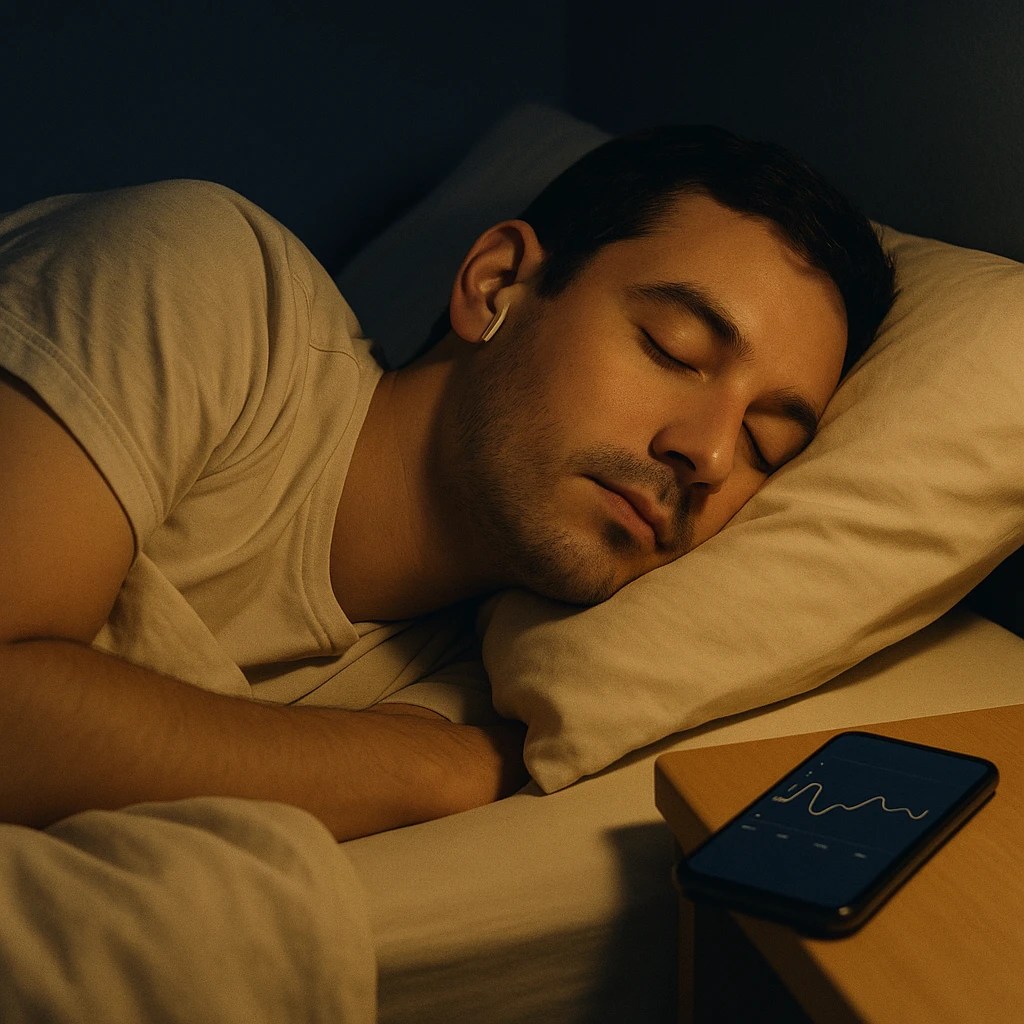
Earables are a new category of wearable device designed to sit comfortably in or around the ear. Unlike traditional night guards or EMG (electromyography) sensors placed on the jaw, these devices use miniaturized sensors to monitor muscle activity and vibrations linked to clenching and grinding. With smart algorithms, they can often detect events and send the data to your smartphone for review or feedback.
This isn’t just theoretical. In a recent real-world feasibility study, earables achieved approximately 76% accuracy for detecting grinding events and 73% for clenching[1]. While that’s not perfect, it’s a significant step forward—especially for home use.
Earables vs. Traditional Sleep Studies: What’s the Difference?
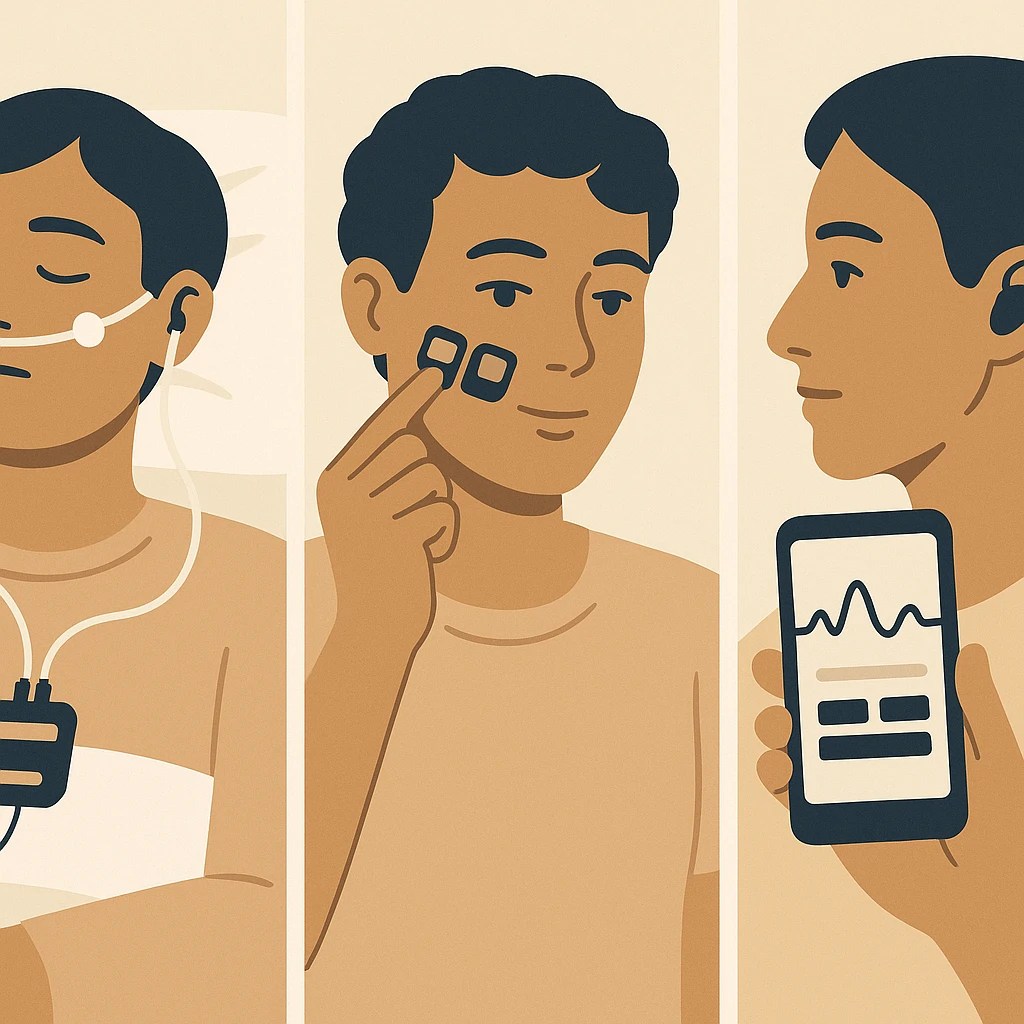
To put earables in context, here’s how they compare to standard methods:
- Polysomnography (PSG): The gold standard, combining EEG (brainwaves), EMG (muscle activity), EOG (eye movement), and more. Involves a full-night stay in a sleep lab, glued-on sensors, and expert scoring. Comprehensive but expensive, often uncomfortable, and hard to repeat at home.
- Traditional EMG Devices: Often use adhesive electrodes on the jaw. Accurate, but can irritate sensitive skin, disrupt sleep, and require technical know-how to interpret data.
- Earables & Wearables: Discreet, designed for home use, and user-friendly. Most pair with a phone app, offering immediate results, reminders, or biofeedback cues.
The trade-off: While still less precise than a lab EMG, modern earables are making objective bruxism monitoring more accessible to anyone who grinds their teeth.
Potential Benefits: Beyond Simple Tracking

- Increased Self-Awareness: Many people don’t realize how often they clench or grind. Continuous at-home monitoring reveals patterns—such as spikes in stress, poor sleep, or during specific activities (like long drives or screen time).
- Real-Time Biofeedback: Some earables can alert you (gently) when they sense prolonged clenching, helping you break the habit through increased awareness—a proven behaviour modification technique.
- Data to Share with Professionals: Documented evidence of your grinding can help inform dental or medical treatment (including discussions about possible jaw pain due to wisdom teeth, or questioning if bruxism is contributing to ear pain).
- Empowerment: Knowledge is actionable. Seeing hard data can motivate changes in stress management, posture, and sleep routines.
Current Limitations: The Fine Print
- Accuracy Is Improving—but Not Perfect: 73-76% accuracy means there’s risk of false positives/negatives. If your device flags an event, it’s a cue for attention, not a guarantee.
- Usability While Sleeping: Comfort varies. Some users may find ear-mounted wearables less intrusive than headbands or chin straps, but any device can take getting used to. Light sleepers should expect an adaptation period.
- Battery Life & Connectivity: Most require nightly recharging and can have occasional Bluetooth or data-sync issues.
- Cost: These devices are generally not cheap. Insurance rarely covers them. Always check return policies before purchasing.
Here’s where a practical, solution-focused mindset matters: No wearable replaces conversations with your dentist or physician, but it can provide new insights to guide that dialogue.
Practical Guide: How to Test a Bruxism Wearable the Right Way
- Set Clear Goals: Are you looking to confirm suspected nighttime clenching, track daytime jaw tension, or monitor progress after starting a new treatment (like jaw Botox for teeth grinding)? Define your purpose up front.
- Record Baseline Data: Wear the device for at least 3–7 nights without changing your routine. Note time spent asleep, stress levels, and any jaw/ear pain in a sleep journal.
- Look for Patterns: Does the device detect more clenching on stressful days? Is grinding more common when you skip your night guard or change sleep position?
- Self-Validate Events: Some devices let you mark “events” (e.g., when you purposely clench). Try this while awake to see how the sensor responds—this helps you interpret charts later.
- Share Data with Your Dentist: If the device detects frequent bruxism—or if you’re unsure about confusing results—bring your data to your next dental appointment. Your professional may suggest a formal sleep study, evaluation for ear pain due to jaw clenching, or advise on alternative therapies.
- Consider Behavioral Feedback: If your wearable offers vibration or sound alerts, give them a try for daytime clenching. Evidence shows biofeedback can help some people reduce subconscious jaw tension.
- Check for Signs of Improvement: After a few weeks, review: Are you waking up with less jaw pain or fewer headaches? Are you more aware of (and able to stop) clenching during the day?
Tip: For extra DIY rigor, alternate nights wearing your night guard to see if the device confirms a drop in grinding events. If you’re cleaning it, remember: a 1:1 vinegar-water soak for 15–30 minutes, followed by a thorough rinse, can help keep your night guard fresh without damage.
Frequently Asked: Can Bruxism Cause Ear Pain?
Many readers ask us: “Can bruxism cause ear pain?” The answer is yes—clenching and grinding can put excess pressure on the jaw joint (temporomandibular joint, or TMJ), which sits directly in front of the ear canal. This stress can radiate as ear pain, ringing, or what feels like an earache, especially in the absence of a true ear infection. Wearable tech that helps you recognize and reduce jaw tension may, in turn, reduce ear pain over time.
Bottom Line: Do Wearables Have a Role in Beating Bruxism?
While night guards and lifestyle changes remain mainstays for protecting your teeth against bruxism—for now—the new generation of earables and wearables offers a promising, user-friendly window into your own jaw health. They are not a replacement for professional care, but they can empower you to take earlier, more informed action, especially if you’re grappling with unexplained jaw or ear pain, nighttime tension, or persistent dental issues.
If you decide to try a wearable, do it intentionally: Track your jaw, look for patterns, and always loop your dental professional into the conversation. This approach helps you make better choices while supporting the bigger mission—moving toward a world where bruxism can be more easily managed, and eventually cured, for everyone.
-
Should I Use a Night Guard if I Only Clench My Teeth?

If you clench your teeth at night—but don’t grind them—you might wonder if a night guard is necessary. After all, most conversations about night guards focus on grinding, not clenching. But here’s the truth: nighttime clenching can be just as damaging to your teeth, jaw joints, and sleep quality.
In this article, we’ll explore the differences between clenching and grinding, why clenching matters, and whether a night guard is the right solution. We’ll also cover the types of night guards best suited for clenchers, alternative treatments, and how to tell if you’re actually clenching in your sleep.
What’s the Difference Between Clenching and Grinding?
It’s easy to confuse the two, but bruxism—the umbrella term—actually includes both.
- Grinding (bruxing) means moving your teeth back and forth or side to side with pressure.
- Clenching means tightly biting down or holding your jaw in tension without movement.
Both usually happen unconsciously, especially during sleep. But they have slightly different causes and effects—and may respond to different types of treatment.

Is Clenching Really a Problem If I’m Not Grinding?
Yes. Clenching can be just as harmful as grinding, and in some cases, even more so.
Here’s what long-term clenching can do:
- Jaw pain or stiffness (especially in the morning)
- Temporomandibular joint disorder (TMD/TMJ) symptoms like clicking or popping
- Tooth sensitivity or microfractures
- Headaches caused by tension in the jaw and temples
- Neck and shoulder tension
- Sleep disruption for you (and sometimes your partner)
Grinding tends to cause wear and flattening of the teeth, while clenching puts more stress on the jaw joints and muscles. If left untreated, both can lead to chronic pain and permanent damage.
How Do I Know If I’m Clenching at Night?
Many people who clench their teeth at night have no idea they’re doing it—until a dentist spots the signs or symptoms begin.
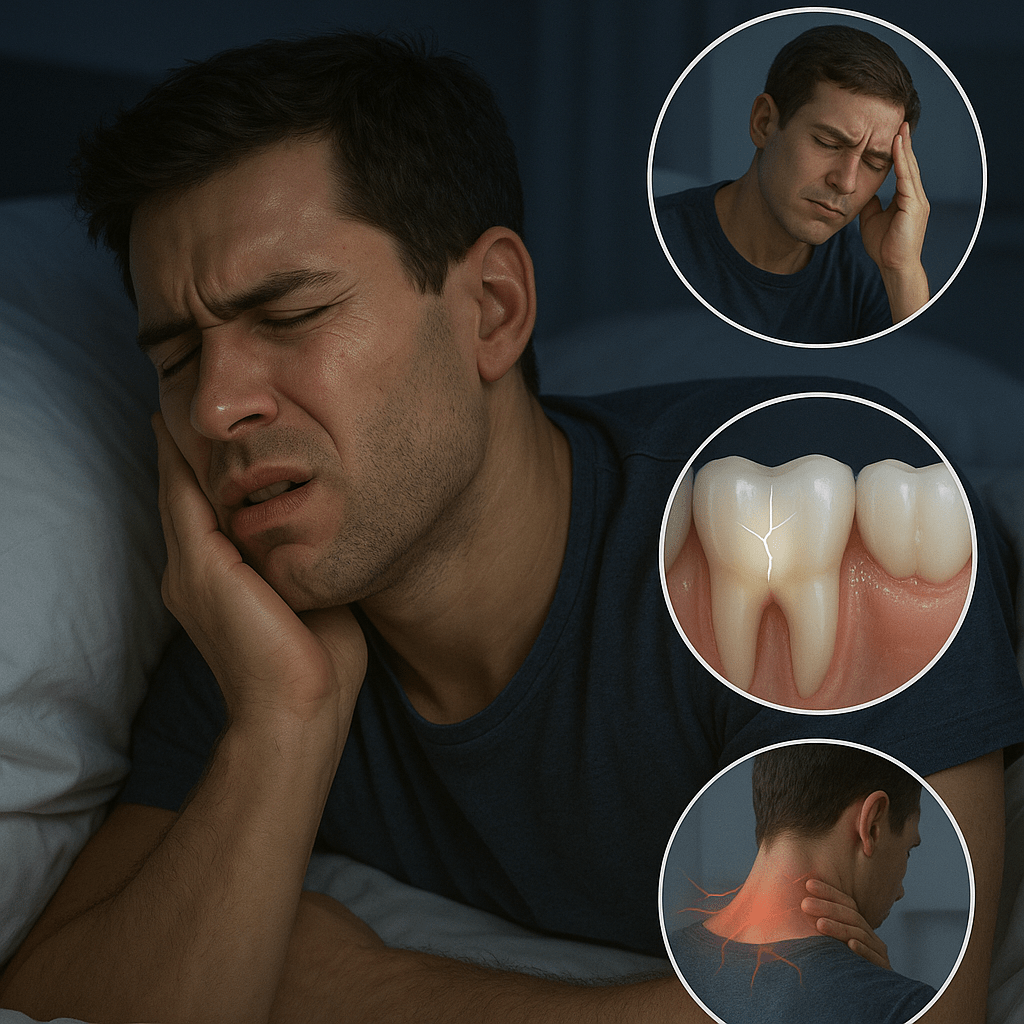
Here are common signs you might be clenching in your sleep:
- You wake up with a tight or sore jaw
- Morning tension headaches
- General feeling of fatigue, even after sleeping
- Tooth sensitivity, especially to pressure or cold
- A dentist has noticed wear, cracks, or gum recession
- Your partner notices your jaw tensing or clicking while you sleep
If you’re unsure, talk to your dentist. They can often tell based on the condition of your teeth and jaw.
Can a Night Guard Help With Clenching?
Yes—but not all night guards are equally effective for clenching.
A night guard creates a protective barrier between your upper and lower teeth. While it doesn’t stop the muscle movement of clenching, it:
- Distributes the force across a larger surface area
- Reduces stress on your teeth and jaw joints
- Can give your jaw a more relaxed resting position
- Provides cushioning that helps muscles release tension
Some people even find that the act of wearing a guard reduces the frequency of clenching—possibly due to improved jaw alignment or a slight behavioral change from having something in the mouth.
What Type of Night Guard Is Best for Clenching?
If you clench (but don’t grind), you likely need a different type of guard than someone who grinds aggressively.

🔹 Best option:
Hard or dual-laminate custom night guards
- Custom-made by a dentist or lab based on your bite
- Durable enough to withstand constant pressure
- May include design features to slightly reposition the jaw or relieve TMJ tension
🔸 Avoid:
Soft, over-the-counter boil-and-bite guards
- Too squishy — can increase muscle activity for clenchers
- May not hold up to repeated use
- Often cause more drooling or discomfort, especially if the fit isn’t exact
A hard acrylic or hybrid guard offers better protection for clenchers because it keeps the jaw more stable and reduces muscle engagement over time.
Can a Night Guard Stop Clenching?
A night guard won’t stop your body from attempting to clench—but it can reduce the damage and frequency over time. However, for long-term relief, it’s important to also look at root causes of clenching.
What Causes Nighttime Clenching?
Understanding the why behind your clenching can help you choose the right treatment strategy.
Common triggers include:
- Stress or anxiety
- Sleep apnea or airway obstruction
- Misaligned bite (malocclusion)
- Medication side effects (e.g., SSRIs)
- Caffeine or alcohol use before bed
Additional Treatments to Consider
A night guard is often the first line of defense, but combining it with other approaches can deliver better results—especially if your clenching is severe.
✅ Stress Reduction Techniques
- Meditation, journaling, or therapy
- Muscle relaxation exercises before bed
- Avoiding screens and overstimulation at night
✅ Physical Therapy or Massage
- A physical therapist trained in TMJ can teach jaw relaxation techniques
- Trigger point massage in the neck and jaw may reduce tension
✅ Posture and Ergonomics
- Poor head and neck posture during the day contributes to tension at night
✅ Dental Adjustments
- In cases of bite misalignment, minor adjustments or orthodontics may help
✅ Oral Appliance Therapy
- In cases tied to sleep apnea, a mandibular advancement device (different from a night guard) may be more appropriate
What If My Night Guard Makes Clenching Worse?
Some users report that wearing a night guard actually increases their clenching. This usually happens with:
- Poorly fitting or soft guards
- OTC guards not designed for clenching
- Guards that alter jaw position in an uncomfortable way
If this happens, talk to your dentist or switch to a custom-fit hard acrylic guard. A properly fitted night guard should never increase pain or tension.
When to See a Dentist or Specialist
If your symptoms are severe—or if you’ve tried a night guard without success—it may be time to consult:
- A dentist with TMJ or occlusal training
- A sleep specialist, especially if you snore or wake up gasping
- A myofunctional therapist for muscle retraining
Bottom Line: Should You Use a Night Guard for Clenching?
If you only clench your teeth (and not grind), a night guard can still offer real benefits:
✅ Protects your teeth from pressure and microfractures
✅ Reduces tension on the jaw joints
✅ May help train your muscles to relax over time
✅ Can improve sleep quality by reducing pain
Just make sure you choose the right type of guard—ideally a hard or dual-laminate guard made to fit your bite. And don’t stop there: address underlying causes like stress or sleep issues for best results.
Final Thoughts
Nighttime clenching might not make noise like grinding—but it can quietly wear away your comfort, jaw health, and even your sleep. A properly designed night guard can be a simple, effective tool to protect your teeth, reduce tension, and help you wake up pain-free.
If you think you’re clenching at night, talk to your dentist about getting a custom night guard—or explore safe, high-quality options online designed specifically for clenching.
-
Can Children Wear Night Guards for Teeth Grinding?

If you’ve ever heard your child grinding their teeth at night, you’re not alone—and you’re not imagining it. Bruxism in children is surprisingly common, especially during certain stages of development. While adult bruxism often calls for a night guard, parents often wonder: can children wear night guards safely?
The short answer: yes, but only in specific cases and with the right type of guard. Not every child who grinds needs treatment, but for some, a custom pediatric night guard can offer serious relief and protection.
In this article, we’ll cover when it’s appropriate for children to wear a night guard, what signs to look for, what options exist, and why timing matters so much during growth and development.

Why Do Children Grind Their Teeth at Night?
To understand when a child might need a night guard, it helps to know why kids grind their teeth in the first place. The causes of pediatric bruxism can be quite different from those in adults.
Common reasons children grind their teeth:
- Dental development — Teeth coming in or falling out can trigger grinding
- Misaligned bite (malocclusion)
- Stress or anxiety — especially during big life changes
- Sleep disorders like sleep apnea
- Hyperactivity or neurological conditions
- Response to pain — such as an earache or teething
- Reaction to certain medications
In many cases, the grinding is temporary and resolves on its own. But when symptoms persist or cause damage, it may be time to explore treatment options—including a night guard.
How Common Is Teeth Grinding in Kids?
According to the American Academy of Sleep Medicine, as many as 30% of children grind their teeth at some point—most commonly between the ages of 3 and 10.
The behavior often peaks when:
- The baby teeth are fully in
- Children begin losing their primary teeth
- They’re experiencing emotional changes (like starting school)
The good news? Most children grow out of it, especially once permanent teeth are in and their bite stabilizes.
Is It Safe for Children to Wear a Night Guard?
Yes—but there are important caveats.
Unlike adults, children’s mouths are still growing and changing. A guard that fits today may be outdated in a few months. That’s why off-the-shelf or adult-sized night guards are never appropriate for kids.
Key considerations:
- A night guard must be custom-made for a child’s mouth
- It should accommodate growth and tooth movement
- It must not impede speech or breathing
- Parents should monitor the fit over time
For some kids, particularly those with frequent pain, dental damage, or underlying issues like sleep apnea, a pediatric night guard prescribed by a dentist can make a big difference.
Signs Your Child Might Need a Night Guard
Not every child who grinds their teeth needs treatment. But if you’re seeing certain symptoms, it’s worth bringing up with your child’s dentist.
Signs to watch for:
- Grinding sounds during sleep
- Complaints of jaw soreness or tiredness in the morning
- Tooth wear, chips, or flattened surfaces
- Increased tooth sensitivity
- Frequent morning headaches
- Disturbed sleep or waking up tired
Your child may not be able to articulate these symptoms, especially if they’re very young—so listen for sounds, and look for signs like chewing behavior during the day or excessive wear on baby teeth.
What Kind of Night Guard Is Best for Children?
Children who do need a guard should always use one that’s:
✅ Custom-fit by a dentist
✅ Designed for young, developing mouths
✅ Checked regularly for fit and function
🔹 Best option:
Custom pediatric dental night guard
- Made from a mold of your child’s teeth
- Usually soft or dual-laminate material
- Designed to fit comfortably and grow with the child for a period

🔸 Avoid:
- Boil-and-bite guards made for adults
- One-size-fits-all solutions sold online
- Any device not recommended by a dentist
Why? Because ill-fitting guards can do more harm than good—causing irritation, interfering with tooth development, or even creating breathing issues.
Are There Alternatives to Night Guards for Kids?
In many cases, dentists recommend watchful waiting or try non-invasive alternatives before turning to a night guard.
Alternatives may include:
- Stress reduction techniques (journaling, drawing, bedtime routines)
- Addressing sleep apnea or airway obstructions
- Behavioral therapy for anxiety or ADHD
- Orofacial myofunctional therapy to retrain oral habits
- Bite adjustments if misalignment is severe
If your child’s bruxism is tied to stress, focusing on calming routines and open conversations about their feelings can go a long way.
At What Age Can a Child Start Wearing a Night Guard?
There’s no hard rule—but most pediatric dentists avoid prescribing night guards for kids under age 6, unless there’s:
- Clear dental damage
- Chronic jaw pain
- A diagnosed sleep disorder
For children ages 6–12, a night guard may be appropriate if symptoms are moderate to severe and other strategies haven’t worked.
For teens with permanent teeth in place, a guard may look more like an adult appliance—but it still needs to be custom-fitted.
What If My Child Has Braces or Orthodontic Appliances?
If your child is in orthodontic treatment, wearing a night guard can be tricky.
- A traditional guard might interfere with tooth movement
- Some orthodontists recommend temporary guards worn over braces in specific cases
- Invisalign trays can sometimes double as light protection
Always consult both your dentist and orthodontist before introducing any appliance while braces or spacers are in place.
How to Talk to Your Child About Wearing a Night Guard
Kids may be resistant to wearing something in their mouth at night—especially if they associate it with discomfort or “being different.” Here are a few tips to make the transition easier:
- Let them choose the case color or design
- Explain the guard in kid-friendly terms (“This helps your teeth sleep too”)
- Praise their effort in the morning
- Let them test it out for short periods before full overnight wear
Some parents also find success with a reward chart or positive reinforcement during the first week of use.
When to See a Dentist
You should schedule a dental visit if:
- Grinding has been going on for more than a few months
- Your child complains of pain or sensitivity
- You notice visible damage to their teeth
- Your child has trouble sleeping or breathing at night
- You’re concerned about how grinding might affect their development
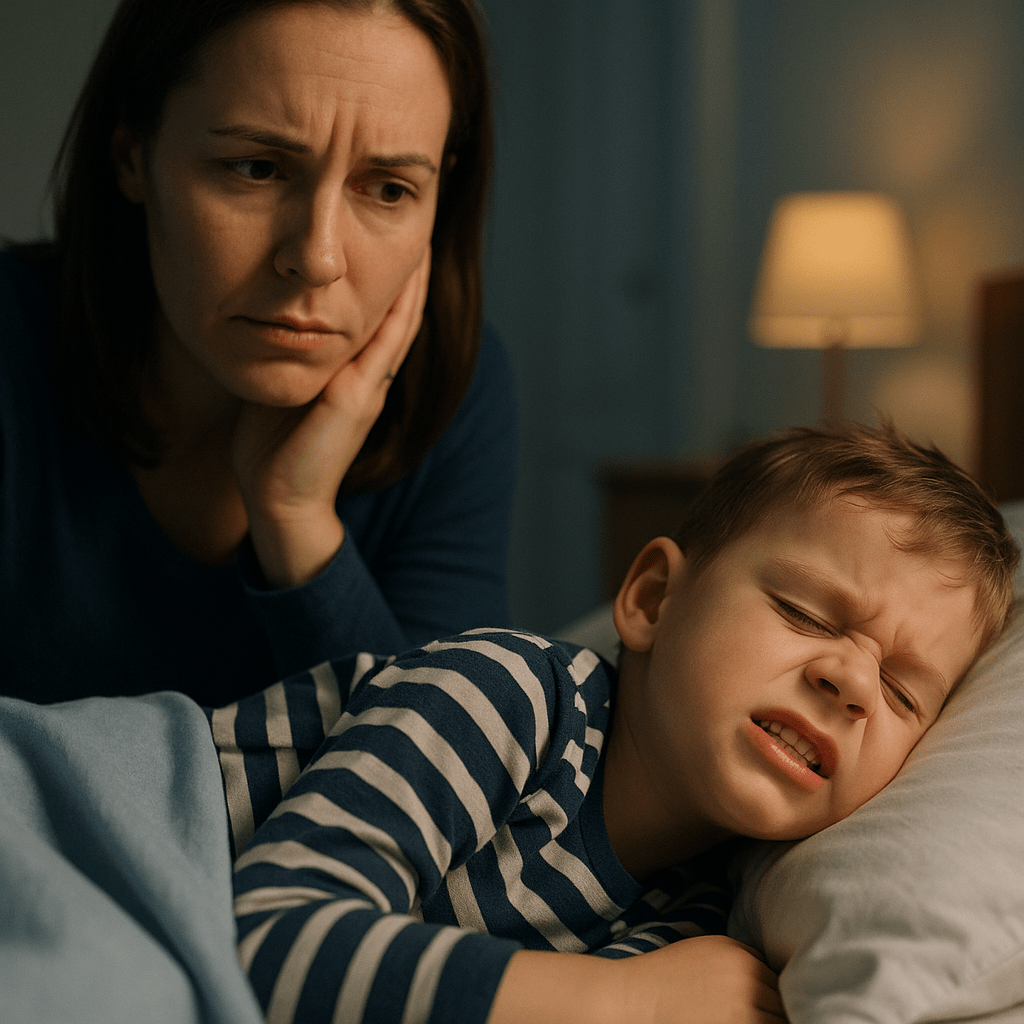
A pediatric dentist can evaluate whether a guard is needed—or suggest alternatives tailored to your child’s age and needs.
Final Thoughts: Can Kids Safely Wear Night Guards?
Yes—but only with guidance from a dentist. Many kids will grind their teeth at some point during childhood, and most will grow out of it without intervention. But for children experiencing pain, disrupted sleep, or tooth damage, a well-fitted night guard can offer protection and relief.
If you’re hearing grinding sounds at night or your child is waking up with unexplained symptoms, don’t panic. Just bring it up at their next dental checkup—and remember that with the right guidance, bruxism in children is manageable and often temporary.
-
Homemade Night Guard: Safe Alternatives or Dangerous?

If you grind your teeth at night and don’t want to spend hundreds of dollars on a custom dental appliance, it might be tempting to search YouTube or TikTok for a DIY solution. After all, how hard could it be to make a night guard at home?
The truth is, while homemade night guards might sound like a creative hack, they often come with significant risks to your teeth, jaw, and sleep health. In this article, we’ll break down what people mean when they talk about DIY night guards, whether any safe options exist, and why most experts recommend avoiding home-made dental appliances.
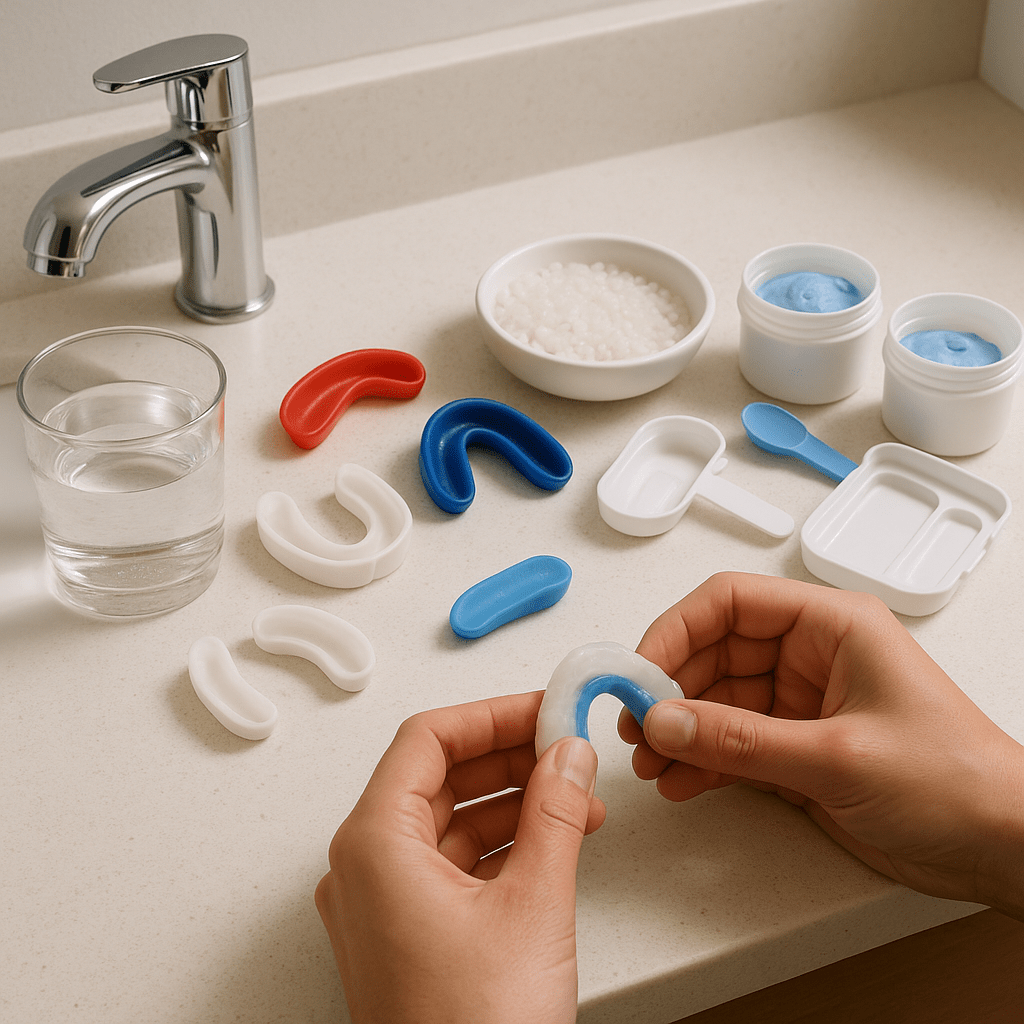
What Is a Homemade Night Guard?
A homemade night guard is any self-created device meant to protect the teeth from grinding or clenching during sleep—typically made without the involvement of a dentist or professional lab.
Common DIY attempts include:
- Molding mouth guards using household materials like hot water and plastic trays
- Using sports mouthguards bought at sporting goods stores
- Melting plastic beads (like thermoplastic pellets) into molds
- Using wax, putty, or silicone dental kits meant for whitening trays
- Cutting and reshaping store-bought boil-and-bite guards
These DIY approaches are often promoted in forums or social media as cheap alternatives to custom dental night guards—but they come with major downsides.
Why People Try Making Their Own Night Guard
The main reason is simple: cost.
A professionally made custom night guard can range from $300 to $800 when ordered through a dentist. Some people want to avoid that cost and take matters into their own hands.
Other reasons include:
- Convenience — Wanting a quick fix without waiting weeks
- Experimentation — Seeing if a guard helps before investing in one
- TikTok trends or influencer content promoting DIY dental hacks
- Distrust of dentists or medical providers
While the motivation is understandable, DIY dental gear often creates more problems than it solves.
The Dangers of Homemade Night Guards
Night guards are not just about protecting your teeth—they’re about proper alignment, jaw function, and long-term health. Even small inaccuracies in fit can cause real damage over time.
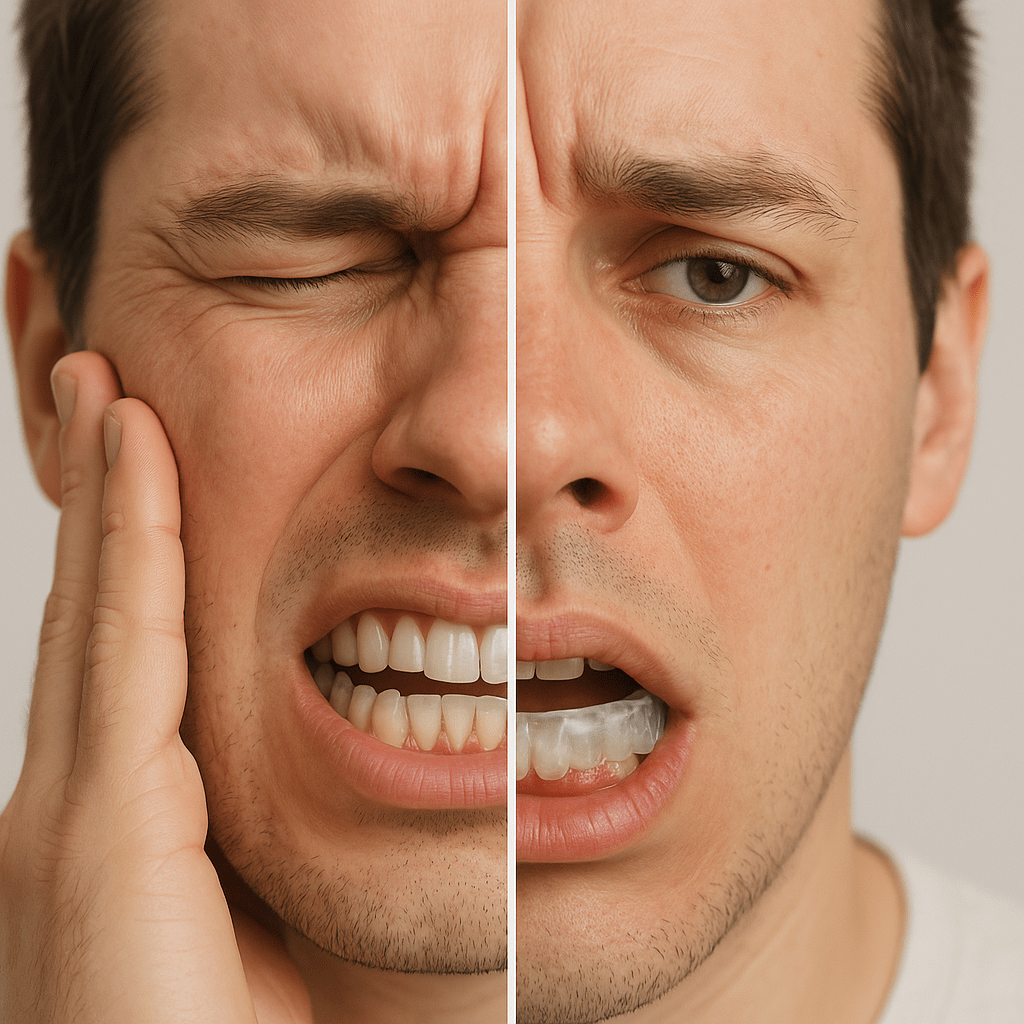
🔻 1. Improper Fit
A poorly fitting night guard can:
- Cause jaw pain or TMJ issues
- Lead to tooth movement or bite changes
- Exacerbate clenching or grinding
- Create pressure points that damage enamel
🔻 2. Breathing Risks
Some homemade guards are bulky or unstable, making it harder to:
- Breathe through your mouth
- Maintain a normal sleeping posture
- Avoid choking hazards if the material dislodges
🔻 3. Tooth Damage
Hard or uneven plastic may:
- Chip or crack your teeth
- Rub against the gums and cause irritation or bleeding
- Trap bacteria and cause bad breath or gum disease
🔻 4. No Clinical Oversight
A dentist doesn’t just make a mold—they evaluate:
- Your bite alignment
- Signs of bruxism severity
- The presence of sleep apnea, which changes the treatment approach
Without that clinical evaluation, a DIY guard might be covering up symptoms that need deeper attention.
What About Over-the-Counter Night Guards?
While not “homemade” in the strict sense, many people confuse DIY night guards with boil-and-bite guards sold online or in stores.
Boil-and-bite guards:
- Are made of soft thermoplastic
- Are molded at home by heating and biting
- Cost $20–$60
Pros:
- Affordable
- Widely available
- Better than nothing for light grinders
Cons:
- Often bulky or ill-fitting
- Break down quickly
- Can actually worsen clenching for some users
- Still lack professional oversight
They’re a better option than homemade hacks—but still not ideal for long-term use if you grind severely or experience jaw pain.
Safer Alternatives to Homemade Night Guards
If you’re on a budget or can’t get to a dentist right now, here are some safer steps you can take while avoiding the dangers of homemade guards.

✅ 1. Custom Lab-Made Night Guards (Direct-to-Consumer)
These brands offer a smart middle ground:
- You order an at-home impression kit
- Send your mold to their lab
- Receive a custom-fit guard for $100–$150
These are legitimate options made by dental technicians and offer a much higher level of fit and safety than DIY projects.
✅ 2. Stress Reduction Techniques
Since stress is one of the main causes of nighttime grinding, consider:
- Guided meditation before bed
- Cognitive behavioral therapy (CBT) for anxiety
- Sleep hygiene improvements (no screens, caffeine, or alcohol late at night)
These techniques can reduce the frequency and intensity of grinding and clenching.
✅ 3. Oral Exercises or Jaw Massage
- Myofunctional therapy to retrain jaw position
- TMJ-focused physical therapy
- Gentle jaw and neck stretches before bed
These may help especially if your grinding is related to muscle tension or poor posture.
✅ 4. See a Dentist for Evaluation
Even a single consultation can give you:
- Clarity on whether you’re clenching, grinding, or both
- A recommendation for the right type of guard
- Insight into deeper causes (like airway obstruction)
DIY Night Guard Myths (And the Truth)
Let’s debunk a few common misconceptions:
Myth Reality “I can just use a sports mouthguard at night.” Sports guards are bulky and meant for short bursts of impact—not prolonged pressure during sleep. “TikTok said thermoplastic beads are safe.” Most plastics used in crafts aren’t medical-grade and can degrade or leach chemicals. “If it’s soft and comfortable, it must be safe.” Soft guards may feel good at first, but can actually increase muscle activity in clenchers. “I’ll just try it for a few nights—what’s the harm?” Even short-term misalignment or pressure can cause lasting damage or pain. When It’s Okay to Use a Temporary Solution
In very limited cases, you might use a store-bought boil-and-bite guard temporarily while you wait for a dental appointment. But if you notice:
- Increased pain
- Difficulty breathing
- Changes in your bite
- Any looseness or movement in teeth
—stop immediately and get professional help.
Bottom Line: Are Homemade Night Guards Safe?
No—homemade night guards are not safe. While they may seem like a quick and cheap solution, they come with real risks: from jaw damage to choking hazards to worsening your condition.
If you’re dealing with teeth grinding or clenching:
- Avoid DIY dental molds, craft plastics, or online hacks.
- Use direct-to-consumer custom guards if you’re on a budget.
- Seek dental evaluation to address root causes, not just symptoms.
Night guards are medical devices, not arts-and-crafts projects. Your teeth, jaw, and long-term comfort are worth doing it the right way.
Need help figuring out what kind of night guard is right for you?
Check out our Night Guard Materials Guide for a breakdown of soft vs. hard vs. dual-laminate guards. -
Do Wisdom Teeth Cause Teeth Grinding?
Wondering if your wisdom teeth are causing you to grind your teeth at night? Learn how wisdom teeth can impact jaw alignment, pain response, and bruxism.
What Is Bruxism?
Bruxism is the involuntary grinding, clenching, or gnashing of teeth—usually while you’re fast asleep. According to the American Dental Association, it affects up to 15% of adults and a surprising number of children too. While occasional grinding might not cause much harm, chronic bruxism can wear down enamel, damage dental work, and cause persistent jaw pain.
What Are Wisdom Teeth and When Do They Appear?
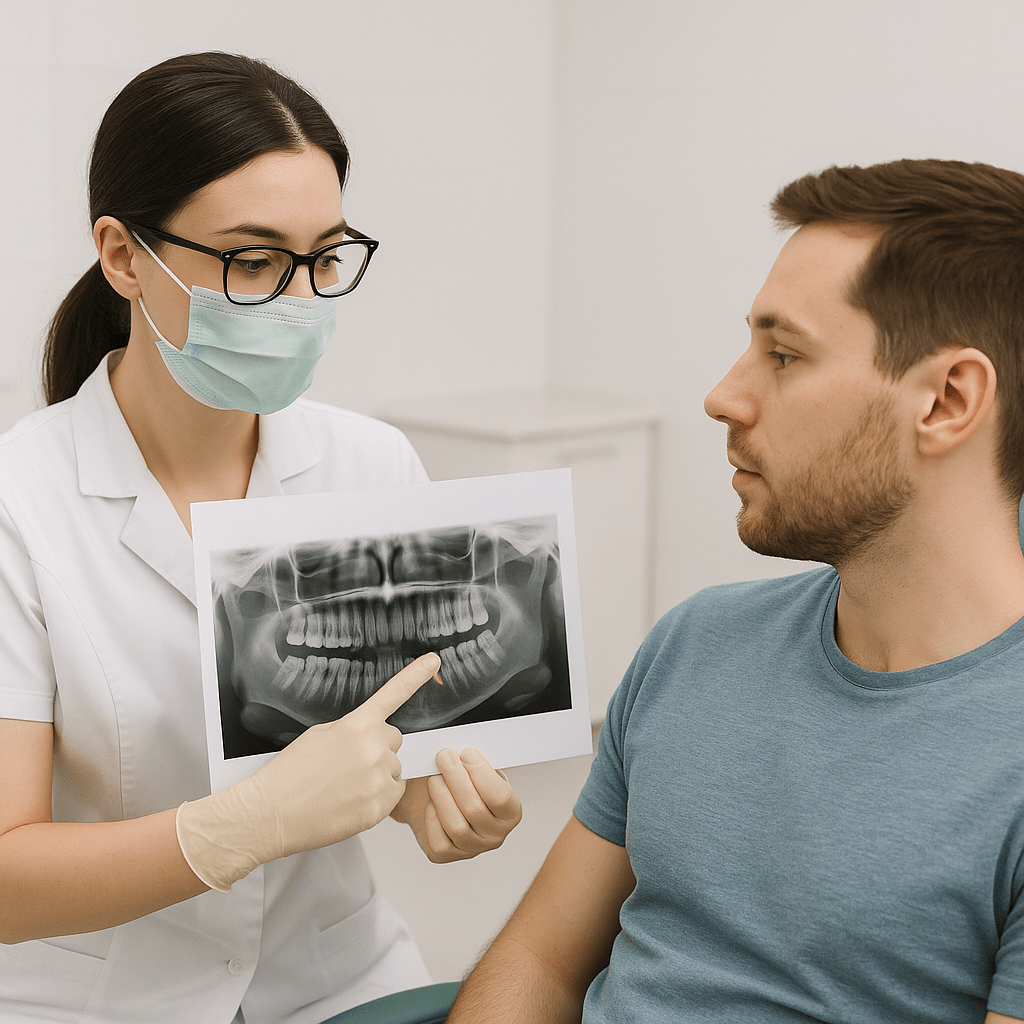
Wisdom teeth, also known as third molars, are the last set of teeth to emerge—typically between the ages of 17 and 25. For many, there just isn’t enough room in the mouth for them to grow in properly. When that happens, they may become impacted (trapped under the gum or against other teeth), grow in at awkward angles, or crowd the rest of your teeth. This can lead to inflammation, infection, or bite misalignment.
Can Wisdom Teeth Cause Teeth Grinding?
Let’s be clear: wisdom teeth don’t directly cause bruxism. However, they can play an indirect role. Here’s how:
- Pain and Discomfort: Impacted or erupting wisdom teeth can create discomfort that triggers your body’s unconscious coping mechanisms—like grinding or clenching while you sleep.

- Bite Changes: When wisdom teeth push other teeth out of alignment, it can affect the way your upper and lower jaws meet, leading to new grinding patterns.
- Jaw Tension: Inflammation from problematic wisdom teeth can irritate the temporomandibular joint (TMJ), which is already a hot spot for people with bruxism.
How to Know If Your Wisdom Teeth Are Contributing to Grinding
The signs aren’t always obvious, but here are some clues:
- You’ve recently noticed jaw tightness or morning headaches.
- Your dentist sees evidence of new enamel wear.
- You never ground your teeth before—until your wisdom teeth started coming in.
- You feel pressure or dull pain in the back of your mouth, often on just one side.

What To Do Next
If you suspect your wisdom teeth might be triggering your teeth grinding:
- Book a Dental Exam: A panoramic X-ray can reveal whether your wisdom teeth are impacted or affecting nearby structures.
- Get Fitted for a Night Guard: These protect your teeth while you sleep and may reduce clenching-related discomfort.
- Consider Extraction: If your wisdom teeth are causing pain, shifting your bite, or damaging nearby teeth, your dentist may recommend removal.
Final Thoughts
While wisdom teeth aren’t the root cause of bruxism for most people, they can be the spark that lights the fire. If you’re noticing new grinding symptoms or jaw discomfort, it’s worth looking into your wisdom teeth as a possible trigger. Acting early can prevent long-term damage and discomfort.
FAQs
Can removing wisdom teeth stop teeth grinding? In some cases, yes—especially if the grinding was linked to pain or a disrupted bite.
How can I tell if my wisdom teeth are impacted? Signs include jaw swelling, difficulty opening your mouth, bad breath, and localized pain. A dentist can confirm with imaging.
-
Can You Wear a Night Guard After Wisdom Teeth Removal?
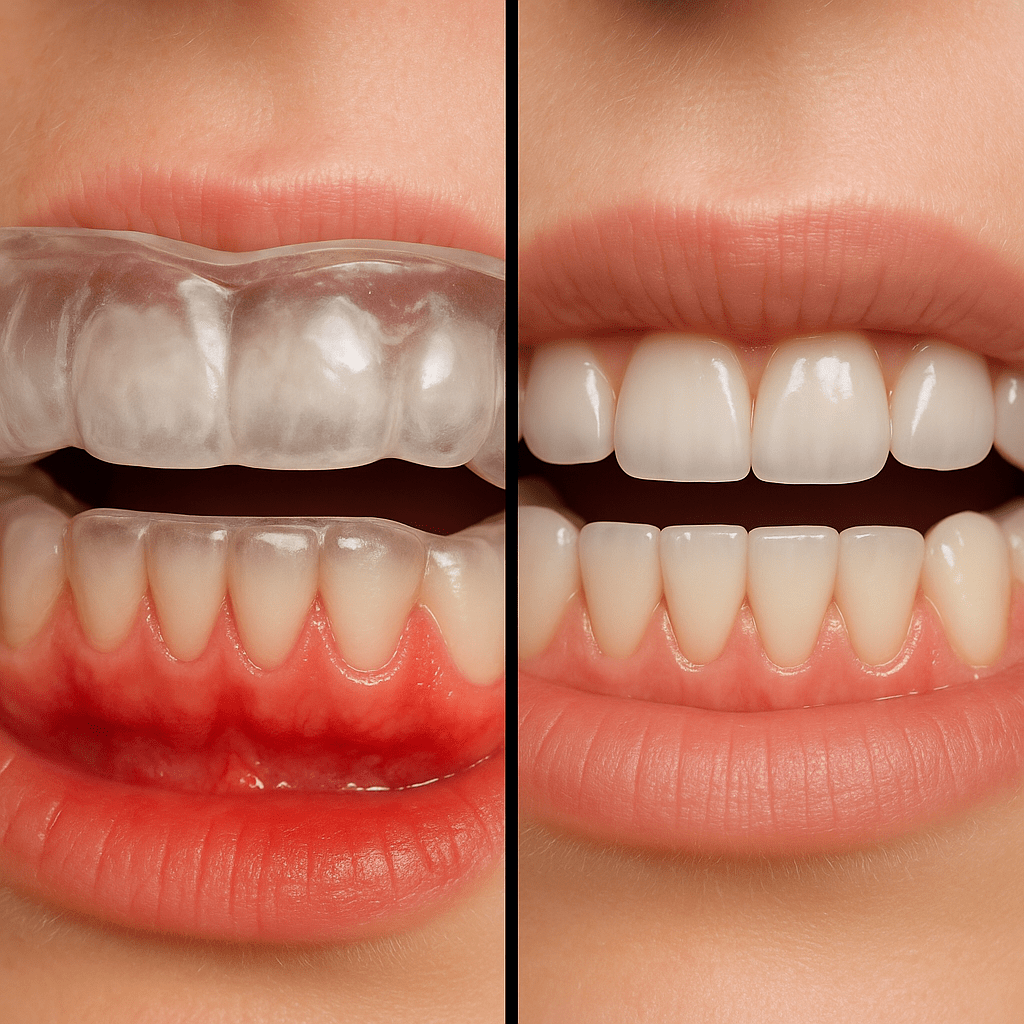
Just had your wisdom teeth removed? Find out if it’s safe to wear your night guard and how to protect your healing gums while managing teeth grinding.
Why Night Guards Matter for People With Bruxism
If you’re a teeth grinder, you already know the value of a good night guard. These custom-made devices can shield your enamel, reduce jaw strain, and help you sleep better. But what happens when you undergo oral surgery? Do you need to take a break from your guard?
The Wisdom Tooth Healing Timeline
Most people experience swelling and soreness for about 3–5 days after wisdom tooth extraction, with full gum healing taking up to two weeks. If stitches were used, they may dissolve or be removed after about 7 days. Until that soft tissue heals, anything pressing against it—like a mouth guard—can irritate or delay recovery.

When Can You Safely Wear a Night Guard Again?
- Days 1–3: Avoid completely. Your gums are swollen, possibly bleeding, and extremely sensitive.
- Days 4–8: Some people can resume use with a soft or adjustable guard if there’s no pressure on the extraction sites.
- After Day 10: For most, this is the safest point to resume normal use of a properly fitted night guard.
Always ask your oral surgeon or dentist first, especially if you had complex extractions.
Temporary Alternatives to Manage Grinding
If you’re worried about bruxism during recovery, try these instead:
- Jaw Relaxation Exercises: Light massage or warm compresses can help.
- Over-the-Counter Pain Relief: Ibuprofen or acetaminophen may reduce the urge to clench.
- Sleep Support: Use extra pillows to elevate your head and reduce jaw tension.

Should You Get a New Night Guard After Surgery?
If your wisdom teeth altered your bite or caused tooth movement, your old night guard may no longer fit well. Ill-fitting guards can do more harm than good. A dentist can re-scan your bite post-recovery to determine if a replacement is needed.
FAQs
Is it dangerous to wear a night guard too soon? Yes. It can press on healing tissue and slow recovery.
Can I use a store-bought guard temporarily? Only with your dentist’s OK. Many boil-and-bite options are bulky and can irritate surgical sites.
-
Is Jaw Pain From Wisdom Teeth or Teeth Grinding?

Jaw pain can come from wisdom teeth or teeth grinding. Here’s how to tell the difference and what to do about it.
The Overlap: Why It’s Hard to Tell
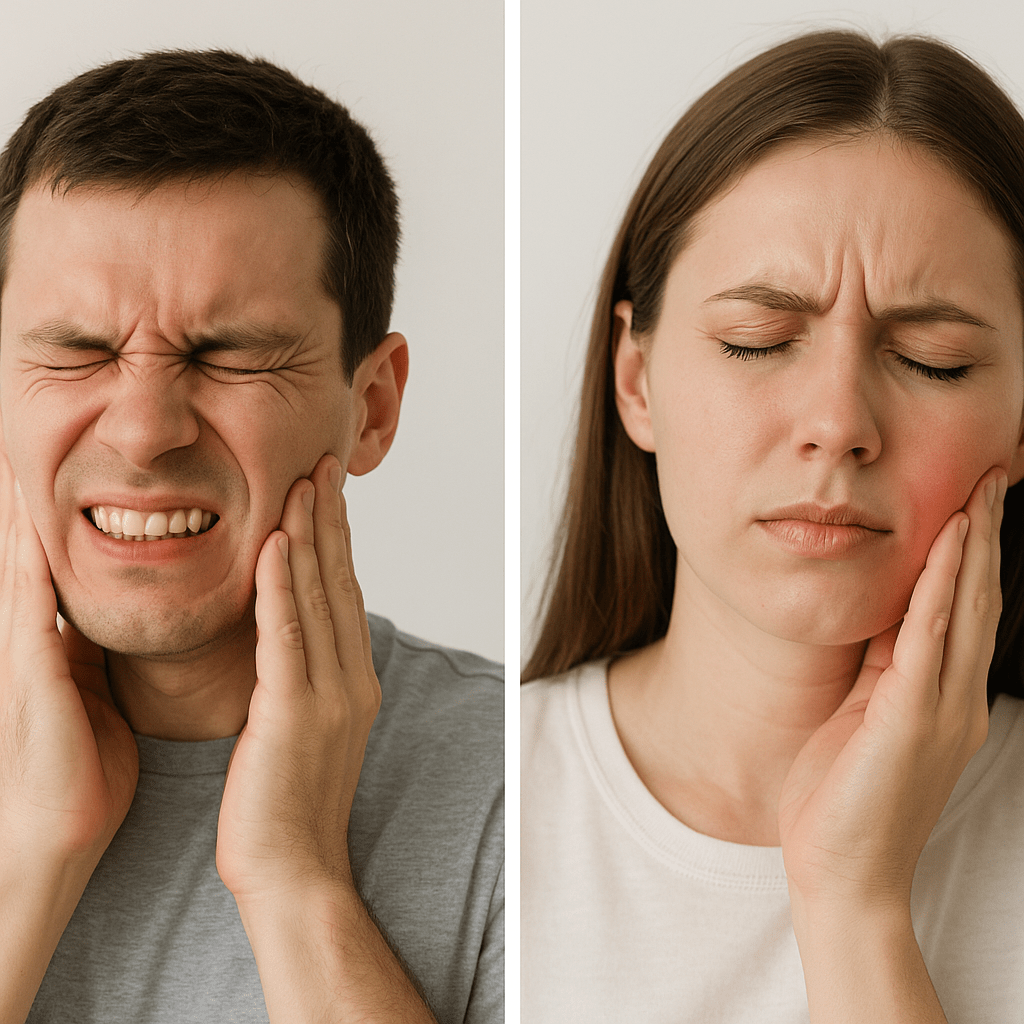
Both wisdom teeth issues and bruxism can cause jaw soreness, headaches, and even ear pain. But they originate from different mechanisms—one is dental crowding or impaction, the other is muscle overuse.
Symptoms of Bruxism
- Pain on both sides of the jaw
- Morning headaches
- Flattened or chipped teeth
- Earaches without infection
Bruxism is often tied to stress, sleep disorders, or stimulant use (Mayo Clinic).
Symptoms of Wisdom Tooth Problems
- Pain on one side of the jaw
- Swelling near the back molars
- Gum inflammation or bleeding
- Difficulty opening your mouth
Wisdom tooth pain may come in waves and worsen during chewing or brushing.
How to Tell the Difference
Ask yourself:
- Is the pain symmetrical or one-sided?
- Do I feel it more in the morning (grinding) or after eating (wisdom teeth)?
- Any visible swelling near the back of the jaw?
Diagnostic Tips
A dentist will usually:
- Examine your bite
- Look for enamel wear or jaw muscle tenderness
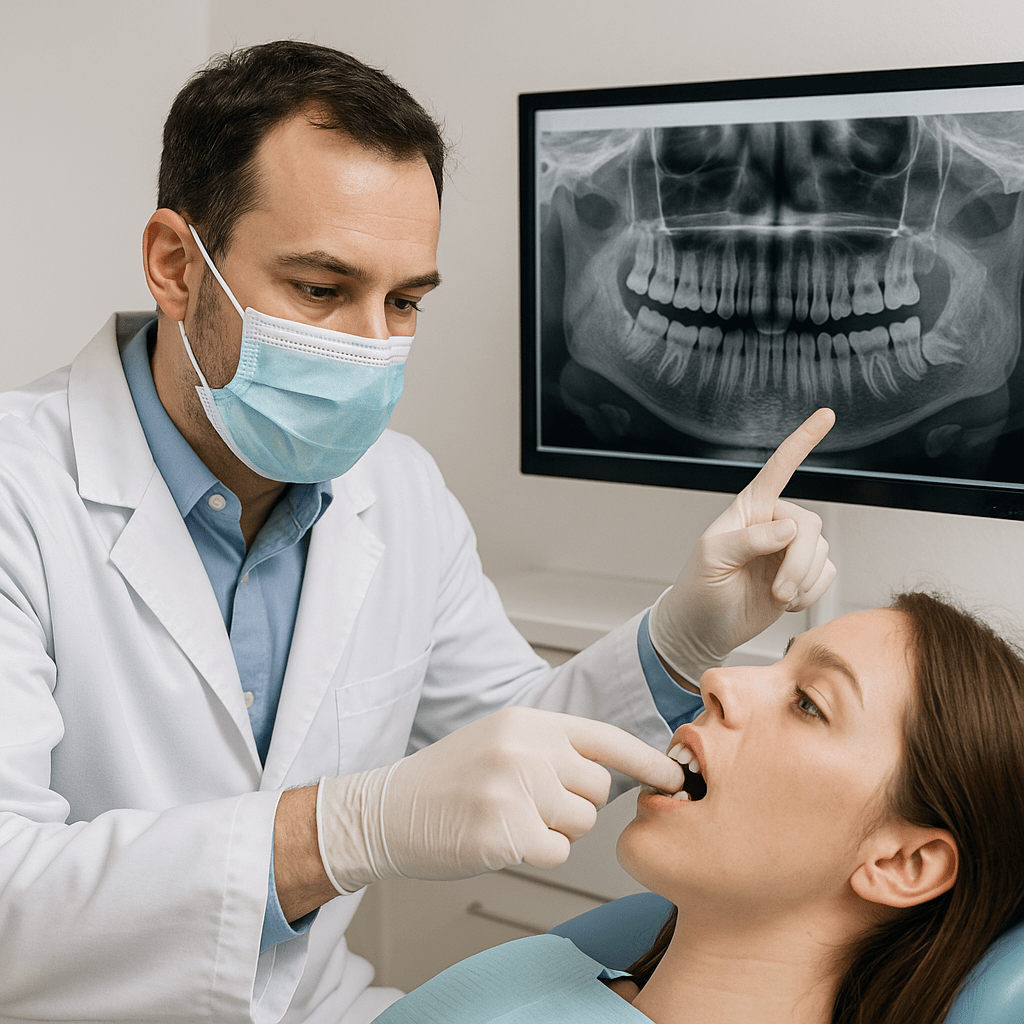
- Take a panoramic X-ray to evaluate wisdom teeth
Next Steps for Treatment
- For bruxism: Try a custom night guard, stress management techniques, or physical therapy.
- For wisdom teeth: Extraction may be needed if they’re impacted or causing pain.
FAQs
Can I have both issues at once? Yes—and when they overlap, they can amplify your discomfort.
Should I treat grinding even if my wisdom teeth are the main problem? Yes. Protecting your teeth is always worthwhile, especially if you grind at night.
-
Teeth Grinding After Wisdom Tooth Removal: What’s Normal?
Noticing teeth grinding after your wisdom teeth surgery? Learn why it happens, how long it lasts, and how to ease it.
Can Surgery Trigger Grinding?
It might seem surprising, but many people experience new or worsened teeth grinding in the days following wisdom tooth extraction. Why?
- Surgical stress: Even minor surgery can increase cortisol levels and lead to stress-related behaviors.

- Sleep disruption: Pain, medications, and changes in routine can all interfere with restful sleep.
- Temporary bite changes: Post-op swelling or altered jaw motion may lead to compensatory clenching.
Is It Really Bruxism or Just Healing Pain?
Here’s how to tell:
- Grinding pain is usually dull, symmetric, and worst in the morning.
- Surgical pain is sharper, localized, and triggered by touching or chewing.
Tips to Ease Grinding During Recovery
- Jaw warm-ups: Gentle stretching before bed can relax the muscles.
- Hydration & diet: Avoid caffeine and hard foods that stress the jaw.
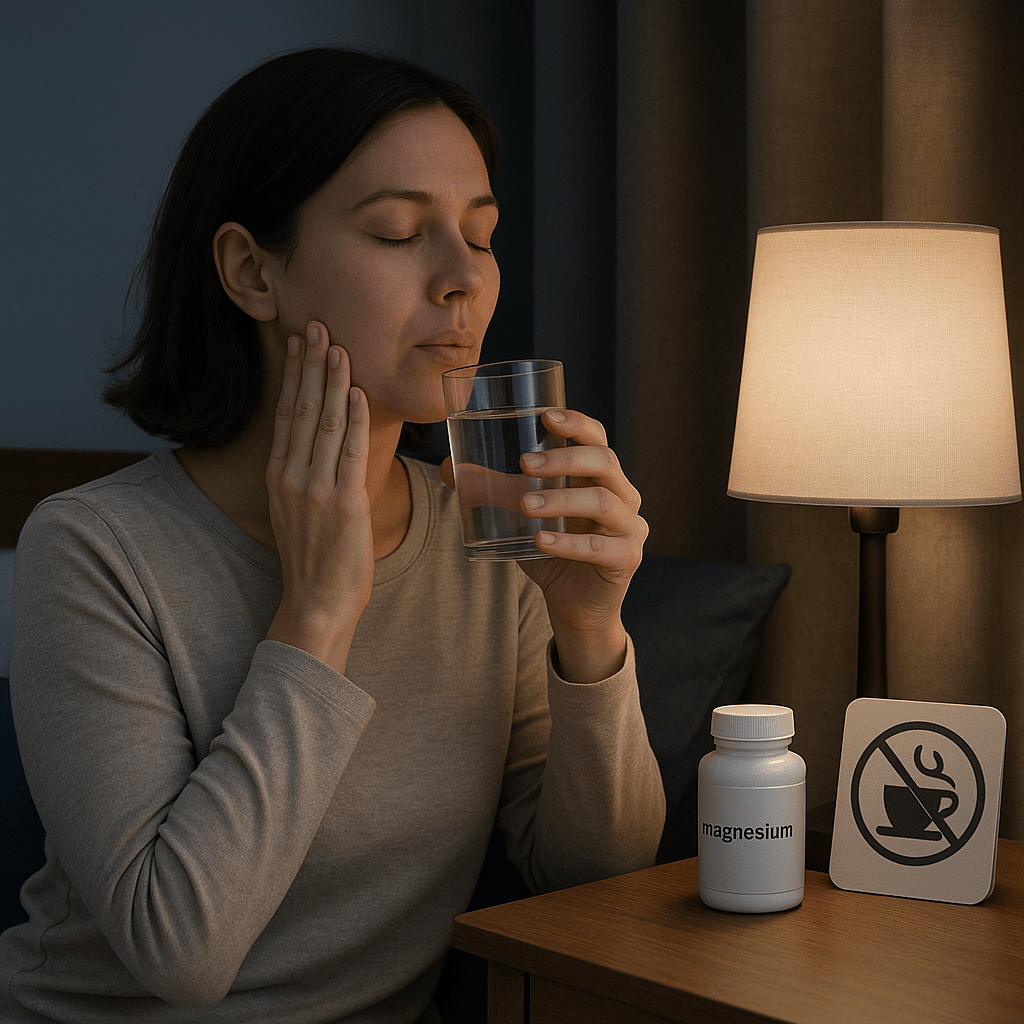
- Relaxation rituals: Try breathwork, meditation, or magnesium supplements to reduce stress before bed.
When to Resume Using Your Night Guard
After 7–10 days, most patients can resume use if:
- Their mouth feels normal (no swelling or soreness)
- They aren’t experiencing pressure on the surgical site
- Their bite hasn’t changed significantly
What If It Doesn’t Go Away?
If you’re still grinding weeks later:
- Talk to your dentist about re-fitting your guard
- Consider seeing a TMJ specialist
- Rule out sleep apnea, which can also trigger bruxism (Sleep Foundation)
FAQs
Can wisdom tooth surgery make bruxism worse? In the short term, yes—but it’s usually temporary.
Is a night guard safe to use during healing? With your dentist’s approval, yes—but don’t rush it.
-
Night Guard Materials: Pros and Cons

Why Night Guard Material Matters
When it comes to choosing the right night guard for bruxism or TMJ, the material makes a big difference.
Not all night guards are created equal — they come in a range of materials, each with unique benefits and drawbacks.
If you’ve ever wondered:
✅ What’s the best material for a night guard?
✅ Should I get a soft or hard night guard?
✅ Are over-the-counter guards worth it?This guide breaks down the pros and cons of each night guard type, helping you make the right choice for your smile.
Main Types of Night Guard Materials
There are four main categories of night guard materials you’ll encounter:
- Soft Night Guards
- Hard Acrylic Night Guards
- Dual-Laminate (Hybrid) Night Guards
- Over-the-Counter (OTC) Night Guards
Let’s look at each one in detail.
1️⃣ Soft Night Guards: Pros and Cons
Soft night guards are made from flexible plastic and are typically used for mild teeth grinding.
✅ Pros:
- Comfortable and easy to wear
- Affordable compared to hard guards
- Good for light grinders or occasional use
❌ Cons:
- Less durable — wears out faster
- Not suitable for heavy clenching or grinding
- Can sometimes encourage more clenching because of the soft texture
2️⃣ Hard Acrylic Night Guards: Pros and Cons
Hard night guards are made from rigid acrylic and are typically custom-made by a dentist.
✅ Pros:
- Extremely durable and long-lasting
- Best for heavy grinders and TMJ sufferers
- Provides excellent bite support and stabilization
❌ Cons:
- Less comfortable, especially at first
- More expensive than soft guards
- Can feel bulky or tight, requiring adjustment
3️⃣ Dual-Laminate (Hybrid) Night Guards: Pros and Cons
Dual-laminate night guards combine a soft inner layer with a hard outer shell — giving you the best of both worlds.
✅ Pros:
- Soft inside for comfort, hard outside for durability
- Suitable for moderate to heavy grinding
- Custom fit provides excellent balance of comfort and protection
❌ Cons:
- Slightly thicker than soft or hard guards alone
- More expensive than soft guards
- Needs to be custom-made by a dental professional
4️⃣ Over-the-Counter (OTC) Night Guards: Pros and Cons
OTC night guards (like boil-and-bite or ready-to-wear options) are sold in drugstores and online.
✅ Pros:
- Affordable and easy to access
- Immediate availability — no dental visit required
- Simple to mold at home (for boil-and-bite types)
❌ Cons:
- Poor fit compared to custom guards
- Less durable and may need frequent replacement
- Can cause jaw discomfort or tooth shifting if not fitted correctly

How to Choose the Right Night Guard Material
When selecting a night guard, consider:
✅ Grinding severity — light vs. heavy
✅ Comfort needs — are you sensitive to rigid materials?
✅ Budget — custom guards cost more but last longer
✅ Longevity — how often are you willing to replace the guard?Pro tip: Always consult your dentist if you’re unsure. A professional can assess your bite, grinding patterns, and recommend the best material for your needs.
Final Thoughts: The Best Night Guard Is the One That Works for You
No single night guard material is perfect for everyone.
- Soft guards work well for mild grinders.
- Hard acrylic guards suit heavy clenchers.
- Dual-laminate guards balance comfort and strength.
- OTC guards offer a quick, budget-friendly option — but with limitations.
By understanding the pros and cons, you can make a smarter choice and protect your teeth effectively.
Want More Help?
Check out these related articles:

Grind My Teeth
Sharing the scientific journey to stop teeth grinding
 Grind My Teeth